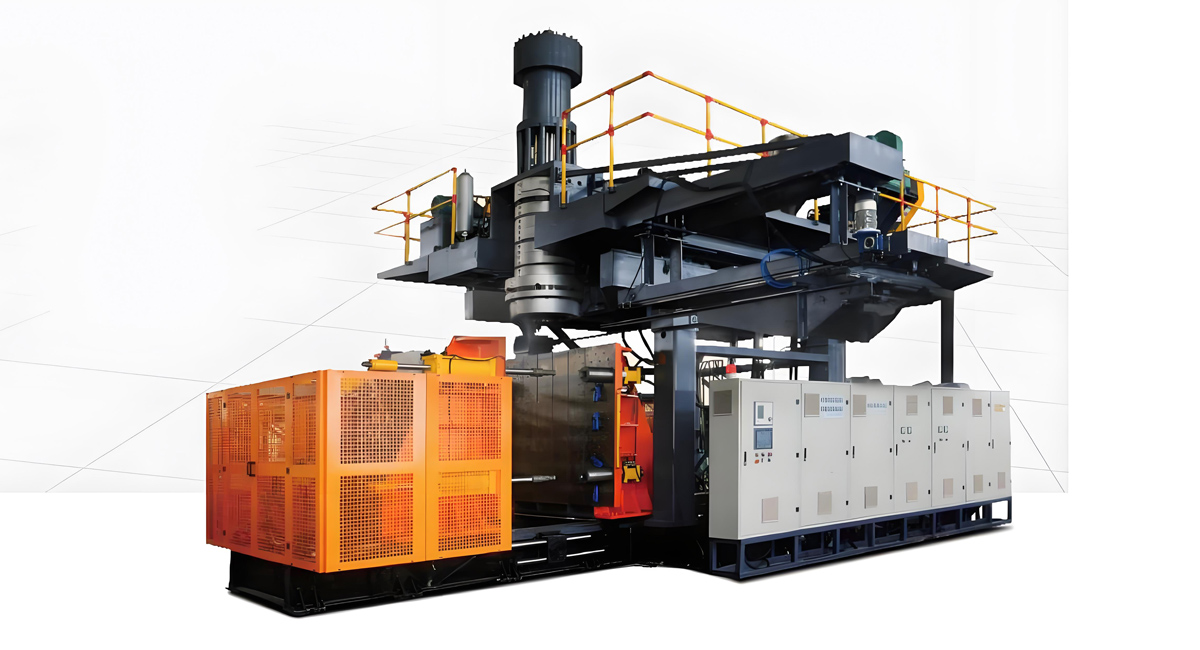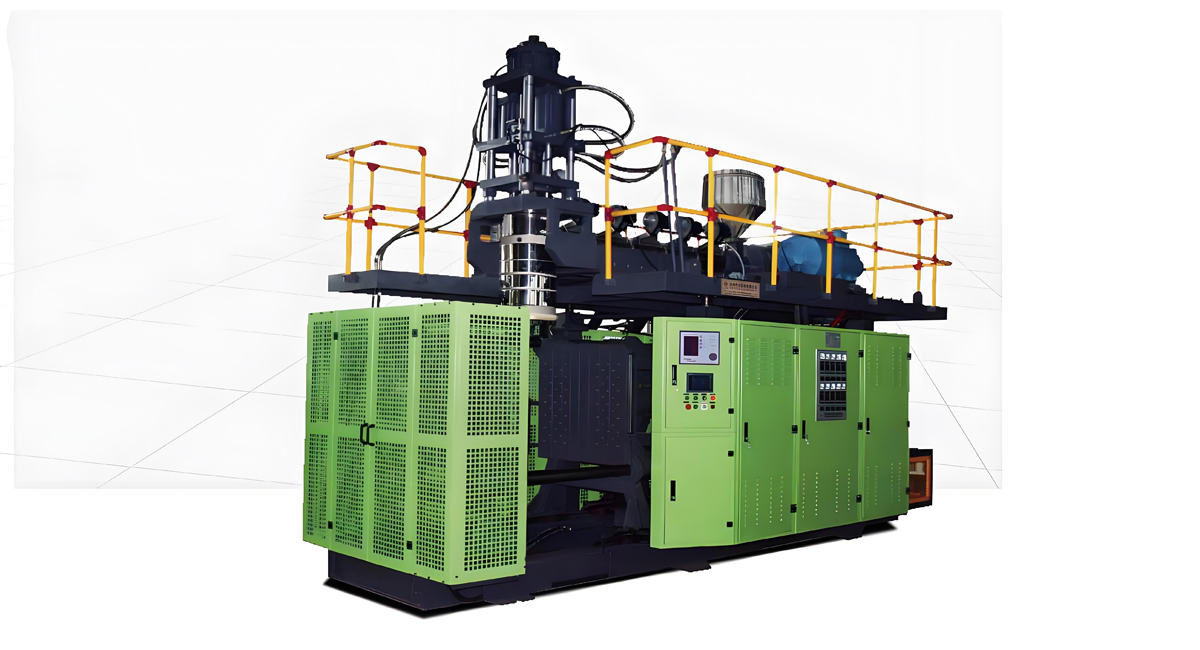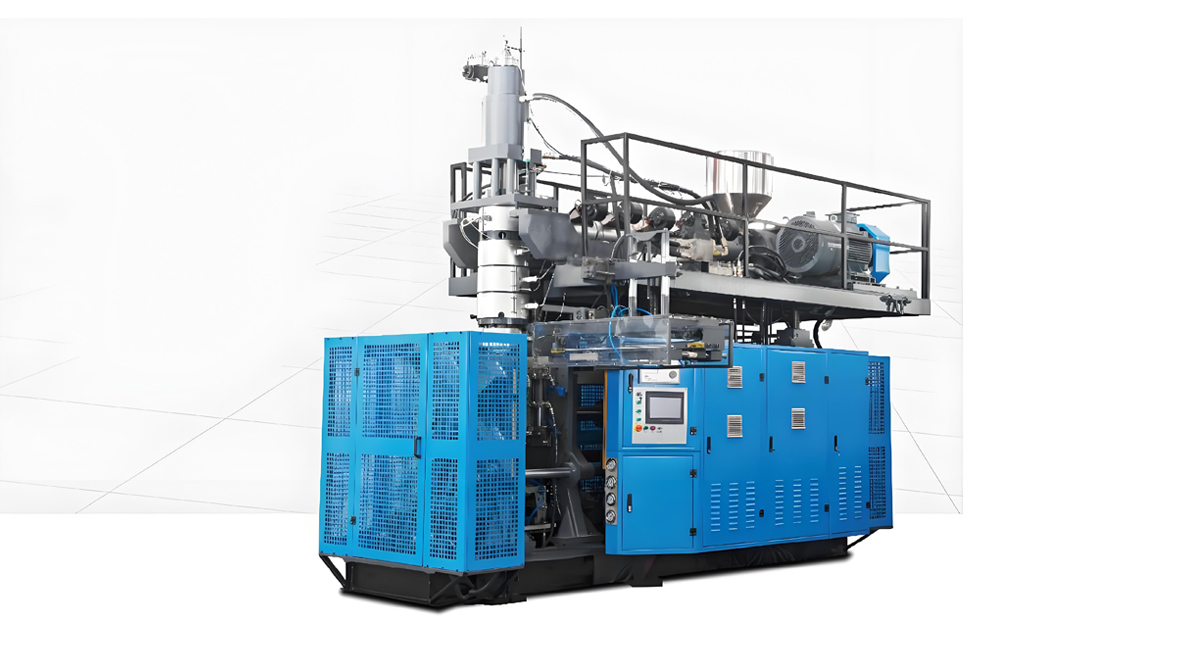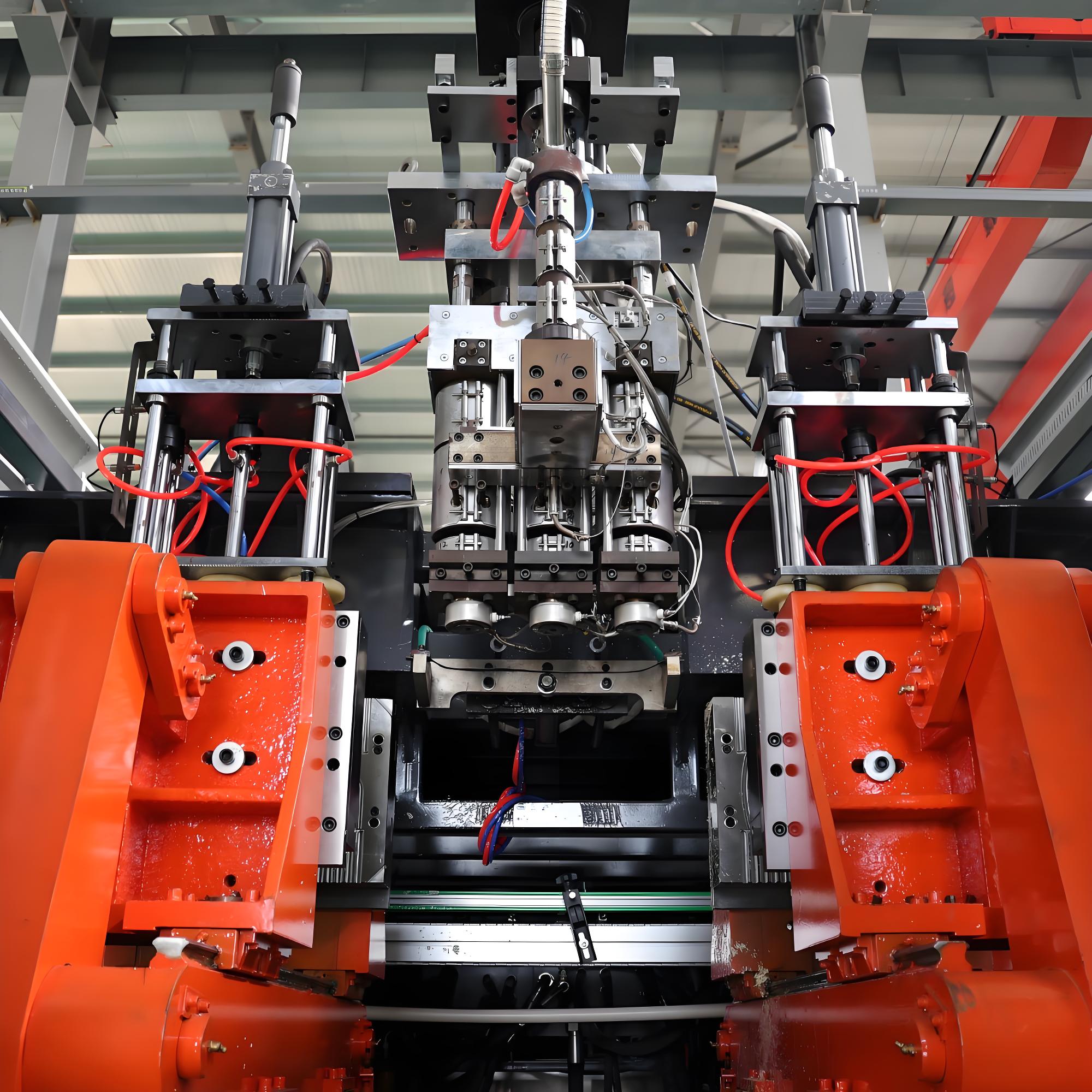

Importing manufacturing equipment from China offers significant cost advantages compared to domestic procurement, but successful importation requires careful planning and comprehensive cost analysis. The total cost of importing an extrusion blow molding machine encompasses far more than the equipment purchase price, including logistics, customs, installation, and ongoing operational considerations. This comprehensive guide provides a detailed framework for calculating the true cost of importing extrusion blow molding equipment from China, enabling informed procurement decisions and successful project execution.
Chinese manufacturers have achieved substantial capability in extrusion blow molding machine production, offering equipment ranging from basic models to advanced systems competing with European and Japanese alternatives. Quality improvements across all price segments have made Chinese equipment increasingly attractive for manufacturers worldwide. However, navigating the import process requires understanding multiple cost components and potential challenges that can significantly impact project economics.
Understanding the Total Cost of Import
The total cost of importing an extrusion blow molding machine includes all expenses from supplier selection through successful installation and initial operation. Many importers focus primarily on the purchase price while overlooking additional costs that can substantially increase the final investment. Comprehensive cost analysis prevents budget overruns and ensures adequate resources for complete project execution.
Cost categories span the entire import lifecycle including pre-purchase activities such as supplier research,样品 evaluation, and negotiation. Purchase transaction costs encompass the equipment price, payment processing fees, and currency exchange costs. Logistics costs include transportation from the Chinese factory to the destination facility. Customs and regulatory costs cover import duties, taxes, and compliance activities. Installation and commissioning costs include foundation preparation, utilities, and professional services. Ongoing costs include spare parts, technical support, and warranty-related expenses.
Direct Versus Indirect Costs
Direct costs appear explicitly in purchase orders and invoices, making them relatively easy to identify and budget. These include equipment price, shipping charges, insurance premiums, customs duties, and installation labor. Direct costs typically represent 70 to 85 percent of total import costs depending on the specific equipment and destination country.
Indirect costs may not appear as separate line items but nonetheless impact project economics. Travel expenses for factory visits and equipment inspection represent significant indirect costs for many import projects. Time invested by internal staff in supplier communication, specification development, and project management carries an opportunity cost. Currency fluctuation between order placement and payment can affect final costs in ways difficult to predict accurately.
Hidden costs sometimes emerge unexpectedly during the import process. Quality issues discovered during installation may require remediation expenses. Specification misunderstandings may necessitate modifications or additional components. Delays in shipment or customs clearance may create storage costs or production losses. Risk mitigation through thorough due diligence and clear contracts reduces but does not eliminate these potential costs.
Cost Estimation Accuracy
Cost estimation accuracy improves with project stage progression. Early estimates based on preliminary information typically carry accuracy ranges of plus or minus 25 to 30 percent. Detailed estimates following specification finalization and supplier quotation typically achieve plus or minus 10 to 15 percent accuracy. Final costs depend heavily on supplier performance and unforeseen circumstances that cannot be fully anticipated.
Contingency budgeting addresses estimation uncertainty. Industry practice suggests budgeting contingencies of 10 to 15 percent for straightforward import projects and 15 to 25 percent for first-time importers or complex projects. Contingency funds should remain accessible until all project costs are finalized to cover unexpected expenses without disrupting project execution.
Equipment Pricing from Chinese Manufacturers
Chinese extrusion blow molding machine pricing varies substantially based on machine specifications, manufacturer positioning, and transaction terms. Understanding pricing structures and negotiation dynamics helps importers secure favorable terms while ensuring appropriate quality levels. This section provides detailed guidance on equipment pricing considerations.
Price Range by Machine Category
Entry-level single-head extrusion blow molding machines from Chinese manufacturers typically range from 25,000 to 60,000 dollars depending on specifications and manufacturer. These machines suit small-scale production and prototyping applications where throughput requirements are modest. Quality and capability expectations should be calibrated accordingly, with careful evaluation of specifications against actual production requirements.
Mid-range machines with improved specifications and build quality typically cost between 60,000 and 150,000 dollars. This category includes machines with higher clamping forces, larger platen dimensions, and more sophisticated control systems. Many importers find appropriate solutions within this price range for moderate-volume production requirements.
Premium Chinese machines competing with European alternatives command prices from 150,000 to 350,000 dollars. These machines incorporate advanced features, premium components, and manufacturing quality approaching or matching competitors. Some Chinese manufacturers have achieved international quality certifications and serve demanding applications in regulated industries.
Industrial-scale machines for large container production may exceed 350,000 dollars even from Chinese suppliers. Carousel machines, high-speed systems, and heavy-duty equipment for industrial containers require substantial engineering and manufacturing capability reflected in pricing. International competitors offer similar equipment at premium prices of two to three times the Chinese equivalents.
Factors Influencing Equipment Pricing
Machine specifications drive pricing through multiple parameters. Clamping force requirements significantly influence machine cost, with higher forces requiring larger frames, more robust components, and more powerful hydraulic systems. Extrusion system capacity including screw size and drive power impacts pricing substantially. Control system sophistication from basic relay logic to advanced PLC systems with HMI interfaces creates meaningful price differentiation.
Automation level options including material handling systems, part removal robots, and quality inspection integration add to base machine pricing. While these additions increase initial investment, they often provide favorable returns through improved efficiency and quality consistency. Full automation packages may add 20 to 40 percent to machine pricing depending on complexity.
Customization requirements that deviate from standard specifications typically increase pricing. Special voltage requirements for destination country power systems, customized control interfaces, or unique mechanical features all add to development and manufacturing costs. Standard configurations benefit from economies of scale that custom builds cannot achieve.
Negotiation Strategies and Considerations
Chinese suppliers generally expect negotiation on pricing, particularly for larger orders. Initial quotations often include margins that provide room for negotiation. Understanding fair market pricing for comparable equipment enables effective negotiation. Industry contacts, trade publications, and multiple quotation requests help establish price reference points.
Payment terms negotiation provides opportunities beyond direct price reduction. Extended payment schedules, performance-based payments, or letters of credit with favorable terms can meaningfully improve project economics. Large orders or multi-machine commitments typically secure better terms than single-machine purchases.
Volume discounts apply for multi-machine orders or bundled purchases including accessories, spare parts, and services. Suppliers value ongoing customer relationships that generate recurring business. Establishing long-term supplier partnerships may provide benefits extending beyond individual transaction pricing.
Shipping and Logistics Costs
Shipping costs for extrusion blow molding machines vary substantially based on shipping method, machine dimensions, weight, and origin-destination routing. Understanding logistics options and costs enables appropriate planning and budget allocation. This section details shipping considerations and typical cost ranges for various logistics approaches.
Container Shipping Options
Standard 20-foot containers accommodate smaller extrusion blow molding machines up to approximately 15 tons weight and dimensions within container limits. Machine dimensions, particularly height and width, must fit within container interior dimensions of approximately 5.9 meters length, 2.35 meters width, and 2.39 meters height. Some machines may require flat rack or open-top containers due to dimensional constraints.
Forty-foot containers provide additional capacity for machines with larger footprints or when shipping multiple pieces together. Standard interior dimensions of approximately 12.03 meters length, 2.35 meters width, and 2.39 meters height accommodate many mid-sized machines. Split shipping across multiple containers may be required for larger equipment.
Flat rack containers serve machines exceeding standard container dimensions. These open-sided containers accommodate dimensional cargo that would not fit in enclosed containers. Over-height and over-width shipments often require flat rack containers with associated cost premiums. Some very large machines may require breakbulk shipping rather than container transport.
Shipping Cost Estimates
Ocean freight rates from major Chinese ports to major destination ports range from approximately 1,500 to 4,000 dollars per container for standard containers, though rates fluctuate significantly based on market conditions. Peak season surcharges and fuel adjustments may add additional costs. Shipping cost estimates should incorporate these variable elements rather than relying on base rate quotes.
Port handling charges at both origin and destination ports add to shipping costs. These charges cover container unloading, staging, and loading onto inland transport. Destination port handling typically ranges from 200 to 500 dollars per container depending on port and services required. Customs examination fees may apply when cargo is selected for inspection.
Inland transportation from destination ports to final delivery locations significantly impacts total logistics costs, particularly for inland destinations far from major ports. Trucking rates vary by distance, with typical rates ranging from 2 to 5 dollars per mile. Remote locations or destinations requiring specialized equipment for unloading may incur substantially higher costs. Rail transport may offer cost advantages for distant inland destinations.
Shipping Cost Calculation Example
A practical example illustrates comprehensive logistics cost calculation. Consider shipping a mid-sized extrusion blow molding machine in a 40-foot container from Shanghai to Los Angeles. Ocean freight including base rate, fuel adjustment, and peak season surcharge totals approximately 3,500 dollars. Origin port handling charges approximately 300 dollars. Marine insurance at 1 percent of equipment value adds approximately 1,000 dollars for a 100,000-dollar machine. Destination port handling adds another 400 dollars. Inland trucking to an inland destination 500 miles from the port costs approximately 2,500 dollars. Total logistics costs of approximately 7,700 dollars represent approximately 8 percent of equipment value for this example.
Shipping to inland European destinations via ocean freight to European ports and subsequent trucking or rail transport often increases logistics costs compared to coastal destinations. Transatlantic rates combined with European inland transport frequently result in total logistics costs 50 to 100 percent higher than North American coastal shipping. Australian and other remote destinations incur even higher logistics costs due to longer shipping distances.
Customs, Duties, and Regulatory Costs
Import duties and taxes constitute significant cost elements for international equipment procurement. Understanding applicable duty rates, tax treatment, and regulatory requirements enables accurate cost estimation and compliance planning. This section provides general guidance that should be verified with qualified customs advisors for specific situations.
Import Duty Rates
Import duty rates for plastic processing machinery vary by destination country and specific equipment classification. The Harmonized System code for blow molding machines is typically 8477.30 or similar classifications depending on specific machine type and configuration. Most favored nation duty rates for plastic machinery typically range from 0 to 7 percent ad valorem, though actual rates depend on specific product classifications and applicable trade agreements.
Preferential duty rates under free trade agreements may substantially reduce import duties for eligible products. The Comprehensive and Progressive Agreement for Trans-Pacific Partnership, Regional Comprehensive Economic Partnership, and bilateral agreements with specific countries provide preferential access in various markets. Qualifying for preferential rates requires meeting rules of origin requirements that may constrain supplier selection.
Anti-dumping duties may apply for certain products from specific countries if domestic industries have suffered injury from below-cost imports. These duties can substantially increase effective duty rates, though blow molding machines are not typically subject to anti-dumping actions. Product-specific research identifies any applicable anti-dumping measures before finalizing procurement decisions.
Import Tax Calculations
Value-added tax treatment for imported equipment varies by country. Many countries levy VAT or goods and services tax on imported goods at rates ranging from 5 to 25 percent. VAT typically applies to the customs value including freight, insurance, and duties, creating a tax-on-tax effect that increases effective import costs. Some countries allow VAT deferral or recovery for business purchases, reducing cash flow impacts.
Customs valuation for duty and tax purposes includes the transaction value of the goods plus freight, insurance, and related costs to the destination country. Proper documentation of costs and services ensures accurate customs valuation while maintaining compliance with applicable regulations. Customs brokers provide valuable assistance in preparing customs documentation and optimizing duty treatment.
Post-clearance audits may occur for several years following import, requiring importers to maintain comprehensive documentation supporting customs entries. Record-keeping practices should address potential audit requirements from the project outset. Customs brokers and trade compliance consultants provide guidance on documentation requirements and record retention practices.
Regulatory Compliance Costs
Equipment safety certification requirements vary by destination country. Electrical equipment typically requires certification to local safety standards such as UL listing in the United States or CE marking in the European Union. Chinese equipment may require modification or component replacement to meet destination country standards, adding to acquisition costs.
Environmental regulations may impose requirements for energy efficiency certification or emissions testing. Some jurisdictions require pre-market approval for certain equipment types, creating lead time and cost implications. Regulatory research should begin early in the procurement process to identify requirements that may affect equipment selection or project timing.
Import licensing requirements affect certain products in some countries. While most plastic processing equipment enters freely in major markets, some countries maintain import licensing for various reasons. Export control regulations in China and the destination country may affect certain advanced equipment categories, though extrusion blow molding machines generally remain uncontrolled.
Installation and Commissioning Cost Analysis
Installation and commissioning costs extend beyond the delivered equipment to encompass all activities required for successful operation. These costs often receive insufficient attention during initial budget development, leading to surprise overruns during project execution. Comprehensive installation planning ensures adequate resource allocation for successful project completion.
Site Preparation Requirements
Foundation preparation for industrial equipment requires professional engineering assessment and construction. Foundations must support equipment weight while providing stable mounting for precision machinery. Foundation costs typically range from 5,000 to 30,000 dollars depending on soil conditions, equipment weight, and local construction costs. Equipment suppliers provide foundation drawings specifying requirements that engineers incorporate into foundation design.
Utility connections including electrical service, compressed air, water supply, and drainage require coordination with utility providers and qualified contractors. Electrical service upgrades may be required if existing service capacity cannot accommodate new equipment. Electrical installation costs typically range from 3,000 to 20,000 dollars depending on service requirements and local labor rates.
Environmental controls including climate control, dust control, and ventilation may be required depending on equipment specifications and facility conditions. Plastic processing equipment generally requires controlled-temperature environments to maintain dimensional accuracy and material properties. Environmental control systems add to installation costs but protect production quality and equipment reliability.
Professional Services and Labor
Supervision during equipment installation and commissioning by manufacturer representatives ensures proper assembly and configuration. Chinese manufacturers typically include commissioning supervision as part of standard service packages, though travel and accommodation expenses often fall to the buyer. Representative visits of one to four weeks duration may be required depending on machine complexity and local staff capability.
Electrical and mechanical contractors provide installation services for foundation work, utility connections, and equipment mounting. Contractor selection should consider experience with similar equipment and availability for timely project execution. Installation labor costs vary substantially by location, ranging from 50 to 150 dollars per hour depending on trade and geographic location.
Internal labor for installation support, material handling, and project coordination carries opportunity cost that should be recognized in project planning. Staff time investments in supplier communication, specification development, and quality inspection also represent project costs beyond explicit supplier invoices. Capturing these internal costs provides complete visibility into true project economics.
Commissioning and Qualification Costs
Commissioning activities bring equipment from delivered state to production-ready condition. Process development optimizes parameters for target products while training operators in equipment operation. Commissioning timelines vary from two to eight weeks depending on machine complexity, product requirements, and prior experience with similar equipment.
Quality qualification verifies equipment meets specifications and produces acceptable products. Testing protocols should address critical quality attributes defined during product development. Qualification costs include testing materials, inspection labor, and potential production losses during qualification activities. Some regulated industries require extensive documentation and validation activities that significantly extend qualification timelines.
Production ramp-up following qualification gradually increases throughput while maintaining quality standards. Operator learning curves and process optimization continue beyond formal qualification. Planning for realistic ramp-up periods prevents disappointment when initial production rates fall below designed capacity. Full production capability typically emerges over several weeks or months depending on product complexity and operator experience.
Spare Parts and Ongoing Support Costs
Ongoing operational costs for imported equipment include spare parts, technical support, and potential upgrade investments. Planning for these costs from the project outset ensures appropriate budget allocation and supplier relationship management. The availability and cost of spare parts significantly impacts long-term equipment economics.
Initial Spare Parts Investment
Initial spare parts inventory protects against production losses from component failures. Critical wear components including seals, filters, and drive belts should be stocked immediately upon equipment delivery. Electrical components and sensors with long replacement lead times warrant stocking to avoid extended downtime waiting for parts. Initial spare parts investment typically ranges from 3,000 to 15,000 dollars depending on equipment complexity and criticality.
Consumable inventory including lubricants, cleaning materials, and wear items requires ongoing replenishment. Annual consumable costs typically range from 1,000 to 5,000 dollars depending on production intensity and maintenance requirements. Budgeting for consumables ensures maintenance activities proceed without interruption due to supply shortages.
Extended warranty coverage beyond standard warranty periods may be available from suppliers for additional premium. Extended warranties transfer risk for specified component failures to the supplier, providing budget certainty for maintenance planning. Cost-benefit analysis of extended warranty options should consider component failure probabilities and repair costs.
Long-Term Parts Availability and Cost
Parts availability for imported equipment requires planning for international logistics lead times. Critical spare parts requiring international shipping may take two to six weeks for delivery, creating potential for extended downtime during failures. Strategic parts inventory reduces dependence on rapid shipping while balancing working capital requirements.
Parts pricing from Chinese suppliers often provides significant cost advantages compared to original equipment manufacturer pricing. However, quality verification for spare parts ensures replacement components meet specifications. Alternative suppliers may offer attractive pricing but require validation to ensure compatibility and reliability. The lowest-cost parts may not provide best overall value when failure costs are considered.
Technical support arrangements with Chinese suppliers provide access to engineering expertise for troubleshooting and optimization. Time zone differences and communication barriers may complicate support interactions, requiring patience and clear communication practices. Some suppliers offer remote support capabilities through internet-connected control systems that enable efficient problem diagnosis without travel expenses.
Comprehensive Cost Summary and Analysis
Bringing together all cost components enables comprehensive total cost analysis for imported extrusion blow molding equipment. The following framework provides structured cost categorization for complete project economics visibility. Actual costs will vary based on specific equipment, destination, and project circumstances.
Total Cost Breakdown by Category
Equipment acquisition costs including base machine price, options, and customization typically represent 65 to 75 percent of total project costs. Purchase price negotiation and specification optimization directly impact this largest cost category. Careful specification development ensures appropriate equipment selection without unnecessary features that increase cost without providing proportional value.
Logistics costs including shipping, handling, insurance, and inland transport typically represent 8 to 15 percent of total project costs depending on equipment size, destination, and logistics complexity. Efficient logistics planning can meaningfully reduce these costs through consolidation, routing optimization, and appropriate Incoterms selection.
Customs and duties including import duties, taxes, and compliance activities typically represent 5 to 12 percent of total project costs depending on destination country and applicable duty rates. Preferential duty treatment through trade agreements may substantially reduce these costs. Duty recovery opportunities through duty drawback programs may provide partial recovery for exported products.
Installation and commissioning costs including site preparation, professional services, and ramp-up activities typically represent 10 to 18 percent of total project costs. Comprehensive installation planning reduces surprises during project execution while ensuring adequate resources for successful commissioning.
Cost Comparison with Domestic Procurement
Comparing total imported equipment costs with domestic alternatives requires comprehensive analysis of all cost elements. Imported equipment typically achieves 30 to 50 percent savings on base equipment price compared to domestic equivalents with similar specifications. However, logistics, duties, and installation costs partially offset this advantage.
On a total cost basis, imported Chinese equipment typically achieves 20 to 35 percent savings compared to domestic alternatives after accounting for all cost categories. The magnitude of savings depends on specific equipment, destination country, and project circumstances. Higher-value equipment and larger projects typically achieve proportionally larger absolute savings.
Non-financial factors including supplier responsiveness, parts availability, and relationship quality influence the overall value proposition beyond direct cost comparison. First-time importers should consider learning curve investments and relationship development costs when evaluating alternatives. Long-term supplier partnerships may provide benefits extending beyond initial transaction economics.
Risk Management and Mitigation
Importing equipment from international suppliers carries risks that require systematic identification and mitigation planning. Risk management reduces the probability and impact of adverse events that could disrupt project success. Understanding common risks enables proactive mitigation while maintaining appropriate risk tolerance.
Quality Risk Mitigation
Quality verification throughout the procurement process reduces risk of receiving non-conforming equipment. Specification development ensures clear requirements that suppliers can meet. Sample evaluation verifies supplier capability before committing to production orders. Pre-shipment inspection by qualified inspectors confirms equipment meets specifications before shipping.
Third-party inspection services provide independent quality verification at various stages of production and shipment. Inspection companies with Chinese operations can conduct factory inspections, production monitoring, and pre-shipment testing. Inspection costs typically range from 500 to 2,000 dollars per visit depending on inspection scope and location.
Payment terms structure provides financial protection against non-performance. Letter of credit arrangements from reputable banks provide payment security for both parties. Progressive payment schedules tied to milestone achievements align financial flows with delivery progress. Avoiding full payment before shipment protects against complete loss if delivery fails entirely.
Delivery and Timeline Risk
Production timeline risks require buffer planning for potential delays. Chinese manufacturing lead times may extend beyond initial quotations due to component shortages, production difficulties, or capacity constraints. Building timeline buffers into project schedules prevents downstream disruptions when delays occur.
Shipping delays from port congestion, equipment availability, weather events, or logistics disruptions may extend delivery timelines beyond initial expectations. Planning for potential delays in project schedules and production planning reduces the impact of unexpected shipping disruptions.
Commissioning timeline risks require realistic planning for installation and qualification activities. First-time installations or complex products may require extended commissioning periods. Staff availability, contractor scheduling, and supplier support coordination all affect commissioning timeline reliability.
Conclusion and Recommendations
Importing extrusion blow molding equipment from China offers substantial cost advantages for manufacturers willing to navigate the associated complexities. Comprehensive cost analysis encompassing all expense categories reveals true project economics and enables informed procurement decisions. The 20 to 35 percent total cost savings achievable compared to domestic procurement represent meaningful competitive advantages in manufacturing operations.
Successful importing requires systematic attention to specification development, supplier selection, logistics planning, and risk management. Investment in preparation activities reduces surprises during execution and improves probability of successful project completion. Building internal capabilities for international procurement creates lasting organizational competencies that support ongoing equipment investments.
Supplier relationship development transforms transactional procurement into strategic partnerships that provide ongoing value. Long-term relationships with capable Chinese suppliers enable favorable pricing, priority treatment, and responsive support that enhance the value proposition beyond initial cost advantages. The effort invested in relationship development generates returns over years of productive supplier collaboration.