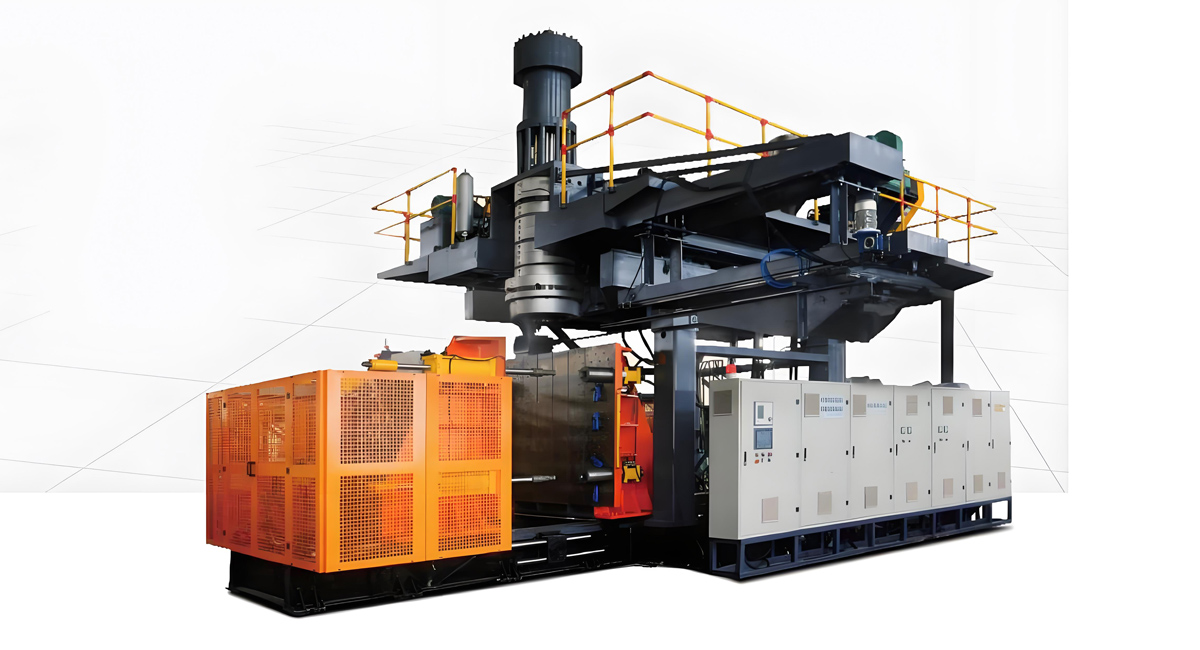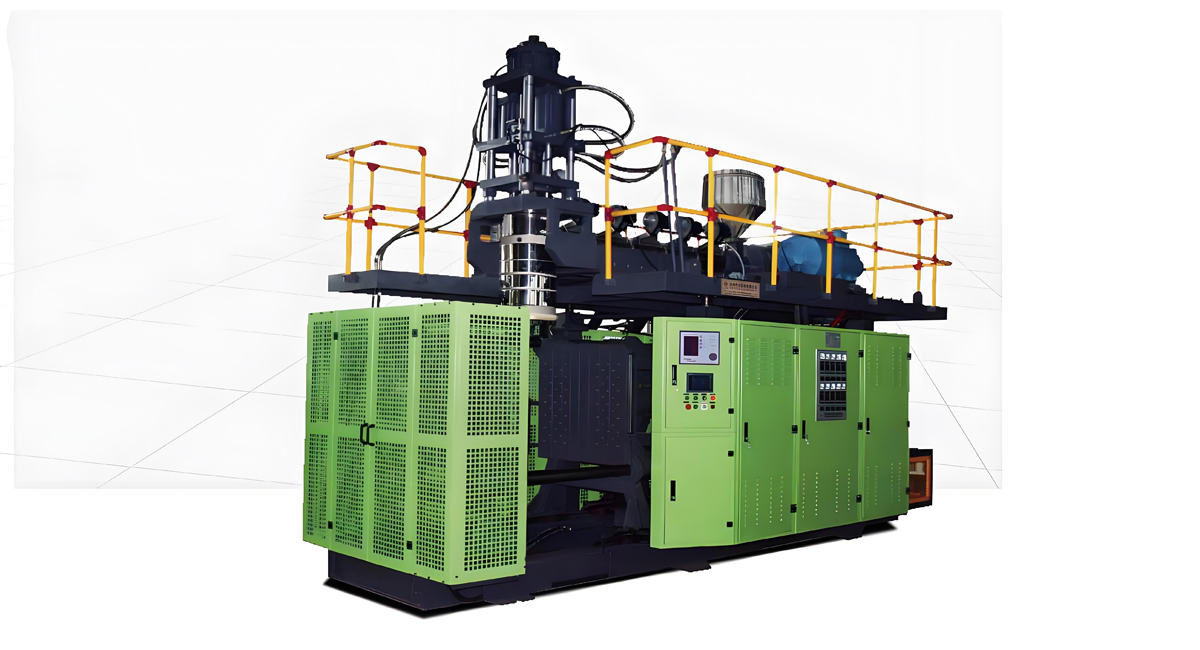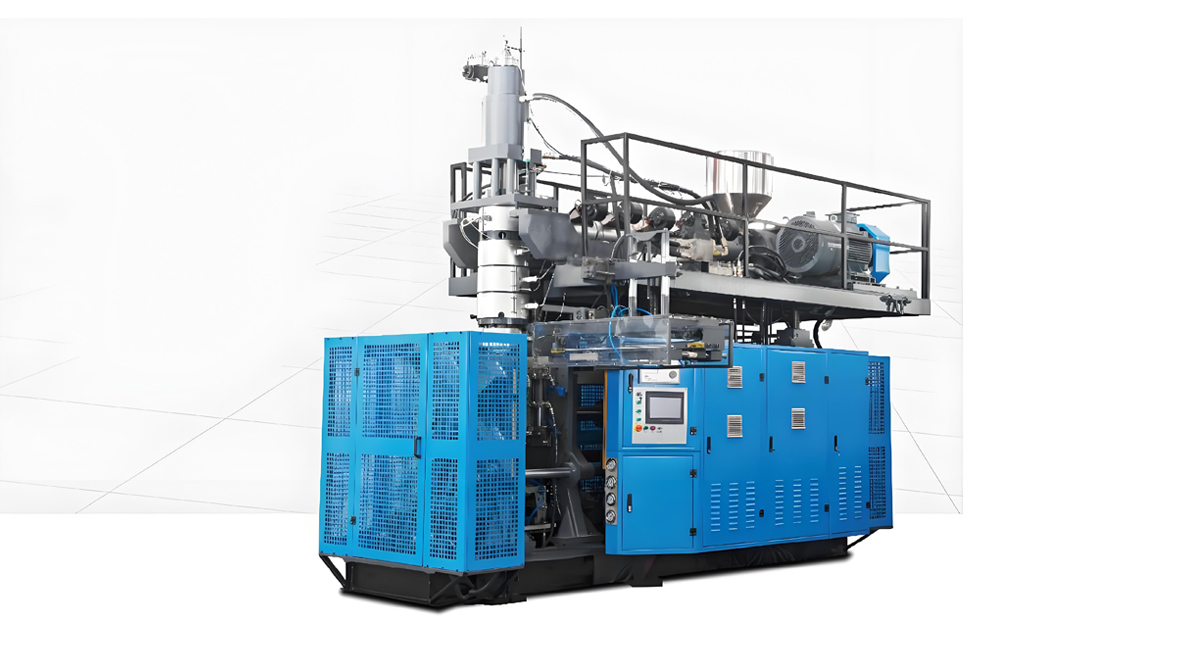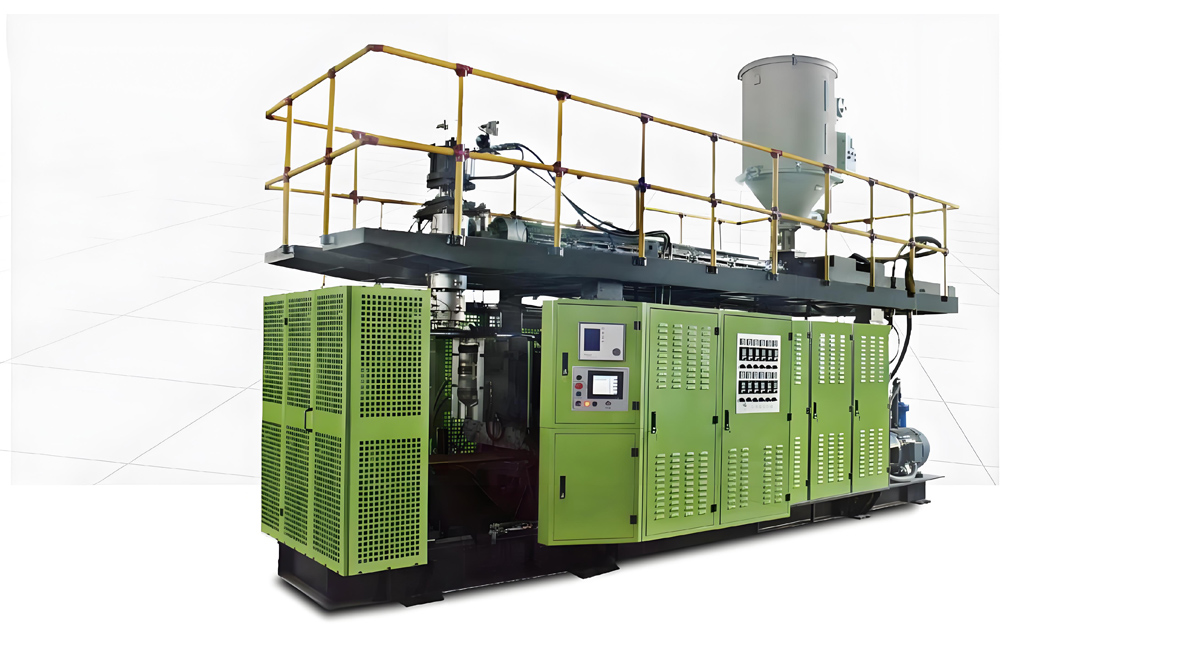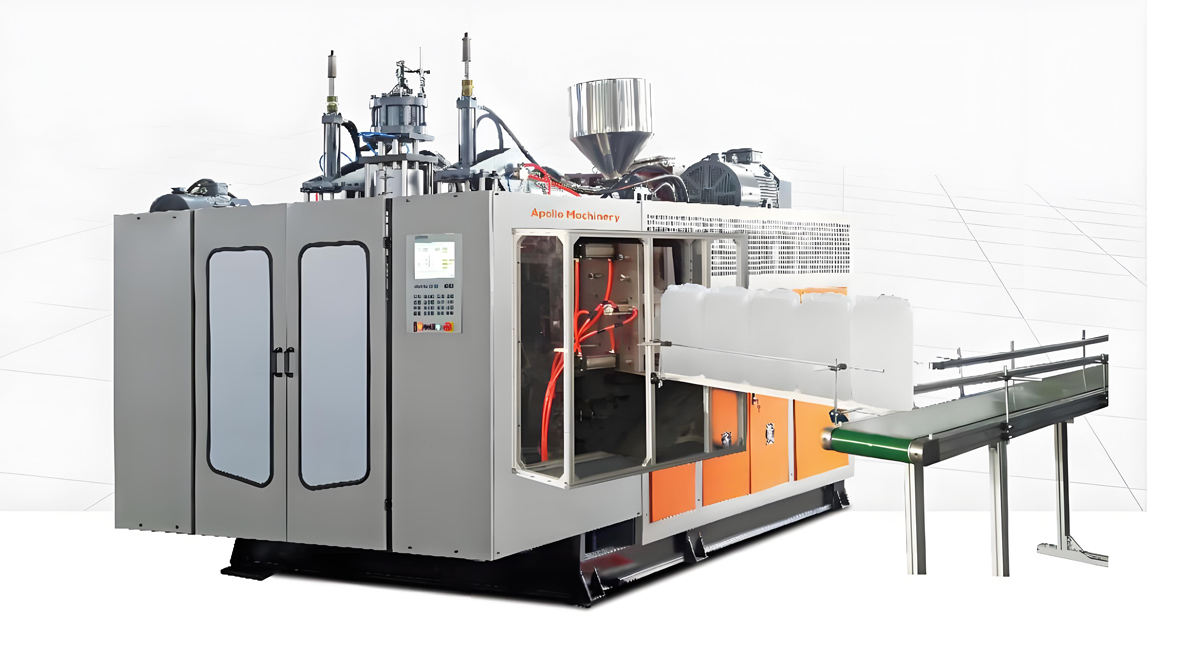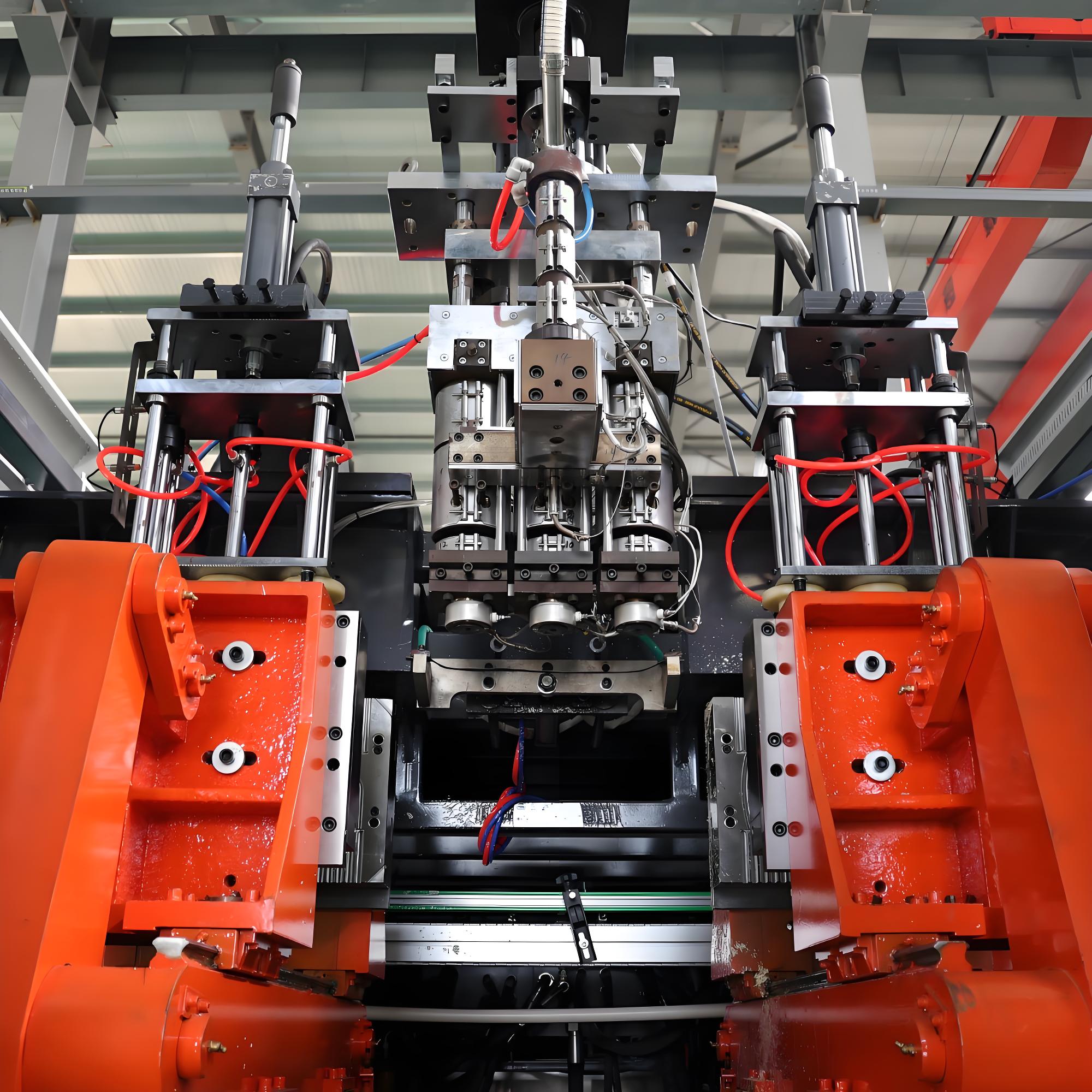

An Extrusion Blow Molding (EBM) machine is a significant capital investment. For manufacturers using Apollo China’s machinery, maximizing the return on this investment means ensuring the equipment runs reliably for decades, not just years. Wear and tear are inevitable in high-pressure, high-heat industrial environments, but proactive maintenance and correct operation can dramatically extend the lifespan of your machine. This comprehensive guide provides actionable strategies to protect your EBM machine, reduce unexpected downtime, and maintain consistent product quality.
The Importance of Preventive Maintenance
Reactive maintenance—fixing a machine only after it breaks—is the most expensive way to operate. It leads to unplanned production stops, rushed shipping for spare parts, and collateral damage to other machine components. Preventive maintenance (PM) is a scheduled approach based on time or usage. Apollo China recommends a strict PM schedule that aligns with the machine’s operating hours. A well-maintained EBM machine can easily exceed its designed lifespan of 10-15 years, often reaching 20 years with major component refurbishments.
Daily Operational Checks: The First Line of Defense
Operators are the best sensors for machine health. Implementing a daily checklist is crucial for catching minor issues before they become major failures.
Visual and Auditory Inspection
Every shift should begin with a walk-around inspection. Look for:
Hydraulic Leaks: Check hoses, cylinders, and the pump for oil seepage. A small leak can lead to air ingress and pump failure.
Unusual Noises: Grinding in the gearbox, whining in the pump, or knocking in the extruder indicate mechanical stress.
Loose Fasteners: Vibration can loosen bolts. Check the platen clamps, motor mounts, and electrical cabinet doors.
Temperature Consistency: Verify that all barrel heaters are functioning and the temperature controller is stable. Fluctuations can degrade plastic quality.
Lubrication Checks
Check oil levels in the hydraulic tank and gearboxes. Low oil levels cause overheating and wear. Also, inspect the automatic lubrication system (if equipped) to ensure grease is reaching the tie bars and guide rails.
Critical Component Maintenance Strategies
Different parts of the EBM machine have different wear rates. Here is how to care for the most critical systems:
1. The Extruder System: The Heart of the Machine
The extruder (screw and barrel) endures high torque and corrosive melts.
Screw Maintenance: Regularly inspect the screw flights for wear. If the flight depth decreases, plasticizing efficiency drops. Apollo offers bimetallic or nitrided screws that resist wear. Clean the screw thoroughly when changing materials to prevent material degradation buildup.
Barrel Care: If the barrel liner is damaged, it can be bored out and replaced with a new liner rather than replacing the whole barrel assembly. This is a cost-effective refurbishment method offered by Apollo service teams.
Head and Die: The die face must be kept polished. Any scratches will transfer to the plastic as surface defects. Use brass or copper tools to clean the die—never steel tools that can gouge the soft aluminum or steel face.
2. The Hydraulic System: The Muscle
Hydraulic oil is the lifeblood of the clamping and extrusion force.
Oil Quality: Test oil samples annually for viscosity, acidity (TAN), and contamination (water or metal particles). Change the oil every 2,000 to 4,000 hours. Contaminated oil destroys valves and seals.
Filters: Replace suction, pressure, and return line filters on schedule. A clogged filter can cause cavitation in the pump.
Cooling: Ensure the oil cooler is clean. Overheated oil loses lubricity and degrades seals.
3. Clamping and Mold System: The Precision
Tie Bars: Keep the tie bars clean and lightly oiled to prevent rust and ensure smooth platen movement. Rust pits can damage seals.
Platen Alignment: Check parallelism between the fixed and moving platens annually. Misalignment causes flash (excess material) and mold damage.
Mold Care: After every production run, clean the mold with a non-abrasive cleaner. Apply a rust inhibitor if the mold will be stored. Inspect the venting channels—blocked vents cause trapped air and incomplete filling.
4. Electrical and Control System: The Brain
Dust is the enemy of electronics. Regularly blow out dust from the electrical cabinet using low-pressure air. Check that cooling fans on the PLC and inverters are working. Loose electrical connections can cause arcs and fires; tighten terminal screws during PM.
Optimizing Operational Practices
How the machine is used is just as important as how it is maintained. Bad habits can shorten lifespan significantly.
Avoid Cold Starts
Never start an extruder when the barrel is cold and full of solid plastic. This can twist the screw or break the drive motor. Always heat the barrel to the set temperature and hold it for at least 30 minutes before starting, or use a barrel heater hold-on feature.
Manage Temperature Spikes
If processing temperature-sensitive materials (like PVC), a 10-degree spike can degrade the material and corrode the screw. Use high-precision PID controllers and ensure thermocouples are calibrated. Apollo machines use J-type or K-type thermocouples placed in optimal positions for accurate reading.
Proper Mold Handling
When installing molds, use the correct torque on the clamping bolts. Over-tightening can crack the platen. Use a crane or hoist for heavy molds—never drag them across the machine. Ensure the mold center aligns with the extruder center to prevent “kissing” the die head, which can cause catastrophic damage.
Spare Parts Management
Downtime waiting for parts is costly. Apollo China recommends keeping a “Critical Spare Parts Kit” on hand. This kit should include:
Heater Bands: They burn out eventually.
Thermocouples: Spares for each barrel zone.
Seals and O-Rings: Standard sizes for hydraulic cylinders.
Fuses and Contactors: For the electrical panel.
V-Belts: For hydraulic pumps.
Temperature Controller: A backup PLC module if possible.
Apollo China maintains a global warehouse of spare parts. We can ship critical components via air freight within 48 hours to minimize your downtime.
Modernization and Retrofitting
Even with perfect maintenance, technology advances. After 10-12 years, your machine might be mechanically sound but electronically obsolete. Apollo offers retrofitting services:
Control System Upgrades
Replace old relay logic or basic PLCs with modern Siemens or Mitsubishi touch-screen controls. This improves user interface, data logging, and diagnostic capabilities.
Energy Efficiency Upgrades
Replace standard motors with servo motors. Servo motors only consume power when moving, reducing energy consumption by 30-50%. This not only lowers operating costs but also reduces heat generation, extending the life of hydraulic oil and seals.
Screw and Barrel Refurbishment
If the screw is worn, it does not need to be scrapped. Apollo can re-weld and re-machine the screw flights to original specifications, often at a fraction of the cost of a new screw. This process restores the compression ratio and mixing efficiency.
Training: The Human Element
The most common cause of machine failure is operator error. Investing in training pays dividends in machine life. Apollo China provides comprehensive training on:
Correct startup and shutdown procedures.
Identifying early signs of wear.
Safe mold change protocols.
Basic troubleshooting of hydraulic and electrical issues.
Ensure you have a manual accessible in the local language. A well-trained operator will treat the machine with respect and care, noticing issues that an untrained eye might miss.
Troubleshooting Common Issues
Understanding common symptoms helps in early intervention:
High Head Pressure
If the extrusion pressure is too high, it strains the gearbox and screw. Causes include a blocked screen breaker, cold material, or a worn check ring. Address this immediately to prevent drive failure.
Slow Clamping
Slow clamp speed often indicates worn hydraulic valves, internal leakage in the clamp cylinder, or low pump flow. It extends cycle time and reduces production efficiency.
Inconsistent Wall Thickness
While often a setup issue, inconsistent walls can also indicate a worn parison programming device or a loose die head connection. Mechanical wear in the linkage can cause “drift” in the parison control.
Conclusion: A Long-Term Partnership with Apollo China
Extending the lifespan of your Extrusion Blow Molding Machine is not a one-time task; it is a culture of care and precision. By following the maintenance schedules, operating procedures, and training protocols outlined in this guide, you can ensure your Apollo machine remains a productive asset for decades. We are committed to supporting you throughout the machine’s lifecycle, from installation to refurbishment. Remember, a well-maintained machine is a safe machine, an efficient machine, and a profitable machine. Contact Apollo China’s service department today to schedule your next maintenance check or to discuss a retrofit plan for your existing fleet.