Introduction to Importing from China
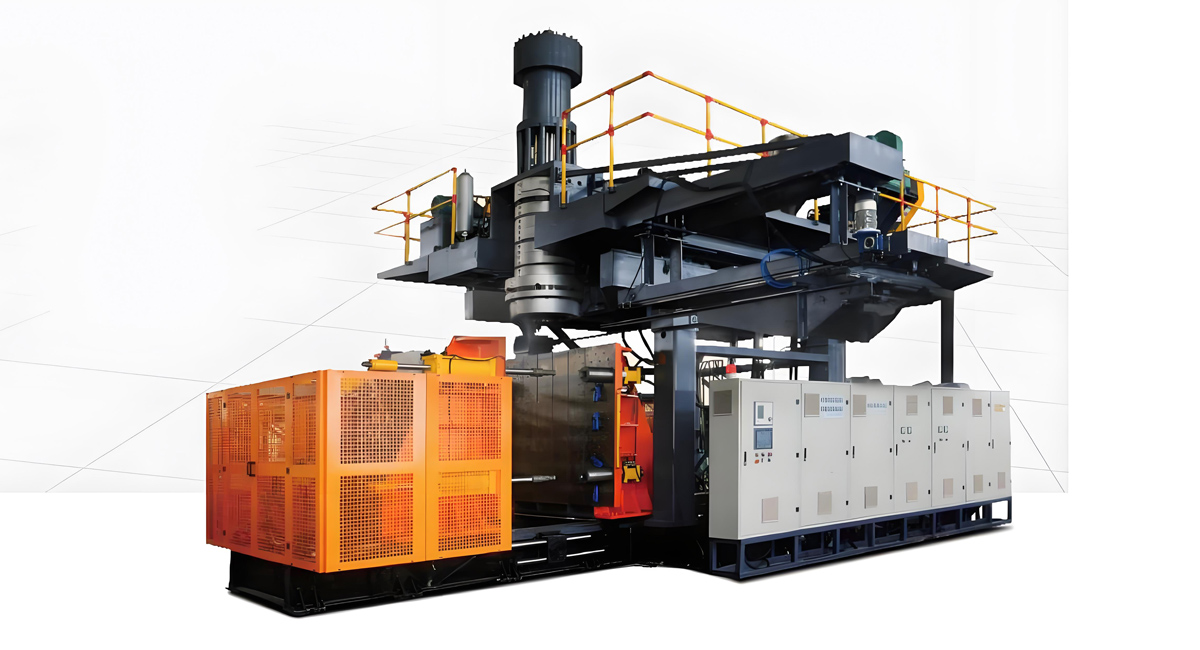
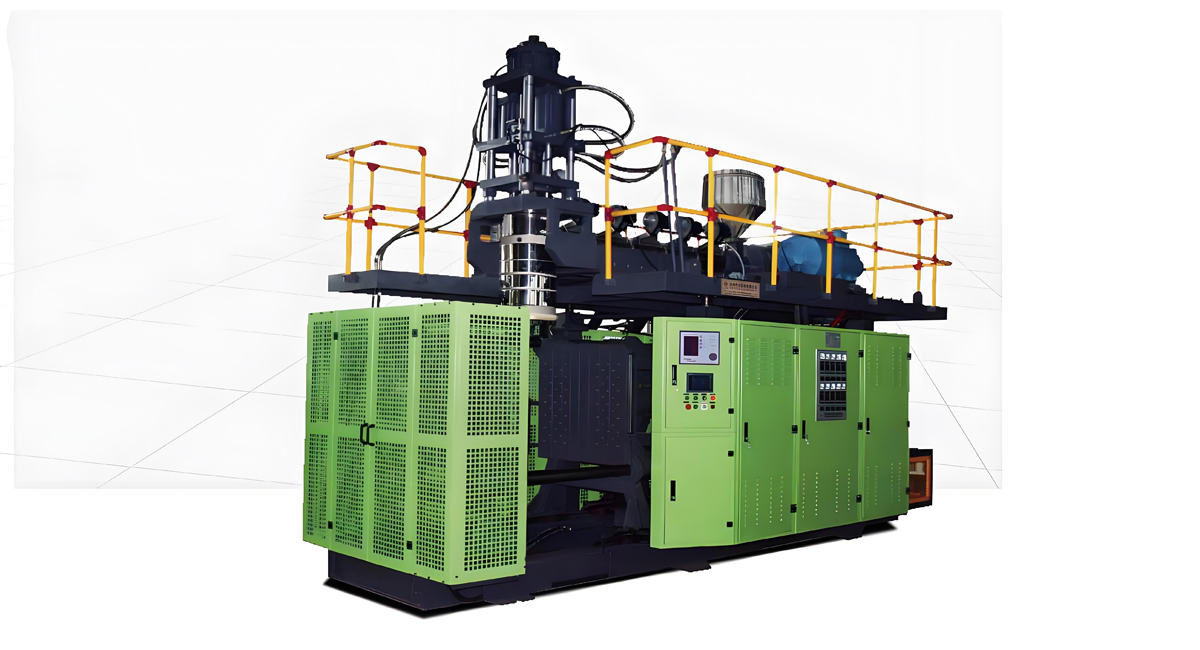
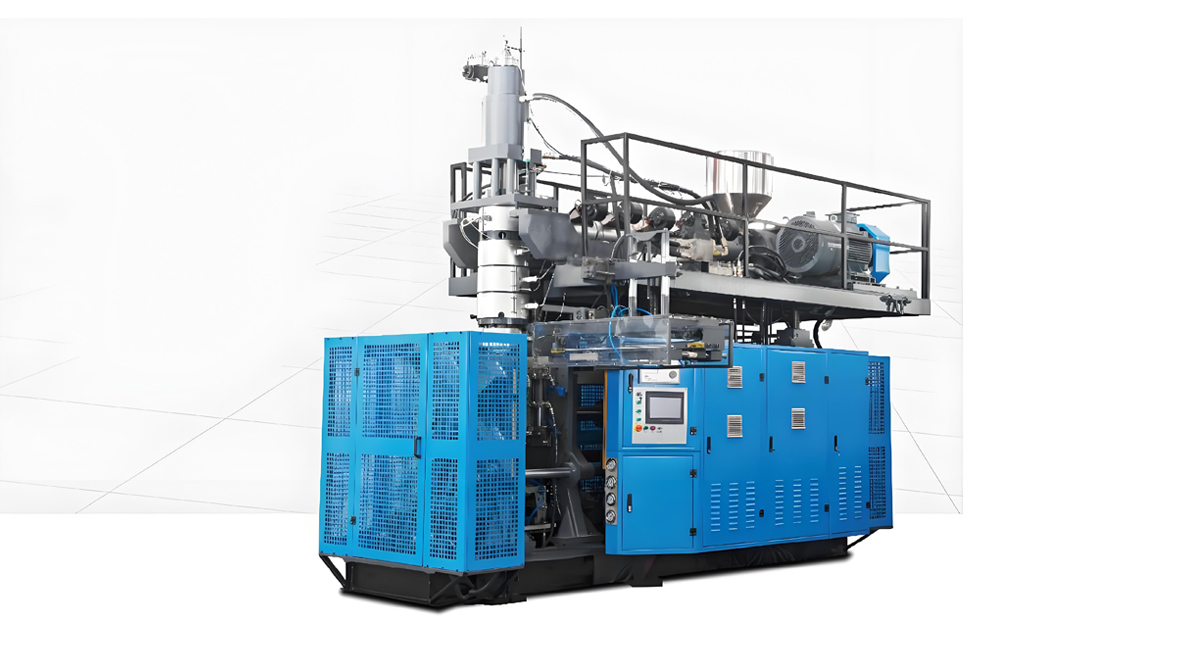
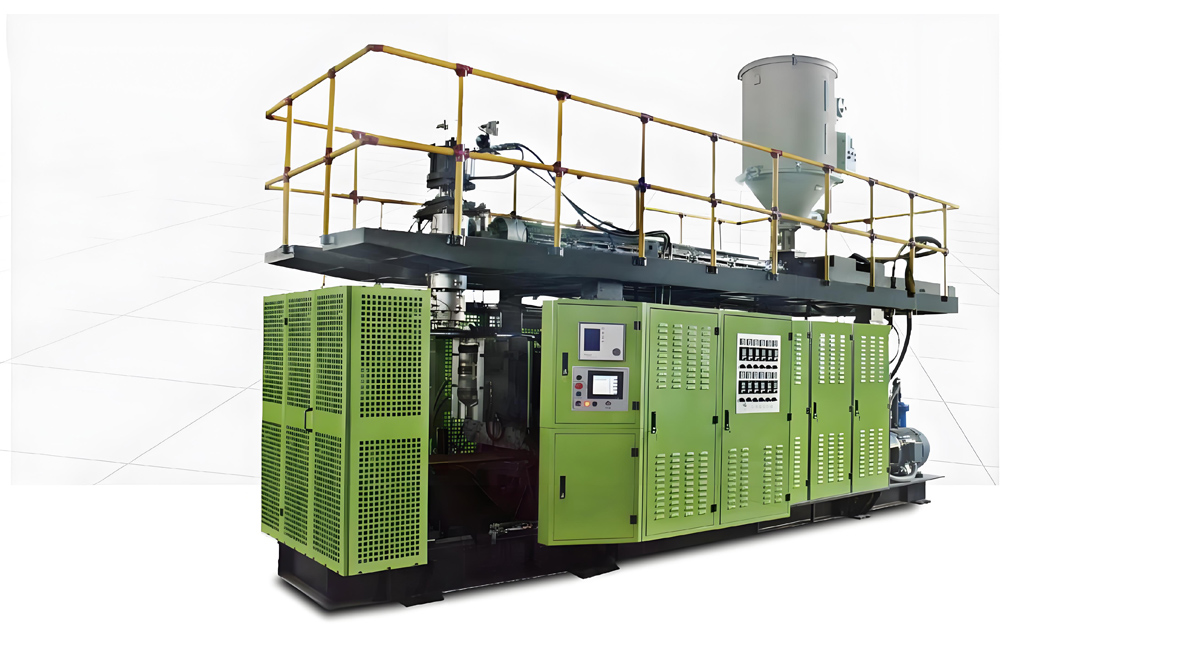
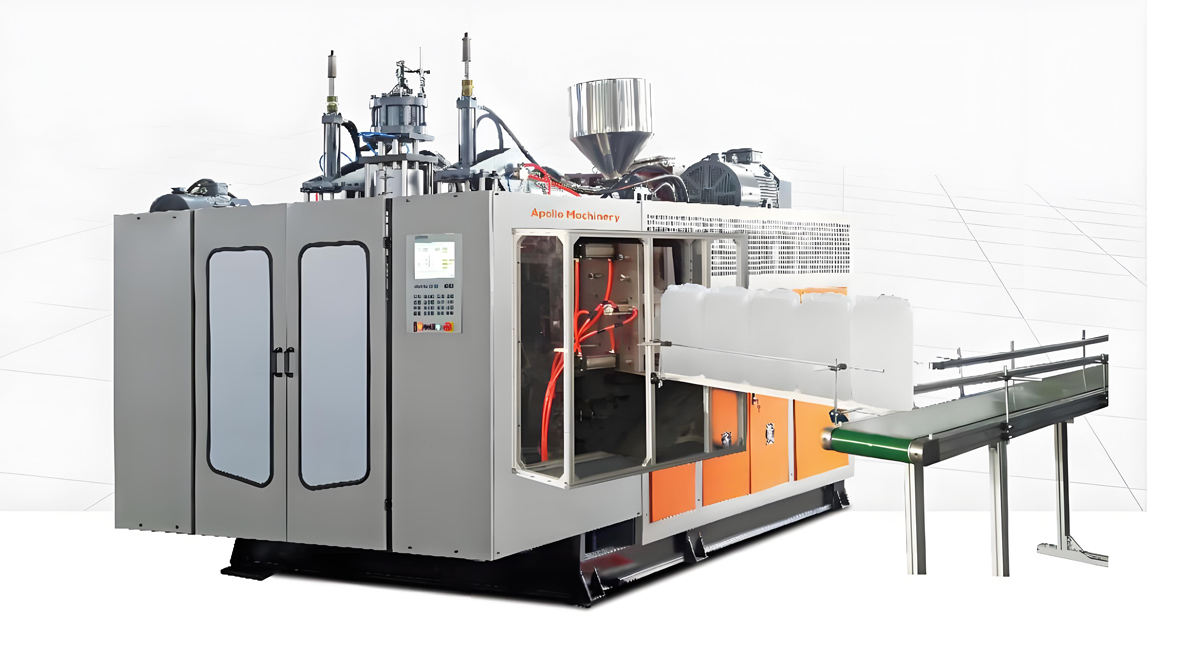
China has become the world’s largest producer of extrusion blow molding machines, offering a wide range of equipment at competitive prices. For international manufacturers looking to source high-quality extrusion blow molding technology, Chinese suppliers offer significant advantages including advanced manufacturing capabilities, cost savings, and access to the latest industry innovations. However, importing from China also presents unique challenges and risks that must be carefully managed to ensure successful transactions. From finding reliable suppliers to navigating complex export regulations and ensuring product quality, the import process requires careful planning and execution. Apollo Machinery, with over 20 years of experience exporting extrusion blow molding machines to more than 90 countries worldwide, has developed comprehensive strategies to help international buyers successfully navigate the import process. This guide will provide step-by-step instructions on how to import extrusion blow molding machines from China while minimizing risks and maximizing benefits.
Step 1: Understanding Your Import Requirements
Before beginning the import process, it’s essential to clearly define your equipment needs and import requirements. This includes:
Technical Specifications Definition
Determine your specific production requirements: Product size range and material compatibility needs Production volume and speed requirements Energy efficiency and environmental impact considerations Automation level and control system preferences Integration requirements with existing production lines
Budget Planning and Cost Estimation
Develop a comprehensive budget considering all costs associated with importing from China: Initial equipment purchase price Shipping and logistics costs Customs duties and import taxes Insurance and risk management costs Installation and commissioning expenses Training and technical support costs
Regulatory and Compliance Requirements
Research the import regulations and compliance requirements in your country: Safety standards and product certification requirements Electrical standards and voltage compatibility Environmental regulations and emission standards Import documentation and customs clearance requirements Local industry regulations specific to your manufacturing sector
Timeline Planning
Develop a realistic import timeline considering: Equipment manufacturing and production lead times Shipping and logistics transit times Customs clearance and inspection processes Installation, commissioning, and training periods Contingency planning for potential delays and challenges
Step 2: Identifying Reliable Chinese Suppliers
Choosing a reputable supplier is critical to ensuring a successful import experience. Key strategies for identifying reliable Chinese extrusion blow molding machine suppliers include:
Industry Research and Supplier Verification
Conduct thorough research to identify potential suppliers: Visit industry trade shows and exhibitions to meet manufacturers in person Review online industry directories and supplier databases Ask for referrals from industry contacts and business partners Verify supplier credentials and business registration information Check supplier financial stability and creditworthiness
Evaluating Supplier Capabilities
Assess potential suppliers based on their technical capabilities and production capacity: Request detailed product brochures and technical specifications Review supplier’s production facility and manufacturing processes Ask for references from current international customers Evaluate supplier’s quality control and testing procedures Assess supplier’s engineering and design capabilities
Understanding Supplier Business Models
Recognize the different types of Chinese suppliers and their advantages: Manufacturers (like Apollo Machinery) offering direct factory pricing and customization Trading companies providing access to multiple product lines and suppliers Agent and representative companies offering local support in your country
Selecting Apollo Machinery as Your Supplier
Apollo Machinery offers distinct advantages as a reliable supplier of extrusion blow molding machines: Over 20 years of manufacturing experience in the extrusion blow molding industry State-of-the-art production facilities with advanced manufacturing capabilities Comprehensive product range covering all extrusion blow molding needs Proven track record of successful exports to more than 90 countries ISO 9001 quality management system certification CE certification for products sold in European markets
Step 3: Negotiating Purchase Terms and Contracts
Effective negotiation and clear contract terms are essential for minimizing risks in international transactions. Key considerations include:
Price Negotiation Strategies
Develop effective negotiation tactics for securing favorable pricing: Request detailed quotations including all components and services Compare multiple supplier quotes to understand market pricing ranges Negotiate based on total cost of ownership rather than just initial purchase price Consider long-term partnership benefits and volume discounts Request flexible payment terms based on production milestones
Contract Terms and Conditions
Ensure your purchase contract includes clear terms covering: Detailed product specifications and technical requirements Delivery schedules and lead time commitments Quality standards and inspection procedures Payment terms and conditions including currency and method Warranty coverage and after-sales service commitments Intellectual property rights protection provisions Dispute resolution mechanisms and governing law
Customization and Special Requirements
Address any unique customization needs: Specify custom machine configurations or modifications required Define testing and acceptance procedures for customized equipment Establish clear communication channels for technical changes during production Include provisions for design approval before full production begins
Sample Order and Product Testing
Consider placing a sample order for quality verification: Request a prototype machine or component for testing purposes Define testing protocols and acceptance criteria in writing Include provisions for testing results to influence final payment decisions
Step 4: Understanding Chinese Export Regulations
Navigating Chinese export regulations is essential for ensuring smooth international transactions. Key considerations include:
Export Licensing Requirements
Understand China’s export licensing system: Products requiring export licenses based on technology classification Application processes and documentation requirements Timelines for obtaining export approvals Impact of export controls on delivery schedules
Customs Declaration Procedures
Familiarize yourself with Chinese customs export procedures: Required export documentation and forms Customs inspection and verification processes Export duty calculation and payment requirements Documentation retention and record-keeping obligations
Product Certification and Compliance
Ensure compliance with international standards: CE certification for products sold in European markets UL certification for North American markets ISO standards compliance for quality management systems Other regional certification requirements based on target markets
International Trade Restrictions
Be aware of any trade restrictions affecting your import: Current trade policies between China and your country Tariff schedules and preferential trade agreements Sanctions or restrictions on specific technologies or products Potential impact of political developments on trade relationships
Step 5: Payment Methods and Financial Security
Choosing the right payment method is critical for protecting your financial interests while maintaining a positive business relationship with your Chinese supplier. Common payment methods include:
Letter of Credit (L/C)
Provides maximum financial security for international transactions: Bank-issued guarantee of payment based on specified conditions Requires careful compliance with documentation requirements Minimizes risks for both buyer and seller Commonly used for large-value equipment purchases
Telegraphic Transfer (T/T)
Popular payment method offering simplicity and speed: Commonly structured as 30% deposit and 70% upon completion Requires trust between buyer and supplier Faster than letter of credit processing Suitable for established business relationships
Escrow Services
Provides independent third-party financial security: Funds held by neutral third party until delivery conditions met Reduces risks associated with payment before receiving goods Commonly used in international online marketplaces
International Payment Service Providers
Emerging payment solutions offering enhanced security: Platforms like PayPal, Alipay Business, and others Typically used for smaller transactions and sample orders May offer buyer protection programs and dispute resolution
Financial Risk Management Strategies
Implement additional measures to protect your financial interests: Purchase export credit insurance for payment guarantee Consider currency hedging to protect against exchange rate fluctuations Establish clear payment milestones based on production progress Request bank references for potential suppliers before committing
Step 6: Quality Control and Inspection
Ensuring product quality is critical to avoiding costly mistakes and production delays. Key quality control strategies include:
Pre-Production Inspections
Verify that production will meet your requirements before manufacturing begins: Review design drawings and technical specifications Inspect raw material quality and supplier certifications Verify production equipment and manufacturing processes Confirm quality control procedures and testing protocols
In-Process Inspections
Monitor production progress and quality during manufacturing: Schedule inspections at critical production stages Check for compliance with manufacturing standards and specifications Identify potential quality issues early in the production process Provide feedback and corrective instructions to the supplier
Pre-Shipment Inspections
Conduct comprehensive inspections before goods are shipped: Perform dimensional checks and functional testing Verify all components and accessories are included Confirm compliance with quality standards and safety requirements Document inspection results and issue final acceptance certificate
Third-Party Inspection Services
Consider using independent inspection companies: SGS, BV, and other international inspection organizations Provide objective quality verification and documentation Help resolve potential disputes between buyer and supplier Ensure compliance with international quality standards
Quality Guarantee and Warranty Terms
Include comprehensive quality assurance in your contract: Define minimum performance standards and quality requirements Specify warranty coverage and duration Outline procedures for defect reporting and resolution Establish terms for product replacement or compensation
Step 7: Shipping and Logistics Considerations
Planning for safe and efficient shipping is essential to ensure your equipment arrives in good condition and on schedule.
Shipping Method Selection
Choose the most suitable shipping method based on your needs: Ocean freight for large equipment shipments (most common option) Air freight for urgent deliveries or smaller components Combined shipping options balancing cost and speed Specialized heavy equipment shipping solutions
Packaging and Preparation for Shipment
Ensure proper packaging to protect your equipment during transit: Custom wooden crating for heavy and sensitive components Shock-absorbing materials for fragile electronic components Weatherproofing and corrosion protection for overseas shipping Clear labeling with shipping and handling instructions
Freight Forwarder Selection
Choose a reliable freight forwarder with experience in handling heavy machinery: Verify forwarder’s experience with extrusion blow molding equipment Check forwarder’s network and global coverage capabilities Evaluate forwarder’s customs brokerage expertise Request multiple shipping quotes for comparison
Shipping Documentation Preparation
Prepare all necessary shipping documentation: Commercial invoice and packing list Bill of lading or airway bill Certificate of origin for customs clearance purposes Product certification documents (CE, ISO, etc.) Insurance documentation covering transit risks
Insurance and Risk Management
Protect your shipment against potential loss or damage: Purchase comprehensive marine cargo insurance Understand coverage limits and exclusions Document shipment condition thoroughly before transit Define claims procedures and time limits for reporting damages
Step 8: Customs Clearance and Import Regulations
Navigating customs clearance procedures is essential to avoid delays and additional costs.
Import Documentation Preparation
Gather all required import documents: Original bill of lading or airway bill Commercial invoice and packing list Certificate of origin from the exporter Product certification and safety documentation Customs declaration form for your country Import license if required for your equipment type
Duty Calculation and Payment
Understand your import duty obligations: Determine the correct tariff classification for your equipment Calculate duties based on declared value and duty rates Consider potential free trade agreements and duty reductions Plan for payment methods and customs clearance fees
Customs Inspection Procedures
Be prepared for potential customs inspections: Facilitate easy access to shipment for inspection purposes Prepare product samples and technical documentation for verification Answer customs officials’ questions about equipment and usage Follow specific customs requirements for machinery imports
Post-Clearance Procedures
Complete final import requirements: Arrange for delivery from port of entry to your facility Coordinate with customs broker for clearance completion Verify shipment contents and condition upon arrival File all necessary import documentation for record-keeping purposes
Special Considerations for Different Countries
Understand country-specific import regulations: European Union’s CE marking and RoHS compliance requirements United States’ FDA regulations for food processing equipment Canada’s CSA certification and safety standards Other regional regulatory requirements based on your location
Step 9: Installation, Commissioning and Training
Proper installation and training are critical to ensuring your extrusion blow molding machine performs optimally.
Pre-Installation Preparation
Prepare your facility before equipment arrival: Ensure proper space and foundation requirements are met Verify electrical and utility connections are ready Arrange for necessary lifting equipment and installation tools Prepare production floor layout for optimal machine placement
Supervised Installation and Commissioning
Work with supplier’s technical team for proper setup: Arrange for supplier’s engineers to supervise installation Follow manufacturer’s installation procedures and guidelines Perform initial machine calibration and testing Verify machine performance meets technical specifications
Operator Training Program
Ensure your team is properly trained: Request comprehensive operator training from supplier’s experts Cover machine operation, maintenance, and safety procedures Provide hands-on practice under expert supervision Develop training materials and reference documentation
Post-Installation Support
Establish ongoing support arrangements: Set up regular maintenance and inspection schedules Define procedures for technical support and troubleshooting Arrange for local spare parts stocking if needed Schedule follow-up performance reviews and optimization
Step 10: After-Sales Service and Warranty Management
Comprehensive after-sales support is essential for long-term equipment performance and customer satisfaction.
Understanding Warranty Coverage
Clarify the details of your equipment warranty: Duration of coverage and expiration dates Scope of coverage for different components and systems Exclusions and limitations of warranty protection Conditions for maintaining warranty validity
Technical Support and Troubleshooting
Establish clear support channels: 24/7 technical hotline for emergency support Remote diagnostic capabilities for quick issue resolution Scheduled technical visits for more complex problems Access to online technical resources and documentation
Spare Parts Management
Plan for spare parts availability: Identify critical spare parts and initial stocking quantities Establish supply chain for ongoing parts procurement Consider local parts distribution partnerships for faster delivery Implement inventory management system for spare parts
Maintenance and Repair Services
Develop comprehensive maintenance strategies: Preventive maintenance schedules to avoid unexpected downtime Corrective repair procedures for addressing equipment issues Access to certified service technicians for specialized repairs Upgrade and retrofit options for long-term performance improvement
Case Studies: Successful Imports from Apollo Machinery
European Packaging Solutions Provider
A leading German packaging company imported 5 Apollo ABLB-70 series extrusion blow molding machines to expand their production capacity. Success factors included: Comprehensive technical specification definition before ordering Pre-production factory inspection and quality verification Clear contract terms specifying delivery and warranty conditions Effective communication throughout production and shipping Local after-sales support provided through Apollo’s European partner network
North American Automotive Component Manufacturer
A US-based automotive company imported 10 fully electric extrusion blow molding machines to produce plastic fuel tanks and fluid reservoirs. Key elements of success: Thorough evaluation of supplier technical capabilities Customized payment terms to manage financial risks Third-party inspection and quality certification processes Specialized packaging solutions for long-distance shipping Comprehensive operator training program at the production facility
South American Chemical Processing Plant
A Brazilian chemical company imported 3 large ABLD-120 series machines to produce 200L and 1000L chemical drums. Critical success factors: Detailed technical requirements and custom design specifications Careful financial planning and duty calculation Comprehensive insurance coverage for high-value shipment On-site installation supervision by Apollo engineers Ongoing technical support and maintenance agreements
Common Pitfalls to Avoid When Importing from China
Common Mistakes in Supplier Selection
Choosing suppliers based solely on price without verifying quality Failing to check supplier credentials and business registration Not visiting supplier’s facilities or meeting in person before ordering Accepting vague product specifications instead of detailed technical requirements
Financial Risk Pitfalls
Paying full amount upfront without performance guarantees Using unsecure payment methods with limited buyer protection Not considering exchange rate fluctuations and financial risks Failing to budget for all import costs including duties and taxes
Quality Control and Inspection Errors
Skipping pre-production and in-process inspections Relying solely on supplier-provided quality documents Not performing independent third-party inspections Accepting equipment without thorough performance testing
Logistics and Shipping Challenges
Choosing freight forwarders without experience handling heavy machinery Failing to properly prepare packaging for long-distance shipping Not considering port limitations for heavy equipment handling Delaying shipping documentation preparation causing clearance delays
Communication and Cultural Challenges
Misinterpreting technical specifications due to language barriers Not understanding Chinese business customs and negotiation styles Failing to establish clear communication channels and protocols Not accounting for Chinese holiday schedules affecting production timelines
Conclusion: Building a Successful Import Strategy
Importing extrusion blow molding machines from China offers significant cost advantages and access to advanced manufacturing technology, but requires careful planning and execution to avoid potential risks. By following a structured import process that includes thorough supplier selection, detailed contract negotiation, comprehensive quality control, and effective logistics management, international buyers can successfully import high-quality equipment from China while minimizing risks and ensuring long-term business success. Apollo Machinery’s extensive experience exporting to over 90 countries provides valuable insights into the needs of international buyers and offers comprehensive support throughout the import process. From initial equipment selection to after-sales service and technical support, Apollo is committed to helping customers achieve their production goals through reliable, high-quality extrusion blow molding machines. By partnering with reputable manufacturers like Apollo and implementing the strategies outlined in this guide, international manufacturers can confidently import extrusion blow molding machines from China, benefiting from competitive pricing, advanced technology, and a reliable supply chain for their manufacturing operations.