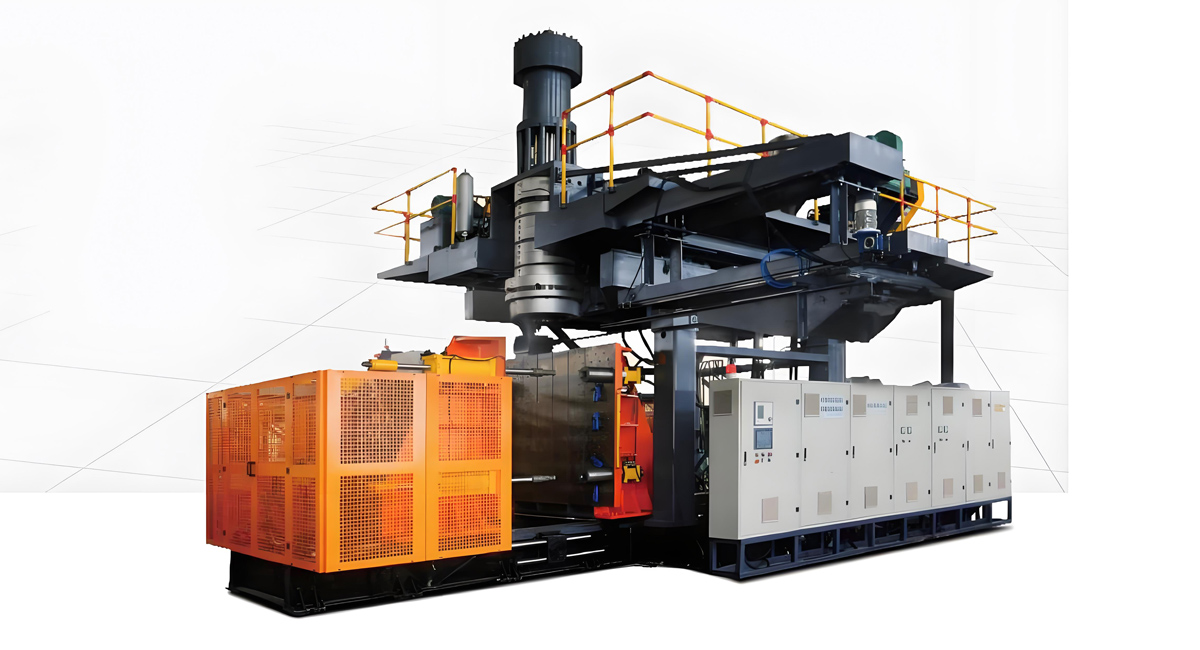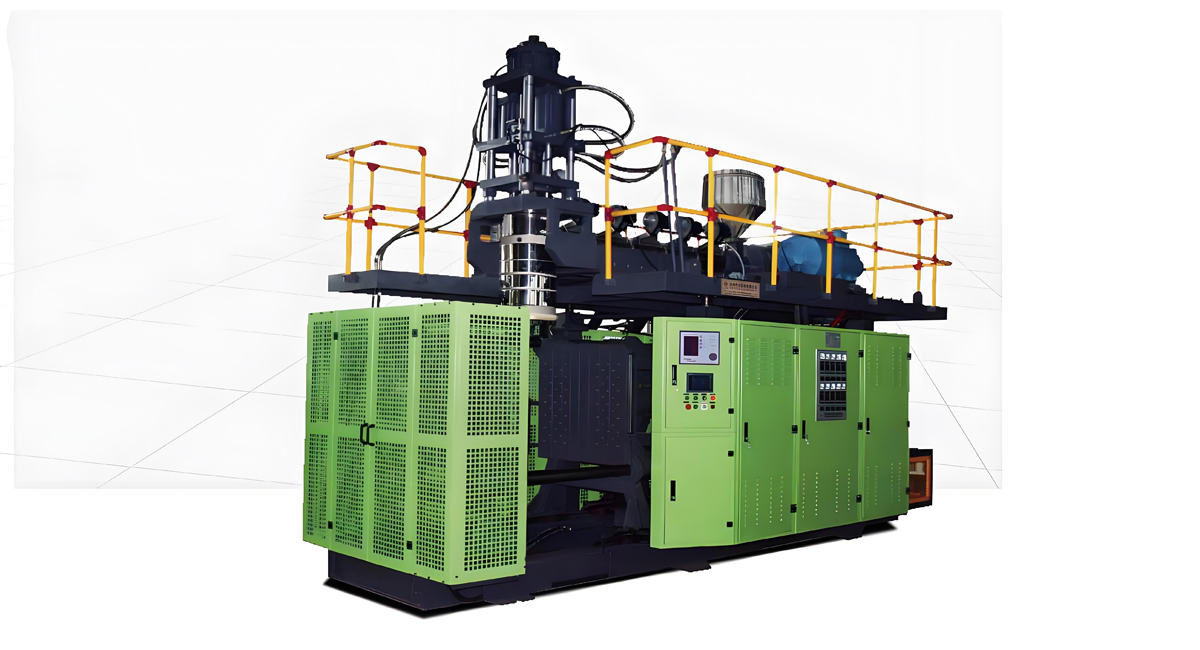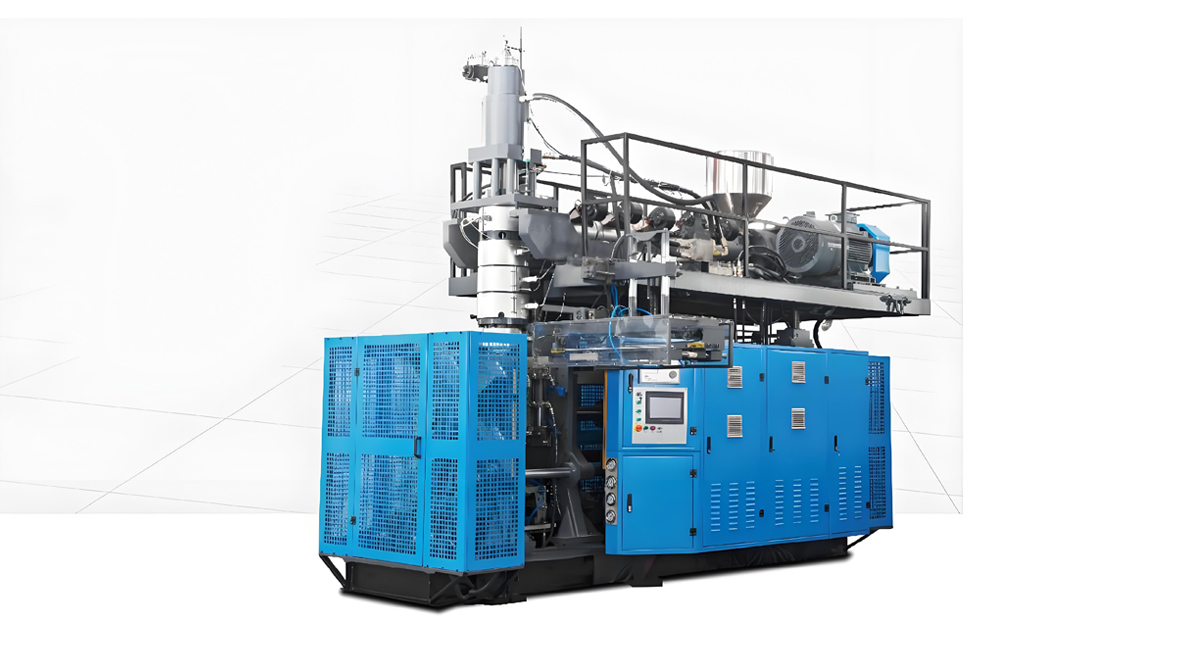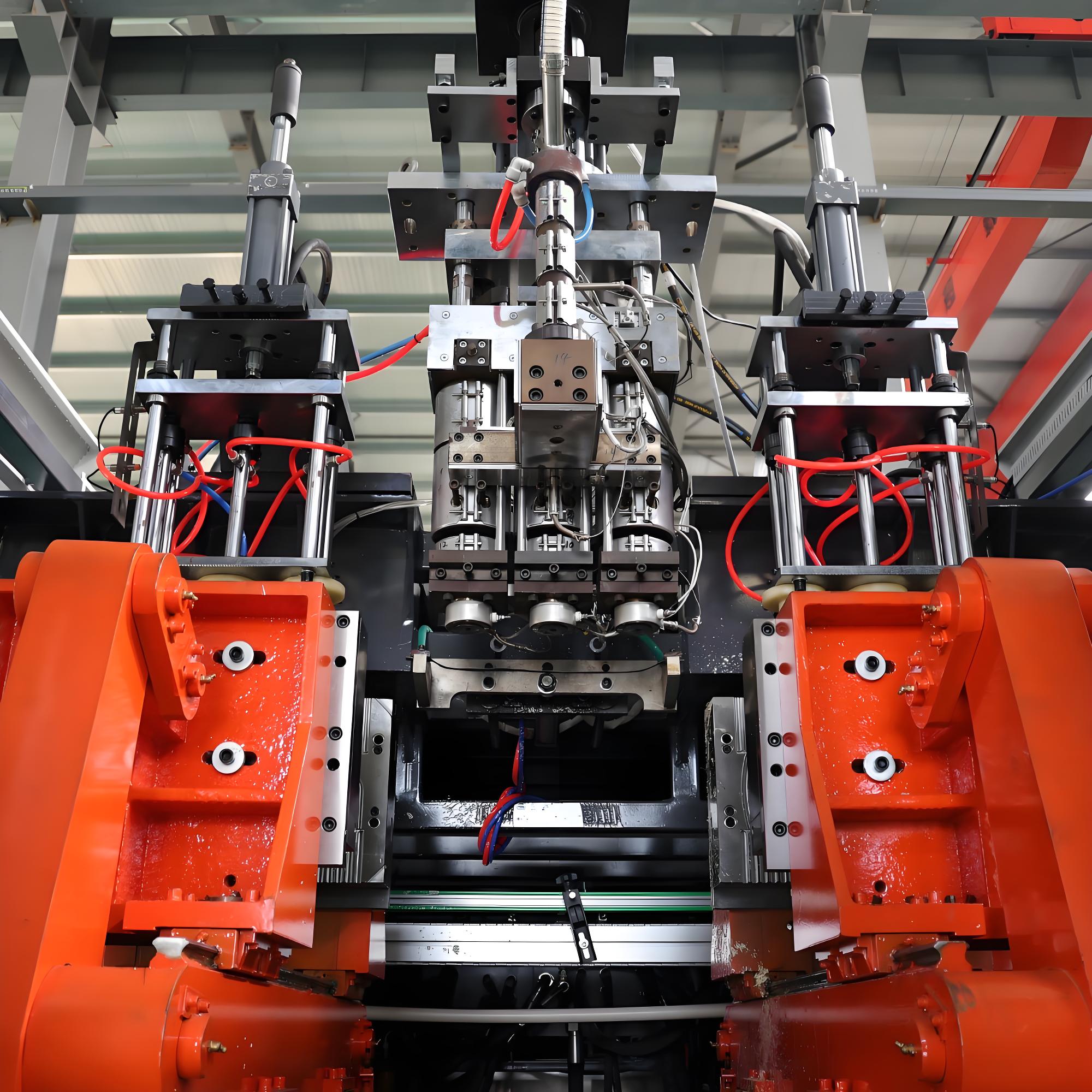
Maximizing production output from extrusion blow molding machines represents one of the most effective strategies for improving profitability and competitive advantage in the plastic container manufacturing industry. Apollo Extrusion Machinery has developed comprehensive approaches to production optimization that enable manufacturers to achieve 20-50% higher output compared to standard operational practices. This comprehensive guide explores proven methodologies for optimizing machine performance, reducing cycle times, minimizing downtime, and implementing advanced operational strategies that transform production efficiency and maximize return on equipment investment.
Production optimization encompasses multiple interconnected elements including machine setup, operational procedures, maintenance practices, and advanced technology implementation. Apollo machines designed with production optimization in mind typically achieve capacity utilization rates of 85-92% compared to industry averages of 65-75%, representing substantial additional production capacity without additional equipment investment. The economic impact of production optimization is significant, with each 1% increase in capacity utilization typically representing $10,000-50,000 of additional annual revenue depending on machine size and product value. For a typical Apollo machine processing 5 million units annually at $0.15 per unit, a 10% increase in output adds 500,000 units and $75,000 in annual revenue, demonstrating the substantial value of production optimization initiatives.
Fundamental Production Optimization Principles
Understanding the fundamental principles that govern production output in extrusion blow molding provides the foundation for implementing effective optimization strategies. These principles involve analysis of the production cycle, identification of bottlenecks, and systematic elimination of constraints that limit output. Apollo machines incorporate design features that support these optimization principles, enabling manufacturers to achieve superior productivity levels.
Cycle Time Analysis and Optimization
Cycle time represents the fundamental determinant of production output, with each second of cycle time reduction directly proportional to capacity increase. The extrusion blow molding cycle consists of multiple sequential steps including parison extrusion, mold closing, blow molding, cooling, mold opening, and product ejection. Analyzing each cycle component to identify optimization opportunities is essential for maximizing output. Apollo machines feature rapid cycle capabilities with typical cycle times ranging from 3-8 seconds depending on product size and material, compared to industry averages of 5-12 seconds.
The optimization process begins with detailed cycle time analysis using timing measurements and observation of each cycle component. Common optimization opportunities include reducing parison extrusion time through optimized screw design and speed, minimizing mold closing time through faster clamping systems, reducing blow molding time through efficient air systems, optimizing cooling through advanced mold temperature control, and accelerating product ejection through efficient take-off systems. Each optimization opportunity typically yields cycle time reductions of 0.1-1.0 seconds, with accumulated reductions of 1-3 seconds representing potential capacity increases of 20-50%. The economic value of cycle time optimization is substantial, with each 0.5 second reduction on a 5-second cycle representing a 10% capacity increase and $7,500-75,000 in additional annual revenue depending on product value.
Bottleneck Identification and Elimination
Production bottlenecks represent constraints that limit overall system output, and their systematic elimination is essential for maximizing production. In extrusion blow molding operations, bottlenecks may occur at various points including material feeding, extrusion capacity, mold cooling capability, product handling, or auxiliary equipment support. Apollo machines are designed with balanced subsystems to minimize inherent bottlenecks, but operational factors can still create limiting constraints that require identification and elimination.
Bottleneck identification methods include production rate monitoring, machine parameter analysis, observation of system interactions, and performance measurement of individual components. Common bottlenecks include material feeding limitations due to inadequate dryer capacity or feeding systems, extrusion capacity constraints from insufficient motor power or heating capacity, mold cooling limitations from inadequate water flow or temperature control, and product handling bottlenecks from inadequate take-off speed or packaging capacity. Eliminating these bottlenecks typically involves system upgrades or operational changes, with investments ranging from $2,000-50,000 depending on the nature and severity of the constraint. However, bottleneck elimination typically provides immediate capacity increases of 10-30%, with payback periods of 3-12 months depending on bottleneck severity and implementation cost.
Production Rate Variability Analysis
Production rate variability represents the difference between theoretical maximum output and actual achieved output. Reducing this variability is essential for maximizing sustained output. Variability sources include machine downtime, quality problems, material changes, and operational inconsistencies. Apollo machines feature design characteristics that minimize inherent variability, but operational practices significantly impact the actual variability experienced in production environments.
Analysis of production rate variability involves monitoring actual output versus theoretical output over time, identifying periods of reduced performance, and determining root causes of variability. Common variability sources include planned maintenance activities that could be optimized, unplanned downtime from equipment failures, quality-related production stoppages, and efficiency losses during changeovers. Reducing variability through systematic improvement programs typically increases average output by 10-25% compared to initial performance levels. The economic value of variability reduction is substantial, with each 1% reduction in variability representing $1,000-10,000 of additional annual revenue depending on production volume and product value.
Advanced Machine Setup Optimization
Machine setup parameters significantly influence production output, with proper optimization of these parameters representing one of the most cost-effective methods for increasing capacity. Apollo machines provide comprehensive parameter control that enables fine-tuning for maximum output while maintaining product quality. Understanding the relationship between setup parameters and production performance enables operators to achieve superior results.
Temperature Profile Optimization
Optimal temperature profiles balance material processing requirements with cycle time minimization. While proper temperatures are essential for material processing, excessively high temperatures increase cycle times through extended cooling requirements. Apollo machines provide precise temperature control that enables establishment of optimal temperature profiles that minimize cycle times while maintaining material quality. Temperature optimization typically yields cycle time reductions of 0.5-2.0 seconds, representing capacity increases of 10-30% depending on initial cycle time.
Temperature profile optimization involves systematic adjustment of extruder zone temperatures, die temperature, and mold temperature while monitoring cycle time and product quality. The optimization process typically starts with standard temperature recommendations and explores lower temperature limits while ensuring adequate material processing. Temperature reductions of 5-15°C are often achievable while maintaining product quality, resulting in significant cooling time reductions. The energy savings from lower operating temperatures provide additional economic benefits, typically reducing energy consumption by 5-15% and saving $3,000-15,000 annually depending on machine size and energy costs.
Screw Speed and Feed Rate Optimization
Screw speed and material feed rate significantly impact parison formation time and overall cycle performance. Optimizing these parameters for maximum throughput while maintaining product quality requires understanding the relationship between screw speed, material quality, and parison characteristics. Apollo machines feature powerful drive systems capable of higher screw speeds than industry averages, enabling throughput increases when properly optimized.
Screw speed optimization involves increasing speed gradually while monitoring parison quality, machine load, and product quality. Maximum screw speed is limited by motor capacity, material degradation temperature, and parison quality requirements. Through systematic optimization, screw speed increases of 10-30% are often achievable, representing potential cycle time reductions of 5-15% in the parison extrusion portion of the cycle. The economic value of screw speed optimization is significant, with each 10% increase typically adding 5-8% to total machine output capacity.
Mold Temperature and Cooling Optimization
Mold temperature control represents one of the most significant factors affecting cooling time and overall cycle performance. Proper optimization of mold temperature enables minimization of cooling time while maintaining product quality and dimensional accuracy. Apollo machines feature advanced mold temperature control systems that enable precise optimization for maximum output.
Mold temperature optimization involves reducing mold temperatures to the minimum level that maintains product quality and dimensional requirements. Temperature reductions of 10-20°C are often achievable while maintaining product specifications, resulting in cooling time reductions of 10-30%. The economic value of mold temperature optimization is substantial, with cooling time typically representing 40-60% of total cycle time, so any reduction in cooling time directly proportionally increases machine output. For a machine with a 6-second cycle time where cooling represents 3 seconds, reducing cooling by 20% reduces total cycle time to 5.4 seconds, representing a 10% capacity increase.
Air Pressure and Blow Cycle Optimization
Air pressure settings and blow cycle timing significantly impact both product quality and cycle time. Optimizing these parameters for minimum blow time while ensuring complete product formation and wall thickness control enables cycle time improvements. Apollo machines provide precise control of air pressure and timing that enables optimization for maximum output.
Air pressure optimization involves finding the minimum pressure that ensures complete product formation while minimizing blow time. Higher pressures increase blow time and machine wear, while insufficient pressures cause quality problems. Through systematic testing and optimization, air pressure reductions of 10-30% are often achievable while maintaining product quality, resulting in blow time reductions of 5-15%. Additionally, optimizing the timing of blow pressure application and release can further reduce cycle time by 0.1-0.3 seconds. These improvements typically add 2-8% to machine output capacity while reducing equipment wear and maintenance costs.
Operational Efficiency Enhancement
Operational efficiency encompasses the human and procedural elements of production that significantly impact overall output. Even with optimally configured equipment, operational practices can reduce actual output by 10-40% below theoretical capacity. Implementing operational efficiency enhancement programs typically yields capacity increases of 15-30% with relatively low investment costs, providing excellent return on investment.
Operator Training and Skill Development
Operator skill levels significantly impact actual production output, with well-trained operators typically achieving 15-25% higher output compared to minimally trained operators. Comprehensive training programs covering machine operation, optimization techniques, problem solving, and quality control enable operators to consistently achieve superior performance levels. Apollo provides comprehensive training programs that equip operators with the knowledge and skills necessary for maximizing machine output.
Training program investments typically range from $2,000-8,000 for operator training, with annual refresher training costing $500-2,000 per operator. However, the productivity gains from improved operator skills typically represent capacity increases worth $15,000-75,000 annually depending on machine size and product value. Training program payback periods typically range from 1-3 months through increased output, making operator training one of the most cost-effective investments for production optimization.
Standard Operating Procedure Implementation
Standard operating procedures ensure consistent performance across operators and shifts, reducing variability and maintaining optimal output levels. Well-designed SOPs provide step-by-step guidance for machine startup, operation, changeover, shutdown, and troubleshooting activities. Apollo machines are designed with operational consistency in mind, and implementing comprehensive SOPs maximizes the benefit of these design features.
SOP development and implementation typically requires 2-4 weeks of effort from experienced operators and supervisors, with ongoing maintenance requiring 2-4 hours monthly for updates and review. However, the consistency benefits of SOP implementation typically increase average output by 10-15% by reducing variability and ensuring that optimal practices are consistently applied. The economic value of SOP implementation is substantial, with the consistency improvements typically worth $10,000-50,000 annually depending on production volume and variability levels.
Performance Monitoring and Feedback
Implementing comprehensive performance monitoring systems provides real-time visibility into production efficiency and enables rapid identification and correction of performance problems. Performance monitoring includes measurement of cycle times, output rates, quality metrics, and machine operational parameters. Apollo machines provide extensive monitoring capabilities that can be leveraged for performance optimization when combined with effective data analysis and feedback systems.
Performance monitoring system investments typically range from $3,000-15,000 depending on system sophistication and integration requirements. However, the visibility provided by these systems enables rapid identification of performance degradation, typically reducing performance losses by 30-50%. The economic value of performance monitoring is significant, with rapid problem identification and correction typically worth $20,000-100,000 annually through prevented capacity losses.
Shift Handover Optimization
Effective shift handover procedures ensure continuity of optimal performance across shift changes, minimizing productivity losses during transitions. Shift handovers should include communication of current operating parameters, any ongoing issues, performance targets, and optimization opportunities. Apollo machines feature consistent performance characteristics that facilitate smooth transitions when proper handover procedures are implemented.
Shift handover procedure development typically requires 1-2 weeks of effort and ongoing monitoring to ensure effectiveness. However, the transition efficiency improvements typically increase output by 2-5% by reducing startup time and maintaining optimal conditions across shift boundaries. The economic value of shift handover optimization is meaningful, with the improved continuity typically worth $5,000-25,000 annually depending on production volume and product value.
Maintenance Optimization for Maximum Uptime
Equipment uptime represents one of the most critical factors affecting actual production output. Even well-optimized machines operating at ideal parameters cannot achieve maximum output if they are frequently out of service for maintenance. Implementing maintenance optimization strategies typically increases overall uptime from industry averages of 85-92% to 95-98%, representing capacity increases of 10-15% through downtime reduction alone.
Preventive Maintenance Program Implementation
Comprehensive preventive maintenance programs are essential for maximizing equipment uptime and preventing unplanned failures. Preventive maintenance involves scheduled maintenance activities based on machine operating hours, calendar time, or performance indicators. Apollo machines feature robust design characteristics that support long service intervals, but proper preventive maintenance remains essential for maximizing uptime.
Preventive maintenance program implementation typically requires initial development of maintenance schedules and procedures followed by ongoing execution. Annual preventive maintenance costs typically range from 2-4% of machine value, representing $2,000-8,000 annually for typical machines. However, the uptime improvements from preventive maintenance typically increase annual output by 5-10%, worth $25,000-125,000 depending on production volume and product value. The return on preventive maintenance investment is excellent, with typical payback periods of 1-3 months through increased output.
Predictive Maintenance Technology Implementation
Predictive maintenance technology uses condition monitoring and predictive analytics to identify maintenance needs before failures occur, enabling scheduled maintenance at optimal times. Predictive maintenance technologies include vibration monitoring, thermal imaging, oil analysis, and performance trend analysis. Apollo machines are compatible with various predictive maintenance technologies that can significantly enhance uptime and reduce maintenance costs.
Predictive maintenance technology investments typically range from $5,000-25,000 depending on system sophistication and coverage. However, the improved maintenance scheduling and failure prevention typically increases uptime by an additional 2-5% beyond preventive maintenance alone, worth $10,000-60,000 annually depending on production volume. Additionally, predictive maintenance typically reduces maintenance costs by 15-30%, saving $3,000-12,000 annually on maintenance expenses.
Rapid Maintenance Capabilities
Rapid maintenance capabilities including spare parts availability, maintenance tool sets, and technician training minimize downtime when maintenance is required. Apollo provides comprehensive spare parts lists and recommendations for critical spare part inventory. Maintaining appropriate spare parts inventory ensures that necessary components are available when needed, minimizing parts procurement delays that can extend downtime.
Critical spare parts inventory typically costs $5,000-20,000 depending on machine size and criticality. However, the reduced downtime from parts availability typically increases output by 1-3%, worth $5,000-30,000 annually depending on production volume. Rapid maintenance capabilities also reduce the cost of each maintenance event by 20-40%, saving $2,000-8,000 annually on maintenance expenses.
Maintenance Scheduling Optimization
Maintenance scheduling optimization involves planning maintenance activities to minimize production impact while ensuring proper machine care. Optimal scheduling combines preventive maintenance activities, coordinates maintenance across multiple machines, and plans maintenance during natural production breaks when possible. Apollo machines feature long service intervals and modular design that facilitates efficient maintenance scheduling.
Maintenance scheduling optimization typically requires ongoing planning and coordination efforts but involves minimal direct cost. However, the efficiency gains from optimized scheduling typically increase effective uptime by 2-4% by reducing the production impact of necessary maintenance activities. The economic value of maintenance scheduling optimization is meaningful, with the improved efficiency typically worth $10,000-50,000 annually depending on production volume and the frequency of maintenance activities.
Material Handling and Supply Optimization
Material handling and supply systems significantly impact production output by ensuring continuous material availability and efficient material delivery to the machine. Material handling problems typically cause 3-8% of total production losses through material shortages, contamination, or delivery interruptions. Optimizing material handling systems typically increases output by 2-5% while reducing material waste.
Automated Material Feeding Systems
Automated material feeding systems including gravimetric blenders, automatic loaders, and centralized material distribution systems ensure consistent material delivery and eliminate manual handling variability. Automated systems provide accurate material metering, consistent material flow, and reduced contamination risk. Apollo machines are compatible with various automated feeding systems that can significantly enhance material handling efficiency.
Automated feeding system investments typically range from $10,000-40,000 depending on system sophistication and capacity. However, the improved material handling consistency typically increases output by 2-4% while reducing material waste by 1-3%. The combined benefits of improved output and reduced material waste are worth $15,000-75,000 annually depending on production volume and material costs, providing excellent return on investment with typical payback periods of 6-18 months.
Material Drying Optimization
Material drying optimization ensures proper moisture content for hygroscopic materials, preventing processing problems and quality issues. Properly sized and operated drying systems prevent processing interruptions and quality problems that reduce output. Apollo machines include recommendations for drying system capacity and operation based on material requirements and production volume.
Drying system optimization often involves ensuring adequate drying capacity relative to production requirements, maintaining proper drying temperatures, and monitoring dew point levels. Drying system capacity upgrades typically cost $5,000-20,000 depending on material throughput requirements. However, the elimination of drying-related interruptions typically increases output by 1-3% while reducing quality-related scrap. The economic value of drying optimization is meaningful, with the improvements typically worth $8,000-40,000 annually depending on production volume and material requirements.
Material Quality Control Implementation
Material quality control systems ensure incoming material meets specifications and prevents contamination that could cause processing problems or quality issues. Material quality control includes material testing, contamination screening, and proper material storage and handling procedures. Apollo machines are designed to process materials meeting industry specifications, and maintaining material quality consistency is essential for optimal performance.
Material quality control implementation typically involves investment in testing equipment, storage infrastructure, and procedural development. Initial investments typically range from $2,000-15,000 depending on testing requirements and storage needs. However, the prevention of quality-related processing problems typically increases output by 1-2% while reducing scrap rates. The economic value of material quality control is significant, with the quality improvements typically worth $5,000-25,000 annually through prevented losses.
Material Changeover Optimization
Material changeover optimization minimizes production losses during transitions between different materials or colors. Rapid changeover techniques including system purge optimization, hopper cleaning procedures, and pre-positioned materials reduce changeover time and associated production losses. Apollo machines feature design characteristics that facilitate rapid material changeovers when proper procedures are implemented.
Material changeover optimization typically requires development of standardized procedures and potentially investment in rapid changeover equipment. Procedure development typically requires 2-4 weeks of effort, while equipment investments range from $2,000-8,000 depending on changeover complexity. However, the changeover time reductions typically increase effective output by 1-3% by minimizing transition losses. The economic value of changeover optimization is meaningful, with the efficiency gains typically worth $5,000-25,000 annually depending on changeover frequency and production volume.
Quality System Optimization
Quality system optimization ensures that production output gains do not come at the expense of product quality. Implementing comprehensive quality control systems while optimizing for maximum output creates sustainable production increases that maintain customer satisfaction and reduce quality-related losses. Quality system optimization typically increases effective output by 3-7% through reduced scrap and rework.
In-Process Quality Monitoring
In-process quality monitoring systems provide real-time feedback on product quality parameters, enabling rapid detection and correction of quality problems before they cause substantial scrap. In-process monitoring can include wall thickness measurement, dimensional verification, visual inspection, and automated defect detection. Apollo machines provide process stability that enables effective in-process quality monitoring implementation.
In-process quality monitoring investments typically range from $5,000-30,000 depending on monitoring sophistication and automation level. However, the rapid detection of quality problems typically reduces scrap rates by 30-50% while reducing rework requirements. The economic value of in-process quality monitoring is substantial, with the quality improvements typically worth $10,000-50,000 annually through reduced material waste and rework costs.
Statistical Process Control Implementation
Statistical process control uses statistical methods to monitor and control production processes, ensuring that processes remain in control and products meet specifications. SPC implementation involves measurement of critical quality parameters, calculation of control limits, and ongoing monitoring to detect process shifts before they cause quality problems. Apollo machines provide consistent process characteristics that facilitate effective SPC implementation.
SPC implementation typically requires training in SPC methodology, development of measurement procedures, and ongoing data collection and analysis. Initial implementation costs typically range from $3,000-12,000 including training and system setup. However, the process stability improvements from SPC typically increase effective output by 2-4% while reducing scrap rates by 20-40%. The economic value of SPC implementation is meaningful, with the improvements typically worth $8,000-40,000 annually.
Rapid Quality Feedback Systems
Rapid quality feedback systems ensure that quality information is quickly communicated to operators and process control systems, enabling rapid correction of quality problems. Rapid feedback includes visual indicators, real-time quality displays, and automated process adjustments based on quality measurements. Apollo machines feature process control integration that supports rapid quality feedback implementation.
Rapid quality feedback system implementation typically involves investment in quality measurement systems, display equipment, and process integration. Investments typically range from $3,000-15,000 depending on system sophistication. However, the rapid correction capability typically increases effective output by 1-3% by minimizing the duration of quality problems. The economic value of rapid quality feedback is meaningful, with the improvements typically worth $5,000-25,000 annually.
Quality Problem Root Cause Analysis
Quality problem root cause analysis systematically identifies the underlying causes of quality issues, enabling permanent corrective actions that prevent recurrence. Effective root cause analysis prevents repeated quality problems that cause ongoing production losses. Apollo machines provide diagnostic capabilities that support effective root cause analysis activities.
Root cause analysis capability development typically requires training in analysis methodologies and time allocation for analysis activities. Implementation typically requires 2-4 weeks of effort for capability development, with ongoing time requirements for analysis activities. However, the permanent elimination of recurring quality problems typically increases effective output by 1-2% while reducing scrap and rework. The economic value of root cause analysis capability is meaningful, with the improvements typically worth $5,000-15,000 annually.
Advanced Technology Implementation
Advanced technology implementation provides opportunities for substantial production output increases through automation, integration, and enhanced process control. While advanced technologies often involve significant investment, the productivity gains can be substantial, with capacity increases of 20-50% achievable through comprehensive advanced technology implementation.
Automation and Robotics Implementation
Automation and robotics implementation reduces manual labor requirements while increasing consistency and speed. Automated systems can handle product removal, inspection, packaging, and quality control functions. Apollo machines are designed for easy integration with automated systems and feature control interfaces that support automation implementation.
Automation investments vary widely based on scope and sophistication, typically ranging from $30,000-150,000 for complete system implementation including product handling, quality control, and packaging. However, automation typically increases output by 20-40% while reducing labor costs by 50-80%. The combined benefits of increased output and reduced labor costs typically provide payback periods of 12-36 months depending on automation scope and local labor costs. For labor costs of $20-30 per hour, labor savings alone can reach $80,000-200,000 annually for three-shift operation, making automation financially compelling beyond output increases.
Integrated Production Control Systems
Integrated production control systems connect multiple machines and processes into a coordinated system, optimizing overall production efficiency. Integrated systems provide centralized monitoring, coordination of machine activities, and optimized scheduling. Apollo machines feature communication capabilities that support integration into comprehensive production control systems.
Integrated control system investments typically range from $20,000-80,000 depending on system scope and number of machines integrated. However, the coordination and optimization benefits typically increase overall facility output by 5-15% through improved scheduling and reduced transition losses. The economic value of integrated control is substantial, with the efficiency gains typically worth $25,000-150,000 annually depending on facility size and complexity.
Artificial Intelligence and Machine Learning Implementation
Artificial intelligence and machine learning technologies enable autonomous optimization of production parameters, predicting and preventing problems, and continuously improving process performance. AI systems can analyze vast amounts of process data to identify optimization opportunities that human analysis might miss. Apollo machines provide the data collection and control capabilities necessary for AI implementation.
AI implementation typically involves investment in software, sensors, and computing infrastructure, with investments ranging from $15,000-60,000 depending on system sophistication. However, AI-driven optimization typically increases output by 10-20% while reducing quality problems and maintenance requirements. The economic value of AI implementation is substantial, with the improvements typically worth $25,000-125,000 annually through increased output, reduced costs, and enhanced quality.
Digital Twin and Simulation Technology
Digital twin and simulation technologies create virtual replicas of production systems that enable optimization, testing, and prediction without disrupting actual production. Digital twins can simulate process changes, predict performance, and identify optimization opportunities before implementation in physical systems. Apollo machine characteristics can be accurately modeled in digital twin systems to support virtual optimization.
Digital twin implementation typically involves investment in modeling software, system characterization, and ongoing model maintenance. Investments typically range from $10,000-50,000 depending on system complexity and modeling scope. However, the virtual optimization capability typically increases output by 5-15% by identifying and validating optimization opportunities more efficiently. Additionally, digital twins reduce the risk and cost of process changes, saving $10,000-50,000 annually in optimization project costs.
Economic Optimization Analysis
Economic optimization analysis ensures that production output increases provide appropriate return on investment and align with overall business objectives. Comprehensive economic analysis considers not only output increases but also costs, product pricing, market demand, and strategic positioning to ensure that optimization efforts generate maximum value.
Total Cost of Production Analysis
Total cost of production analysis provides comprehensive understanding of all costs associated with production including materials, energy, labor, maintenance, and overhead. Understanding total costs enables identification of optimization opportunities that reduce costs while increasing output. Apollo machines feature energy efficiency and operational characteristics that support comprehensive cost optimization.
Total cost analysis typically involves cost accounting and analysis efforts representing 1-2 weeks of initial work with ongoing monitoring requirements. However, the comprehensive cost understanding typically identifies optimization opportunities worth 3-8% of total production costs. For annual production costs of $500,000-2,000,000, this represents $15,000-160,000 of annual savings opportunity, making cost analysis highly valuable.
Revenue Maximization Strategies
Revenue maximization strategies consider both output increases and product pricing to maximize revenue potential. Increased production capacity provides opportunities to serve new markets, negotiate larger contracts, or capture market share. Apollo machines provide the production flexibility and quality consistency needed to support revenue growth strategies.
Revenue maximization strategy development typically involves market analysis and business planning activities requiring 2-4 weeks of effort. However, the revenue opportunities from increased capacity often extend beyond simple output increases, with new market opportunities and strategic positioning potentially adding 10-30% to revenue over time. For existing revenue of $1,000,000-5,000,000 annually, this represents substantial value creation.
Investment Prioritization Framework
Investment prioritization frameworks ensure that optimization investments are made in the most effective order based on return on investment, strategic alignment, and resource availability. Prioritization prevents scattered investment and ensures focus on high-impact opportunities first. Apollo machines provide multiple optimization pathways, and prioritization ensures effective sequencing of optimization efforts.
Investment prioritization framework development typically requires analysis of available optimization opportunities and evaluation of economic returns. This effort typically requires 1-3 weeks and ongoing update as conditions change. However, the effective sequencing typically improves overall return on optimization investments by 20-40% by ensuring high-impact opportunities are addressed first. For optimization budgets of $50,000-200,000, this improved sequencing creates substantial additional value.
Performance Measurement and Continuous Improvement
Performance measurement and continuous improvement systems ensure ongoing optimization beyond initial improvement projects. These systems establish metrics, monitor progress, and drive continuous improvement activities that sustain and expand upon initial gains. Apollo machines provide diagnostic and monitoring capabilities that support continuous improvement implementation.
Continuous improvement system implementation typically requires development of metrics, reporting systems, and improvement processes. Initial implementation typically requires 2-4 weeks of effort with ongoing maintenance requiring 4-8 hours monthly. However, the ongoing improvement typically generates additional output increases of 3-8% annually beyond initial optimization projects, representing $15,000-80,000 of annual value depending on production volume.
Change Management and Implementation Strategies
Successful production optimization requires effective change management to implement new practices, technologies, and procedures. Change management addresses human factors, organizational barriers, and implementation challenges that can prevent optimization efforts from achieving their potential. Effective change management typically increases the success rate of optimization projects from 30-50% to 80-90%, dramatically increasing the return on optimization investment.
Stakeholder Communication and Buy-in
Effective stakeholder communication ensures understanding and support for optimization initiatives from all affected parties including operators, maintenance personnel, management, and support functions. Early and ongoing communication builds support, addresses concerns, and ensures that optimization efforts align with organizational priorities. Apollo provides technical support for optimization initiatives that helps build stakeholder confidence.
Stakeholder communication activities require ongoing effort throughout optimization projects, typically representing 5-10% of project time allocation. However, the improved support and reduced resistance typically increases project success rates by 30-50%, preventing wasted investment in failed initiatives. For optimization budgets of $20,000-100,000, the value of preventing failed projects is substantial.
Training and Capability Building
Comprehensive training ensures that personnel have the knowledge and skills needed to implement and sustain optimization improvements. Training should cover new procedures, technologies, and analytical methods required for optimization initiatives. Apollo provides training programs that support optimization implementation and sustainment.
Training investments typically range from $2,000-15,000 depending on scope and number of personnel trained. However, the improved capability typically increases optimization effectiveness by 20-40% while ensuring that improvements are sustained over time. For optimization projects targeting 10-30% output increases, improved training effectiveness can represent the difference between achieving versus falling short of targets.
Pilot Implementation and Scaling
Pilot implementation of optimization initiatives on a limited scale before full deployment enables learning, refinement, and proof of concept before substantial investment. Successful pilots build momentum for full deployment while identifying and resolving potential issues. Apollo machine consistency enables effective pilot-to-scale transfer of optimization initiatives.
Pilot implementation typically adds 10-20% to project timelines but reduces implementation risk by 50-70%. The risk reduction prevents wasted investment in initiatives that would fail at full scale. For optimization budgets of $30,000-150,000, the value of risk reduction is substantial, preventing losses of $15,000-75,000 in failed implementations.
Continuous Monitoring and Adjustment
Continuous monitoring of optimization implementation enables rapid identification and correction of issues that prevent achieving targeted results. Ongoing monitoring and adjustment ensure that optimization initiatives stay on track and achieve expected benefits. Apollo machines provide monitoring capabilities that support implementation tracking.
Continuous monitoring systems typically require investment in measurement and reporting infrastructure, typically ranging from $2,000-10,000 depending on sophistication. However, the improved implementation success typically adds 15-25% to achieved benefits from optimization initiatives. For optimization targeting $100,000-500,000 of annual value, this represents substantial additional value creation.
Conclusion
Maximizing production output from extrusion blow molding machines represents a comprehensive optimization challenge that encompasses equipment, operations, maintenance, quality, technology, economics, and change management. Apollo Extrusion Machinery provides the equipment foundation, technical support, and optimization expertise necessary for achieving superior production output levels. The systematic approach outlined in this guide enables manufacturers to achieve sustainable production increases of 20-50% through coordinated optimization efforts across all aspects of their operations.
The economic value of production optimization is substantial, with typical output increases worth $50,000-250,000 annually depending on machine size, product value, and initial performance levels. Implementation costs vary widely based on scope and sophistication, but typical optimization programs achieve payback periods of 6-18 months, providing excellent return on investment. Beyond immediate financial benefits, production optimization creates competitive advantages, enhances customer satisfaction through consistent quality and delivery, and positions manufacturers for growth opportunities.
Production optimization is not a one-time project but an ongoing journey of continuous improvement. The most successful manufacturers establish systematic approaches to optimization that build upon initial successes and drive continuous improvement over time. Apollo’s commitment to customer success includes ongoing support for optimization initiatives, ensuring that manufacturers can continue to improve their operations and achieve new levels of performance excellence.
By implementing the strategies and approaches outlined in this guide, manufacturers can transform their production performance, achieve substantial increases in output and profitability, and establish sustainable competitive advantages in their markets. The path to maximum production output requires commitment, investment, and systematic effort, but the rewards in terms of financial performance, operational excellence, and market positioning make the journey well worth undertaking.