Introduction to USA Import Requirements
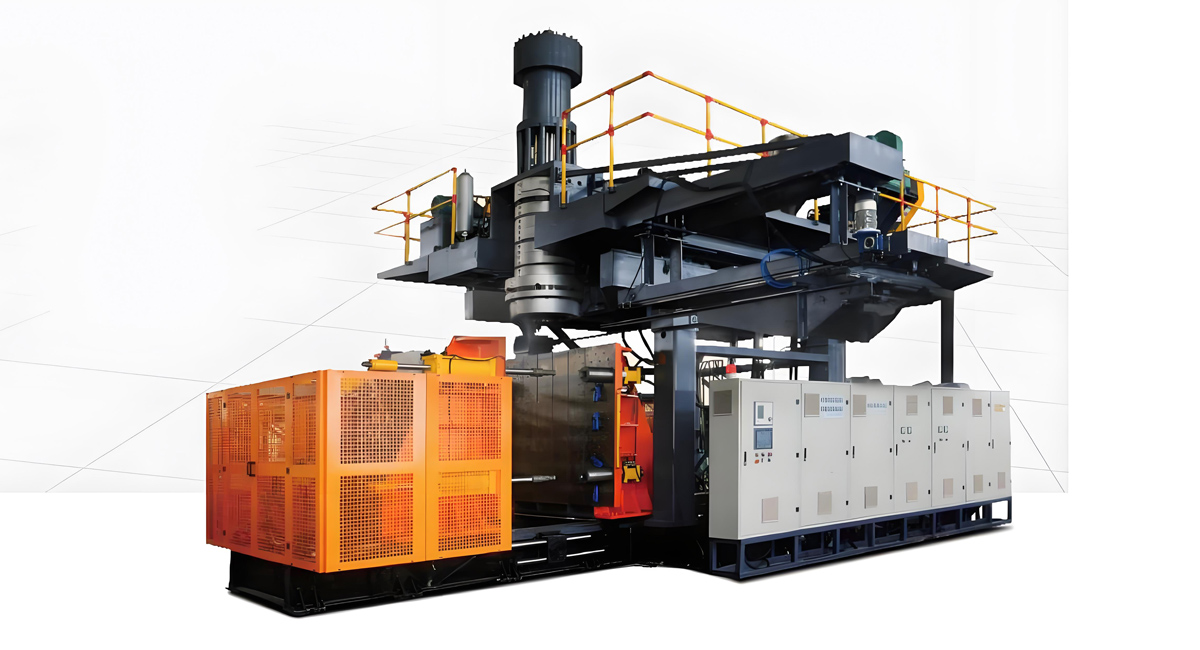
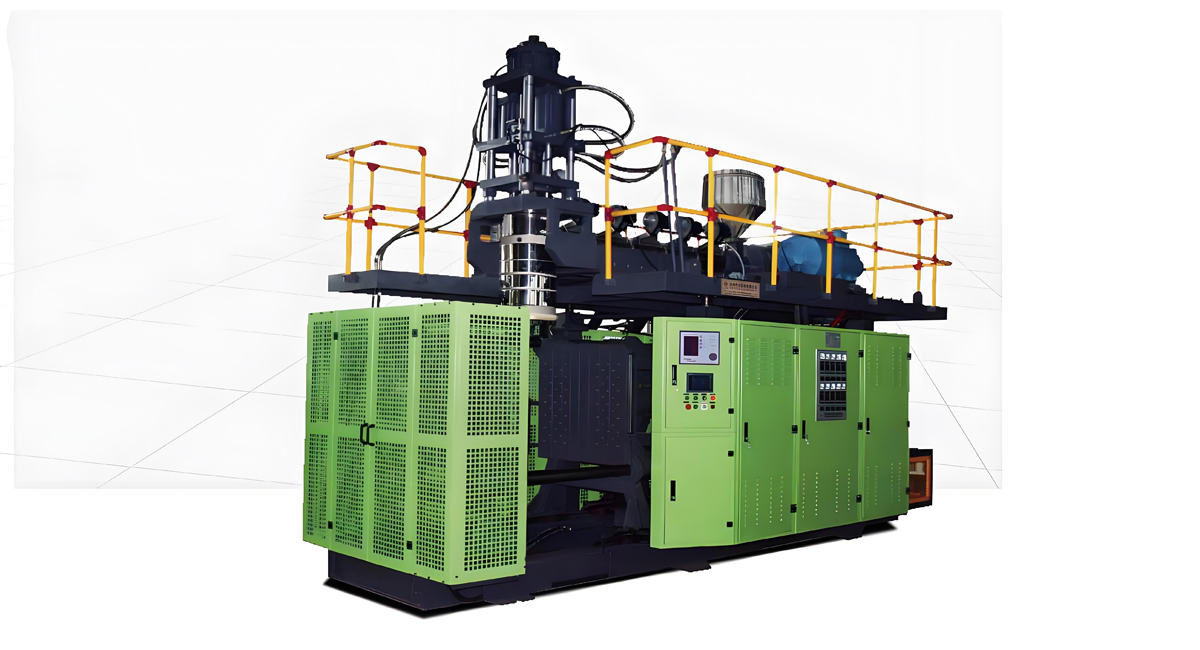
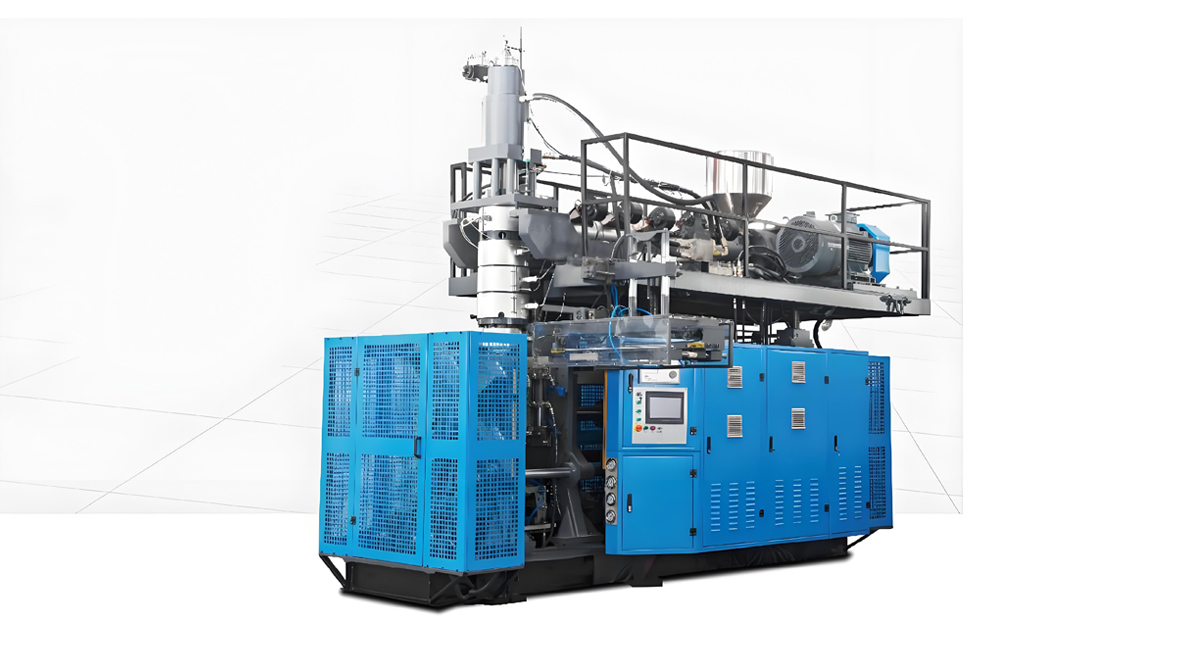
Importing an extrusion blow molding machine to the United States requires careful navigation of regulatory requirements, certification standards, and customs procedures. The US market presents significant opportunities for manufacturers seeking to expand their plastic container production capabilities, but success depends on understanding and complying with applicable regulations. This comprehensive guide covers everything importers need to know about bringing an extrusion blow molding machine into the United States while meeting FDA and UL certification requirements.
The regulatory landscape for importing manufacturing equipment to the USA involves multiple agencies and standards organizations. The Food and Drug Administration oversees equipment used for producing food contact containers, while Underwriters Laboratories certification addresses electrical safety requirements. Customs and Border Protection enforces import regulations and tariff classifications. Understanding the intersection of these requirements enables successful importation and installation of an extrusion blow molding machine in US facilities.
Understanding US Regulatory Framework
FDA Jurisdiction and Requirements
The Food and Drug Administration exercises regulatory authority over equipment used to manufacture food contact containers, including the extrusion blow molding machine. While FDA does not directly certify manufacturing equipment, the agency establishes standards for food contact materials and the containers produced by such equipment. Manufacturers importing an extrusion blow molding machine to produce food containers must ensure that their products comply with FDA regulations regarding food contact substances.
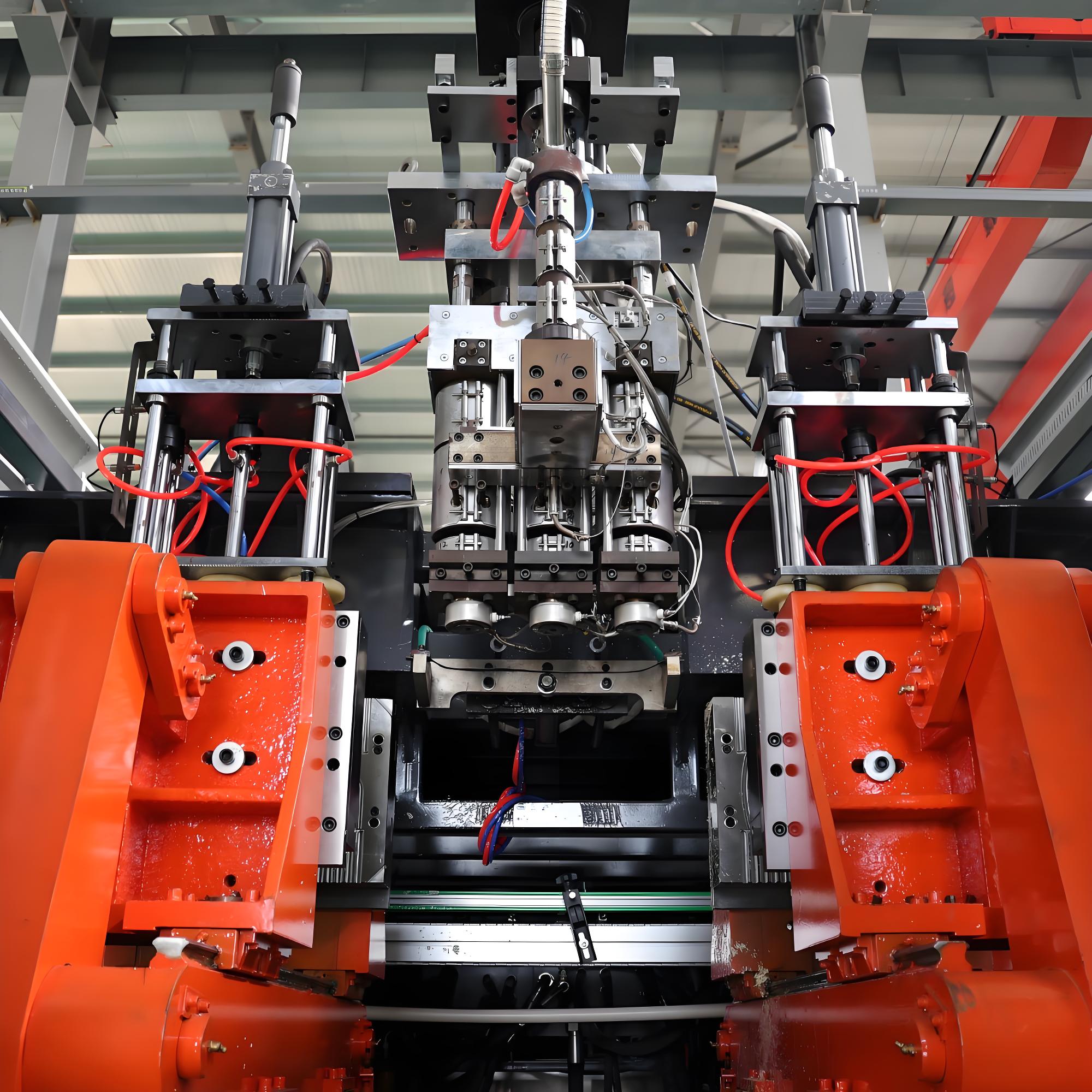
FDA requirements focus primarily on the materials used in plastic container production and the finished containers rather than the extrusion blow molding machine itself. However, the machine must be capable of producing containers that meet FDA food contact material regulations. This includes using FDA compliant materials for any components that contact the plastic during production, such as die heads, blow pins, and mold surfaces. Documentation of material compliance and production processes supports FDA regulatory requirements for food packaging manufacturers.
UL Certification Standards
Underwriters Laboratories certification addresses electrical safety aspects of the extrusion blow molding machine. UL standards apply to electrical components, wiring methods, and overall machine safety systems. For importers bringing equipment into the United States, UL certification provides assurance that the extrusion blow molding machine meets US electrical safety standards and reduces liability exposure. Many US insurance carriers require UL certification for manufacturing equipment as a condition of coverage.
The UL certification process for an extrusion blow molding machine involves evaluation of electrical systems, control panels, motors, heaters, and safety devices. Testing verifies that the equipment meets applicable UL standards for industrial machinery and electrical equipment. Manufacturers can obtain UL certification for their equipment models, enabling importers to bring compliant machines into the US market without undergoing individual certification for each unit. Working with extrusion blow molding machine suppliers who maintain current UL certification streamlines the import process.
Key Features for US Market Compliance
Electrical System Requirements
Importing an extrusion blow molding machine to the United States requires attention to electrical system specifications. US electrical standards differ from those in many other countries, with standard industrial voltage of 480 volts three phase at 60 hertz. The extrusion blow molding machine must be configured for US electrical supply, including appropriate transformers, motor ratings, and control system components. Electrical panels must meet National Electrical Code requirements and bear UL listing marks.
Electrical safety features on an extrusion blow molding machine bound for the US market should include emergency stop systems, safety interlocks, and proper guarding of electrical components. Ground fault protection, overload protection, and short circuit protection must comply with US standards. Documentation including electrical schematics, component specifications, and safety certifications must accompany the machine through customs and be available for inspection by local authorities during installation. These requirements ensure safe operation and compliance with US workplace safety regulations.
Safety Standards and OSHA Compliance
The Occupational Safety and Health Administration establishes workplace safety requirements that affect extrusion blow molding machine installation and operation in the United States. Machine guarding requirements mandate protection of workers from moving parts, hot surfaces, and other hazards. The extrusion blow molding machine must incorporate appropriate guards, safety interlocks, and warning devices to meet OSHA standards. Lockout tagout capabilities enable safe maintenance procedures by isolating energy sources during servicing.
Beyond machine guarding, OSHA requirements address electrical safety, personal protective equipment, hazard communication, and training. Documentation of safety features and operating procedures supports OSHA compliance. Importers should verify that the extrusion blow molding machine manufacturer provides comprehensive safety documentation including operator manuals, maintenance procedures, and safety certifications. This documentation demonstrates due diligence and supports safe installation and operation in US facilities.
Technical Specifications for Imported Machines
Configuration Options for US Market
When importing an extrusion blow molding machine to the United States, configuration options must be selected to match US requirements and market preferences. The Apollo ABLB series offers models ranging from the ABLB 45 for containers up to 2 liters through the ABLB 100 for containers up to 30 liters. Each model can be configured with single or double station arrangements, with double station versions providing higher throughput for high volume production requirements common in the US market.
Control system preferences in the US market typically favor user friendly interfaces with comprehensive process monitoring and data collection capabilities. The extrusion blow molding machine should include programmable logic controllers capable of storing multiple production recipes and providing real time process data. Servo drive systems offer precise control and energy efficiency that align with US manufacturer priorities. These configuration choices affect both the purchase price and ongoing operating costs of the imported equipment.
Container Size and Production Requirements
US market requirements for plastic containers span a wide range of sizes and applications, influencing extrusion blow molding machine selection. Food and beverage containers typically range from 200 milliliters for single serve products through 4 liters for large format beverages. Industrial containers may extend to 20 liters or larger for chemical and lubricant packaging. The selected extrusion blow molding machine must address the specific container sizes required for target market segments.
Production volume requirements in the US market favor machines with high throughput capabilities. The Apollo ABLB series delivers production rates up to 1,550 pieces per hour in single station configuration and 1,900 pieces per hour with double station setup. These production rates support the high volume requirements typical of US consumer goods packaging. Evaluating current and projected production volumes helps determine the appropriate machine size and configuration for imported equipment.
The Importation Process
Customs Procedures and Documentation
The customs clearance process for an extrusion blow molding machine requires accurate documentation and proper tariff classification. Commercial invoice, packing list, and bill of lading constitute essential shipping documents. The harmonized tariff schedule classification determines applicable duty rates and any special requirements. Most extrusion blow molding machines fall under tariff headings for plastics processing machinery, though specific classification should be confirmed with a licensed customs broker or trade attorney.
Country of origin documentation affects tariff treatment under various trade agreements. An extrusion blow molding machine manufactured in China typically faces different duty rates than equipment from countries with US free trade agreements. Working with experienced freight forwarders and customs brokers familiar with machinery imports streamlines the clearance process. Proper documentation and classification prevent delays and additional costs during customs clearance.
Shipping and Logistics Considerations
Shipping an extrusion blow molding machine from overseas to the United States involves ocean freight, port handling, and inland transportation. Containerized shipping provides protection during transit, with standard container sizes determining shipping arrangements. The machine size and weight influence whether a 20 foot or 40 foot container is required. Door to door shipping services coordinate all logistics elements from factory to final destination, simplifying the importation process.
Transit times for importing an extrusion blow molding machine to the United States vary by origin port and shipping route. Typical transit times from Asian manufacturing centers range from 20 to 40 days depending on specific routing and port congestion. Air freight offers faster delivery but significantly higher costs, typically reserved for urgent situations or spare parts rather than complete machines. Planning for adequate transit time ensures that installation schedules account for shipping duration.
FDA Certification Requirements
Food Contact Material Compliance
When an extrusion blow molding machine is used to produce food contact containers, FDA compliance extends to both the containers and the materials used in their production. FDA regulations establish specific requirements for food contact substances, including plastic resins and additives used in container production. The extrusion blow molding machine must be capable of processing FDA compliant materials and producing containers that meet applicable food contact regulations.
Food contact container manufacturers must maintain documentation demonstrating compliance with FDA regulations. This includes material certifications from resin suppliers, production process documentation, and testing records verifying that finished containers meet applicable standards. While the extrusion blow molding machine itself is not FDA certified, the production process it enables must comply with FDA food contact material requirements. Working with machine suppliers experienced in food container production helps ensure that equipment supports FDA compliance.
Documentation and Record Keeping
FDA regulations require food contact container manufacturers to maintain comprehensive records demonstrating compliance with applicable regulations. Documentation related to the extrusion blow molding machine includes process parameters, production records, quality control testing, and material traceability. These records support FDA inspection activities and demonstrate due diligence in maintaining food contact safety. Proper documentation systems should be established as part of machine installation and commissioning.
Quality management system certification such as ISO 9001 provides a framework for documentation and process control that supports FDA compliance. Many food container manufacturers implement comprehensive quality systems that encompass all aspects of production including extrusion blow molding machine operation. Training records, maintenance logs, and calibration records document ongoing compliance with established procedures. These systems demonstrate commitment to quality and regulatory compliance.
UL Certification Process
Understanding UL Standards for Machinery
Underwriters Laboratories has developed specific standards addressing electrical safety requirements for industrial machinery including the extrusion blow molding machine. UL standards cover electrical enclosures, wiring methods, motor protection, control circuits, and safety devices. Machines bearing the UL mark have been evaluated and found to comply with applicable safety requirements. This certification provides assurance to buyers and supports compliance with electrical codes and insurance requirements.
The UL certification process for an extrusion blow molding machine involves comprehensive evaluation of all electrical components and systems. Testing verifies compliance with standards for insulation, grounding, overcurrent protection, and temperature rise. Control panels receive particular attention, with requirements for component spacing, wiring methods, and labeling. Safety systems including emergency stops and interlocks undergo evaluation to ensure proper function and reliability. Successful completion of UL evaluation results in certification that applies to machines of identical design.
Working with UL Certified Suppliers
Importers of extrusion blow molding machines can streamline the compliance process by working with manufacturers who maintain current UL certification for their equipment models. Apollo machines are available with UL certification, enabling importers to bring compliant equipment into the United States without undergoing individual machine certification. This approach reduces time to market and ensures that the extrusion blow molding machine meets US electrical safety standards from the outset.
Verification of UL certification status should be part of the supplier evaluation process when importing an extrusion blow molding machine. Requesting current UL certification documentation and confirming that the specific machine model is covered prevents compliance issues during customs clearance and installation. Reputable manufacturers maintain current certifications and can provide documentation demonstrating compliance with applicable UL standards.
Benefits of Certified Equipment
Risk Reduction and Liability Protection
Importing an extrusion blow molding machine with appropriate certifications reduces risk and liability exposure for US manufacturers. UL certification provides independent verification that electrical systems meet safety standards, reducing the risk of electrical accidents and fires. This certification also supports compliance with local building codes and fire regulations that may require UL listing for electrical equipment. Liability protection extends to both property damage and personal injury claims that could arise from equipment malfunctions.
FDA compliance capabilities of the extrusion blow molding machine reduce regulatory risk for manufacturers of food contact containers. Equipment capable of producing FDA compliant containers supports market access and customer confidence. Documentation of compliance capabilities demonstrates due diligence and supports defense against potential regulatory actions. These risk reduction benefits offset the costs associated with certification and compliance activities.
Insurance and Financing Advantages
Certified extrusion blow molding machines offer advantages in obtaining insurance coverage and equipment financing. Many insurance carriers require UL certification for manufacturing equipment as a condition of property and liability coverage. Equipment without proper certification may face coverage limitations or higher premiums. Similarly, equipment financing sources often require verification that imported machinery meets US standards before approving loans or lease arrangements.
The documented safety and compliance features of a certified extrusion blow molding machine support favorable insurance and financing terms. Underwriters and lenders view certified equipment as lower risk, potentially resulting in better terms and faster approval processes. These advantages should be considered when evaluating the total cost of equipment acquisition, as favorable insurance and financing terms can offset higher initial costs for certified machines.
Cost Analysis for US Imports
Equipment Pricing and Configuration Costs
The cost of importing an extrusion blow molding machine to the United States encompasses equipment purchase price, configuration for US standards, shipping, customs duties, and installation. Equipment pricing varies based on machine size and capabilities, with Apollo ABLB series machines ranging from 15,000 US dollars for the ABLB 45 through 75,000 US dollars for the ABLB 100. Configuration for US electrical standards and safety requirements may add 5 to 15 percent to base equipment cost depending on specific requirements.
UL certification and FDA compliance features represent additional cost factors. UL certified machines may carry modest premiums over non certified versions, but this cost is typically lower than obtaining individual machine certification. Features supporting FDA compliance such as food grade component materials and process documentation systems also add to equipment cost. These investments should be evaluated against the benefits of regulatory compliance and market access.
Shipping and Customs Costs
Shipping costs for importing an extrusion blow molding machine to the United States include ocean freight, insurance, port handling, and inland transportation. Total shipping costs typically range from 2,000 to 5,000 US dollars depending on machine size, shipping route, and destination. Marine insurance protects against loss or damage during transit and is recommended for valuable equipment shipments. Working with experienced freight forwarders helps optimize shipping arrangements and costs.
Customs duties apply to imported machinery based on tariff classification and country of origin. Duty rates for plastics processing equipment vary but typically range from 1 to 5 percent of declared value. Merchandise processing fees and harbor maintenance fees add to total import costs. Consulting with a licensed customs broker ensures accurate classification and duty payment, preventing potential penalties for misclassification or underpayment.
Total Cost of Ownership Considerations
The total cost of ownership for an imported extrusion blow molding machine extends beyond purchase price and import costs to include installation, operation, and maintenance over the equipment lifespan. Installation costs for US market requirements include electrical installation, utility connections, and safety system setup. Training for operators and maintenance personnel ensures effective utilization of equipment capabilities. Ongoing maintenance and spare parts inventory costs must be factored into long term financial planning.
Energy costs represent a significant ongoing expense for extrusion blow molding machine operation. US industrial electricity rates vary by region and utility, with rates typically ranging from 0.08 to 0.15 US dollars per kilowatt hour. Energy efficient machine configurations reduce operating costs over the equipment lifespan. Fully electric machines offer the highest energy efficiency, though at higher initial cost. Evaluating lifecycle costs rather than just purchase price supports optimal equipment selection.
Industry Applications in US Market
Food and Beverage Packaging
The US food and beverage industry represents a major market for containers produced by extrusion blow molding machines. Dairy products including milk, yogurt, and cottage cheese require large volumes of plastic containers that must meet FDA food contact standards. Beverage applications span single serve bottles through large format containers for water, juice, and other drinks. The extrusion blow molding machine must be capable of producing containers that meet both regulatory requirements and consumer expectations for quality and appearance.
Food safety standards in the US market continue to evolve, with increasing emphasis on traceability and documentation. Container manufacturers using extrusion blow molding machine technology must implement comprehensive quality systems to demonstrate compliance with FDA regulations and customer requirements. The ability to document production processes, material sources, and quality testing supports customer confidence and regulatory compliance. Machines with advanced process monitoring and data collection capabilities facilitate compliance with these requirements.
Consumer Products and Industrial Applications
Beyond food and beverage packaging, extrusion blow molding machines serve diverse consumer product and industrial applications in the US market. Household and personal care products including cleaning supplies, shampoos, and lotions require containers in various sizes and styles. Industrial applications include lubricants, chemicals, and agricultural products that demand containers with specific barrier properties and durability. The versatility of extrusion blow molding technology enables production of containers for these diverse applications.
Chemical container requirements in the US market must address both regulatory compliance and performance requirements. Containers for hazardous materials must meet Department of Transportation requirements for packaging dangerous goods. Industrial containers must withstand the specific chemicals they will contain and maintain integrity during storage and transportation. An extrusion blow molding machine capable of producing containers with appropriate material selection and wall thickness distribution addresses these demanding applications.
Why Choose Apollo for US Imports
Certification and Compliance Support
Apollo extrusion blow molding machines are available with certifications supporting US market requirements. UL certification for electrical safety provides assurance of compliance with US electrical standards and simplifies the importation process. Machine configurations can be specified to meet FDA requirements for food contact container production. This compliance support reduces risk and accelerates time to market for manufacturers importing equipment to the United States.
Beyond equipment certification, Apollo provides documentation and support services that facilitate US regulatory compliance. Technical documentation includes electrical schematics, safety certifications, and process parameters required for installation and operation. Training programs ensure that operators understand proper machine operation and maintenance procedures. This comprehensive support approach enables successful equipment installation and operation in US facilities.
Proven Track Record in US Market
Apollo brings over 20 years of experience in extrusion blow molding machine manufacturing, with equipment operating in more than 90 countries including the United States. This global experience includes successful navigation of diverse regulatory requirements and market preferences. The Apollo product line includes over 4,000 machines installed worldwide, demonstrating the reliability and performance of Apollo equipment across varied production environments.
Customer support infrastructure for US market customers includes spare parts supply, technical support, and maintenance services. The annual 500 US dollar spare parts allowance reduces the cost of maintaining adequate parts inventory. Warranty coverage including free replacement of damaged parts provides additional protection during the critical first years of operation. Factory visits and pre shipment testing enable customers to verify machine performance before importation, reducing risk and ensuring satisfaction.
Maintenance and Support for Imported Equipment
Parts Availability and Service Support
Maintaining an imported extrusion blow molding machine requires reliable access to spare parts and technical support. Apollo maintains comprehensive spare parts inventory and offers annual 500 US dollar spare parts allowance to support customer maintenance programs. Fast parts shipping from strategic inventory locations minimizes downtime when replacements are needed. Technical support services provide remote diagnosis and troubleshooting guidance to resolve issues efficiently.
Warranty coverage for Apollo extrusion blow molding machines includes free replacement of damaged parts during the warranty period, including parts damaged during transportation. This comprehensive coverage reduces customer risk during the critical startup period when machines are most likely to experience issues. Performance guarantees provide additional protection, with compensation if production capacity fails to meet specifications. These support programs demonstrate confidence in equipment quality and commitment to customer success.
Training and Knowledge Transfer
Effective operation of an imported extrusion blow molding machine depends on proper training for operators and maintenance personnel. Apollo provides training programs covering machine operation, process optimization, and maintenance procedures. Training can be conducted at the factory before shipment or at the customer facility during installation. Comprehensive operator manuals and maintenance documentation support ongoing knowledge transfer and reference.
Advanced training programs address specialized topics such as process troubleshooting, quality optimization, and advanced maintenance procedures. These programs enable customers to develop in house expertise that reduces dependence on external support services. Investing in operator and maintenance training maximizes the value derived from extrusion blow molding machine investment and supports long term operational success.
Frequently Asked Questions
What certifications are required to import an extrusion blow molding machine to the USA
Importing an extrusion blow molding machine to the USA typically requires UL certification for electrical safety compliance. While FDA certification is not required for the machine itself, equipment used to produce food contact containers must be capable of producing FDA compliant products. Additional certifications may be required by specific states or local jurisdictions. Working with experienced equipment suppliers who maintain current certifications simplifies the importation process.
How long does it take to import an extrusion blow molding machine to the USA
The timeline for importing an extrusion blow molding machine to the USA varies based on equipment availability, manufacturing lead time, shipping arrangements, and customs clearance. Standard manufacturing lead times range from 30 to 90 days depending on machine configuration. Ocean shipping typically requires 20 to 40 days from Asian manufacturing centers. Customs clearance generally takes 3 to 7 days with proper documentation. Total timeline from order to delivery typically ranges from 60 to 150 days.
What are the customs duties for importing machinery to the USA
Customs duties for importing an extrusion blow molding machine to the USA depend on tariff classification and country of origin. Most plastics processing machinery falls under harmonized tariff codes with duty rates typically ranging from 1 to 5 percent of declared value. Additional fees including merchandise processing fees and harbor maintenance fees apply. Specific duty rates should be confirmed with a licensed customs broker based on the exact machine configuration and origin country.
Can Apollo provide UL certified extrusion blow molding machines
Yes, Apollo extrusion blow molding machines are available with UL certification for electrical safety compliance. This certification enables importers to bring compliant equipment into the USA without the need for individual machine certification. Requesting UL certified configuration during the ordering process ensures that the delivered machine meets US electrical safety standards and simplifies the importation and installation process.
Conclusion
Importing an extrusion blow molding machine to the United States requires careful attention to regulatory requirements, certification standards, and logistics considerations. UL certification addresses electrical safety requirements, while FDA compliance capabilities support food contact container production. Working with experienced equipment suppliers like Apollo, who maintain relevant certifications and understand US market requirements, simplifies the importation process and reduces risk.
The Apollo ABLB series offers extrusion blow molding machines ranging from 200 milliliters through 30 liter capacity, with configurations optimized for US electrical standards and safety requirements. Comprehensive support including spare parts allowance, warranty coverage, and technical support ensures successful installation and operation. With over 20 years of manufacturing experience and equipment operating in more than 90 countries, Apollo provides the quality, reliability, and support needed to succeed in the US plastic container market.
By understanding certification requirements, planning for shipping and customs procedures, and partnering with certified equipment suppliers, manufacturers can successfully import and install extrusion blow molding machines that deliver the performance and compliance needed to compete effectively in the US market. The investment in certified equipment and proper importation procedures provides the foundation for successful plastic container production operations.