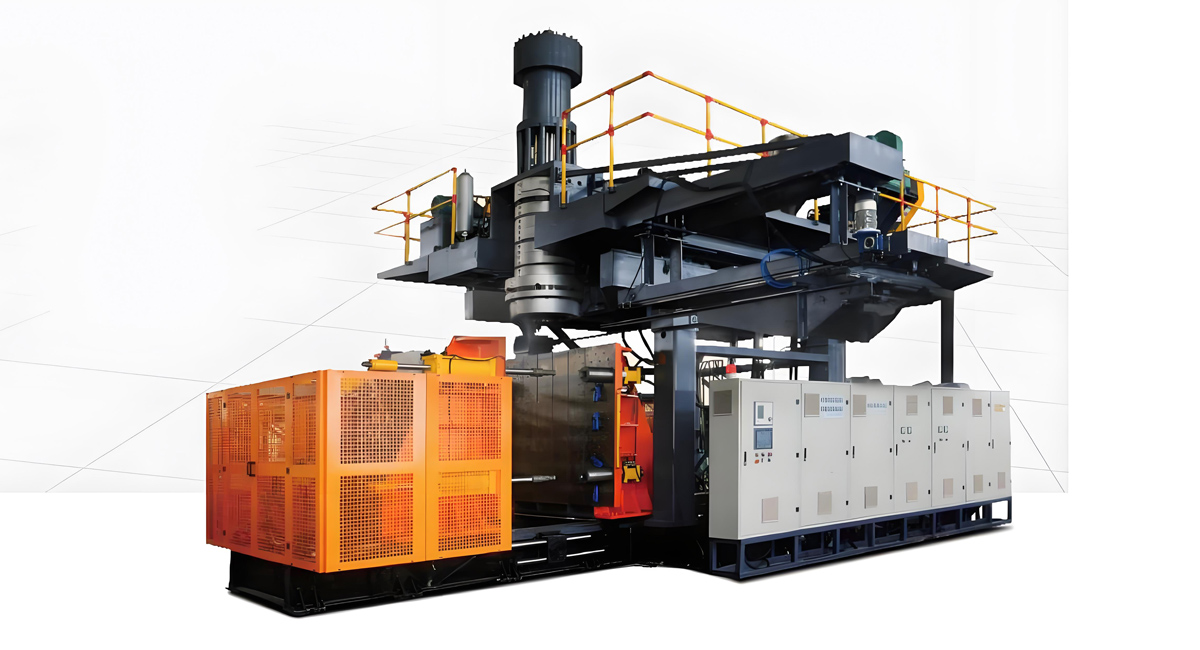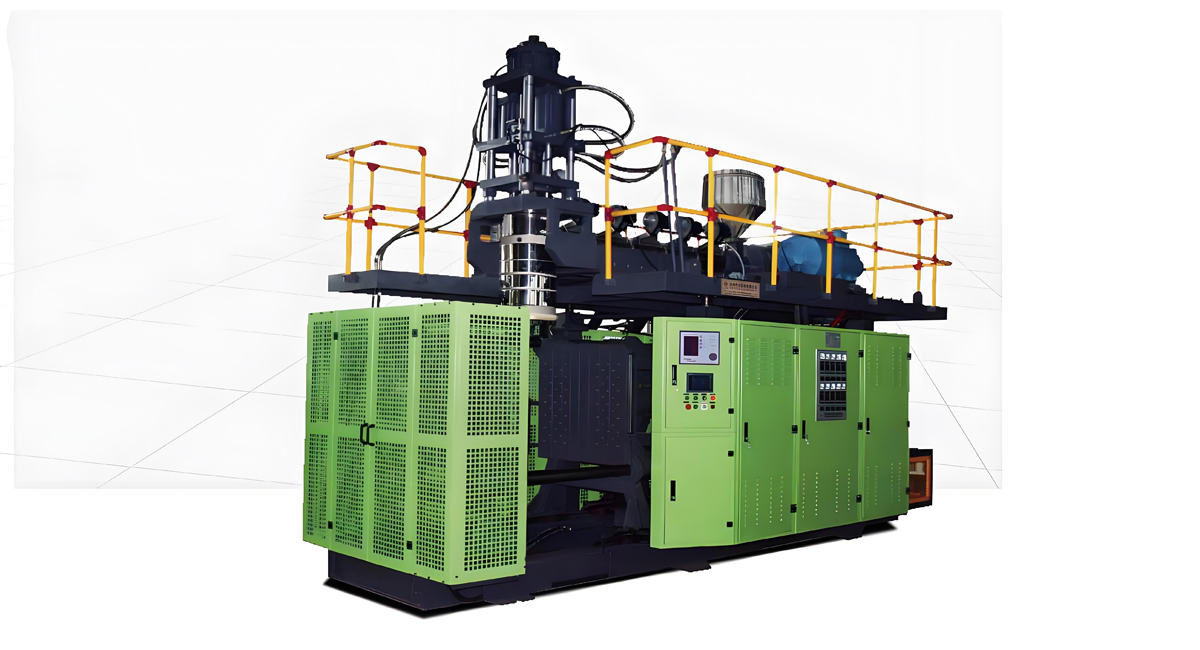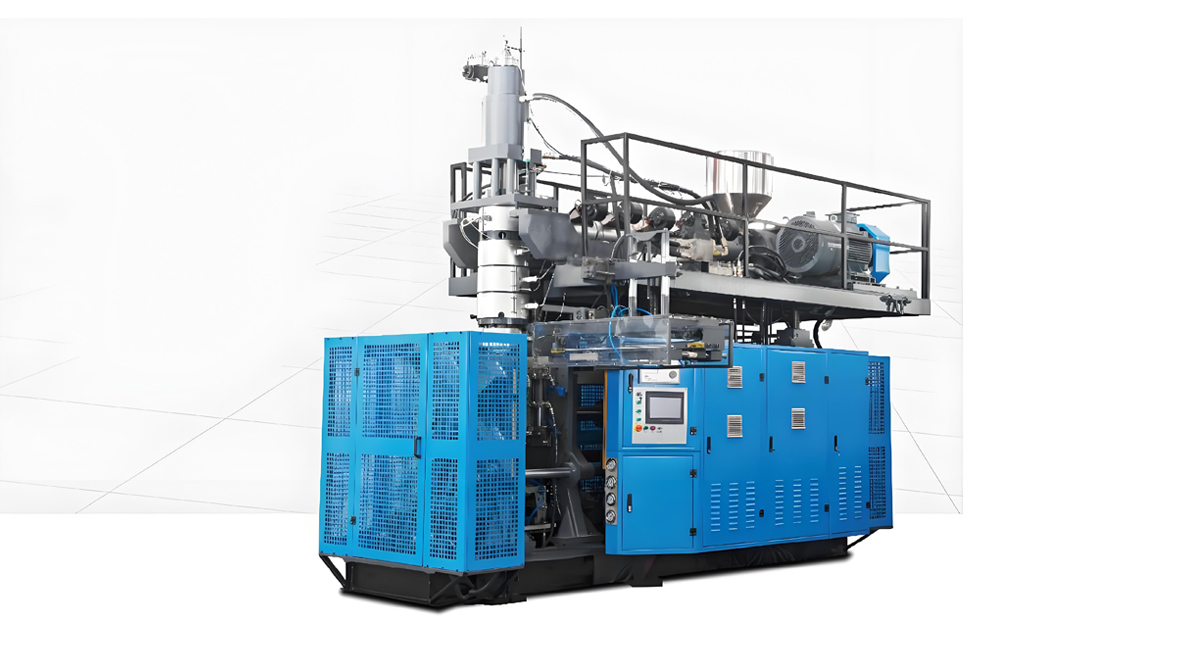
Introduction to Mini Extrusion Blow Molding Machines
In the rapidly evolving world of plastic manufacturing, the need for efficient, cost-effective solutions for laboratory testing and small batch production has never been more critical. A mini extrusion blow molding machine has emerged as an essential tool for research and development departments, testing facilities, and small-scale production environments. These compact yet powerful extrusion blow molding machines enable manufacturers to prototype, test, and produce plastic containers with precision and flexibility before committing to full-scale production investments.
Apollo’s extensive experience in extrusion blow molding machine manufacturing, spanning over 20 years, has positioned the company as a leader in providing both industrial-scale and mini-sized solutions for various production needs. Their understanding of diverse manufacturing requirements has led to the development of extrusion blow molding machines that cater specifically to laboratory and small batch applications, ensuring that quality and precision are never compromised regardless of production scale.
Understanding Mini Extrusion Blow Molding Machine Technology
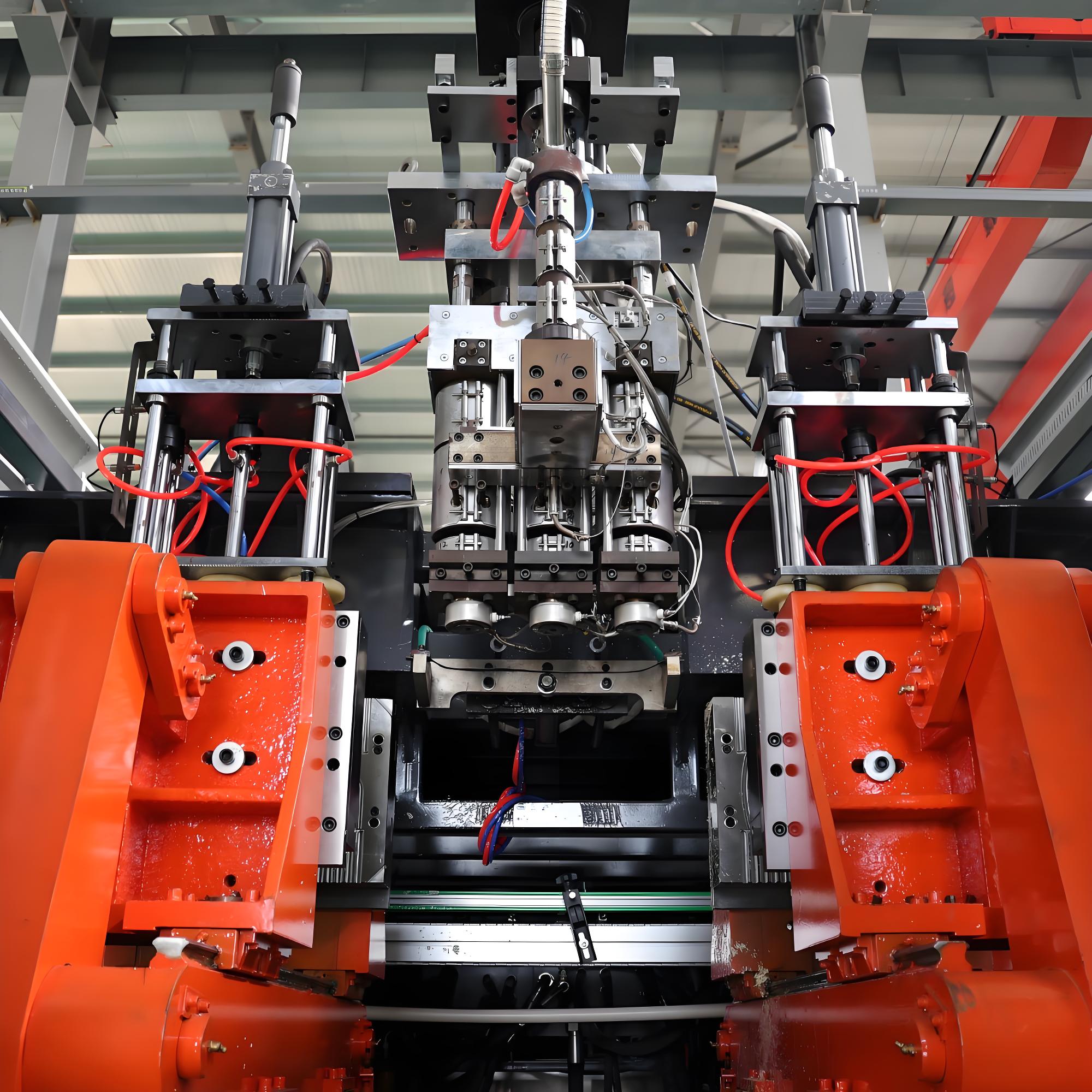
Mini extrusion blow molding machines utilize the same fundamental principles as their larger counterparts but are specifically engineered for smaller scale operations. The process begins with plastic resin being heated and extruded through a die to form a parison, which is then captured by a mold and inflated using compressed air to take the desired shape. This technology enables the production of hollow plastic products ranging from a few milliliters to several liters in capacity.
The key advantage of mini systems lies in their precision and material efficiency. Extrusion Blow Molding MachineLaboratory-grade machines typically feature advanced temperature control systems, precise parison programming capabilities, and smaller mold dimensions that minimize material waste during testing phases. These machines often include data logging and monitoring systems that track critical parameters such as temperature, pressure, and cycle times, providing valuable insights for process optimization.
Applications in Laboratory Testing and R&D
Material Testing and Development
Laboratories and research facilities extensively use mini extrusion blow molding machines for material development and testing purposes. These machines enable engineers and researchers to evaluate new plastic formulations, recycled materials, and sustainable alternatives without committing to large quantities of raw materials. The ability to rapidly test different materials under various processing conditions accelerates the development timeline significantly.
For instance, when developing new biodegradable materials or testing the recyclability of existing formulations, researchers can produce small batches of containers to assess mechanical properties, barrier performance, and visual quality. This capability is particularly valuable for companies developing sustainable packaging solutions as environmental concerns continue to drive material innovation in the industry.
Product Design Validation
Before investing in expensive production tooling for large-scale manufacturing, companies need to validate their product designs thoroughly. Mini extrusion blow molding machines enable rapid prototyping and design iterations, allowing designers to test various container shapes, sizes, and features efficiently. This iterative process helps identify potential manufacturing challenges early in the development cycle, saving significant ti
Design validation includes testing aspects such as wall thickness distribution, handle strength, neck finish specifications, and overall dimensional accuracy. Extrusion Blow Molding MachineMini machines provide the flexibility to test multiple design variations within a single day, enabling faster decision-making and reduced time-to-market for new products. This capability is especially valuable in industries like food and beverage packaging, where product differentiation and shelf appeal are crucial competitive factors.
rucial competitive factors.
Small Batch Production Capabilities
Cost-Effective Production Runs
For businesses requiring limited production quantities, mini extrusion blow molding machines offer an economically viable alternative to large-scale equipment. Small batch production is essential for niche products, seasonal variations, market testing, and specialized applications where demand does not justify investment in full-size production machinery.
The cost structure for small batch production using mini machines is significantly more favorable compared to operating large industrial equipment for small quantities. Operating costs for mini systems typically range from $50 to $150 per hour, depending on machine specifications and energy consumption, compared to $300 to $800 per hour for large-scale extrusion blow molding machines. This dramatic difference makes small batch production financially viable even for limited runs of 500 to 5,000 units.
Market Testing and Product Launches
When introducing new products to the market, companies often prefer limited initial production to gauge consumer response before committing to large-scale manufacturing. Mini extrusion blow molding machines enable flexible production schedules that can quickly adapt to market feedback. If a product performs well, production can be scaled up; if adjustments are needed, changes can be implemented without significant financial risk.
This approach is particularly beneficial for startups and small businesses that need to test market acceptance with minimal upfront investment. The ability to produce professional-quality containers in small quantities enables these companies to present their products professionally to potential distributors, retailers, and consumers without the financial burden of large inventory commitments.
Key Features and Specifications
Machine Capacity and Production Range
Mini extrusion blow molding machines typically handle production capacities ranging from 5 milliliters to 20 liters, covering the needs of most laboratory and small batch applications. This range includes small cosmetic bottles, pharmaceutical containers, food packaging, and various industrial applications. The versatility in size range enables a single machine to serve multiple product lines, making it an efficient investment
Production rates for mini machines vary depending on product size and complexity but generally range from 200 to 1,500 pieces per hour. Extrusion Blow Molding MachineWhile significantly lower than industrial machines, this production capacity is perfectly suited for testing, development, and limited production runs. For reference, Apollo’s ABLB series machines, designed for 200ML-20L capacity, demonstrate how compact machines can deliver reliable performance across diverse applications.
deliver reliable performance across diverse applications.
Material Compatibility
Mini extrusion blow molding machines support a wide range of thermoplastic materials, including PE (polyethylene), PP (polypropylene), PVC (polyvinyl chloride), PA (polyamide), PC (polycarbonate), ABS (acrylonitrile butadiene styrene), PS (polystyrene), EVA (ethylene vinyl acetate), TPU (thermoplastic polyurethane), and PETG (polyethylene terephthalate glycol). This extensive material compatibility enables laboratories and small manufacturers to work with various resins depending on their specific application requirements.
Material selection is crucial for different applications based on factors such as chemical resistance, barrier properties, clarity, and regulatory compliance. The ability to test different materials on the same machine provides invaluable flexibility for research and development teams exploring optimal material solutions for their products.
Cost Analysis and Investment Considerations
Equipment Investment Costs
The investment cost for mini extrusion blow molding machines varies significantly based on specifications, features, and brand reputation. Entry-level mini machines suitable for basic laboratory testing typically range from $15,000 to $30,000, while more advanced systems with sophisticated controls and data logging capabilities can cost between $40,000 and $80,000. High-end research-grade machines with specialized features may exceed $100,000.
When evaluating investment costs, it’s important to consider the total cost of ownership, which includes installation, training, maintenance, and operational expenses. Extrusion Blow Molding Machine Manufacturers like Apollo often provide comprehensive packages that include installation support, operator training, and after-sales service, which can add value beyond the initial equipment purchase price. The company’s commitment to quality is reflected in their warranty offerings, including $500 worth of free parts annually and replacement for damaged parts during the warranty period.
Operational Cost Analysis
Understanding the operational costs is essential for accurate project budgeting and profitability assessment. For a mini extrusion blow molding machine, the primary operational costs include electricity, compressed air, material, labor, and maintenance. Electricity consumption typically ranges from 10 to 25 kW per hour, while compressed air requirements vary from 15 to 50 CFM depending on machine specifications.
Based on average utility rates and typical usage patterns, the operational cost breakdown per hour might include electricity ($1.50 to $4.00), compressed air ($0.50 to $2.00), material costs ($5.00 to $20.00 depending on resin type), and labor allocation ($15.00 to $30.00). This results in total operational costs ranging from $22.00 to $56.00 per hour, which translates to per-unit costs between $0.02 and $0.20 depending on production volume and product specifications.
Advantages of Using Mini Machines for Testing
Reduced Material Waste
One of the most significant advantages of mini extrusion blow molding machines in laboratory applications is the dramatic reduction in material waste during testing phases. Large industrial machines typically require substantial material to reach stable operating conditions, resulting in considerable waste during startup and adjustment periods. Mini machines achieve stable conditions much faster, significantly reducing material consumption during setup and testing.
For material development projects where new formulations can be expensive, this reduction in waste translates to substantial cost savings. Testing a new material on a mini machine might require 5-10 kg of resin to achieve meaningful results, whereas testing the same material on industrial equipment could easily consume 50-100 kg, representing a 5-10 times difference in material cost.
Faster Development Cycles
The compact size and rapid changeover capabilities of mini extrusion blow molding machines enable significantly faster development cycles compared to large-scale equipment. Design iterations, material changes, and process adjustments can be implemented in hours rather than days, accelerating the overall product development timeline. This speed advantage is particularly valuable in competitive markets where time-to-market is a critical success factor.
The ability to quickly test multiple design variations enables design teams to explore more options and make better-informed decisions. Where a development team using large-scale equipment might test 2-3 design iterations per week, the same team using mini machines could potentially test 10-15 iterations, leading to more thoroughly optimized final products.
Selection Criteria and Best Practices
Evaluating Machine Specifications
When selecting a mini extrusion blow molding machine for laboratory or small batch applications, several key specifications should be carefully evaluated. Maximum shot capacity determines the largest product the machine can produce and typically ranges from 5 to 20 liters for mini systems. Clamping force, usually between 10 and 50 tons, affects the machine’s ability to hold the mold closed dur
Temperature control precision is particularly important for material testing applications, with advanced systems offering ±1°C accuracy across multiple heating zones. Extrusion Blow Molding MachineParison programming capabilities enable control of wall thickness distribution, which is essential for optimizing material usage and product strength. Finally, data acquisition and monitoring systems provide valuable insights into process parameters, enabling better process understanding and control.
able insights into pr
Choosing a manufacturer with strong after-sales support and service capabilities is crucial for long-term success with extrusion blow molding equipment. Extrusion Blow Molding MachineApollo’s comprehensive after-sales service includes on-site installation by experienced engineers, regular tracking of machine usage status, periodic customer visits, and thorough machine inspections. This level of support ensures optimal machine performance and extends equipment lifespan.
thorough machine inspections. This level of support ensures optimal machine performance and extends equipment lifespan.
The company’s warranty offerings demonstrate their confidence in product quality and commitment to customer satisfaction. Free parts provision ($500 annually), transportation damage guarantees, production capacity guarantees, and quality standard assurances provide additional peace of mind and financial protect
A critical consideration for companies using mini machines for development is ensuring scalability to full-scale production. Extrusion Blow Molding MachineThe process parameters and product characteristics established during laboratory testing must translate effectively to larger production equipment. This requires careful attention to maintaining consistency in processing conditions, material properties, and quality standards across different equipment scales.
es careful attention to maintaining consistency in processing conditions, material properties, and quality standards across different equipment scales.
Leading manufacturers like Apollo offer machine families with consistent operating principles and control philosophies across different sizes, facilitating smoother scale-up processes. Their ABLB series for 200ML-20L and ABLD series for 20L-1500L provide a logical progression path for companies planning to expand from laboratory to industrial production.
Data Management and Process Transfer
Modern mini extrusion blow molding machines often incorporate sophisticated data logging and process control systems that capture comprehensive production data. This data can be invaluable for process transfer to larger equipment and for establishing robust quality control procedures. Detailed records of processing parameters, material specifications, and quality metrics enable more predictable scale-up outcomes.
For companies implementing Industry 4.0 initiatives, machines with digital connectivity and remote monitoring capabilities can provide advantages in terms of production optimization, predictive maintenance, and quality management. These features, while not essential for basic laboratory operations, can provide significant benefits as operations scale and become more complex.
Case Studies and Success Stories
Food and Beverage Packaging Development
A leading beverage company utilized a mini extrusion blow molding machine to develop a new sustainable bottle design using recycled materials. The machine enabled the team to test various recycled content percentages and material blends, optimizing the formulation for both sustainability and performance. Over a six-month development peri
The total development cost using the mini machine was approximately $75,000, including material costs, machine time, and personnel expenses. Extrusion Blow Molding MachineHad the company attempted the same development using large-scale production equipment, the estimated cost would have exceeded $400,000 due to increased material waste, longer changeover times, and higher operational expenses. The mini machine approach saved over $325,000 while accelerating development by approximately 40%.
increased material waste, longer changeover times, and higher operational expenses. The mini machine approach saved over $325,000 while accelerating development by approximately 40%.
Pharmaceutical Container Validation
A pharmaceutical manufacturer required validation of a new container design for a specialized medication that required specific barrier properties
Over a three-month period, the validation team produced over 3,000 test containers, testing various material grades, wall thickness distributions, and design iterations. Extrusion Blow Molding MachineThe machine’s precise temperature control and parison programming capabilities enabled the team to meet all regulatory requirements and establish robust process parameters. The total investment in the mini machine and validation program was $120,000, which was recovered through product launch within the first six months of commercial production.
d establish robust process parameters. The total investment in the mini machine and validation program was $120,000, which was recovered through product launch within the first six months of commercial production.
Future Trends and Industry Outlook
Advanced Materials Testing
The future of mini extrusion blow molding machines in laboratory applications will increasingly focus on advanced material testing capabilities. As sustainability pressures drive the development of bio-based materials, recycled content, and novel polymer blends, the ability to test these materials efficiently becomes more critical. Mini machines will play an essential role in accelerating the adoption of these materials by enabling rapid prototyping and testing without significant material investment.
Enhanced sensor technology and process monitoring will provide deeper insights into material behavior during processing, enabling better prediction of final product properties. This advancement will reduce the need for extensive physical testing, further accelerating material development cycles and reducing costs.
Digital Transformation and Automation
Digital transformation trends are increasingly impacting laboratory testing equipment, including mini extrusion blow molding machines. Integration with laboratory information management systems (LIMS), automated data analysis, and artificial intelligence for process optimization will enhance the efficiency and insights gained from testing activities. These technologies will enable more systematic exploration of material and design alternatives, leading to better optimization outcomes.
Automation features such as automatic material loading, mold changing, and quality inspection will reduce manual intervention requirements, increasing throughput and consistency. These advancements will make mini machines even more valuable for high-throughput testing environments where efficiency and repeatability are critical.
Conclusion and Recommendations
Mini extrusion blow molding machines have become indispensable tools for laboratory testing and small batch production in the plastics industry. Their ability to provide efficient, cost-effective solutions for material development, product design validation, and limited production runs makes them valuable assets for companies of all sizes. The investment in mini machines typically yields returns through reduced material waste, faster development cycles, and minimized risk before committing to large-scale production investments.
When evaluating mini extrusion blow molding machines, companies should carefully consider their specific application requirements, long-term scalability needs, and manufacturer support capabilities. Apollo’s extensive experience in the industry, comprehensive product range, and strong after-sales support make them a reliable partner for companies seeking quality extrusion blow molding solutions. Their commitment to quality, evidenced by robust warranty provisions and customer satisfaction guarantees, provides additional confidence for equipment investment decisions.
For organizations conducting laboratory testing, developing new products, or requiring small batch production capabilities, investing in a quality mini extrusion blow molding machine represents a strategic decision that can significantly enhance development efficiency while controlling costs. The ability to test, iterate, and validate without large-scale production commitments provides competitive advantages in today’s fast-paced markets.