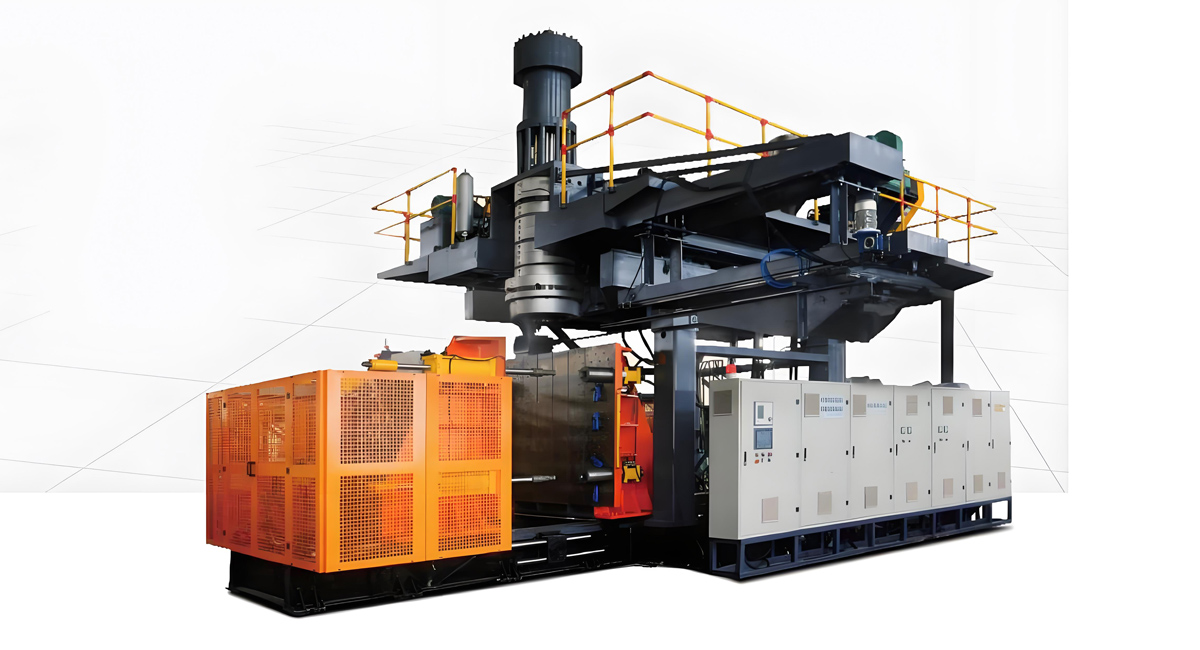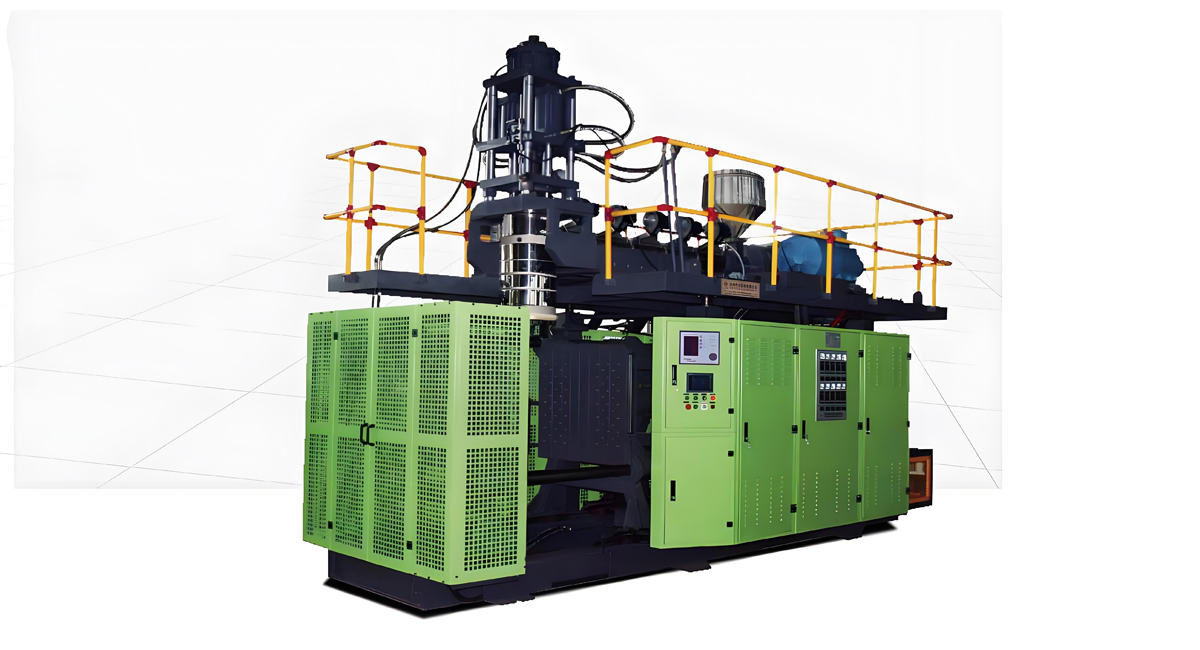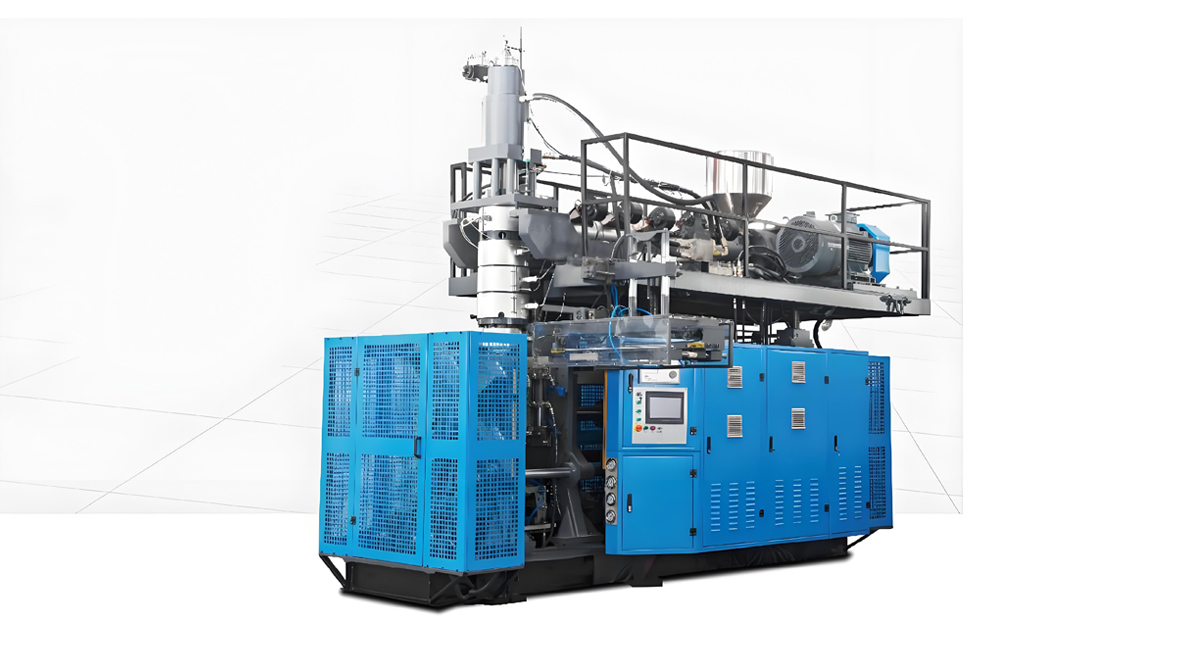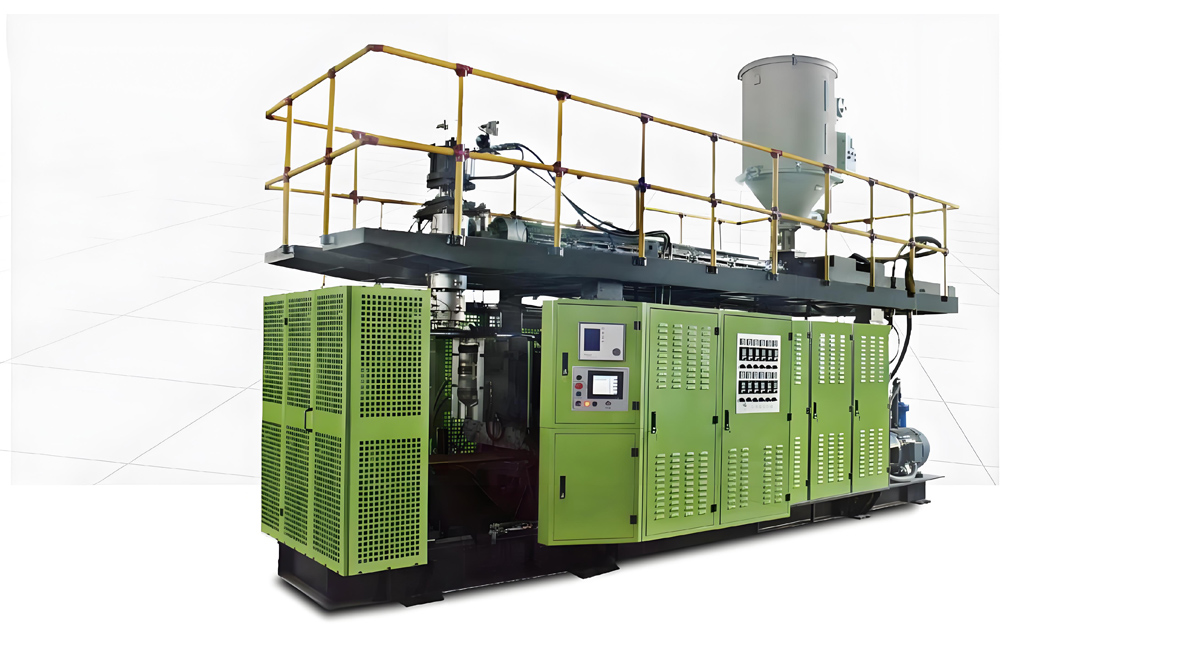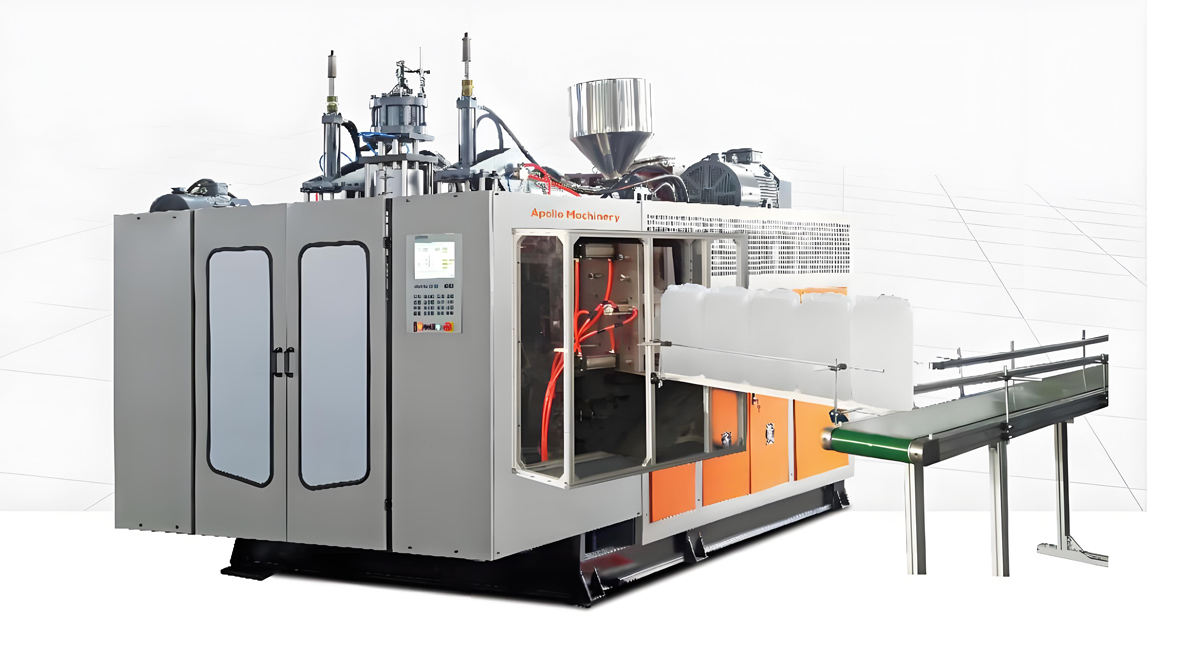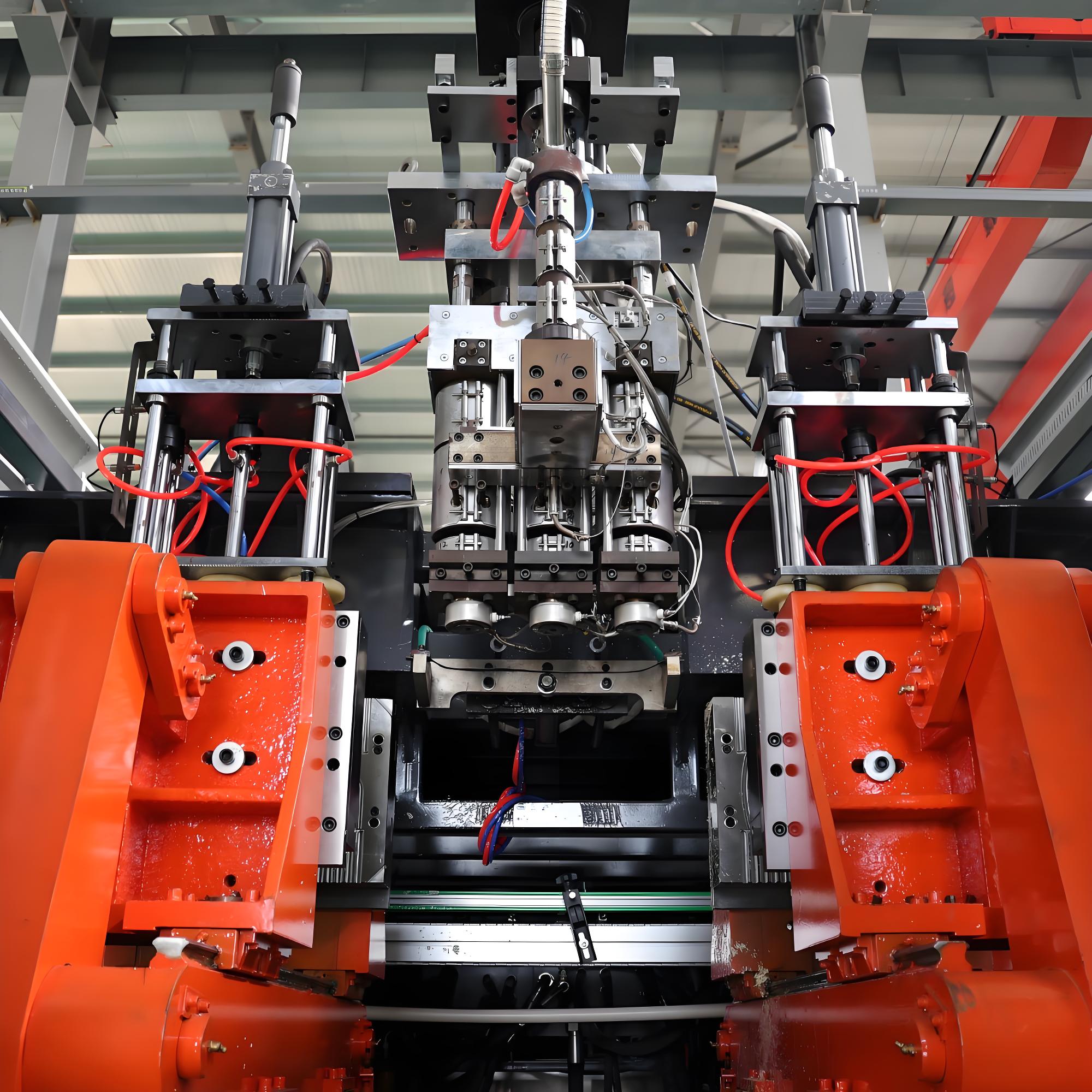

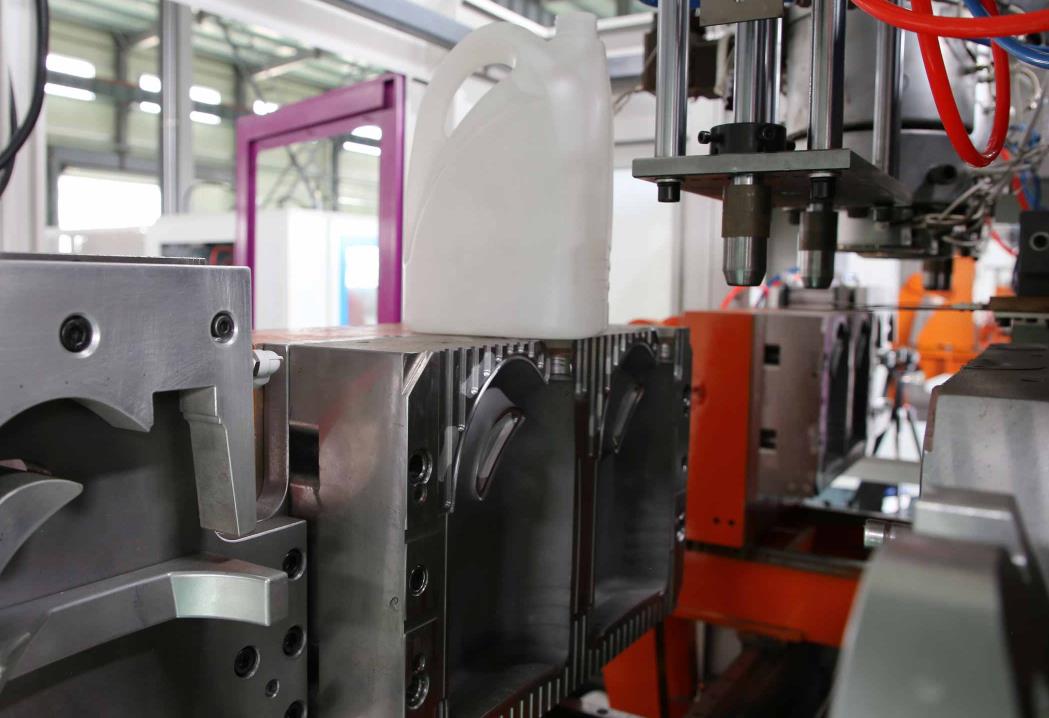
The mold is a core component of extrusion blow molding machines, directly affecting the quality, dimensional accuracy and production efficiency of hollow plastic products. Scientific and standardized mold maintenance and daily management can effectively extend mold service life, reduce production failures, and ensure stable product quality. This article focuses on the key maintenance items and daily maintenance requirements of extrusion blow molding machine molds, providing practical guidance for production enterprises.
I. Key Mold Maintenance Items
Mold maintenance items cover core components such as mold cavities, cores, guide mechanisms, cooling systems and exhaust systems. Targeted maintenance should be carried out according to the characteristics of each component and the impact of production processes.
1. Cleaning and Decontamination Maintenance
Plastic residues, oil stains and impurities are easily accumulated on mold surfaces, cavities, exhaust grooves and cooling channels during production, which will affect product appearance and molding effect.
- Cavity and Core Cleaning: After daily production or mold change, use non-corrosive cleaning agents (such as specialized mold cleaning agents for plastics) and soft tools (cotton cloth, soft brushes) to wipe the cavity and core surfaces. For stubborn plastic residues, use a heating method (controlled below the mold’s heat-resistant temperature) to soften the residues before cleaning, avoiding scratches on the mold surface with hard tools.
- Exhaust Groove Cleaning: Regularly clean the exhaust grooves with thin steel wires or air blowers to remove accumulated plastic debris and ensure smooth exhaust. Blocked exhaust grooves can easily cause product defects such as bubbles, burns and incomplete molding.
- Cooling Channel Cleaning: The cooling channel is prone to scaling and sludge accumulation due to long-term use of cooling water, which reduces heat exchange efficiency and affects product cooling and shaping. Use descaling agents to clean the cooling channel every 3-6 months, and rinse it with clean water thoroughly after cleaning to ensure unobstructed water flow.
2. Lubrication Maintenance of Moving Parts
The guide pillars, guide sleeves, ejector pins, sliding blocks and other moving parts of the mold are prone to wear and jamming due to frequent friction during opening and closing. Regular lubrication is essential to ensure flexible movement.
- Lubricant Selection: Choose high-temperature resistant, anti-wear lubricants suitable for plastic molding molds (such as molybdenum disulfide-based lubricants). Avoid using lubricants that are easily volatile or produce harmful gases at high temperatures, which may contaminate products.
- Lubrication Operation: Before daily production, apply an appropriate amount of lubricant to the guide pillars, guide sleeves and other moving parts. For ejector pins and sliding blocks, check the lubrication status regularly and replenish lubricant in a timely manner. After lubrication, wipe off excess lubricant to prevent it from contaminating the mold cavity and products.
3. Inspection and Maintenance of Core Components
Regular inspection of core components such as mold cavities, cores, parting surfaces and fasteners is crucial to discover potential faults early.
- Cavity and Core Inspection: Check for scratches, wear, deformation or corrosion on the cavity and core surfaces regularly. If slight scratches or wear are found, use abrasive paper (from coarse to fine) for polishing and repair. For serious deformation or corrosion, contact professional maintenance personnel for repair or replacement.
- Parting Surface Inspection: Check whether the parting surface is flat, and whether there are burrs, gaps or damage. The flatness of the parting surface directly affects the sealing performance of the mold. If burrs are found, use a file or abrasive paper to remove them; if there is serious damage, perform grinding and repair.
- Fastener Inspection: Check whether the bolts, nuts and other fasteners on the mold are loose, missing or damaged regularly. Tighten loose fasteners in a timely manner, and replace missing or damaged ones with parts of the same specification to ensure the stability of the mold structure.
4. Cooling System Maintenance
The cooling system directly affects the molding cycle and product dimensional stability of the mold. Its maintenance focuses on ensuring unobstructed water flow and stable cooling effect.
- Water Flow Inspection: Check the water inlet and outlet pressure and flow rate of the cooling system daily to ensure that the water flow is uniform and meets the design requirements. If the water flow is reduced or blocked, clean the cooling channel in a timely manner.
- Sealing Inspection: Check whether the water pipes, joints and seals of the cooling system are leaking. If leakage is found, replace the seals or damaged water pipes in a timely manner to avoid water entering the mold cavity and affecting product quality, or causing rust on the mold.
- Temperature Control Inspection: Check whether the temperature control device of the cooling system is accurate, and ensure that the cooling water temperature is within the set range. Adjust the temperature control parameters in a timely manner according to the product material and molding requirements.
II. Daily Maintenance Requirements
Daily maintenance of molds should follow the principle of “prevention first, regular inspection and timely treatment”, and establish a standardized maintenance system to ensure the implementation of maintenance work.
1. Daily Pre-Production Maintenance
- Check the overall appearance of the mold, including whether there are obvious damages, deformations or oil leaks on the surface.
- Clean the mold cavity, core and exhaust grooves to remove residues from the previous production.
- Lubricate the moving parts such as guide pillars, guide sleeves and ejector pins.
- Check the cooling system, ensure unobstructed water flow and no leakage, and confirm that the temperature control device is normal.
- Check the fasteners and tighten them if they are loose.
2. In-Production Inspection
- During production, regularly observe the operation status of the mold, including whether there is abnormal noise during opening and closing, and whether the mold clamping force is stable.
- Check the product quality regularly (such as appearance, dimensional accuracy), and infer the mold status from the product quality. If defects such as burrs, bubbles or uneven wall thickness occur frequently, check the mold’s parting surface, exhaust system or cooling system in a timely manner.
- Keep the mold and its surrounding environment clean, and avoid debris entering the mold cavity or moving parts.
3. Post-Production Maintenance
- After the end of daily production, stop the mold at the proper position, turn off the cooling water and power supply.
- Thoroughly clean the mold cavity, core, exhaust grooves and cooling channels to remove all plastic residues and impurities.
- Re-lubricate the moving parts to prevent rust during storage.
- Check the mold for damage or wear, and record the maintenance and inspection results.
- Cover the mold with a dust cover to prevent dust, moisture and other contaminants from entering.
4. Regular Periodic Maintenance
- Weekly Maintenance: Conduct a comprehensive inspection of the mold, including the wear status of the cavity and core, the lubrication of moving parts, the sealing of the cooling system, etc. Clean the cooling channel and exhaust system thoroughly.
- Monthly Maintenance: Disassemble key components such as ejector pins and sliding blocks for detailed inspection and cleaning, and replace severely worn parts. Check the flatness of the parting surface and perform grinding if necessary.
- Quarterly/Annual Maintenance: Conduct a comprehensive disassembly and inspection of the mold, including the internal structure, cooling system, heating system (if any) and other components. Perform anti-rust treatment on the mold, and replace aging seals, springs and other vulnerable parts. For molds that have been used for a long time, conduct dimensional inspection and correction to ensure that the mold accuracy meets the production requirements.
III. Key Notes for Mold Maintenance
- Safety First: Before performing any maintenance work, ensure that the extrusion blow molding machine is shut down, the power supply and cooling water are turned off, and the safety lock is locked to prevent accidental startup of the machine and cause safety accidents.
- Proper Use of Tools and Materials: Use special tools and cleaning agents suitable for mold maintenance, avoid using hard tools that may scratch the mold surface, and avoid using corrosive cleaning agents that may damage the mold material.
- Record Management: Establish a mold maintenance file, record the mold model, production time, maintenance items, maintenance time, replacement parts and other information in detail, which is convenient for tracking the mold status and formulating targeted maintenance plans.
- Storage Environment: The mold storage area should be clean, dry, ventilated and free of corrosive gases. The molds should be placed on dedicated storage racks, avoiding direct contact with the ground to prevent rust and deformation.
- Personnel Training: Train maintenance personnel and operators on mold maintenance knowledge and operating specifications, ensuring that they can correctly perform maintenance operations and identify potential mold faults.
In summary, the mold maintenance of extrusion blow molding machines is a systematic work that requires the combination of daily inspection, regular maintenance and targeted treatment. By strictly implementing the maintenance items and requirements mentioned above, enterprises can effectively improve the reliability and service life of molds, reduce production costs, and ensure the stable and efficient operation of the production line.