Understanding Multi-Cavity Blow Molding Technology
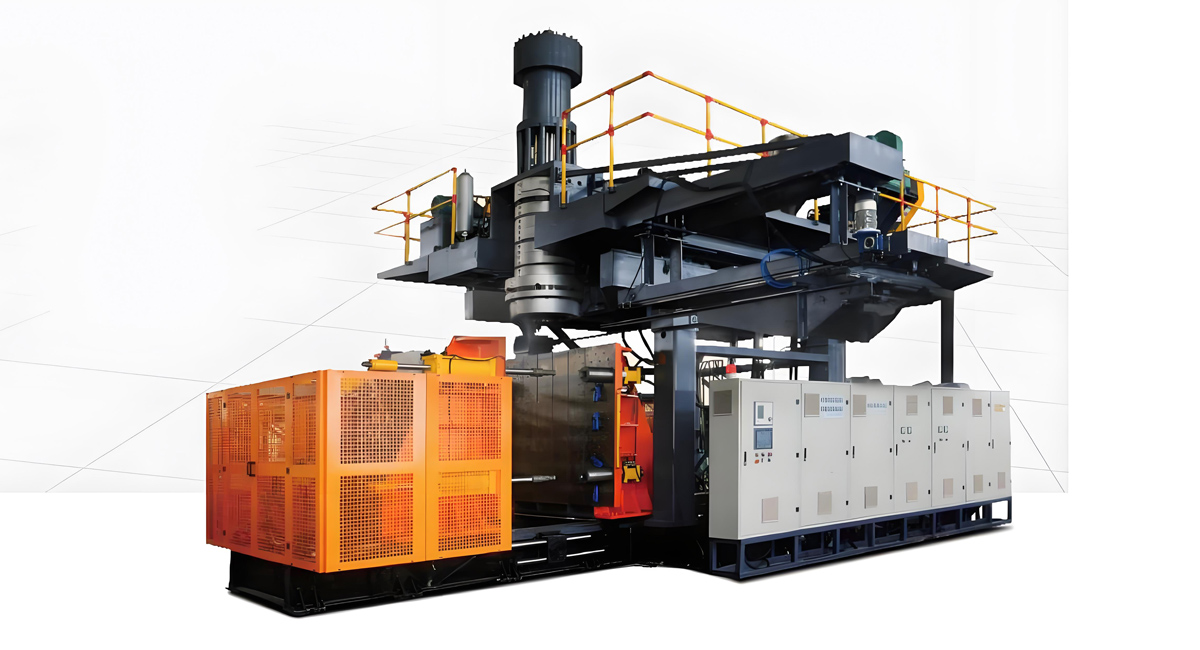
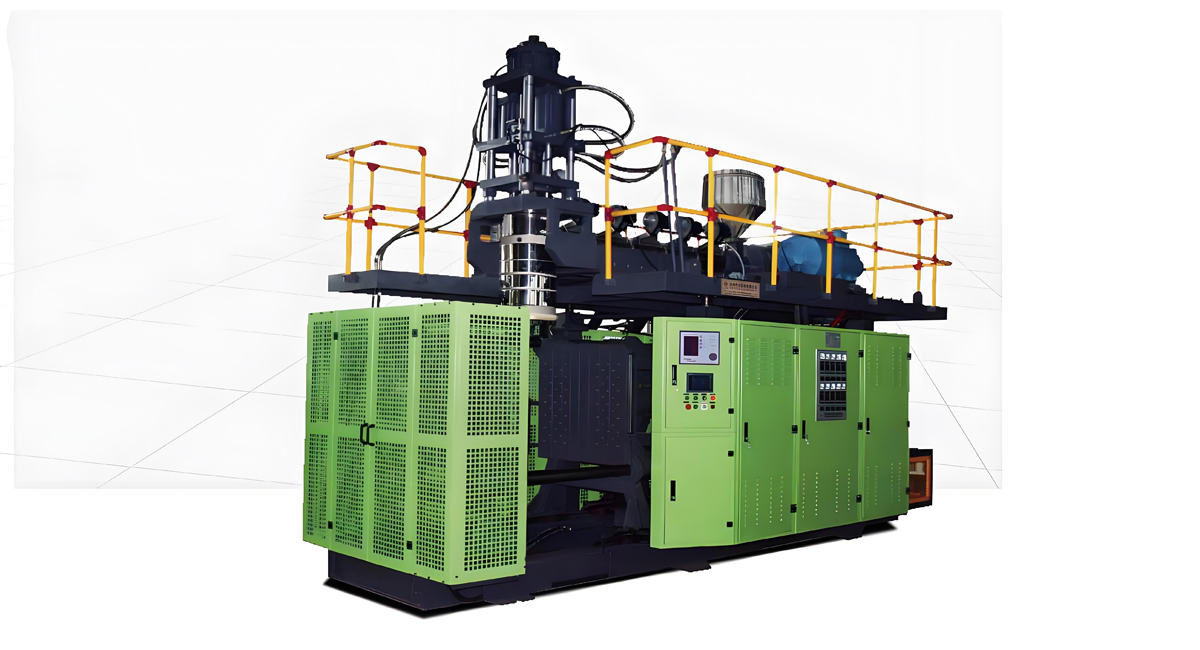
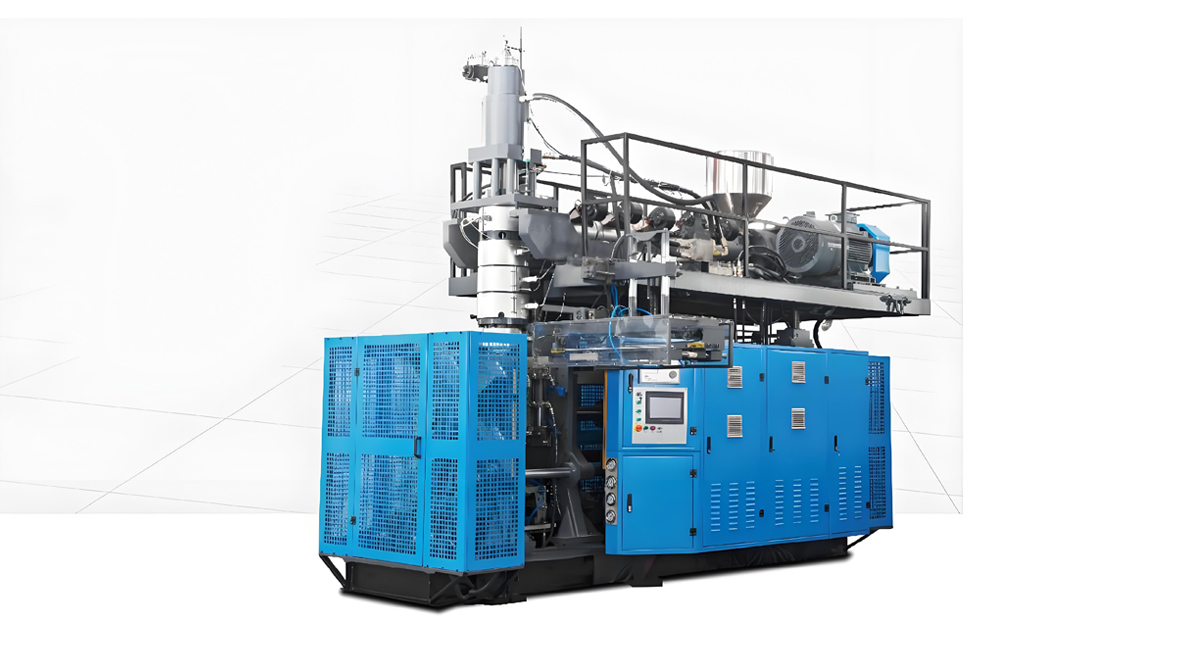
Multi-cavity extrusion blow molding machines represent a significant advancement in plastic manufacturing technology, enabling manufacturers to dramatically increase production output without proportionally increasing operational costs. By incorporating multiple molding stations or cavities into a single machine system, these advanced machines can produce multiple plastic containers simultaneously during each production cycle, effectively multiplying production capacity while maintaining excellent energy efficiency and product quality. Apollo Machinery Co., Ltd., a leading manufacturer with over 20 years of experience in plastic machinery, offers comprehensive multi-cavity solutions designed to maximize production efficiency and return on investment for manufacturers across diverse industries.
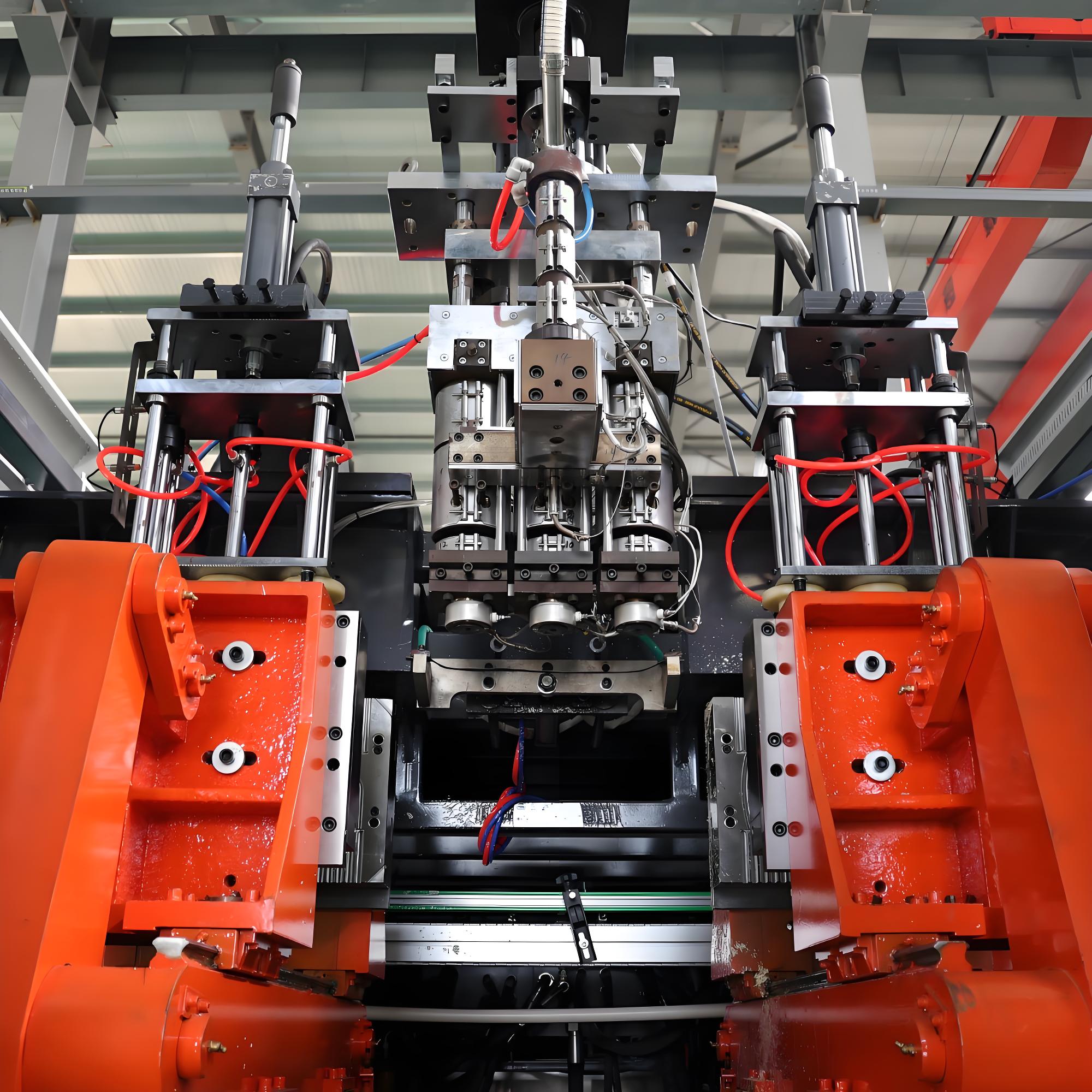
The fundamental principle behind multi-cavity extrusion blow molding involves dividing the production capacity of the machine into multiple independent or coordinated molding stations that can operate either simultaneously or sequentially. Traditional single-cavity machines produce one complete product per cycle, whereas multi-cavity machines can produce two, three, four, or more products per cycle depending on the configuration. This multiplication effect directly increases production output without requiring additional energy consumption proportional to the output increase, making multi-cavity technology highly energy-efficient per unit of production.
Apollo multi-cavity extrusion blow molding machines incorporate advanced parison control systems that ensure uniform product quality across all cavities despite the increased complexity. Precision parison programming and individual cavity control enable consistent wall thickness distribution, uniform bottle weight, and identical dimensional accuracy across all produced containers. This technological sophistication ensures that the production quality advantages of increased output are not compromised by quality variations between cavities, a critical factor for manufacturers requiring consistent product specifications across high-volume production runs.
Apollo Multi-Cavity Machine Product Portfolio
Apollo offers a comprehensive range of multi-cavity extrusion blow molding machines designed to meet diverse production requirements across various industries. The product portfolio includes single station and double station configurations, with some models supporting up to four cavities for high-volume production applications. Each machine is engineered to deliver optimal production efficiency while maintaining excellent product quality and operational reliability.
Double Station Multi-Cavity Models
Apollo double station extrusion blow molding machines represent the most popular multi-cavity configuration, offering production output increases of 40-60 percent compared to equivalent single-station machines while requiring only 20-30 percent additional energy consumption. These machines feature two independent molding stations that can produce either identical products simultaneously for maximum output or different products simultaneously for flexible production capabilities. The ABLB series double station models include ABLB 45 II, ABLB 55 II, ABLB 65 II, ABLB 75 II, ABLB 90 II, and ABLB 100 II, covering production capacities from 200ml to 30L.
The ABLE fully electric series also includes double station configurations that combine the energy efficiency advantages of fully electric technology with the production output advantages of multi-cavity systems. Models such as ABLE 80 II and ABLE 100 II provide production rates of 1000-2400 bottles per hour depending on product size and configuration, representing substantial capacity increases over single-station alternatives. These fully electric multi-cavity machines achieve energy savings of 40-60 percent compared to hydraulic single-cavity machines, making them exceptionally efficient on a per-unit production basis.
Technical Specifications and Production Rates
Apollo multi-cavity extrusion blow molding machines provide impressive technical specifications that enable high-speed production while maintaining quality. The ABLB 90 II double station model, for example, achieves dry cycle times of 500 pieces per hour with 16-liter maximum product capacity, featuring a 90mm screw diameter, 24:1 screw L/D ratio, 45kW screw drive power, and 150kg per hour HDPE output. The clamping force of 120kN and mold size capacity of 530mm x 550mm accommodate substantial product sizes while maintaining production speed.
The ABLE 100 II fully electric double station model delivers 30-liter maximum product capacity with 200kg per hour HDPE output, 55kW screw drive power, and 230kN clamping force. The machine dimensions of 5.0m x 3.0m x 3.2m and 15-ton weight represent substantial equipment suitable for high-volume production environments. These technical specifications, combined with the energy efficiency of fully electric operation, make this model ideal for large-scale production operations where both output and energy efficiency are critical priorities.
Product Application Ranges
Apollo multi-cavity extrusion blow molding machines support diverse product applications across multiple industries. Small capacity models (200ml-5L) are ideal for cosmetic bottles, pharmaceutical containers, beverage bottles, and small household containers where high production volumes are required for consistent inventory supply. Medium capacity models (5L-20L) serve applications including household chemical containers, automotive fluid containers, and industrial lubricant bottles where moderate container sizes benefit from multi-cavity production efficiency.
Large capacity models (20L-1500L) include the ABLD series for industrial containers, chemical drums, IBC tanks, and large storage containers. While these large-capacity applications typically utilize single cavity due to the substantial size of individual products, Apollo offers multi-cavity configurations for medium-large capacity products (20L-60L) where production of slightly larger containers still benefits from multiple cavities per cycle. This diverse product application range ensures that manufacturers across industries can find appropriate multi-cavity solutions for their specific production requirements.
Production Efficiency Advantages
Multi-cavity extrusion blow molding machines deliver comprehensive production efficiency advantages beyond simple capacity multiplication. The combination of increased output, optimized resource utilization, and reduced per-unit costs makes these machines highly attractive for manufacturers seeking to improve competitiveness through operational efficiency.
Increased Production Output
The most direct advantage of multi-cavity extrusion blow molding machines is increased production output. Double station configurations typically increase production capacity by 40-60 percent compared to equivalent single-station machines, while three-cavity configurations can increase output by 80-100 percent and four-cavity configurations can achieve 120-150 percent increases. This substantial capacity expansion enables manufacturers to meet growing demand, reduce order lead times, and achieve economies of scale through higher production volumes.
Production rate comparisons demonstrate the significant output advantages. A single-station ABLB 90 machine producing 16-liter containers might achieve 800 pieces per hour, whereas the double-station ABLB 90 II can produce 1500 pieces per hour under identical operating conditions. For smaller products such as 500ml cosmetic bottles, single-station production might achieve 4000 bottles per hour while double-station production can reach 7000-8000 bottles per hour. These production rate increases directly translate into revenue increases and market share expansion opportunities.
Energy Efficiency per Unit Production
Despite the increased production output, multi-cavity extrusion blow molding machines achieve exceptional energy efficiency on a per-unit production basis. While total energy consumption increases by 20-30 percent for double-station configurations compared to single-station alternatives, the production output increases by 40-60 percent, resulting in net energy efficiency gains of 15-25 percent per unit produced. This energy efficiency advantage is particularly significant in energy-intensive plastic manufacturing where energy costs represent 30-40 percent of total production expenses.
Energy consumption per kilogram of processed plastic for multi-cavity machines typically ranges from 0.45-0.65 kWh per kg, compared to 0.55-0.75 kWh per kg for equivalent single-cavity machines. This energy reduction of 15-20 percent per unit accumulates to substantial savings over high-volume production runs. For example, a manufacturer producing 5 million bottles annually could save $40,000-$60,000 annually in energy costs by switching from single-cavity to multi-cavity production technology.
Labor Cost Reduction
Multi-cavity extrusion blow molding machines enable significant labor cost reductions through higher output per operator and automated operation capabilities. A single operator can typically manage 2-4 single-cavity machines or 1-2 multi-cavity machines, depending on automation level and product complexity. However, because multi-cavity machines produce 40-60 percent more output per machine, the output per operator increases by 40-60 percent when managing multi-cavity equipment compared to single-cavity alternatives.
For high-volume production facilities, this labor efficiency advantage translates into substantial cost savings. A facility operating 10 single-cavity machines requiring 3-4 operators might be able to reduce to 6-7 multi-cavity machines requiring 2-3 operators while achieving the same or higher total production output. This reduction of one operator position represents annual savings of $50,000-$70,000 including wages, benefits, and associated labor costs, contributing significantly to overall operational cost reduction.
Cost Analysis and Investment Considerations
Comprehensive cost analysis reveals that multi-cavity extrusion blow molding machines provide excellent return on investment through production output increases, per-unit cost reductions, and improved operational efficiency. Understanding the investment requirements and financial returns enables manufacturers to make informed decisions about adopting multi-cavity technology.
Equipment Investment Costs
Apollo multi-cavity extrusion blow molding machines typically cost 25-40 percent more than equivalent single-cavity machines due to additional molding stations, enhanced control systems, and larger equipment size. For example, a single-station ABLB 90 machine might cost approximately $95,000-$110,000, while the double-station ABLB 90 II would cost approximately $125,000-$145,000. Fully electric multi-cavity models command higher prices, with the ABLE 100 II double station fully electric machine priced at approximately $195,000-$220,000 compared to $145,000-$165,000 for the single-station ABLE 100 I equivalent.
The ABLD series large-capacity models for 20L-1500L containers follow similar pricing patterns, with single-cavity models ranging from $180,000-$300,000 and multi-cavity configurations adding 30-50 percent to the base price. For example, an ABLD 90 single-station machine might cost approximately $220,000, while a double-station configuration would cost approximately $300,000-$320,000 depending on specific requirements and customization.
Return on Investment Analysis
Return on investment calculations for upgrading to multi-cavity extrusion blow molding machines typically demonstrate attractive payback periods of 1.5-3 years depending on production volume, product margins, and operational efficiency. The primary return mechanisms include increased production revenue, reduced per-unit production costs, labor cost savings, and improved operational efficiency.
For a typical manufacturer producing 3 million 5-liter containers annually with 30 percent gross margins, upgrading from a single-station machine producing 1000 units per hour to a double-station machine producing 1600 units per hour represents potential revenue increases of $600,000-$900,000 annually based on wholesale container prices of $3-$5 per unit. After subtracting the machine investment premium of $30,000-$40,000 and additional operating costs of $10,000-$15,000, net profit increases of $550,000-$850,000 annually demonstrate exceptional return on investment.
Even for lower-margin products or smaller production volumes, multi-cavity technology typically generates attractive returns. For cosmetic bottle production with 20 percent margins and annual volumes of 2 million units, upgrading to double-station production can generate net profit increases of $200,000-$350,000 annually, representing payback periods of 1-2 years on the equipment investment premium.
Per-Unit Cost Reduction
Multi-cavity extrusion blow molding machines achieve per-unit production cost reductions through multiple mechanisms including energy efficiency gains, labor cost spreading, and operational efficiency improvements. Typical per-unit cost reductions range from 15-25 percent compared to equivalent single-cavity production, providing substantial competitive advantages in price-sensitive markets.
Energy cost per unit typically decreases by 15-20 percent due to the energy efficiency advantages described earlier. Labor cost per unit decreases by 25-35 percent due to higher output per operator. Fixed costs including depreciation, maintenance, and overhead are spread across higher production volumes, reducing per-unit fixed costs by 20-30 percent. Combined, these reductions enable manufacturers to improve profit margins or reduce prices while maintaining margins, creating competitive advantages through lower production costs.
Quality Control and Consistency
Quality control in multi-cavity extrusion blow molding presents unique challenges that Apollo addresses through advanced technology and engineering expertise. Ensuring consistent product quality across multiple cavities requires sophisticated control systems and precision engineering.
Uniform Quality Across Cavities
Apollo multi-cavity extrusion blow molding machines incorporate advanced parison control systems that ensure uniform quality across all cavities. Individual cavity parison programming enables precise control of wall thickness distribution for each cavity independently, compensating for minor variations in mold characteristics, material flow dynamics, and thermal conditions. This individual cavity control ensures that all products meet identical specifications regardless of which cavity produced them.
Wall thickness deviation across all cavities is maintained within plus or minus 1 percent on Apollo multi-cavity machines, compared to industry standards of 2-3 percent for many competitors. This exceptional uniformity eliminates quality sorting requirements and ensures consistent product performance across entire production batches. For applications requiring precise weight control such as cosmetic packaging, weight variation across all cavities is maintained within plus or minus 0.5 grams for typical products, meeting the most demanding quality requirements.
Quality Monitoring Systems
Advanced multi-cavity extrusion blow molding machines from Apollo incorporate comprehensive quality monitoring systems that continuously track product quality across all cavities during production. Integrated sensors measure key quality parameters including bottle weight, wall thickness distribution, dimensional accuracy, and pressure characteristics for each cavity independently. Real-time monitoring enables immediate identification and correction of quality issues before significant quantities of defective products are produced.
Apollo fully electric multi-cavity machines feature PLC-based quality control systems that automatically adjust production parameters to maintain quality targets. These systems can detect quality variations between cavities and automatically compensate through parison programming adjustments, heating zone modifications, or blowing pressure changes. This automated quality control reduces scrap rates by 30-50 percent compared to manual monitoring approaches, further improving production efficiency and cost-effectiveness.
Preventive Maintenance and Reliability
The increased complexity of multi-cavity extrusion blow molding machines requires enhanced preventive maintenance approaches to ensure operational reliability and consistent quality. Apollo provides comprehensive maintenance guidelines and predictive maintenance recommendations to help manufacturers maintain peak performance from multi-cavity systems.
Key maintenance areas for multi-cavity machines include parison programming systems, multi-station synchronization systems, individual cavity control mechanisms, and enhanced hydraulic or servo systems serving multiple stations. Apollo recommends more frequent inspection of these complex systems compared to single-cavity machines, with maintenance intervals typically reduced by 20-30 percent. However, the increased production output of multi-cavity machines typically means that maintenance cost per unit produced is still 15-25 percent lower than single-cavity alternatives.
Flexibility and Production Adaptability
Multi-cavity extrusion blow molding machines offer significant production flexibility advantages, enabling manufacturers to adapt quickly to changing market demands and production requirements. This flexibility represents an important competitive advantage in dynamic markets with changing product specifications and volume requirements.
Product Changeover Capabilities
Advanced multi-cavity extrusion blow molding machines from Apollo feature rapid changeover systems that enable switching between different products or product configurations with minimal downtime. Modular mold design systems allow quick replacement of individual cavity molds without requiring complete machine teardown. Quick-disconnect electrical, hydraulic, or pneumatic connections facilitate rapid mold changes and reduce changeover times to 1-2 hours for most applications.
This rapid changeover capability enables manufacturers to operate multi-cavity machines in flexible production modes, producing different products during different production shifts or even switching between products within the same shift depending on demand requirements. For example, a double-station machine might produce 5-liter containers for the first shift, switch to 3-liter containers for the second shift, and produce 8-liter containers during the third shift, maximizing production efficiency while meeting diverse customer requirements.
Production Scalability
Multi-cavity extrusion blow molding machines provide excellent production scalability, enabling manufacturers to adjust production output to match demand fluctuations without requiring additional equipment investment. Production capacity can be adjusted by operating fewer cavities during low-demand periods, maintaining energy efficiency while reducing output. During high-demand periods, all cavities can be activated for maximum production capacity.
This scalability advantage is particularly valuable for manufacturers experiencing seasonal demand variations or unpredictable market conditions. Rather than maintaining excess production capacity through multiple single-cavity machines with high fixed costs, manufacturers can utilize multi-cavity machines that provide maximum capacity when needed while operating efficiently at reduced capacity during low-demand periods. This flexibility reduces capital requirements and improves operational cost efficiency across variable demand conditions.
Multi-Product Production
Some multi-cavity extrusion blow molding machine configurations enable simultaneous production of different products in different cavities, providing production flexibility that is impossible with single-cavity machines. Apollo offers multi-cavity systems with independent parison programming that can produce different bottle sizes, shapes, or wall thickness specifications in different cavities simultaneously during the same production cycle.
This multi-product production capability is particularly valuable for manufacturers serving diverse customer requirements with varied product specifications. Rather than producing separate production runs for each product type with associated changeover downtime, manufacturers can produce multiple products simultaneously, dramatically reducing changeover time and increasing overall production efficiency. This capability also enables efficient production of product families or product sets containing multiple components.
Industry-Specific Applications
Different industries present unique opportunities and considerations for multi-cavity extrusion blow molding machine applications. Understanding industry-specific requirements enables optimal selection and configuration of multi-cavity systems for maximum effectiveness.
Beverage Industry Applications
The beverage industry represents one of the largest applications for multi-cavity extrusion blow molding machines, with production volumes often reaching millions of bottles annually for individual products. High-volume beverage bottle production benefits tremendously from the output increases of multi-cavity technology, enabling manufacturers to meet massive demand requirements while maintaining low per-unit costs.
Apollo multi-cavity machines are particularly suitable for beverage bottle production due to their precision control and uniform quality across all cavities. The ability to maintain wall thickness distribution within plus or minus 1 percent across all cavities ensures consistent bottle performance characteristics including carbonation retention, impact resistance, and stacking strength. These quality factors are critical for beverage packaging where product performance affects brand reputation and customer satisfaction.
Cosmetic and Personal Care Packaging
Cosmetic and personal care packaging applications often involve small to medium capacity containers requiring high production volumes and exceptional aesthetic quality. Multi-cavity extrusion blow molding machines from Apollo enable high-volume production of cosmetic bottles, jars, and containers while maintaining the precise dimensional accuracy and surface finish required for premium packaging applications.
The precision control capabilities of Apollo multi-cavity machines are particularly valuable for cosmetic packaging where appearance quality and dimensional accuracy significantly impact consumer perception. Weight control within plus or minus 0.5 grams ensures consistent product dosing, while wall thickness uniformity affects structural integrity and appearance. The ability to produce multiple cavity configurations simultaneously enables production of coordinated product lines or product sets with different container sizes within the same production system.
Chemical and Industrial Container Production
Chemical and industrial container production often involves medium to large capacity containers requiring substantial material thickness and structural integrity. While extremely large containers (over 60 liters) typically require single-cavity production due to size constraints, multi-cavity configurations provide excellent benefits for medium-sized industrial containers in the 5-60 liter range.
Apollo ABLD series multi-cavity machines are specifically designed for industrial container production, incorporating reinforced structures and enhanced clamping forces to handle the substantial parison weights and product weights involved. The production efficiency advantages of multi-cavity technology enable manufacturers of chemical drums, lubricant containers, and industrial fluid bottles to achieve cost competitiveness through reduced per-unit production costs while meeting the durability and performance requirements of industrial applications.
Pharmaceutical and Medical Packaging
Pharmaceutical and medical packaging applications demand the highest quality standards and regulatory compliance, making multi-cavity extrusion blow molding machines particularly valuable for achieving high production volumes while maintaining stringent quality requirements. Apollo fully electric multi-cavity machines are ideal for medical packaging applications due to oil-free operation and exceptional precision control.
The elimination of hydraulic oil contamination risks inherent in fully electric technology makes Apollo multi-cavity machines ideal for pharmaceutical and medical packaging where contamination prevention is critical. Precision control of wall thickness distribution within plus or minus 0.05mm enables production of complex medical containers with tight tolerance requirements. High production output capabilities ensure sufficient supply for pharmaceutical manufacturers while maintaining the quality consistency required for regulatory compliance.
Operational Considerations and Best Practices
Successful implementation and operation of multi-cavity extrusion blow molding machines requires attention to specific operational considerations and best practices. Following these recommendations ensures maximum benefit from multi-cavity technology investment.
Operator Training Requirements
Multi-cavity extrusion blow molding machines require comprehensive operator training to achieve optimal performance and product quality. Operators must understand multi-station operation principles, parison programming for multiple cavities, quality monitoring across cavities, and troubleshooting procedures specific to multi-cavity systems. Apollo provides extensive training programs covering all aspects of multi-cavity machine operation, maintenance, and quality control.
Training typically includes theoretical instruction on multi-cavity technology principles, practical hands-on operation with production scenarios, quality control procedures, troubleshooting common issues, and preventive maintenance practices. Comprehensive operator training typically requires 2-3 weeks for experienced operators or 4-6 weeks for operators new to extrusion blow molding technology. This training investment pays dividends through improved operational efficiency, reduced downtime, and enhanced product quality.
Production Planning and Scheduling
Effective production planning and scheduling becomes more complex with multi-cavity extrusion blow molding machines due to their higher output and flexibility capabilities. Production planning must account for the substantial capacity of multi-cavity systems, ensuring sufficient material inventory, mold availability, and downstream equipment capacity to match the increased production output.
Scheduling considerations include product changeover planning, maintenance scheduling that minimizes production disruption, and coordination with packaging and logistics systems to handle higher output volumes. Effective production planning software integrated with multi-cavity machine control systems enables optimized production schedules that maximize equipment utilization while maintaining inventory control and customer service levels.
Material Handling and Inventory Management
Multi-cavity extrusion blow molding machines produce substantially more output than single-cavity alternatives, requiring enhanced material handling and inventory management systems. Automated material handling systems including conveyors, automated palletizers, and storage systems become increasingly valuable for handling the higher production volumes efficiently.
Inventory management must account for the higher throughput of multi-cavity systems, ensuring sufficient storage capacity for finished products while minimizing inventory holding costs. Just-in-time production strategies often work well with multi-cavity machines due to their flexibility and high output capabilities, enabling manufacturers to match production closely with demand while reducing inventory requirements.
Conclusion: Strategic Value of Multi-Cavity Technology
Multi-cavity extrusion blow molding machines from Apollo provide substantial strategic value for manufacturers seeking to increase production efficiency, reduce costs, and improve competitiveness. The combination of increased output, per-unit cost reductions, energy efficiency gains, and production flexibility creates comprehensive advantages that translate into improved profitability and market position.
Investment in multi-cavity technology represents a strategic decision rather than simple equipment upgrade. The 40-60 percent production output increases, 15-25 percent per-unit cost reductions, and operational efficiency gains enable manufacturers to achieve economies of scale and competitive advantages in cost-sensitive markets. As production demands increase and global competition intensifies, manufacturers adopting multi-cavity extrusion blow molding technology position themselves for sustained success through superior production efficiency.
Apollo Machinery Co., Ltd. leverages 20 years of experience in plastic machinery manufacturing to deliver multi-cavity solutions that combine technical sophistication with practical reliability. Whether through fully electric technology for maximum energy efficiency or servo-hybrid designs for balanced performance and cost-effectiveness, Apollo provides multi-cavity solutions tailored to specific production requirements that deliver substantial value across multiple dimensions beyond simple capacity increases.