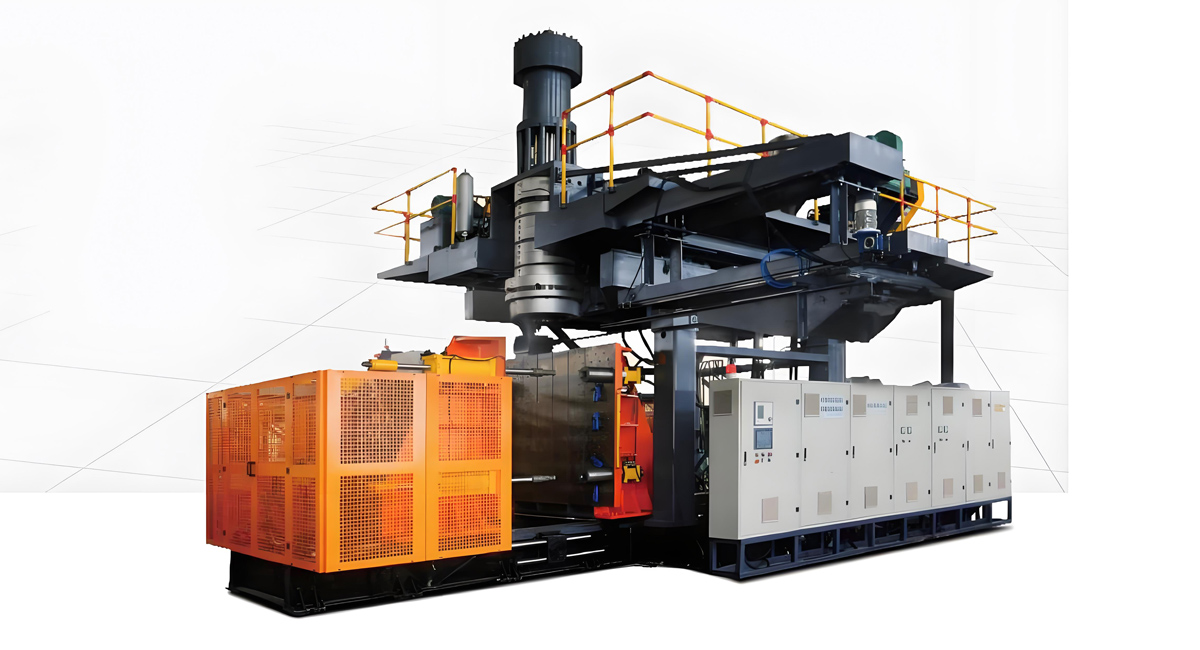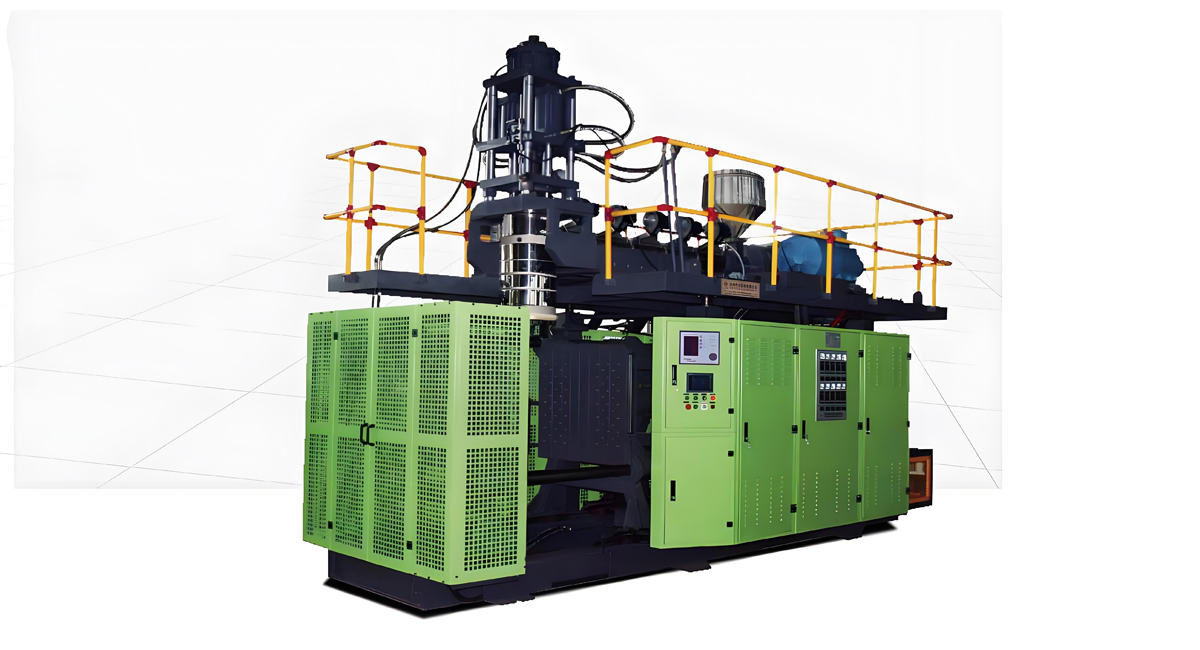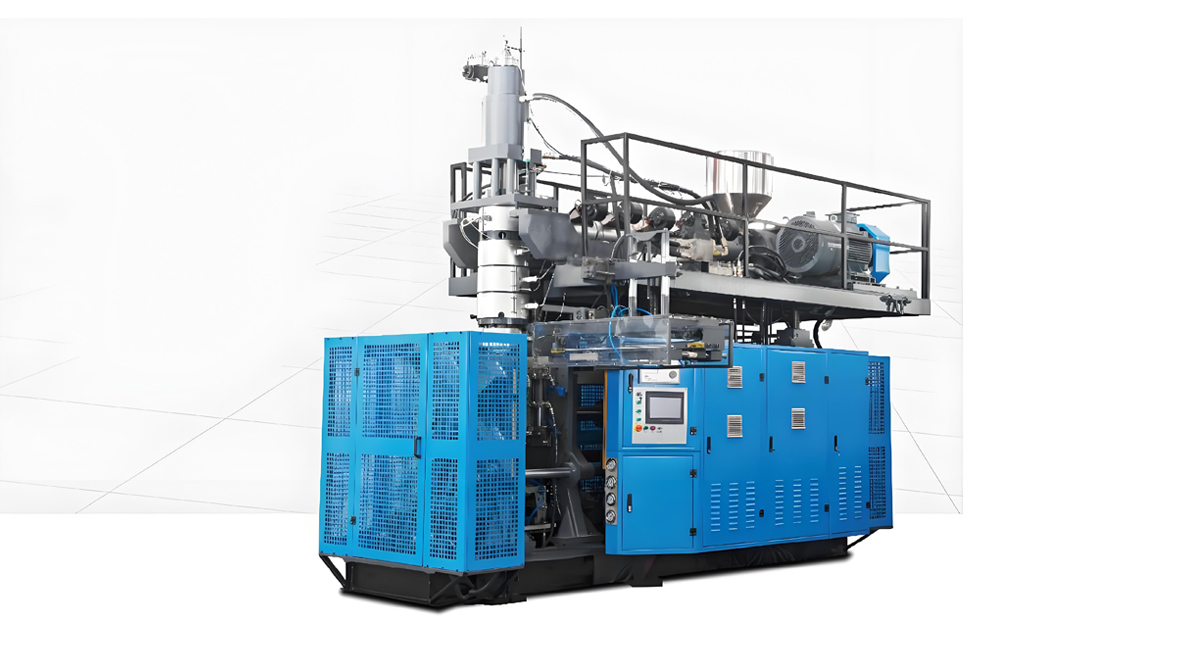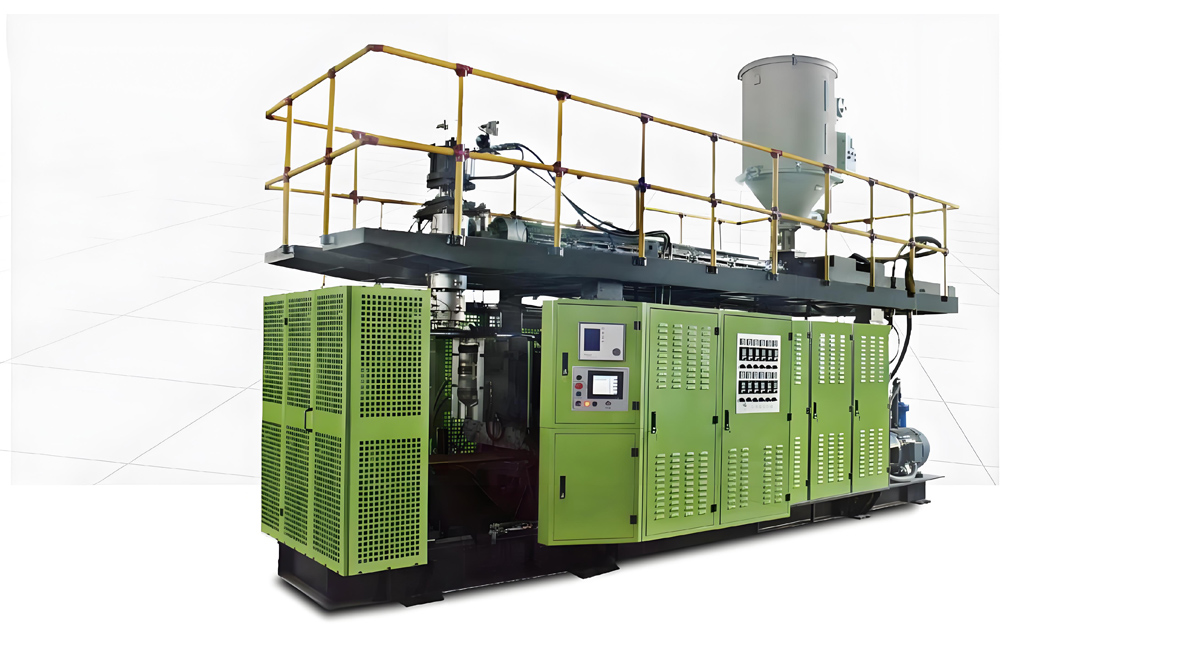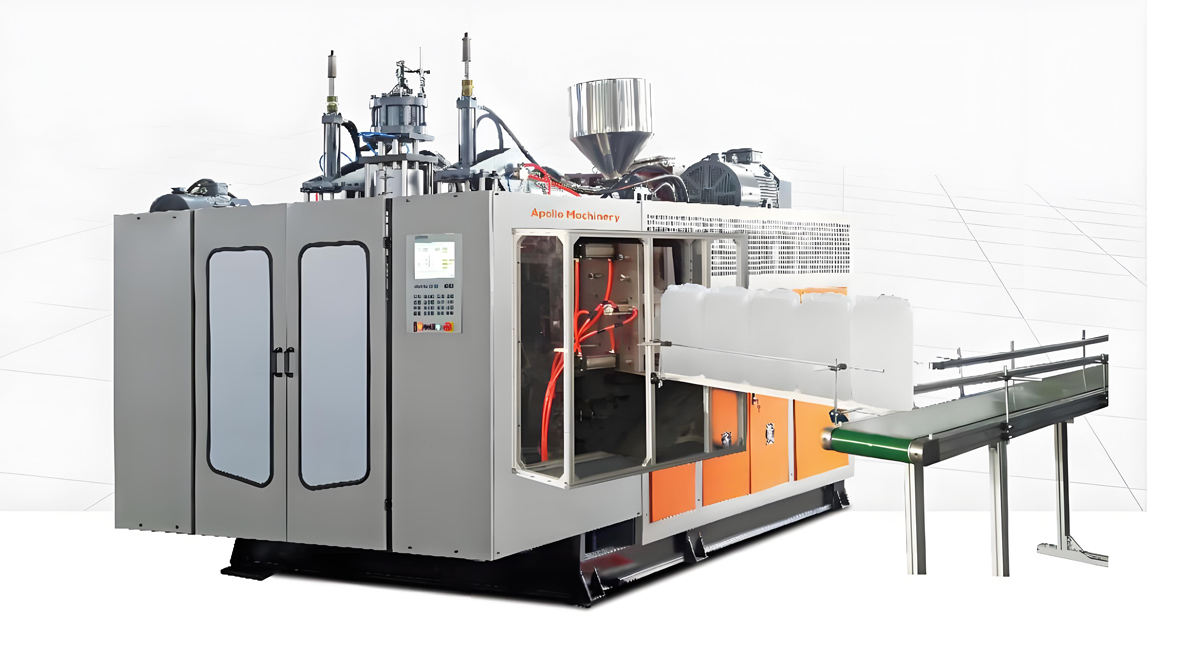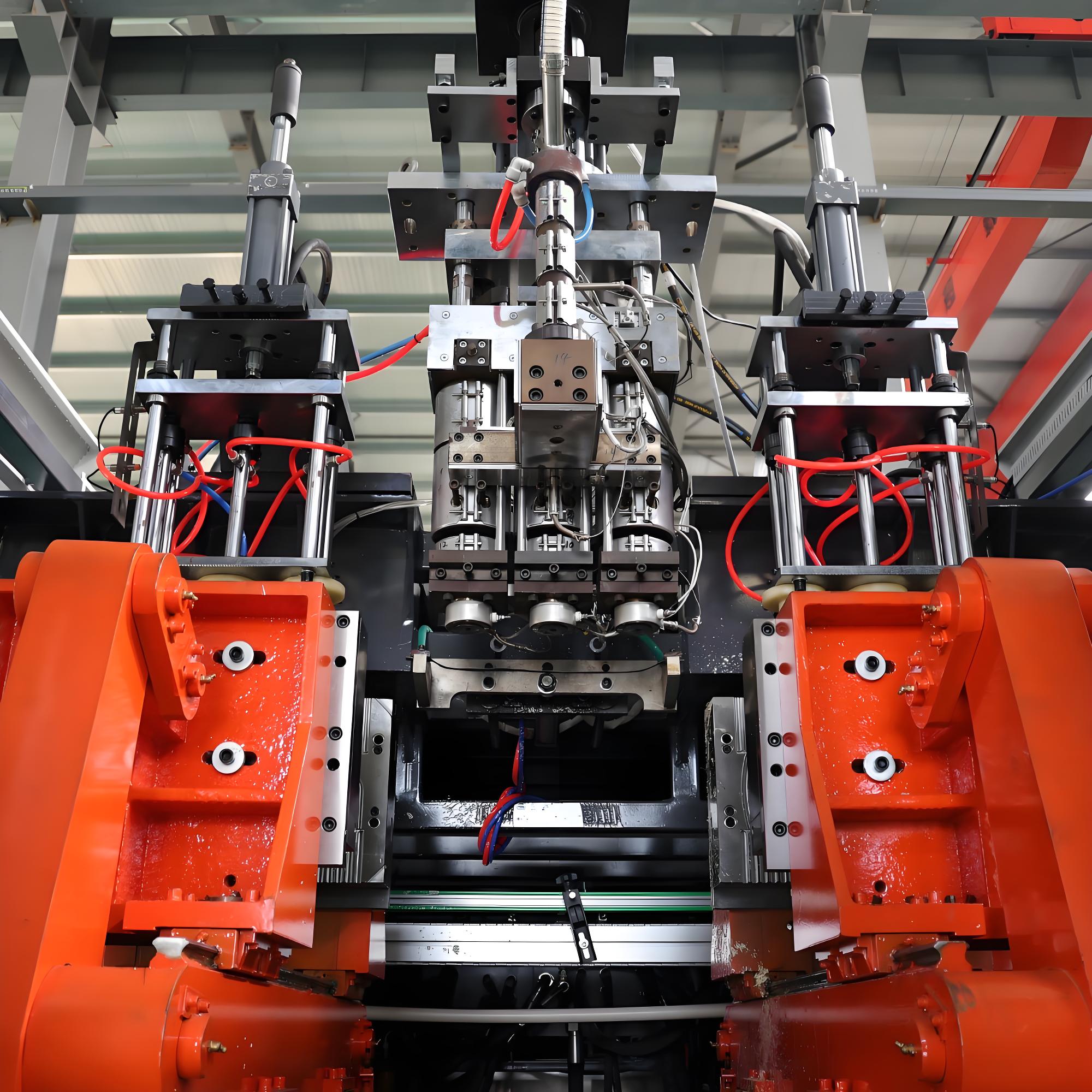


As a key branch of modern plastic processing, blow molding technology has penetrated multiple fields of the national economy with its advantages of high efficiency and flexible molding. A blow molding machine heats and softens thermoplastic materials to form a tubular parison, which is then inflated by compressed air to fit the inner wall of the mold, and various hollow or thin-walled plastic products are obtained after cooling and demolding. It can be adapted to various raw materials such as polyethylene, polyvinyl chloride, polypropylene, and polyester. From daily packaging containers to core industrial components, the product matrix of blow molding machines continues to expand, demonstrating strong technical adaptability and market value. The core products produced by blow molding machines are detailed below by application field:
I. Packaging Field: Core Carrier of People’s Livelihood Needs
The packaging field is the most widely used scenario for blow molding machines, covering multiple sub-industries such as food, daily chemicals, and chemicals. The products are characterized by light weight, tight sealing, and low cost, with mature related technologies and standard systems.
1. Food and Beverage Packaging: Represented by PET mineral water bottles and beverage bottles, they are produced using the stretch blow molding process. Through the synergistic effect of axial stretching and radial inflation, this process orients the arrangement of plastic molecules, significantly improving the transparency and strength of the products. The weight of a single bottle can be controlled between 10-20g, and the material utilization rate is increased by 30% compared with traditional processes. Currently, mainstream production lines can achieve high-speed production of more than 600 bottles per minute, meeting large-scale consumer demand.
2. Daily Chemical Product Packaging: Shampoo bottles, body wash bottles, laundry detergent bottles, etc., are mostly produced by the extrusion blow molding process, which can flexibly produce products with a capacity of 100ml-2L. For some products that require fresh-keeping or anti-leakage, an EVOH barrier layer can be compounded through multi-layer blow molding technology to effectively block the penetration of oxygen and moisture, extending the product shelf life to 1-3 years.
3. Chemical Product Packaging: Mainly HDPE-coated paint buckets, pesticide buckets, solvent buckets, etc., which strictly comply with GB/T 13508-2011 “Polyethylene Blow Molding Buckets” standard. The products must pass rigorous tests of 3 free falls from a height of 1.5m without cracking and 48-hour sealed storage without leakage, with a tensile strength of not less than 18MPa and an elongation at break of ≥300%, ensuring the safety of dangerous goods transportation and storage.
II. Industrial Field: Core Production Equipment for Large-Scale Hollow Products
The production of large-scale hollow containers in the industrial field is an important manifestation of the technical strength of blow molding machines. It mainly serves large-scale industrial scenarios such as chemical transportation and warehousing logistics, and has extremely high requirements on the molding accuracy and load-bearing performance of the equipment.
1. Intermediate Bulk Containers (IBC Tanks): As the core carrier for chemical raw material transportation, they are produced by accumulator head extrusion blow molding machines. A single tank has a capacity of up to 1000L and is integrally formed of HDPE material. The product’s stacking performance meets the requirement of 4-layer stacking for 24 hours without deformation. Equipped with special valves and pallets, it can realize mechanized loading and unloading, and is widely used in the large-scale transportation of food raw materials, fine chemicals, liquid fertilizers, etc. The service life of a single tank can reach more than 5 years.
2. Industrial Liquid Storage Containers: Including water storage tanks, acid-base storage tanks, waste liquid treatment tanks, etc., which are manufactured by large-scale extrusion blow molding machines with a capacity expandable to 1000-5000L. The products are made of corrosion-resistant HDPE or PP materials with an environmental stress crack resistance (ESCR) of ≥500h, which can be adapted to the storage of various corrosive media with a pH value of 1-14, complying with relevant industrial safety storage standards, and are indispensable in the petrochemical, sewage treatment and other industries.
3. Logistics Turnover Products: Plastic pallets and turnover boxes are integrally formed by blow molding process, which are 20% lighter than traditional injection-molded products, and have the characteristics of impact resistance, easy cleaning and low temperature resistance. Among them, the load-bearing capacity of standard plastic pallets can reach 1-2 tons, and the load-bearing capacity of a single turnover box can reach more than 50kg, with a recyclable use count of ≥500 times, effectively reducing logistics and transportation costs.
III. Automotive Industry: Key Support for Lightweight Transformation
With the transformation of the automotive industry towards lightweight and new energy, blow molding products have continued to increase their application proportion in automotive components due to their advantages of weight reduction, consumption reduction and flexible molding, and the localization process of core components has accelerated.
1. Automotive Fuel Tanks: An EVOH barrier layer is compounded by multi-layer blow molding technology, which can effectively prevent fuel permeation. The volume range covers 30-80L, and the weight is 40% lighter than that of metal fuel tanks, significantly reducing vehicle fuel consumption. The products must meet the extreme temperature adaptability requirements of -40℃ to 80℃, and pass the 1000-hour fuel immersion test without leakage, adapting to the needs of traditional fuel vehicles and hybrid vehicles.
2. Automotive Pipeline Components: Air ducts of air conditioning systems and intake manifolds of engines are produced by extrusion blow molding process, which can accurately form complex curved structures with an inner wall roughness controlled at Ra≤0.8μm, ensuring smooth air flow and improving air conditioning cooling efficiency and engine intake stability. The products are made of temperature-resistant PA or PP materials, with a long-term service temperature range of -30℃ to 120℃.
3. Automotive Interior Parts: Door panels, instrument panels, seat backs, etc., are manufactured by blow molding foaming process, which achieves lightweight while taking into account sound insulation and heat insulation performance. The product density can be controlled at 0.3-0.5g/cm³, which is 35% lighter than traditional injection-molded interior parts, and has become a key solution for weight reduction and consumption reduction of new energy vehicles.
IV. Medical Field: Precision Molding with High Safety Standards
Blow molding products in the medical field take high safety and precision as the core requirements, with significantly higher technical thresholds than ordinary products, and must strictly comply with medical-grade hygiene standards and biocompatibility requirements.
1. Pharmaceutical Packaging Containers: Pharmaceutical bottles, reagent tanks, vaccine bottles, etc., are mostly produced by injection blow molding process, which has high product dimensional accuracy, flat bottle mouths without flash, and a volume tolerance controlled within ±1%. The raw materials must be medical-grade PP or PET, passing hygiene tests with heavy metal content ≤1mg/kg and microbial limit ≤10cfu/g, and complying with GB 4806.7-2016 “Plastic Materials and Products in Contact with Food” standard.
2. Disposable Medical Supplies: Disposable infusion bags, medical airbags, urinary catheter balloons, etc., are blow-molded from high-elastic TPU materials. The inflation pressure is accurately controlled at 0.5-1.0MPa, and the blow-up ratio is 3:1, ensuring uniform product thickness, no pinhole defects, tensile strength ≥20MPa, and elongation at break ≥500%, ensuring clinical use safety.
3. Medical Equipment Components: Some medical equipment casings and protective covers are produced by special structure blow molding machines, which can realize complex curved surface molding, and the surface smoothness meets the requirements of medical cleaning and disinfection. The products must be resistant to corrosion by disinfectants such as alcohol and povidone-iodine, and pass impact resistance tests to adapt to the high-frequency use needs of the medical environment.
V. Home and Agricultural Fields: Practical Adaptation to Scenarios
Blow molding products in the home and agricultural fields focus on practicality, taking into account cost performance and environmental adaptability, covering multiple scenarios of daily life and agricultural production.
1. Home Daily Necessities: Plastic storage boxes, trash cans, storage boxes, etc., are produced by extrusion blow molding process, with a volume ranging from 10L to 200L. They are made of LLDPE material, with the characteristics of anti-aging and low temperature resistance, and can be used normally at -20℃. Plastic tables, chairs, children’s slides and other products realize lightweight design through hollow blow molding, with a weight only 1/3 of that of solid wood products, and have good impact resistance, suitable for home and public places.
2. Agricultural Production Supplies: Pesticide buckets and fertilizer tanks strictly comply with dangerous goods packaging standards, adopt corrosion-resistant HDPE materials, and pass sealing performance and impact resistance tests. Plastic water pipes for irrigation are produced by extrusion blow molding process, with an inner diameter tolerance of ±0.1mm, ensuring stable water flow and a pressure resistance of ≥0.6MPa. Film supports and seedling trays for greenhouses are adapted to complex structures through blow molding, with UV aging resistance, and a service life of 3-5 years.
VI. Green Transformation: Environmental Protection-Oriented Product Upgrade Direction
With the tightening of environmental protection policies and technological upgrading, blow molding machine products are moving towards greenization and high-endization. In 2025, 23 new environmental protection-related regulations were added globally, and China issued 8 green manufacturing standards for the blow molding industry, with the coverage rate of recyclable design standards increased to 65%. At present, biodegradable plastic blow molding products and environmentally friendly packaging with a recycled material utilization rate of ≥30% are gradually popularized. Blow molding machines have realized precise processing of biodegradable materials such as PBAT/PLA through process optimization. In the future, with the integration of 3D printing, online testing and other technologies with blow molding processes, product precision and production efficiency will be further improved. The product landscape of blow molding machines will also extend to aerospace, high-end medical and other fields, continuously empowering industrial upgrading.