Introduction
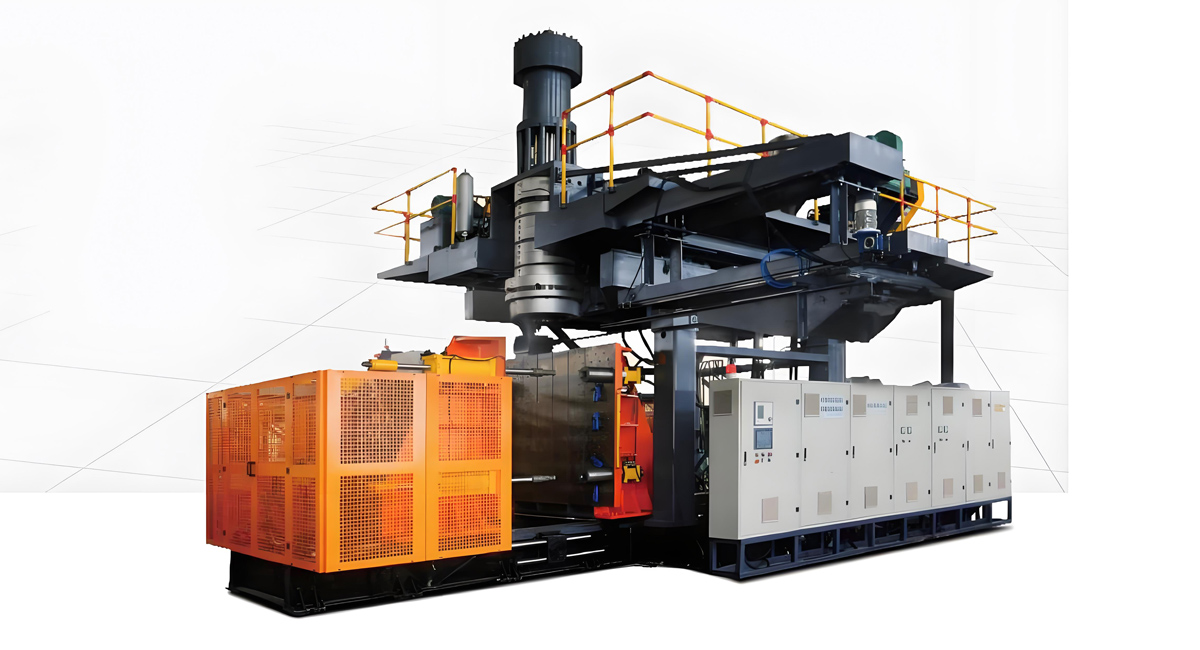
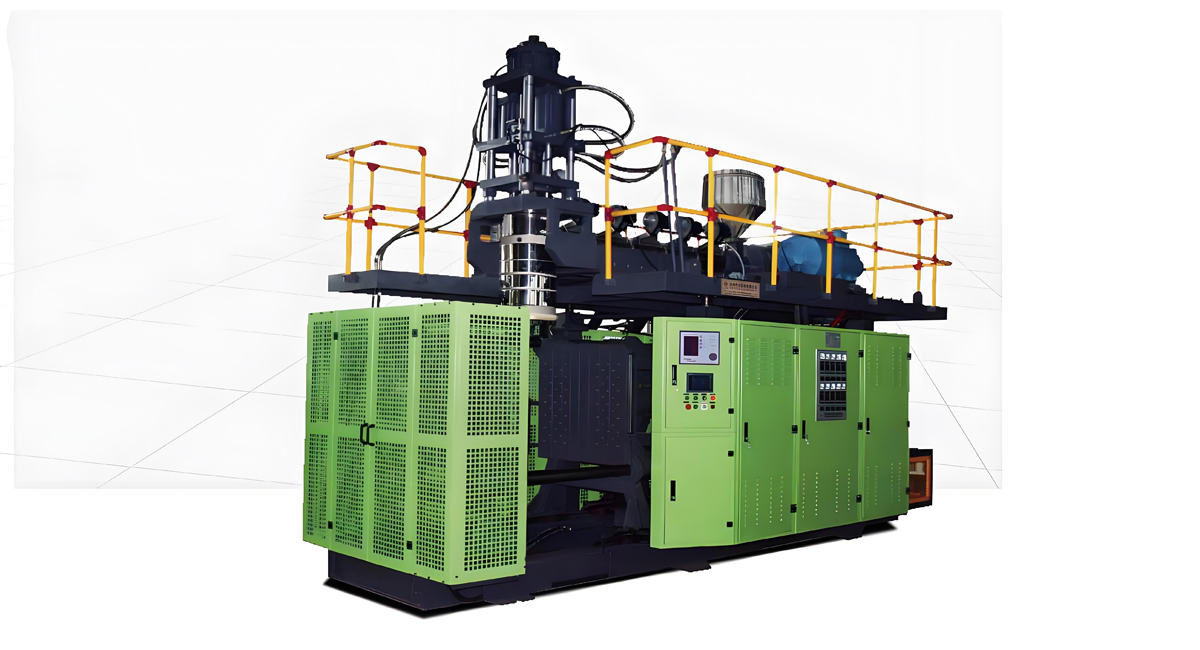
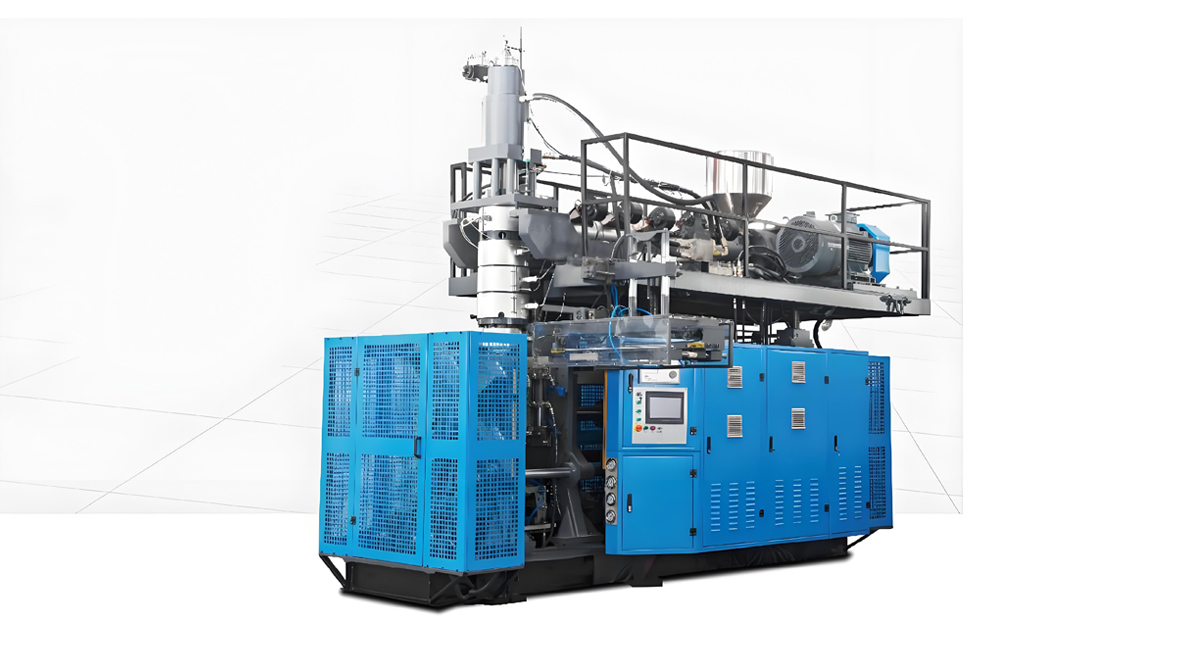
Extrusion blow molding (EBM) is a widely used manufacturing process for producing hollow plastic products such as bottles, containers, and automotive components. EBM machines play a crucial role in this process, as they are responsible for melting, extruding, and shaping the plastic material into the desired form. For global buyers looking to invest in EBM machines, it is essential to have a comprehensive understanding of the technology, the different types of machines available, and the key factors to consider when making a purchase decision. This guide will provide you with all the information you need to make an informed choice.
Understanding Extrusion Blow Molding
Basic Principles of EBM
1. Extrusion Process: The EBM process begins with the extrusion of a molten plastic parison (a tube-like shape) from an extruder. The plastic material is fed into the extruder, where it is heated and melted. The molten plastic is then forced through a die to form the parison.
2. Molding Process: Once the parison is extruded, it is captured in a mold. The mold consists of two halves that close around the parison, forming a cavity. Compressed air is then injected into the parison, causing it to expand and take the shape of the mold cavity.
3. Cooling and Ejection: After the plastic has taken the shape of the mold, it is cooled to solidify the product. The mold is then opened, and the finished product is ejected.
Types of EBM Machines
1. Continuous Extrusion Blow Molding Machines: In continuous EBM machines, the extrusion of the parison is a continuous process. The parison is extruded continuously, and the mold closes around the parison at regular intervals to form the products. This type of machine is suitable for high-volume production of simple products such as bottles and jars.
2. Accumulator Head Extrusion Blow Molding Machines: Accumulator head EBM machines use an accumulator to store a large volume of molten plastic. The plastic is extruded into the accumulator, and when the accumulator is full, the plastic is rapidly extruded through the die to form the parison. This type of machine is suitable for the production of large and complex products, as it allows for the production of thick-walled parisons.
3. Injection Stretch Blow Molding Machines: Injection stretch blow molding (ISBM) is a variation of the EBM process that combines injection molding and blow molding. In this process, a preform is first injection molded, and then the preform is heated and stretched before being blow molded into the final product. ISBM machines are commonly used for the production of PET bottles, as they offer high-quality and precise products.
Key Components of EBM Machines
Extrusion System
1. Screw and Barrel: The screw and barrel are the main components of the extrusion system. The screw is responsible for conveying, melting, and mixing the plastic material. The barrel provides the heating and cooling for the plastic material. The design of the screw and barrel is crucial for the efficient melting and extrusion of the plastic material.
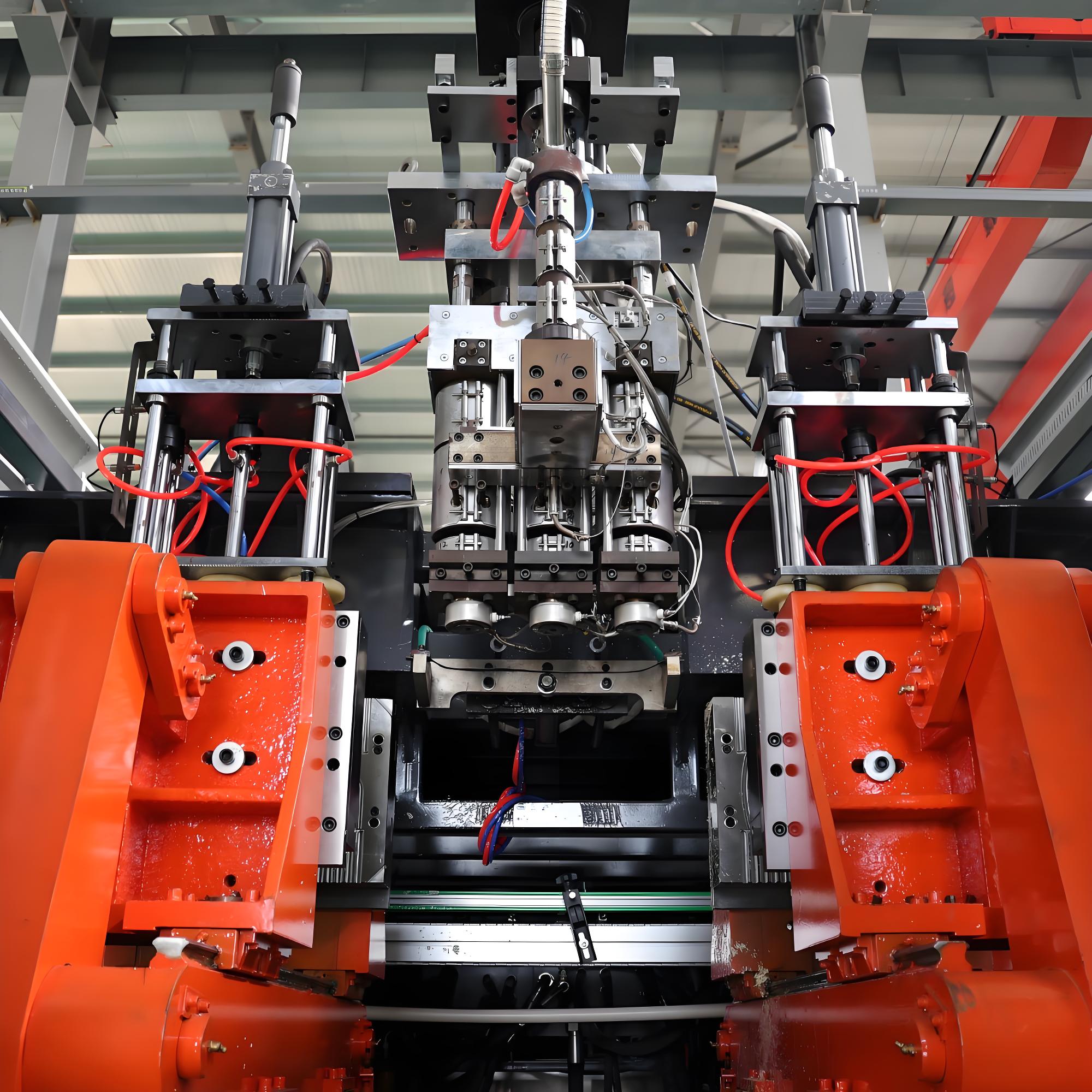
2. Die Head: The die head is responsible for shaping the molten plastic into the parison. The die head consists of a mandrel and a die ring, which form the opening through which the plastic is extruded. The size and shape of the die head can be adjusted to produce parisons of different sizes and shapes.
3. Temperature Control System: The temperature control system is used to maintain the temperature of the plastic material within the extruder and the die head. The temperature of the plastic material is critical for the quality of the final product, as it affects the viscosity and flow properties of the plastic.
Clamping System
1. Clamping Unit: The clamping unit is responsible for holding the mold in place during the blow molding process. The clamping unit consists of a fixed platen, a moving platen, and a clamping mechanism. The clamping mechanism applies force to the mold to ensure that it is tightly closed during the molding process.
2. Mold: The mold is the tool that shapes the plastic into the desired product. The mold consists of two halves that close around the parison to form the cavity. The design of the mold is crucial for the quality and accuracy of the final product. The mold must be precisely machined to ensure that the product has the correct dimensions and surface finish.
Blowing System
1. Air Compressor: The air compressor is used to supply compressed air to the blowing system. The compressed air is injected into the parison to inflate it and shape it into the mold cavity. The air compressor must be capable of delivering a sufficient volume of compressed air at the required pressure.
2. Air Delivery System: The air delivery system is responsible for delivering the compressed air to the parison. The air delivery system consists of pipes, valves, and nozzles that control the flow of air into the parison. The design of the air delivery system is crucial for ensuring that the parison is inflated evenly and that the final product has uniform wall thickness.
Control System
1. Programmable Logic Controller (PLC): The PLC is the brain of the EBM machine. It is used to control the various components of the machine, including the extrusion system, the clamping system, and the blowing system. The PLC can be programmed to control the machine’s operation, set the production parameters, and monitor the machine’s performance.
2. Human-Machine Interface (HMI): The HMI is the interface between the operator and the machine. It allows the operator to set the production parameters, monitor the machine’s performance, and diagnose any problems. The HMI should be user-friendly and easy to operate, with clear and concise instructions.
Factors to Consider When Choosing an EBM Machine
Product Requirements
1. Product Size and Complexity: The size and complexity of the product you plan to manufacture will determine the type of EBM machine you need. If you need to produce large and complex products, you will require a machine with a large clamping force and a high-capacity extrusion system. On the other hand, if you need to produce small and simple products, a smaller and less complex machine may be sufficient.
2. Material Compatibility: Different EBM machines are designed to work with different types of plastic materials. It is important to ensure that the machine you choose is compatible with the plastic material you will be using. Common plastic materials used in EBM include HDPE, PET, PVC, and PP.
3. Production Volume: The production volume you need to achieve will also influence your choice of EBM machine. If you need to produce a large volume of products, you will require a machine with a high production capacity and a fast cycle time.
Machine Quality and Performance
1. Machine Components: The quality of the machine components is crucial for the performance and reliability of the EBM machine. Look for machines with high-quality screws, barrels, and dies, as these components are subject to wear and tear and can affect the quality of the final product.
2. Energy Efficiency: Energy costs can be a significant expense in the plastic manufacturing industry. Choose an EBM machine that is energy-efficient, with features such as variable speed drives and energy-saving motors. This can help reduce your operating costs over time.
3. Precision and Accuracy: The precision and accuracy of the EBM machine are important for ensuring that the final product has the correct dimensions and surface finish. Look for machines with advanced control systems and high-precision components to ensure that the product meets your quality standards.
Supplier and Manufacturer
1. Reputation and Experience: Choose a supplier or manufacturer with a good reputation and extensive experience in the EBM machine industry. A reputable manufacturer will be able to provide you with high-quality machines and excellent after-sales service.
2. After-Sales Service and Support: After-sales service and support are important considerations when choosing an EBM machine. Look for a manufacturer that offers comprehensive after-sales service, including installation, commissioning, training, and maintenance.
3. Warranty and Guarantee: A good warranty and guarantee can provide you with peace of mind and protect your investment. Look for a manufacturer that offers a comprehensive warranty on their machines, covering both parts and labor.
Top EBM Machine Manufacturers for Global Buyers
Apollo Machinery Co., Ltd.
1. Company Overview: Apollo is a leading manufacturer of EBM machines in China, with a strong reputation for producing high-quality and reliable machines. The company has been in business for over 20 years and has a global customer base.
2. Product Offerings: Apollo offers a wide range of EBM machines, including continuous extrusion blow molding machines, accumulator head extrusion blow molding machines, and fully electric EBM machines. The company’s machines are suitable for the production of a variety of plastic products, including bottles, containers, and automotive components.
3. Key Features and Advantages: Apollo’s EBM machines are equipped with advanced technologies such as servo drive systems, which can reduce energy consumption by up to 20%, and PLC control systems, which provide precise control over the molding process. The company’s machines also feature modular design, which allows for easy mold changes and maintenance.
Kautex Maschinenbau
1. Company Overview: Kautex Maschinenbau is a German-based manufacturer of EBM machines, with a long history of innovation and excellence in the industry. The company is known for its high-quality and advanced EBM machines, which are used in a variety of industries, including automotive, packaging, and consumer goods.
2. Product Offerings: Kautex offers a wide range of EBM machines, including continuous extrusion blow molding machines, accumulator head extrusion blow molding machines, and multi-layer blow molding machines. The company’s machines are designed to meet the highest quality standards and are suitable for the production of complex and high-precision products.
3. Key Features and Advantages: Kautex’s EBM machines are equipped with advanced technologies such as intelligent control systems, which can optimize the molding process and improve product quality. The company’s machines also feature high-precision components and a robust design, ensuring long-term reliability and performance.
Sidel
1. Company Overview: Sidel is a global leader in the packaging industry, with a focus on providing innovative and sustainable packaging solutions. The company offers a wide range of EBM machines, which are used in the production of bottles and containers for the beverage, food, and personal care industries.
2. Product Offerings: Sidel’s EBM machines include continuous extrusion blow molding machines, accumulator head extrusion blow molding machines, and stretch blow molding machines. The company’s machines are designed to meet the specific needs of the packaging industry, with features such as high-speed production and advanced quality control systems.
3. Key Features and Advantages: Sidel’s EBM machines are known for their high efficiency and reliability. The company’s machines are equipped with advanced technologies such as energy-saving motors and intelligent control systems, which can reduce energy consumption and improve production efficiency. Sidel also offers comprehensive after-sales service and support, ensuring that customers get the most out of their machines.
Conclusion
Choosing the right EBM machine for your business is a critical decision that can have a significant impact on your production efficiency, product quality, and profitability. By understanding the basic principles of EBM, the different types of machines available, and the key factors to consider when making a purchase decision, you can make an informed choice that meets your specific needs. Whether you are a small business owner or a large corporation, there is an EBM machine out there that is right for you. With the information provided in this guide, you are now ready to start your search for the perfect EBM machine.