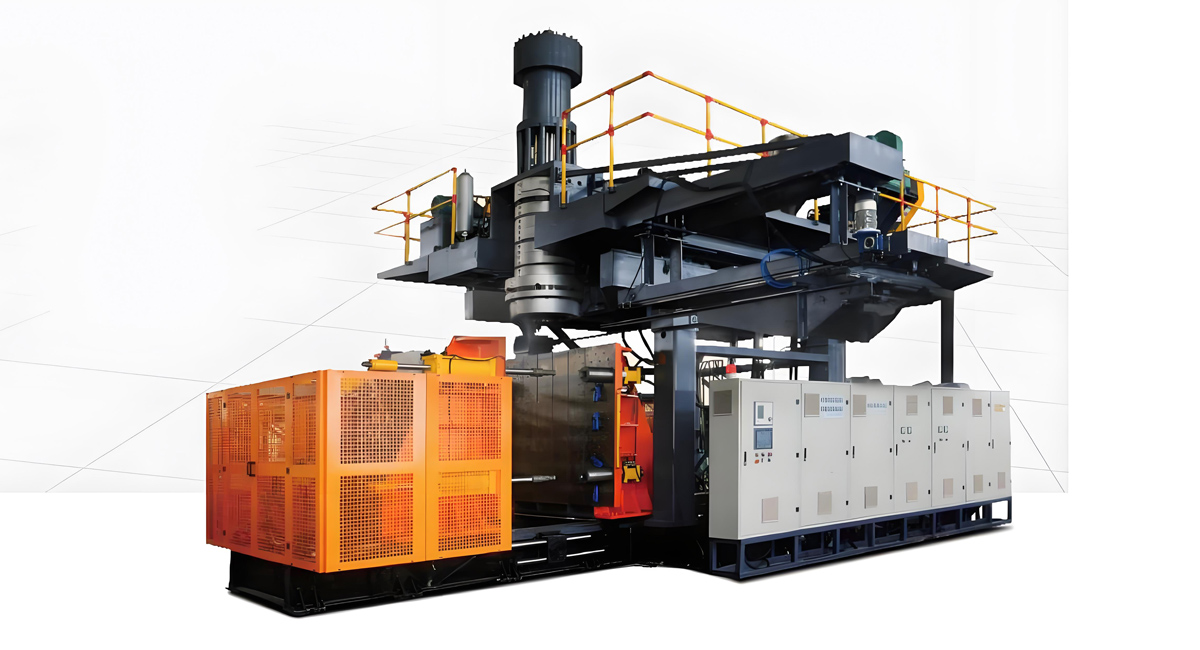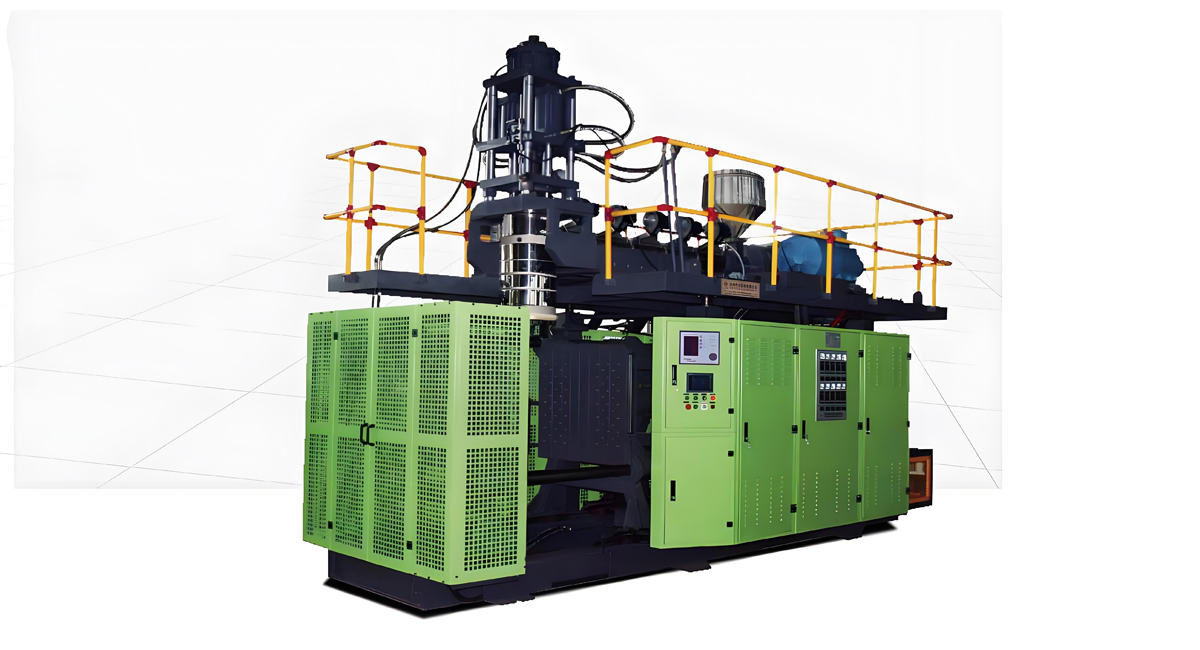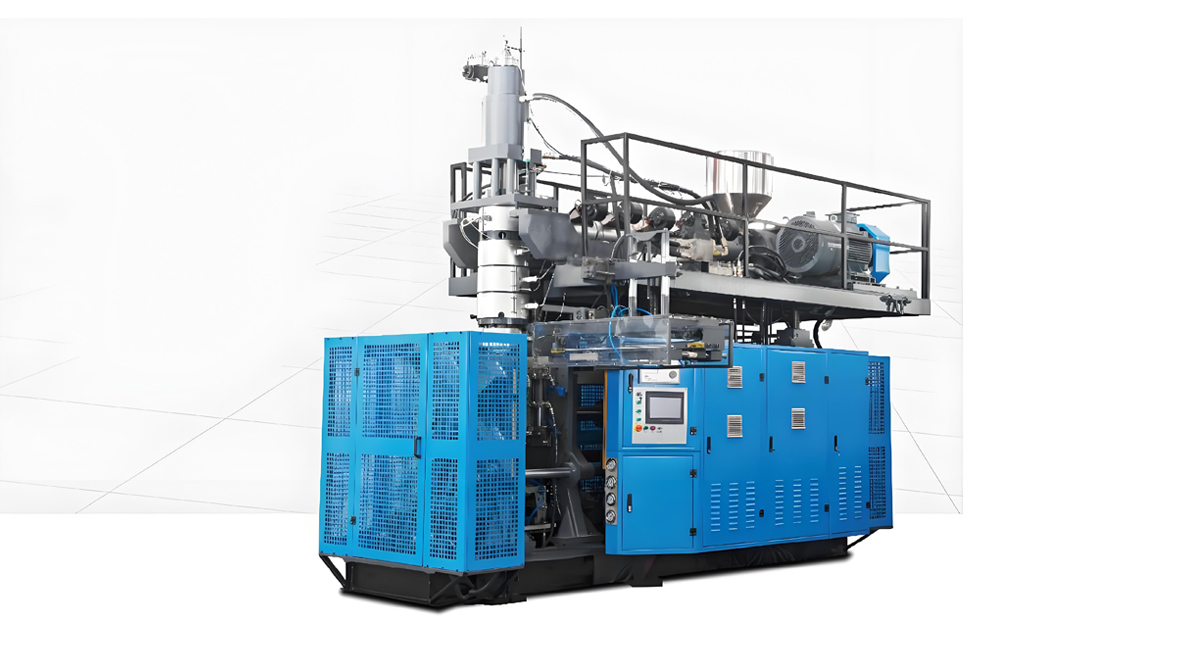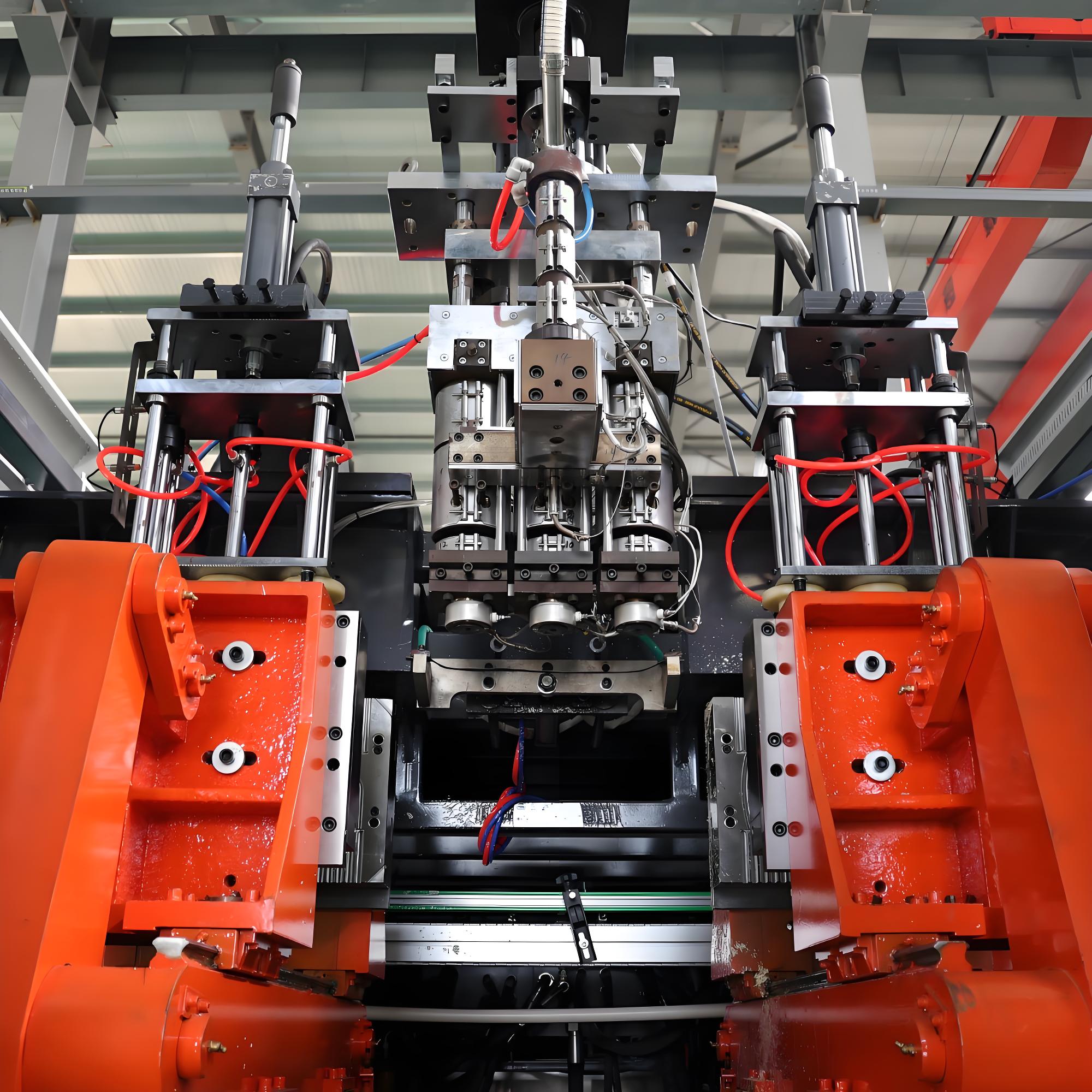
The global extrusion blow molding machine market has experienced significant transformation over the past two decades as Chinese manufacturers have emerged as serious competitors to established European, Japanese, and American equipment producers. International buyers seeking competitive pricing without sacrificing quality increasingly turn to Chinese suppliers who have invested heavily in engineering capability, manufacturing infrastructure, and quality management systems. This comprehensive guide presents an objective evaluation of the top Chinese extrusion blow molding machine suppliers, providing global importers with the information necessary to identify suitable partners for their equipment needs. The analysis examines supplier capabilities, product offerings, quality credentials, and service infrastructure that distinguish excellent suppliers from the broader market of manufacturers.
China’s blow molding machine industry has matured considerably from its early focus on simple, low-cost equipment toward sophisticated machines incorporating advanced control systems, energy-efficient designs, and capabilities that rival equipment from traditional manufacturing centers. This evolution reflects substantial investment in research and development, acquisition of international technology and expertise, and growing experience serving demanding international customers. Understanding this market transformation enables buyers to recognize the genuine value opportunities available through Chinese sourcing while maintaining appropriate expectations and supplier evaluation criteria.
Evaluation Criteria for Chinese Equipment Suppliers
Systematic supplier evaluation requires clear criteria that address the factors most relevant to successful international equipment procurement. Quality, capability, reliability, and support considerations all contribute to supplier selection decisions that affect equipment performance throughout operational lifetimes potentially spanning decades. The following criteria provide framework for objective supplier assessment that supports informed selection decisions.
Manufacturing Capability Assessment
Manufacturing capability encompasses the equipment, facilities, and technical expertise that enable suppliers to produce machines meeting specified performance requirements. Facility size and organization indicate production capacity and operational efficiency, while equipment sophistication reflects technological advancement and process capability. Assembly practices, testing procedures, and quality control systems determine the consistency and reliability of finished products. Chinese manufacturers with world-class facilities rival the manufacturing infrastructure of equipment producers anywhere globally.
Engineering capability determines supplier ability to develop innovative products, customize solutions for specific customer requirements, and provide technical support throughout the equipment lifecycle. Engineering team size, educational background, and industry experience indicate the depth of technical resources available. Design capabilities including finite element analysis, thermal simulation, and prototype development enable suppliers to optimize machine designs before production commitment. Suppliers with strong engineering foundations deliver superior products and provide more valuable customer support than those relying on copied or outdated designs.
Quality System Verification
Quality management system certification to international standards provides baseline assurance of supplier commitment to consistent quality practices. ISO 9001 certification indicates implementation of fundamental quality management principles, while industry-specific certifications address particular requirements for regulated industries. CE certification demonstrates compliance with European safety and environmental requirements essential for machines sold into European markets. Buyers should verify certifications through documentation review and audit where practical.
Manufacturing process controls determine the consistency of machine quality across production batches and over time. Incoming material inspection, in-process quality verification, and finished machine testing provide multiple checkpoints that prevent quality problems from reaching customers. Testing procedures should include actual production runs that verify machine performance under realistic operating conditions, not merely mechanical function checks. Chinese suppliers serving international markets typically implement comprehensive quality practices that meet or exceed industry standards.
Apollo Manufacturing Excellence
Apollo represents one of China’s leading extrusion blow molding machine manufacturers, with established reputation for quality, innovation, and customer satisfaction in markets worldwide. The company’s comprehensive capabilities address diverse customer requirements from entry-level equipment for emerging markets to high-performance machines for demanding industrial applications. Apollo’s commitment to continuous improvement and customer success positions the company among the top choices for international buyers seeking reliable equipment partnerships.
Production Facilities and Capacity
Apollo operates modern manufacturing facilities spanning over fifty thousand square meters with advanced equipment including large-scale machining centers, precision boring mills, and automated welding systems. The facilities accommodate production of machines across the full product range, from compact entry-level units to large industrial machines with clamping forces exceeding three hundred tons. Production capacity enables fulfillment of orders within reasonable lead times even for customers requiring multiple machines or complex configurations.
Manufacturing quality relies on equipment calibration programs, precision measurement systems, and skilled craftsmen who understand the tolerances essential for blow molding machine performance. Assembly practices emphasize cleanliness and organization that prevent contamination affecting machine reliability. Comprehensive testing procedures verify machine performance against specifications before shipment, ensuring customers receive equipment that performs as expected. This manufacturing discipline distinguishes Apollo from competitors with less rigorous production practices.
Product Portfolio and Technical Capabilities
Apollo’s product portfolio spans the complete range of extrusion blow molding machine types including shuttle machines for small to medium production runs, rotary machines for high-volume applications, and accumulated head machines for multi-layer products. Clamping forces range from ten tons to three hundred fifty tons, accommodating products from small containers to large industrial drums. This comprehensive range enables Apollo to serve customers across diverse industry sectors including packaging, automotive, medical, and industrial applications.
Technical capabilities include advanced control systems with touch-screen interfaces, servo-driven functions for precision operation, and data collection capabilities for production monitoring and quality control. Energy-efficient designs incorporate variable frequency drives, optimized heating systems, and advanced cooling configurations that minimize operating costs. Multi-layer coextrusion capability enables production of barrier-layer containers and products incorporating recycled material cores. These capabilities position Apollo machines among the most technologically advanced available from any manufacturer globally.
Global Service and Support Infrastructure
Apollo maintains comprehensive global support infrastructure that enables successful equipment deployment and ongoing operational excellence for customers worldwide. Regional service centers provide local support in major markets, reducing response times and enabling support in local languages. Spare parts warehouses stock critical components that minimize downtime when maintenance is required. Training programs develop customer capabilities that reduce reliance on external support while improving equipment utilization.
The company’s technical documentation and remote diagnostic capabilities enable efficient troubleshooting and optimization support without site visits. Videos, manuals, and interactive guides support self-service maintenance and training. Online training sessions provide continuing education for customer personnel without travel requirements. This comprehensive support infrastructure provides assurance that equipment investments will deliver sustained value throughout extended operational lifetimes.
Zhangjiagang Maisheng Machinery
Zhangjiagang Maisheng Machinery has established presence in the extrusion blow molding machine market with product offerings addressing mid-range applications at competitive price points. The company serves customers primarily in Asian markets while maintaining growing presence in other regions through distributor networks. Maisheng machines provide reliable performance for standard applications where advanced features are not essential requirements.
Product Specifications and Market Position
Maisheng produces shuttle and rotary machines with clamping forces ranging from twenty tons to one hundred fifty tons, covering common production requirements for small to medium containers. Standard machine configurations incorporate proven technologies that provide adequate performance for applications without demanding requirements for cycle time, precision, or advanced features. The product portfolio emphasizes value pricing that attracts customers prioritizing acquisition cost over long-term performance or advanced capabilities.
Control systems on Maisheng machines utilize established platforms with adequate functionality for standard applications. Energy efficiency characteristics meet basic industry standards without the optimization found in premium equipment offerings. Quality management practices address fundamental requirements but may not provide the rigor expected for demanding applications or regulated industries. Customers should evaluate their specific requirements carefully when considering Maisheng equipment to ensure appropriate alignment between machine capabilities and application demands.
Export Market Experience
Maisheng has developed export capabilities serving customers in Southeast Asia, Africa, and South America through established distributor relationships. Export experience includes documentation requirements, logistics coordination, and communication practices adapted for international customers. However, European and North American market presence remains limited, suggesting either lack of focus on these markets or challenges in meeting requirements for quality-conscious customers in these regions.
Zhangjiagang Yishi Machinery
Zhangjiagang Yishi Machinery specializes in accumulated head extrusion blow molding machines designed for large-part production and multi-layer applications. The company’s engineering focus addresses specific market segments with particular technical requirements, establishing expertise that serves customers seeking specialized capabilities rather than general-purpose equipment. Yishi’s accumulated head technology enables production of larger products with more complex specifications than conventional machines.
Accumulated Head Technology Focus
Accumulated head machines extrude parisons using a specialized head design that enables longer parisons for deep-draw parts or larger products. This technology serves manufacturers of industrial containers, automotive components, and technical parts requiring dimensions beyond practical limits of conventional machines. Yishi has developed expertise in accumulated head design and manufacturing that addresses the particular challenges of this specialized equipment category.
Multi-layer coextrusion capability on Yishi accumulated head machines enables production of barrier-layer containers and products incorporating different materials in distinct layers. This capability serves growing market demand for sustainable packaging with reduced virgin material content or enhanced barrier properties. The coextrusion technology requires precise control of multiple material streams and careful process development, areas where Yishi has accumulated substantial expertise through focused development effort.
Industrial Application Expertise
Yishi machines serve industrial applications including large chemical containers, automotive fuel tanks, and technical components requiring sophisticated specifications. These applications demand precise process control and quality verification that Yishi has developed through experience serving demanding customers. Quality practices for industrial applications address specific requirements including material traceability, dimensional verification, and performance testing appropriate for technical products.
Zhangjiagang Shunda Machinery
Zhangjiagang Shunda Machinery offers extrusion blow molding equipment with emphasis on automation and production efficiency for high-volume applications. The company’s product development focuses on features that reduce labor requirements and improve throughput, addressing the priorities of manufacturers operating in cost-competitive markets. Shunda serves diverse industries including packaging, consumer products, and industrial applications with machines designed for reliable high-volume production.
Automation and Efficiency Features
Shunda machines incorporate automated features that reduce operator involvement and improve production consistency. Automated material handling systems reduce labor requirements for material preparation and finished product removal. Process control automation maintains consistent quality across production runs without continuous operator adjustment. These automation features appeal to manufacturers facing labor shortages or seeking to reduce labor cost contributions to production expenses.
Energy efficiency represents another development focus for Shunda, with machines incorporating designs that minimize energy consumption without sacrificing performance. Variable speed drives, optimized heating systems, and efficient cooling configurations contribute to reduced operating costs that improve manufacturing economics. These efficiency characteristics align with growing emphasis on sustainability and energy cost management in manufacturing operations globally.
High-Volume Production Capabilities
Shunda rotary machines target the highest volume production requirements with configurations optimized for continuous operation and maximum throughput. Multi-cavity mold capabilities enable production of multiple containers per cycle, dramatically increasing output rates for standard container sizes. The combination of automation and multi-cavity capabilities makes Shunda machines attractive for manufacturers serving high-volume consumer packaging markets where production economics drive competitive positioning.
Jiangsu Wanshi Machinery
Jiangsu Wanshi Machinery produces extrusion blow molding equipment with focus on reliability and ease of maintenance that supports successful long-term operation. The company’s engineering approach prioritizes machine designs that achieve consistent performance while facilitating maintenance activities that keep equipment productive. Wanshi serves customers who prioritize uptime and operational continuity over advanced features or maximum performance specifications.
Reliability-Centered Design Philosophy
Wanshi machine designs emphasize component selection, construction practices, and accessibility that contribute to long-term reliability. Proven component suppliers, robust mechanical construction, and conservative design margins reduce failure probability and extend maintenance intervals. When maintenance is required, accessible designs minimize service time and get equipment back to production quickly. This reliability focus reduces total cost of ownership through improved uptime and reduced maintenance expense.
Documentation and training support for Wanshi machines facilitate maintenance activities and operator skill development. Comprehensive manuals, spare parts documentation, and training programs enable customers to develop internal capabilities that support equipment operation and maintenance. This support infrastructure contributes to successful long-term equipment ownership, particularly for customers without extensive in-house technical resources.
Service Network and Support Capabilities
Wanshi maintains service capabilities that support customers throughout equipment lifecycle, including installation support, training services, and ongoing technical assistance. Spare parts availability ensures that maintenance requirements can be addressed without extended equipment downtime. Remote support capabilities enable efficient troubleshooting and optimization assistance without site visits. The company’s approach to support emphasizes customer self-sufficiency supported by responsive assistance when needed.
Zhangjiagang Youmi Machinery
Zhangjiagang Youmi Machinery has developed position in the extrusion blow molding machine market with competitive equipment offerings supported by responsive customer service. The company emphasizes customer relationships and technical support as differentiators that complement product capabilities. Youmi serves customers seeking suppliers willing to collaborate on solutions and provide ongoing support beyond initial equipment sale.
Customer Service Excellence
Youmi’s approach to customer relationships emphasizes communication, responsiveness, and genuine interest in customer success. Technical support teams provide timely assistance for process development, troubleshooting, and optimization that helps customers achieve their production objectives. This service orientation proves particularly valuable for customers new to blow molding or those entering new product categories requiring specialized expertise.
Customization capabilities enable Youmi to adapt standard equipment configurations to address specific customer requirements that standard products may not fully satisfy. Engineering collaboration on non-standard configurations provides solutions for applications with particular specifications or constraints. This flexibility complements the company’s core equipment offerings and supports diverse customer needs across different industry sectors and geographic markets.
Quality Management Practices
Youmi maintains quality management practices that address requirements for consistent manufacturing and customer satisfaction. Incoming material verification, in-process inspection, and finished goods testing provide multiple quality checkpoints. Customer feedback integration enables continuous improvement based on field experience. These quality practices support the company’s service-oriented positioning with reliable product quality that enables successful customer relationships.
Zhengzhou Yutong Machinery
Zhengzhou Yutong Machinery brings geographic diversity to the Chinese blow molding equipment market with manufacturing facilities in central China serving regional customers and supporting logistics to northern and western markets. The company’s location provides logistics advantages for certain customers while offering alternative sourcing options for international buyers seeking to diversify supplier relationships. Yutong machines address standard applications with competitive value propositions.
Geographic and Market Positioning
Central China location provides Yutong with access to industrial regions that logistics from eastern manufacturing centers would serve less efficiently. This geographic advantage translates to delivery cost and lead time benefits for customers in central, northern, and western China as well as adjacent markets. International customers may find logistics from this region competitive for shipments to central Asia, eastern Europe, and other markets benefiting from central China proximity.
Product positioning at Yutong emphasizes standard configurations that address common requirements without premium pricing for advanced features. This value positioning serves customers with straightforward requirements seeking competitive equipment without paying for capabilities they do not need. Quality practices meet industry expectations for standard applications, with more demanding requirements potentially better served by suppliers with specialized capabilities or more rigorous quality systems.
Regional Market Focus
Yutong has established strong presence in Chinese domestic markets serving customers across central and northern regions. Export efforts have focused on adjacent markets and emerging economies where competitive pricing aligns with buyer priorities. The company’s regional focus has enabled development of deep market knowledge and customer relationships in served areas while limiting investment in global market development that would dilute focus from core regional activities.
Huangshan Bolei Machinery
Huangshan Bolei Machinery specializes in small and medium-sized extrusion blow molding machines designed for compact production operations and limited-space facilities. The company’s product focus addresses customers who require reliable equipment for smaller production volumes without investing in industrial-scale machines. Bolei has developed expertise in efficient, compact machine designs that deliver meaningful production capability within space and budget constraints.
Compact Machine Innovation
Bolei’s compact machine designs maximize production capability relative to floor space requirements, enabling installation in facilities where space limitations would preclude larger equipment. These designs incorporate efficient layouts, integrated auxiliary systems, and optimized construction that achieves performance characteristics appropriate for the target market segment. Compact machines provide logical solutions for startups, small manufacturers, and established operations requiring additional capacity without substantial facility expansion.
Entry-level positioning makes Bolei machines accessible to customers with limited capital resources or those evaluating blow molding technology before larger investments. This market positioning serves important customer needs while presenting challenges for suppliers seeking to establish credibility for more demanding applications. Customers should evaluate their long-term requirements when considering entry-level equipment to ensure initial investments align with anticipated growth trajectories.
Startup and Small Business Solutions
Bolei has developed solutions specifically addressing startup company requirements including flexible financing options, comprehensive training packages, and ongoing support that helps new market entrants develop capabilities. These support services address the challenges facing emerging manufacturers who lack established technical expertise or production experience. The company’s focus on this market segment demonstrates commitment to customer success beyond transactional equipment sales.
Zhangjiagang Aorui Machinery
Zhangjiagang Aorui Machinery has established reputation for multi-layer coextrusion equipment that serves demanding packaging applications requiring barrier properties or sustainable material configurations. The company’s engineering focus on coextrusion technology addresses growing market demand for sophisticated packaging solutions that extend product shelf life, reduce material content, or incorporate recycled materials. Aorui expertise in this specialized area distinguishes the company from competitors focused primarily on single-layer applications.
Coextrusion Technology Leadership
Aorui accumulated head and die head designs enable production of multi-layer containers with precise layer distribution and thickness control. Barrier layer containers incorporating EVOH, nylon, or other barrier materials extend shelf life for food and beverage products. Recycled content cores surrounded by virgin material layers enable sustainability objectives while maintaining surface quality and regulatory compliance for food contact applications. These coextrusion capabilities address market trends that increasingly influence packaging specifications.
Process development support for coextrusion applications helps customers optimize material combinations, layer configurations, and processing parameters for their specific products. The complexity of coextrusion relative to single-layer production requires more extensive technical support during implementation and ongoing production. Aorui’s expertise in this area provides valuable assistance that enables customers to achieve successful coextrusion outcomes without extensive independent development.
Food and Pharmaceutical Packaging Focus
Aorui machines serve food and pharmaceutical packaging customers with requirements for barrier properties, regulatory compliance, and quality consistency. These demanding applications require equipment precision and quality practices exceeding general-purpose applications. The company’s focus on advanced packaging has driven development of capabilities addressing specific requirements for these regulated industries including documentation, traceability, and quality system compliance.
Import Process and Due Diligence Guide
Importing extrusion blow molding equipment from China requires systematic planning that addresses technical, commercial, and logistical factors affecting project success. Appropriate due diligence, clear specification development, and professional transaction management contribute to successful outcomes that realize the value potential of Chinese sourcing. The following guidance addresses key considerations for international buyers evaluating Chinese suppliers.
Supplier Evaluation Best Practices
Thorough supplier evaluation should include documentation review, facility visits where practical, and reference checking with existing customers. Quality system certifications, engineering credentials, and manufacturing capabilities can be verified through documentation provided by suppliers. Facility visits provide direct observation of manufacturing practices, equipment condition, and organizational capability that documentation cannot fully convey. Reference customers can provide insight into actual supplier performance, support quality, and long-term reliability.
Sample production or test runs on equipment under consideration provide the most direct verification of machine capability. Suppliers willing to arrange demonstration production or accept orders for sample machines enable buyers to verify performance before committing to larger purchases. This verification approach reduces risk for buyers uncertain about equipment quality or supplier claims. Apollo and other established suppliers typically support demonstration opportunities that enable informed buying decisions.
Commercial and Logistics Considerations
International equipment transactions involve commercial terms, payment security, logistics coordination, and documentation requirements that differ from domestic purchasing. Payment terms typically involve letters of credit or other secured payment methods that protect both parties. Installation, training, and warranty provisions require clear specification to avoid misunderstandings. Logistics coordination including shipping, customs clearance, and inland transport requires professional management to ensure timely delivery and cost control.
Import duties, taxes, and regulatory compliance vary by destination country and equipment classification. Professional customs brokers and import consultants can provide guidance on applicable requirements and efficient compliance approaches. Equipment specifications may require adjustment to meet destination country standards for electrical systems, safety features, or environmental requirements. Early identification of these requirements enables appropriate specification development and avoids surprises during import clearance.
Risk Mitigation Strategies
International equipment procurement involves risks that require systematic mitigation through contract provisions, verification activities, and relationship management. Payment protection through letters of credit or escrow services reduces financial risk during transaction execution. Performance guarantees, warranty provisions, and liquidated damages address equipment performance concerns. Quality verification through testing and inspection at supplier facilities and upon arrival reduces risk of receiving non-conforming equipment.
Supplier relationship development contributes to risk mitigation through alignment of interests and communication practices that identify and address concerns early. Regular communication during production provides visibility into progress and enables early identification of issues. Site visits at key milestones verify progress and build relationships that facilitate ongoing support. These relationship investments reduce risk while improving outcomes beyond what contractual provisions alone can achieve.
Price Comparison and Value Analysis
Chinese extrusion blow molding machines typically price thirty to fifty percent below comparable equipment from European, Japanese, and American manufacturers. This pricing advantage reflects lower manufacturing costs in China including labor, facility, and overhead expenses. However, total cost of ownership analysis should extend beyond initial acquisition to include operating costs, maintenance requirements, and production efficiency differences that affect long-term economics.
Equipment Pricing by Category
Entry-level shuttle machines from Chinese suppliers range from fifteen thousand to thirty-five thousand dollars depending on specifications and configuration. Mid-range machines with enhanced capabilities typically range from thirty-five thousand to seventy thousand dollars. High-performance industrial machines with advanced features range from seventy thousand to one hundred fifty thousand dollars. These prices compare favorably with European alternatives that typically start fifty percent higher across all categories.
Additional costs including shipping, import duties, installation, and training add to delivered equipment cost. Shipping costs vary by destination and machine size, typically ranging from three thousand to fifteen thousand dollars. Import duties vary by destination country, ranging from zero to ten percent of equipment value. Installation and training services typically add two thousand to eight thousand dollars depending on service scope. Total delivered costs should be compared against alternatives to evaluate true economic advantage.
Operating Cost Considerations
Energy consumption differences between Chinese and Western equipment have narrowed as Chinese manufacturers have adopted efficient designs. Variable frequency drives, optimized heating systems, and efficient cooling configurations appear across Chinese equipment offerings. Operating cost differences attributable to equipment origin typically prove smaller than initial price differences suggest.
Maintenance costs may differ based on component quality, service accessibility, and spare parts availability. Chinese equipment with Western components may offer similar maintenance characteristics to Western equipment while maintaining price advantages. Spare parts logistics from China can add lead time and cost compared to local sourcing. Evaluating maintenance requirements and costs during equipment selection provides complete picture of total cost of ownership.
Conclusion and Strategic Recommendations
Chinese extrusion blow molding machine manufacturers offer genuine value opportunities for global importers seeking quality equipment at competitive prices. The market has matured substantially, with established suppliers demonstrating capabilities that rival equipment from traditional manufacturing centers. Systematic supplier evaluation enables identification of partners that will deliver satisfying results, while appropriate due diligence reduces risk that historically concerned buyers considering Chinese sourcing for the first time.
Apollo’s combination of manufacturing excellence, comprehensive capabilities, and global support infrastructure positions the company as a preferred supplier for international buyers across diverse industry sectors. The company’s commitment to customer success, quality consistency, and continuous improvement provides foundation for long-term partnerships that deliver sustained value. Buyers evaluating Chinese suppliers should include Apollo in their consideration set to benefit from comprehensive evaluation of available options.
Successful international equipment procurement requires investment in evaluation, specification development, and transaction management commensurate with the magnitude of the investment and its importance to buyer operations. Professional approaches that treat suppliers as partners rather than adversaries create relationships that deliver value beyond individual transactions. Chinese suppliers including those profiled in this guide have demonstrated willingness and capability to support these partnership approaches, enabling successful outcomes that benefit all participants in the global manufacturing supply chain.
The selection of an extrusion blow molding machine supplier represents a strategic decision affecting production capabilities, product quality, and operating costs for years or decades. Buyers who invest appropriately in supplier evaluation and relationship development position themselves for manufacturing success that supports competitive positioning in their target markets. The value opportunities available through Chinese sourcing merit serious consideration from all buyers evaluating equipment investments for plastic manufacturing operations.