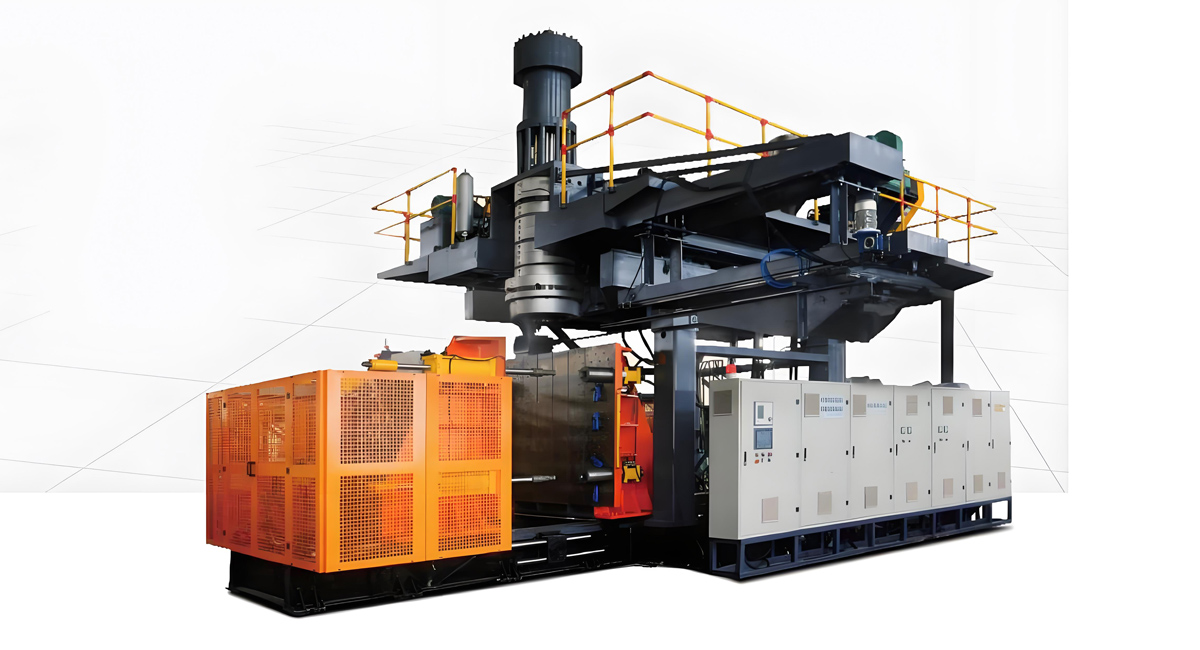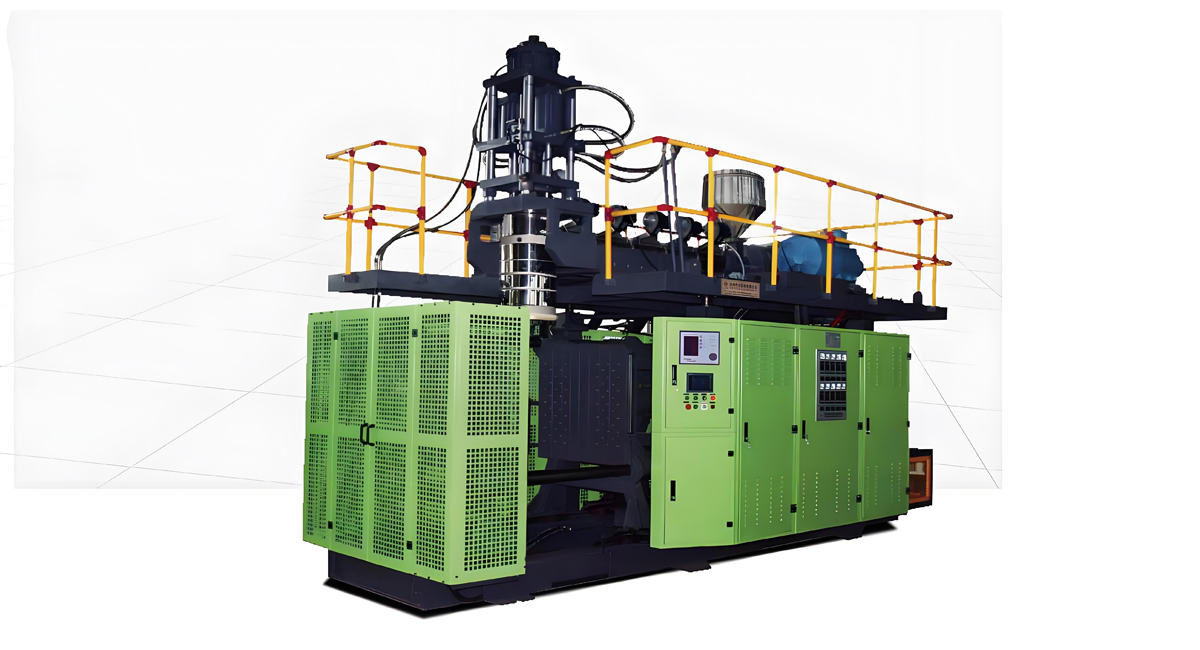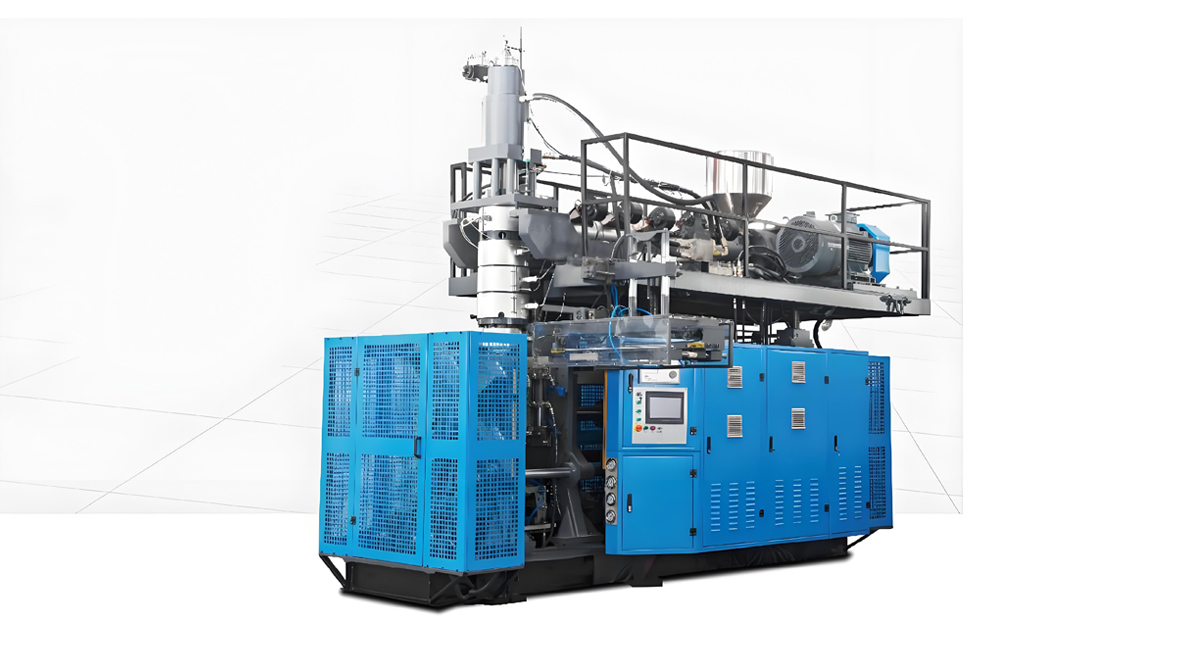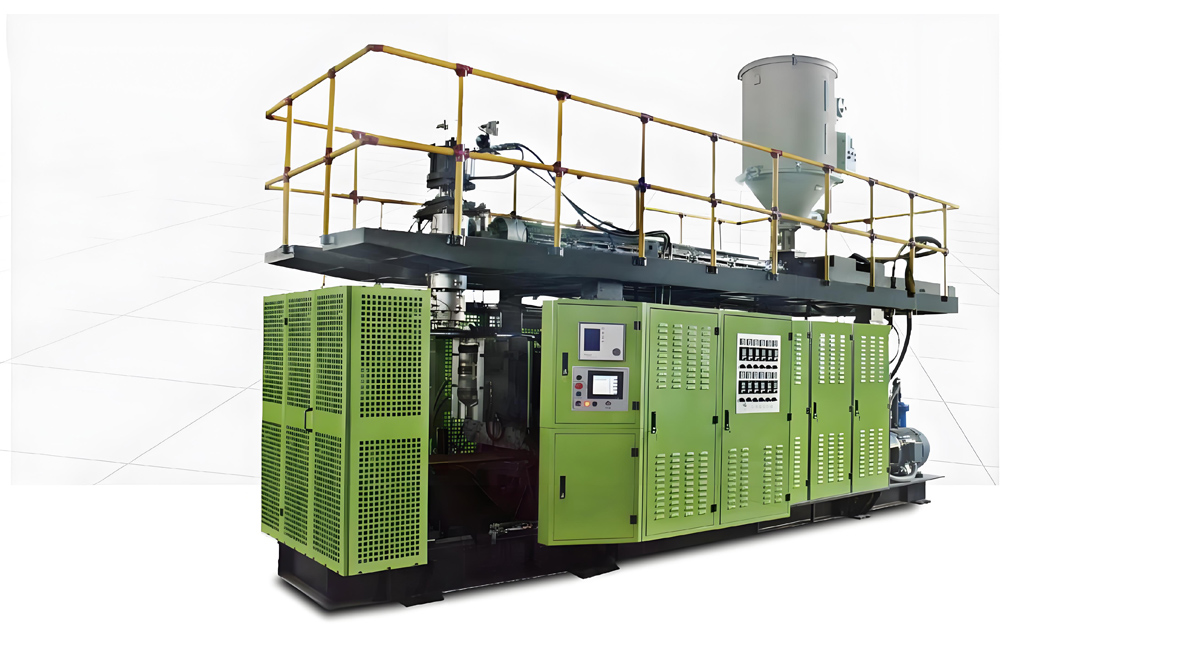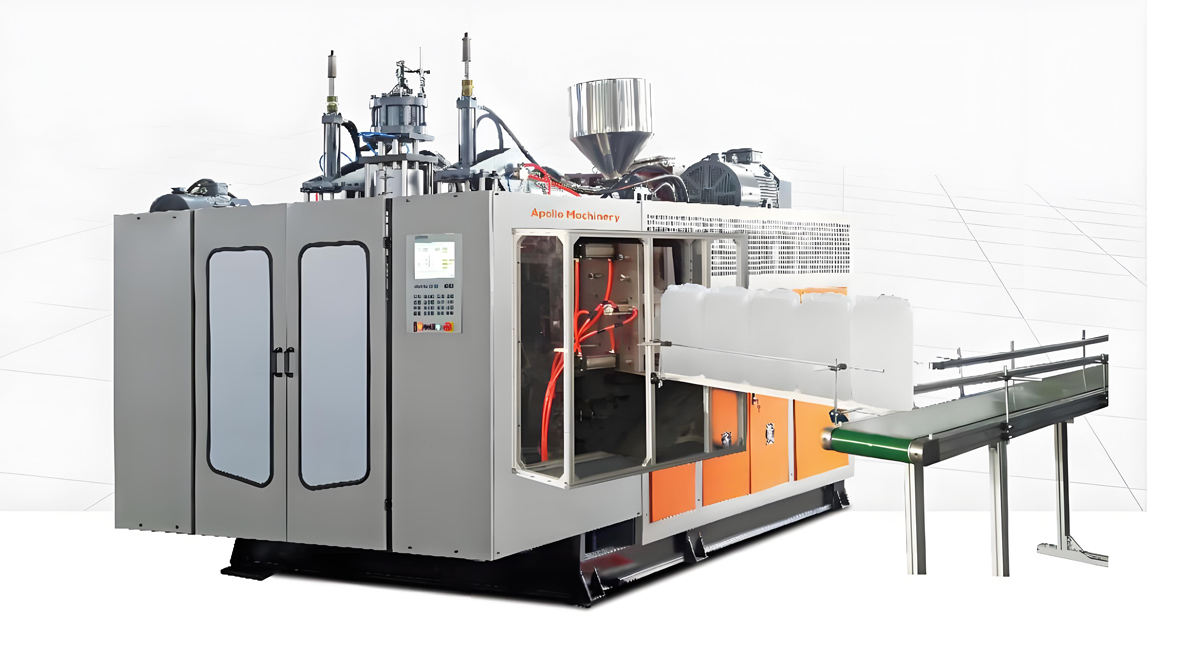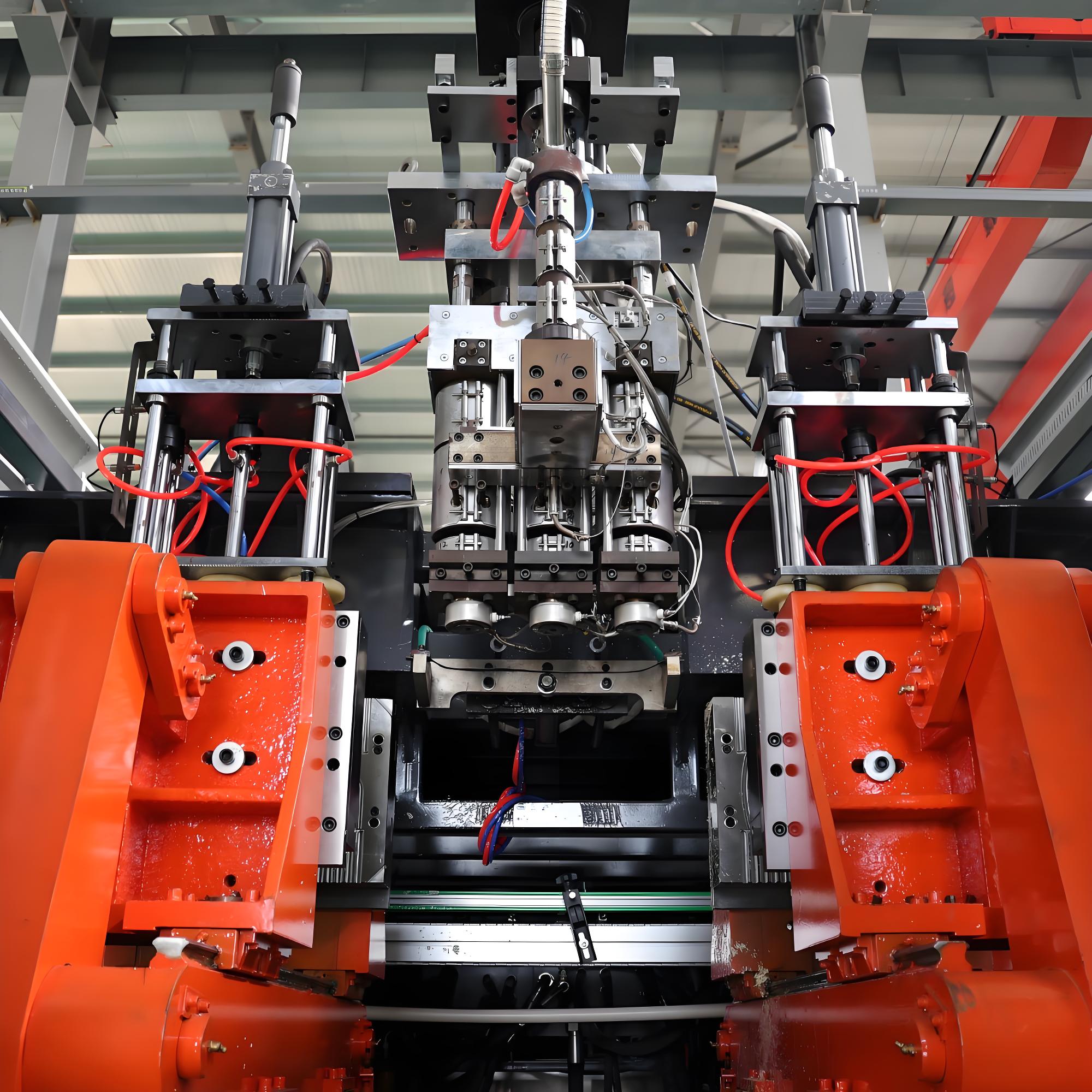

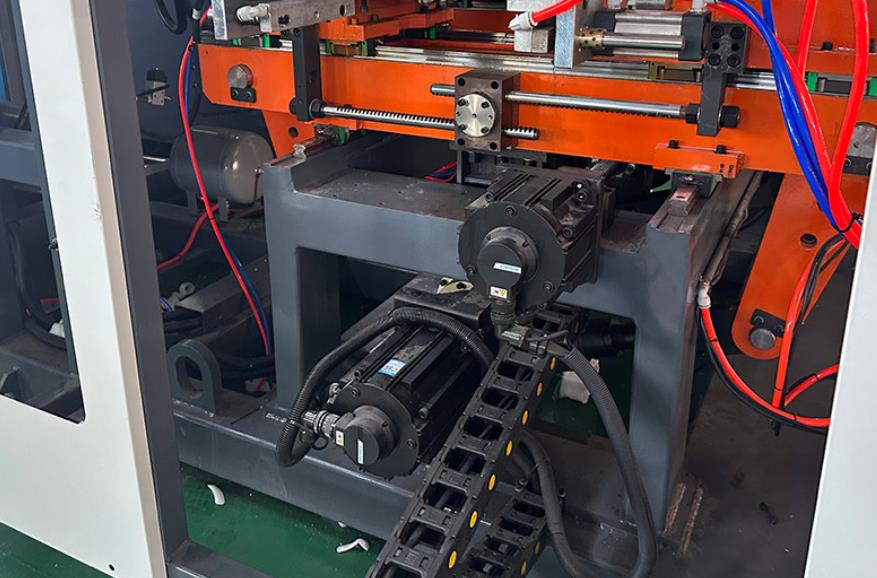
Full electric extrusion blow molding machines are energy-efficient and precise equipment in the plastic processing industry, with electric drive systems, servo motors, and electronic control units as their core components. Scientific and regular maintenance is crucial to ensure stable operation, extend service life, and maintain production efficiency. The following are the key maintenance requirements for full electric extrusion blow molding machines.
1. Daily Maintenance (After Each Shift)
1.1 Surface Cleaning and Inspection
Clean the surface of the machine, especially the electric control cabinet, servo motor, and drive system, to remove dust, oil stains, and plastic residues using a dry, lint-free cloth. Avoid using water or corrosive cleaning agents that may damage electrical components. Inspect the appearance of cables, connectors, and cooling fans for damage, looseness, or abnormal noise.
1.2 Key System Status Check
Check the cooling system of servo motors and frequency converters: ensure the cooling fan operates normally, the cooling water flow is smooth, and the water temperature is within the range of 30-45℃. Verify the power supply voltage stability and check for abnormal readings on the electronic control panel (such as overcurrent, overheating, or voltage deviation alarms). Inspect the lubrication of guide rails and lead screws, and add lithium-based grease if necessary to ensure smooth movement.
2. Regular Maintenance (Monthly/Quarterly)
2.1 Electrical System Maintenance
Open the electric control cabinet (after power-off) and clean the internal dust with compressed air (avoid direct blowing of electronic components). Check the tightness of wiring terminals, fuses, and circuit breakers, and tighten loose connections. Test the insulation resistance of motors and cables to ensure it is not less than 1MΩ. Calibrate temperature sensors and pressure transmitters to ensure accurate signal transmission.
2.2 Mechanical and Drive System Maintenance
Disassemble and inspect the wear of screws and barrels, and polish slight scratches with oilstones. Check the servo motor bearings: if abnormal vibration or noise is found, measure the radial clearance; replace the bearings when the clearance exceeds the limit. Clean the filter of the lubrication system and replace the lubricating oil every 6 months (or 5000 operating hours). Adjust the tension of timing belts and check for cracks or wear.
2.3 Auxiliary System Maintenance
Clean the cooling water tank and replace the cooling fluid to prevent scale accumulation. Check the air filter of the compressed air system, drain accumulated water, and replace the filter element if clogged. Inspect the mold cooling channels with citric acid solution to remove scale, and apply anti-rust agent to the mold surface.
3. Special Maintenance for Electric Components
3.1 Servo Motor Maintenance
Keep the motor housing clean to ensure effective heat dissipation. Check the carbon brushes (if equipped) every 3 months; replace them when the wear exceeds 50% of the original length. After replacing the windings, record the original winding parameters (type, size, number of turns, wire gauge) to avoid performance degradation. Test the motor’s thermal protection function regularly to ensure it triggers an alarm in case of overheating.
3.2 Electronic Control Unit Maintenance
Back up the control system parameters monthly to prevent data loss. Replace the battery of the programmable logic controller (PLC) every 3-5 years to ensure parameter retention during power-off. Inspect the frequency converter for overheating, and clean the internal heat sink and fan blades to avoid overload faults. Do not modify the control system parameters without authorization; any adjustments must be approved by professionals.
4. Maintenance During Long-Term Shutdown
Empty the residual plastic in the barrel and clean the die head and mold. Apply anti-rust agent to guide rails, lead screws, and mold cavities. Disconnect the main power supply and cover the machine with a dust-proof cloth. Check the electrical components monthly and energize the control system for 30 minutes to prevent moisture accumulation. Keep the storage environment dry and well-ventilated, avoiding extreme temperatures and humidity.
5. Maintenance Safety Notes
Prior to any maintenance work, strictly follow the lockout-tagout (LOTO) procedure: cut off the main power supply and air source, hang a “Do Not Operate” warning sign, and confirm no residual voltage or pressure exists. When inspecting or disassembling electrical components such as the electric control cabinet and servo motor, wear insulating gloves and use insulated tools to prevent electric shock hazards.
Avoid using sharp or magnetic tools near electronic components to prevent scratches on precision parts or interference with electronic signals. For maintenance involving mold disassembly, barrel cleaning, or servo system adjustment, ensure at least two personnel are present for mutual supervision, especially when handling heavy components to prevent personal injury or equipment damage.
Do not attempt to modify the safety protection devices of the machine, such as emergency stop buttons, overload protectors, or thermal relays, without authorization. Any maintenance that involves changing electrical parameters, replacing core components (e.g., servo motors, PLC modules), or modifying mechanical structures must be performed by professional technicians who have received official training from the equipment manufacturer.
Keep maintenance records in a standardized manner, including maintenance date, content, replaced parts model, parameter adjustments, and operator information. This helps track equipment status and provides a basis for subsequent maintenance and troubleshooting. In case of abnormal situations during maintenance (such as electrical short circuits, component damage), stop the operation immediately, isolate the equipment, and report to the superior for professional handling instead of makeshift repairs.