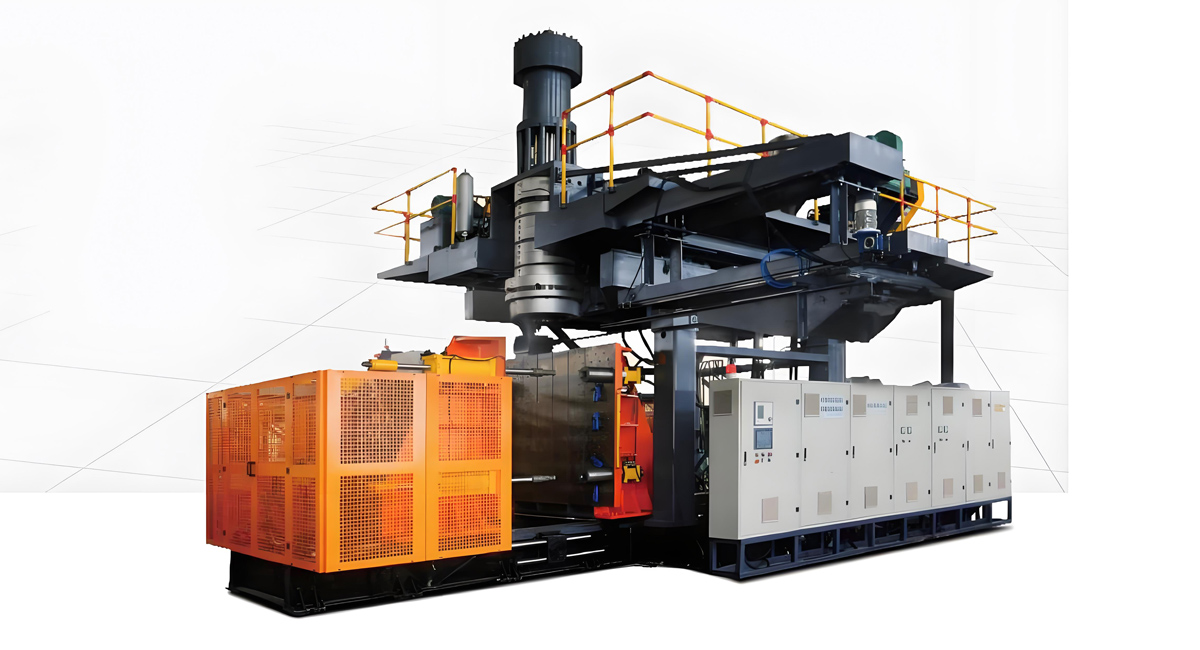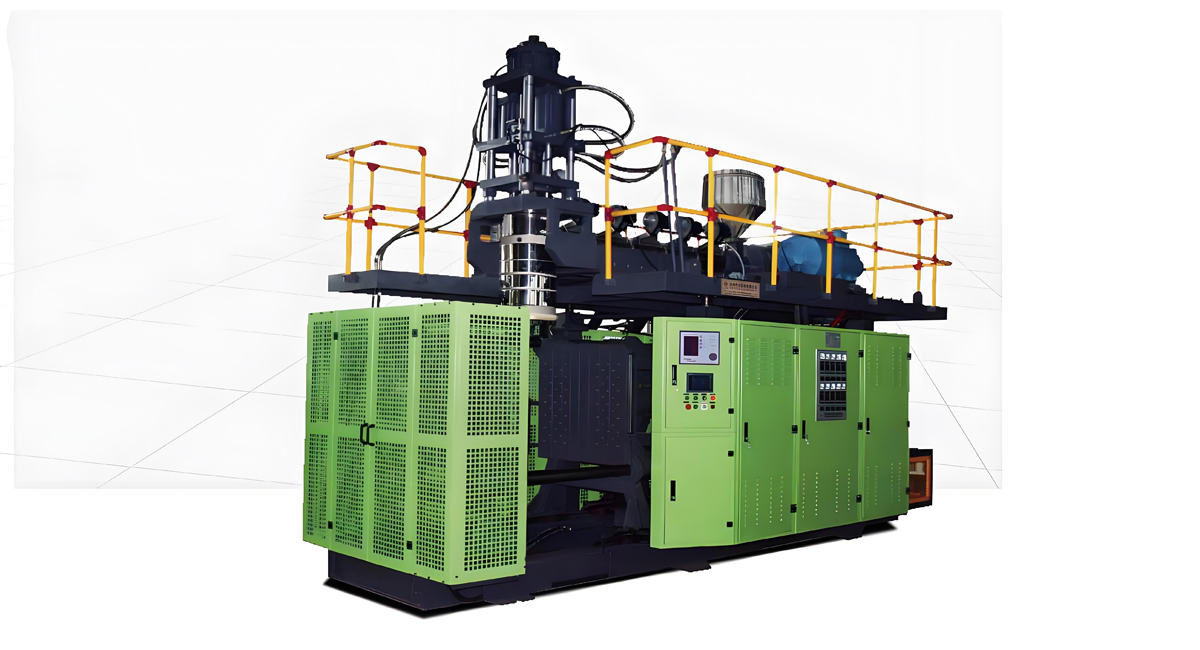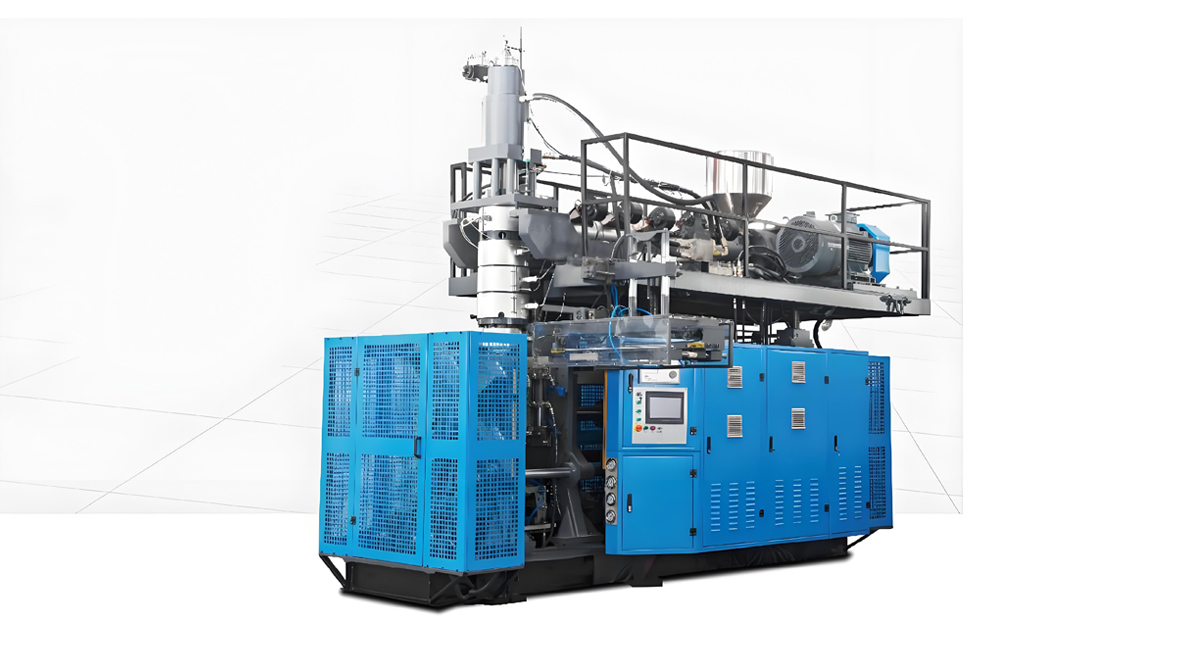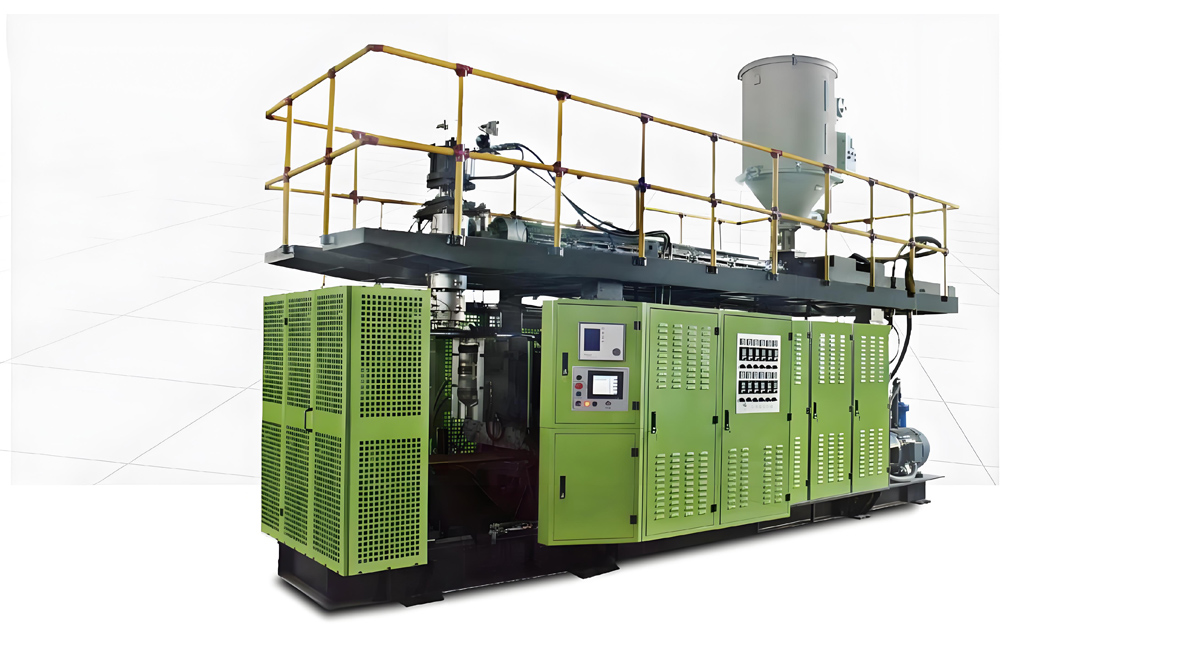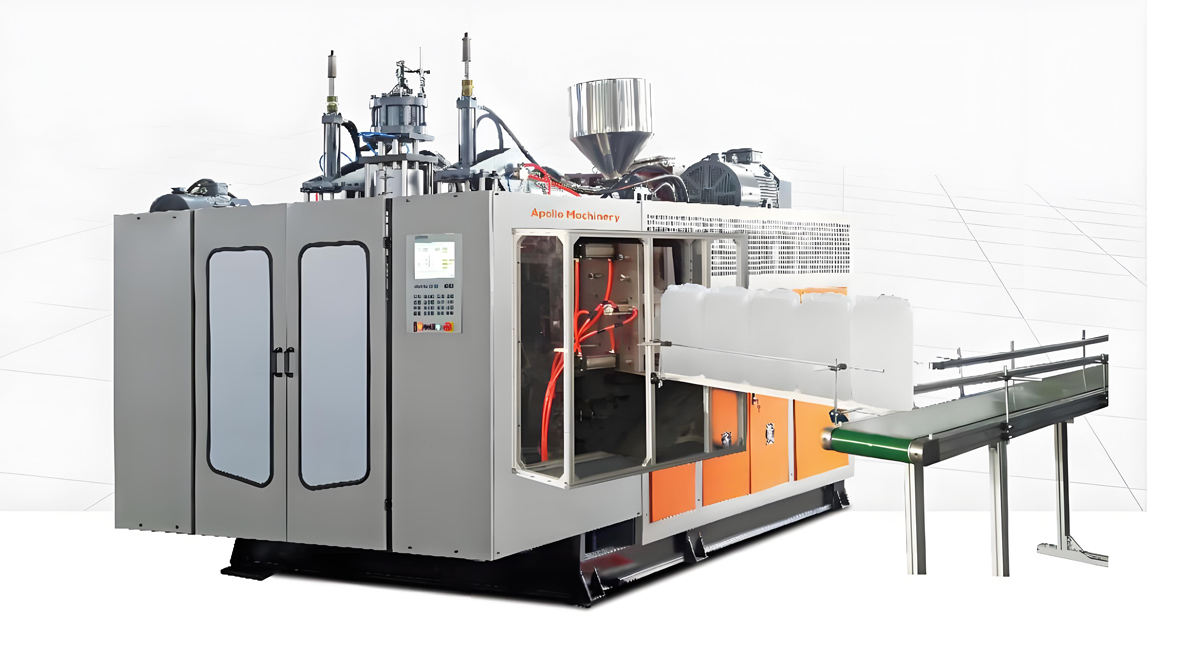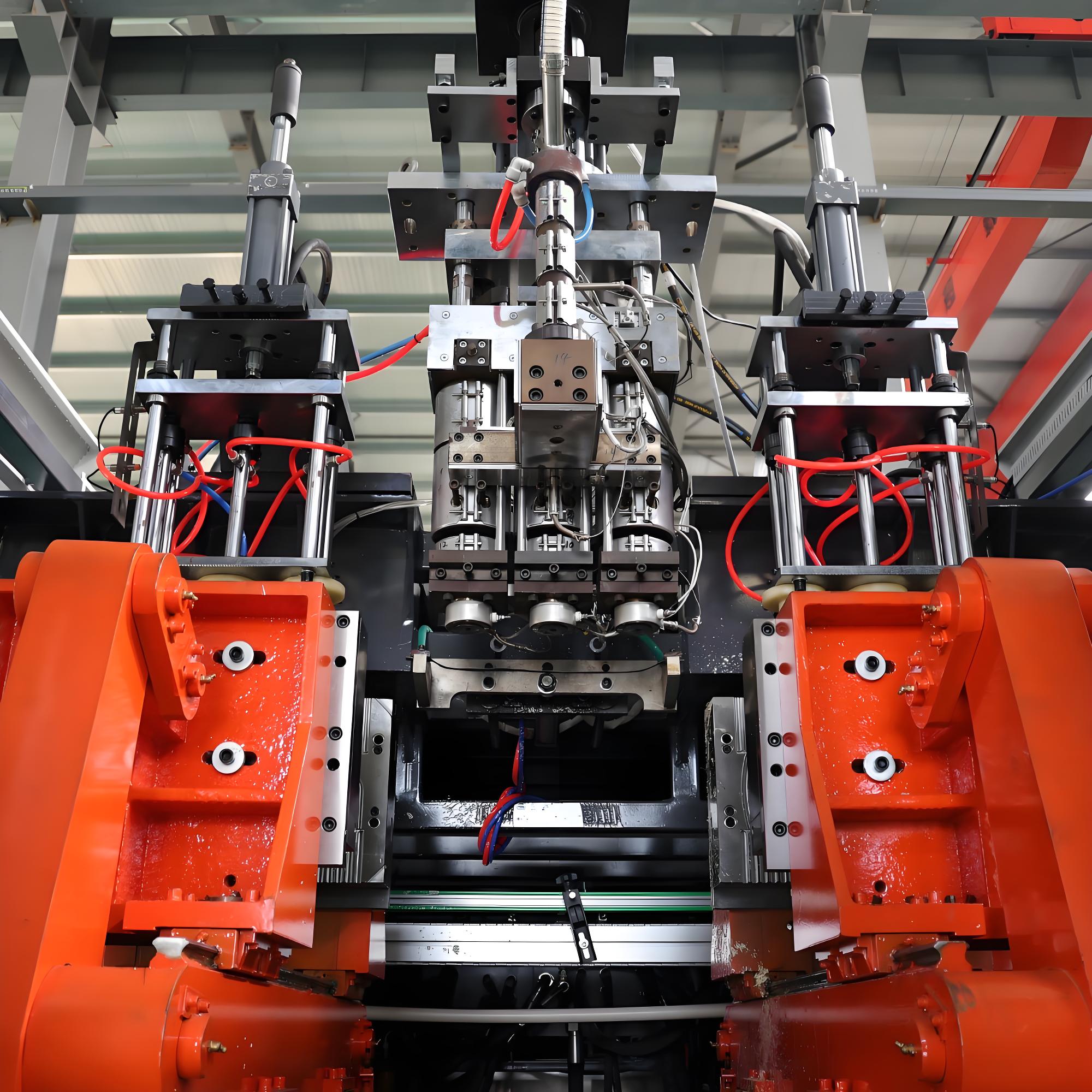

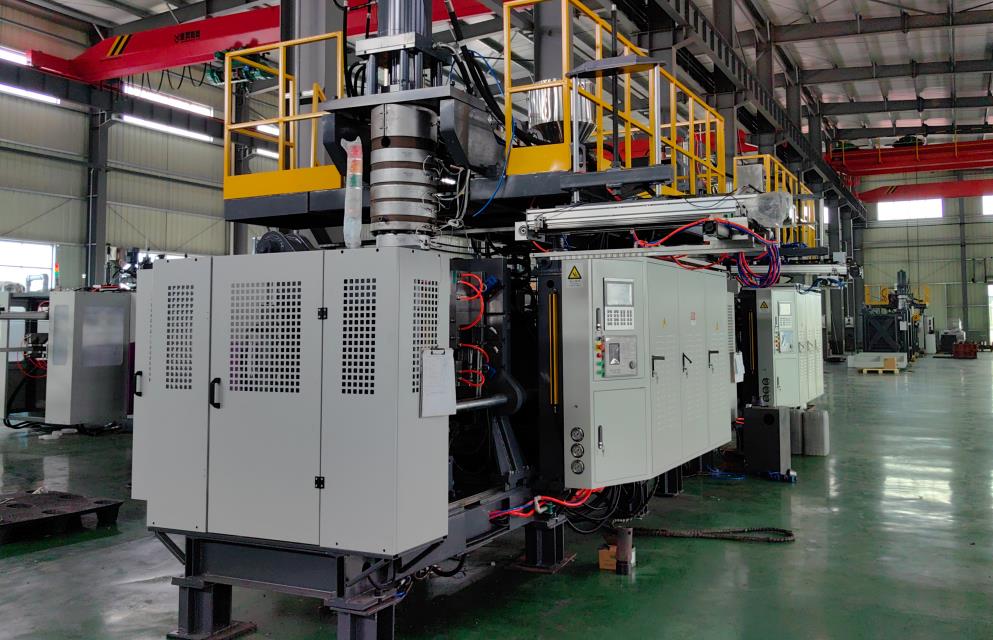
Extrusion blow molding machines are key equipment in the plastic processing industry, mainly used for producing hollow plastic products such as bottles, barrels, and boxes. To ensure operational safety, stable product quality, and extended equipment service life, operators must strictly abide by the following usage precautions throughout the entire process from pre-operation preparation to post-shutdown maintenance.
1. Pre-Operation Preparation
1.1 Personnel Qualification and Protection
Operators must receive professional training, pass assessments, and obtain operation qualifications before taking up their posts. They should be familiar with the equipment structure, working principle, process flow, and safety norms. During operation, standard personal protective equipment (PPE) must be worn, including flame-retardant work clothes, high-temperature resistant gloves, safety goggles, and non-slip safety shoes. Long hair must be tied up and covered with a work cap to prevent it from being entangled by rotating parts, and it is strictly prohibited to wear slippers, shorts, or loose clothes.
1.2 Equipment Status Inspection
Check the appearance of the equipment for damage, deformation, or loose fasteners (such as bolts and pulleys). Ensure that the connections of air circuits, oil circuits, and material circuits are firm without leakage. Inspect the mold installation: align the positioning pins with the positioning holes, fasten the clamping bolts evenly, and check that the mold cooling water channels and air blowing ports are unobstructed, and the mold cavity surface is free of oil stains and residual materials.
Verify the electrical system: confirm that the power supply voltage is stable, the emergency stop button, operation buttons, and indicator lights are flexible and effective, and there is no dust accumulation or line aging in the control cabinet. Check the grounding device to ensure it is reliable (grounding resistance ≤ 4Ω).
Inspect auxiliary systems: the pressure of the compressed air should reach 0.6-0.8MPa (adjust according to equipment parameters), and drain the accumulated water in the air storage tank. Ensure the water level of the cooling water tank is normal, and the circulating pump operates without abnormal noise. Check the oil level of the reducer and bearings (maintained between 1/2 and 2/3 of the oil level gauge) to ensure there is no oil leakage or lack of oil.
1.3 Raw Material and Tool Preparation
Plastic raw materials must be dried to a moisture content ≤ 0.1% (adjust according to material characteristics) to avoid bubbles and cracks in products. Sieve the raw materials to remove impurities and metal particles (magnetic separation devices can be used if necessary) to prevent blocking the extruder or damaging the screw.
Prepare special tools: use copper scrapers, high-temperature resistant gloves, and measuring instruments (such as thickness gauges and thermometers). It is strictly prohibited to use iron tools to contact the die head to avoid scratching the smooth surface.
2. Operation Process Norms
2.1 Startup and Commissioning
Turn on the main power supply, observe that the power indicator is on, and turn on the control cabinet power after confirming the voltage is stable. Start the temperature control system, set the temperature of each section of the barrel according to the process requirements (e.g., HDPE raw material extrusion temperature is 160-220℃), and after the temperature is stable for 15-20 minutes, start the extruder screw to run at a low speed (rotating speed ≤ 10r/min) to check for no jamming.
In manual mode, test the mold opening and closing actions 3-5 times to ensure smooth operation, and the gap of the parting surface after mold clamping is ≤ 0.05mm. Check the air blowing system: align the air blowing nozzle with the mold air blowing port, start the air blowing valve, and confirm that the compressed air pressure is stable (blowing pressure 0.4-0.6MPa, time 1-3 seconds).
Perform trial production: manually extrude a small amount of parison, observe the uniformity of the wall thickness. If it is too thick or too thin, adjust the extruder speed or die gap. After the first blow molding, check the appearance and size of the product. If there are defects, gradually adjust parameters such as temperature, blowing pressure, and holding time until the quality meets the standards.
2.2 Production Process Monitoring
Record parameters such as barrel temperature, extrusion pressure, and blowing pressure every 30 minutes. If the temperature fluctuation exceeds ±5℃ or the pressure fluctuation exceeds ±0.05MPa, adjust the temperature control or air circuit system in a timely manner. If the parison sags (excessive extrusion speed or high temperature), reduce the extruder speed or appropriately lower the temperature.
Inspect product quality every hour: test dimensions (height, diameter, wall thickness) and visually check the appearance (no bubbles, scratches, or cold spots). If abnormalities are found, stop the machine to investigate problems with raw materials, molds, or process parameters, and it is strictly prohibited to produce with faults.
During equipment operation, it is strictly prohibited to put hands or tools into the mold cavity or moving parts area. Do not stand directly in front of the die head to prevent scalding by high-temperature melt. If adjustments or cleaning are needed, stop the machine and hang a “No Operation” sign.
2.3 Abnormal Situation Handling
If the equipment makes abnormal noise, smokes, or shuts down suddenly, press the emergency stop button immediately, cut off the power supply and air source, and troubleshoot the fault (e.g., clean the barrel if the screw is stuck, replace accessories if the heating coil is short-circuited). Restart the test run only after the fault is eliminated.
In case of melt leakage, stop the extruder and turn off the heating system immediately. Cover the leakage area with high-temperature resistant gloves or asbestos cloth to prevent melt splashing. After the melt cools down, clean the leakage and check if the die seal (such as O-ring) is damaged.
3. Shutdown and Equipment Cleaning
3.1 Normal Shutdown Process
Stop supplying raw materials, and after the residual material in the barrel is basically extruded, reduce the screw speed to 5r/min and continue running for 3-5 minutes to empty the residual material.
Turn off the temperature control system, and stop the extruder operation after the barrel temperature drops below 100℃. Manually open and close the mold 3-5 times, and clean the residual material in the mold cavity and die head with copper brushes or special tools.
Turn off the main power supply and air source in sequence, and hang the “Equipment Stopped” sign.
3.2 Equipment Cleaning and Protection
Clean the oil stains and dust on the equipment surface, wipe the control cabinet and operation panel. Use compressed air to blow off the accumulated dust inside the equipment (avoid direct blowing of electrical components).
Apply anti-rust agent to the mold (for long-term shutdown), and apply grease to the exposed guide rails and screws of the equipment. Classify and store raw materials and finished products away from heat sources.
4. Maintenance and Upkeep
4.1 Daily Maintenance (After Each Shift)
Check if the fasteners are loose and tighten them in a timely manner. Clean the filter screen of the cooling water tank and replace turbid cooling fluid. Check the air circuit filter, drain accumulated water, and record equipment operation parameters and product quality.
4.2 Regular Maintenance (Monthly/Quarterly)
Mechanical parts: disassemble and inspect the wear of the screw and barrel every quarter, measure the gap and record it. Add lithium-based grease to the guide rails and lead screws every month.
Electrical system: test the resistance value of the heating coil every month, and replace it if the deviation exceeds 10%. Clean the control cabinet every quarter and check the tightness of the wiring terminals.
Mold maintenance: clean the scale in the mold cooling water channel with citric acid solution every month, check the mold cavity wear, and polish or chrome-plate it if necessary.
5. Safety Specifications
It is strictly prohibited to modify the equipment without authorization (such as replacing a higher-power motor or modifying the temperature control system). Any modification must be evaluated by professionals.
When producing flammable and explosive raw materials, keep the workshop well-ventilated, strictly prohibit smoking or open flames, and equip fire-fighting equipment and check it regularly. In case of fire, use dry powder fire extinguishers (water is strictly prohibited for electrical or melt fires), evacuate personnel to a safe area, and turn off the main power supply.
Prohibit fatigue operation (continuous working time shall not exceed 8 hours), and prohibit working after drinking or being ill. If mechanical injury occurs, cut off the power supply immediately, call for first aid, and protect the accident scene.
Emergency equipment (such as fire extinguishers, first-aid kits, and emergency lights) must be equipped in the workshop, and checked monthly to ensure they are available at any time. Conduct emergency drills every six months to improve the ability to respond to accidents.