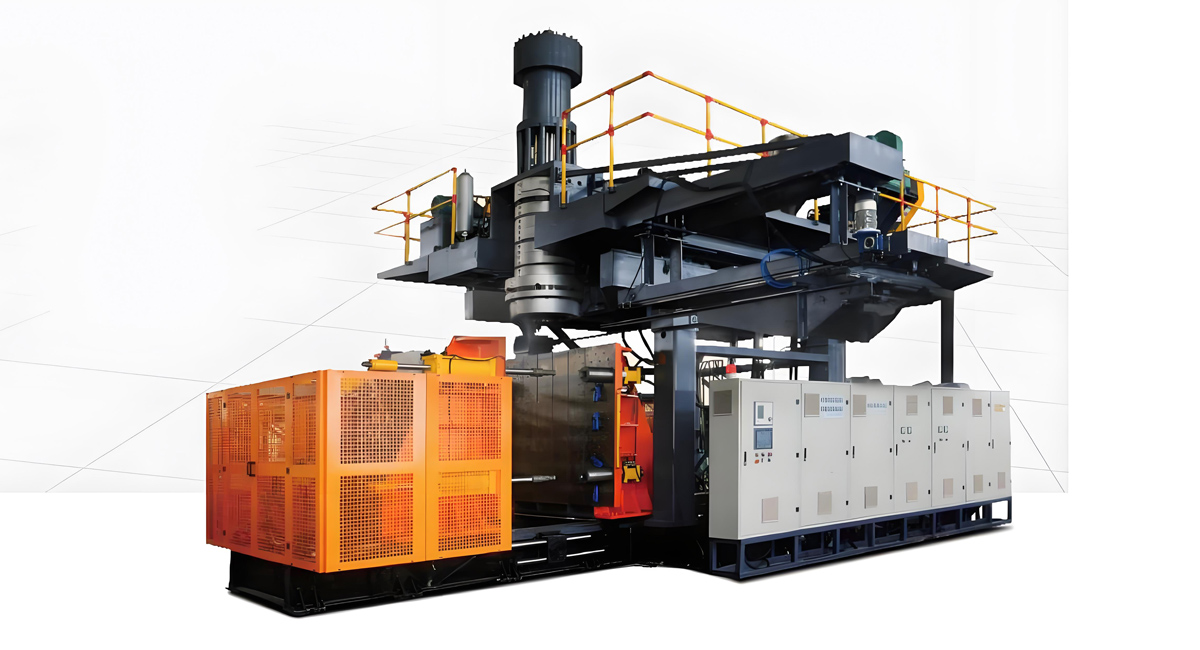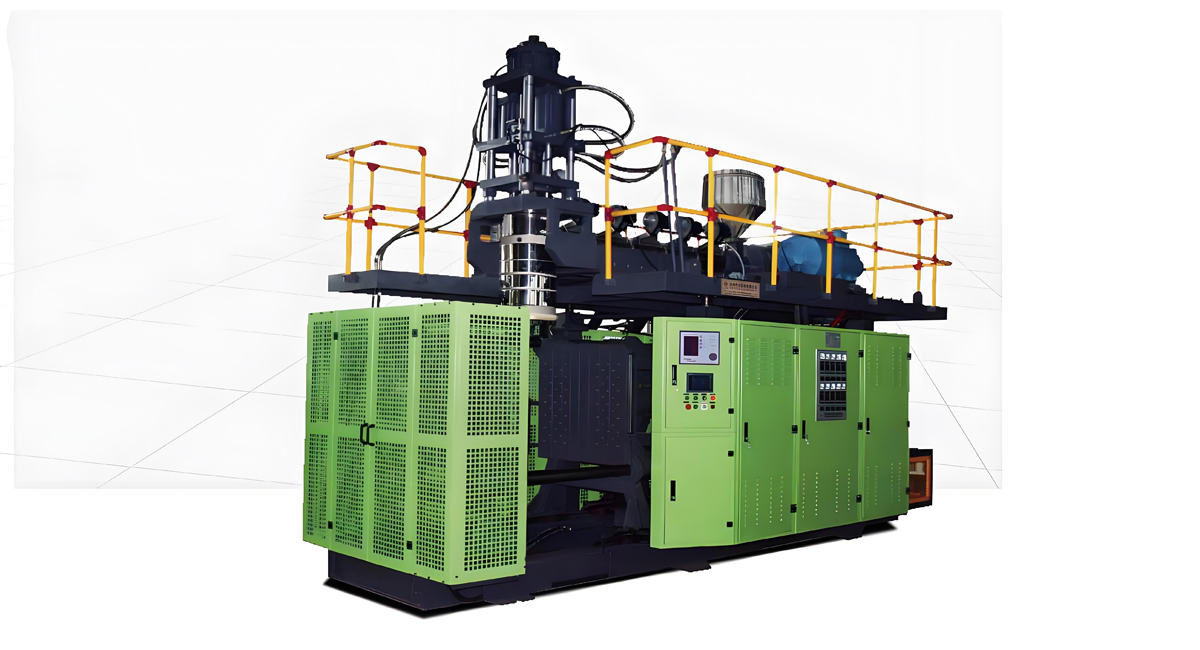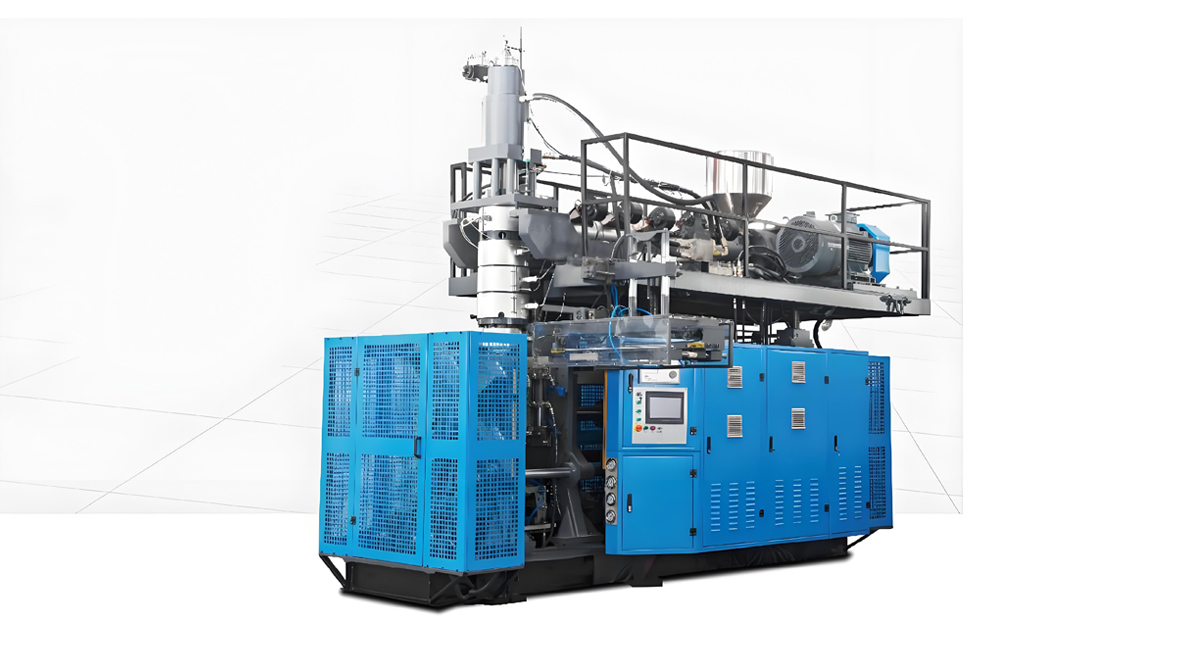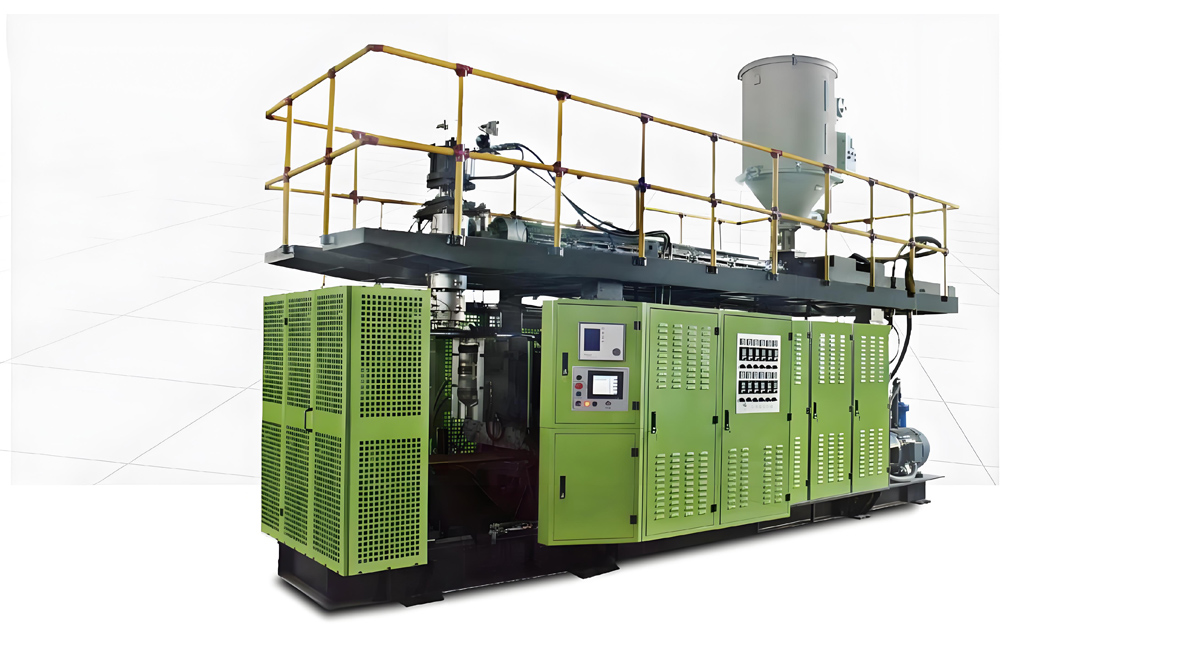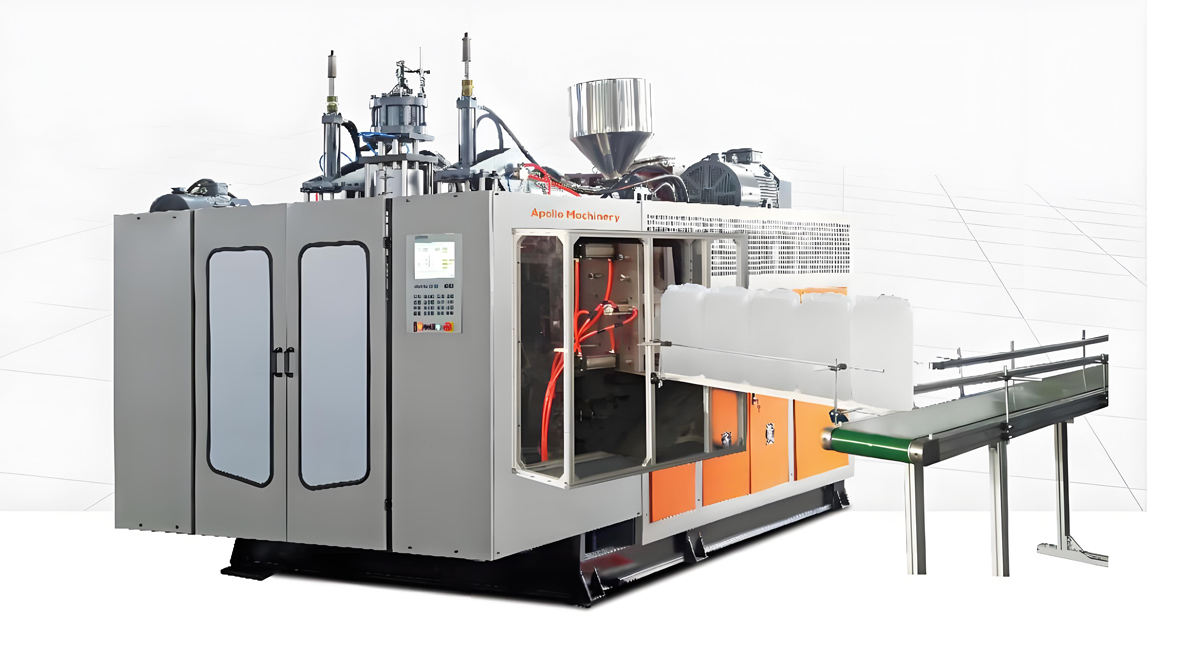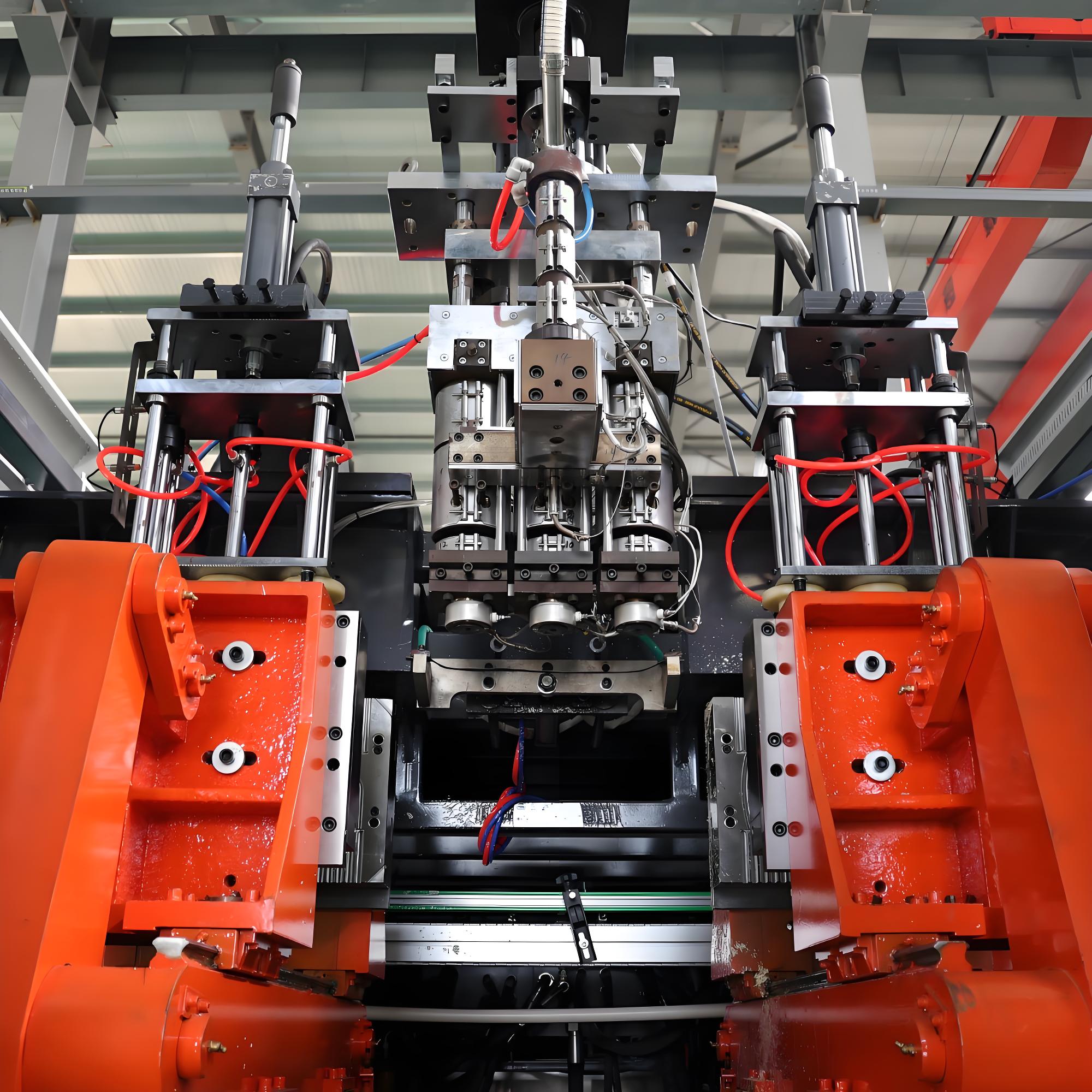

As core equipment in plastic molding and processing, hydraulic extrusion blow molding machines are widely used in fields such as food and beverage packaging, pharmaceutical packaging, chemical containers, and auto parts. Their prices are affected by multiple factors including equipment specifications, automation level, technical configuration, brand premium, and regional market competition pattern, resulting in significant regional differences. Taking US dollars as the pricing unit, this article sorts out the prices of hydraulic extrusion blow molding machines in the Chinese market and those outside China, and analyzes the core reasons for the price differences.
I. Price Analysis of Hydraulic Extrusion Blow Molding Machines in the Chinese Market
China is a major producer and consumer of hydraulic extrusion blow molding machines in the world, with industrial clusters concentrated in Zhejiang, Jiangsu, Hebei and other regions. The market supply is sufficient, and the price range covers low-end to mid-to-high-end fields, with significant cost-performance advantages. According to equipment specifications (molding capacity, production capacity) and automation level, the prices can be divided into the following ranges:
1. Small-sized Semi-automatic Hydraulic Extrusion Blow Molding Machines (Molding Capacity ≤ 5L)
Such equipment is mainly used for producing small plastic bottles, toy accessories, etc., with low technical threshold and fierce market competition. The price range is concentrated at 6,800 – 30,000 USD/unit:
- Basic non-automatic models: For example, the HDPE/PP small-sized extrusion blow molding machine produced by Zhejiang Deze Machinery has a minimum price of 6,800 – 7,000 USD/unit, with a minimum order quantity of 1 unit, mainly meeting the basic production needs of small processing plants;
- Standard semi-automatic models: Equipped with basic hydraulic drive and simple control system, such as the professional equipment of Wenzhou Weixin Intelligent Machinery, the price ranges from 9,000 to 30,000 USD/unit, which can be adapted to the production of various small plastic products;
- Small-sized fully automatic models: Targeting fields with high precision requirements such as food packaging, such as the liquid soap bottle dedicated blow molding machine from Zhangjiagang Apollo Machinery, the price is about 40,000 USD/unit, with automatic feeding and molding inspection functions.
2. Medium-sized Hydraulic Extrusion Blow Molding Machines (Molding Capacity 5L – 200L)
Such equipment is suitable for producing chemical drums, engine oil pots, medium-sized water storage buckets, etc., and is the mainstream model in market demand, with a price range of 18,000 – 79,999 USD/unit:
- Regular medium-sized models: For example, the 3-layer ABA high-speed extrusion blow molding machine from Hebei Chengheng Plastic Machinery, the price ranges from 24,451 to 27,565 USD/unit, and the production capacity is suitable for the batch production needs of small and medium-sized enterprises;
- Special models for chemical containers: For example, the 200L HDPE chemical drum production equipment from Shandong Tongjia Machinery, the price is 55,999 – 79,999 USD/unit, with corrosion-resistant screw design and high-precision molding control functions;
- Multi-station high-efficiency models: Equipment with double-station or multi-die head design, the price is relatively high, about 65,000 – 75,000 USD/unit, and the production capacity is more than 50% higher than that of single-station models.
3. Large-sized Hydraulic Extrusion Blow Molding Machines (Molding Capacity > 200L)
Such equipment is used for producing large water storage tanks, large industrial containers, etc., with high technical requirements and core components relying on high-precision processing, and the price range is 100,000 – 500,000 USD/unit:
- 200L – 500L models: For example, the large double-film extrusion blow molding machine from Zhejiang Pengxiang Machinery, the price is 110,000 – 120,000 USD/unit, suitable for the production of large chemical packaging and construction plastic containers;
- Ultra-large models above 500L: Such as 2000L – 5000L water storage tank production equipment, the price is as high as 100,000 – 500,000 USD/unit, mainly used in large water storage scenarios such as municipal administration and agriculture. The market supply is dominated by leading enterprises, such as Jiangsu Jinming Precision Machinery and Lehui International.
II. Price Analysis of Hydraulic Extrusion Blow Molding Machines Outside China
The market outside China is mainly divided into high-end markets such as Europe, America and Japan, and emerging markets such as India, Southeast Asia. The price presents a pattern of “significant premium in high-end markets and cost-performance orientation in emerging markets”. Among them, European and American brands occupy the high-end market by virtue of technological advantages, and their prices are generally 2 – 5 times that of similar Chinese products; emerging markets are mainly dominated by local brands and imported Chinese brands, with prices slightly higher than or close to domestic Chinese prices.
1. High-end Markets in Europe, America and Japan (Germany, the United States, Italy, Japan)
Brands in this region take technological leadership, high intelligence level and strong stability as their core competitiveness, mainly occupying high-end segments such as high-end food packaging, pharmaceutical packaging and automotive lightweight components, with a price range of 80,000 – 2,000,000 USD/unit:
- German brands: As the global benchmark for plastic machinery technology, the prices are significantly higher. For example, the 7th generation hydraulic servo extrusion blow molding machine from Kautex (Germany), equipped with energy-saving system and multi-layer coextrusion technology, can produce 7-layer composite structure products, with a price of 200,000 – 500,000 USD/unit; its ultra-large hydrogen fuel storage tank production equipment has a price exceeding 2,000,000 USD/unit. The medium-sized fully automatic model from KraussMaffei (Germany) has a price of about 150,000 – 300,000 USD/unit, mainly serving well-known global food and beverage enterprises.
- Italian brands: Characterized by modular design and strong adaptability in the pharmaceutical field, such as the pharmaceutical packaging dedicated hydraulic extrusion blow molding machine from Bekum (Italy), equipped with remote diagnosis system, the operating rate exceeds 92%, the price is 150,000 – 300,000 USD/unit, and the market share in the global pharmaceutical packaging equipment market reaches 52%.
- American brands: For example, the high-capacity hydraulic extrusion blow molding machine from Davis Standard, suitable for food packaging and industrial container fields, the price is 120,000 – 400,000 USD/unit, known for stable production capacity and durability.
2. Emerging Markets (India, Southeast Asia, the Middle East)
The market demand in this region is mainly for low-to-medium-end models, and prices are greatly impacted by imported Chinese brands. Local brand prices are close to or slightly lower than similar Chinese products, and high-end demand relies on importing European, American or high-end Chinese models:
- Indian local brands: For example, the 2-liter automatic HDPE hydraulic blow molding machine from Faith Engineering Works, the price is about 13,300 USD/unit (10 lakh Indian rupees, converted at the 2025 exchange rate); the fully automatic coated hydraulic extrusion blow molding machine from Blow Engineering, the price is 123,000 – 236,000 USD/unit (18.5 – 35.5 lakh Indian rupees), mainly adapting to the needs of local chemical and food packaging enterprises.
- Southeast Asian market: Dominated by imported Chinese brands, the price is 5% – 15% higher than the domestic Chinese price (including transportation and customs duty costs). For example, the small-sized semi-automatic models exported from China to Vietnam have a price of about 7,500 – 32,000 USD/unit; the medium-sized chemical drum production equipment has a price of about 20,000 – 85,000 USD/unit. There are few local brands, and the technical level is relatively backward, with prices slightly lower than imported Chinese models.
- Middle Eastern market: The demand is mainly for large industrial container production equipment, some of which purchase high-end European and American models with prices of 200,000 – 800,000 USD/unit; low-to-medium-end demand purchases Chinese equipment with prices close to those in the Southeast Asian market.
III. Analysis of Core Reasons for Price Differences
1. Differences in Technical Level and Core Components
European and American brands master core technologies such as hydraulic servo systems, multi-layer coextrusion technology, and intelligent closed-loop control. Their equipment energy consumption is 20% – 40% lower than that of traditional Chinese models, the molding precision deviation is controlled within ±0.02mm, and they have intelligent functions such as remote operation and maintenance and predictive maintenance. Core components such as high-precision screws and servo hydraulic pumps are mostly independently developed, resulting in high costs; while core components of low-to-medium-end Chinese models rely on general-purpose parts, and the proportion of technical R&D investment is only 1/3 – 1/2 of that of European and American brands, with significant cost advantages.
2. Differences in Brand Premium and Market Positioning
European and American brands such as Kautex and Bekum have decades of industry accumulation, forming brand monopolies in high-end segments, serving Fortune 500 enterprises, with a brand premium of 30% – 50%; Chinese brands take cost-performance as the core positioning, mainly serving small and medium-sized enterprises and emerging markets, with low brand premiums. Some leading enterprises such as Jinming Precision Machinery have a brand premium of only 10% – 20% in the high-end market.
3. Differences in Production Costs and Policy Environment
China has a complete plastic machinery industrial chain, and the costs of labor, raw materials and parts procurement are 30% – 40% lower than those in Europe and America; while Europe and America have high labor costs and strict environmental policies (such as EU carbon emission standards), and the compliance costs in the equipment production process increase by 8% – 12%. In emerging markets such as India and Southeast Asia, the production costs are close to those in China, but the industrial chain supporting facilities are not perfect, and some core components rely on imports, resulting in slightly higher prices of mid-to-high-end models than in China.
4. Impact of Trade Policies and Logistics Costs
Chinese equipment exported to Europe and America needs to bear costs such as customs duties and CE certification, accounting for about 10% – 15% of the equipment price; exported to RCEP member states such as Southeast Asia and the Middle East, the customs duty can be reduced to less than 5%, and the logistics cost is low, with obvious price advantages. European and American brands also need to bear high logistics and customs duty costs when exporting to emerging markets, further widening the price gap.
IV. Summary
The global hydraulic extrusion blow molding machine market price presents a pattern of “China market dominated by cost-performance, European and American markets dominated by technical premium, and emerging markets with gradient adaptation”. Chinese equipment has significant price advantages in the low-to-medium-end field (molding capacity ≤ 200L), with prices being 1/2 – 1/3 of similar European and American products; in the field of high-end ultra-large models and intelligent models, there is still a gap with European and American brands, and the price gap reaches 2 – 5 times.
In the future, with the increase in technical R&D investment by Chinese enterprises (such as localization of servo hydraulic systems and intelligent control systems) and the advancement of global carbon neutrality policies, the price competitiveness of domestic high-end models will gradually improve; European and American brands may reduce costs through localized production (such as Kautex establishing a R&D center in Suzhou) to narrow the price gap. Emerging markets will continue to be the core growth point for Chinese equipment exports, and prices will maintain a steady growth trend.