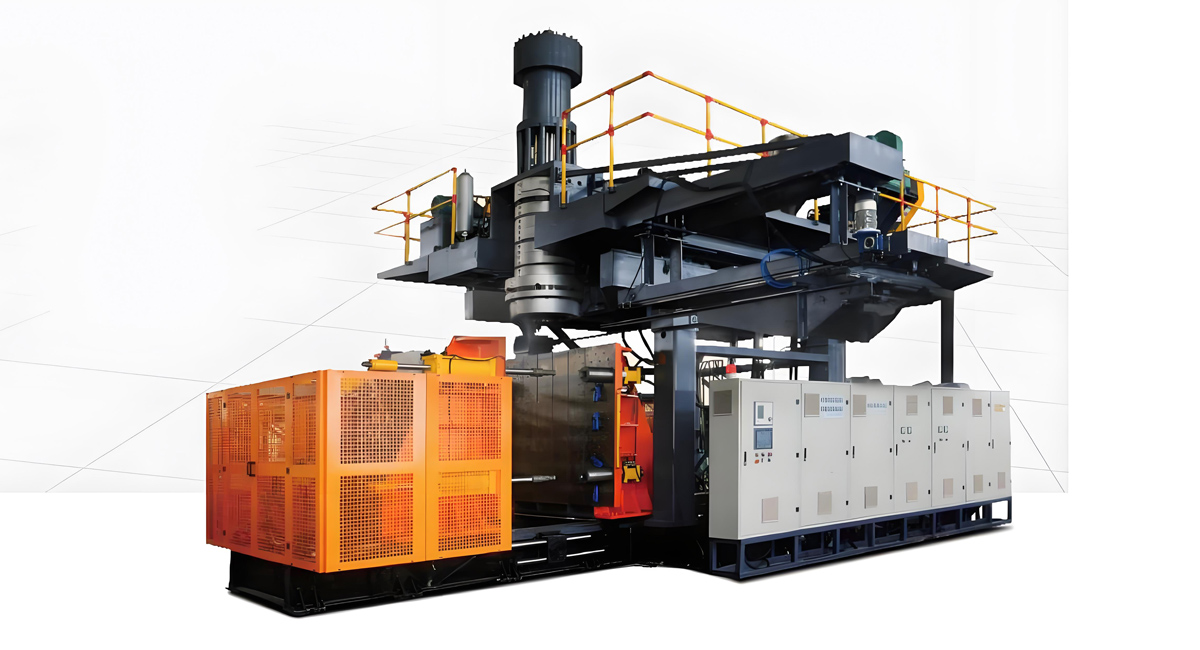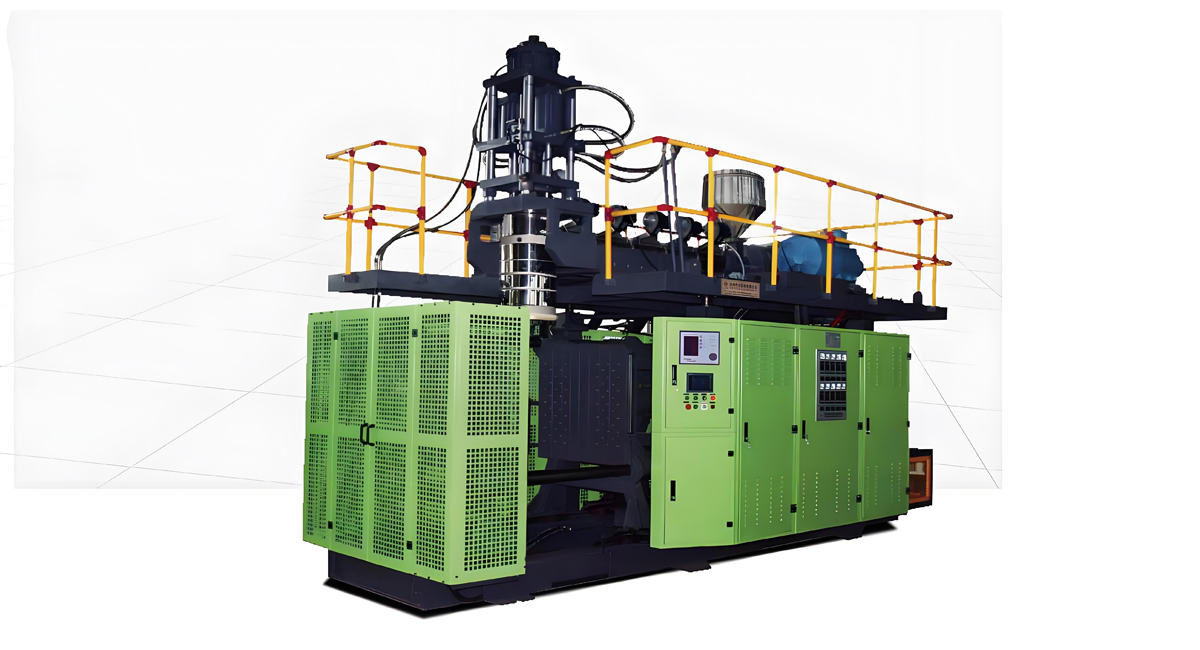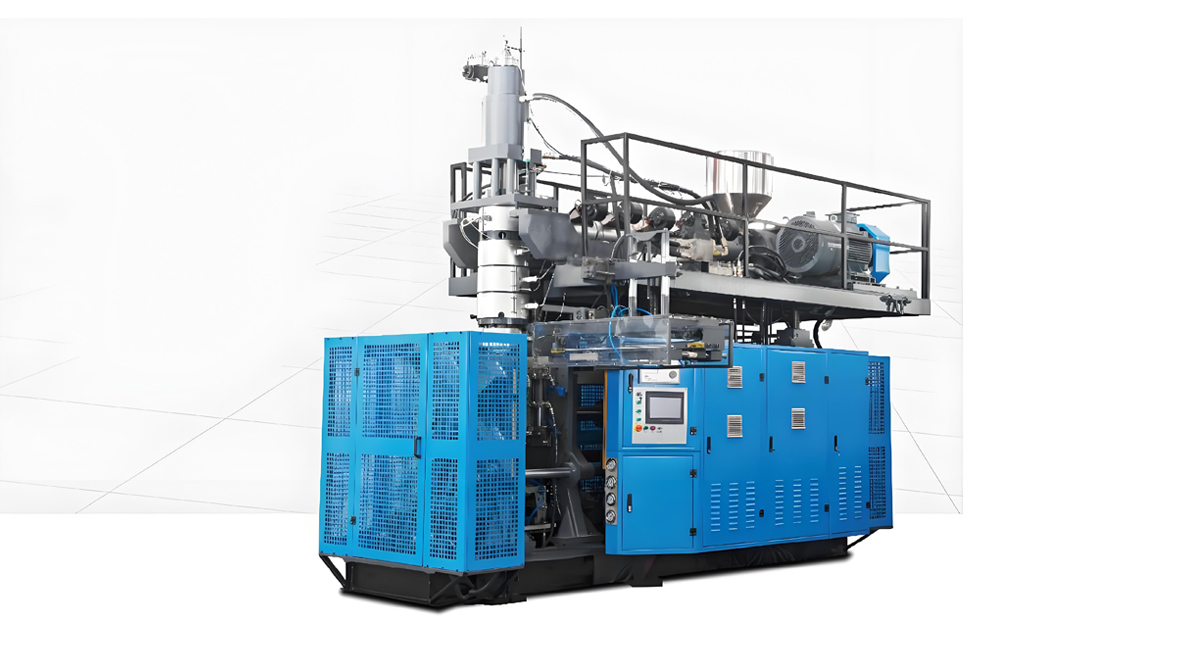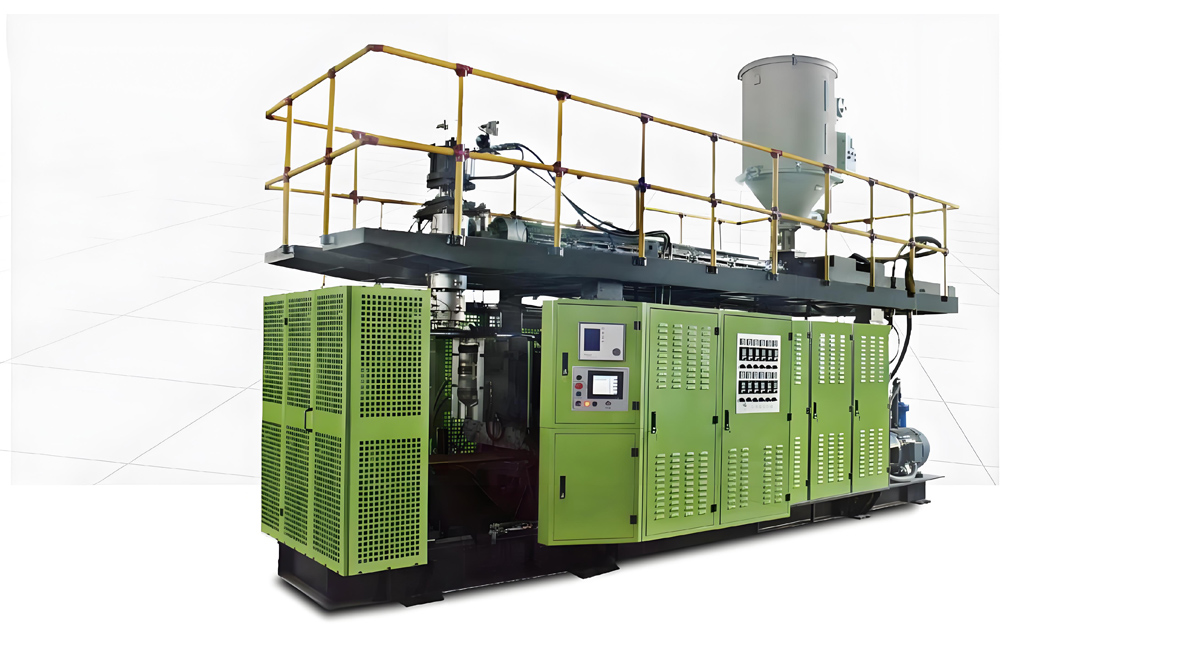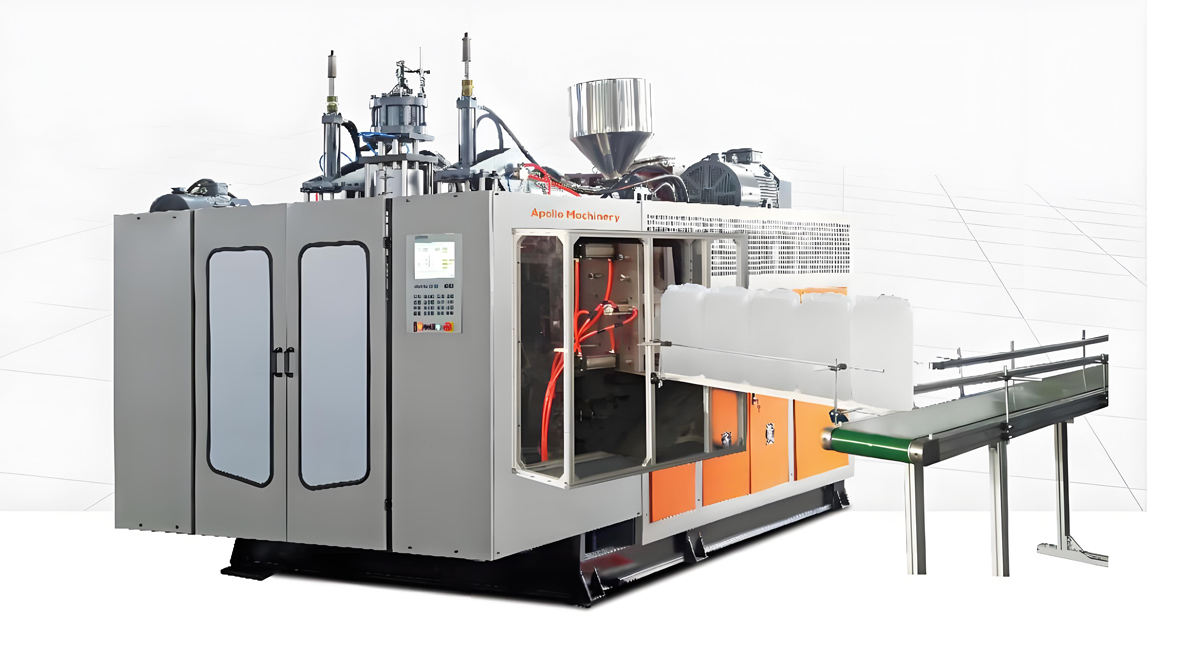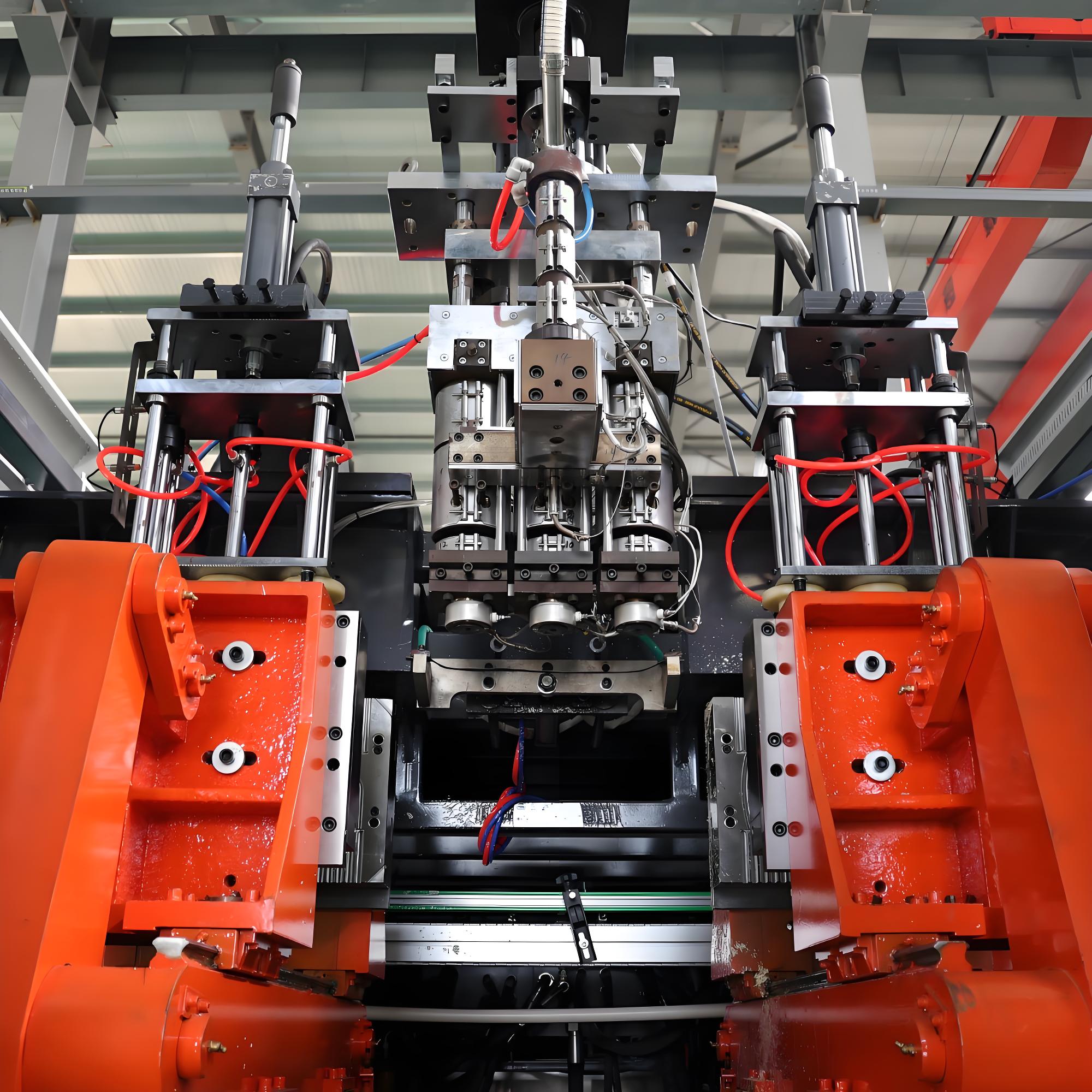

As the core equipment for the production of plastic hollow products, the type of drive system of extrusion blow molding machines directly affects production efficiency, product quality, operating costs and applicable scenarios. Electric extrusion blow molding machines are centered on servo motor drive, while hydraulic extrusion blow molding machines rely on hydraulic system transmission. There are significant differences between the two in technical characteristics and practical applications. The following is a detailed comparison of the advantages and disadvantages of the two from core dimensions.
I. Advantages and Disadvantages of Electric Extrusion Blow Molding Machines
(I) Core Advantages
- Significant energy conservation and environmental protection effects: Adopting direct drive by servo motors reduces the intermediate links of energy conversion in the hydraulic system, resulting in a substantial reduction in energy loss. Compared with similar hydraulic models, the energy saving rate can reach 50%~60%. When producing 5L plastic buckets, the power consumption per hour is only about 15kw, which is much lower than 25-30kw of hydraulic machines. At the same time, no hydraulic oil is needed, avoiding environmental pollution caused by oil leakage, and meeting the high hygiene standards of food, pharmaceutical and other industries.
- High control precision and stable product quality: Millisecond-level response is achieved through digital control systems, which can accurately control key parameters such as screw speed, die head displacement and blow molding pressure. The mold moving positioning accuracy can reach 0.03mm, far exceeding 0.05mm of hydraulic machines; the dimensional tolerance of products can be controlled within ±0.05mm, and the wall thickness deviation of bottles is ≤1%, which can effectively improve product consistency.
- High production efficiency and short molding cycle: Servo motors can realize synchronous execution of multiple actions, without the action delay problem of hydraulic systems (the single action delay of hydraulic machines is 300-500ms, and the cumulative delay of six groups of actions reaches 2.4 seconds). For example, when the Leshan 6+6 full-electric bottle blowing machine produces 1.29L dishwashing liquid bottles, the daily output of a single machine is as high as 60,000 bottles, which is 3 times that of conventional hydraulic machines, and the fastest molding cycle can be shortened to 19.6S.
- Stable operation and low maintenance cost: The soft start and stop technology is adopted, the swing frame runs stably with small vibration, and the stability of the material pipe is high, which can extend the service life of the equipment; there are no vulnerable parts such as hydraulic valves and seals, and there is no need to regularly replace hydraulic oil and clean filters. Only the motor bearings and transmission gears need to be checked. The average maintenance cycle is more than 50% longer than that of hydraulic machines, and the labor cost for workers’ cleaning and maintenance is reduced at the same time.
- Friendly working environment: The operation noise is low, usually ≤75 decibels, and some models can be controlled below 70 decibels. There is no noise generated by the operation of hydraulic pumps and oil vibration, which can significantly improve the workshop working environment.
(II) Main Disadvantages
- High initial investment cost: Core components such as high-precision servo motors and intelligent control systems are partially dependent on imports, resulting in high equipment manufacturing costs and much higher prices than hydraulic models of the same specification, which brings greater financial pressure to small and medium-sized enterprises.
- Limited adaptability to heavy loads: In the field of large-scale and extra-large product production, such as 20L and above large-capacity containers or high-strength mold clamping demand scenarios, the load capacity of electric drive is not as good as that of hydraulic systems. At present, the applicable capacity of mainstream electric models is mostly within 20L, and the technical maturity of extra-large equipment needs to be improved.
- High threshold for core technologies: Core technologies such as high-precision drive control and multi-action collaborative optimization are difficult. Some domestic manufacturers lack independent research and development capabilities. Equipment fault maintenance and technical upgrading rely on professional teams, and the after-sales response efficiency may be affected.
II. Advantages and Disadvantages of Hydraulic Extrusion Blow Molding Machines
(I) Core Advantages
- Low initial investment cost: The technology is mature, the localization degree of hydraulic system components is high, the manufacturing cost is low, and the equipment price is affordable, which is suitable for small and medium-sized production enterprises with limited capital budgets.
- Strong heavy load capacity and wide adaptability range: The hydraulic system can provide strong mold clamping force and driving force, which can meet the production needs of large-scale and extra-large products, such as automobile fuel tanks and large chemical barrels. The mold clamping force of some models can reach more than 50 tons, and the applicable raw materials cover various engineering plastics such as HDPE.
- Mature and reliable technology with high market acceptance: After long-term market verification, the hydraulic drive technology is stable, with rich experience in fault diagnosis and elimination. Most domestic manufacturers have a complete maintenance service system, sufficient reserves of equipment operation and maintenance personnel, and low difficulty in getting started.
- Flexible transformation and upgrading: The production process can be optimized by installing hydraulic automatic filter screen replacement, wall thickness controller and other devices, adapting to the production needs of products of different specifications and materials, and having strong compatibility with existing production lines.
(II) Main Disadvantages
- High energy consumption and high operating cost: The hydraulic system has intermediate losses in energy conversion, the motor efficiency is only 40%~60%, and the energy consumption per kilogram of products is as high as 0.55 kWh, which is more than twice that of electric models; at the same time, it is necessary to continuously consume energy for cooling hydraulic oil, further increasing the operating cost.
- Low control precision and poor product stability: The action delay of the hydraulic system is obvious, and the action can only be executed after the oil cylinder is filled with oil. Moreover, synchronous execution of multiple actions cannot be realized, resulting in prolonged molding cycle; the die head vibration is large, affecting the stability of the material pipe, the dimensional tolerance of products is large, and it is difficult to meet the needs of high-precision products.
- Complicated maintenance and poor environmental protection: The seals of hydraulic rods are prone to aging and damage, with the risk of oil leakage, which not only pollutes raw materials and products, but also requires frequent replacement of seals, hydraulic oil and cleaning filters, resulting in heavy maintenance workload; the oil leakage problem makes it unable to meet the high hygiene standards of food, pharmaceutical and other industries.
- Great impact on working environment: The noise generated by the operation of hydraulic pumps and oil vibration is large, usually exceeding 80 decibels, and oil leakage will lead to dirty and messy workshop environment, increasing the cleaning burden of workers.
III. Comprehensive Comparison and Summary
| Comparison Dimensions | Electric Extrusion Blow Molding Machine | Hydraulic Extrusion Blow Molding Machine |
| Initial Investment | High | Low |
| Operating Energy Consumption | Low (energy saving rate 50%~60%) | High (energy consumption more than twice that of electric type) |
| Control Precision | High (positioning accuracy 0.03mm, tolerance ±0.05mm) | Low (positioning accuracy 0.05mm, obvious action delay) |
| Production Efficiency | High (short molding cycle, synchronous multi-actions) | Low (long molding cycle, sequential actions) |
| Maintenance Cost | Low (long maintenance cycle, no vulnerable hydraulic components) | High (frequent replacement of hydraulic oil and seals) |
| Environmental Protection and Hygiene | Excellent (no oil leakage, clean and pollution-free) | Poor (prone to oil leakage, polluting environment and products) |
| Applicable Scenarios | Production of small and medium-capacity products with high precision and high hygiene requirements such as food, medicine and daily chemicals | Production of heavy-load and large-capacity products such as chemicals and auto parts, initial production of small and medium-sized enterprises |
| Working Environment | Friendly (noise ≤75 decibels, small vibration) | Poor (noise >80 decibels, easy to be dirty and messy) |
In summary, electric extrusion blow molding machines are more suitable for mid-to-high-end production scenarios pursuing cost reduction, efficiency improvement, high product precision and environmental protection requirements, with significant long-term operating cost advantages; hydraulic extrusion blow molding machines have more advantages in initial investment and heavy-load production, and are suitable for capital-constrained or specific large-capacity product production needs. Enterprises should comprehensively consider their own product positioning, production scale and capital status when selecting models.