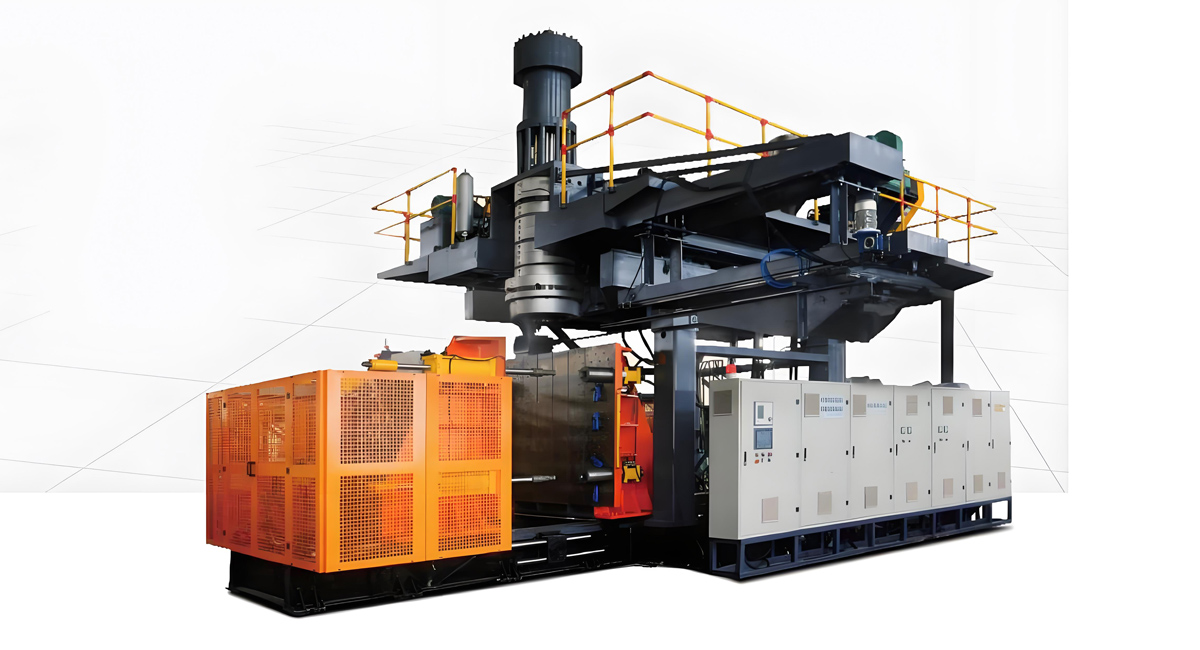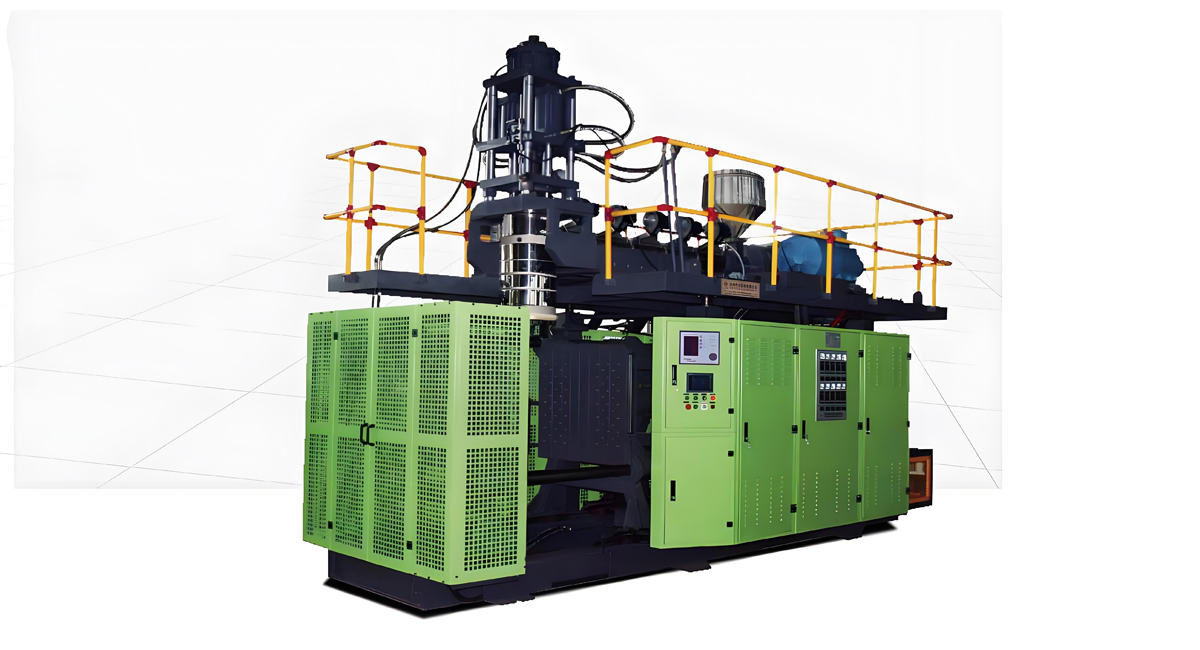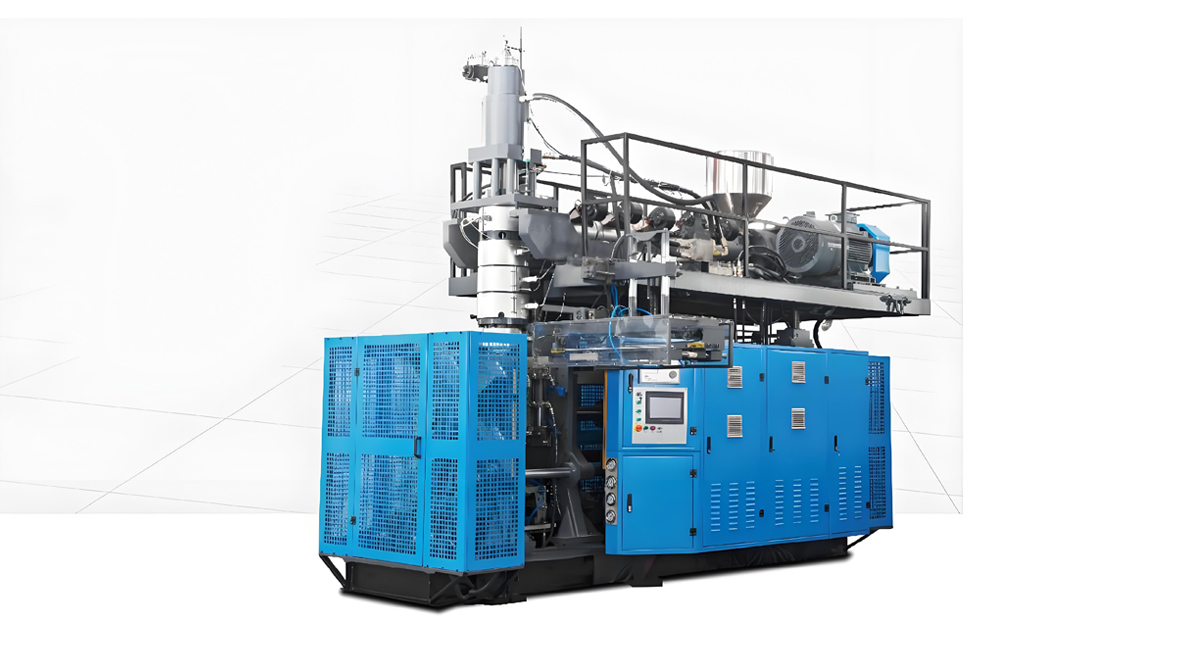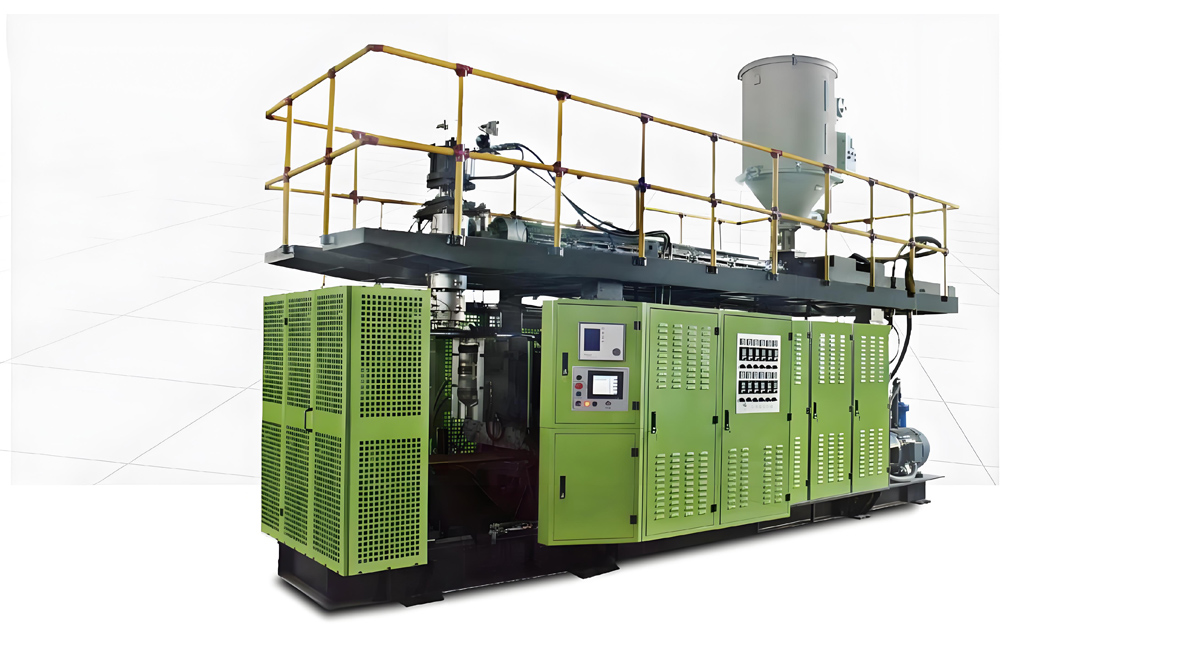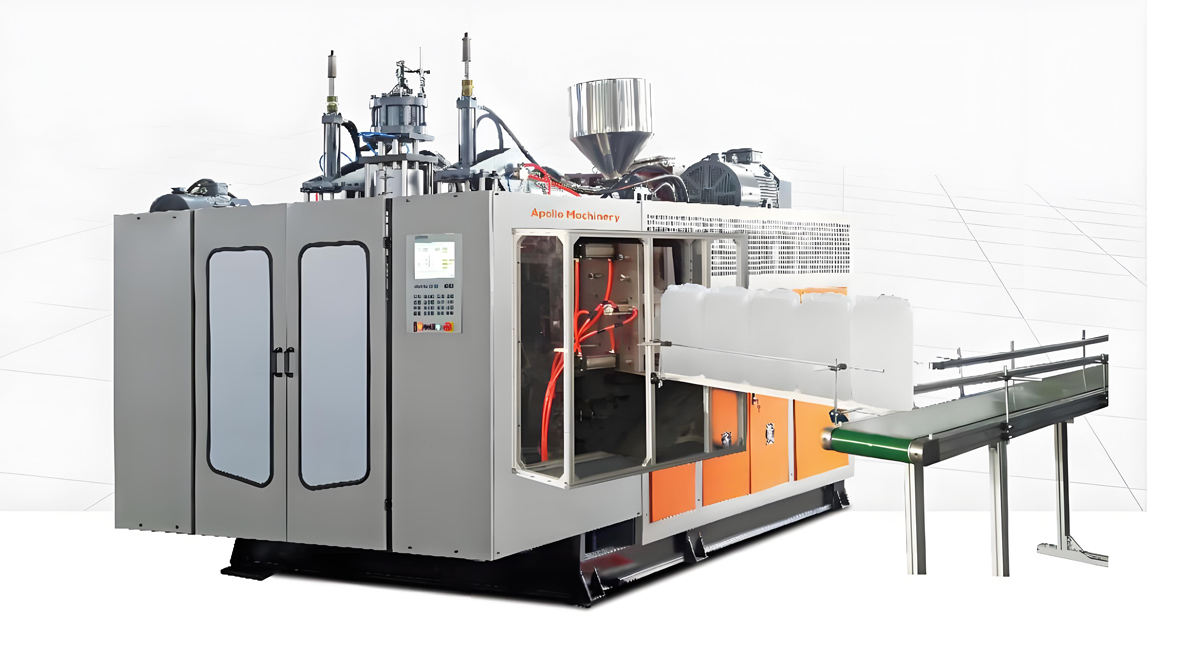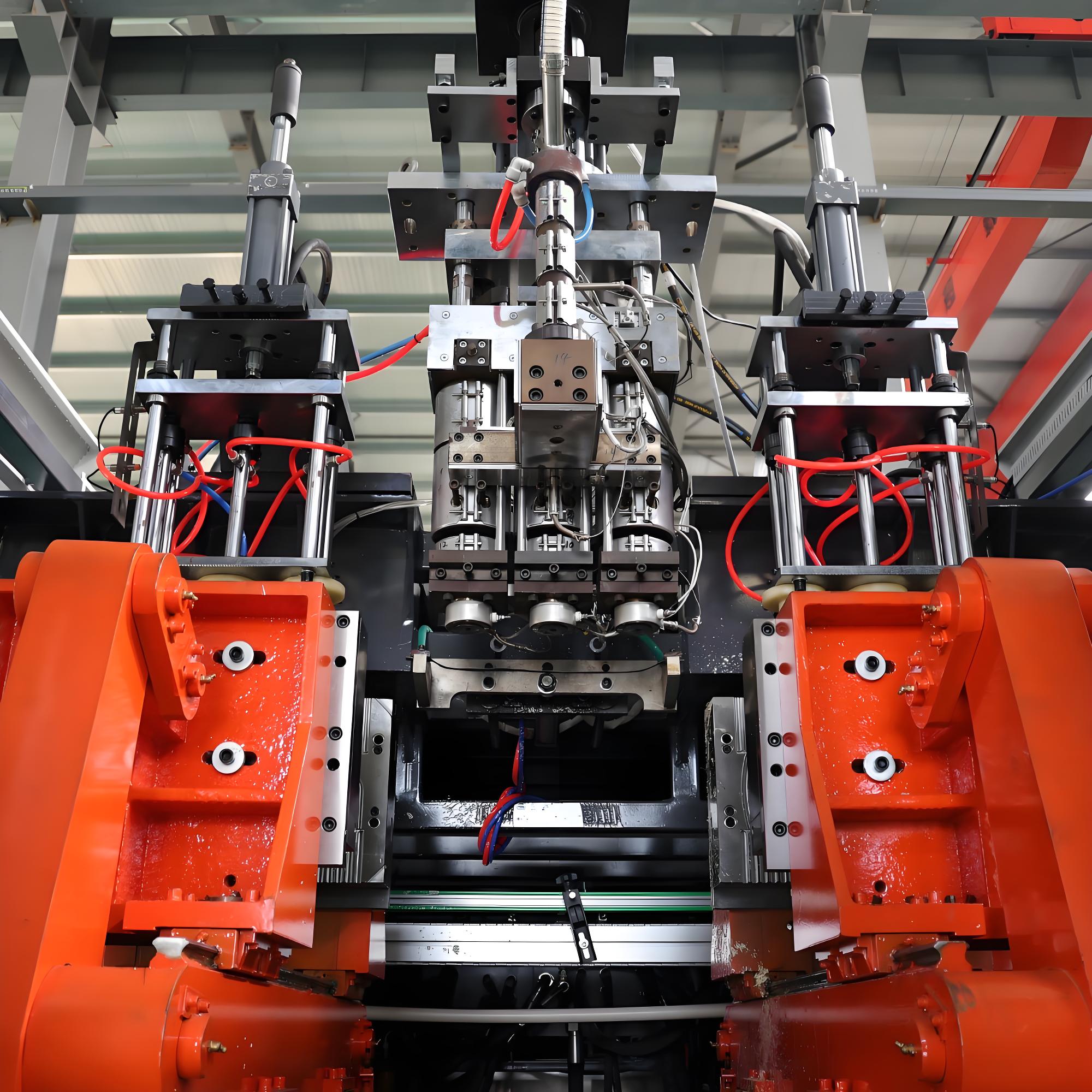

Extrusion blow molding (EBM) machines are complex pieces of equipment that require regular maintenance to ensure optimal performance, longevity, and product quality. Neglecting maintenance can lead to increased downtime, higher repair costs, and reduced machine efficiency. This article provides essential maintenance tips for EBM machines, focusing on best practices to keep your machine running smoothly and reliably. We will also explore the maintenance services offered by Apollo Machinery, a leading manufacturer of EBM machines in China.
The Importance of Regular Maintenance
Regular maintenance is critical for EBM machines for several reasons:
Extends Machine Lifespan
EBM machines are a significant investment for manufacturers. Regular maintenance helps prevent premature wear and tear on critical components, extending the machine’s lifespan and maximizing return on investment.
Reduces Downtime
Unscheduled downtime due to machine breakdowns can be costly for manufacturers, resulting in lost production time and revenue. Regular maintenance helps identify and address potential issues before they lead to major breakdowns, reducing downtime and improving productivity.
Ensures Consistent Product Quality
Maintaining the machine in good working condition ensures that it produces consistent, high-quality products. Regular maintenance helps adjust key parameters such as temperature, pressure, and cycle time, ensuring that the machine operates within optimal limits.
Improves Energy Efficiency
Well-maintained machines operate more efficiently, reducing energy consumption and lowering operational costs. Regular maintenance helps clean or replace filters, lubricate moving parts, and optimize machine settings, all of which contribute to improved energy efficiency.
Ensures Safety
Regular maintenance helps ensure that the machine’s safety features, such as emergency stop buttons, safety guards, and interlocks, are functioning properly. This reduces the risk of accidents and injuries in the workplace.
Daily Maintenance Checklist
Daily maintenance tasks are quick and simple but essential for keeping the machine in good working condition. Here is a daily maintenance checklist for EBM machines:
1. Check Hydraulic Oil Level
Inspect the hydraulic oil level in the machine’s reservoir to ensure it is within the recommended range. If the oil level is low, add hydraulic oil of the specified type to bring it up to the correct level. Low hydraulic oil level can cause poor machine performance and damage to hydraulic components.
2. Clean the Machine’s Surfaces
Wipe down the machine’s surfaces, including the extruder, die head, mold, and clamping unit, to remove any plastic residue or debris. This helps prevent contamination and ensures that the machine operates smoothly.
3. Check for Leaks
Inspect the machine for any signs of leaks, such as hydraulic oil, compressed air, or cooling water. Address any leaks immediately to prevent further damage to the machine and to maintain safety.
4. Inspect the Parison Die Head
Examine the parison die head for any signs of damage, such as scratches, cracks, or wear. If damage is found, replace the die head or contact a qualified technician for repairs. A damaged die head can affect the quality of the parison and the final product.
5. Check the Cooling System
Inspect the cooling system to ensure that the cooling water or air is flowing properly. Check for any clogs or blockages in the cooling lines and clean them if necessary. Proper cooling is essential for solidifying the plastic product and maintaining consistent quality.
6. Verify Emergency Stop Buttons
Test the emergency stop buttons to ensure they are functioning properly. The emergency stop buttons should immediately stop all machine operations when pressed. If the buttons are not working correctly, replace them or contact a technician for repairs.
Weekly Maintenance Tasks
Weekly maintenance tasks are more involved and help prevent minor issues from becoming major problems. Here are some weekly maintenance tasks for EBM machines:
1. Lubricate Moving Parts
Apply lubricant to the machine’s moving parts, such as the extruder screw, clamping unit, mold guides, and blow pin. Follow the machine’s manual for the recommended lubricant type and frequency of lubrication. Proper lubrication reduces friction and wear, extending the life of the components.
2. Check Mold Alignment
Inspect the alignment of the mold halves to ensure they fit together properly. Misaligned molds can cause parison defects, leaks, or damage to the mold. Adjust the mold alignment if necessary to ensure a tight seal.
3. Clean Air Filters
Clean or replace the air filters in the machine’s compressed air system. Clogged air filters can reduce the airflow pressure, affecting the quality of the parison and the final product. Regular cleaning of air filters helps maintain consistent air pressure and quality.
4. Inspect the Extruder Screw
Examine the extruder screw for any signs of wear, damage, or buildup of plastic residue. If buildup is found, clean the screw using a suitable cleaning agent. If damage is found, replace the screw or contact a technician for repairs.
5. Test Safety Interlocks
Verify that all safety interlocks, such as those on the mold and clamping unit, are functioning properly. Safety interlocks help prevent accidents by ensuring that the machine operates only when certain conditions are met. If any interlocks are not working correctly, repair or replace them immediately.
Monthly Maintenance Overhaul
Monthly maintenance tasks involve a more comprehensive inspection and cleaning of the machine. Here are some monthly maintenance tasks for EBM machines:
1. Clean the Hopper and Feeding System
Remove the hopper and clean it thoroughly to remove any plastic residue or debris. Clean the feeding system, including the screw and barrel, to ensure smooth feeding of plastic resin. This helps prevent contamination and ensures consistent extruder performance.
2. Check Temperature Calibration
Verify that the temperature sensors and controllers are calibrated correctly. Use a temperature probe to measure the actual temperature of the extruder, die head, and mold, and compare it to the machine’s displayed temperature. Adjust the temperature settings if necessary to ensure accurate temperature control.
3. Inspect Hydraulic System
Inspect the hydraulic system for leaks, worn seals, or damaged hoses. Replace any worn or damaged components to prevent hydraulic failure. The hydraulic system is critical for operating the clamping unit and blow pin, so proper maintenance is essential for machine performance.
4. Clean the Cooling Lines
Flush the cooling lines with clean water to remove any mineral deposits or debris that may have accumulated. This helps improve the cooling system’s efficiency and ensures consistent cooling of the mold and product.
5. Inspect Electrical Components
Examine the machine’s electrical components, such as motors, switches, and wiring, for any signs of damage or wear. Tighten any loose connections and replace any damaged components. Proper electrical maintenance helps prevent electrical fires and ensures safe machine operation.
Annual Comprehensive Inspection
Annual maintenance tasks involve a thorough inspection and overhaul of the machine to ensure it remains in good working condition for another year. Here are some annual maintenance tasks for EBM machines:
1. Replace Worn Components
Inspect the machine’s components, such as the extruder screw, die head, mold, and blow pin, for wear or damage. Replace any worn or damaged components to prevent failure and ensure consistent product quality.
2. Inspect Machine Structure
Examine the machine’s structural components, such as the frame, platens, and guides, for any signs of stress cracks or fatigue. Repair any damage or reinforce weak areas to ensure the machine’s structural integrity.
3. Perform Performance Test
Run a comprehensive performance test on the machine to verify that it operates within the specified parameters. Test the machine’s speed, cycle time, and product quality to ensure it meets the manufacturer’s standards.
4. Review Maintenance Records
Review the machine’s maintenance records to identify any recurring issues or trends. Adjust the maintenance schedule or procedures as needed to address these issues and improve machine performance.
5. Update Maintenance Schedule
Update the maintenance schedule based on the machine’s usage and performance over the past year. This helps ensure that the maintenance tasks are performed at the optimal frequency to keep the machine in good condition.
Common Issues and Troubleshooting
Despite regular maintenance, EBM machines may experience common issues that can affect their performance. Here are some common issues and troubleshooting tips:
1. Parison Defects
Parison defects, such as uneven wall thickness, bubbles, or wrinkles, are common issues in EBM production. To troubleshoot parison defects, check the following:
– Temperature settings: Ensure that the extruder and die head temperatures are set correctly for the plastic material being used.
– Screw speed: Adjust the screw speed to ensure that the molten plastic is being extruded at a consistent rate.
– Die head alignment: Verify that the die head is aligned properly to ensure uniform parison thickness.
2. Temperature Inconsistencies
Temperature inconsistencies can affect the quality of the parison and the final product. To troubleshoot temperature inconsistencies, check the following:
– Temperature sensors: Verify that the temperature sensors are working correctly and are properly calibrated.
– Heater bands: Inspect the heater bands for any signs of damage or wear. Replace any faulty heater bands.
– Insulation: Check that the extruder and die head are properly insulated to prevent heat loss.
3. Mold Leaks
Mold leaks can cause air to escape during inflation, resulting in product defects. To troubleshoot mold leaks, check the following:
– Mold alignment: Ensure that the mold halves are aligned properly to create a tight seal.
– Clamping force: Adjust the clamping force to ensure that the mold is held closed tightly during inflation.
– Mold seals: Inspect the mold seals for any signs of wear or damage. Replace any faulty seals.
4. Slow Cycle Times
Slow cycle times can reduce production efficiency. To troubleshoot slow cycle times, check the following:
– Cooling system: Ensure that the cooling system is functioning properly and that the mold is being cooled efficiently.
– Machine settings: Adjust the machine’s settings, such as extruder speed, mold closing time, and blow time, to optimize cycle time.
– Wear and tear: Inspect the machine’s components for wear or damage that may be affecting performance. Replace any worn components.
Safety Tips for Maintenance
Maintenance work on EBM machines can be dangerous if proper safety precautions are not taken. Here are some safety tips for maintenance:
1. Lockout/Tagout Procedures
Always follow lockout/tagout procedures when performing maintenance on the machine. This involves disconnecting the machine from the power supply and locking it to prevent accidental startup. Ensure that all energy sources, including hydraulic, pneumatic, and electrical, are isolated before starting work.
2. Wear Personal Protective Equipment (PPE)
Wear appropriate personal protective equipment (PPE), such as safety glasses, gloves, and steel-toe boots, to protect against hazards. PPE helps prevent injuries from moving parts, chemicals, or flying debris.
3. Follow Manufacturer’s Guidelines
Always follow the manufacturer’s guidelines and instructions when performing maintenance on the machine. The machine’s manual provides detailed information on maintenance procedures, safety precautions, and troubleshooting tips.
4. Work with Qualified Technicians
Complex maintenance tasks, such as repairing the extruder or replacing the die head, should be performed by qualified technicians. Attempting to perform these tasks without proper training or experience can lead to further damage to the machine or injury.
5. Keep the Work Area Clean
Maintain a clean and organized work area to prevent slips, trips, or falls. Remove any debris, tools, or materials that may obstruct the work area. A clean work area also helps prevent contamination of the machine or plastic material.
Apollo’s Maintenance Services
Apollo Machinery offers comprehensive maintenance services to help customers keep their EBM machines in optimal condition. Here are some of the maintenance services offered by Apollo:
1. On-Site Training
Apollo provides on-site training for customers’ operators, covering machine operation, maintenance, and troubleshooting. The training ensures that operators are familiar with the machine’s features and can perform basic maintenance tasks safely and efficiently.
2. Spare Parts Supply
Apollo offers a wide range of spare parts for its EBM machines, including extruder screws, die heads, molds, hydraulic components, and electrical parts. The company’s spare parts are manufactured to the same high quality standards as the machines, ensuring reliable performance.
3. Free Parts Program
Apollo provides a free parts program that includes 500 USD worth of free parts every year, as well as free replacement for damaged parts within the warranty period. This helps customers reduce maintenance costs and keep their machines running smoothly.
4. On-Site Maintenance and Repairs
Apollo’s team of qualified technicians can provide on-site maintenance and repair services for EBM machines. The technicians are trained to identify and resolve issues quickly, minimizing downtime and ensuring that the machine returns to production as soon as possible.
5. Performance Optimization
Apollo offers performance optimization services to help customers improve the efficiency and productivity of their EBM machines. The company’s engineers can analyze the machine’s performance, identify areas for improvement, and provide recommendations for optimization.
Conclusion
Regular maintenance is essential for ensuring the long-term performance, reliability, and safety of extrusion blow molding machines. By following a comprehensive maintenance schedule, including daily, weekly, monthly, and annual tasks, manufacturers can extend the machine’s lifespan, reduce downtime, and ensure consistent product quality.
Apollo Machinery is committed to providing high-quality EBM machines and comprehensive maintenance services to support its customers. The company’s maintenance services include on-site training, spare parts supply, free parts program, on-site maintenance, and performance optimization, ensuring that customers can keep their machines running smoothly for years to come.
For more information on Apollo’s maintenance services or to schedule maintenance for your EBM machine, visit the company’s website at www.apollo-china.com. The company’s customer service team is available to assist with any maintenance needs and provide guidance on best practices for machine care.