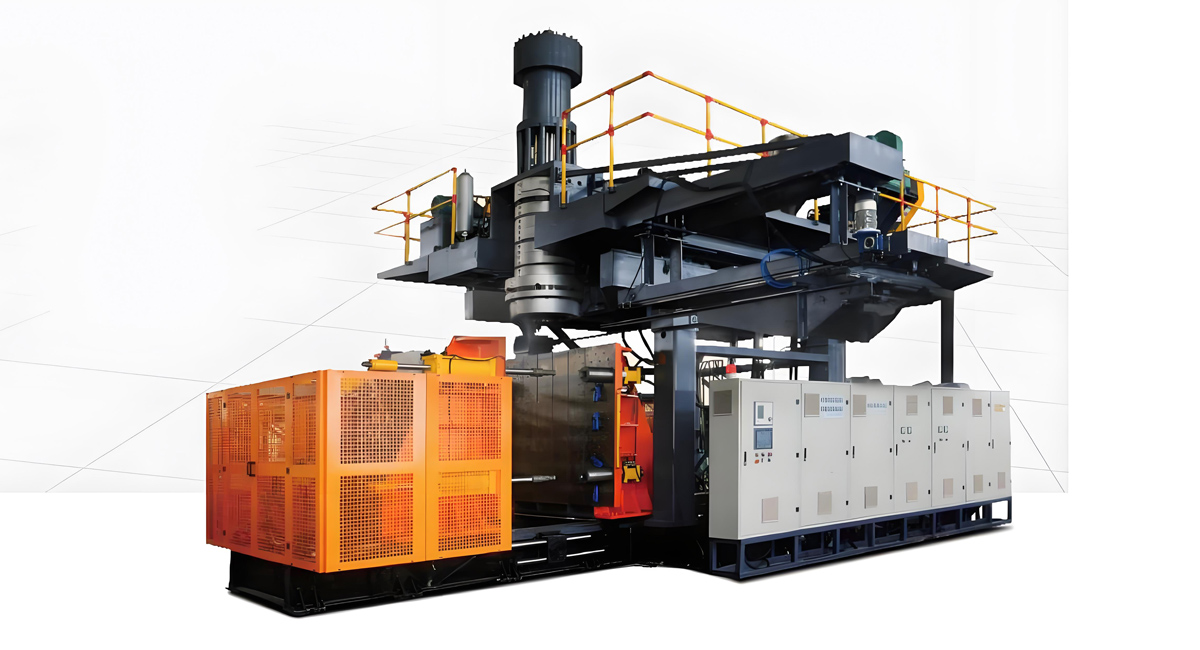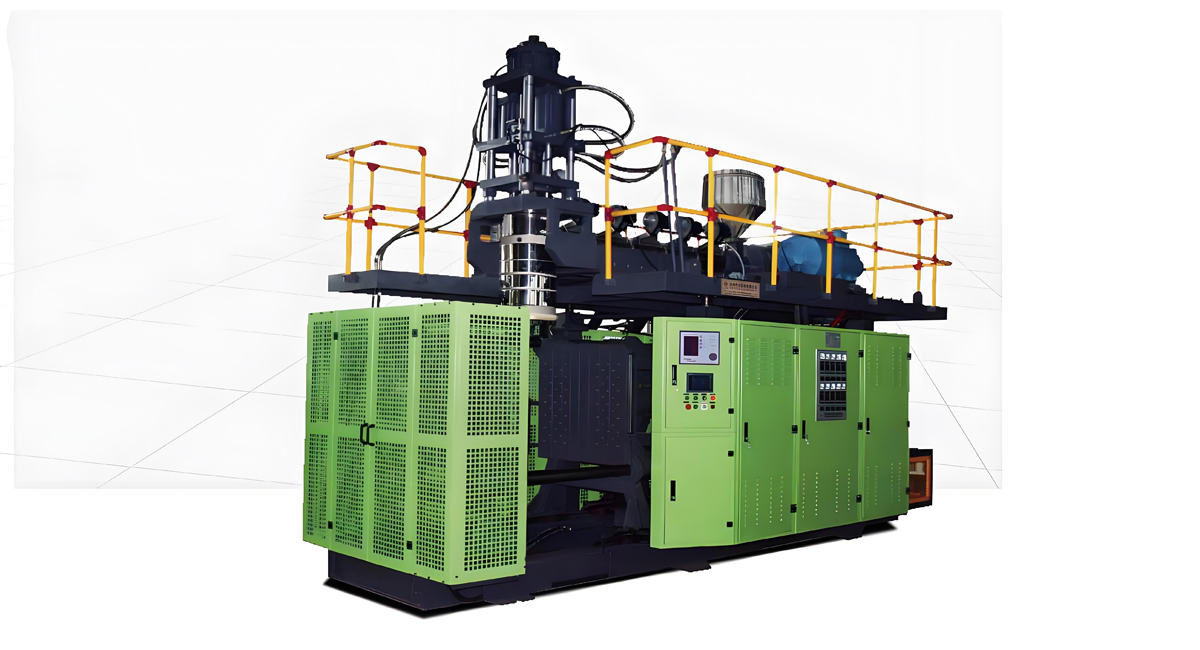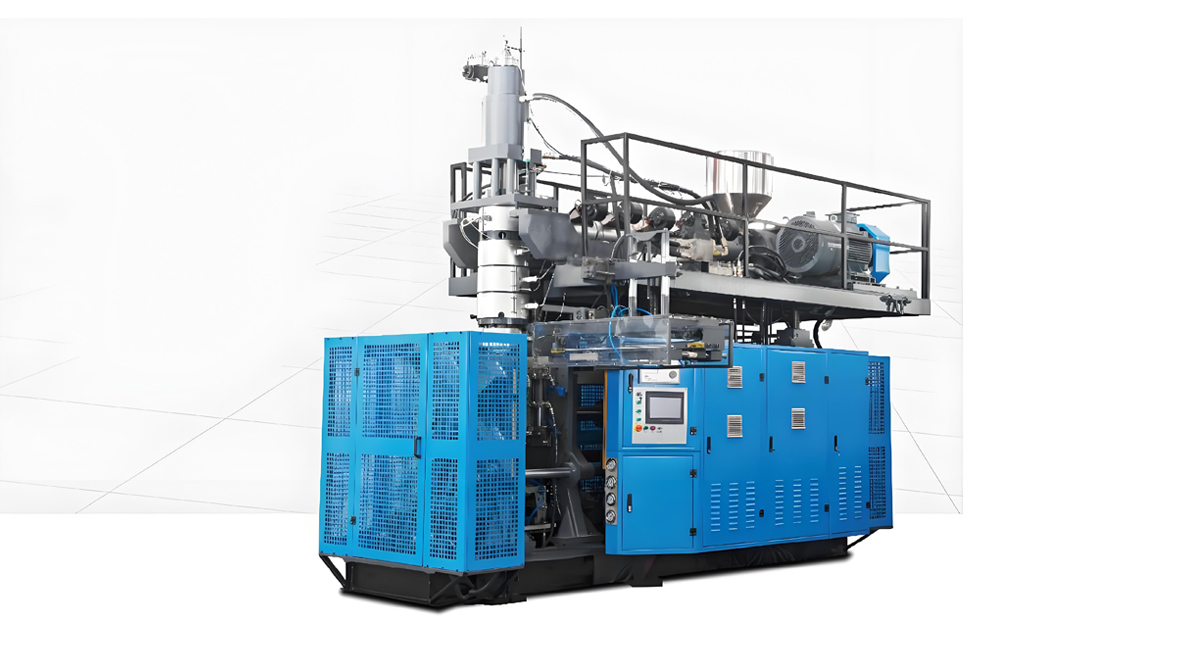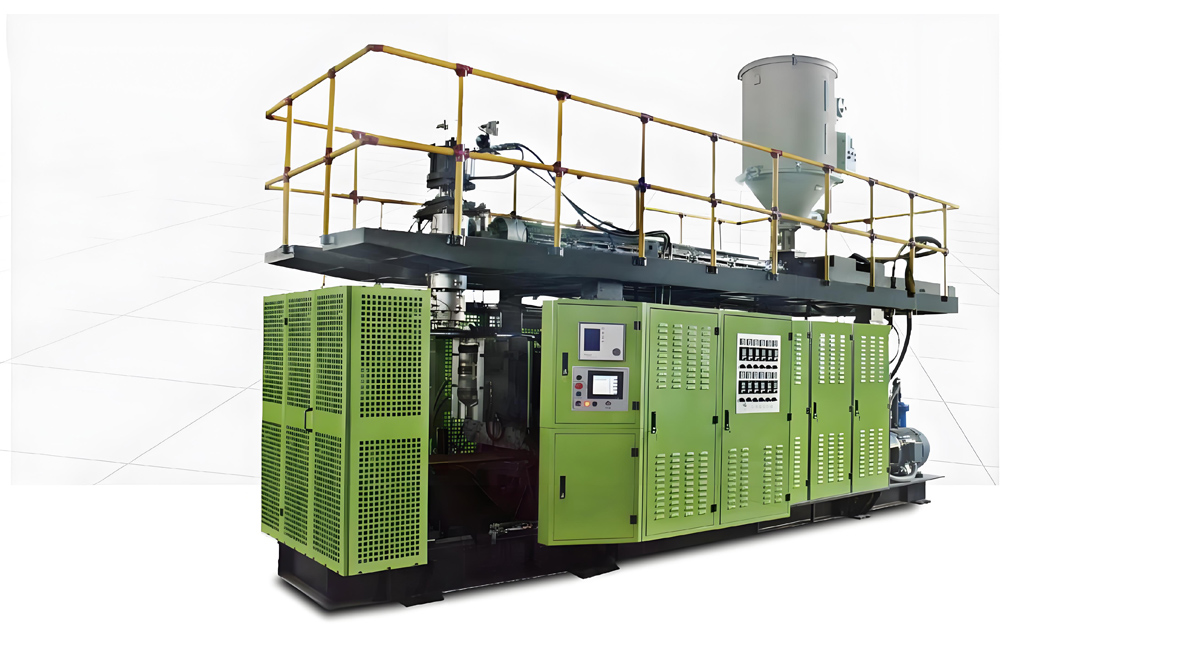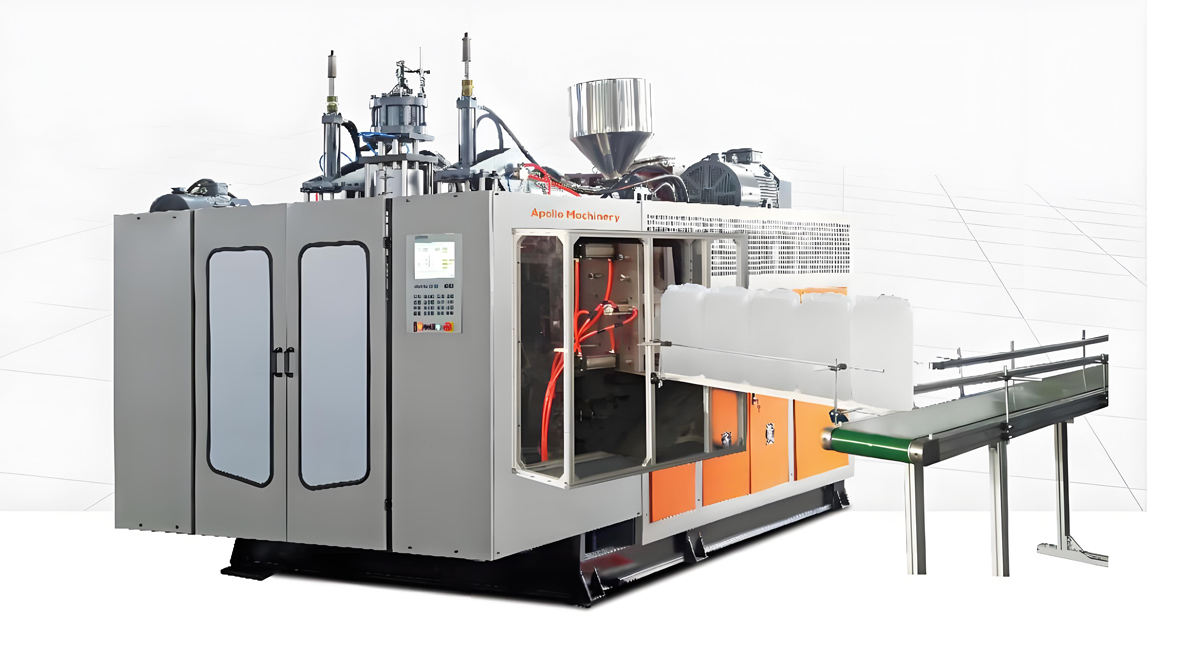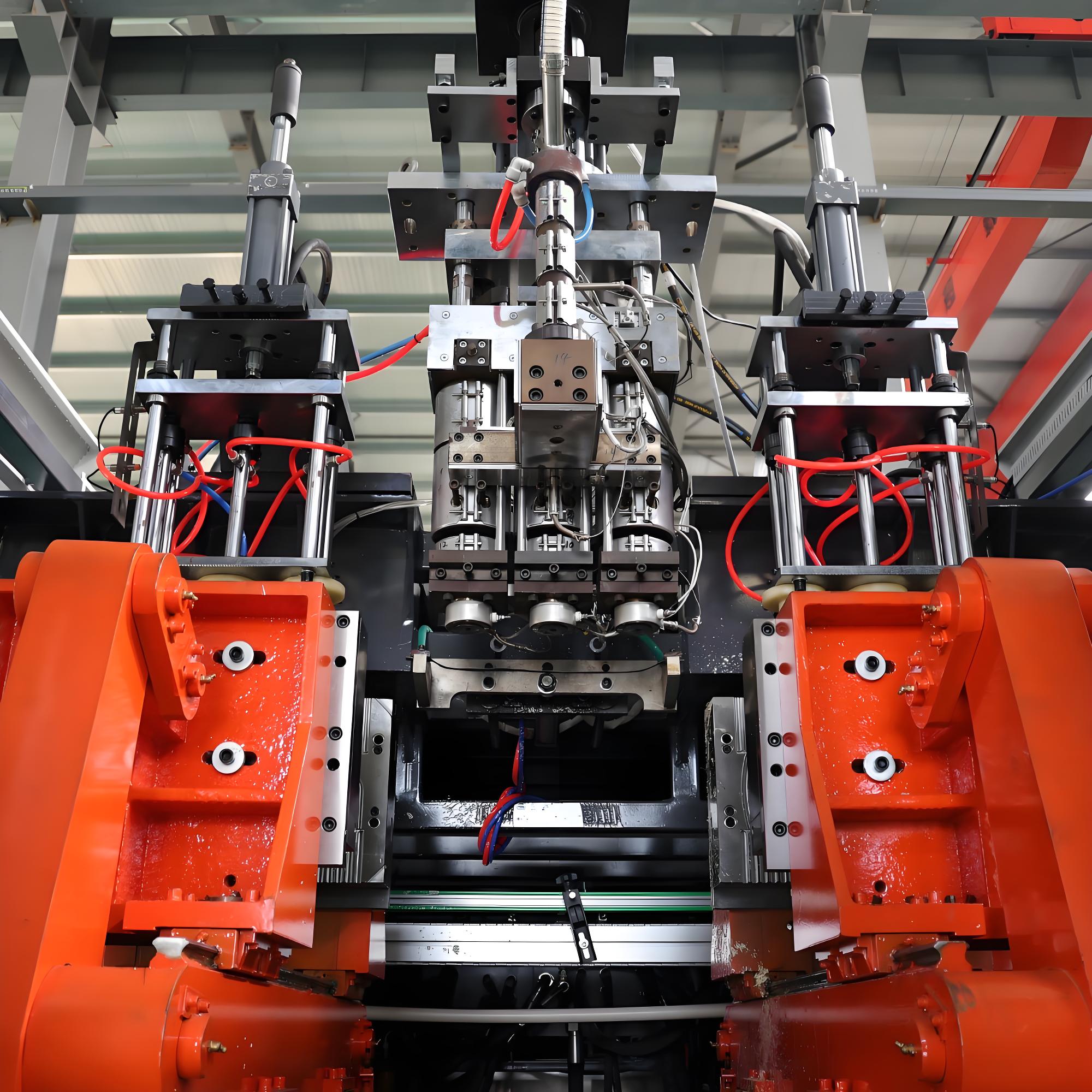

Polypropylene (PP) is a versatile and widely used thermoplastic material that has become the material of choice for food and cosmetic containers due to its excellent properties. PP extrusion blow molding (EBM) machines play a crucial role in producing high-quality PP containers that meet the strict requirements of the food and cosmetic industries. This article explores the benefits of PP for food and cosmetic packaging, the features of Apollo’s PP EBM machines, and how they help manufacturers meet the highest standards of hygiene and quality.
Why PP is Ideal for Food & Cosmetic Containers
PP is a thermoplastic polymer that offers several unique properties that make it ideal for food and cosmetic containers. Let’s take a look at some of these properties:
Food Safety
PP is widely recognized as a food-safe material, approved by regulatory bodies such as the US Food and Drug Administration (FDA) and the European Union’s 10/2011 regulations. It is non-toxic, odorless, and does not leach harmful chemicals into food or cosmetics, ensuring that the products remain safe for consumption or use.
Chemical Resistance
PP has excellent resistance to a wide range of chemicals, including acids, bases, and solvents. This makes it suitable for packaging a variety of food products, such as sauces, dressings, and oils, as well as cosmetic products, such as creams, lotions, and perfumes.
Flexibility and Durability
PP is a flexible and durable material that can withstand repeated use and handling without breaking or cracking. This makes it ideal for containers that need to be transported or stored, as well as for products that require squeezable packaging, such as ketchup or toothpaste.
Transparency and Clarity
PP can be produced in various grades, including transparent and opaque varieties. Transparent PP is ideal for food and cosmetic containers that require clear visibility of the product, such as bottles for oils or jars for creams. Opaque PP is suitable for products that need protection from light, such as sensitive cosmetic formulations.
Recyclability
PP is a highly recyclable material that can be melted and reprocessed into new products. This makes it an environmentally friendly choice for food and cosmetic packaging, as it helps reduce waste and conserve resources.
Apollo’s PP EBM Machines: Tailored for Hygienic Production
Apollo Machinery offers a range of PP extrusion blow molding machines that are specifically designed for producing high-quality food and cosmetic containers. These machines are tailored to meet the strict hygiene and quality requirements of the food and cosmetic industries. Let’s take a closer look at Apollo’s PP EBM machines:
ABLB Series (200ml-20L)
Apollo’s ABLB series is a versatile line of extrusion blow molding machines that can produce PP containers ranging from 200ml to 20L. This series features a compact design, making it ideal for small to medium-scale manufacturers. The ABLB series is equipped with advanced features such as precise temperature control, automatic parison programming, and quick mold change systems, ensuring high production efficiency and consistent product quality.
Fully Electric Series (200ml-20L)
Apollo’s Fully Electric series is a high-performance line of extrusion blow molding machines that are completely powered by electricity. These machines offer several advantages over hydraulic machines, including higher precision, lower energy consumption, and quieter operation. The Fully Electric series is ideal for producing PP containers for the food and cosmetic industries, as it provides precise control over the production process, ensuring consistent quality and hygiene.
Custom PP EBM Machines
Apollo also offers custom PP EBM machines that are designed to meet the specific requirements of food and cosmetic manufacturers. These machines can be customized to produce containers of various shapes, sizes, and configurations, and can be equipped with optional features such as multi-layer co-extrusion technology, integrated printing systems, and clean-in-place (CIP) systems.
Key Features of Apollo PP EBM Machines
Apollo’s PP extrusion blow molding machines are equipped with several key features that make them ideal for producing food and cosmetic containers:
Precise Temperature Control
Apollo’s PP EBM machines feature precise temperature control systems that ensure the plastic is heated to the correct temperature for optimal processing. The company uses advanced sensors and controllers to monitor and adjust the temperature in real time, ensuring consistent quality throughout the production process.
Food-Grade Components
Apollo’s PP EBM machines are built with food-grade components that are designed to meet the strict hygiene requirements of the food and cosmetic industries. These components include stainless steel contact surfaces, food-grade seals, and lubricants, ensuring that the containers are free from contamination.
Easy Cleaning and Maintenance
Apollo’s PP EBM machines are designed for easy cleaning and maintenance, which is essential for maintaining hygiene standards in the food and cosmetic industries. The machines feature removable parts and accessible components that can be easily cleaned and sanitized, reducing the risk of cross-contamination.
High Production Efficiency
Apollo’s PP EBM machines are designed for high production efficiency, with fast cycle times and high output rates. The company uses advanced technologies such as variable frequency drives (VFDs) and servo motors to ensure that the machines operate at peak performance, reducing production costs and increasing profitability.
Integrated Quality Control Systems
Apollo’s PP EBM machines are equipped with integrated quality control systems that detect defects in real time. These systems use sensors and cameras to monitor the production process, ensuring that only high-quality containers are shipped to customers.
Manufacturing Process with Apollo PP EBM
The manufacturing process for PP food and cosmetic containers using Apollo’s EBM machines involves several key steps, each of which is critical for ensuring product quality and hygiene:
Step 1: Preparation of PP Resin
The first step in the manufacturing process is to prepare the PP resin. PP resin pellets are loaded into the machine’s hopper, which feeds the extruder. The pellets are typically dried before processing to remove any moisture, which can affect the quality of the final product.
Apollo provides guidance on PP resin selection and preparation, helping customers choose the right PP grade for their specific application. The company also offers material testing services to ensure that the resin meets the required quality standards.
Step 2: Extrusion of Molten PP
Once the resin is prepared, the extruder heats and melts the PP pellets to their melting point. The rotating screw inside the extruder pushes the molten PP forward through the barrel, where it is further mixed and homogenized. The molten PP is then forced through the die head, which shapes the plastic into a continuous tube known as a parison.
Apollo’s extruders are designed for processing PP with ease, ensuring smooth extrusion and consistent parison quality. The company uses high-torque motors and precise temperature control systems to ensure that the PP is heated to the correct temperature for optimal processing.
Step 3: Parison Formation
The die head shapes the molten PP into a parison, which is a tube of molten plastic that will be inflated into the container shape. Apollo’s die heads are designed to minimize material waste and ensure uniform wall thickness throughout the parison, which is essential for maintaining the structural integrity of the container.
The parison thickness can be adjusted using the machine’s automatic parison programming system, allowing operators to control the thickness of the container walls. This is important for ensuring that the container can withstand the pressure of the product, as well as for optimizing material usage.
Step 4: Mold Closing
Once the parison reaches the correct length, the mold closes around it. The clamping unit applies sufficient force to hold the mold closed tightly, ensuring that the parison is sealed properly to prevent air from escaping during inflation.
Apollo’s clamping units are designed with high-precision mold alignment systems that ensure the mold halves fit together perfectly. This helps reduce the risk of parison defects and improves product quality.
Step 5: Blowing the Parison
After the mold has closed, the blow pin injects compressed air into the parison, causing it to expand and conform to the shape of the mold. The air pressure is carefully controlled to ensure that the parison expands evenly, avoiding wrinkles or thin spots.
Apollo’s blow pins are designed to deliver air at a consistent pressure, ensuring uniform inflation of the parison. The company also offers automatic blow pin positioning systems that help improve production efficiency and reduce setup time.
Step 6: Cooling the Container
Once the parison has been inflated, the cooling system activates to solidify the PP container. Water or air is circulated around the mold, reducing the temperature of the plastic and allowing it to retain its shape after ejection.
Apollo’s cooling systems are designed to provide efficient and uniform cooling, reducing cycle time and improving product quality. The company uses advanced temperature control systems to ensure that the mold temperature remains consistent throughout the production process.
Step 7: Ejecting the Container
After the container has cooled sufficiently, the mold opens, and the ejection system removes the finished product from the mold. The container is then conveyed to a packaging station or stored for further processing.
Apollo’s ejection systems are designed to minimize damage to the container during ejection, ensuring that the product remains intact and free from defects.
Meeting Regulatory Standards for Food & Cosmetic Packaging
Food and cosmetic packaging are subject to strict regulatory standards to ensure product safety and quality. Apollo’s PP EBM machines are designed to help manufacturers meet these standards, including:
FDA Compliance
The US Food and Drug Administration (FDA) regulates the production of food and cosmetic packaging materials to ensure that they are safe for use. Apollo’s PP EBM machines are designed to produce containers that meet FDA requirements for food contact materials, including compliance with 21 CFR 177.1520 for PP.
EU 10/2011 Compliance
The European Union’s 10/2011 regulation sets out the requirements for plastic materials and articles intended to come into contact with food. Apollo’s PP EBM machines are designed to produce containers that meet EU 10/2011 requirements, including compliance with specific migration limits for plastic additives.
ISO 22000 Compliance
ISO 22000 is an international standard that specifies the requirements for a food safety management system. Apollo’s manufacturing facilities are ISO 22000 certified, ensuring that all PP containers are produced in compliance with food safety standards.
HACCP Principles
Apollo follows Hazard Analysis and Critical Control Point (HACCP) principles in its manufacturing processes, ensuring that all potential hazards are identified and controlled. This helps reduce the risk of contamination and ensures that the containers are safe for use.
Customization Options for PP Containers
Apollo understands that every food and cosmetic manufacturer has unique requirements, which is why the company offers a range of customization options for its PP EBM machines:
Custom Mold Designs
Apollo works closely with customers to design custom molds that meet their specific container requirements. This includes designing containers of various shapes, sizes, and configurations, as well as incorporating features such as handles, labels, and embossed logos.
Multi-Layer Co-Extrusion Technology
Apollo offers multi-layer co-extrusion technology, which allows manufacturers to produce containers with multiple layers of different materials. This technology is ideal for food and cosmetic packaging that requires enhanced barrier properties, such as protection from oxygen, moisture, or light.
Integrated Printing Systems
Apollo’s PP EBM machines can be equipped with integrated printing systems that allow manufacturers to print labels, logos, or product information directly onto the containers. This helps reduce production time and costs, as well as improving the overall appearance of the packaging.
Clean-In-Place (CIP) Systems
Apollo’s PP EBM machines can be equipped with clean-in-place (CIP) systems that allow operators to clean the machine without disassembly. This helps maintain hygiene standards and reduce downtime, ensuring that the machine is always ready for production.
Case Studies: Successful PP Container Production with Apollo Machines
Many food and cosmetic manufacturers have chosen Apollo’s PP EBM machines for their production needs. Here are a few examples:
Case Study 1: Leading Food Manufacturer in the US
A leading food manufacturer in the US needed to upgrade its production line for PP bottles used for sauces and dressings. The company chose Apollo’s Fully Electric series PP EBM machines due to their high precision and energy efficiency. Apollo worked closely with the manufacturer to design custom molds for their bottle shapes and sizes, ensuring that the machines met their production requirements. The machines were installed and commissioned within 4 weeks, and the manufacturer was able to increase its production capacity by 40% while maintaining consistent quality.
Case Study 2: Cosmetic Manufacturer in Europe
A cosmetic manufacturer in Europe needed to produce PP jars for its high-end cream and lotion products. The company chose Apollo’s ABLB series PP EBM machines due to their compact design and easy operation. Apollo provided custom mold designs and integrated printing systems, allowing the manufacturer to produce jars with their brand logo and product information. The machines helped the manufacturer reduce production costs by 25% and improve the overall appearance of their packaging.
Case Study 3: Specialty Food Producer in Asia
A specialty food producer in Asia needed to produce PP containers for its organic food products. The company chose Apollo’s custom PP EBM machines, which were designed to meet the strict hygiene requirements of organic food production. Apollo provided a clean-in-place (CIP) system and food-grade components, ensuring that the containers were free from contamination. The machines helped the company achieve its organic certification and expand its market reach.
Maintenance Tips for PP EBM Machines
Proper maintenance is essential for ensuring the long-term performance and reliability of PP extrusion blow molding machines. Here are some maintenance tips for Apollo’s PP EBM machines:
Daily Maintenance
Perform daily maintenance tasks such as cleaning the machine’s surfaces, checking for leaks, and inspecting the parison die head for any damage. Ensure that the machine’s filters are clean and that the cooling system is functioning properly.
Weekly Maintenance
Perform weekly maintenance tasks such as lubricating the machine’s moving parts, checking the alignment of the mold and blow pin, and inspecting the extruder screw for any wear or damage. Ensure that the machine’s safety guards are in place and that all emergency stop buttons are functioning properly.
Monthly Maintenance
Perform monthly maintenance tasks such as cleaning the machine’s hopper and feeding system, checking the calibration of the temperature control system, and inspecting the hydraulic system for any leaks or damage. Ensure that the machine’s electrical components are in good condition and that all connections are secure.
Annual Maintenance
Perform annual maintenance tasks such as replacing worn-out components, inspecting the machine’s structural integrity, and performing a comprehensive performance test. This helps identify any potential issues before they become major problems, ensuring that the machine operates at peak performance.
Following Apollo’s Maintenance Schedule
Apollo provides a comprehensive maintenance schedule for its PP EBM machines, which includes detailed instructions for each maintenance task. It is important to follow this schedule to ensure that the machine remains in good condition and operates at peak efficiency.
Conclusion
PP extrusion blow molding machines are essential for producing high-quality food and cosmetic containers that meet the strict hygiene and quality requirements of these industries. Apollo Machinery offers a range of PP EBM machines that are specifically designed for food and cosmetic production, featuring advanced technologies and customization options to meet the unique needs of each manufacturer.
Apollo’s PP EBM machines are known for their precision, efficiency, and reliability, as well as their compliance with international regulatory standards. The company’s commitment to quality and customer service has made it a leading supplier of PP extrusion blow molding machines in China and around the world.
Whether you’re a small-scale manufacturer or a large industrial facility, Apollo’s PP EBM machines can help you produce high-quality food and cosmetic containers efficiently and consistently. With a wide range of models and customization options, Apollo offers solutions for applications ranging from small bottles to large jars.
For more information on Apollo’s PP extrusion blow molding machines or to request a custom quote, visit the company’s website at www.apollo-china.com. The company’s sales team is available to answer any questions and provide assistance with your PP EBM machine needs.