
Introduction
The global plastic industry is undergoing a significant transformation as manufacturers increasingly prioritize sustainability and environmental responsibility. One of the key areas of focus is reducing energy consumption in plastic production processes, which not only helps to lower operating costs but also reduces the carbon footprint of the industry.
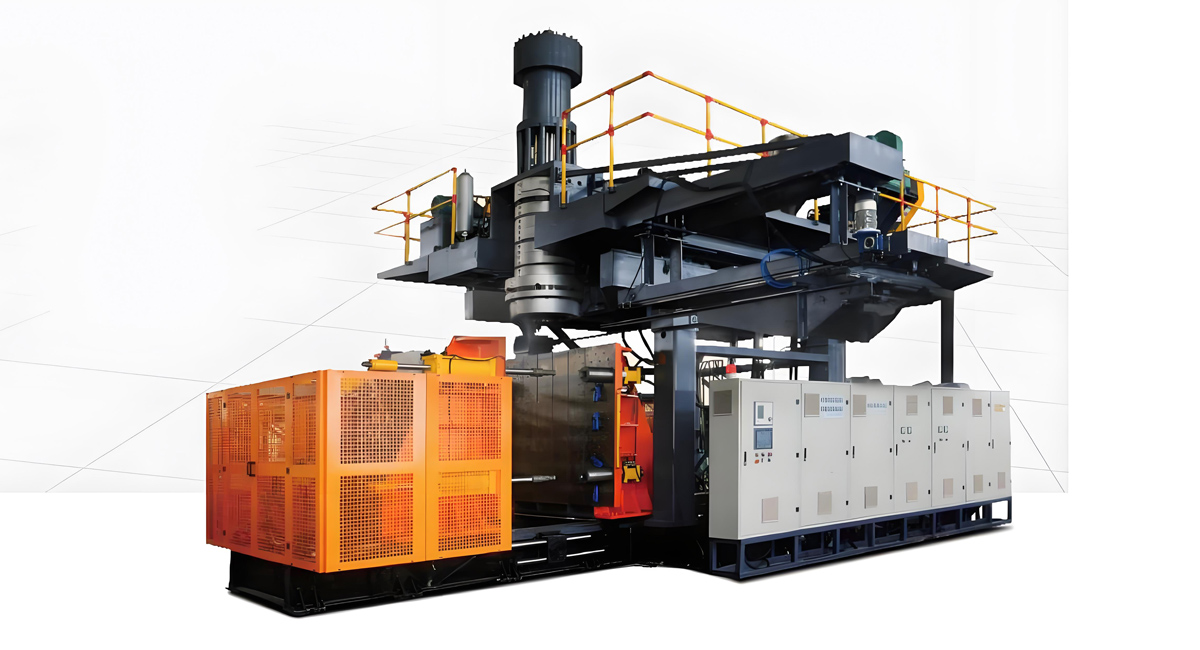
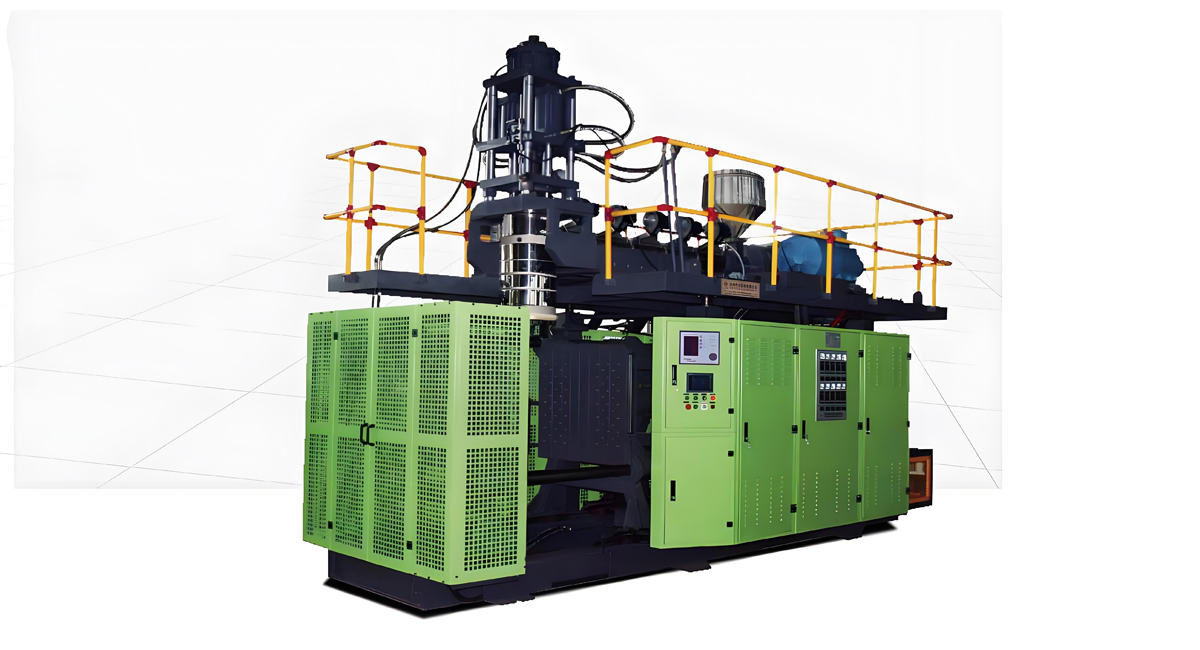
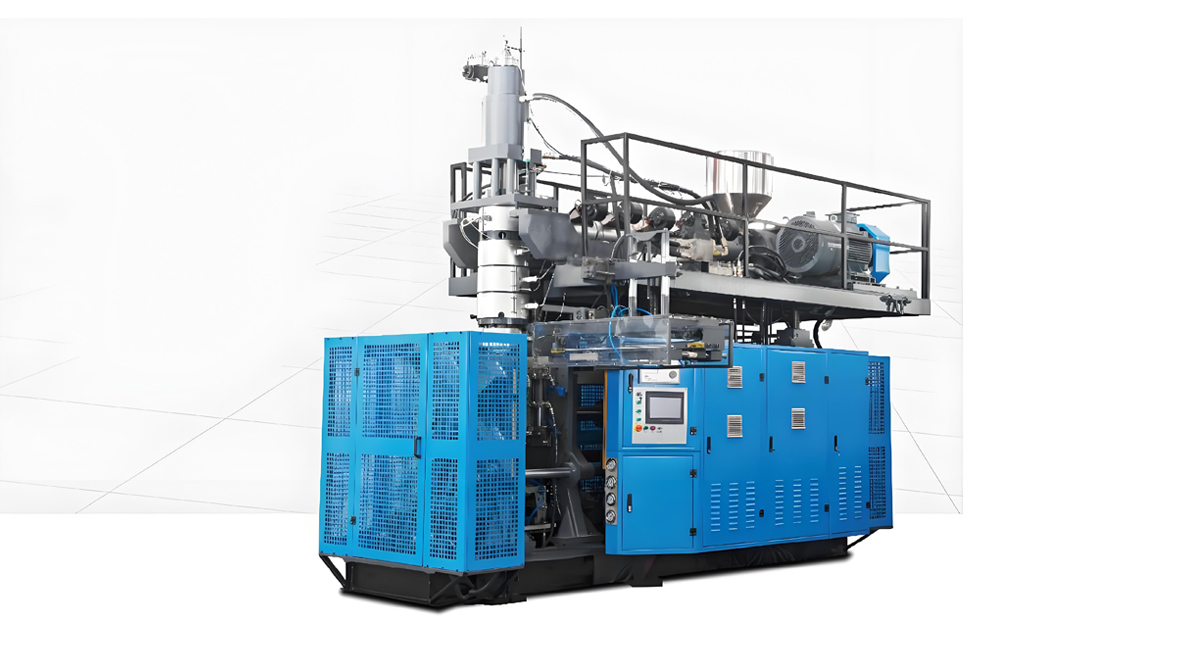
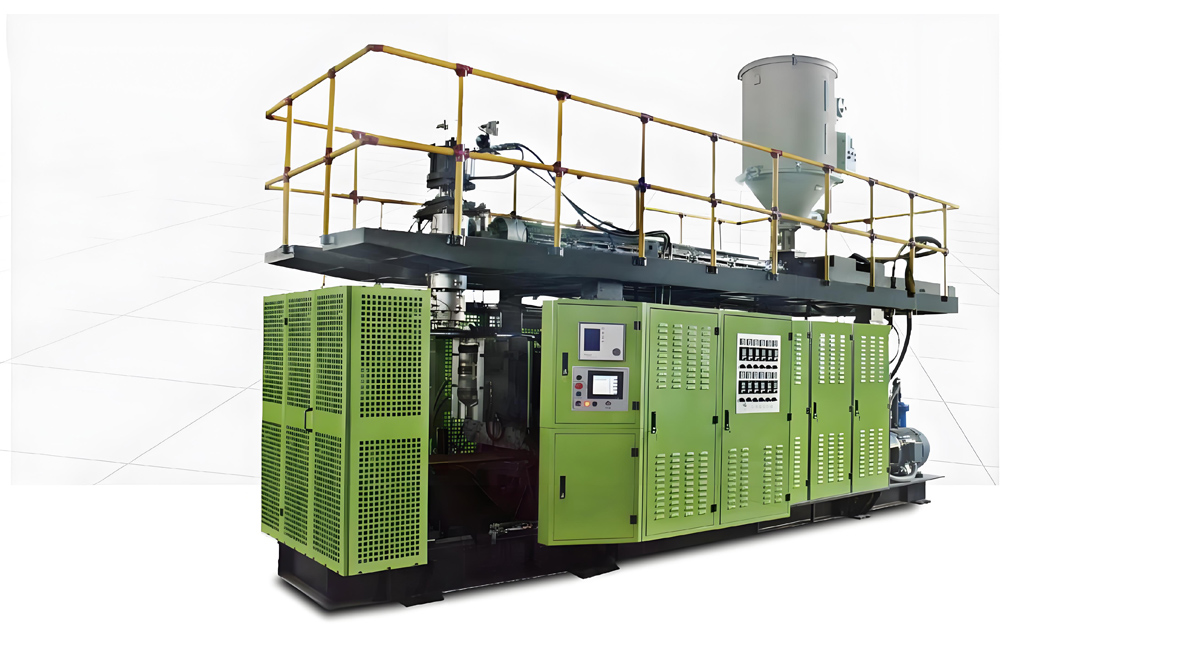
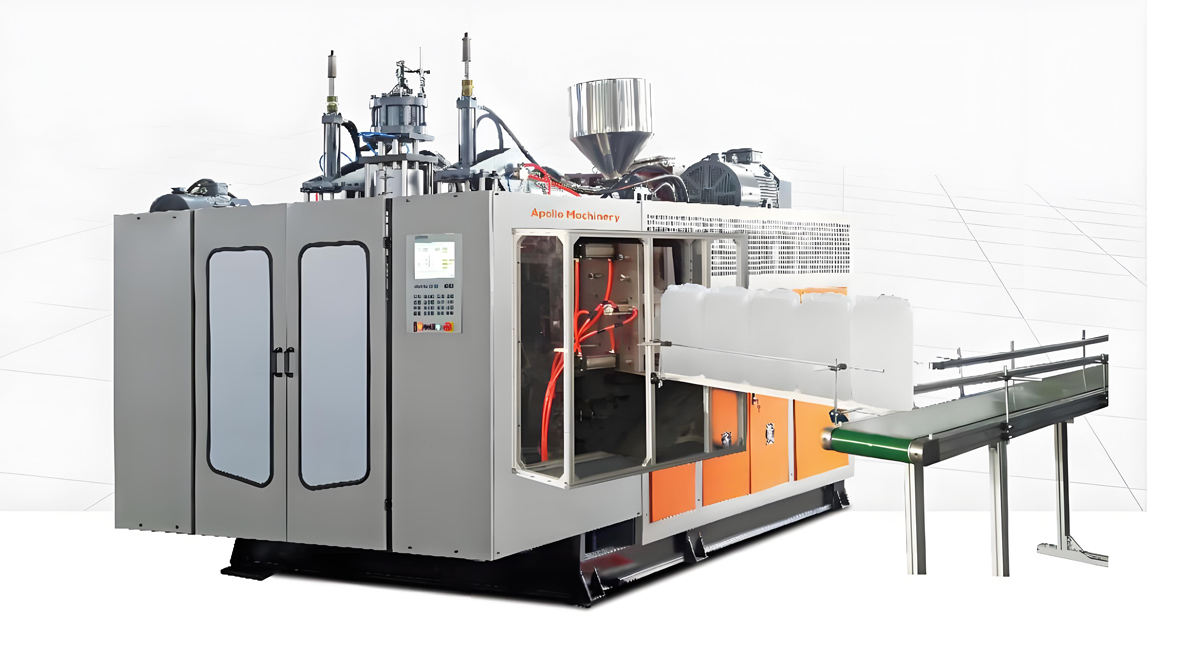
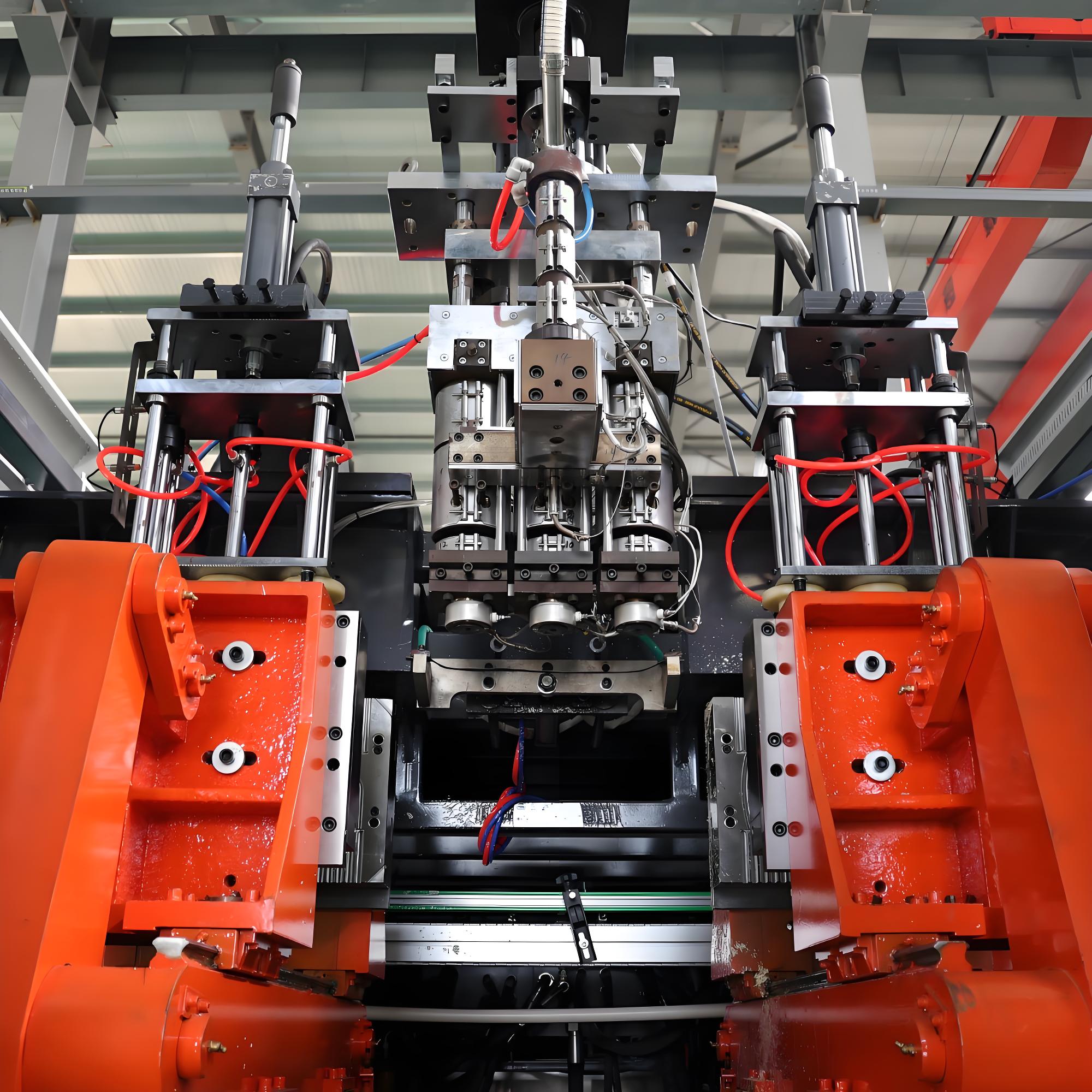
Extrusion blow molding (EBM) is a widely used manufacturing process for producing hollow plastic products such as bottles, containers, and automotive parts. While this process offers several advantages, including design flexibility and material versatility, it can also be energy-intensive. However, recent technological advancements have led to the development of low energy consumption EBM machines that offer a more eco-friendly approach to plastic production.
In this article, we will explore the benefits of low energy consumption EBM machines, examine the key technologies used to achieve energy efficiency, and discuss how Apollo’s low energy consumption EBM machines are helping manufacturers to transition towards more sustainable plastic production practices.
1. Energy Efficiency Challenges in Plastic Manufacturing
The plastic manufacturing industry is one of the largest energy consumers in the manufacturing sector, accounting for approximately 4% of global energy consumption. This is due in part to the high energy requirements of plastic production processes, which typically involve heating plastic resin to high temperatures and using large amounts of energy to operate machinery.
Extrusion blow molding is no exception. Traditional EBM machines can consume significant amounts of energy during the production process, particularly during the heating and cooling phases. This not only increases operating costs for manufacturers but also contributes to greenhouse gas emissions and climate change.
Furthermore, the use of non-renewable energy sources in plastic production has a negative impact on the environment. According to the International Energy Agency (IEA), the plastic industry accounted for approximately 1.8 billion tonnes of CO2 emissions in 2020, which is equivalent to the emissions of 390 million passenger vehicles.
2. Benefits of Low Energy Consumption EBM Machines
Low energy consumption EBM machines offer several benefits for manufacturers looking to reduce their environmental impact and improve their sustainability credentials. These benefits include:
2.1 Reduced Operating Costs
One of the most significant benefits of low energy consumption EBM machines is the potential for reduced operating costs. By consuming less energy during the production process, manufacturers can lower their energy bills and improve their bottom line.
For example, if a manufacturer produces 1 million plastic bottles per year using a traditional EBM machine with an energy consumption rate of 1.5 kWh per bottle, their annual energy costs would be approximately $150,000 (assuming an energy cost of $0.10 per kWh). If they switch to a low energy consumption EBM machine with an energy consumption rate of 0.8 kWh per bottle, their annual energy costs would decrease to approximately $80,000, resulting in a cost savings of $70,000 per year.
2.2 Reduced Environmental Impact
Low energy consumption EBM machines also offer significant environmental benefits by reducing greenhouse gas emissions and the carbon footprint of plastic production. By consuming less energy, these machines help to reduce the amount of fossil fuels used in plastic manufacturing, which helps to mitigate climate change and improve air quality.
Furthermore, many low energy consumption EBM machines are designed to use renewable energy sources such as solar and wind power, which further reduces their environmental impact.
2.3 Improved Product Quality
Low energy consumption EBM machines often incorporate advanced technologies such as closed-loop energy systems and variable frequency drives, which can improve the quality and consistency of plastic products. These technologies help to ensure that plastic resin is heated and cooled evenly throughout the production process, resulting in products with uniform wall thickness and consistent dimensions.
2.4 Compliance with Environmental Regulations
As governments around the world continue to tighten environmental regulations, manufacturers are increasingly under pressure to reduce their energy consumption and greenhouse gas emissions. Low energy consumption EBM machines can help manufacturers to comply with these regulations and avoid costly fines and penalties.
3. Key Technologies for Energy-Efficient EBM Machines
Several key technologies are used to achieve energy efficiency in low energy consumption EBM machines. These technologies include:
3.1 Closed-Loop Energy Systems
Closed-loop energy systems are used to recover and reuse energy that would otherwise be wasted during the production process. These systems capture heat generated during the heating and cooling phases of the extrusion blow molding process and reuse it to pre-heat plastic resin or to provide heating for other parts of the production facility.
Closed-loop energy systems can reduce energy consumption in EBM machines by up to 30% or more, depending on the specific system design and application.
3.2 Variable Frequency Drives (VFDs)
Variable frequency drives (VFDs) are used to control the speed and power of motors in EBM machines. By adjusting the speed of motors based on the specific requirements of the production process, VFDs can help to reduce energy consumption and improve overall energy efficiency.
VFDs are particularly effective in applications where production demand varies throughout the day or week, as they allow machines to operate at lower speeds during periods of low demand, reducing energy waste.
3.3 Advanced Heating and Cooling Technologies
Advanced heating and cooling technologies such as induction heating and high-efficiency chillers can help to reduce energy consumption in EBM machines by improving the efficiency of the heating and cooling processes.
Induction heating uses electromagnetic fields to heat plastic resin directly, eliminating the need for traditional heating elements and reducing energy consumption. High-efficiency chillers use advanced compressor technology to remove heat from the production process more efficiently, reducing energy consumption and improving overall energy efficiency.
3.4 Intelligent Control Systems
Intelligent control systems are used to optimize the operation of EBM machines based on real-time data and feedback. These systems can adjust machine parameters such as temperature, pressure, and speed to ensure that the machine operates at the highest possible energy efficiency while maintaining product quality and consistency.
Intelligent control systems can also incorporate predictive maintenance capabilities, which use machine learning algorithms to detect potential equipment failures before they occur, reducing downtime and improving overall equipment effectiveness.
4. Apollo Low Energy Consumption EBM Machines
Apollo is a leading manufacturer of low energy consumption EBM machines that are designed to help manufacturers achieve their sustainability goals while maintaining high levels of productivity and product quality. These machines incorporate several key technologies to achieve energy efficiency, including closed-loop energy systems, variable frequency drives, and intelligent control systems.
4.1 Apollo ABLB Series
The Apollo ABLB series is a range of low energy consumption EBM machines that are designed for producing small to medium-sized plastic products such as bottles, containers, and automotive parts. These machines feature a compact design and a high level of automation, making them ideal for small to medium-sized production facilities.
The ABLB series machines incorporate several advanced technologies to achieve energy efficiency, including a closed-loop energy system that recovers heat generated during the production process and reuses it to pre-heat plastic resin. They also feature variable frequency drives that control the speed of motors to reduce energy consumption and improve overall energy efficiency.
4.2 Apollo ABLD Series
The Apollo ABLD series is a range of low energy consumption EBM machines that are designed for producing large-sized plastic products such as industrial containers, drums, and automotive fuel tanks. These machines feature a robust design and a high level of automation, making them ideal for large-scale production facilities.
The ABLD series machines incorporate several advanced technologies to achieve energy efficiency, including a closed-loop energy system that recovers heat generated during the production process and reuses it to pre-heat plastic resin. They also feature advanced heating and cooling technologies such as induction heating and high-efficiency chillers, which help to reduce energy consumption and improve overall energy efficiency.
4.3 Apollo Fully Electric Series
The Apollo Fully Electric series is a range of low energy consumption EBM machines that are designed for producing high-precision plastic products such as medical devices, cosmetics packaging, and electronic components. These machines feature a fully electric design and a high level of automation, making them ideal for high-precision production applications.
The Fully Electric series machines incorporate several advanced technologies to achieve energy efficiency, including a closed-loop energy system that recovers heat generated during the production process and reuses it to pre-heat plastic resin. They also feature intelligent control systems that optimize machine parameters to ensure that the machine operates at the highest possible energy efficiency while maintaining product quality and consistency.
5. Case Studies: Eco-Friendly Plastic Production with Apollo EBM Machines
Several manufacturers have already adopted Apollo’s low energy consumption EBM machines as part of their efforts to transition towards more sustainable plastic production practices. Here are a few examples:
5.1 High-Volume Detergent Bottle Production
A large detergent manufacturer in Asia was looking to reduce its energy consumption and improve its sustainability credentials. The company decided to invest in a new production line using Apollo’s ABLB series low energy consumption EBM machines.
The new production line has helped the manufacturer to reduce its energy consumption by approximately 35% compared to its traditional production line. This has resulted in annual energy savings of approximately $2.8 million and a reduction in greenhouse gas emissions of approximately 20,000 tonnes of CO2 per year.
In addition, the new production line has improved product quality and consistency, reducing the number of defective products by approximately 15% and improving customer satisfaction.
5.2 Automotive Component Production with Recycled Materials
A leading automotive component manufacturer in Europe was looking to reduce its environmental impact by using more recycled materials in its production processes. The company decided to invest in Apollo’s ABLD series low energy consumption EBM machines, which are designed to process recycled plastic resin efficiently.
The new production line has helped the manufacturer to increase the use of recycled materials in its production processes from 20% to 80%, reducing the amount of virgin plastic resin used by approximately 60%. This has resulted in a significant reduction in greenhouse gas emissions and has helped the manufacturer to achieve its sustainability goals.
In addition, the new production line has improved the quality and consistency of the automotive components produced, reducing the number of defective products by approximately 10% and improving overall product performance.
6. Future Trends in Eco-Friendly Plastic Production
The future of eco-friendly plastic production is likely to be characterized by continued technological advancements and increased adoption of sustainable practices. Some of the key trends that are expected to shape the future of the industry include:
6.1 Increased Use of Renewable Energy Sources
As the cost of renewable energy sources such as solar and wind power continues to decrease, manufacturers are likely to increasingly adopt these energy sources in their production processes. This will help to reduce the carbon footprint of plastic production and improve the sustainability credentials of the industry.
6.2 Development of New Sustainable Materials
Researchers and material scientists are currently working on developing new sustainable materials that can replace traditional plastic resins. These materials include biodegradable plastics, plant-based plastics, and recycled plastics that have improved properties and performance compared to traditional materials.
The development of new sustainable materials will help to reduce the environmental impact of plastic production and create new opportunities for manufacturers to produce eco-friendly plastic products.
6.3 Increased Adoption of Circular Economy Principles
Circular economy principles involve designing products and production processes that minimize waste and maximize resource efficiency. This includes using recycled materials in production processes, designing products that are easy to recycle, and implementing take-back programs to collect and recycle used products.
Increased adoption of circular economy principles will help to reduce the environmental impact of plastic production and create a more sustainable and resilient plastic industry.
6.4 Integration of Industry 4.0 Technologies
Industry 4.0 technologies such as the Internet of Things (IoT), artificial intelligence (AI), and machine learning are expected to play an increasingly important role in eco-friendly plastic production. These technologies can be used to optimize production processes, reduce energy consumption, and improve product quality and consistency.
For example, IoT sensors can be used to monitor energy consumption in real-time and provide feedback to manufacturers on how to improve energy efficiency. AI and machine learning algorithms can be used to analyze production data and identify opportunities for optimization and improvement.
Conclusion
Low energy consumption EBM machines offer a more eco-friendly approach to plastic production, helping manufacturers to reduce their energy consumption, lower their operating costs, and improve their sustainability credentials. These machines incorporate several key technologies to achieve energy efficiency, including closed-loop energy systems, variable frequency drives, and intelligent control systems.
Apollo is a leading manufacturer of low energy consumption EBM machines that are designed to help manufacturers transition towards more sustainable plastic production practices. These machines offer several advantages, including reduced operating costs, reduced environmental impact, improved product quality, and compliance with environmental regulations.
As the global plastic industry continues to prioritize sustainability, the adoption of low energy consumption EBM machines is expected to increase in the coming years. Manufacturers that invest in these machines will not only improve their environmental impact but also gain a competitive advantage in the marketplace.
If you are looking to reduce your energy consumption and improve your sustainability credentials, consider investing in Apollo’s low energy consumption EBM machines. These machines offer a proven solution for eco-friendly plastic production and can help your business to achieve its sustainability goals.