
Understanding the Fundamental Differences
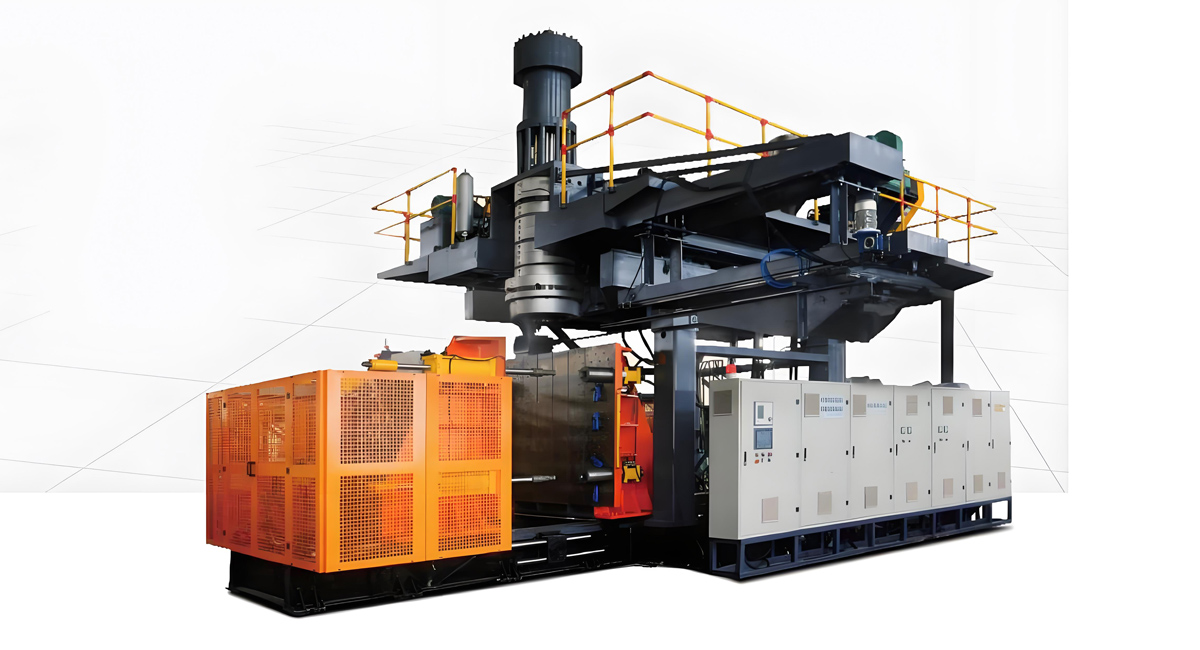
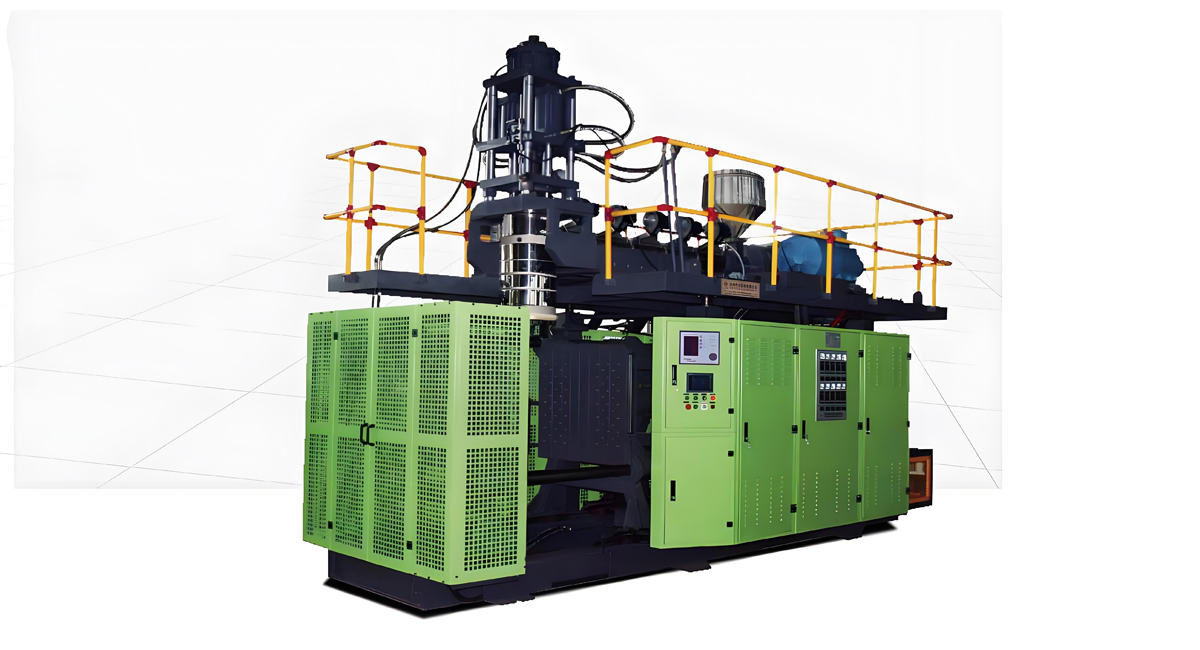
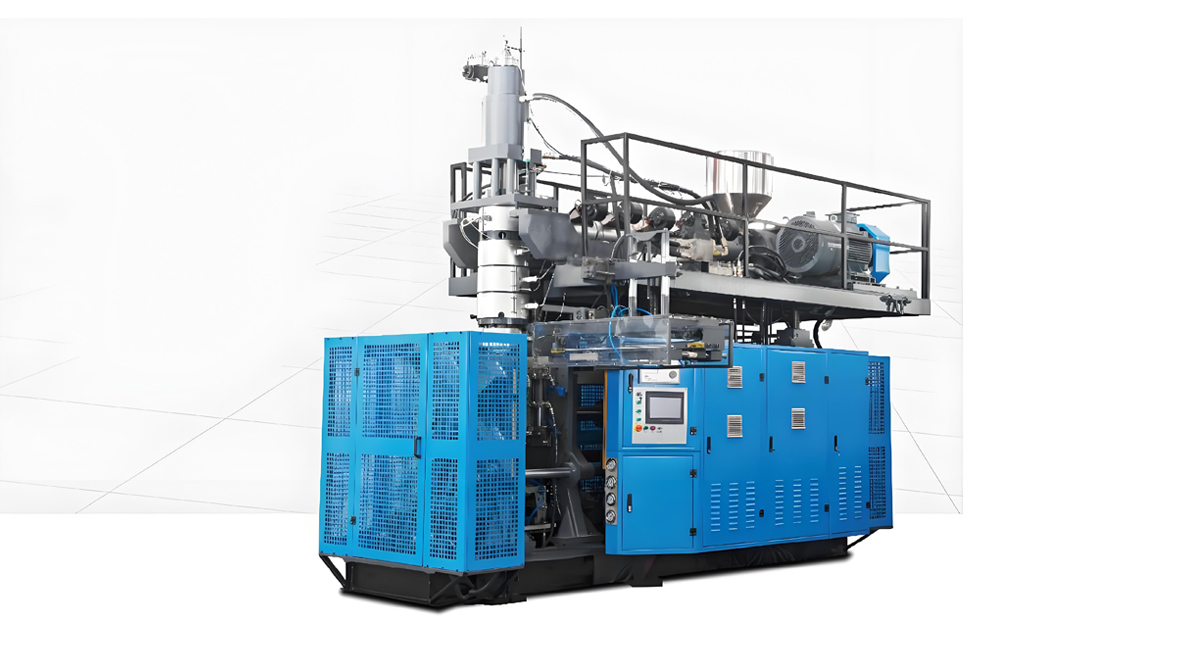
When investing in extrusion blow molding equipment, one of the most critical decisions manufacturers face is choosing between co-extrusion and single layer blow molding machines. This choice significantly impacts production capabilities, product quality, material costs, and overall investment requirements for your extrusion blow molding machine. Both technologies have distinct advantages and are suited for different applications, making a thorough understanding of their differences essential for making informed investment decisions in your extrusion blow molding machine.
Single layer blow molding machines, as offered by Apollo in their ABLB series (200ML-20L) and ABLD series (20L-1500L), produce containers from a single material type. In contrast, co-extrusion extrusion blow molding machines can simultaneously process multiple layers of different materials, creating products with enhanced barrier properties, improved aesthetics, and specialized functional characteristics. The decision between these extrusion blow molding machine technologies should be based on careful consideration of product requirements, market demands, cost structures, and long-term business objectives.
Technical Comparison and Operational Differences
Single Layer Blow Molding Technology
Single layer extrusion blow molding represents most common and straightforward approach to container production. The process involves melting a single thermoplastic resin, extruding it through a die to form a parison, and then blowing it into final container shape using compressed air. This extrusion blow molding machine technology excels in applications where a single material provides adequate properties for the intended use case.
Single layer extrusion blow molding machines typically offer lower equipment costs, simpler operation, easier maintenance, and faster changeover times between different products. Apollo’s single layer machines support a wide range of materials including PE, PP, PVC, PA, PC, ABS, PS, EVA, TPU, and PETG, providing versatility for various applications. The simplicity of single layer extrusion blow molding machine technology makes it ideal for products where cost considerations outweigh the need for specialized properties.
Co-Extrusion Blow Molding Technology
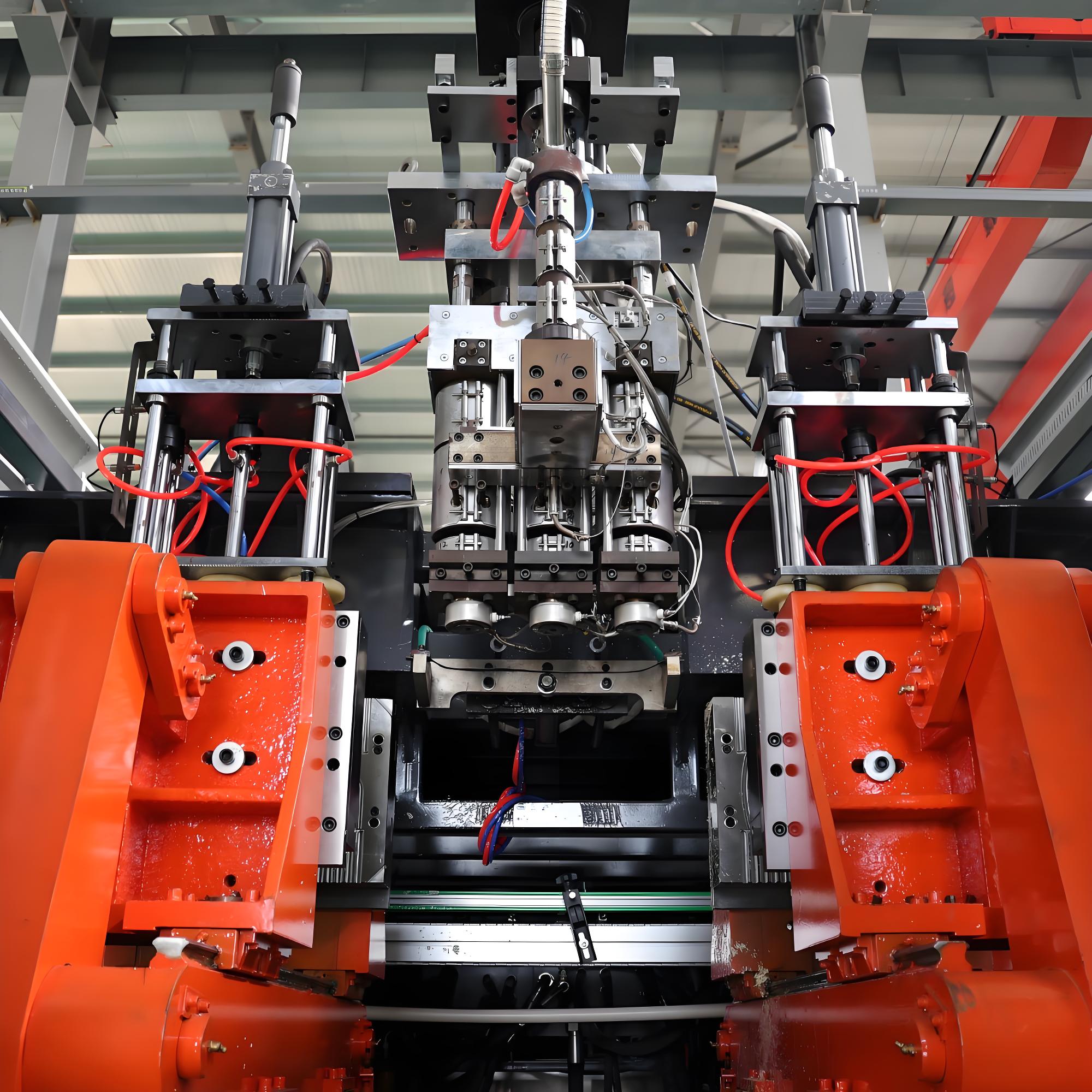
Co-extrusion blow molding machines incorporate multiple extruders that feed different materials into a common die, creating a multi-layer parison. This technology enables manufacturers to combine the beneficial properties of different materials in a single product. For example, a container might have an outer layer of impact-resistant material, a middle barrier layer, and an inner layer of food-safe material, each optimized for its specific function.
The technology typically involves 2 to 6 layers, though some advanced systems can accommodate even more. Extrusion Blow Molding MachineCommon co-extrusion configurations include barrier layers for oxygen and moisture protection, EVOH (ethylene vinyl alcohol) for enhanced barrier properties, and recycling layers incorporating reclaimed materials. The complexity of co-extrusion systems requires more sophisticated controls, higher initial investment, and skilled operators, but enables products that cannot be achieved with single materials.
Cost Analysis and Investment Considerations
Equipment Investment Costs
The initial investment cost represents a significant differentiating factor between single layer and co-extrusion blow molding machines. Single layer machines typically range from $25,000 to $80,000 for standard capacity models (200ML-20L), with larger capacity systems (20L-1500L) ranging from $80,000 to $250,000. These costs vary based on specifications, automation level, and manufac
In contrast, co-extrusion systems command substantially higher investment, typically ranging from $80,000 to $250,000 for small to medium capacity systems, with large multi-layer systems potentially exceeding $500,000. Extrusion Blow Molding MachineThe additional cost stems from multiple extruders, more complex dies, sophisticated control systems, and enhanced material handling capabilities. For reference, a 3-layer co-extrusion machine might cost 2.5 to 3 times more than a comparable single layer system.
arable single
Material costs present another critical consideration in the choice between single layer and co-extrusion technologies. Extrusion Blow Molding MachineSingle layer production typically uses 100% virgin or recycled material, with costs varying based on resin type and market conditions. Current market prices for common resins range from $1.00 to $3.50 per kilogram, with HDPE and PP at the lower end and specialty materials like PETG at the higher end.
r end and specialty materials like PETG at the higher end.
Co-extrusion materials can be more complex due to the combination of different materials, each with varying costs. Barrier materials like EVOH can cost $4.00 to $8.00 per kilogram, significantly more than commodity materials Extrusion Blow Molding Machine . However, co-extrusion often enables the use of thinner barrier layers while maintaining performance, partially offsetting the higher per-kilogram cost. Additionally, co-extrusion enables the incorporation of recycled materials in non-critical layers, potentially reducing overall material co
Operational costs encompass energy consumption, labor, maintenance, and overhead expenses. Extrusion Blow Molding MachineSingle layer machines generally consume 15-40 kW of electricity per hour depending on capacity, with co-extrusion systems requiring 25-60 kW due to multiple extruders. At average industrial electricity rates of $0.12 per kWh, this translates to annual energy cost differences of $10,000 to $30,000 for continuous operation.
nslates to annual energy cost differences of $10,000 to $30,000 for continuous operation.
Maintenance costs for co-extrusion systems are typically 30-50% higher than single layer machines due to increased complexity, additional components, and more frequent calibration requirements. However, these higher maintenance costs are often offset by premium product pricing capabilities and reduced material waste through more efficient material utilization.<
One of the most significant advantages of co-extrusion technology is the ability to create products with superior barrier properties. Extrusion Blow Molding MachineSingle layer containers are limited by the inherent properties of their base material. For example, single layer HDPE containers provide good moisture barrier but limited oxygen barrier, making them unsuitable for oxygen-sensitive products like certain foo
Co-extrusion enables the integration of barrier layers such as EVOH, PVDC, or specialized nylon materials that can extend product shelf life by 200-500% compared to single layer alternatives. Extrusion Blow Molding MachineThis capability is particularly valuable in the food and beverage industry, where shelf life directly impacts market reach and profitability. For oxygen-sensitive products, co-extrusion might be essential for achieving required shelf life specifications, despite higher costs.
d profitability. For oxygen-sensitive products, co-extrusion might be essential for achieving required shelf life specifications, despite higher costs.
Mechanical Properties and Product Durability
Single layer products must balance multiple property requirements within a single material, often requiring compromises. For example, a container designed for impact resistance might sacri
Co-extrusion technology enables optimization of each layer for specific properties. Extrusion Blow Molding MachineThe outer layer can be optimized for impact resistance and aesthetics, the middle layer for barrier properties, and the inner layer for food contact safety and chemical compatibility. This multi-layer approach enables products that outperform single layer alternatives in multiple property categories simultaneously, potentially opening new market opportunities.
ty. This multi-layer approach enables products that outperform single layer alte
The food and beverage industry represents one of the largest markets for blow molded containers, with requirements varying widely based on product type. Extrusion Blow Molding MachineFor water, juice, and simple food products where shelf life requirements are moderate, single layer containers using HDPE or PP often provide adequate performance at minimum cost. These applications typically don’t justify the additional investment in co-extr
However, for oxygen-sensitive products like beer, wine, certain sauces, and dairy products, co-extrusion technology becomes essential. Extrusion Blow Molding MachineThese products require barrier layers to prevent oxidation and maintain quality throughout their intended shelf life. In these applications, the premium pricing for improved shelf life typically far exceeds the additional costs of co-extrusion equipment and materials, making it a necessary investment rather than optional enhancement.
their intended shelf life
Chemical packaging demands vary from simple containment to specialized barrier requirements. Extrusion Blow Molding MachineFor many industrial chemicals, single layer HDPE or PP containers provide adequate chemical resistance at competitive prices. Apollo’s machines support materials including PA, PC, and TPU for applications requiring enhanced chemical resistance or temperature stability, all achievable through single
However, applications involving aggressive chemicals, high-temperature environments, or strict purity requirements may benefit from co-extrusion. Extrusion Blow Molding MachineA co-extruded container might feature a chemical-resistant outer layer, an impermeable barrier layer, and a clean inner layer for product contact. This multi-layer approach can enable packaging solutions that would be impossible with single materials, potentially accessing premium market segments.
rusion. A co-extruded container might feature a chemical-resistant outer layer, an impe
Single layer machines excel in environments requiring frequent product changeovers and diverse product mixes. Extrusion Blow Molding MachineThe simplicity of single material systems enables faster material changes, color transitions, and mold changes. A typical single layer machine can complete a product changeover in 30-90 minutes, while co-extrusion systems may require 2-4 hours due to multiple extruders, material handling systems, and more complex temperature cont
For contract manufacturers or facilities producing numerous different products, the flexibility of single layer technology can translate to significant competitive advantages. Extrusion Blow Molding MachineHowever, co-extrusion machines can offer greater flexibility within the multi-layer product category, enabling various layer configurations and material combinations without equipment changes. The optimal choice depends on product diversity within single versus multi-layer categories.
ty of single layer technology
Production volume requirements significantly influence the choice between single layer and co-extrusion technologies. Extrusion Blow Molding MachineFor lower volume applications where the high fixed costs of co-extrusion equipment cannot be justified, single layer technology typically provides better economics. The breakeven point varies based on product specifications, but generally ranges from 500,000 to 2 million units annually for co-extrusion to become economically advantageous over single layer alternatives.
co-extrusion technologies. For lower volume applications where the high fixed costs of co-extrusion equipment cannot be justified, single layer technology typically provides better economics. The breakeven point varies based on product specifications, but generally ranges from 500,000 to 2 million units annually for co-extrusion to become economically advantageous over single layer alternatives.
For high-volume production runs where equipment utilization can be maximized, co-extrusion’s higher productivity and premium product pricing capabilities can deliver superior profitability. Additionally, co-extrusion technology often enables packaging innovations that command market premiums, potentially increasing total market share and revenue beyond what single layer products can achieve.
Material Sustainability and Environmental Considerations
Co-extrusion containers present greater recycling challenges due to the combination of multiple materials. However, advances in recycling technology and design approaches are improving co-extrusion recyclability Extrusion Blow Molding Machine. Some co-extrusion designs incorporate mono-material structures or compatible layer combinations that enable better recyclability. Additionally, co-extrusion enables the use of recycled materials in non-critical layers, reducing virgin material consumption while maintaining product quality.
ombination of multiple materials. However, advances in recycling technology and design approaches are improving co-extrusion recyclability. Some co-extrusion designs incorporate mono-material structures or compatible layer combinations that enable better recyclability. Additionally, co-extrusion enables the use of recycled materials in non-critical layers, reducing virgin material consumption while maintaining product quality.
Material Efficiency and Waste Reduction
Material efficiency represents another sustainability consideration. Co-extrusion technology often enables overall material reduction through strategic layer placement and optimization. For example, a 20-micron barrier layer can provide performance equivalent to a much thicker single layer material, reducing overall material consumption by 15-30% for equivalent performance.
This material r
The choice of equipment supplier significantly impacts long-term success, particularly with complex technologies like co-extrusion. Extrusion Blow Molding MachineApollo Machinery’s 20 years of experience in extrusion blow molding manufacturing provides valuable expertise in both single layer and co-extrusion applications. Their extensive product knowledge, accumulated across 4,000+ installations in over 90 countries, enables informed recommendations based on specific application requirements.
oice of equipment supplier significantly impacts long-term success, particularly with complex technologies like co-extrusion. Apollo Machinery’s 20 years of experience in extrusion blow molding manufacturing provides valuable expertise in both single layer and co-extrusion applications. Their extensive product knowledge, accumulated across 4,000+ installations in over 90 countries, enables informed recommendatio
Effective operator training differs significantly between single layer and co-extrusion technologies. Extrusion Blow Molding MachineSingle layer machines can often be operated effectively with basic training, while co-extrusion systems require more extensive training covering multiple materials, layer relationships, process interactions, and quality control parameters. Apollo’s commitment to customer support includes comprehensive training programs tailored to technology complexity.
Operational Excellence
Effective operator training differs significantly between single layer and co-extrusion technologies. Single layer machines can often be operated effectively with basic training, while co-extrusion systems require more extensive training covering multiple materials, layer relationships, process interactions, and quality control parameters. Apollo’s commitment to customer support includes comprehensive training programs tailored to techn
The foundation of a sound technology choice lies in thorough product requirement analysis. Extrusion Blow Molding MachineKey considerations include barrier property requirements, shelf life specifications, mechanical property needs, regulatory compliance requirements, and market positioning objectives. For products where single layer materials can meet all requirements, the simplicity and cost advantages of single layer technology typically make it the optimal choice.
d Evaluation Criteria
Product Requirement Analysis
The foundation of a sound technology choice lies in thorough product requirement analysis. Key considerations include barrier property requirements, shelf life specifications, mechanical property needs, regulatory compliance requirements, and market positioning objectives. For products where single layer materials can meet all requirements, the simplicity and cost advanta
Comprehensive financial analysis should guide the technology selection process. Extrusion Blow Molding MachineBeyond obvious equipment and material costs, companies should calculate total cost of ownership including installation, training, maintenance, and operational expenses. Return on investment calculations should consider not just cost savings but also revenue potential from premium products, market expansion opportunities, and competitive advantages.
ct truly requires rather than what technology is available.
Financial Analysis and ROI Calculation
Comprehensive financial analysis should guide the technology selection process. Beyond obvious equipment and material costs, companies should calculate total cost of ownership including installation, training, maintenance, and operational expenses. Return on investment calculations should consider not just cost savings but also revenue potential from premium products, market expansion opportunities, and competitive advantages.
For a typical application comparing a $50,000 single layer machine to a $150,000 co-extrusion machine, the additional $100,000 investment might be justified through premium product pricing of $0.05-0.15 per unit and expanded market access. At an
The co-extrusion option, featuring HDPE/EVOH/HDPE construction, provided 12-week shelf life enabling national distribution. Extrusion Blow Molding MachineAlthough the container cost increased to $0.14 per unit, the expanded market access and reduced product waste justified the additional expense. The company invested $180,000 in co-extrusion equipment and recovered the investment within 18 months through premium pricing and reduced returns.
gle layer HDPE opti
A chemical manufacturer producing industrial cleaning agents evaluated packaging for a new aggressive chemical formulation. Extrusion Blow Molding MachineSingle layer options required expensive specialty materials costing $2.80 per kilogram, resulting in $0.25 container cost. Co-extrusion enabled use of commodity HDPE for 90% of the container with a specialized barrier layer, reducing container cost to $0.18 while maintaining required chemical resistance.
sted $180,000 in co-extrusion equipment and recovered the investment within 18 months through premium pricing and reduced returns.
Chemical Container Application
A chemical manufacturer producing industrial cleaning agents evaluated packaging for a new aggressive chemical formulation. Single layer options required expensive specialty materials costing $2.80 per kilogram, resulting in $0.25 container cost. Co-extrusion enabled use of commodity HDPE for 90% of the container with a specialized barrier layer, reducing container cost to $0.18 while maintaining required chemical resistance.
The co-extrusion equipment investment of $220,000 was justified through both material cost savings and enhanced market positioning. The company’s ability to offer superior product protection enabled premium pricing that further accelerated ROI achievement, with full payback occurring in just 14 months of operation.
Future Trends and Technology Evolution
Advancements in Single Layer Materials
Material science advancements continue to expand single layer capabilities, potentially reducing the gap between single layer and co-extrusion performance. New resin formul
Both single layer and co-extrusion technologies are benefiting from Industry 4.0 advancements including IoT sensors, predictive analytics, and automated quality control. Extrusion Blow Molding MachineThese technologies improve process control, reduce waste, and enhance quality regardless of technology choice. However, co-extrusion systems, with their greater complexity, often derive greater benefits from advanced monitoring and control capabilities.
so continues advancing, with new layer materials, improved bonding technologies, and enhanced process control pushing performance boundaries further.
Smart Manufacturing and Industry 4.0 Integration
Both single layer and co-extrusion technologies are benefiting from Industry 4.0 advancements including IoT sensors, predictive analytics, and automated quality control. These technologies improve process control, reduce waste, and enhance quality regardless of technology choice. However, co-extrusion systems, with their greater complexity, often derive greater benefits from advanced monitoring and control capabilities.
Apollo’s focus on quality and reliability, evidenced by their comprehensive warranty provisions and customer satisfaction guarantees, positions them well to support both traditional single layer applications and advanced co-extrusion implementations. Their experience across diverse industries and markets provides valuable insights for technology selection based on specific application requirements.
Conclusion and Strategic Recommendations
The choice between single layer and co-extrusion blow molding machines represents a strategic decision with significant long-term implications. Single layer technology offers simplicity, lower investment c
Apollo Machinery’s extensive experience, comprehensive product range, and strong after-sales support make them an ideal partner for navigating this technology choice. Extrusion Blow Molding MachineTheir commitment to quality, demonstrated through robust warranty provisions and production capacity guarantees, provides confidence regardless of which technology path is selected. By carefully analyzing product requirements, market demands, and financial implications, manufacturers can make technology choices that drive long-term success in the competitive plastics packaging market.
ogy capabilities, and ensure comprehensive financial analysis considering both costs and revenue potential.
Apollo Machinery’s extensive experience, comprehensive product range, and strong after-sales support make them an ideal partner for navigating this technology choice. Their commitment to quality, demonstrated through robust warranty provisions and production capacity guarantees, provides confidence regardless of which technology path is selected. By carefully analyzing product requirements, market demands, and financial implications, manufacturers can make technology choices that drive long-term success in the competitive plastics packaging market.