
Introduction
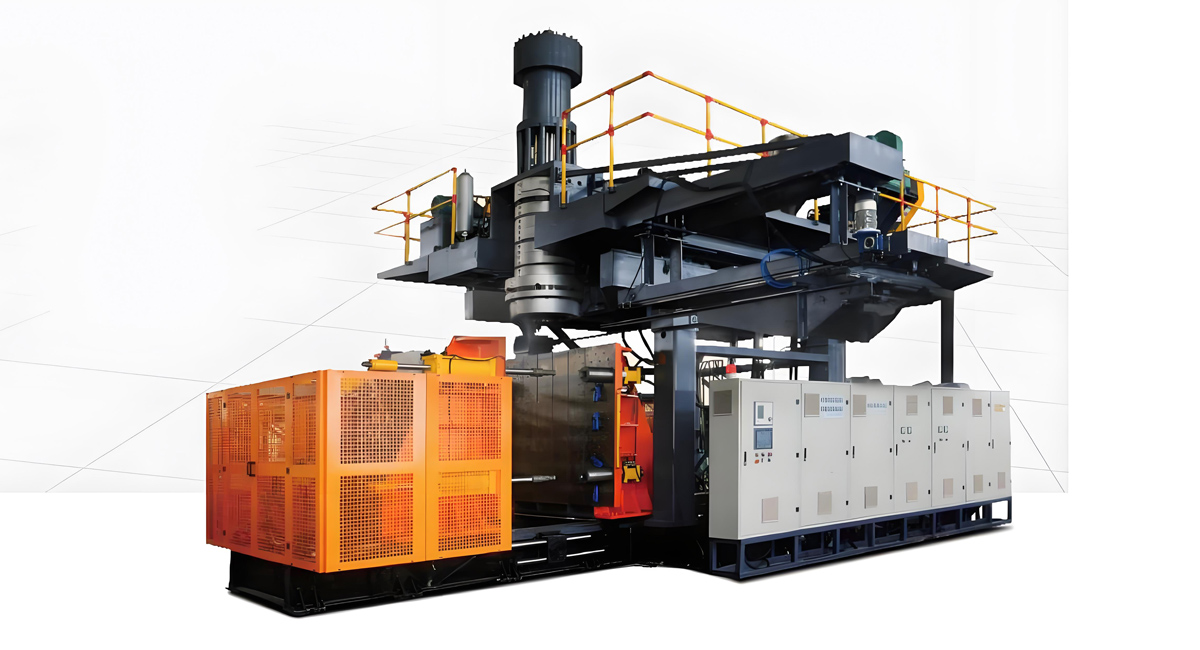
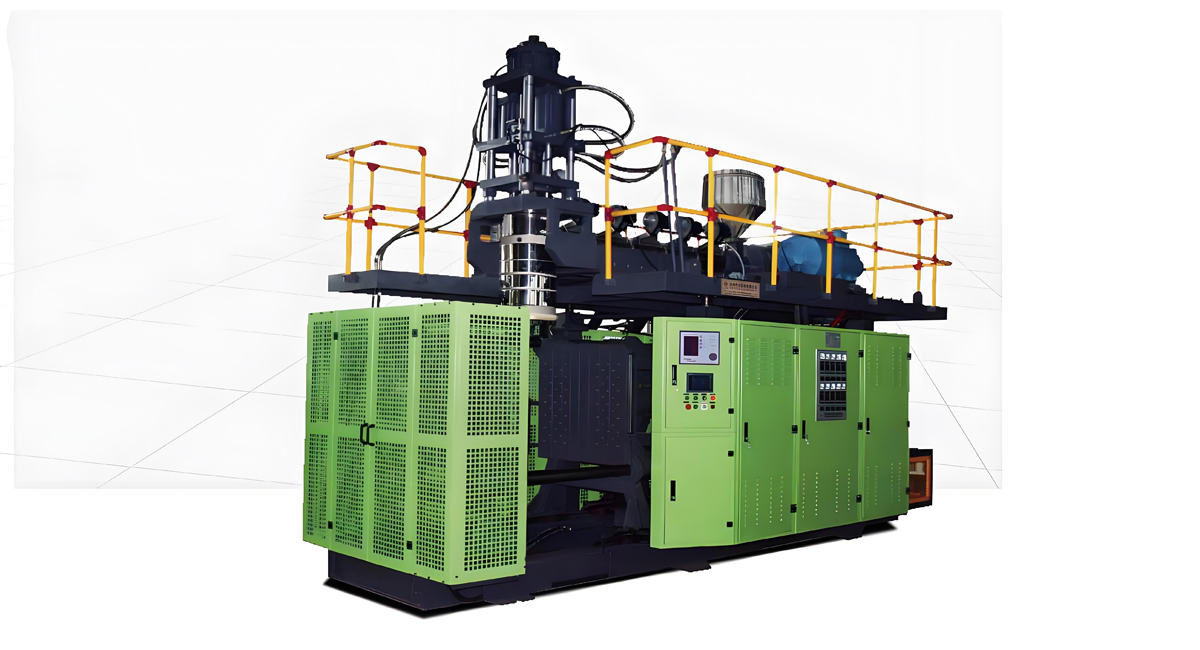
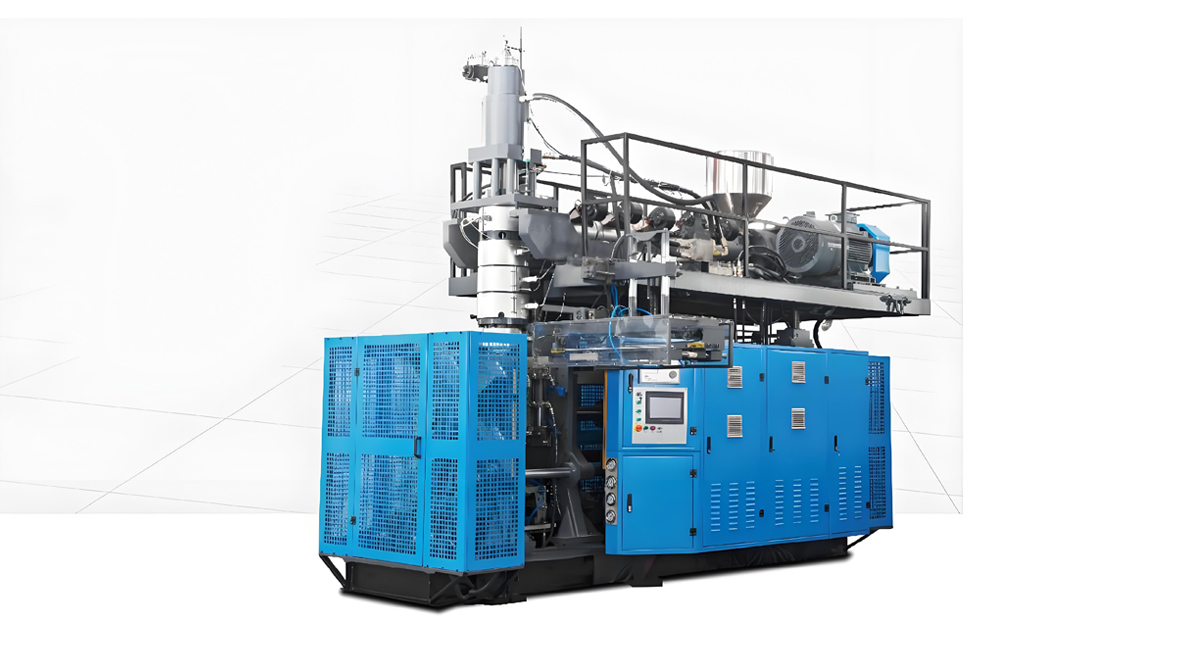
The evolution of extrusion blow molding machine (EBM) technology has been revolutionized by advances in control software and smart automation systems. Modern EBM machine software has transformed the industry from manually controlled operations to sophisticated, data-driven manufacturing processes that optimize every aspect of production. Apollo China has been at the forefront of this technological revolution, developing comprehensive software solutions that integrate machine control, quality monitoring, production optimization, and connectivity into unified platforms that enhance productivity, ensure product consistency, and provide actionable insights for continuous improvement. The integration of advanced software capabilities represents one of the most significant factors differentiating modern extrusion blow molding operations and enabling competitive advantage in demanding global markets.
The transition to software-driven extrusion blow molding operations reflects broader manufacturing trends toward Industry 4.0 concepts including smart factories, data-driven decision making, and interconnected production systems. Modern EBM machine software goes far beyond basic machine control to encompass recipe management, quality assurance, predictive maintenance, energy optimization, and connectivity with broader manufacturing systems. Apollo China’s software solutions provide comprehensive coverage of these advanced capabilities while maintaining user-friendly interfaces that enable operators at all skill levels to leverage the power of advanced automation. The result is a production environment where machine operation becomes increasingly intelligent and self-optimizing, reducing dependence on operator skill while simultaneously improving product quality and production efficiency.
The strategic importance of EBM machine software extends beyond immediate operational benefits to include long-term competitive advantages through data accumulation, process optimization, and continuous improvement. Software systems that capture detailed production data, track quality trends, monitor equipment health, and enable remote access create valuable assets that support operational excellence and business growth. Apollo China understands that software capabilities represent a critical component of total equipment value, and their software development investments ensure that customers receive solutions designed for long-term value creation rather than immediate functionality alone. The comprehensive software ecosystem provided with Apollo EBM machines supports customers throughout the equipment lifecycle from installation through operation and eventual upgrades or replacements.
Core Machine Control Functions
The foundation of EBM machine software lies in the core machine control functions that govern every aspect of extrusion blow molding operations. These fundamental control capabilities directly impact machine performance, product quality, and operational efficiency. Apollo China’s core control systems have been refined through extensive experience across diverse applications and customer requirements, resulting in robust, reliable, and user-friendly systems that provide exceptional control precision while maintaining operational simplicity.
Temperature control systems represent the most fundamental aspect of EBM machine operation, directly affecting material processing, product quality, and production efficiency. Modern temperature control software manages multiple independent heating zones including extruder barrel zones, die head zones, manifold zones, and mold zones. Each zone can be independently programmed with specific temperature setpoints and control parameters, enabling optimization of the thermal profile for specific materials and products. Apollo China’s temperature control systems feature advanced PID (Proportional-Integral-Derivative) algorithms that maintain temperature stability within plus or minus 1.5°C of setpoint even during high-speed operation or ambient temperature variations. The software provides real-time temperature monitoring with trend graphs that enable operators to identify developing thermal issues before they affect product quality. Temperature control systems also include safety features such as over-temperature protection that automatically shuts down heating elements if temperatures exceed safe limits, preventing material degradation and equipment damage.
Screw speed and output control manage the rate at which material is processed through the extruder and parison formation. The control software precisely regulates screw rotation speed, which directly affects output rate and material residence time. Apollo China’s control systems enable speed control with accuracy of plus or minus 0.5 revolutions per minute, ensuring consistent output and processing characteristics. For applications requiring output variations, the software enables ramping functions that gradually change speed to prevent process disturbances. The control system monitors motor current and power consumption, providing real-time feedback on processing conditions and enabling detection of material variations or potential processing problems. Advanced control algorithms can automatically adjust screw speed based on various parameters including melt pressure, die temperature, or production rate requirements to maintain optimal processing conditions. This closed-loop control capability reduces the need for operator intervention while maintaining consistent product quality.
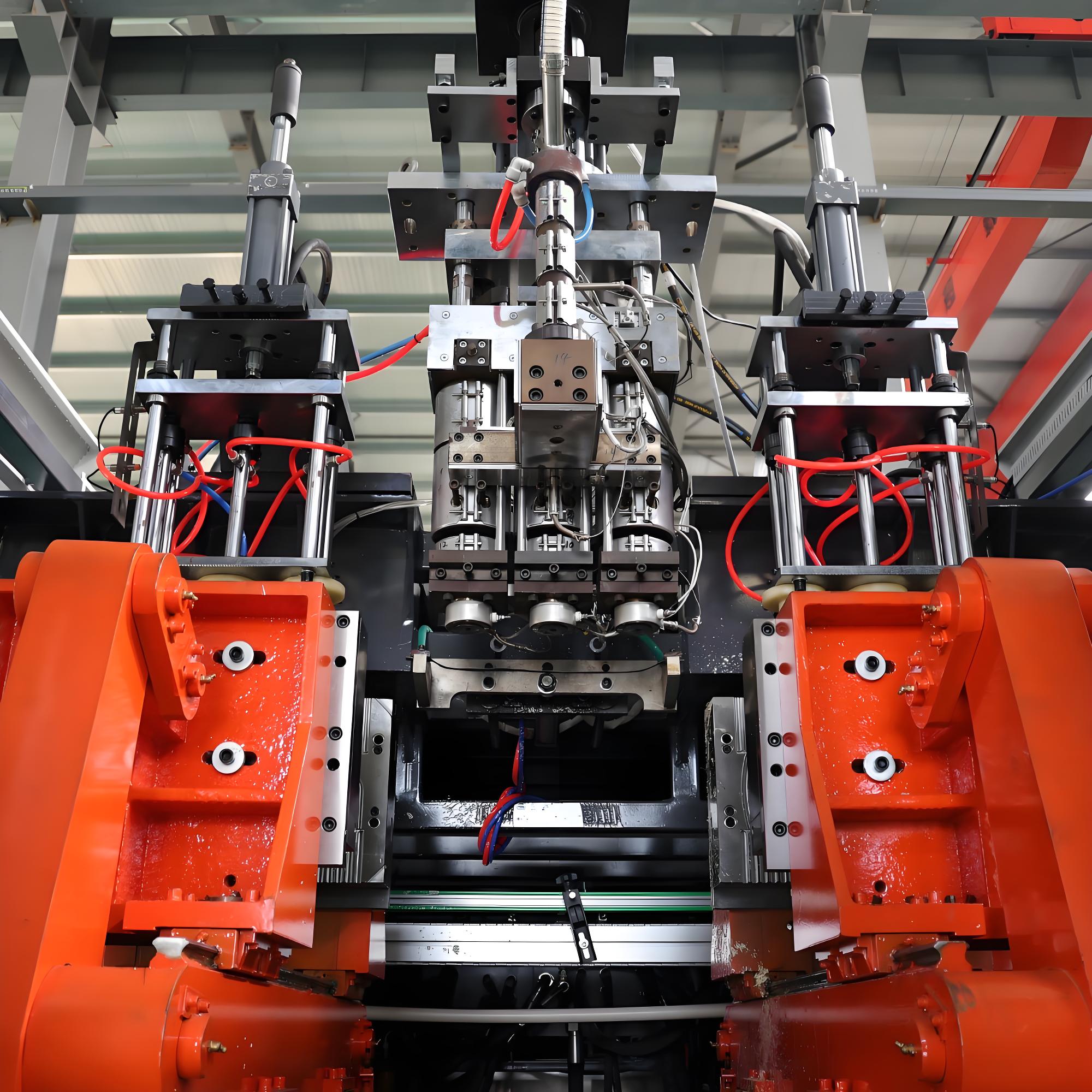
Parison programming and control systems enable precise control of parison wall thickness distribution, which is critical for product strength, material usage efficiency, and product appearance. Advanced parison programming systems from Apollo China enable wall thickness control at multiple points along the parison length, with up to 100 programming points for precise control of wall thickness distribution. The software interface enables intuitive programming through graphical displays that show parison profiles and predicted wall thickness in the finished product. The system automatically translates programmed wall thickness profiles into precise die gap adjustments during parison formation, maintaining tight tolerances of plus or minus 0.05 millimeters. Parison programming systems can store unlimited profiles, enabling rapid changeovers between different products. The software also includes simulation capabilities that predict final wall thickness distribution based on programmed parison profiles, enabling optimization before production begins. This capability reduces material waste and setup time while ensuring products meet specifications from the first production cycle.
Mold closing and clamp control systems precisely manage the mold closing sequence, clamp force application, and mold timing. The software enables programming of multiple mold closing positions and velocities, enabling optimization of the closing cycle for specific products and molds. Apollo China’s control systems feature position feedback with accuracy of plus or minus 0.1 millimeter, enabling precise control of mold position throughout the closing cycle. Clamp force is precisely regulated through hydraulic pressure control, with force monitoring providing real-time feedback on actual clamping force. The software includes safety interlocks that prevent mold closing when conditions are unsafe, such as when product or foreign material is detected in the mold area. Mold position sensors enable precise timing control for the blow air initiation, ensuring optimal product formation. The control system stores mold-specific parameters, enabling automatic adjustment when different molds are changed, reducing setup time and operator error potential.
Blow air control systems manage the timing, pressure, and duration of air injection used to inflate the parison against the mold surfaces. Advanced blow air control from Apollo China includes programmable blow profiles with multiple pressure stages, different air pressures for different product sections, and precise timing control for each air stage. The software monitors actual air pressure through pressure sensors in real time, providing feedback for closed-loop control that maintains specified pressure profiles. Blow air timing is synchronized with mold position and parison formation through precise control algorithms, ensuring consistent product formation from cycle to cycle. The system includes leak detection capabilities that identify air system leaks or mold venting problems that could affect product quality. Blow air control parameters can be optimized for specific materials and products, with the software storing multiple blow profiles for rapid product changeovers.
Production Management and Optimization
Beyond core machine control functions, modern EBM machine software provides comprehensive production management capabilities that optimize operational efficiency and provide valuable insights for continuous improvement. Apollo China’s production management software enables data-driven decision making that enhances productivity, reduces costs, and improves competitive positioning in challenging markets.
Recipe management systems provide structured storage and retrieval of all processing parameters for different products and materials. Rather than requiring operators to manually set multiple parameters each time products are changed, recipe systems enable storage of complete processing profiles including temperatures, screw speeds, parison programs, blow air profiles, mold positions, and numerous other parameters. Apollo China’s recipe management systems enable storage of unlimited recipes organized by product number, material type, or customer-specific requirements. The software includes security features that prevent unauthorized changes to recipes, ensuring process consistency. Recipe systems also support version control, maintaining historical versions of recipes to enable rollbacks if changes cause problems. When products are changed, operators simply select the appropriate recipe, and the software automatically sets all parameters to the specified values, reducing changeover time and operator errors. For high-mix production environments, recipe management systems provide essential capabilities that enable efficient production of many different products on a single machine.
Production monitoring systems provide real-time visibility into machine performance, production rates, and operational status. Apollo China’s monitoring systems display comprehensive information including current cycle time, production count, reject rate, equipment status, alarm history, and key performance indicators such as overall equipment effectiveness (OEE). The software presents this information through intuitive dashboard displays that enable rapid assessment of production status. Historical data trends show production performance over time, enabling identification of patterns such as gradual performance degradation or cyclical variations. Production monitoring systems can be configured to provide alerts when performance deviates from specified ranges, enabling rapid response to developing problems. Remote monitoring capabilities enable production managers, maintenance personnel, and engineering staff to view machine status from anywhere in the facility or from off-site locations, facilitating rapid response to issues and enabling efficient resource allocation. For multi-machine facilities, centralized monitoring systems can display status from multiple machines on single screens, providing comprehensive visibility across the entire operation.
Quality monitoring and statistical process control (SPC) systems provide automated quality assurance and early detection of quality problems. Apollo China’s quality monitoring systems integrate with various inspection devices including dimensional measurement systems, vision inspection systems, and leak testers to automatically capture quality data from production. The software performs statistical analysis on quality data, calculating control limits, identifying trends, and alerting operators when processes show signs of instability. SPC charts and control charts display quality data in formats that enable rapid assessment of process stability. The systems can automatically reject products that fail quality specifications, preventing defective products from reaching customers. Quality data is stored and correlated with production parameters, enabling root cause analysis when quality problems occur. This integration of quality monitoring with process control enables proactive identification of quality problems before they cause significant product waste or customer complaints.
Energy monitoring and optimization systems track energy consumption and identify opportunities for efficiency improvements. Apollo China’s energy monitoring software tracks electrical consumption by machine component, including extruder heaters, main drive motor, hydraulic pumps, cooling systems, and auxiliary equipment. The software calculates energy consumption per unit produced, enabling energy efficiency benchmarking across different products, machines, or time periods. Trend analysis identifies patterns such as increasing energy consumption that may indicate developing maintenance needs or process problems. The systems can provide recommendations for energy-saving opportunities such as adjusting temperature setpoints, reducing idle operation time, or optimizing machine scheduling. Some advanced systems include energy-saving modes that automatically optimize machine settings to reduce energy consumption while maintaining product quality. Energy monitoring provides valuable insights for reducing operational costs and environmental impact while improving overall equipment efficiency.
Automation and Advanced Control
Advanced automation capabilities in EBM machine software enable reduced labor requirements, improved consistency, and enhanced operational efficiency. Apollo China offers comprehensive automation solutions ranging from basic automated sequences to fully integrated production lines that require minimal operator intervention.
Automated startup sequences reduce the dependency on operator skill for machine warm-up and initialization. Apollo China’s software includes programmable startup sequences that automatically bring the machine from cold conditions to production-ready state. These sequences can include progressive heating to reach target temperatures, material feeding initiation, screw speed ramp-up to reach stable output, and initial production cycles that are automatically rejected until conditions stabilize. Automated startup sequences ensure consistent machine preparation regardless of operator experience level, reducing startup time and reducing variability between different operators. The software monitors machine conditions throughout startup and provides alerts if conditions deviate from expected patterns. For multi-machine operations, automated startup can enable staggered machine initialization to optimize energy consumption by avoiding simultaneous startup of multiple machines that could cause electrical demand spikes.
Automated shutdown and cleaning sequences ensure consistent procedures for machine shutdown after production completion or between product changes. Apollo China’s software includes programmable shutdown sequences that automatically reduce material feed, purge the extruder of remaining material, cool heating zones according to specified profiles, and perform cleaning cycles as required. Automated cleaning sequences can include material purging with cleaning compounds, air purging of the parison die head, and automated cleaning of mold surfaces where supported by mold design. Consistent shutdown and cleaning procedures reduce material waste, prevent material degradation during cooling, and ensure machines are properly prepared for the next startup or product change. The software can prompt operators when manual interventions are required as part of the shutdown sequence, ensuring that no steps are missed. Automated sequences reduce the dependency on operator memory and skill for proper shutdown procedures while ensuring consistent machine preparation.
Automatic mold change systems enable rapid changeovers between different products, reducing downtime and supporting high-mix production strategies. Apollo China’s software integrates with automated mold change systems that can exchange molds without manual intervention. The software manages the entire changeover process, including mold identification, position verification, temperature adjustment for different mold thermal characteristics, and automatic loading of appropriate production recipes. Automatic mold change systems can reduce changeover time from hours to minutes, enabling manufacturers to economically produce smaller batch sizes and respond quickly to changing customer demands. The software includes safety interlocks that prevent mold changes while the machine is in unsafe conditions. For semi-automated changeovers, the software provides step-by-step guidance for operators, ensuring consistent procedures and reducing changeover time compared to fully manual procedures. The rapid changeover capabilities enable manufacturers to implement lean manufacturing principles and reduce work-in-process inventory through just-in-time production strategies.
Integrated quality inspection automation provides automated product inspection and rejection capabilities that reduce labor requirements while improving quality consistency. Apollo China’s software integrates with various inspection technologies including vision systems for appearance inspection, dimensional measurement systems, leak testing equipment, and weight checking systems. The software automatically collects inspection results and performs statistical analysis to monitor process stability. Products that fail quality specifications are automatically rejected, preventing defective products from reaching customers. The integration of inspection systems with machine control enables closed-loop quality control where machine parameters can be automatically adjusted when quality trends indicate developing problems. For example, if wall thickness measurements show gradual drift, the parison program can be automatically adjusted to compensate. This integration reduces the dependency on operator vigilance while maintaining consistent product quality. Quality data collected by inspection systems provides valuable information for process optimization and continuous improvement initiatives.
Industry 4.0 and Smart Factory Integration
Modern EBM machine software provides connectivity and data capabilities that enable integration with broader manufacturing systems and support Industry 4.0 initiatives. Apollo China’s software platforms include comprehensive connectivity features that facilitate data exchange, remote monitoring, and integration with enterprise systems.
Machine-to-machine (M2M) connectivity enables EBM machines to communicate with each other and with upstream and downstream equipment. Apollo China’s software supports various communication protocols including Ethernet/IP, Profinet, Modbus TCP, and OPC UA, enabling seamless integration with diverse equipment and control systems. M2M connectivity enables automated material handling systems to synchronize with extrusion blow molding machines, automatically feeding material when needed and removing finished products without operator intervention. Integration with upstream extrusion equipment enables coordination of material supply and processing parameters for multi-stage production processes. Downstream integration with packaging systems enables automated product transfer and labeling. This interconnected equipment enables creation of fully automated production lines that require minimal operator intervention while maintaining optimal production flow. M2M connectivity also enables coordination between multiple extrusion blow molding machines, enabling production scheduling that balances workloads across machines and responds to equipment status in real time.
Manufacturing execution system (MES) integration provides connectivity to factory-wide management systems that coordinate production across multiple machines and product lines. Apollo China’s software includes interfaces to leading MES platforms, enabling automated download of production schedules, upload of production data, and real-time communication of production status. MES integration enables paperless operations where production orders are automatically downloaded to machines, operators are prompted through setup and changeover procedures, and production data is automatically captured without manual data entry. The integration enables real-time visibility of production status across the entire operation, enabling production managers to make informed decisions about resource allocation and production scheduling. MES integration also facilitates track and trace capabilities by linking specific production batches to raw materials, processing parameters, and quality data. This comprehensive data collection supports regulatory compliance, quality assurance, and customer documentation requirements.
Enterprise resource planning (ERP) system connectivity enables data exchange between factory floor operations and business management systems. Apollo China’s software can integrate with ERP systems to automatically update production status, material consumption data, and equipment performance information. ERP integration enables accurate inventory management through automatic reporting of material usage and production output. Maintenance scheduling can be optimized based on actual machine operating hours and performance data from the floor. Production planning can be enhanced by incorporating real-time machine capability and status information rather than relying on static capacity data. The integration enables comprehensive business intelligence by combining production data with financial, sales, and customer information to support strategic decision making. ERP connectivity requires careful planning to ensure data consistency and appropriate data security measures, but when properly implemented provides substantial benefits through improved operational efficiency and business visibility.
Remote monitoring and diagnostic capabilities enable real-time access to machine status from off-site locations. Apollo China’s software includes secure remote access capabilities that enable service engineers, equipment suppliers, and technical support personnel to view machine status, troubleshoot problems, and provide assistance without traveling to the customer facility. Remote monitoring enables rapid response to problems, reducing downtime by enabling immediate diagnosis and potentially immediate resolution through remote parameter adjustments. The software includes comprehensive alarm systems that can send notifications via email, text message, or other communication channels when problems occur, ensuring that appropriate personnel are alerted regardless of their location. Remote capabilities also enable preventive maintenance support, with service engineers able to analyze equipment health indicators and schedule maintenance proactively. Security features ensure that remote access is protected through authentication, encryption, and access controls. Remote monitoring capabilities have become increasingly valuable as manufacturers seek to optimize service delivery and reduce support costs while improving response times.
Data Analytics and Continuous Improvement
The data collection capabilities of modern EBM machine software create opportunities for advanced analytics that drive continuous improvement and competitive advantage. Apollo China’s software platforms include data analysis tools that transform production data into actionable insights for optimization and strategic decision making.
Performance benchmarking capabilities enable comparison of machine performance across different products, time periods, or machine models. Apollo China’s software can analyze production data to identify performance patterns such as production rates, energy efficiency, reject rates, and equipment utilization. Benchmarking across different products enables identification of optimal processing parameters and settings that provide the best performance. Comparison across time enables detection of performance degradation that may indicate developing maintenance needs. Benchmarking across multiple machines in a facility enables identification of best practices that can be replicated across the operation. The software can generate reports that present benchmarking data in clear graphical formats that facilitate management review and decision making. Performance benchmarking provides the foundation for continuous improvement by establishing objective measures of performance and identifying opportunities for enhancement.
Predictive maintenance capabilities analyze equipment performance data to predict potential failures before they occur. Apollo China’s software can track parameters such as motor current consumption, vibration levels, temperature patterns, and hydraulic performance indicators to detect subtle changes that may indicate developing problems. Advanced algorithms analyze trends and patterns in the data to predict remaining useful life for components such as bearings, heaters, or seals. Predictive maintenance enables scheduling of maintenance activities at convenient times rather than after failures occur, reducing unplanned downtime and potentially preventing catastrophic equipment damage. The software can generate work orders automatically when maintenance predictions indicate approaching component end of life. Predictive maintenance also enables optimization of spare parts inventory by forecasting component failures and ensuring appropriate parts are available when needed. The transition from reactive to predictive maintenance represents a significant advancement in maintenance efficiency and equipment reliability.
Root cause analysis capabilities enable investigation of production problems and quality issues through systematic analysis of production data. Apollo China’s software can correlate quality problems with processing parameters, material batch information, equipment status, and operator actions to identify causal relationships. When problems occur, the software enables retrospective analysis of all data surrounding the problem events, enabling identification of the root causes. For example, if wall thickness variations occur, the software can examine parison program settings, temperature profiles, material properties, and other factors to identify which parameters correlated with the variations. Root cause analysis capabilities reduce the time required to solve problems and prevent recurrence by ensuring that solutions address actual causes rather than symptoms. The systematic data-driven approach to problem solving is more reliable than intuition-based approaches and provides documented evidence of problem investigations. Over time, the accumulation of root cause analyses creates a knowledge base that accelerates future problem resolution.
Software Costs and Return on Investment Analysis
Investment in EBM machine software represents a significant component of total equipment cost, but the operational benefits typically provide substantial returns on investment. Understanding the cost structure and quantifying benefits enables informed decisions about software investments and capabilities.
Software pricing varies based on capabilities, complexity, and customization requirements. Apollo China offers standard software packages with basic machine control capabilities included as part of the equipment price for most models. Standard software typically includes core machine control, recipe management, basic monitoring, and limited data collection capabilities. Advanced software capabilities including comprehensive automation, extensive data analytics, MES integration, and custom features represent additional investment. Advanced software packages typically range from USD 8,000 to USD 25,000 depending on the scope of capabilities and extent of customization. Custom software development for specialized applications typically costs USD 15,000 to USD 50,000 or more depending on complexity. Annual software maintenance and support typically costs 8 to 12 percent of the initial software license cost. While these costs represent significant investment, the operational benefits including improved productivity, reduced labor, lower energy consumption, and reduced material waste typically provide returns within 1 to 3 years for most applications.
Productivity improvements represent one of the most significant sources of return on investment for advanced EBM machine software. Automation capabilities including automatic startup sequences, automated mold changes, and automated quality inspection can increase effective production time by 5 to 15 percent compared to manual operations. For a machine producing 400 units per hour with a gross profit of USD 0.50 per unit, a 10 percent productivity improvement represents additional profit of USD 20 per hour or approximately USD 80,000 annually assuming 4000 operating hours per year. Automated changeovers that reduce changeover time from 60 minutes to 20 minutes enable production of additional 133 units per changeover. If ten changeovers occur weekly, this represents 1,330 additional units per week or approximately 69,000 additional units annually. At USD 0.50 gross profit per unit, this represents additional profit of USD 34,500 annually. These productivity improvements alone can justify substantial software investments within short timeframes.
Material savings through optimized processing provide another significant source of return on investment. Advanced parison programming, optimized temperature control, and closed-loop process control can reduce material waste by 2 to 5 percent compared to unoptimized operations. For a machine processing 500 kilograms of material per hour, a 3 percent reduction in material waste represents savings of 15 kilograms per hour or 60,000 kilograms annually assuming 4000 operating hours per year. With material costs of USD 1.50 per kilogram, this represents annual savings of USD 90,000. Additional material savings come from reduced scrap through improved quality control and early detection of quality problems before they generate significant scrap. These material savings typically provide substantial ongoing returns that compound over the equipment lifetime.
Labor savings through automation reduce ongoing operational costs and address labor availability challenges. Automated quality inspection, material handling, and production monitoring can reduce labor requirements by 1 to 2 operators per machine line. With labor costs of USD 40,000 to USD 60,000 annually per operator including benefits, labor reduction of one operator represents annual savings of USD 40,000 to USD 60,000. For facilities operating multiple machines, labor savings can be substantial. Additionally, automation reduces the dependency on highly skilled operators, enabling hiring of personnel with lower skill levels at potentially lower wage rates. The reduced labor costs and reduced skill requirements represent significant ongoing benefits that improve operational efficiency and competitive positioning.
Energy savings through optimization and control provide additional financial returns. Energy monitoring and optimization systems can reduce energy consumption by 5 to 15 percent through optimized temperature settings, reduced idle operation, and improved process control. For a machine consuming 25 kilowatts during operation, a 10 percent reduction in energy consumption represents savings of 2.5 kilowatts or approximately 10,000 kilowatt-hours annually assuming 4000 operating hours per year. With electricity costs of USD 0.20 per kilowatt-hour, this represents annual savings of USD 2,000. While energy savings alone may not justify software investment for smaller machines, they represent cumulative benefits that contribute to overall return on investment. For large facilities with multiple machines, energy savings can become substantial.
Software Implementation and Training
Successful implementation of EBM machine software requires careful planning, proper configuration, and comprehensive training. Apollo China provides comprehensive support throughout the implementation process to ensure that customers achieve full benefit from software capabilities.
System configuration involves adapting software capabilities to specific customer requirements and production environments. Apollo China works with customers to understand their production requirements, operational objectives, and existing systems to configure software appropriately. Configuration activities include setting up communication interfaces with existing factory systems, customizing alarm levels and thresholds, designing dashboards and reports to meet management needs, and establishing user access levels and security. Proper configuration ensures that software capabilities align with customer requirements and provide maximum value. Configuration activities typically begin before equipment delivery and continue through installation and commissioning, with refinement based on actual operating experience. Apollo China’s implementation team works closely with customer IT, engineering, and production teams to ensure comprehensive integration with existing systems and processes.
User training is essential for ensuring that operators, maintenance personnel, and management can effectively leverage software capabilities. Apollo China provides tiered training programs customized for different user groups. Operator training focuses on day-to-day machine operation including recipe management, production monitoring, response to alarms, and routine adjustments. Maintenance training covers system architecture, troubleshooting procedures, data interpretation for maintenance decisions, and software updates. Management training focuses on production monitoring dashboards, report generation, and data analysis capabilities for decision making. Training includes both theoretical instruction and hands-on practice to ensure practical skill development. Apollo China provides comprehensive training materials including operating manuals, quick reference guides, and video tutorials. Effective training ensures that software capabilities are fully utilized rather than remaining underutilized due to lack of user knowledge.
Post-implementation support ensures that customers achieve full value from software investment and can resolve problems quickly. Apollo China provides technical support through multiple channels including telephone, email, and remote access. Support staff can assist with operational questions, troubleshooting, parameter optimization, and system modifications. Regular software updates provide new capabilities, security enhancements, and performance improvements. Apollo China typically provides software updates for 3 to 5 years included in initial purchase cost, with extended support available through annual maintenance agreements. Customer feedback collected through support interactions informs future software development priorities, ensuring that software evolution addresses real customer needs. Ongoing support ensures that software capabilities continue to deliver value throughout equipment lifespan rather than becoming obsolete or unsupported.
Conclusion
EBM machine software has transformed extrusion blow molding from operator-dependent manual processes to sophisticated, data-driven operations that enable unprecedented levels of productivity, quality, and efficiency. Apollo China’s comprehensive software solutions provide capabilities spanning core machine control, production optimization, advanced automation, Industry 4.0 integration, and data analytics. These capabilities represent essential components of modern extrusion blow molding operations and provide significant competitive advantages through improved productivity, reduced costs, and enhanced decision making.
Investment in EBM machine software represents excellent value when the comprehensive benefits including productivity improvements, material savings, labor reduction, and operational excellence are considered. The returns on investment typically materialize within 1 to 3 years, providing substantial ongoing benefits throughout equipment lifetime. Beyond financial returns, software capabilities enable operational excellence, competitive differentiation, and strategic advantages through data-driven decision making and continuous improvement.
For manufacturers seeking to maximize the potential of their extrusion blow molding investments, Apollo China’s software solutions provide the technology foundation for smart manufacturing. By implementing comprehensive software capabilities, providing effective training, and leveraging ongoing support, manufacturers can create production environments that continuously optimize performance and adapt to changing market demands. Apollo China’s commitment to software innovation and customer support ensures that customers receive solutions designed for long-term value creation rather than immediate functionality alone.