
Introduction
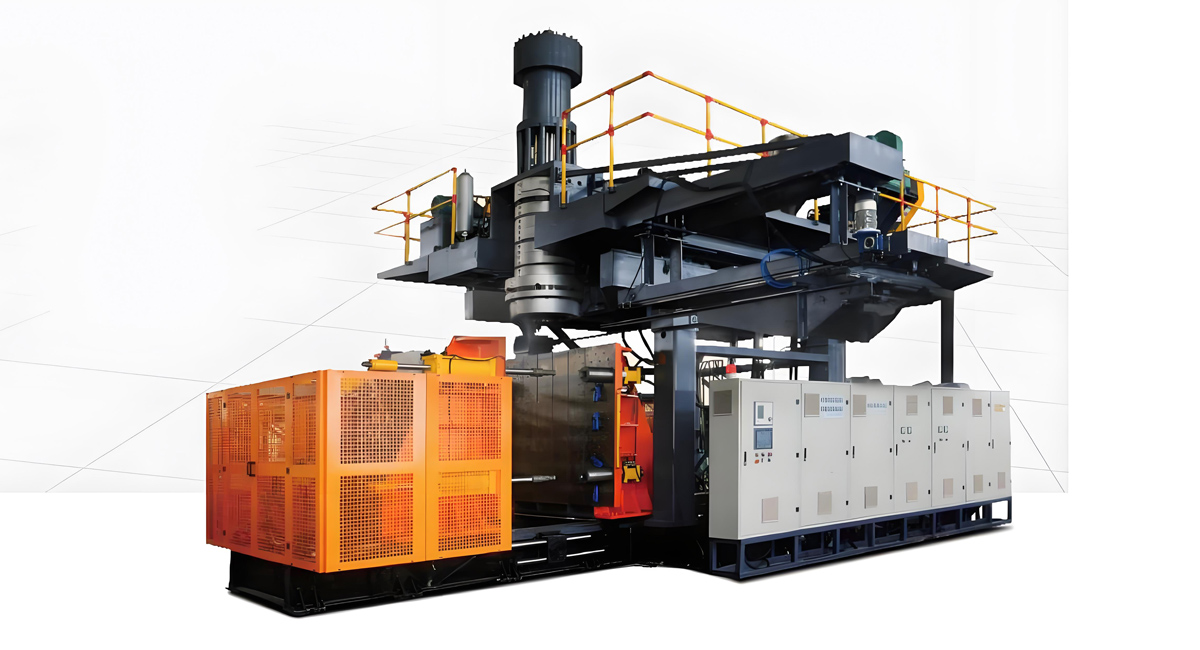
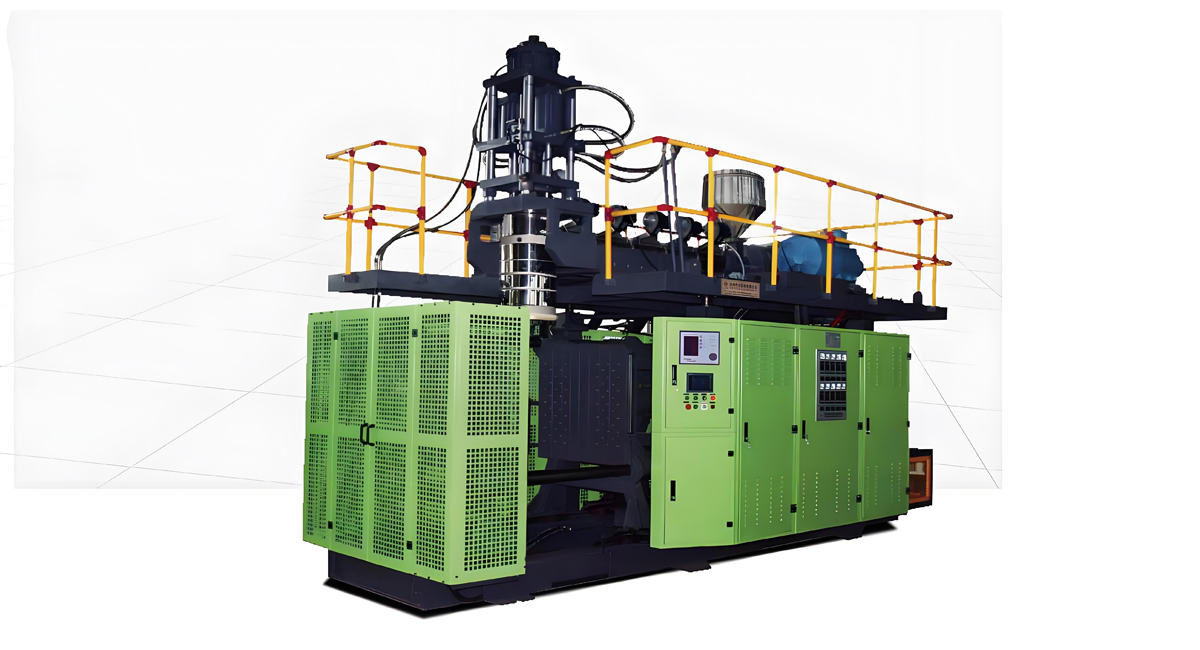
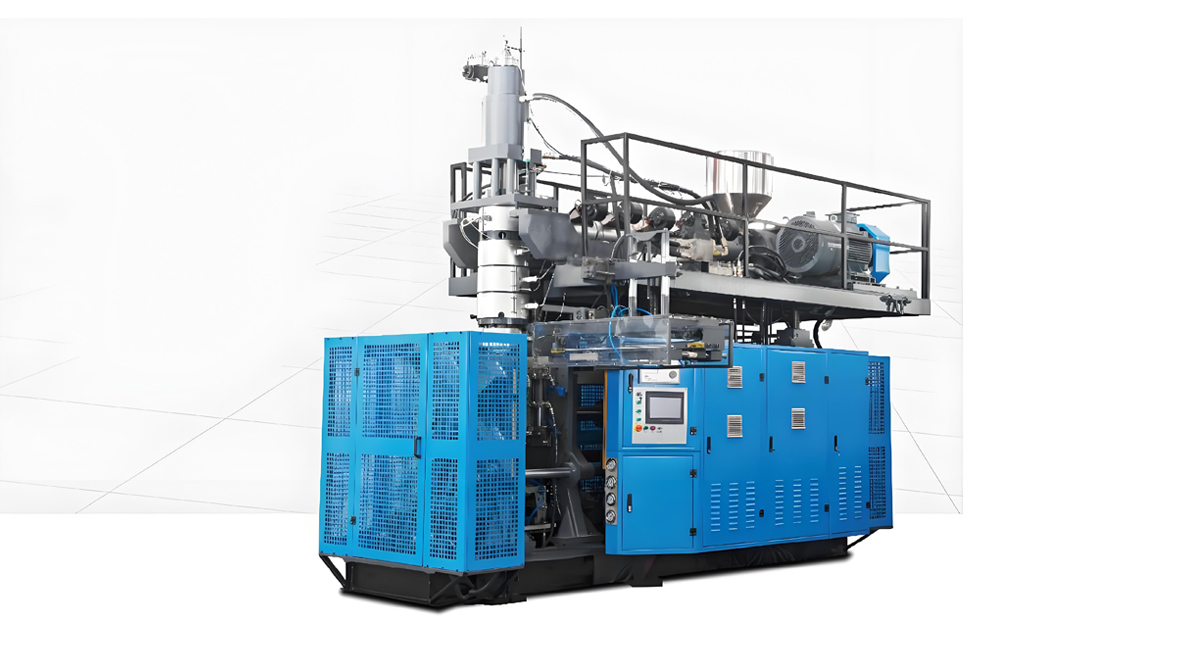
The production of baby products represents one of the most demanding and quality-critical segments of the plastic manufacturing industry. Manufacturers of baby bottles, baby food containers, and other infant care products must meet the highest standards of material purity, production hygiene, and regulatory compliance. Extrusion blow molding machines designed specifically for baby product production incorporate advanced features to ensure the production of BPA-free plastics and maintain the stringent safety requirements that govern infant care products. Apollo China has developed specialized extrusion blow molding machines that address these unique requirements while maintaining production efficiency and cost-effectiveness.
The global market for baby products continues to expand as increasing birth rates in emerging markets and growing consumer awareness of infant safety drive demand for high-quality plastic containers. Manufacturers must navigate complex regulatory landscapes including FDA requirements in the United States, EU regulations for baby products, and various national standards across different markets. The critical importance of product safety for infant consumers places extraordinary demands on manufacturing equipment, requiring extrusion blow molding machines that can produce defect-free containers with consistent material properties and absolute material purity. Apollo China understands these requirements and has developed machine technologies specifically optimized for baby product manufacturing.
BPA-free material production represents a fundamental requirement for modern baby products. Bisphenol A (BPA), a chemical historically used in plastic manufacturing, has been linked to potential health concerns, particularly for infants and children. Regulatory authorities worldwide have restricted or banned the use of BPA in products intended for infant use. Extrusion blow molding machines for baby products must be designed to process alternative materials such as BPA-free polyethylene and polypropylene while maintaining the clarity, strength, and safety properties required for baby containers. Apollo China’s extrusion blow molding machines incorporate material handling systems, temperature control capabilities, and processing parameters optimized for BPA-free materials while preventing cross-contamination with materials containing restricted substances.
BPA-Free Materials for Baby Products
The selection of appropriate BPA-free materials represents the foundation of safe baby product manufacturing. Extrusion blow molding machines must be capable of processing these materials while maintaining material purity and avoiding contamination from previous production runs. Understanding the material characteristics and processing requirements for different BPA-free alternatives enables manufacturers to select optimal materials for specific baby product applications.
BPA-free polyethylene, particularly high-density polyethylene (HDPE), represents one of the most common materials for baby product containers. HDPE offers excellent chemical resistance, durability, and impact strength while being completely free of BPA and other potentially harmful additives. HDPE is suitable for baby bottles, baby food containers, and other infant care products where chemical inertness and material safety are paramount. The material processes well in extrusion blow molding machines with typical processing temperatures ranging from 160°C to 220°C. Apollo China’s extrusion blow molding machines are optimized for HDPE processing with precise temperature control systems that prevent thermal degradation while ensuring consistent melt quality. HDPE products offer the advantage of being recyclable through established recycling streams, supporting sustainability objectives alongside product safety requirements.
BPA-free polypropylene (PP) provides an alternative material choice for baby products requiring higher temperature resistance and chemical resistance. Polypropylene offers excellent thermal stability, making it suitable for baby food containers that undergo sterilization processes such as steam sterilization or hot filling. The material can withstand temperatures up to 135°C without deformation, which exceeds typical sterilization temperatures used in baby food production. Processing temperatures for polypropylene typically range from 190°C to 260°C in extrusion blow molding operations. Apollo China’s extrusion blow molding machines feature advanced heating systems with precise temperature control capabilities across the processing temperature range required for polypropylene. The material’s chemical resistance makes it suitable for containers that may contain acidic baby foods or other potentially reactive contents. Polypropylene also offers excellent clarity in certain formulations, enhancing product appeal while maintaining BPA-free status.
Advanced copolymer materials including polypropylene copolymers and random copolymers provide enhanced properties for specialized baby product applications. These materials combine the safety characteristics of basic polyolefins with improved clarity, impact strength, or thermal stability. For example, random polypropylene copolymers offer superior clarity compared to homopolymer polypropylene while maintaining BPA-free status and chemical resistance. These specialized materials may require slightly different processing parameters compared to standard materials, requiring extrusion blow molding machines with adjustable temperature profiles and processing flexibility. Apollo China’s extrusion blow molding machines incorporate programmable control systems that enable precise adjustment of processing parameters to optimize performance for various copolymer materials. The use of advanced materials can enhance product performance and market differentiation while maintaining compliance with BPA-free requirements.
Material certification and traceability represent critical considerations for baby product manufacturers. All materials used in baby product production must be accompanied by comprehensive certification documentation demonstrating compliance with relevant regulations including FDA CFR 21 for food contact materials, EU Regulation No 10/2011 for plastic materials in contact with food, and various national standards for baby products. Material suppliers must provide food contact substance notices, migration test results, and compliance declarations. Apollo China’s extrusion blow molding machines facilitate material traceability through clean design that prevents cross-contamination between different material batches and through data logging capabilities that document material usage and processing parameters. Complete traceability from raw material receipt through finished product delivery is essential for regulatory compliance and product safety assurance in the baby product market.
Food Safety and Hygiene Requirements
Baby product manufacturing requires adherence to the highest standards of food safety and production hygiene. Extrusion blow molding machines must be designed and operated to prevent contamination, maintain material purity, and facilitate effective cleaning and sanitization procedures. Apollo China has developed specialized machine designs that address the stringent hygiene requirements of baby product production while maintaining production efficiency.
Sanitary machine design represents a fundamental requirement for extrusion blow molding machines used in baby product production. Machine surfaces that come into contact with raw materials or finished products must be constructed from food-grade materials with smooth finishes that prevent material accumulation and bacterial growth. Apollo China utilizes stainless steel construction for all material contact surfaces, with surface finishes meeting or exceeding food industry standards for smoothness and cleanability. Machine design minimizes dead spaces and areas where material could accumulate and potentially degrade or cause contamination. The smooth, accessible design facilitates thorough cleaning and sanitization between production runs, which is essential for preventing cross-contamination between different materials or product batches. Regular cleaning procedures must be validated to ensure effectiveness in removing all material residues and potential contaminants.
Material handling systems must be designed to prevent contamination from external sources. Raw material storage and feeding systems should protect materials from dust, moisture, and environmental contamination that could compromise material purity. Apollo China’s extrusion blow molding machines incorporate enclosed material handling systems with filtered air supplies that prevent contamination from the factory environment. Material conveying systems use food-grade materials and are designed for easy cleaning to prevent material buildup that could cause contamination. For baby product production, the entire material handling system from material silos or bags to the extruder throat must be maintained under controlled conditions that preserve material purity. Any material handling equipment that contacts the plastic material must be constructed from materials compliant with food contact regulations and must be regularly cleaned and sanitized as part of the production hygiene program.
Clean-in-place capabilities enable efficient and effective sanitization of extrusion blow molding machines for baby product production. CIP systems allow automated cleaning of machine surfaces and material contact areas without requiring complete disassembly of equipment. Apollo China offers CIP options on selected extrusion blow molding machine models, featuring automated cleaning cycles that use appropriate cleaning solutions at specified temperatures and flow rates to remove material residues and sanitize surfaces. CIP systems improve cleaning consistency, reduce cleaning downtime, and ensure that sanitization procedures are executed correctly every time. Even machines without full CIP capabilities should be designed for easy manual cleaning with access points that allow thorough cleaning of all material contact surfaces. Cleaning procedures must be validated and documented to demonstrate effectiveness and to provide evidence of compliance with food safety requirements.
Operator hygiene protocols and facility design complement machine hygiene features in ensuring overall production safety. Production facilities for baby products should maintain positive air pressure with filtered air to minimize airborne contaminants. Personnel working in production areas must follow strict hygiene protocols including wearing appropriate protective clothing, washing hands thoroughly before handling materials or equipment, and following established procedures to prevent cross-contamination. Apollo China’s extrusion blow molding machines are designed with operator-friendly features that support good hygiene practices, including easily accessible controls that minimize unnecessary machine contact during operation. Facility design should segregate material storage, production, and packaging areas to prevent cross-contamination between different production stages. Regular microbiological testing of product samples and production environment swabs helps verify the effectiveness of hygiene protocols and identifies potential contamination sources before they affect product safety.
Machine Features for Baby Product Production
Extrusion blow molding machines designed for baby products incorporate specialized features that address the unique requirements of BPA-free material processing, product quality, and regulatory compliance. Apollo China has developed machine technologies specifically optimized for baby product manufacturing, providing the precision, consistency, and cleanliness required for this demanding market segment.
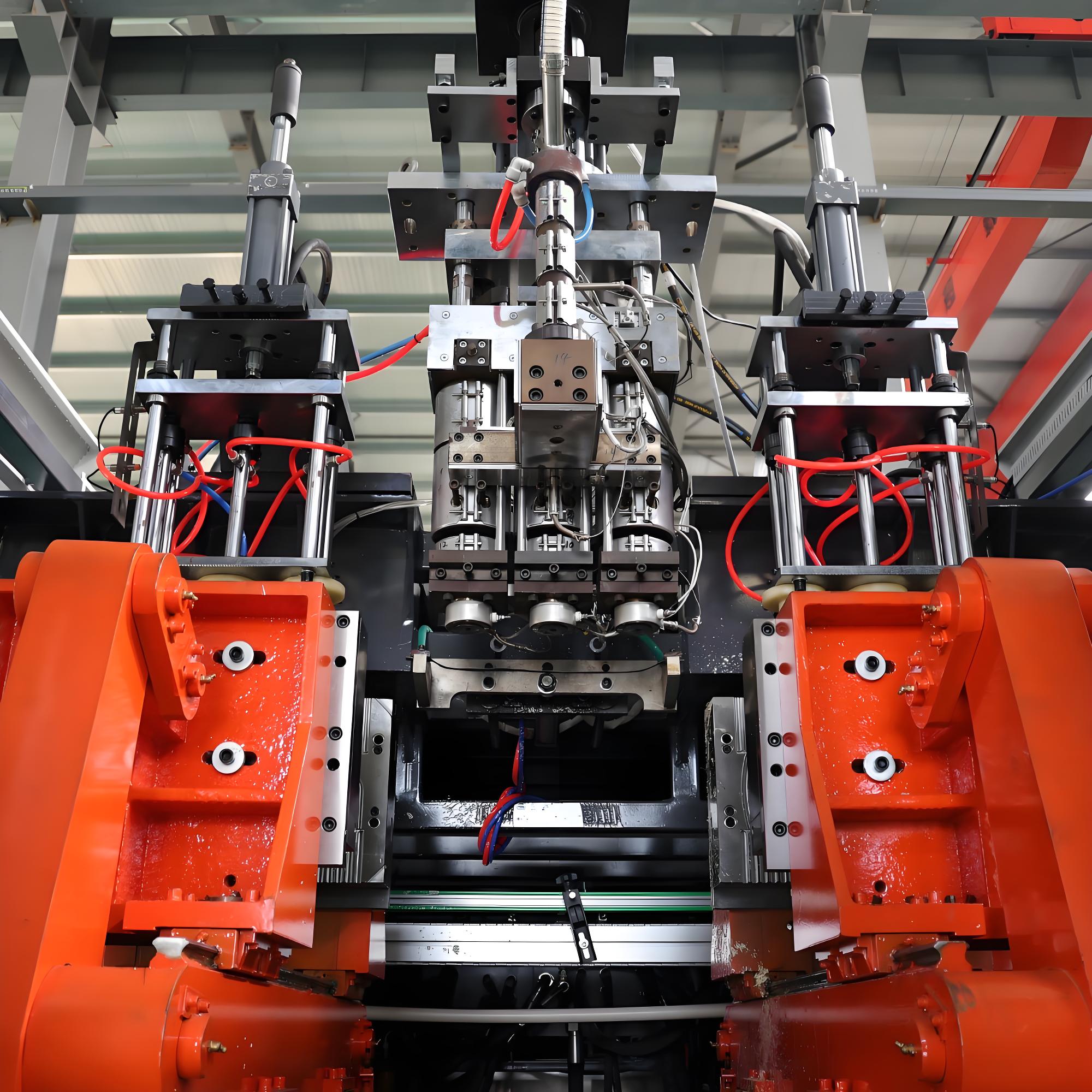
Precision parison control systems are essential for producing consistent baby bottles and containers with uniform wall thickness. The parison, the hollow tube of extruded plastic that is inflated to form the product, must be formed with precise control to ensure uniform wall thickness distribution in the final product. Uneven wall thickness can cause structural weaknesses, affect product appearance, or create potential stress points where material could fail. Apollo China’s extrusion blow molding machines feature advanced parison programming systems that enable precise control of parison wall thickness at multiple points along the length. This control enables optimization of material distribution, ensuring adequate thickness in critical structural areas while minimizing material use in less critical regions. For baby bottles, precision parison control ensures consistent strength and performance while maintaining cost-effectiveness through optimal material usage. The precision control also enables production of complex shapes and designs that may be important for product differentiation in the baby product market.
Advanced temperature control systems ensure consistent material processing and prevent thermal degradation that could affect product safety or appearance. Extrusion blow molding machines process plastic materials at elevated temperatures, and precise temperature control is essential for maintaining material quality and processing consistency. Apollo China’s extrusion blow molding machines feature multi-zone temperature control systems that independently regulate temperature along the barrel, die head, and mold areas. Independent zone control enables optimization of the thermal profile for specific materials and products. Temperature uniformity across the die lip is particularly important for producing uniform parison thickness and consistent product quality. Temperature fluctuations must be minimized, typically maintained within plus or minus 2°C of setpoint, to prevent material quality variations. Apollo China’s temperature control systems incorporate high-precision PID controllers and efficient heating elements that maintain tight temperature control even during high-speed operation or ambient temperature variations. Consistent temperature control ensures consistent product quality and material properties throughout production runs.
Automation and quality control systems enhance product consistency and reduce potential for human error in production operations. For baby products, where quality and safety are paramount, automated systems provide consistent monitoring and control that exceeds manual capabilities. Apollo China offers automation options including automatic bottle loading, automatic product ejection, inline inspection systems, and automatic mold temperature control. Automatic bottle loading systems ensure consistent parison positioning for each production cycle, reducing variability and improving product quality. Inline inspection systems can automatically detect and reject products with defects such as uneven wall thickness, surface imperfections, or dimensional variations. These systems prevent defective products from reaching the market, reducing warranty claims and protecting brand reputation. Automatic mold temperature control maintains consistent mold temperatures, which affects cooling rates and product crystallinity, ultimately affecting product clarity and dimensional stability. Apollo China’s automation options can be integrated to create fully automated production lines that minimize manual intervention while maintaining consistent quality and productivity.
Data logging and traceability capabilities provide documentation essential for regulatory compliance and quality assurance. Baby product manufacturers must maintain comprehensive records demonstrating compliance with regulations and tracking production parameters that affect product quality. Apollo China’s extrusion blow molding machines feature data logging systems that record critical process parameters including temperatures, pressures, cycle times, and machine status. These systems provide continuous documentation of production conditions, enabling traceability from finished product back to specific production runs and material batches. Data logging capabilities are particularly valuable for investigating quality issues, demonstrating compliance during audits, and optimizing production processes. Apollo China’s control systems enable data export for analysis and record-keeping purposes. Comprehensive traceability from material receipt through production to finished product delivery supports quality assurance and regulatory compliance in the highly regulated baby product market.
Quality Control for Baby Products
Quality control systems for baby product manufacturing must be exceptionally thorough to ensure product safety and consistency. Extrusion blow molding machines must produce products that meet stringent dimensional tolerances, appearance standards, and performance requirements while maintaining absolute material purity. Apollo China provides comprehensive quality control recommendations and support for baby product manufacturers to ensure consistent product quality.
Dimensional accuracy verification ensures that baby bottles and containers meet specified dimensional requirements consistently throughout production. Critical dimensions for baby products typically include overall height, diameter, neck finish dimensions, wall thickness, and volume capacity. For example, a baby bottle might have height specifications of 150 millimeters plus or minus 1.0 millimeters, diameter specifications of 65 millimeters plus or minus 0.8 millimeters, and volume capacity of 250 milliliters plus or minus 5 milliliters. Wall thickness distribution is particularly critical for structural integrity and product feel, with typical tolerances of plus or minus 0.15 millimeters depending on product design. Apollo China’s extrusion blow molding machines, when properly operated and maintained, can consistently produce products meeting these tight dimensional tolerances. Dimensional verification should include statistical process control methods to track variation and detect process drift before it causes out-of-tolerance products. Regular dimensional testing from production samples ensures consistent product quality and provides early warning of potential process issues that could affect product safety or performance.
Material purity testing verifies that the finished product contains only approved BPA-free materials without contamination from other plastics or processing aids. Testing methods include spectroscopic analysis to verify material composition, migration testing to ensure compliance with food contact regulations, and screening for prohibited substances. Apollo China’s extrusion blow molding machines are designed to prevent cross-contamination between different materials, but ongoing material purity testing provides additional assurance for product safety. Migration testing involves simulating contact with food or food simulants and analyzing for migrating substances to ensure that migration levels remain below regulatory limits. For baby products, which may undergo repeated use and cleaning cycles, migration testing should consider the effects of repeated use. Material purity verification is particularly important during machine startups after product changes or maintenance, as these are periods when cross-contamination risks are highest. Comprehensive material testing provides assurance of product safety and regulatory compliance.
Surface quality assessment ensures that baby products have appropriate appearance and surface finish that appeals to consumers and provides safe surfaces for infant contact. Surface inspection should include evaluation of clarity for transparent products, color consistency for colored products, surface defects such as flow marks, sink marks, or bubbles, and overall surface smoothness. For baby bottles, clarity is particularly important as parents often prefer to see the contents. Surface defects can create areas where bacteria could accumulate during cleaning, potentially affecting product safety. Apollo China’s extrusion blow molding machines are designed to produce products with high surface quality through precise control of processing parameters and mold design. Surface quality assessment should include both visual inspection and measurement of surface characteristics using appropriate optical measurement instruments. Any surface defects that could affect product safety, cleaning effectiveness, or consumer acceptance should be investigated and corrected.
Functional testing verifies that baby products perform as intended during actual use. For baby bottles, functional tests might include leak testing, drop testing, resistance to repeated sterilization cycles, and compatibility with feeding accessories such as nipples and caps. For baby food containers, tests might include resistance to cracking after freezing, performance during microwave heating, and resistance to leakage during transport and storage. These functional tests ensure that products not only meet specifications but also perform adequately in real-world use conditions. Apollo China’s extrusion blow molding machines, when properly configured with appropriate materials and processing parameters, can produce products that withstand rigorous functional testing. Functional testing should be conducted on samples from production runs to verify consistent performance. Any functional failures should be investigated to determine whether they indicate machine problems, material issues, or design deficiencies.
Microbiological testing ensures that baby products are free from microbial contamination that could pose health risks to infants. Testing methods typically include total plate count testing to quantify overall microbial load, screening for specific pathogenic bacteria, and testing for yeast and mold contamination. Apollo China’s extrusion blow molding machines, with their sanitary design and easy cleanability, help minimize microbial contamination risks when operated with appropriate hygiene protocols. Microbiological testing should be conducted regularly on production samples, particularly from startups after cleaning and from products produced after machine maintenance. Any microbiological contamination should trigger immediate investigation of cleaning procedures, facility hygiene, and material handling processes. Baby products typically require microbiological standards more stringent than general food products due to the vulnerability of infant consumers to microbial infections.
Production Process Optimization
Optimizing the production process for baby products requires balancing quality requirements with production efficiency and cost-effectiveness. Extrusion blow molding machines must be operated and maintained to achieve consistent product quality while maintaining productivity targets. Apollo China provides process optimization support to help manufacturers achieve optimal performance from their extrusion blow molding machines for baby product production.
Process parameter optimization involves finding the ideal combination of temperature settings, screw speed, blow pressure, cooling time, and cycle time to achieve consistent product quality at maximum production efficiency. Temperature settings must be optimized for the specific material being processed, with HDPE typically requiring lower temperatures than polypropylene. Screw speed affects output rate and material homogeneity, with higher speeds potentially increasing output but reducing residence time that affects mixing quality. Blow pressure and duration must be optimized to ensure proper product formation without causing excessive thinning or deformation. Cooling time affects crystallinity and dimensional stability but directly impacts cycle time and production rate. Apollo China’s technical support engineers can assist with process optimization based on their extensive experience with BPA-free materials and baby product production. Process optimization typically begins with manufacturer recommendations and is refined through systematic experimentation to find optimal parameters for specific products and materials.
Mold design optimization significantly impacts product quality and production efficiency. For baby bottles and containers, mold design must ensure proper venting to prevent air entrapment, adequate cooling channels for uniform cooling, and precise surface finish for product appearance. Mold venting prevents trapped air from causing surface defects or incomplete filling of mold cavities. Cooling channels must be strategically positioned to ensure uniform cooling, which affects product dimensional stability and cycle time. Apollo China can provide guidance on mold design or connect manufacturers with qualified mold makers experienced in baby product molds. Properly designed molds help maximize product quality while minimizing cycle time, enabling cost-effective production. Mold design should also consider ease of ejection to prevent product damage and automation compatibility for high-speed production. Investment in quality mold design typically yields substantial returns through improved product quality and reduced production costs.
Preventive maintenance programs are essential for maintaining consistent product quality and preventing unplanned downtime. Extrusion blow molding machines operating in baby product production must maintain precise performance to meet quality requirements, and maintenance is critical for preserving this performance. Key maintenance activities include regular inspection and replacement of worn components, calibration of temperature and pressure control systems, lubrication of moving parts, and cleaning of material contact surfaces. Apollo China provides comprehensive maintenance recommendations and supports customers with spare parts availability and technical assistance. Preventive maintenance should be scheduled based on operating hours and manufacturer recommendations, with particular attention to components that affect product quality such as parison programming systems and temperature control components. Well-maintained equipment produces consistent quality and reduces the risk of quality problems that could result in product recalls or regulatory issues.
Material handling optimization ensures consistent material quality and prevents contamination from external sources. BPA-free materials should be stored in clean, dry conditions that prevent moisture absorption, which could affect processing and product quality. Material handling systems should be designed to prevent segregation or contamination of materials. For colored products, proper pigment dispersion in the material is essential for consistent color development. Apollo China’s extrusion blow molding machines can be equipped with material drying systems when required, particularly for materials that are hygroscopic or when ambient conditions cause moisture pickup. Material testing on receipt should verify that incoming materials meet specifications for BPA-free status, color consistency, and processing characteristics. Proper material handling practices help ensure consistent product quality and reduce processing problems that could affect production efficiency.
Price and Investment Analysis
Investment in extrusion blow molding machines for baby products represents a significant capital commitment that must be carefully evaluated against expected returns and production requirements. Apollo China offers competitive pricing for baby product machines while maintaining the quality and reliability required for this demanding market segment. Comprehensive cost analysis helps manufacturers make informed investment decisions.
Equipment pricing for extrusion blow molding machines varies based on capacity, automation level, and specific features required for baby product production. Apollo China’s extrusion blow molding machines for baby products typically range from USD 45,000 to USD 250,000 depending on configuration. Single-station machines for smaller baby bottles might cost approximately USD 55,000 to USD 85,000, while multi-station high-speed machines for large-scale baby bottle production might cost USD 150,000 to USD 250,000. Machines with advanced features such as CIP systems, extensive automation, or specialized quality control equipment represent higher investments but may reduce operating costs through improved efficiency and reduced labor requirements. Prices include the extrusion blow molding machine, basic control system, and standard accessories. Additional costs may include mold costs (USD 15,000 to USD 50,000 per mold depending on complexity and cavitation), installation and commissioning (USD 5,000 to USD 15,000), and operator training (USD 2,000 to USD 5,000). Apollo China provides detailed quotations outlining all included features and any additional costs, enabling accurate budget planning.
Production cost analysis should consider material costs, energy consumption, labor requirements, and overhead costs in addition to equipment investment. Material costs typically represent 50 to 60 percent of total production costs for baby bottles and containers. BPA-free materials such as HDPE and polypropylene typically cost USD 1.20 to USD 2.50 per kilogram depending on grade and volume. Energy consumption for a typical mid-size extrusion blow molding machine ranges from 15 to 30 kilowatts during operation, with annual energy costs of approximately USD 15,000 to USD 30,000 assuming 5000 operating hours per year and electricity costs of USD 0.20 per kilowatt-hour. Labor requirements vary based on automation level, with fully automated lines requiring minimal operator oversight while manual machines may require one or more operators per machine. Apollo China’s energy-efficient machine designs help reduce energy consumption, and automation options can reduce labor requirements. Total production costs typically range from USD 0.08 to USD 0.25 per unit depending on product size, material, and production volume.
Revenue analysis should consider market demand and pricing for baby products. Baby bottles and containers can command premium pricing due to quality and safety requirements. For example, baby bottles might retail for USD 2.00 to USD 8.00 each depending on brand, features, and market positioning. Manufacturing costs typically represent 30 to 50 percent of retail price, leaving substantial gross margin for manufacturers and retailers. Production volumes vary significantly based on market size, with established manufacturers producing millions of units annually while smaller regional producers may produce hundreds of thousands of units. A well-optimized extrusion blow molding machine producing 400 bottles per hour can produce 2 million bottles annually with single-shift operation, generating substantial revenue potential. Apollo China’s competitive equipment pricing enables favorable returns on investment even at moderate production volumes, with payback periods typically ranging from 1.5 to 3 years depending on market conditions and production efficiency.
Return on investment analysis should project net returns over the equipment’s useful life, typically 10 to 15 years with proper maintenance. For example, a USD 150,000 machine operating 4000 hours annually and producing 1.6 million baby bottles per year at USD 0.15 manufacturing cost per unit and USD 0.40 selling price per unit would generate annual revenue of USD 640,000 and annual production costs of USD 240,000, leaving USD 400,000 gross margin. Subtracting annual operating costs of USD 80,000 for energy, labor, and maintenance yields net annual profit of USD 320,000. This represents a payback period of less than 6 months on equipment investment, demonstrating the attractive economics of baby product manufacturing when well-executed. Apollo China’s competitive pricing and reliable equipment support excellent returns on investment. ROI analysis should consider factors such as market growth, competition, and potential regulatory changes that could affect future profitability.
Regulatory Compliance Requirements
Baby product manufacturers must navigate a complex regulatory landscape that governs materials, production processes, and product safety. Extrusion blow molding machines must be capable of producing products that meet these diverse regulatory requirements across different markets. Apollo China provides support for regulatory compliance through equipment design features and documentation assistance.
United States regulations require compliance with FDA requirements for food contact substances under CFR 21. Materials used in baby product manufacturing must be included in the FDA inventory of substances approved for food contact, or must undergo premarket notification and approval processes. The specific migration limits for various substances must be met, particularly for substances that could migrate from the plastic into food contents. Apollo China’s extrusion blow molding machines are designed to facilitate compliance with FDA requirements through material traceability features and sanitary design that prevents contamination. Manufacturers must maintain documentation demonstrating material compliance, including food contact substance notices, migration test reports, and compliance certifications. The FDA may conduct inspections of manufacturing facilities to verify compliance, requiring documented procedures and records demonstrating that production processes are controlled and products meet regulatory requirements.
European Union regulations require compliance with EU Regulation No 10/2011 on plastic materials and articles intended to come into contact with food. This regulation establishes specific migration limits for various substances, requires appropriate testing to demonstrate compliance, and mandates documentation throughout the supply chain. Materials must be included in the Union list of authorized substances, and manufacturers must ensure that migration levels remain below specified limits. Apollo China’s extrusion blow molding machines are designed to meet EU requirements, with optional CE marking certification for machines destined for European markets. Manufacturers must conduct migration testing using specified food simulants under specified conditions to verify compliance. The regulation requires declaration of compliance documents throughout the supply chain, ensuring traceability from raw materials through finished products. European regulations are particularly stringent regarding substances of very high concern, requiring careful material selection and testing.
National regulations in various countries may have additional requirements beyond international standards. For example, some countries have additional restrictions on specific substances, require additional labeling, or mandate local testing or certification. China has its own food contact regulations administered by the China National Food Safety Standard. Apollo China, being based in China, is familiar with Chinese regulations and can provide support for compliance. Manufacturers planning to export to multiple markets must ensure their products meet all relevant regulatory requirements, which may require different formulations or production processes for different markets. Extrusion blow molding machines with flexible processing capabilities enable production of products meeting different regulatory requirements using the same equipment, though complete changeovers may be required to prevent cross-contamination between products for different markets.
Documentation requirements are extensive across all regulatory jurisdictions and must be maintained throughout product lifecycle. Required documentation includes material compliance declarations, migration test reports, production process documentation, quality control records, and traceability records linking specific production batches to raw material sources. Apollo China’s data logging capabilities support documentation requirements by providing records of production parameters that affect product quality. Documentation must be maintained for specified periods, often 5 to 10 years or longer, and must be available for regulatory inspections. Comprehensive documentation not only satisfies regulatory requirements but also supports quality improvement efforts and helps identify and resolve quality issues when they occur. Baby product manufacturers should implement robust document management systems to ensure documentation is complete, organized, and readily available when needed.
Conclusion
The production of baby products using extrusion blow molding machines requires exceptional attention to material safety, production hygiene, and regulatory compliance. Apollo China has developed specialized extrusion blow molding machines that address the unique requirements of BPA-free plastic production for baby products while maintaining production efficiency and cost-effectiveness. These machines incorporate advanced features including precision parison control, advanced temperature control systems, sanitary design, and automation capabilities that enable consistent production of high-quality baby bottles and containers.
Investment in extrusion blow molding machines for baby products represents substantial capital commitment, but the favorable market conditions and premium pricing for baby products enable excellent returns on investment when production is well-executed. Apollo China’s competitive pricing, combined with the quality and reliability required for baby product production, provides manufacturers with the equipment foundation needed for successful market entry and growth. The emphasis on BPA-free materials and food safety compliance ensures products meet the expectations of increasingly aware and demanding consumers.
For manufacturers seeking to enter or expand in the baby product market, Apollo China’s extrusion blow molding machines provide the technology, reliability, and support needed to produce products that meet the highest safety standards while maintaining production efficiency. By implementing comprehensive quality control systems, maintaining strict hygiene protocols, and ensuring regulatory compliance, manufacturers can build successful businesses in this demanding but rewarding market segment. Apollo China’s commitment to quality, customer support, and continuous innovation makes them a trusted partner for baby product manufacturers seeking extrusion blow molding solutions that meet the highest standards of safety, quality, and performance.