
Introduction
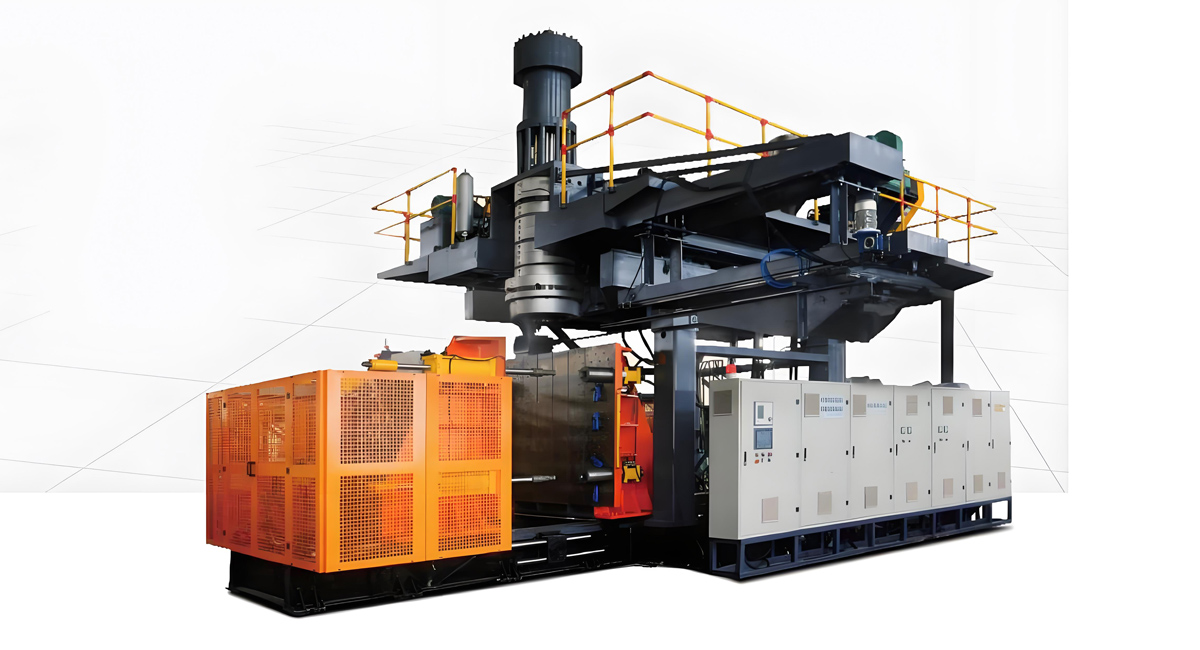
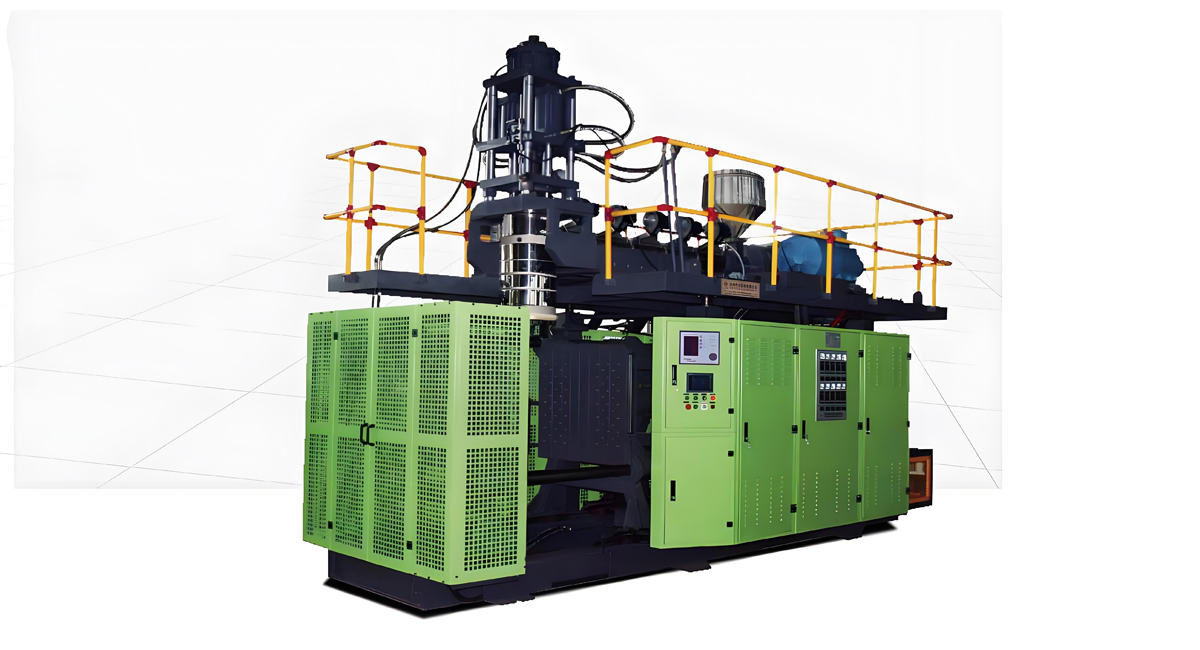
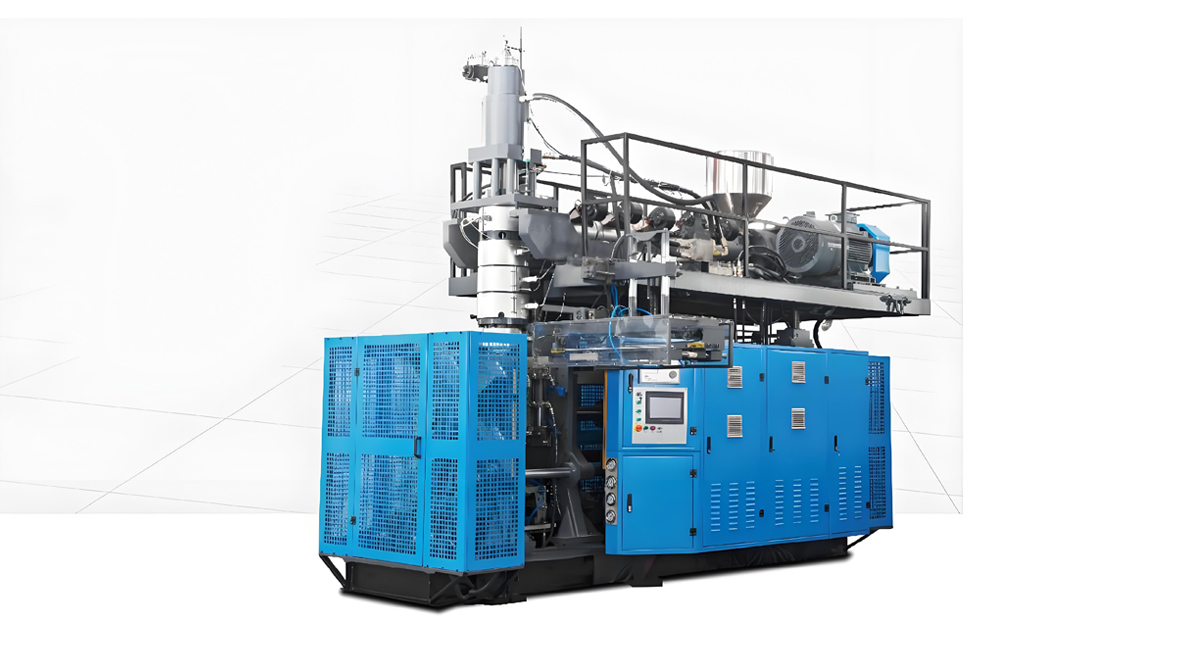
China dominates global extrusion blow molding (EBM) machine market, accounting for approximately 72% of total global production volume and 68% of international exports, with annual EBM machine exports exceeding $860 million representing significant opportunity for global manufacturers sourcing cost-effective production equipment from Chinese suppliers. AiBiM Technology (www.aibim-china.com) with over 16 years of export experience to more than 50 countries including Egypt, Turkey, Brazil, Mexico, Morocco, and South Korea serves as leading EBM machine exporter providing comprehensive support for international buyers including shipping logistics coordination, customs documentation preparation, and on-site installation and training services worldwide.
EBM machine export involves complex logistics considerations due to large dimensions (typical IBM45 machine dimensions 3500x1400x2300mm) and significant weight (6000kg for IBM45 model), requiring specialized shipping container solutions and careful handling during transportation to prevent equipment damage and ensure timely delivery to customer production facilities across global destinations. Shipping options include ocean freight providing cost-effective solution for larger shipments, air freight offering faster transit times for urgent equipment requirements, and combined sea-air freight balancing cost and delivery speed for medium-priority international deliveries. Freight cost comparison: ocean freight typically $1,200-1,800 from China to USA West Coast, air freight costs ranging $8,200-12,500 for same route, and combined freight solution priced $4,800-7,200 with transit time 10-15 days representing middle ground between cost and delivery speed options.
Understanding total landed cost including equipment purchase price, freight expenses, insurance coverage, import duties, and customs clearance fees enables accurate budget planning and supplier comparison to identify most cost-effective sourcing solution for specific equipment requirements and international logistics needs. For typical IBM45 machine purchase from China: CIF (Cost, Insurance, Freight) price $42,800 plus import duties (average 8-12%) amounting to $3,424-5,136, transportation costs $1,200-1,800, insurance coverage 0.2-0.5% of equipment value ($86-214), and customs clearance fees $300-800 yields total landed cost range $47,810-50,050 depending on shipping route and destination country tax regulations, representing significant savings compared to domestic EBM machines pricing typically $68,000-92,000 with comparable technical specifications and production capacity.
Ocean Freight: Cost-Effective Long-Distance Shipping
Ocean freight represents most common transportation mode for EBM machine exports from China accounting for approximately 88% of total shipping volume due to competitive pricing, ability to handle large and heavy equipment, and relatively reliable transit schedules across major international shipping routes connecting China to global manufacturing hubs.
Container Options and Loading Considerations
EBM machine dimensions and weight characteristics determine container requirements ensuring proper equipment fit and safe transportation across ocean transit routes requiring careful planning and specialized loading techniques to prevent damage during loading, stowage, and unloading operations at ports of origin and destination.
Standard container sizes used for EBM machine exports include 20-foot standard container (1 TEU) with interior dimensions 5898x2352x2393mm and maximum payload 28,200kg suitable for smaller machines including AiBiM IBM35 model (dimensions 3200x1200x2100mm, weight 4,500kg) and medium-sized IBM45 model (3500x1400x2300mm, weight 6,000kg) when properly arranged within container space. 40-foot standard container (2 TEU) provides larger capacity with interior dimensions 12032x2352x2393mm and maximum payload 26,800kg enabling shipment of 2-3 smaller machines or 1 large model with additional space for spare parts and accessory packages when combined into single consolidated shipment reducing per-unit transportation costs through shared container utilization across multiple customer orders from same destination region.
Container loading techniques including use of dunnage materials, lashing equipment, and air suspension systems prevent equipment movement during transit while protecting sensitive components from damage due to vibration, impact, or shifting loads during ocean voyage. AiBiM factory loading team uses wooden dunnage providing stable base for machine placement within container, steel lashing with turnbuckles securing machine to container floor with load capacity exceeding 2.5 times machine weight preventing shifting during rough sea conditions, and plastic wrapping protecting exterior surfaces from moisture and corrosion during extended ocean transit periods requiring 20-40 days travel time depending on destination port location and shipping line service schedule.
Loading cost breakdown includes container purchase or rental ($200-350 for 20-foot standard container), loading labor ($80-150 per machine based on complexity and weight), lashing and securing materials ($50-120 per shipment), and port terminal handling fees ($120-200 per container at Chinese port of origin) contributing total loading cost $450-820 per machine for single unit shipment in 20-foot container, while shared container shipments reduce loading costs to $220-380 per unit through shared expenses across multiple customer orders within same container space allocation.
Major Shipping Routes and Transit Times
Major shipping routes from China to global destinations provide varying transit times and freight rates depending on port distance, seasonal shipping patterns, and overall market demand affecting container availability and shipping schedule reliability for international EBM machine shipments.
Asia-Pacific region shipping routes represent shortest transit times from China: Shanghai to Tokyo 3-5 days, Ningbo to Sydney 10-12 days, Shenzhen to Singapore 4-6 days, Qingdao to Mumbai 18-22 days, with ocean freight rates $300-800 per 20-foot container (TEU) depending on destination country and shipping line service level. Proximity to Asian manufacturing hubs enables cost-effective regional shipping solutions with shorter transit times compared to intercontinental shipments reducing total delivery time from 30-60 days for North America and Europe to 10-30 days within Asian markets supporting just-in-time production scheduling for manufacturers requiring rapid equipment replacement or expansion requirements across Southeast Asia, Australia, and New Zealand markets.
Trans-Pacific routes connecting China to North America include Shanghai/Los Angeles route 19-23 days, Ningbo/Long Beach 21-25 days, and Qingdao/Seattle 23-27 days transit times with freight rates $1,100-1,800 per TEU depending on vessel capacity, fuel surcharges, and peak season demand affecting container prices across busy shipping lanes during peak manufacturing periods typically occurring Q3 and Q4 annually supporting holiday production requirements for consumer goods industries across North America markets requiring timely equipment deliveries before seasonal production peaks and inventory build-up periods.
Asia-Europe routes featuring transit times 30-35 days from Shanghai to Rotterdam, 32-37 days from Ningbo to Hamburg, and 34-39 days from Shenzhen to Felixstowe ports with freight rates $1,800-2,700 per TEU including Suez Canal surcharges and security fees affecting total transportation costs across Europe-Middle East shipping corridor connecting Chinese export ports with European manufacturing destinations and industrial regions across Germany, Italy, France, UK, and Poland requiring EBM machines for consumer product packaging and automotive component manufacturing operations supporting regional production and distribution networks throughout European Union single market.
Insurance Coverage and Risk Management
Cargo insurance coverage protects against financial losses due to equipment damage, theft, or total loss during international transit, with comprehensive insurance options providing peace of mind and financial protection for significant capital equipment investments representing critical asset for manufacturing operations requiring production continuity and minimal downtime risk following delivery to customer facility.
Marine cargo insurance options include FPA (Free of Particular Average) coverage providing basic protection against total loss or partial damage from specific perils including vessel sinking, fire, or collision typically costing 0.2-0.3% of insured value, WPA (With Particular Average) covering partial losses resulting from perils such as heavy weather and average sea damage with premium 0.3-0.5% of insured value, and All Risks coverage offering most comprehensive protection including accidental damage during loading/unloading, general average losses, and theft or pilferage during transit with premium 0.5-0.8% of insured value providing optimal protection for high-value EBM machine shipments across international sea routes. AiBiM recommends All Risks coverage with $0 deductible for EBM machine exports protecting investment against most potential transit risks and damage scenarios affecting equipment value during international transportation operations.
Additional insurance options including warehousing insurance covering goods stored at port terminals or inland depots during customs clearance process, delay in startup insurance compensating business interruption losses due to shipment delays causing production downtime exceeding specified threshold periods typically 10-15 days post-delivery, and political risk insurance protecting against government actions including expropriation, confiscation, or embargo affecting delivery of EBM machines to destination countries experiencing political instability or import restrictions potentially delaying equipment deployment and production operations requiring financial protection against non-delivery risks due to political or regulatory developments beyond supplier and buyer control across international trade transactions involving complex geopolitical considerations.
Risk management strategies involving careful carrier selection based on safety ratings, equipment tracking systems using GPS technology for real-time shipment monitoring, and proper packaging design including shock-absorbing materials and moisture barriers prevent common transit-related equipment damage scenarios significantly reducing potential insurance claims and associated costs during international EBM machine shipping operations across global supply chain networks and logistics routes connecting Chinese manufacturing facilities with worldwide production destinations across diverse regional markets and transportation corridors.
Air Freight: Fast Transit for Urgent Equipment Requirements
Air freight provides fastest international transportation solution for urgent EBM machine shipments requiring immediate delivery to minimize production downtime or meet critical project deadlines despite significantly higher cost compared to ocean freight alternatives making it suitable for urgent equipment replacements, initial production line startup requirements, and high-value specialized equipment applications demanding rapid deployment across global manufacturing locations.
Air Freight Costs and Service Comparison
Air freight costs vary significantly based on airline, cargo size and weight, flight route, and overall market demand for cargo space with typical pricing structures including weight-based calculation using volumetric weight conversion factor 1:6000 (length x width x height in cm divided by 6000) to determine chargeable weight whichever yields higher cost calculation basis for specific shipment dimensions and actual weight considerations.
Typical air freight rates for EBM machine transport from China: $5.80-7.20 per kg (volumetric weight basis) for economy cargo service to USA, $4.50-6.20 per kg to Europe, and $3.80-5.20 per kg to Middle Eastern destinations resulting in total freight costs $10,800-13,600 for IBM45 machine weighing 6,000kg and volumetric weight 2,095kg (3500x1400x2300cm/6000) making weight-based calculation applicable for pricing purposes due to relatively high equipment weight compared to cubic volume characteristics for typical EBM machine dimensions and specifications across AiBiM product range including IBM35, IBM45, and IBM65 model configurations requiring air freight transportation services for urgent international deliveries across global time zones and market regions.
Air freight service levels include standard economy cargo service with transit time 3-5 days depending on direct flight availability and customs clearance procedures, priority cargo service ensuring faster processing and boarding priority adding 30-50% premium over standard rates, and charter flight service providing exclusive use of aircraft for very urgent or oversized shipments requiring custom routing and loading arrangements with cost typically 3-5 times standard economy air freight rates representing premium service option for time-critical EBM machine deliveries requiring dedicated transportation resources outside standard commercial cargo airline service schedules.
Cost benefit analysis comparing air versus ocean freight for IBM45 machine: air freight costs $10,800-13,600 saves 20-35 days transit time compared to ocean freight ($1,200-1,800), translating to potential downtime cost savings $1,000-2,000 per day for production facilities with daily production revenue $1,800-3,200 and downtime impact reducing production output capacity until equipment arrives and undergoes installation and commissioning procedures requiring additional 7-14 days before full production operations commence following equipment delivery to customer facility location across international destinations.
Airport Handling and Custom Requirements
Air freight involves specific handling procedures at origin and destination airports including security screening, customs inspection, and ground transportation arrangements to ensure timely transfer from airport terminal to customer facility location with minimal delay and equipment damage risk throughout logistics chain from factory to final destination facility.
Airport handling procedures include security screening requiring x-ray inspection of cargo contents and documentation verification before loading onto aircraft, palletization using air cargo pallets with load capacity 4,000-5,000kg per pallet facilitating efficient aircraft loading and reducing handling time for large EBM machines typically requiring 1-2 pallets depending on overall dimensions and weight characteristics across AiBiM product range including medium-sized IBM45 machine requiring one standard air cargo pallet with dimensions 2200x3000mm suitable for most wide-body commercial aircraft cargo holds offering sufficient capacity for industrial equipment transportation across international air routes connecting major Chinese airports including Shanghai Pudong, Guangzhou Baiyun, and Shenzhen Bao’an with global destination airports across North America, Europe, and Asia-Pacific regions supporting international EBM machine shipping operations through established air cargo service networks and specialized logistics providers.
Air freight customs documentation includes commercial invoice specifying HS code 8477.40.0000 (plastic injection molding machines), air waybill (AWB) issued by airline carrier, packing list detailing contents of each package with dimensions and weights, certificate of origin confirming Chinese manufacturing origin, and import permits or regulatory certificates required for destination country import requirements potentially including FDA registration for food contact equipment or CE marking for European market access across specific product applications requiring compliance with local regulatory standards and import restrictions applicable to EBM machines and industrial processing equipment categories.
Ground transportation from airport to customer facility includes specialized equipment including low-bed trucks for transporting oversized machines, cranes or forklifts for loading/unloading heavy equipment upon arrival, and professional drivers experienced in handling industrial machinery ensuring safe and timely delivery to production site minimizing damage risk through careful maneuvering and secure load securing during final delivery stage completing international shipping logistics chain from Chinese factory to global customer facility location across various international markets and geographic regions worldwide.
Pros and Cons of Air vs. Sea Freight
Comparing ocean and air freight options involves evaluation of multiple factors including transportation cost, delivery speed, cargo safety risk profile, and environmental impact considerations to determine most suitable shipping solution for specific EBM machine shipment requirements and customer operational priorities balancing cost-effectiveness against production downtime risk management and business continuity needs.
Ocean freight advantages include significantly lower cost (typically 8-10 times cheaper than air freight for long-haul international shipments), ability to handle larger and heavier equipment exceeding air cargo weight and dimension limitations (300kg maximum weight per piece for most commercial airlines), lower carbon emissions per ton-kilometer transported (ocean freight generates 0.1-0.3 kg CO2 per ton-kilometer compared to 0.8-1.2 kg CO2 per ton-kilometer for air freight), and greater schedule reliability with established weekly service frequencies across major trade routes with container vessels departing Chinese ports on fixed schedule ensuring predictable delivery dates for international equipment shipments supporting medium-term production planning and capital expenditure budgeting processes without urgent timeline constraints.
Air freight advantages include much faster transit time (3-7 days compared to 20-40 days ocean freight), reduced inventory carrying costs due to faster delivery enabling just-in-time equipment deployment minimizing warehouse space requirements and storage expenses, lower risk of damage due to shorter transit duration reducing exposure to potential equipment mishandling or sea weather-related risks, and greater flexibility for last-minute shipment adjustments including destination change requests or equipment priority upgrades accommodating evolving production requirements and customer operational needs across dynamic global manufacturing environments requiring rapid equipment response capabilities.
Ocean freight disadvantages include longer transit times potentially delaying production startup or expansion projects requiring urgent equipment delivery, higher risk of cargo loss or damage due to extended exposure to sea conditions and multiple handling operations across port terminals and transportation stages, variable schedule reliability during peak seasons or adverse weather conditions causing port congestion and shipping route delays affecting estimated delivery dates and production planning processes, and greater complexity in tracking shipment status compared to real-time air cargo tracking systems providing constant location updates and delivery progress reports across international air transportation operations enabling enhanced supply chain visibility and operational control throughout logistics process.
Customs Clearance and Regulatory Compliance
Customs clearance procedures vary significantly across destination countries with specific import requirements, documentation obligations, and tariff classification rules affecting EBM machine import processes requiring careful attention to ensure compliance with local customs regulations and avoid potential delays, penalties, or seizure of equipment during cross-border movement across international trade routes.
Documentation Requirements for Export
Proper export documentation preparation ensures smooth customs clearance at both origin and destination ports with required documents including commercial invoice, packing list, bill of lading or air waybill, certificate of origin, and any specialized permits or certificates confirming product quality, safety compliance, or technical specifications required by importing country regulatory authorities across various international markets and trade regions worldwide.
Commercial invoice details include description of goods (extrusion blow molding machine), model number (IBM45), serial number, quantity, unit price, and total purchase amount with currency specified as USD (United States Dollars) or EUR (Euros) based on payment terms and trade agreement currency conventions, along with HS code classification critical for determining applicable import duties and taxes upon arrival at destination country port location across global trade network. AiBiM provides template commercial invoice in English for international customers facilitating accurate customs declaration and documentation preparation ensuring compliance with both Chinese export regulations and importing country customs requirements across diverse global markets and trade jurisdictions with varying documentation and labeling standards affecting international equipment shipments and cross-border trade transactions involving complex regulatory environments and compliance obligations requiring detailed attention to documentation accuracy and completeness.
Certificates including CE marking (for European Union markets), FDA registration (for United States food contact applications), and ISO 9001 quality management system certification provide validation of product quality and compliance with international standards facilitating customs clearance process by demonstrating product safety and conformity to relevant technical specifications and regulatory requirements applicable to EBM machines and industrial processing equipment categories. AiBiM machines carry CE marking for safety compliance, ISO 9001 certification for quality management, and optional FDA documentation for food packaging applications ensuring documentation support for regulatory compliance across major international markets and trade regions requiring specific product certifications and import authorization documentation upon equipment arrival at destination customs authorities.
Import Tariffs and Tax Considerations
Import tariff classification and tax calculation significantly impact total landed cost of EBM machine import across various destination countries with varying duty rates, trade agreement benefits, and tax exemptions affecting overall investment economics for global manufacturers sourcing equipment from Chinese suppliers and international trade partners across diverse global manufacturing locations and regional markets with unique import duty structures and tax policies influencing procurement decisions and supply chain strategy across international equipment sourcing operations.
HS code 8477.40.0000 applies to extrusion blow molding machines with typical import duty rates: 8-12% in USA depending on trade agreement status, 5-10% in European Union countries with most favored nation tariffs, 0-5% duty rates for members of ASEAN Free Trade Area (AFTA), and 15-20% tariffs in some developing countries outside preferential trade agreements imposing higher protective tariffs on imported machinery to support local manufacturing industries and protect domestic production from international competition across industrial equipment sectors including plastic processing machinery and manufacturing technology categories influencing cost calculations and supplier selection processes for global manufacturers sourcing production equipment across international trade network.
Trade agreements including US-China Phase One Trade Agreement reducing tariffs on certain Chinese goods, European Union Generalized System of Preferences (GSP) providing preferential duty rates for developing countries, and RCEP (Regional Comprehensive Economic Partnership) across Asia-Pacific region with 0% tariffs on industrial equipment after transitional period reducing import costs for signatory countries including Japan, South Korea, Australia, and New Zealand creating opportunities for cost savings through strategic sourcing from China leveraging preferential trade agreements and reduced tariff rates across international EBM machine purchases and supply chain planning processes optimizing total landed cost for production equipment investment across diverse global manufacturing locations and regional trade jurisdictions.
Value Added Tax (VAT) or Goods and Services Tax (GST) applies in addition to import duties in most countries with typical rates ranging 13-27% depending on jurisdiction including USA (no federal VAT but state sales taxes averaging 7-10%), European Union (20% average VAT rate), and Australia (10% GST rate) affecting final landed cost and pricing comparison between domestic versus imported equipment options influencing total cost of ownership calculation for extrusion blow molding machines across international manufacturing operations and procurement strategies requiring accurate tax rate identification and inclusion in financial analysis and budgeting models for capital equipment investment across global production locations and regional supply chain networks.
Common Challenges and Solutions
Customs clearance process presents potential challenges including documentation errors leading to delays, valuation disputes with customs authorities over declared equipment value, and non-compliance with product safety regulations affecting import approval status and equipment release from customs storage facilities requiring proactive solutions and careful planning to mitigate risk and ensure smooth import process across diverse global trade environments and regulatory landscapes with varying compliance requirements and enforcement practices affecting international equipment shipments and cross-border trade transactions involving complex customs procedures and documentation requirements.
Documentation solutions including use of digital documentation platforms enabling real-time document sharing between exporter, freight forwarder, and importer facilitating customs declaration preparation and validation processes, third-party document verification services confirming accuracy and completeness of export documentation reducing risk of customs rejection due to errors or missing information, and professional freight forwarder services with expertise in EBM machine imports handling customs clearance processes including tariff classification optimization minimizing duty costs through proper HS code application and trade agreement benefit identification across international equipment shipments from China to global destinations with varying customs requirements and duty structures influencing import costs and supply chain efficiency across global manufacturing and procurement operations requiring specialized logistics support and customs expertise.
Compliance strategies including pre-shipment product testing to validate safety certification requirements such as CE marking and FDA registration, participation in authorized economic operator (AEO) programs providing customs benefits including reduced inspection rates and priority clearance procedures for reliable importers/exporters with established compliance track records, and use of duty drawback programs enabling recovery of import duties paid on equipment later exported or used in production of exported goods providing financial recovery opportunity for manufacturing facilities engaged in both domestic production and international export operations leveraging customs duty benefits and tax relief programs across various trade jurisdictions and national tax systems affecting international EBM machine procurement and investment decisions across diverse global market environments.
Supplier Selection and Shipping Logistics Partners
Selecting reliable Chinese supplier with proven export track record and established logistics partnerships ensures smooth international shipping experience minimizing potential delays, equipment damage, and communication misunderstandings during complex cross-border EBM machine procurement and transportation processes requiring coordination between manufacturing facility, freight forwarder, and customer organization across global supply chain network and international trade relationships involving multiple stakeholder entities and cross-functional communication channels.
Criteria for Choosing Chinese EBM Machine Suppliers
Supplier evaluation criteria including export experience, quality certifications, technical support capabilities, and pricing transparency help identify reliable Chinese EBM machine exporter providing comprehensive support for international buyers across global destinations with varying logistics requirements and technical support needs requiring established infrastructure and service capabilities to ensure successful equipment delivery, installation, and operational performance across diverse global manufacturing environments and regional production locations worldwide.
Export experience criteria includes number of export years (AiBiM with 16+ years exporting to 50+ countries), presence of overseas service centers in major markets including Egypt, Turkey, and Brazil providing on-site support within 48-72 hours of service request for installed equipment maintenance and repair services reducing downtime for global customers with international production facilities requiring rapid technical assistance and spare parts availability across multiple geographic regions and time zones ensuring equipment reliability and minimal production disruption during operational activities and maintenance procedures across diverse regional markets and global supply networks.
Quality certification criteria includes ISO 9001 quality management system certification, CE marking for safety compliance, and optional FDA registration for food contact applications ensuring product compliance with international standards reducing import compliance risks across diverse destination countries with varying product safety and regulatory requirements affecting EBM machine acceptance and customs clearance processes across international equipment shipments and trade transactions involving industrial processing machinery requiring conformity to technical standards and product safety regulations ensuring product quality and operational reliability across diverse production environments and equipment applications.
Technical support criteria includes availability of English-speaking technical staff for post-sales support services, remote diagnostic capabilities through PLC connectivity enabling real-time equipment monitoring and troubleshooting assistance without on-site service visit requirement, and spare parts inventory management including global warehouse locations in strategic markets providing rapid spare parts delivery within 7-14 days for critical components minimizing downtime risk and ensuring timely replacement of malfunctioning parts across international equipment installations and maintenance operations through established supply chain infrastructure and logistics partnerships supporting spare parts distribution across global customer base and regional markets with varying service response time requirements and operational urgency levels.
Working with Freight Forwarders and Shipping Agents
Freight forwarders and shipping agents with specialized expertise in industrial equipment transportation manage complex logistics processes including container booking, customs documentation, cargo insurance, and multi-modal transportation coordination across sea, air, and land transportation modes providing comprehensive logistics solutions for international EBM machine shipments from China to global destinations with diverse transportation requirements and geographical challenges requiring integrated logistics approach combining multiple transportation modes and handling operations to ensure timely and cost-effective equipment delivery to customer production facilities across global supply chain network.
Freight forwarder services include ocean freight booking with preferred shipping lines including Maersk, MSC, and COSCO providing competitive rates and schedule reliability across major trade routes, air freight booking with airlines including Air China and Emirates SkyCargo offering dedicated cargo services for heavy industrial equipment shipments with special handling capabilities and weight limit accommodations exceeding standard passenger airline cargo restrictions for large and heavy EBM machines requiring specialized air cargo services and oversized loading accommodations across international air routes connecting Chinese manufacturing hubs with global destination airports supporting urgent equipment shipments and high-value production machinery transportation across time-sensitive production projects and equipment replacement requirements minimizing downtime risk and ensuring business continuity for international manufacturing operations and production facilities worldwide.
Logistics coordination services including container tracking using GPS technology and online portal access for shipment status updates, customs documentation preparation including HS code classification and tariff calculation assistance, insurance coverage selection based on shipment value and risk profile, and multi-modal transport planning combining ocean freight with inland trucking or rail transportation for final delivery to customer facility location inland beyond port proximity requiring integrated logistics solution and transportation mode coordination across land and sea transportation networks reducing overall transit time and cost for international EBM machine shipments requiring inland distribution beyond port facilities across various geographic regions and landlocked countries with limited direct port access requiring comprehensive logistics planning and transportation mode integration.
Post-delivery Services and Warranty Support
Post-delivery services including equipment installation, operator training, and warranty support ensure successful equipment commissioning and long-term reliable operation following international shipment delivery to customer production facility location across diverse global markets requiring specialized technical expertise and on-site support services to ensure optimal machine performance and operational productivity across various production environments and equipment application scenarios.
Installation services include on-site machine setup by AiBiM trained technicians requiring 3-7 days depending on machine complexity and customer facility layout requirements, including utility connections for 380V three-phase electrical supply, compressed air connection (1.0 MPa minimum pressure), and cooling water supply (3-5 cubic meters per hour flow rate) supporting machine operation with optimal performance characteristics and minimal downtime risk during initial startup phase and commissioning procedures following delivery to customer facility across international locations with varying power supply specifications and utility availability requiring technical assessment and customization to local infrastructure standards ensuring compatibility and safe operation of imported EBM machine equipment across global production facilities.
Training programs including operator training covering machine operation procedures, PLC programming basics, and safety protocols requiring 2-3 days training duration per machine supported by English language training manuals and hands-on practical exercises to ensure production personnel possess necessary skills to operate equipment safely and efficiently minimizing risk of operator error affecting machine performance and product quality across various manufacturing operations and production cycles with different material formulations and equipment configuration requirements across diverse EBM machine models and production applications worldwide.
Warranty support services including one-year standard warranty covering all machine components including PLC systems, hydraulic pumps, and servo motors with optional extended warranty packages extending coverage up to 3 years for additional cost, free spare parts supply during warranty period including wear items such as seals and bearings, and remote technical support via video conferencing enabling troubleshooting assistance without on-site service visit requirement reducing downtime and service response costs for international customers across global locations and time zones providing efficient problem resolution and maintenance support for imported EBM machine equipment with minimal logistical challenges and cost overheads across diverse regional markets and international production facilities.
Conclusion
China remains dominant global EBM machine exporter providing cost-effective solutions for manufacturers worldwide with diverse shipping options including ocean freight delivering cost-effective bulk transportation and air freight offering rapid delivery for urgent equipment requirements requiring careful evaluation of total landed cost including equipment price, freight expenses, import duties, and insurance coverage to determine optimal sourcing strategy and shipping method for specific EBM machine procurement needs across international manufacturing operations and capital expenditure planning processes with varying budget constraints and timeline requirements.
AiBiM Technology offers comprehensive EBM machine export solutions including IBM35, IBM45, IBM65, and IBM75 models with proven export track record to over 50 countries, with established logistics partnerships and professional support team ensuring smooth international shipping experience from factory loading to on-site installation and training services worldwide. Economic analysis demonstrates 30-40% cost savings compared to equivalent European or North American equipment, with IBM45 model price $42,800 (single unit) versus $70,000-$90,000 domestic alternatives, providing compelling financial justification for sourcing Chinese EBM machines across global manufacturing operations seeking production cost reduction and quality equipment solutions with comprehensive international support services and logistics capabilities across diverse global trade routes and destination markets.
Successfully navigating EBM machine export process requires strategic supplier selection, comprehensive logistics planning, and thorough understanding of international shipping regulations and import requirements across diverse destination countries with varying customs procedures, tax rates, and trade agreement benefits affecting total landed cost and supply chain efficiency across global manufacturing and procurement operations requiring specialized expertise and professional support to ensure smooth equipment acquisition and installation processes supporting production expansion and efficiency improvement goals worldwide. For manufacturers seeking reliable EBM machine exporter with proven international track record and comprehensive logistics support capabilities, AiBiM Technology provides customized solutions for international EBM machine procurement and transportation needs across diverse global market environments and production requirements requiring cost-effective equipment sourcing and reliable international shipping solutions.