Introduction to High Volume Disposable Plastic Production
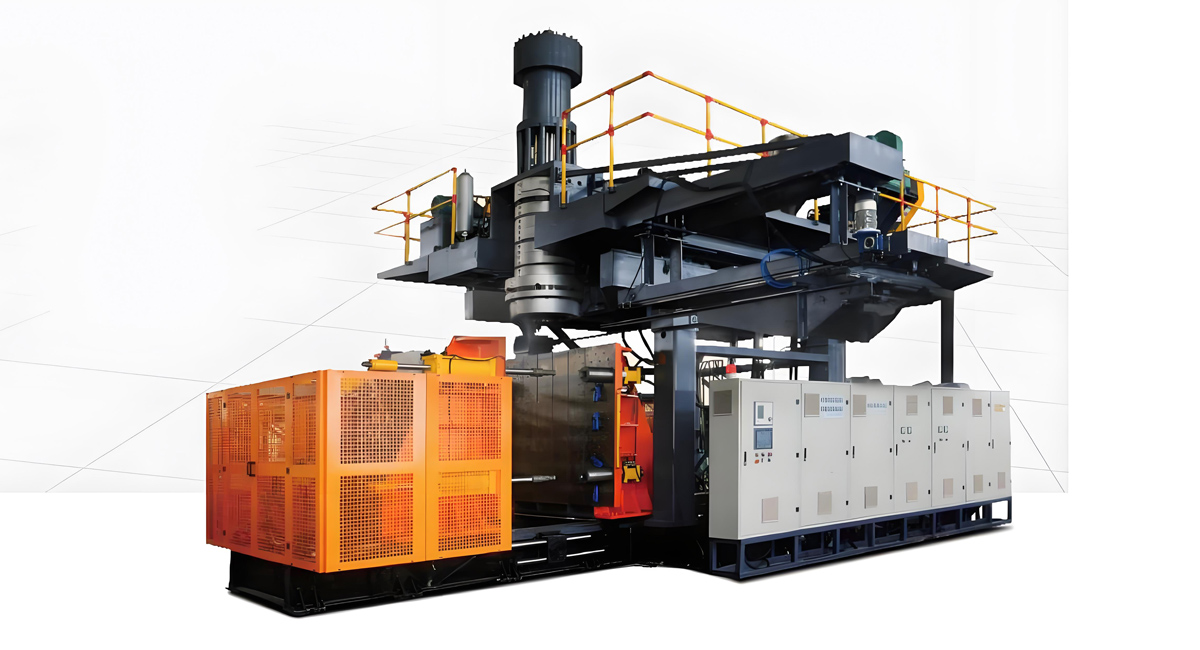
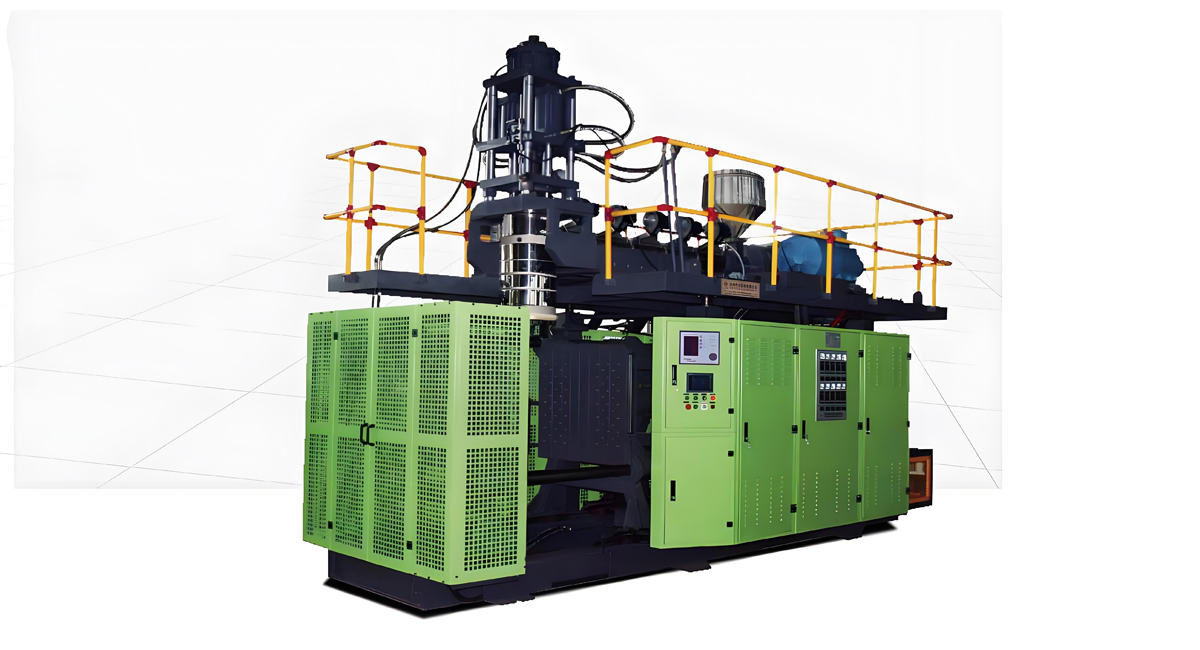
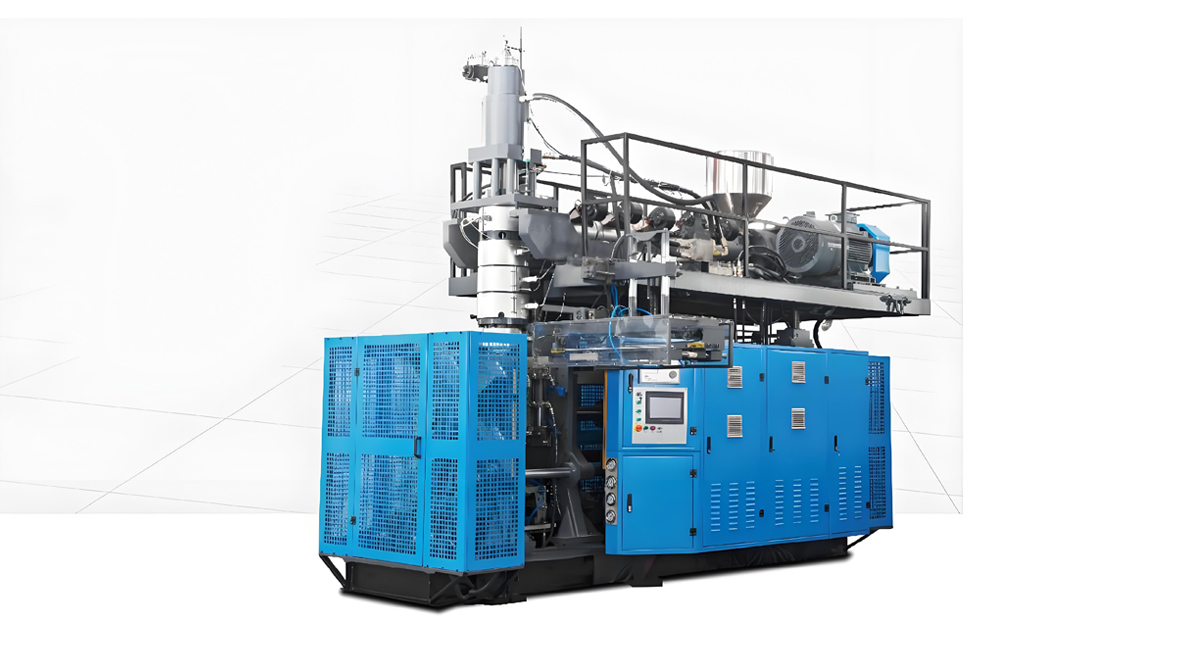
Extrusion blow molding machines represent the cornerstone equipment for manufacturing disposable plastic products in high volume production environments, delivering exceptional productivity and cost efficiency for manufacturers worldwide. The demand for disposable plastic products continues to grow across multiple market segments including food packaging, beverage containers, personal care products, medical supplies, and household items, creating significant opportunities for manufacturers operating efficient extrusion blow molding production lines. Zhangjiagang Apollo Machinery Co., Ltd., with over 20 years of manufacturing experience and more than 4,000 machines operating across 90 countries, understands the critical importance of equipment reliability, production efficiency, and cost optimization in disposable plastic product manufacturing. High volume production demands extrusion blow molding machines that can operate continuously at maximum speed while maintaining consistent product quality, minimal material waste, and low operational costs. Apollo extrusion blow molding machines are specifically engineered for high volume disposable plastic product manufacturing, offering productivity rates ranging from 300 to 1,900 bottles per hour depending on machine configuration and product specifications.
Market Analysis for Disposable Plastic Products
The global market for disposable plastic products continues expanding at robust growth rates, driven by increasing consumer demand for convenience products, growth in food service and beverage sectors, and expanding applications in healthcare and household markets. Market research indicates that the disposable plastic packaging market is projected to reach significant volume levels by 2026, with particularly strong growth in Asia-Pacific regions where rapid urbanization and changing consumer lifestyles drive demand for convenient packaging solutions. This market expansion creates substantial opportunities for manufacturers investing in high capacity extrusion blow molding equipment capable of meeting growing production requirements while maintaining competitive cost structures. Understanding market dynamics, product trends, and regional demand patterns enables manufacturers to make informed equipment investment decisions that align with current and future market opportunities.
Key Disposable Plastic Product Categories
The disposable plastic products market encompasses multiple product categories each requiring specific equipment configurations and production capabilities. Food and beverage packaging represents the largest category, including water bottles, juice containers, dairy product bottles, and food service items such as condiment bottles and packaging containers. Personal care products including shampoo bottles, body wash containers, lotion bottles, and other cosmetic packaging require high volume production capabilities with emphasis on attractive appearance and consistent quality. Medical disposable products including specimen containers, medicine bottles, and packaging supplies require equipment capable of meeting stringent quality standards while maintaining high production rates. Household products including cleaning product bottles, laundry detergent containers, and household chemical packaging demand robust equipment capable of processing diverse plastic materials with varying chemical resistance requirements. Apollo extrusion blow molding machines offer versatile production capabilities across all these product categories, with machine configurations optimized for specific application requirements.
Regional Market Characteristics and Requirements
Regional market characteristics significantly influence equipment selection and production strategy for disposable plastic product manufacturing. Asian markets including China, India, and Southeast Asian countries demonstrate strong growth potential with emphasis on cost-effective production and rapidly evolving product requirements. European markets emphasize quality, sustainability, and regulatory compliance, requiring equipment capable of producing high-quality products with excellent surface finish while meeting strict environmental and safety regulations. North American markets demand high production efficiency and consistent quality, with particular emphasis on food safety certifications and FDA compliance for food contact applications. Middle Eastern and African markets show strong growth potential for basic disposable plastic products, with emphasis on durability and cost efficiency. Apollo extrusion blow molding machines are designed to meet diverse regional market requirements, offering equipment configurations that balance production efficiency, product quality, and cost optimization according to specific market characteristics.
Equipment Selection for High Volume Production
Selecting the appropriate extrusion blow molding machine configuration represents a critical decision for high volume disposable plastic product manufacturing, directly affecting production capacity, product quality, and operational costs. Equipment selection must consider multiple factors including required production capacity, product specifications, material characteristics, automation requirements, and investment budgets. Apollo offers comprehensive extrusion blow molding machine product ranges optimized for high volume production, including the ABLB series for small to medium capacity products (200ml to 30L), the ABLD series for larger capacity products (20L to 1500L), and fully electric series for applications requiring precision and energy efficiency. Understanding the capabilities and appropriate applications of each equipment category enables manufacturers to select optimal configurations that meet production requirements while maximizing return on investment.
ABLB Series: Small to Medium Capacity High Volume Production
The ABLB series extrusion blow molding machines from Apollo represent optimal solutions for high volume production of small to medium capacity disposable plastic products ranging from 200ml to 30L capacity. These machines feature dual-station configurations that enable continuous high-speed production with dry cycle times ranging from 6 to 8 seconds depending on product size and configuration. The ABLB 55 model offers excellent performance for small capacity products up to 5L, achieving production rates of approximately 1,200 bottles per hour for 1L HDPE bottles. The ABLB 75 model, one of Apollo most popular models for disposable product production, handles capacities up to 10L with production rates reaching 1,600 bottles per hour for 1L products in dual-station configuration. The ABLB 90 model accommodates products up to 16L capacity while maintaining excellent production rates for medium-size disposable containers. These machines feature high-quality Mitsubishi PLC control systems, precise parison control capabilities, and robust construction designed for continuous 24-hour operation in demanding production environments.
ABLD Series: Large Capacity Disposable Products
The ABLD series extrusion blow molding machines provide ideal solutions for high volume production of larger capacity disposable plastic products ranging from 20L to 1500L capacity. These machines are particularly suitable for industrial containers, large cleaning product containers, water storage tanks, and other large disposable or semi-disposable plastic products. The ABLD series features accumulator-type extrusion heads capable of delivering large parison volumes necessary for large product molding, with clamping forces ranging from 260KN for 60L capacity models to much higher capacities for larger models. These machines are designed for high volume production with emphasis on reliability, structural strength, and production efficiency. ABLD machines typically achieve production rates ranging from 115 to 450 pieces per hour depending on product size and configuration, with cycle times optimized for large product molding. The ABLD 90 model, for example, produces 50L capacity products at approximately 450 pieces per hour in dual-station configuration, making it ideal for industrial container production.
Fully Electric Series: Precision High Volume Production
Apollo fully electric extrusion blow molding machines represent advanced solutions for high volume production requiring exceptional precision, energy efficiency, and reduced environmental impact. These machines feature all-electric drive systems that eliminate hydraulic systems while providing superior precision, reduced maintenance requirements, and lower energy consumption compared to hydraulic alternatives. Fully electric models achieve energy savings of 30-40% compared to hydraulic machines, with noise levels below 75 decibels for improved working environments. These machines offer exceptional wall thickness control precision within plus or minus 0.05mm, making them ideal for high-quality disposable products requiring precise material distribution and reduced material usage. Production rates for fully electric machines range from 500 to 3,000 bottles per hour depending on model configuration and product specifications, with particular strength in small to medium capacity products up to 20L. These machines are particularly suitable for medical disposable products, premium personal care packaging, and other applications requiring high precision and clean operating conditions.
Production Capacity and Efficiency Analysis
Production capacity and operational efficiency represent the key performance metrics for high volume disposable plastic product manufacturing, directly determining production capability, cost per unit, and overall business profitability. Understanding the factors that influence production capacity and implementing optimization strategies enables manufacturers to maximize equipment utilization and achieve superior operational performance. Apollo extrusion blow molding machines are designed for high efficiency operation with excellent production capabilities, but actual production performance depends on multiple factors including product design, material selection, equipment configuration, operational practices, and maintenance quality. Systematic analysis of these factors and implementation of optimization strategies enables manufacturers to achieve production rates at or near theoretical equipment maximums while maintaining consistent product quality and minimizing operational costs.
Theoretical vs. Actual Production Capacity
Understanding the difference between theoretical production capacity stated by equipment manufacturers and actual achievable production rates in customer operations is essential for realistic production planning and business forecasting. Theoretical production capacities represent ideal laboratory conditions with optimal products, materials, and operating parameters, while actual production rates in customer facilities typically range from 75% to 90% of theoretical maximums due to real-world factors including material variations, mold changes, operator efficiency, and planned maintenance. Apollo provides realistic production capacity specifications based on typical operating conditions rather than ideal laboratory conditions, enabling customers to develop accurate production plans. For example, while the theoretical dry cycle time for ABLB 75 dual-station machine may be stated as 4 seconds per cycle, actual production rates for 1L HDPE bottles typically range from 1,400 to 1,600 bottles per hour rather than the theoretical 1,800 bottles per hour based on 4-second cycles. Understanding these practical limitations enables realistic production planning and avoids disappointing production shortfalls.
Production Efficiency Optimization Strategies
Implementing comprehensive production efficiency optimization strategies enables manufacturers to achieve production rates closer to theoretical maximums while maintaining product quality and minimizing costs. Key optimization strategies include material selection optimization to reduce viscosity variations, temperature profile optimization for consistent melting characteristics, mold design improvements to reduce cooling time, and automation implementation to reduce operator dependence. Apollo extrusion blow molding machines feature advanced control systems that facilitate optimization through precise parameter control, recipe storage and recall capabilities, and comprehensive process monitoring. Implementing systematic process optimization typically enables production efficiency improvements of 10-20% above baseline operations, representing substantial capacity increases without additional capital investment. For example, optimizing temperature profiles and cooling times for a specific product design may reduce cycle times from 8 seconds to 7 seconds, increasing production capacity by approximately 14% without requiring additional equipment investment.
Automation and Labor Efficiency
Automation implementation represents one of the most effective strategies for improving production efficiency in high volume disposable plastic product manufacturing. Automated systems including automatic material loading, automated deflashing, robotic part removal, automated inspection, and integrated packaging systems reduce labor requirements while improving consistency and reducing human error sources. Apollo extrusion blow molding machines can be configured with various automation options tailored to specific production requirements and investment budgets. Automated material loading systems ensure consistent material supply without manual intervention, eliminating production interruptions for material replenishment. Automated deflashing systems remove flash and waste material automatically, reducing labor requirements and improving part quality consistency. Robotic part removal and transfer systems ensure consistent part handling and reduce cycle time variability. Complete automation integration can reduce labor requirements by 50-75% compared to manual operations while improving production consistency and reducing defect rates to below 1% in well-optimized operations.
Material Selection and Processing Optimization
Material selection and processing optimization significantly affect production efficiency, product quality, and operational costs in high volume disposable plastic product manufacturing. Selecting appropriate materials for specific applications and optimizing processing parameters enables manufacturers to achieve superior performance characteristics while minimizing material costs and production issues. Apollo extrusion blow molding machines process multiple plastic materials including HDPE, LDPE, PP, PVC, PETG, and various specialty materials, providing flexibility for diverse product applications. Understanding material characteristics, processing requirements, and cost considerations enables manufacturers to make informed material selection decisions that optimize production efficiency and total cost of ownership.
HDPE: Primary Material for Disposable Containers
High-density polyethylene (HDPE) represents the most commonly used material for disposable plastic containers due to its excellent combination of properties including chemical resistance, impact strength, moisture barrier properties, and cost effectiveness. HDPE processes well on extrusion blow molding machines with relatively low processing temperatures (typically 160-200 degrees Celsius) and excellent melt strength for parison formation. Material costs for HDPE typically range from $1,100 to $1,400 per metric ton depending on grade and market conditions, representing an excellent cost-performance balance for disposable container production. Apollo extrusion blow molding machines are optimized for HDPE processing with temperature control systems, screw designs, and die head configurations specifically designed for HDPE characteristics. Processing HDPE typically achieves production rates at the high end of equipment capabilities due to favorable melting characteristics and good parison stability. Manufacturers should select appropriate HDPE grades based on product requirements, balancing cost considerations against performance characteristics such as environmental stress crack resistance, stiffness, and impact strength required for specific applications.
PP: High Temperature and Chemical Resistance Applications
Polypropylene (PP) represents an important material for disposable plastic products requiring higher temperature resistance, improved chemical resistance, or enhanced clarity compared to HDPE. PP offers excellent chemical resistance to acids, bases, and many solvents, making it suitable for cleaning product containers and chemical packaging. PP processes at slightly higher temperatures than HDPE (typically 200-240 degrees Celsius) and requires careful temperature control to achieve optimal clarity and mechanical properties. Material costs for PP typically range from $1,200 to $1,600 per metric ton, representing a moderate cost increase over HDPE but providing enhanced performance characteristics. Apollo extrusion blow molding machines process PP effectively with appropriate temperature profile adjustments and die head configurations optimized for PP characteristics. PP processing typically requires slightly longer cycle times than HDPE due to higher processing temperatures, but the enhanced performance characteristics justify the modest efficiency reduction for applications requiring temperature or chemical resistance beyond HDPE capabilities.
Material Cost Optimization Strategies
Implementing material cost optimization strategies enables manufacturers to reduce material costs while maintaining product quality and performance, directly improving profit margins in high volume disposable plastic production. Key optimization strategies include regrind material utilization, material specification optimization, and supply chain optimization. Apollo extrusion blow molding machines feature processing capabilities that accommodate high percentages of regrind material, enabling cost savings through material recycling. Most disposable product applications can accommodate 10-30% regrind material without affecting product quality, representing potential material cost savings of $110-420 per metric ton based on HDPE pricing. Material specification optimization involves selecting the minimum material grade that meets application requirements rather than over-specifying materials unnecessarily. Supply chain optimization through bulk purchasing, supplier negotiation, and strategic sourcing can reduce material costs by 5-15% through improved terms and pricing. Implementing comprehensive material cost optimization strategies can reduce total material costs by 15-25% compared to unoptimized operations, representing substantial profit margin improvement for high volume manufacturers.
Mold Design and Production Optimization
Mold design significantly affects production efficiency, product quality, and operational costs in extrusion blow molding operations, making mold design optimization critical for high volume disposable plastic production. Well-designed molds reduce cycle times, improve product quality consistency, extend mold service life, and minimize maintenance requirements. Apollo provides comprehensive mold design services and collaborates with customers to develop molds optimized for specific production requirements. Key mold design considerations include cooling system design, venting optimization, surface finish requirements, and material selection for mold construction. Investing in high-quality mold design typically pays for itself through improved production efficiency and reduced maintenance costs over the mold service life.
Cooling System Design and Optimization
Cooling system design represents one of the most important aspects of mold design for high volume production efficiency, as cooling time typically represents the longest portion of the production cycle. Optimized cooling systems incorporate conformal cooling channels that follow product geometry, high cooling capacity through appropriate channel sizing, and uniform cooling distribution to ensure consistent product quality. Apollo mold designers utilize advanced computational fluid dynamics analysis to optimize cooling channel placement and sizing, ensuring efficient heat removal while maintaining uniform wall thickness and preventing hot spots that cause quality issues. Well-designed cooling systems can reduce cooling times by 20-30% compared to poorly designed systems, directly increasing production capacity without requiring equipment upgrades. For example, optimizing cooling system design for a 1L HDPE bottle mold may reduce cooling time from 4 seconds to 3.2 seconds, increasing potential production capacity by 11% without changing machine specifications.
Venting and Air Exhaust Optimization
Venting and air exhaust systems are critical for ensuring complete mold filling and preventing product defects such as short shots, incomplete blowing, or air traps that create weak spots in finished products. Proper venting design includes strategic placement of vent slots, appropriate vent sizing to allow air escape while preventing material leakage, and surface finishes that facilitate air evacuation. Apollo mold designs incorporate comprehensive venting strategies based on product geometry and material characteristics, ensuring complete mold filling and eliminating air-related defects. Poor venting leads to production scrap rates of 2-5% or higher, while well-designed venting systems keep scrap rates below 1% in optimized operations. Reducing scrap rates from 3% to 1% represents material cost savings of approximately $330 per 10,000 kg of processed HDPE based on $1,100 per metric ton material cost, representing substantial cost savings in high volume production.
Mold Material Selection and Surface Treatment
Mold material selection and surface treatment affect mold service life, product surface finish, and maintenance requirements in high volume production. Aluminum molds offer excellent heat transfer characteristics and lower initial cost but limited service life for abrasive materials or high volume production. Steel molds provide extended service life and excellent durability but higher initial cost and potentially longer cooling times due to lower thermal conductivity. Surface treatments including chrome plating improve release characteristics and reduce wear, extending mold service life and improving product surface finish. Apollo recommends aluminum molds for prototyping and initial production runs, followed by steel molds for established high volume production. Chrome-plated steel molds provide excellent balance of durability, heat transfer, and product release characteristics for most disposable product applications. Mold service life ranges from 50,000 to 500,000 cycles depending on material, construction quality, and maintenance practices, making material selection critical for total cost of ownership optimization.
Quality Control and Production Consistency
Maintaining consistent product quality represents essential requirement for high volume disposable plastic production, affecting customer satisfaction, brand reputation, and production costs through scrap minimization. Implementing comprehensive quality control systems and process optimization strategies enables manufacturers to maintain consistent quality while achieving high production rates. Apollo extrusion blow molding machines incorporate advanced quality control features including precise temperature control, parison programming capabilities, and monitoring systems that facilitate quality consistency. Establishing robust quality control protocols, implementing process monitoring systems, and maintaining disciplined operational practices enables manufacturers to achieve defect rates below 1% in optimized operations.
Process Monitoring and Control Systems
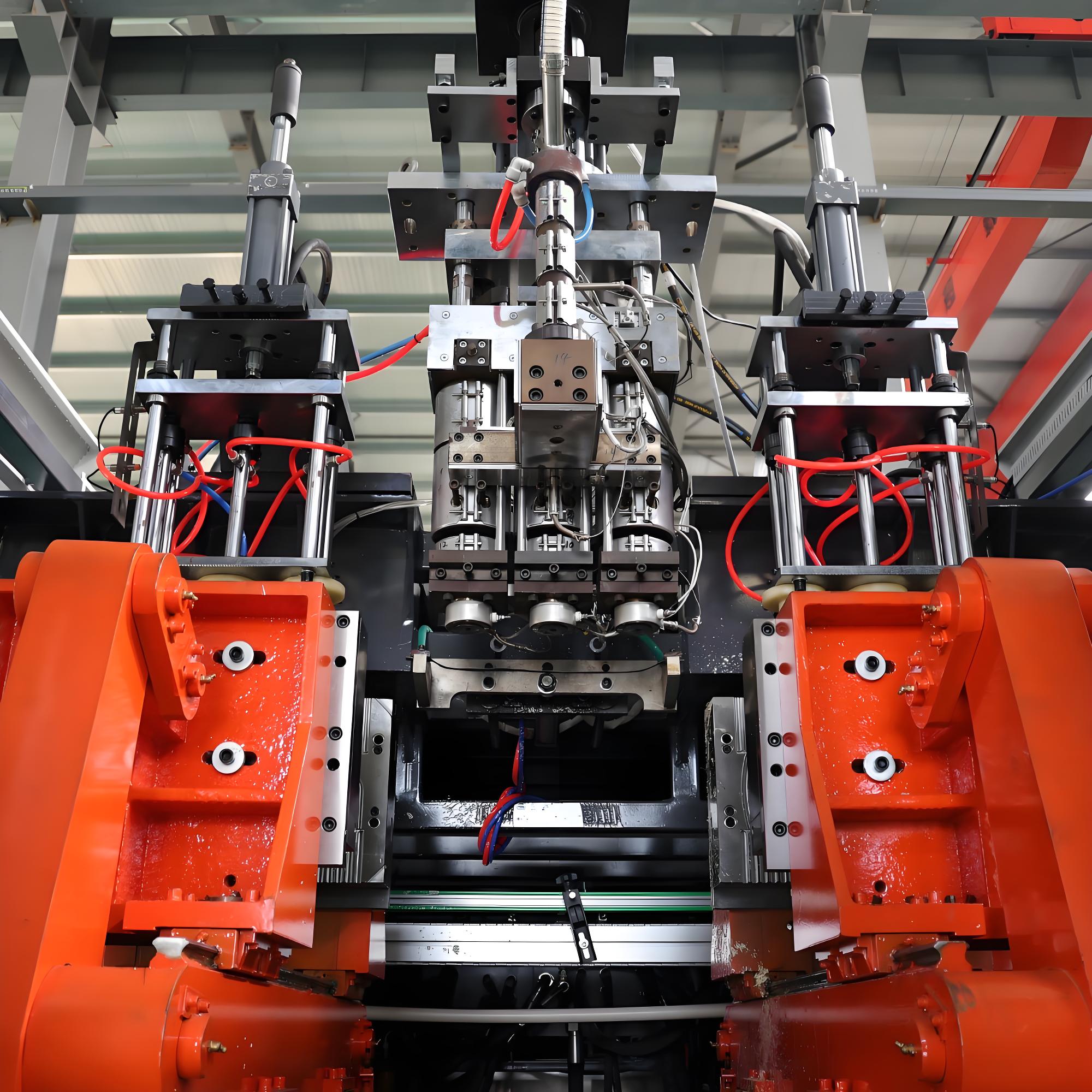
Advanced process monitoring and control systems enable real-time monitoring of critical process parameters and automated response to process variations, maintaining product quality consistency while minimizing operator intervention. Apollo extrusion blow molding machines feature Mitsubishi PLC-based control systems with comprehensive process monitoring capabilities including temperature monitoring at multiple barrel and mold zones, pressure monitoring for blowing systems, cycle time monitoring, and production counting. Advanced systems include parison programming with up to 100 points for precise wall thickness control, statistical process control functions for trend analysis, and alarm systems that alert operators to process variations requiring attention. Implementing comprehensive process monitoring reduces defect rates by 30-50% compared to operations relying on periodic quality sampling, while enabling rapid identification and correction of process issues before they produce significant quantities of defective products. The investment in advanced monitoring systems typically pays for itself through reduced scrap and improved quality consistency within 6-12 months of operation.
Statistical Process Control Implementation
Statistical process control (SPC) implementation provides systematic approach to quality monitoring and process optimization, enabling data-driven decision making and continuous improvement in production operations. SPC systems collect quality data from production samples, analyze trends and variations, and provide alerts when processes drift outside acceptable control limits. Apollo machines can be configured with data collection interfaces that feed SPC systems with critical process parameters including product dimensions, wall thickness measurements, and production counts. Implementing SPC enables manufacturers to move from reactive quality approaches, addressing issues after defective products are produced, to preventive approaches that identify and correct process drifts before they produce defects. High volume manufacturers implementing SPC typically reduce defect rates by 40-60% compared to operations without systematic quality monitoring, while reducing quality costs by 25-35% through improved first-pass yield and reduced inspection requirements.
Operator Training and Standard Operating Procedures
Comprehensive operator training and standardized operating procedures represent essential foundations for quality consistency and production efficiency in high volume operations. Well-trained operators understand machine capabilities, process parameters, quality requirements, and troubleshooting procedures, enabling rapid response to production issues while maintaining consistent operation. Apollo provides comprehensive operator training programs covering machine operation, process optimization, quality monitoring, and maintenance procedures. Standard operating procedures document optimal process parameters, startup and shutdown procedures, quality inspection requirements, and response protocols for various production scenarios. Manufacturers investing in comprehensive training programs and SOP implementation typically achieve 15-25% higher production efficiency compared to operations with untrained operators, while reducing defect rates by 30-50% through consistent process execution. The investment in operator training typically provides return on investment within 3-6 months through improved efficiency and quality.
Maintenance Optimization for Continuous Operation
Maintenance optimization represents critical requirement for continuous high volume operation, maximizing equipment availability and minimizing unplanned downtime. Implementing preventive maintenance programs, establishing spare parts inventory, and training maintenance personnel ensures that extrusion blow molding machines achieve maximum operational availability. Apollo extrusion blow molding machines are designed for reliability with robust construction and quality components, but regular maintenance remains essential for optimal performance. Establishing comprehensive maintenance protocols enables manufacturers to achieve operational availability above 95% compared to typical 85-90% availability without systematic maintenance programs, representing substantial capacity improvements without equipment investment.
Preventive Maintenance Program Implementation
Preventive maintenance programs schedule regular maintenance activities based on machine operating hours or time intervals, replacing components before failure and maintaining equipment in optimal condition. Apollo provides recommended preventive maintenance schedules for each machine model, specifying maintenance intervals and activities for components including hydraulic oil changes, filter replacements, bearing lubrication, electrical system inspections, and wear parts replacement. Implementing preventive maintenance reduces unplanned downtime by 60-80% compared to reactive maintenance approaches, where equipment is repaired only after failure occurs. For example, regularly replacing hydraulic oil and filters at manufacturer-recommended intervals prevents hydraulic system failures that typically require 4-8 hours of unplanned downtime to repair. Preventive maintenance typically costs 15-25% less than reactive maintenance approaches due to reduced catastrophic failures and extended equipment service life.
Spare Parts Inventory Management
Maintaining appropriate spare parts inventory enables rapid response to equipment failures, minimizing downtime when components require replacement. Apollo provides recommended spare parts lists for each machine model, identifying critical components that should be kept in inventory based on expected service life and replacement lead times. Critical spare parts typically include hydraulic seals, electrical components, sensors, bearings, and wear parts that have predictable service life intervals. Manufacturers maintaining appropriate spare parts inventory can typically reduce downtime from 8-12 hours to 2-4 hours when components fail, as replacement parts are immediately available rather than requiring ordering and delivery. Apollo maintains comprehensive spare parts inventory for all machine models, typically shipping critical parts within 24 hours of order receipt. Implementing systematic spare parts management typically costs 2-3% of equipment value annually but saves 10-20 times that amount in reduced downtime costs for high volume operations.
Predictive Maintenance Technologies
Predictive maintenance technologies utilize monitoring systems to detect developing equipment issues before failure occurs, enabling scheduled maintenance during planned downtime rather than unplanned interruptions. Technologies include vibration monitoring for motors and pumps, temperature monitoring for bearings and electrical components, oil analysis for hydraulic systems, and performance trend monitoring for overall machine operation. Apollo extrusion blow molding machines can be configured with various monitoring sensors and interfaces that feed predictive maintenance systems with real-time equipment health data. Implementing predictive maintenance typically increases operational availability by 2-4% compared to preventive maintenance alone, while reducing maintenance costs by 10-20% through optimal component replacement timing. The investment in predictive maintenance technology typically provides return on investment within 12-24 months through reduced downtime and optimized maintenance scheduling.
Cost Analysis and Return on Investment
Comprehensive cost analysis and return on investment calculation enable informed decision making for extrusion blow molding equipment investment in high volume disposable plastic production. Understanding total costs of ownership including equipment purchase, installation, operation, maintenance, and decommissioning enables manufacturers to calculate accurate return on investment and compare alternative equipment options. Apollo extrusion blow molding machines offer competitive pricing with excellent total cost of ownership, providing superior return on investment through reliable performance, energy efficiency, and minimal maintenance requirements. Detailed cost analysis should include capital investment, operational costs, maintenance costs, quality costs, and revenue projections over expected equipment service life.
Capital Investment Analysis
Capital investment analysis determines the total upfront costs required to acquire and install extrusion blow molding equipment, including equipment purchase price, shipping costs, installation expenses, training costs, and initial tooling costs. Apollo extrusion blow molding machines offer competitive pricing based on machine specifications and configurations. ABLB series machines for high volume disposable product production range from $37,000 for ABLB 55 model to approximately $66,000 for popular ABLB 75 model. ABLD series for larger capacity products range from $66,000 to higher depending on capacity and configuration. Fully electric models range from $145,000 to $285,700 depending on capacity and features. Additional costs include international shipping typically ranging from $5,000 to $15,000 depending on machine size and destination, installation costs typically $3,000 to $8,000, and mold costs ranging from $15,000 to $50,000 depending on product complexity and construction material. Total capital investment for complete production line typically ranges from $60,000 to $150,000 depending on machine selection and configuration.
Operational Cost Analysis
Operational cost analysis determines ongoing costs associated with machine operation including energy consumption, labor costs, material costs, and consumable costs. Energy consumption represents significant operational cost, with hydraulic extrusion blow molding machines typically consuming 0.4-0.7 kWh per kilogram of HDPE processed, and fully electric models consuming 0.2-0.35 kWh per kilogram. Based on average industrial electricity rates of $0.15 per kWh, annual energy costs for a machine processing 200 kg of HDPE per hour operating 4,000 hours annually would range from $24,000 to $84,000 depending on machine type. Labor costs depend on automation level, with fully manual operations requiring 2-3 operators per machine representing annual labor costs of $80,000 to $120,000, while highly automated lines may require only 0.5-1 operator representing annual costs of $20,000 to $40,000. Material costs typically represent 40-60% of total operational costs, with HDPE at $1,100 per metric ton representing material costs of $880,000 annually for 800 metric tons processed. Consumable costs including lubricants, wear parts, and supplies typically range from $5,000 to $15,000 annually depending on machine type and usage intensity.
Total Cost of Ownership and Return on Investment
Total cost of ownership analysis combines capital costs, operational costs, maintenance costs, and quality costs over the expected equipment service life to determine true equipment cost and return on investment. Apollo extrusion blow molding machines typically achieve total cost of ownership advantages through energy efficiency, low maintenance requirements, and high production rates. A typical ABLB 75 machine with purchase price of $66,000 may generate annual profit of $80,000 to $120,000 depending on production volume and product pricing, representing payback period of 7-12 months based on capital investment alone. When accounting for total costs of ownership including energy, labor, maintenance, and materials, the total return on investment over 10-year equipment life typically exceeds 300-500% of initial capital investment. Fully electric models, while requiring higher initial investment, provide superior return on investment through energy savings of 30-40% and maintenance cost reductions of 50-60% compared to hydraulic alternatives, typically achieving total cost of ownership advantages that offset higher initial costs within 18-36 months of operation.
Environmental and Sustainability Considerations
Environmental and sustainability considerations increasingly influence equipment selection and production practices in disposable plastic product manufacturing. Regulations, customer requirements, and brand reputation drive manufacturers toward more sustainable practices including energy efficiency, material recycling, waste reduction, and environmental compliance. Apollo extrusion blow molding machines support sustainable production through energy-efficient designs, material recycling capabilities, and waste reduction features. Implementing sustainability initiatives not only addresses environmental concerns but often provides economic benefits through cost reduction and improved market access.
Energy Efficiency and Carbon Footprint Reduction
Energy efficiency represents critical sustainability consideration and significant cost reduction opportunity in extrusion blow molding operations. Apollo fully electric extrusion blow molding machines achieve 30-40% energy savings compared to hydraulic alternatives, reducing both operational costs and carbon footprint. Energy efficiency improvements include variable frequency drives on motors, optimized hydraulic system designs, and advanced control systems that minimize energy waste. Beyond equipment efficiency, operational practices including optimized scheduling, idle time reduction, and process optimization further reduce energy consumption. Implementing comprehensive energy efficiency measures typically reduces energy costs by 20-35% compared to unoptimized operations while reducing carbon footprint proportionally. Based on electricity carbon intensity of 0.5 kg CO2 per kWh, energy efficiency improvements for a typical extrusion blow molding operation consuming 200,000 kWh annually could reduce carbon emissions by 20,000 to 35,000 kg annually, representing substantial environmental benefit.
Material Recycling and Waste Reduction
Material recycling and waste reduction practices address both environmental concerns and cost reduction opportunities in disposable plastic production. Apollo extrusion blow molding machines process regrind material effectively, enabling closed-loop recycling of production scrap and reducing material waste. High volume disposable product operations typically generate 5-10% scrap material during startup, changeover, and quality issues, representing significant material cost and waste potential. Implementing comprehensive scrap collection, reprocessing, and reuse systems enables manufacturers to recycle 90-95% of scrap material, reducing net material purchases by 5-10% while diverting material from waste streams. Beyond material recycling, waste reduction strategies including process optimization, improved quality control, and preventive maintenance reduce total scrap generation from 5-10% to 2-3%, providing both cost savings and environmental benefits. Implementing comprehensive material recycling and waste reduction programs typically reduces material costs by 8-15% while reducing waste disposal costs by 70-90%.
Environmental Compliance and Certification
Environmental compliance and certification requirements increasingly affect market access and brand perception in disposable plastic product manufacturing. Regulations including REACH requirements in Europe, RoHS restrictions on hazardous substances, and various national environmental regulations require compliance for market access. Customer sustainability requirements increasingly demand environmental certifications and sustainable production practices. Apollo extrusion blow molding machines are designed and certified for environmental compliance including CE certification, RoHS compliance for electrical components, and adherence to various national environmental regulations. Manufacturers implementing comprehensive environmental management systems typically achieve competitive advantages through improved market access, enhanced brand reputation, and potential premium pricing for sustainable products. Environmental compliance investment typically provides return on investment through market access and brand benefits rather than direct cost reduction, but represents essential investment for long-term market competitiveness.
Conclusion: Strategic Investment in High Volume EBM Equipment
Investing in high capacity extrusion blow molding equipment for disposable plastic product production represents strategic decision requiring comprehensive analysis of market opportunities, production requirements, equipment capabilities, and financial projections. Apollo extrusion blow molding machines, with over 20 years of manufacturing experience and more than 4,000 machines operating across 90 countries, provide proven solutions for high volume disposable plastic production with excellent total cost of ownership and return on investment. Successful high volume production requires careful equipment selection, process optimization, quality control implementation, maintenance program establishment, and sustainability initiative integration. Manufacturers implementing comprehensive strategies addressing all these aspects achieve production rates approaching equipment maximums, defect rates below 1%, operational availability above 95%, and superior return on investment compared to competitors with less systematic approaches. The continued growth in disposable plastic product markets, particularly in emerging economies, creates substantial opportunities for manufacturers investing in efficient extrusion blow molding equipment and implementing optimized production practices. Apollo commitment to equipment quality, customer support, and continuous improvement ensures that manufacturers selecting Apollo equipment achieve sustainable competitive advantages in high volume disposable plastic product markets.