
Introduction to the Global EBM Market
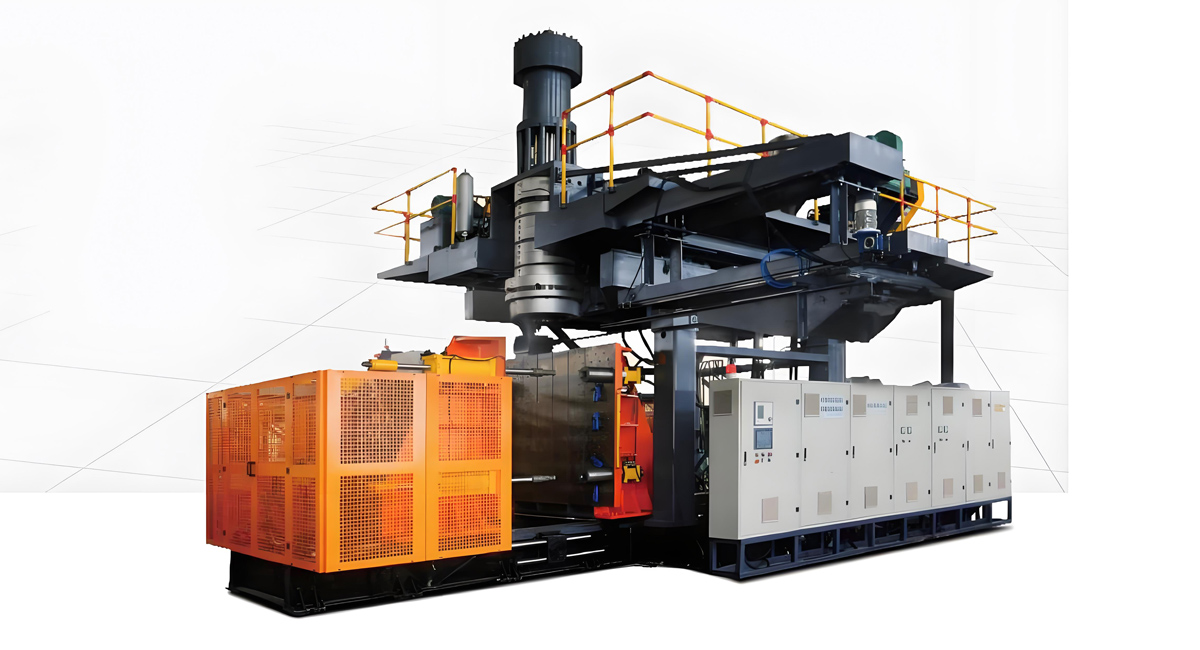
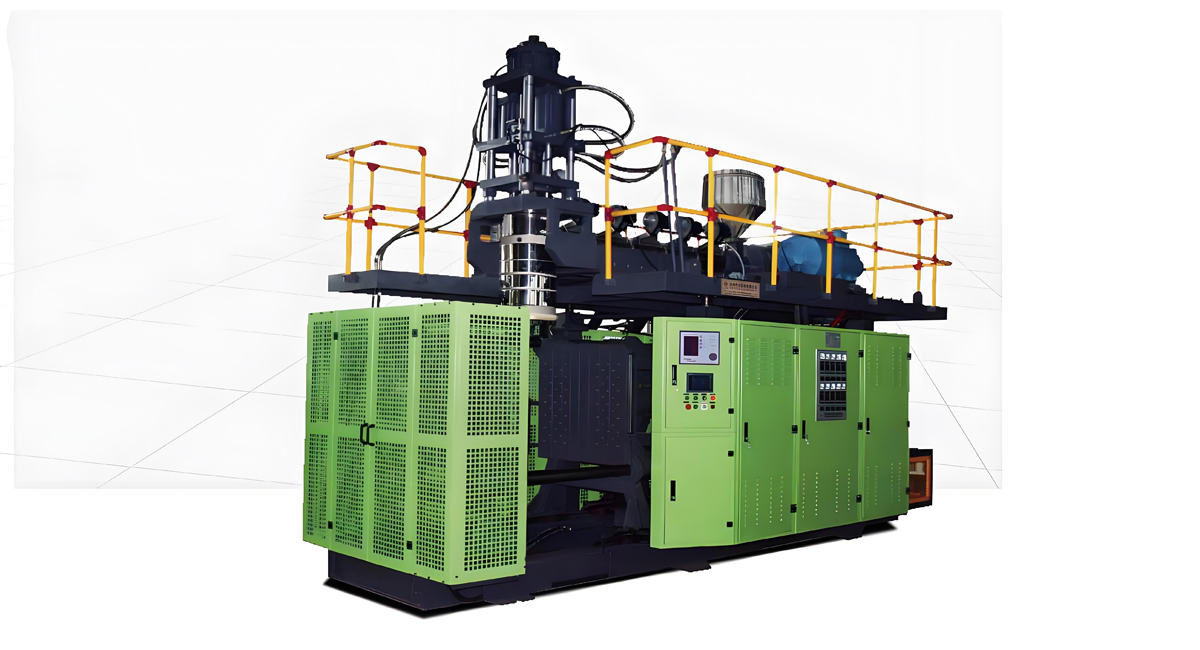
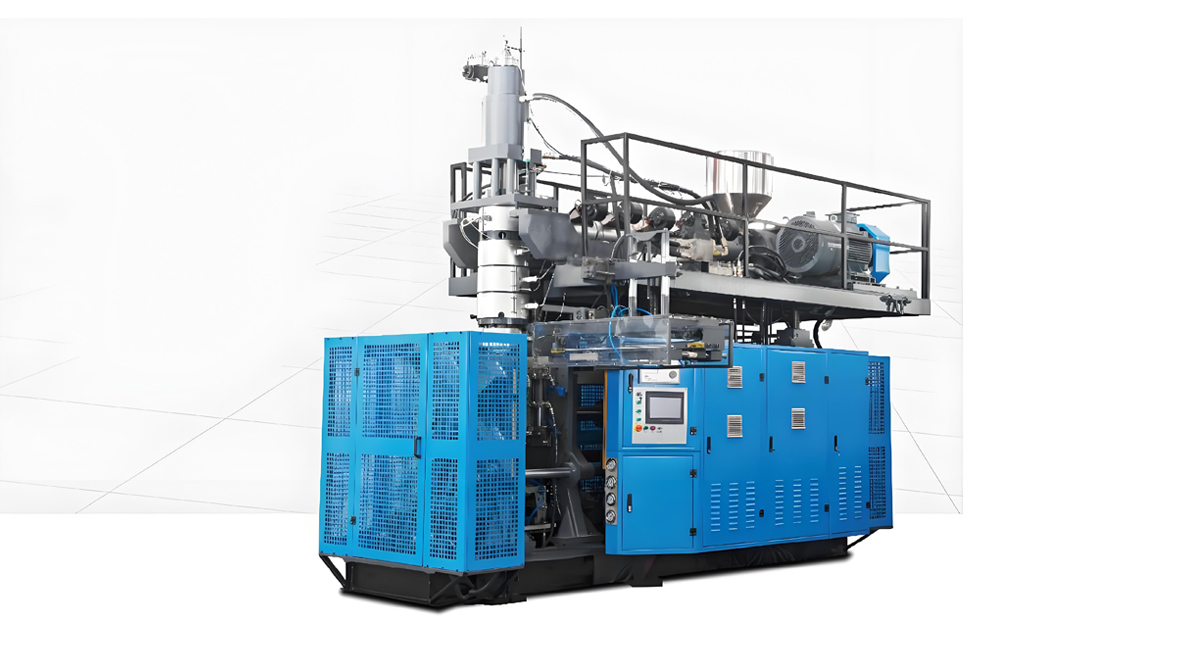
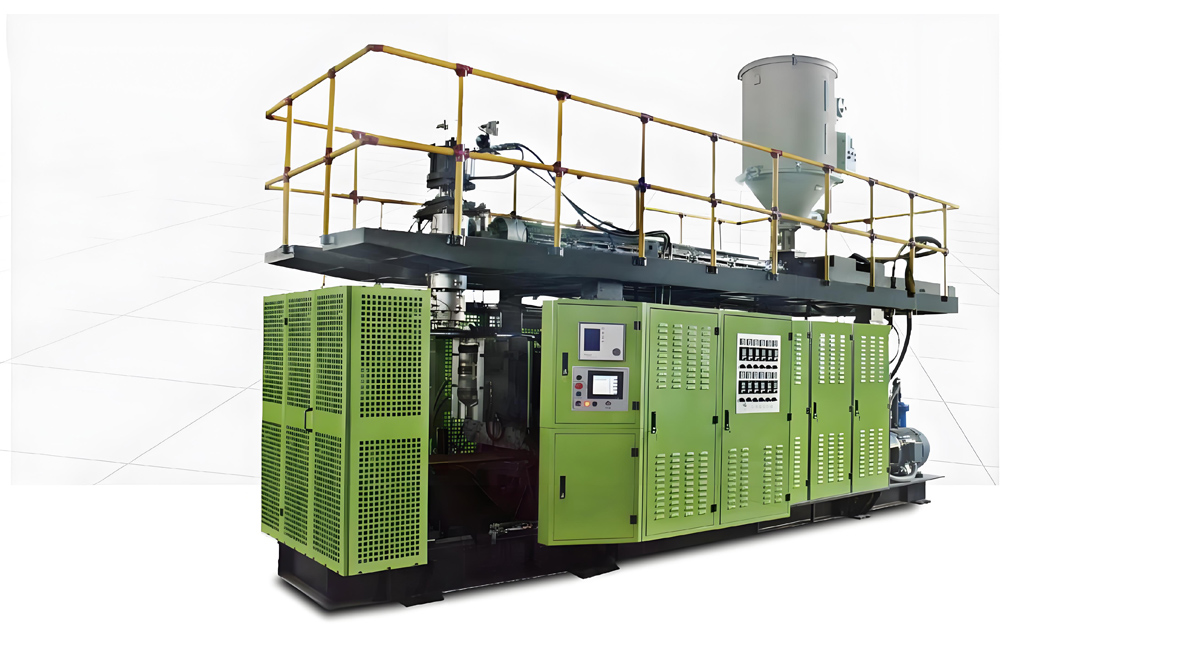
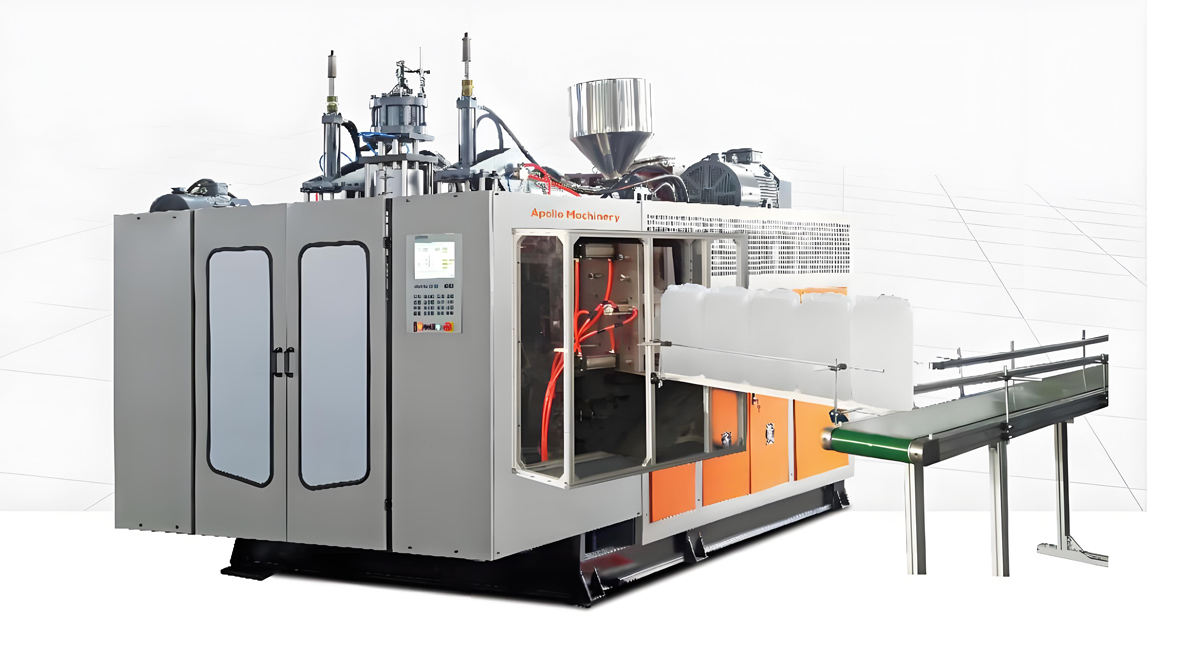
The global extrusion blow molding (EBM) machine market represents a dynamic and evolving sector within the broader plastics machinery industry, driven by diverse application requirements across packaging, automotive, consumer goods, and industrial sectors. As we approach the 2026-2030 period, the EBM market is experiencing significant transformation influenced by technological advances, sustainability mandates, shifting consumer preferences, and evolving production paradigms. Apollo Machinery, with over 20 years of industry experience and more than 4,000 machines operating in over 90 countries, provides unique insights into market dynamics and future trends shaping this critical industry segment.
Extrusion blow molding technology has evolved substantially since its inception, progressing from basic hydraulic machines with limited control capabilities to sophisticated electric systems with advanced process control, automation, and Industry 4.0 integration. The global market reflects this technological evolution, with varying adoption rates across geographic regions and industry segments. Understanding market dynamics, emerging trends, and growth projections enables manufacturers, investors, and industry stakeholders to make informed decisions about equipment investment, production strategies, and market positioning.
Current Market Landscape
The current extrusion blow molding machine market demonstrates robust growth characterized by increasing demand across multiple end-use industries and significant technological advancement. Market valuation has grown consistently over the past decade, reaching an estimated 4.2 billion US dollars in 2024 with projected compound annual growth rate (CAGR) of 5.8% through 2030. This growth reflects the expanding role of plastic packaging in global markets and the versatility of extrusion blow molding technology for diverse applications.
Market structure varies significantly across geographic regions, with Asia-Pacific dominating production volume while North America and Europe focus on higher-value applications with advanced technology requirements. China represents the largest single market both in terms of equipment production and consumption, driven by expanding manufacturing capabilities and growing domestic demand for plastic packaging. The United States maintains strong market presence through innovation leadership and sophisticated industrial applications. European markets emphasize high-performance equipment with advanced automation and sustainability features.
Market Segmentation Overview
The extrusion blow molding machine market segments across multiple dimensions including machine type, capacity range, application sector, and geographic region. Machine types include hydraulic, electric, and hybrid systems, with electric machines representing the fastest growing segment due to energy efficiency and precision advantages. Capacity ranges span from mini machines producing small containers under 200ml to large machines producing containers exceeding 2000 liters capacity.
Application sectors represent a critical market dimension, with packaging accounting for approximately 75% of total market demand. Within packaging, beverage containers represent the largest single application, followed by household chemical containers, automotive components, medical containers, and industrial packaging. Non-packaging applications including automotive components and industrial products demonstrate higher growth rates but smaller overall market volume compared to packaging applications.
Geographic Market Distribution
Geographic market distribution reflects both production and consumption patterns across global regions. Asia-Pacific accounts for approximately 45% of global market demand, driven by China’s dominant position and growing manufacturing capabilities across Southeast Asia. North America represents approximately 25% of global demand, with strong emphasis on advanced technology and high-value applications. Europe accounts for approximately 20% of global demand, characterized by sophisticated equipment requirements and stringent environmental regulations.
Remaining global regions including Latin America, Middle East, and Africa collectively represent approximately 10% of global demand but demonstrate growth potential exceeding other regions. These regions are experiencing increased manufacturing development and growing domestic consumption of plastic packaged goods. Geographic distribution influences market trends differently across regions, with sustainability concerns dominating European markets while cost sensitivity remains important in developing regions.
Market Drivers and Growth Factors
Multiple factors drive growth and development in the extrusion blow molding machine market. Understanding these drivers provides insight into market dynamics and future growth potential. Market drivers include expanding applications, technological advancement, sustainability requirements, and emerging market development.
Expanding Application Requirements
Expanding application requirements across diverse industries drive demand for specialized extrusion blow molding equipment. The packaging industry continues to grow as global consumption of packaged goods increases, particularly in emerging markets. Urbanization and rising disposable incomes correlate with increased consumption of packaged beverages, household products, and personal care items, creating growing demand for plastic containers produced by blow molding technology.
Beyond traditional packaging applications, new applications continue to emerge in automotive, medical, industrial, and consumer goods sectors. Automotive components produced by blow molding including fuel tanks, air ducts, and fluid reservoirs demonstrate growth as manufacturers seek lightweight, cost-effective alternatives to metal components. Medical applications including IV containers, drug delivery systems, and diagnostic containers require specialized equipment capabilities but offer higher margins and growth potential.
Technological Advancement
Technological advancement represents both a driver of market growth and a source of market transformation. Electric drive systems have revolutionized machine performance, offering energy savings of 40-60% compared to hydraulic systems while providing superior precision and control. Advanced control systems with touch screen interfaces, real-time monitoring, and predictive capabilities enhance operational efficiency and reduce downtime.
Industry 4.0 integration enables connectivity, data analytics, and smart manufacturing capabilities that enhance productivity and quality consistency. Automation technologies reduce labor requirements while improving consistency and throughput. These technological advances create replacement demand for older equipment while enabling new applications that were not feasible with previous technology generations. The pace of technological innovation continues to accelerate, driving ongoing market transformation.
Sustainability Mandates
Sustainability mandates and environmental concerns significantly influence market dynamics, driving demand for equipment that supports sustainable practices. Energy efficiency requirements drive adoption of electric and hybrid machine systems. Material compatibility with recycled and bio-based materials influences equipment design and capabilities. Waste reduction through precision processing and material optimization becomes increasingly important as environmental regulations tighten.
Extended producer responsibility regulations in multiple regions place responsibility for packaging end-of-life management on producers, influencing material selection and production methods. Carbon footprint reduction initiatives encourage adoption of energy-efficient equipment. These sustainability mandates create demand for new equipment while accelerating retirement of older, less efficient machines. Sustainability concerns will continue to drive market evolution throughout the 2026-2030 forecast period.
Emerging Market Development
Emerging market development represents a significant growth driver as developing economies expand manufacturing capabilities and domestic consumption. Southeast Asian nations including Vietnam, Thailand, Indonesia, and Malaysia are experiencing rapid industrial development with growing demand for packaging machinery. Latin American markets including Brazil, Mexico, and Argentina demonstrate expanding manufacturing sectors and growing domestic consumption.
African markets, while still representing small market share, show strong growth potential as infrastructure development and urbanization accelerate manufacturing activity. These emerging markets typically prioritize cost-effective solutions but are increasingly demanding advanced technology as industries mature. Emerging market development will be a key growth driver throughout the forecast period, particularly as supply chains diversify from concentrated production locations.
Market Challenges and Constraints
Despite strong growth drivers, the extrusion blow molding machine market faces challenges and constraints that influence market dynamics and growth rates. Understanding these challenges provides balanced perspective on market opportunities and risks. Market challenges include material cost volatility, environmental concerns, capital intensity, and skilled labor requirements.
Material Cost Volatility
Material cost volatility, particularly for commodity plastics including polyethylene and polypropylene, creates uncertainty for container manufacturers and influences equipment investment decisions. Price fluctuations in raw materials affect packaging economics and can alter competitive dynamics between plastic packaging and alternative materials including metal and glass. Extended periods of high material prices may drive consolidation in packaging markets as smaller producers face increased cost pressure.
Material cost volatility also influences equipment decisions, with higher value equipment that improves material efficiency becoming more attractive during periods of high material costs. Conversely, during periods of low material costs, manufacturers may delay equipment replacement or prioritize lower-cost equipment options. Understanding material cost cycles and their influence on equipment investment patterns is important for market forecasting.
Environmental and Regulatory Pressure
Environmental concerns and regulatory pressure create both opportunities and challenges for the extrusion blow molding market. Plastic pollution concerns drive negative consumer perception in some markets, potentially reducing demand for plastic packaging. Single-use plastic regulations and restrictions in various regions constrain certain applications. Extended producer responsibility requirements increase costs for plastic packaging producers.
At the same time, environmental regulations drive innovation and demand for new equipment that supports sustainable practices. Energy efficiency requirements create replacement demand for older, less efficient equipment. Material compatibility requirements for recycled and bio-based materials drive equipment development and replacement. Navigating these complex environmental dynamics requires understanding both challenges and opportunities created by regulatory evolution.
Capital Intensity
Capital intensity of extrusion blow molding equipment represents a barrier to market entry and influences investment cycles. New machine costs ranging from 80,000 to 400,000 US dollars depending on size and capabilities represent significant capital commitments. This capital intensity creates barriers to entry for new producers and influences replacement cycles as manufacturers seek to maximize equipment utilization before replacement.
Economic cycles influence capital investment decisions, with economic downturns often leading to delayed equipment replacement and reduced investment in capacity expansion. Financing availability and cost influence equipment acquisition rates, particularly for smaller manufacturers with limited access to capital markets. Understanding capital investment patterns and their relationship to economic cycles is important for accurate market forecasting.
Skilled Labor Requirements
Skilled labor requirements for operation and maintenance of advanced extrusion blow molding equipment create challenges in markets with labor shortages or skill gaps. As machines become more sophisticated with advanced control systems, automation, and Industry 4.0 capabilities, the required skill level for operation and maintenance increases. This creates challenges in markets where skilled technical labor is scarce or expensive.
Labor challenges influence equipment design and market demand, with manufacturers developing increasingly user-friendly interfaces and enhanced support systems to reduce skill requirements. Markets with abundant skilled labor can adopt more sophisticated equipment more readily. Labor skill availability will continue to influence market dynamics and technology adoption rates across geographic regions.
Market Segmentation Analysis
Detailed market segmentation provides insight into market dynamics across different machine types, applications, and geographic regions. Understanding segmentation helps identify growth opportunities and market characteristics specific to different segments.
Machine Type Segmentation
Extrusion blow molding machines segment by drive technology into hydraulic, electric, and hybrid systems. Hydraulic machines dominated the market historically but are experiencing declining market share as electric systems gain adoption due to energy efficiency advantages and superior control capabilities. Hydraulic machines maintain advantages for large equipment and applications requiring high clamping forces where electric systems face cost limitations.
Electric machines represent the fastest growing segment, with projected CAGR exceeding 9% through 2030. Electric systems offer energy savings of 40-60%, reduced maintenance requirements, and superior precision. These advantages drive adoption despite higher initial costs. Hybrid systems combining electric drives for some functions with hydraulic power for others represent an intermediate option offering some electric benefits at lower initial cost.
Hydraulic Machine Segment
Hydraulic machines continue to account for approximately 55% of market demand in 2024 but are expected to decline to approximately 45% by 2030. Hydraulic systems maintain advantages for large equipment over 500 tons clamping force where electric systems face cost and complexity limitations. Emerging markets often favor hydraulic systems due to lower initial cost and simpler service requirements despite higher operating costs.
Hydraulic machine costs typically range from 80,000 to 350,000 US dollars depending on size and capabilities. Operating costs for hydraulic machines are 30-50% higher than equivalent electric machines due to energy consumption and maintenance requirements. The declining market share reflects total cost of ownership considerations despite lower initial investment.
Capacity Segmentation
Extrusion blow molding machines segment by capacity into mini (under 200ml), small (200ml-5L), medium (5L-50L), and large (50L-2000L+) categories. Each capacity segment serves different market applications with distinct growth drivers and characteristics.
Mini machines serving small containers including cosmetic containers, pharmaceutical packaging, and specialty products represent a high-value segment with strong growth potential. These machines require exceptional precision and often employ electric drive technology. Small machines serving beverage bottles, household chemical containers, and personal care packaging represent the largest volume segment with strong but stable growth. Medium machines serving larger containers including industrial packaging, automotive components, and larger consumer products demonstrate steady growth. Large machines serving industrial containers, drums, and large automotive components represent a specialized segment with lower volume but high machine value.
Mini Capacity Machine Market
Mini capacity machines producing containers under 200ml represent a growing segment driven by premium packaging trends and product miniaturization. Cosmetic industry demand for premium spray bottles and small containers drives significant demand in this segment. Pharmaceutical packaging requirements for small containers contribute to growth as pharmaceutical packaging expands globally.
Mini machines typically employ electric drive technology for precision and control. Machine costs for mini equipment range from 45,000 to 120,000 US dollars despite their small size due to precision requirements and advanced technology. This segment demonstrates above-average growth rates with projected CAGR of 7.5% through 2030 driven by premiumization trends and growing demand for specialty containers.
Application Segmentation
Application segmentation reflects the diverse end-use markets for extrusion blow molded containers. Packaging applications dominate market demand but various industrial applications contribute to overall market dynamics. Understanding application-specific trends provides insight into market evolution.
Beverage packaging represents approximately 40% of total market demand, driven by expanding consumption of bottled water, soft drinks, juices, and other beverages globally. Household chemical packaging including detergents, cleaners, and similar products accounts for approximately 15% of demand. Automotive applications including fuel tanks, ductwork, and fluid containers represent approximately 10% of demand with strong growth potential as automotive manufacturers seek weight reduction. Medical packaging and containers represent approximately 8% of demand with above-average growth rates driven by healthcare expansion globally.
Beverage Packaging Market
Beverage packaging represents the largest single application segment for extrusion blow molding machines. Global beverage consumption continues to grow, particularly bottled water which shows consistent growth rates across all regions. Developing markets show beverage consumption growth rates exceeding 5% annually, driving equipment demand for capacity expansion.
Beverage packaging equipment requirements emphasize productivity and energy efficiency due to high production volumes. Electric machines are increasingly adopted in this segment due to energy savings advantages. Market trends toward larger format beverages in some regions influence equipment sizing requirements. The beverage segment will continue to be the dominant driver of extrusion blow molding machine demand throughout the forecast period.
Technology Trends and Innovation
Technology trends and innovation drive market evolution and create new opportunities across the extrusion blow molding machine market. Understanding technology trajectories helps identify future market opportunities and equipment requirements.
Electric Drive Technology
Electric drive technology continues to advance with improved motor designs, enhanced control algorithms, and cost reductions. New motor designs provide higher torque density and improved efficiency. Advanced control algorithms optimize energy consumption while maintaining precision. Cost reductions through manufacturing scale and improved designs make electric technology increasingly competitive with hydraulic systems across more applications.
Electric drive adoption will accelerate through 2030 as total cost of ownership advantages become more widely recognized and initial cost premiums decrease. Electric technology is expected to capture approximately 55% of new equipment sales by 2030, compared to approximately 35% in 2024. This transition will fundamentally reshape market structure and equipment capabilities.
Control System Evolution
Control systems continue to evolve toward greater sophistication, user-friendliness, and connectivity. Touch screen interfaces have become standard, with larger displays and more intuitive interfaces improving operator efficiency. Real-time monitoring and data logging capabilities provide visibility into machine performance and production metrics. Predictive maintenance algorithms analyze operational data to anticipate maintenance requirements and prevent unplanned downtime.
Industry 4.0 integration enables connectivity between machines and enterprise systems, supporting smart manufacturing initiatives. Remote monitoring and diagnostics capabilities enable proactive service support. Control system evolution will continue throughout the forecast period, creating replacement demand for older equipment with limited control capabilities.
Automation Integration
Automation integration transforms production capabilities, reducing labor requirements while improving consistency and throughput. Automatic takeout systems, integrated quality inspection, automated handling, and complete packaging line integration become increasingly standard. Robotics enable flexible automation that can accommodate product changes and customization requirements.
Automation adoption will accelerate through 2030 as labor costs increase and manufacturers seek to improve consistency. Labor shortages in some regions will drive automation adoption to maintain production capacity. Automation capabilities will increasingly differentiate equipment offerings, with advanced automation becoming expected for premium equipment segments.
Smart Manufacturing and Industry 4.0
Smart manufacturing and Industry 4.0 concepts represent significant technology trends that will reshape equipment capabilities and market structure. Connectivity between machines and enterprise systems enables data collection and analysis that drive optimization. Digital twins enable simulation and optimization of production processes before physical implementation. Artificial intelligence and machine learning algorithms enhance process optimization and quality control.
Industry 4.0 capabilities will increasingly become expected in mature markets, creating replacement demand for equipment without connectivity and data capabilities. Developing markets may adopt Industry 4.0 more gradually as infrastructure and skill requirements are addressed. The evolution toward smart manufacturing will be a defining trend through 2030.
Regional Market Analysis
Regional market dynamics vary significantly across geographic regions based on industrial development, economic conditions, regulatory environments, and cultural factors. Understanding regional characteristics provides insight into global market evolution.
Asia-Pacific Market
Asia-Pacific represents the largest and fastest growing regional market for extrusion blow molding machines. The region accounts for approximately 45% of global demand and demonstrates growth rates exceeding 6% annually. China dominates the regional market as both a major producer and consumer of extrusion blow molding equipment, with domestic manufacturing capability across all equipment segments.
Southeast Asian nations including Vietnam, Thailand, Indonesia, and Malaysia demonstrate strong growth rates as manufacturing capabilities expand and domestic consumption increases. Japan and South Korea represent mature markets with demand focused on replacement and technology upgrades rather than capacity expansion. Asia-Pacific market growth will be driven by continued industrial development, growing middle-class consumption, and increasing export manufacturing.
China Market Dynamics
China represents the largest single national market for extrusion blow molding machines, accounting for approximately 30% of global demand. China’s extensive manufacturing base includes both domestic consumption and export production across multiple industries. The market demonstrates rapid adoption of new technologies including electric drive systems and automation, particularly for export-oriented production.
Environmental regulations in China are driving demand for energy-efficient equipment and equipment capable of processing recycled materials. The market shows strong demand across all equipment segments, with particular strength in small and medium capacity machines serving packaging applications. China will continue to be the dominant market for extrusion blow molding equipment through 2030.
North American Market
North America represents the second largest regional market with approximately 25% of global demand. The United States dominates the regional market, with Canada and Mexico representing smaller but significant national markets. The market emphasizes advanced technology and high-value applications rather than commodity production.
North American manufacturers prioritize equipment quality, precision, and energy efficiency over initial cost. Electric drive adoption rates are high, particularly in the United States. The market shows strong demand for automation and Industry 4.0 capabilities. North American demand will be driven by replacement cycles for aging equipment and technology upgrades rather than capacity expansion.
European Market
Europe accounts for approximately 20% of global demand, characterized by sophisticated equipment requirements and stringent environmental regulations. European manufacturers emphasize quality, precision, and sustainability, often accepting higher equipment costs to achieve performance and environmental objectives. Energy efficiency requirements drive adoption of electric drive technology.
European regulations including energy efficiency standards, extended producer responsibility, and recycling mandates influence equipment requirements and operating practices. The market shows strong demand for equipment capable of processing recycled materials. European demand growth will be moderate compared to other regions, driven primarily by equipment replacement and technology upgrades.
Emerging Markets
Emerging markets including Latin America, Middle East, and Africa collectively represent approximately 10% of global demand but demonstrate growth potential exceeding other regions. These markets are experiencing industrial development and growing domestic consumption of packaged goods. Cost sensitivity remains important in these markets, though technology sophistication is increasing as industries mature.
Labor availability and skill levels influence equipment selection in emerging markets. Simpler, more robust equipment is often preferred over highly sophisticated systems requiring advanced technical skills. Emerging market growth will be a key driver of overall market growth through 2030, particularly as global supply chains diversify from concentrated manufacturing locations.
Market Forecast 2026-2030
The extrusion blow molding machine market forecast for 2026-2030 demonstrates steady growth driven by expanding applications, technological advancement, and emerging market development. Multiple scenarios are possible depending on economic conditions and regulatory evolution, but base case projections indicate steady market expansion.
Base Case Market Forecast
Base case market projections indicate compound annual growth rate (CAGR) of 5.8% from 2024 to 2030, growing from 4.2 billion US dollars to approximately 5.9 billion US dollars by 2030. This growth rate reflects steady demand across diverse applications tempered by mature market dynamics in developed regions and cyclical economic factors.
Market growth will be driven primarily by Asia-Pacific and emerging market development, while developed regions focus on equipment replacement and technology upgrades. Electric machine adoption will accelerate, capturing increasing market share through energy efficiency advantages. Automation and Industry 4.0 integration will become increasingly standard features, particularly in premium equipment segments.
Alternative Growth Scenarios
Bullish scenario projections indicate potential CAGR of 7.2% if economic conditions remain favorable, sustainability mandates accelerate, and emerging market development exceeds expectations. Under bullish conditions, the market could reach 6.4 billion US dollars by 2030. This scenario assumes rapid adoption of electric drive technology and automation driven by cost and regulatory pressures.
Bearish scenario projections indicate potential CAGR of 3.8% if economic conditions deteriorate, trade barriers increase, or environmental restrictions constrain plastic packaging growth. Under bearish conditions, the market could reach 5.1 billion US dollars by 2030. This scenario assumes slower adoption of new technology and delayed equipment replacement decisions due to economic uncertainty.
Segment Growth Projections
Machine type segments demonstrate different growth rates through 2030. Electric machines are projected to grow at 9.2% CAGR, capturing increasing market share from hydraulic systems. Hydraulic machines will grow at approximately 2.5% CAGR, primarily driven by large equipment applications and emerging market demand where initial cost sensitivity remains important. Hybrid machines will grow at approximately 6.5% CAGR, serving intermediate market segments.
Capacity segments also demonstrate varying growth rates. Mini capacity machines will grow at 7.5% CAGR driven by premium packaging trends. Small and medium capacity machines will grow at approximately 5.5% CAGR reflecting steady demand in major packaging applications. Large capacity machines will grow at approximately 4.2% CAGR serving specialized industrial applications.
Investment Opportunities and Recommendations
Understanding market trends and forecasts enables identification of investment opportunities for manufacturers, investors, and industry stakeholders. Strategic investment decisions should consider market dynamics, technology trajectories, and regional variations.
Technology Investment Opportunities
Electric drive technology represents significant investment opportunity as adoption accelerates through 2030. Manufacturing capabilities for electric machines, particularly servo drives and control systems, will be in high demand. Component suppliers supporting electric machine technology will experience growth as electric systems displace hydraulic systems.
Automation and Industry 4.0 technologies represent additional investment opportunities. Robotics, vision systems, sensors, and connectivity solutions will see increasing demand as manufacturers seek to enhance productivity and reduce labor requirements. Software enabling smart manufacturing and data analytics will become increasingly valuable.
Regional Investment Opportunities
Asia-Pacific, particularly Southeast Asia and China, represents strong investment opportunities for equipment manufacturing and sales. Growing industrial development and expanding manufacturing create demand across equipment segments. Local manufacturing presence in key markets can provide competitive advantages through reduced logistics costs and enhanced customer service.
Emerging markets including Latin America, Middle East, and Africa demonstrate high growth potential. Early investment in these markets can establish presence as industrial development accelerates. Understanding local market characteristics and developing appropriate product offerings for these markets is critical for success.
Application Segment Opportunities
Medical and pharmaceutical packaging represents high-value growth opportunity with strong growth projections and above-average margins. Regulatory requirements and product value support premium pricing for specialized equipment. Understanding medical market requirements and obtaining necessary certifications represents barriers to entry that create opportunities for qualified manufacturers.
Automotive applications represent growth opportunity as automotive manufacturers seek weight reduction and cost reduction. Lightweight plastic components increasingly replace metal in automotive applications, creating demand for specialized blow molding equipment. Developing expertise in automotive component production can create sustained demand as automotive industry continues to evolve.
Risk Factors and Mitigation Strategies
Market opportunities are accompanied by risk factors that should be considered in strategic planning. Understanding risks and developing mitigation strategies enhances likelihood of successful market participation.
Economic and Market Risks
Economic cyclicality represents significant risk for capital equipment markets. Economic downturns delay equipment investment and reduce demand. Mitigation strategies include geographic diversification to spread risk across markets with different economic cycles, product line diversification across equipment segments with different demand characteristics, and flexible manufacturing capabilities to adjust quickly to demand changes.
Trade barriers and geopolitical tensions create uncertainty for global market participation. Mitigation strategies include establishing local manufacturing presence in key markets, developing flexible supply chains, and maintaining market diversification to reduce dependence on any single geographic market.
Technology and Competitive Risks
Rapid technological change creates risk of product obsolescence for manufacturers that fail to maintain innovation pace. Mitigation strategies include sustained investment in research and development, strategic partnerships with technology leaders, and agile development processes that can quickly adapt to emerging technology trends.
Competitive pressure creates risk of margin compression as markets mature and competition increases. Mitigation strategies include differentiation through superior technology and service capabilities, focus on high-value segments where competition is less intense, and development of customer relationships that extend beyond equipment sales to include service and support.
Conclusion
The global extrusion blow molding machine market is positioned for steady growth through 2030, driven by expanding applications, technological advancement, and emerging market development. Electric drive technology, automation integration, and Industry 4.0 capabilities represent key trends that will reshape market structure and equipment requirements. Regional dynamics vary significantly, with Asia-Pacific and emerging markets driving growth while developed regions focus on replacement and technology upgrades.
Manufacturers, investors, and industry stakeholders who understand market dynamics and align strategies with emerging trends will be well-positioned to capitalize on market opportunities. Technology adoption, particularly electric drive systems and automation, will be critical differentiators. Regional expansion into growth markets and focus on high-value application segments will enhance competitive positioning.
Apollo Machinery, with extensive global experience and comprehensive product portfolio, is well-positioned to serve the evolving needs of the extrusion blow molding machine market. Our commitment to innovation, quality, and customer support ensures long-term success in serving diverse global markets. For more information about Apollo Machinery and our extrusion blow molding equipment offerings, visit www.apollo-china.com.