Introduction to Cosmetic Spray Bottle Production
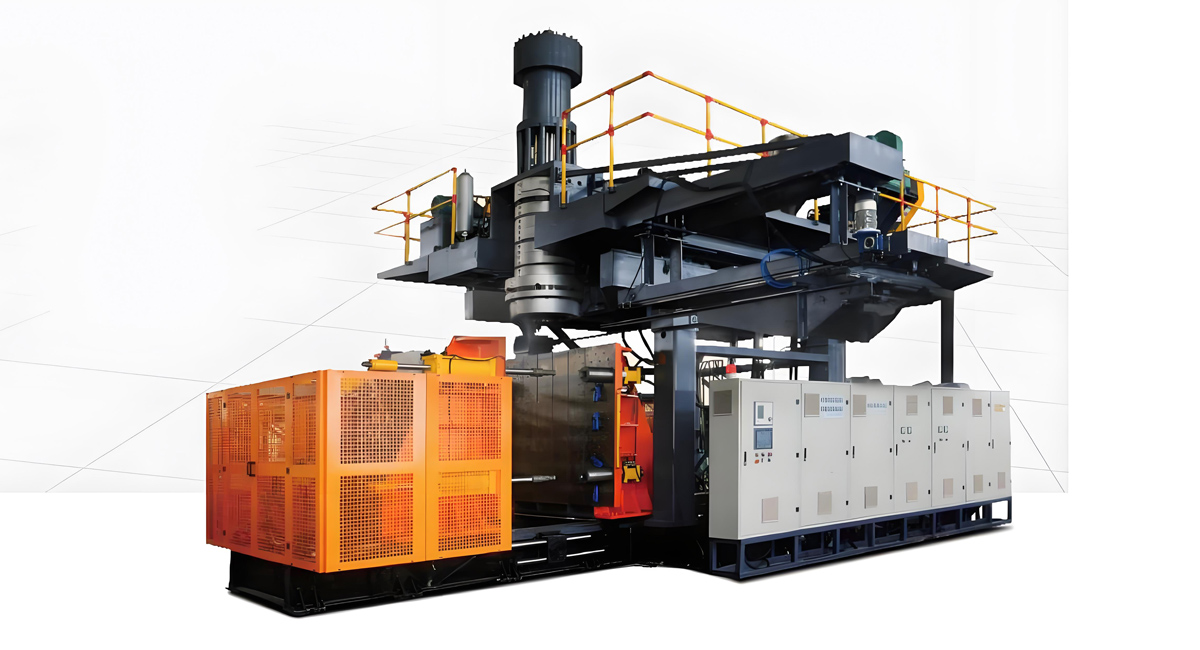
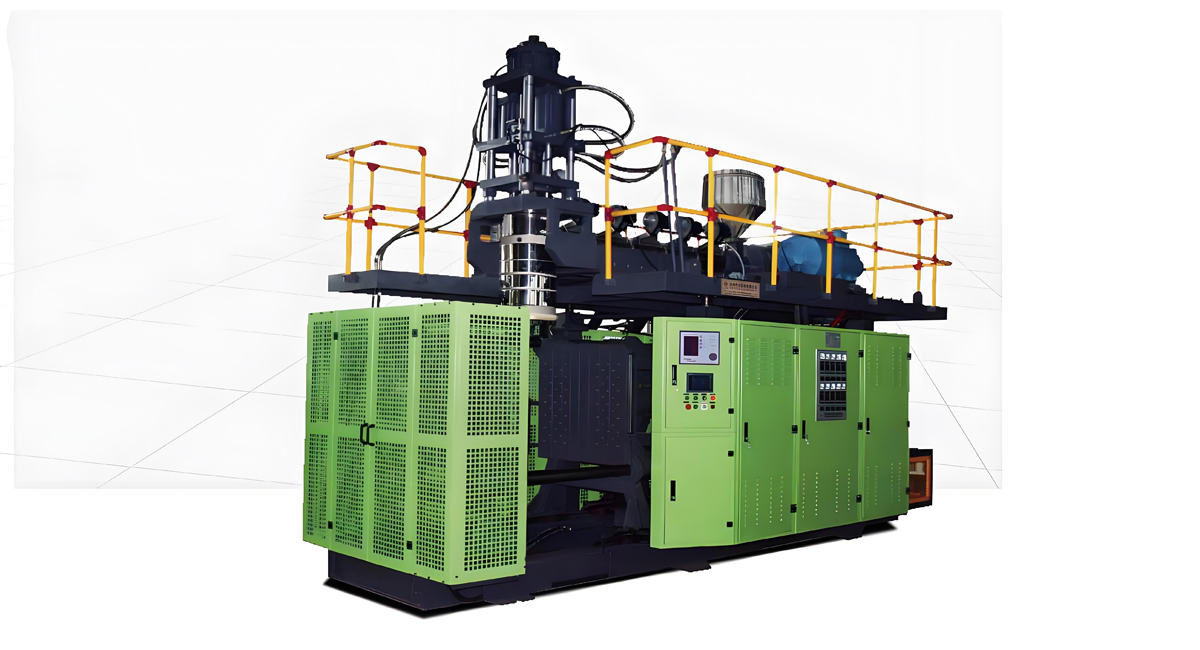
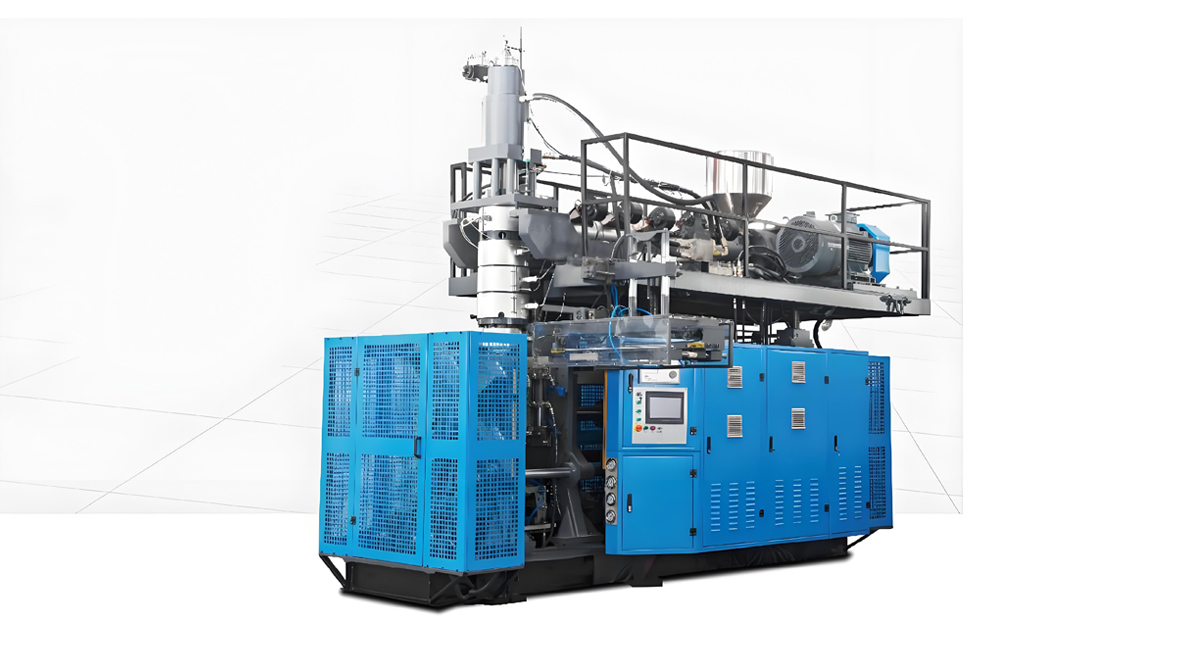
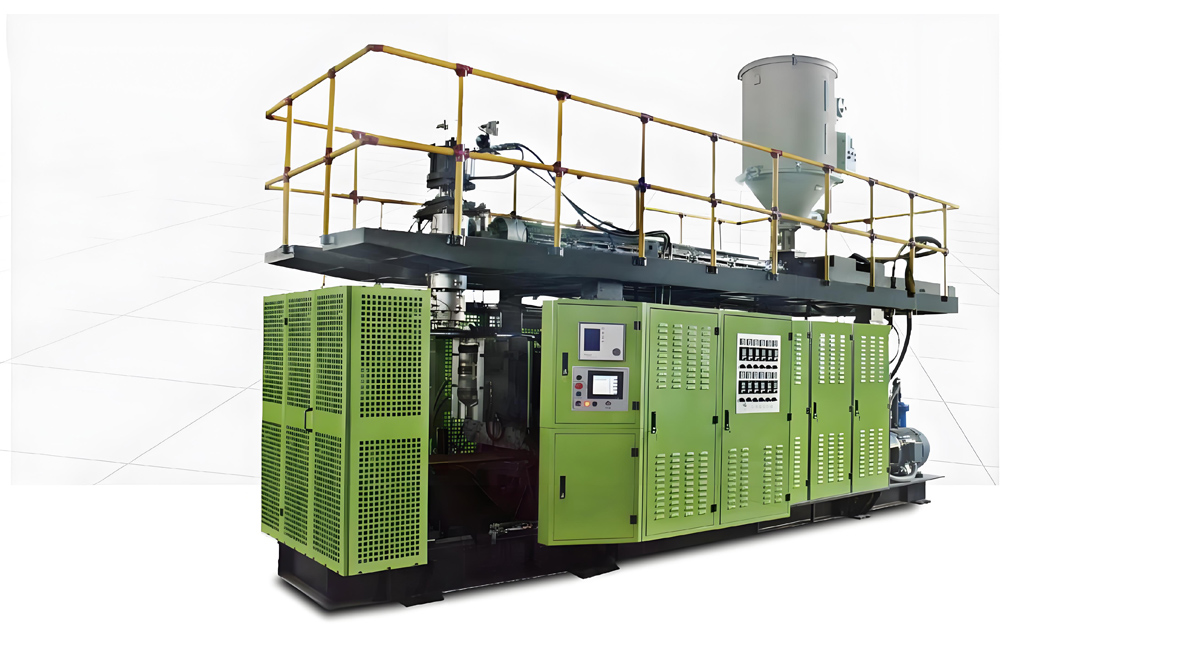
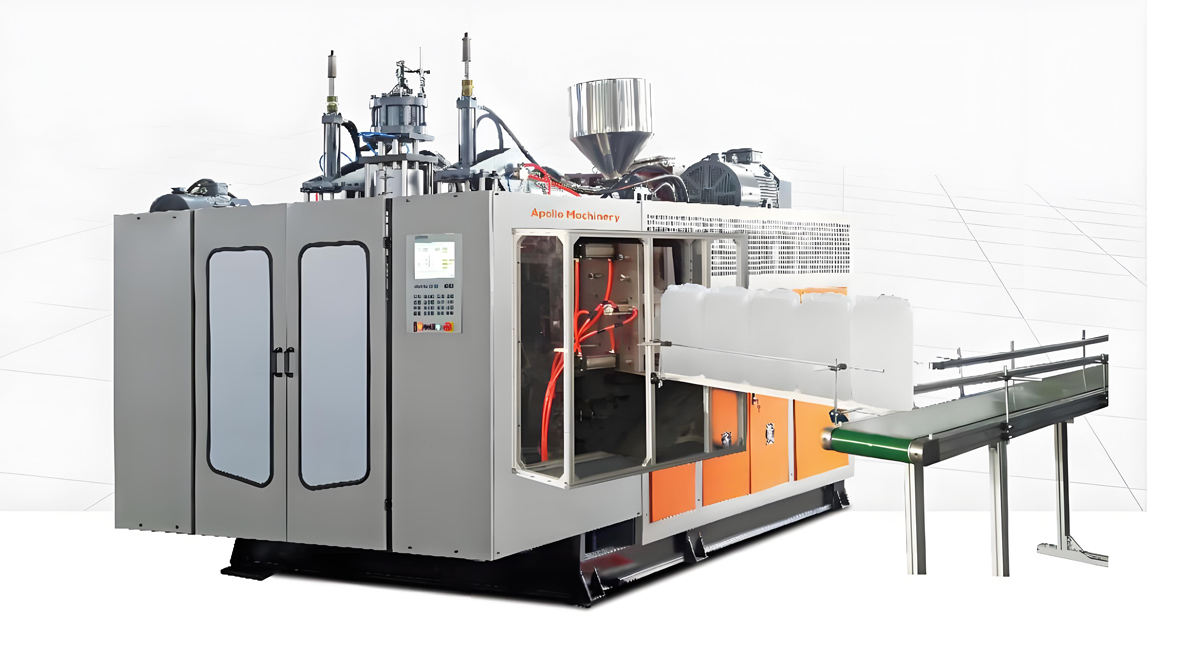
The cosmetic industry represents one of the most dynamic and competitive sectors in the global packaging market, with spray bottles serving as essential containers for a wide range of products including perfumes, body sprays, hair sprays, facial mists, and other cosmetic formulations. The production of cosmetic spray bottles demands exceptional precision, consistency, and quality to meet the high standards expected by consumers in the premium beauty market. Apollo Machinery has developed specialized mini capacity extrusion blow molding machines specifically designed for cosmetic spray bottle production, delivering the precision and quality required by this demanding application.
Cosmetic spray bottles present unique production challenges compared to other container types. The aesthetic requirements are exacting, with consumers expecting flawless appearance, consistent color, and perfect dimensional accuracy. The functional requirements are equally demanding, with precise neck finishes required for spray pump compatibility and consistent wall thickness essential for product integrity. Apollo’s mini capacity machines address these challenges through advanced technology, precise control systems, and specialized design features optimized for small container production.
Apollo Mini Capacity Machine Series
Apollo offers a comprehensive range of mini capacity extrusion blow molding machines designed specifically for small container production including cosmetic spray bottles. The ABLB Series covers the capacity range from 200ml to 20L, with models particularly suited for cosmetic spray bottle production typically falling in the 50ml to 500ml range. These machines incorporate features specifically designed for small container production including precise control capabilities, compact footprint, and rapid mold change capabilities.
The fully electric series within this range provides even greater precision and energy efficiency, making it ideal for high-end cosmetic packaging where consistency and environmental considerations are critical. These machines feature servo-driven systems for all motion control, eliminating hydraulic oil contamination risks and providing exceptional precision for small container production. The compact design of these machines makes them ideal for facilities with limited floor space while still delivering high production capacity.
ABLB Series Configuration for Cosmetic Spray Bottles
The ABLB Series machines used for cosmetic spray bottle production typically feature 1 to 4 cavities depending on bottle size and production requirements. For small spray bottles in the 50-100ml range, 4-cavity configurations provide excellent production efficiency while maintaining precise control over each cavity. For larger spray bottles in the 200-500ml range, 2-cavity configurations provide optimal balance between production rate and quality control.
These machines feature clamping forces ranging from 30 to 80 tons depending on cavity count and bottle size, providing sufficient force for precise molding of small containers while maintaining compact machine dimensions. The extrusion systems feature screw diameters ranging from 30mm to 65mm, optimized for processing the materials commonly used in cosmetic spray bottle production including HDPE, PP, PETG, and specialty materials.
Fully Electric Mini Capacity Machines
Fully electric mini capacity machines represent the premium option for cosmetic spray bottle production, offering exceptional precision and energy efficiency. These machines feature servo motors driving all motion functions including extrusion, clamping, and blow pin movement. Electric drive provides precise control of motion profiles, enabling optimization of cycle times for maximum productivity while maintaining exceptional quality.
Fully electric machines eliminate the need for hydraulic oil, reducing maintenance requirements and eliminating the risk of hydraulic oil contamination of cosmetic containers. This elimination of hydraulic contamination risk is particularly important for cosmetic applications where product purity is essential. The energy savings from electric drive systems typically range from 40-60% compared to hydraulic machines, providing significant operational cost savings while reducing environmental impact.
Machine Features for Cosmetic Spray Bottles
Production of cosmetic spray bottles requires specific machine features that may not be as critical for other applications. Apollo machines incorporate these features to address the unique challenges of cosmetic container production, ensuring consistent quality that meets the high standards of the cosmetic industry.
Precision Wall Thickness Control
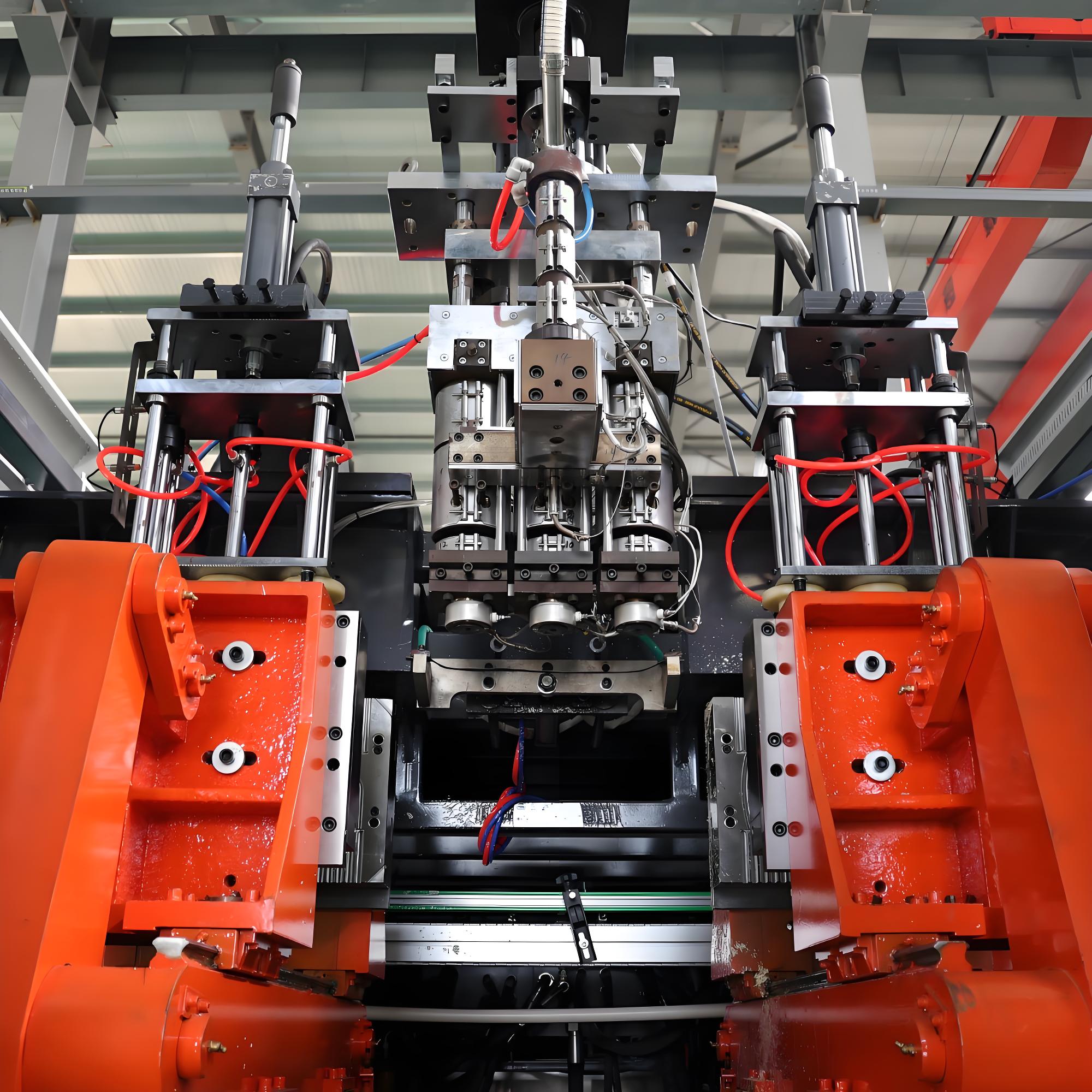
Wall thickness control represents a critical factor in cosmetic spray bottle production. Spray bottles must have sufficient wall thickness for strength and pressure resistance when the spray pump is actuated, yet excessive wall thickness increases material cost and reduces product value in a market where material efficiency is increasingly important. Apollo machines incorporate advanced parison programming systems that enable precise control of wall thickness distribution throughout the bottle.
Parison programming systems control wall thickness through precise manipulation of the die head mandrel during parison extrusion. Advanced systems provide up to 100 control points along the parison length, enabling optimization of wall thickness in different bottle zones. This capability ensures adequate thickness in critical areas such as the neck and shoulder while optimizing thickness in other areas to minimize material usage. For cosmetic spray bottles, this precision enables consistent weight control within ±1.5% while ensuring adequate strength for spray functionality.
Neck Finish Precision
Neck finish quality determines the interface between the spray bottle and spray pump, making dimensional precision absolutely critical for functional performance. Spray pumps are precision devices that require precise neck dimensions for proper fit and reliable operation. Variations in neck dimensions can cause pump fitment problems, leakage, or reduced spray performance. Apollo machines produce neck finishes with tolerances within 0.03mm, ensuring consistent pump compatibility.
The neck finish process begins with precise mold design and construction. Apollo works with experienced mold suppliers who specialize in cosmetic container molds and understand the precision requirements for spray bottle neck finishes. During production, machine control systems maintain precise process parameters that ensure consistent neck dimensions. Regular quality control verifies neck dimensions using precision measurement equipment to maintain consistency throughout production runs.
Common Neck Finishes for Spray Bottles
Cosmetic spray bottles use various neck finishes depending on pump type and market preferences. Common neck finishes include 18mm, 20mm, 22mm, and 24mm sizes with different thread profiles and seal configurations. Some markets prefer specific neck finishes that have become industry standards, while others may require proprietary neck finishes for branded spray pumps. Apollo machines can accommodate virtually any neck finish design through appropriate mold design and process optimization.
Neck finish selection should consider spray pump compatibility, market preferences, and brand identity requirements. Apollo can provide guidance on neck finish selection based on market experience and technical requirements. Once neck finish specifications are determined, precise machine control and quality assurance ensure consistent production that meets the required dimensional tolerances.
Surface Quality Enhancement
Surface quality represents a critical aesthetic requirement for cosmetic spray bottles. Consumers expect flawless appearance with no surface imperfections, marks, or defects that would detract from the premium product image. Apollo machines incorporate features that enhance surface quality including precise mold temperature control, smooth extrusion systems, and clean operation that prevents contamination.
Mold temperature control systems maintain uniform mold surface temperatures, ensuring consistent surface finish and preventing temperature-related defects such as flow marks or surface blemishes. Clean room compatible machine designs minimize contamination from lubricants or other contaminants that could mar surface appearance. These features are particularly important for transparent or translucent spray bottles where surface quality is immediately apparent to consumers.
Material Selection for Cosmetic Spray Bottles
Material selection for cosmetic spray bottles involves balancing multiple factors including product compatibility, aesthetic requirements, cost considerations, and sustainability preferences. Apollo machines process all materials commonly used in cosmetic spray bottle production, enabling manufacturers to select optimal materials for their specific applications.
High Density Polyethylene (HDPE)
HDPE represents the most widely used material for cosmetic spray bottles due to its excellent balance of properties and cost-effectiveness. HDPE provides good chemical resistance to most cosmetic formulations, making it suitable for a wide range of products. The material offers good impact strength and moderate clarity, providing durability for handling and use while providing acceptable appearance for many applications.
HDPE processing on Apollo machines requires specific temperature profiles and processing parameters. The material typically processes at temperatures ranging from 160 to 220 degrees Celsius depending on grade and bottle design. HDPE exhibits good melt strength, enabling formation of uniform parisons with consistent wall thickness. The material’s semi-crystalline nature affects cooling behavior, requiring appropriate mold temperature control to achieve optimal cycle times while maintaining surface quality.
HDPE Cost Analysis
HDPE material costs for cosmetic spray bottles vary based on grade and additives. Standard HDPE grades for cosmetic applications typically cost 1.05 to 1.45 US dollars per kilogram. Impact-modified grades with enhanced toughness cost 1.25 to 1.70 US dollars per kilogram. UV-stabilized grades for products that may be exposed to sunlight cost 1.30 to 1.80 US dollars per kilogram. Specialty grades with enhanced clarity cost 1.40 to 2.00 US dollars per kilogram.
Material consumption for cosmetic spray bottles varies based on size and design. Typical spray bottles range from 50ml to 500ml capacity, with material consumption ranging from 15 to 100 grams per bottle. For a typical 200ml spray bottle weighing 40 grams, HDPE material cost at 1.25 US dollars per kilogram represents approximately 0.05 US dollars per bottle. Material efficiency optimization through precise wall thickness control can reduce material usage by 5-10% while maintaining adequate bottle strength, providing significant cost savings for high-volume production.
Polypropylene (PP) for Enhanced Clarity
Polypropylene offers enhanced clarity compared to HDPE, making it suitable for spray bottles where product visibility is desired. PP provides excellent clarity with a high gloss finish that enhances product presentation. The material also offers higher temperature resistance than HDPE, enabling hot filling processes if required by product formulations.
PP processing requires higher temperatures than HDPE, typically ranging from 190 to 250 degrees Celsius. The material exhibits different flow characteristics requiring adjustments to machine parameters. PP’s lower density (0.905 g/cm³) compared to HDPE (0.941-0.965 g/cm³) provides potential weight savings for equivalent bottle size, though PP’s lower environmental stress crack resistance may limit suitability for some formulations with high surfactant content.
PP Cost Analysis
Polypropylene material costs for cosmetic spray bottles typically range from 1.15 to 1.65 US dollars per kilogram for standard grades. High-clarity grades cost 1.35 to 1.90 US dollars per kilogram. Impact-modified grades cost 1.40 to 2.00 US dollars per kilogram. UV-stabilized PP grades cost 1.45 to 2.10 US dollars per kilogram.
Material consumption for PP spray bottles is similar to HDPE for equivalent sizes, though PP’s lower density may provide slight weight savings. For a typical 200ml spray bottle, PP material at 1.50 US dollars per kilogram for a high-clarity grade would cost approximately 0.06 US dollars per bottle. Processing costs for PP may be slightly higher due to higher processing temperatures, though the enhanced clarity may justify the additional cost for premium products.
PETG for Premium Applications
PETG (Polyethylene Terephthalate Glycol) represents a premium material choice for high-end cosmetic spray bottles, offering exceptional clarity, gloss, and chemical resistance. PETG provides the appearance of glass while maintaining the durability and safety of plastic. This material is particularly suitable for premium fragrances, high-end body sprays, and other premium cosmetic products where presentation is critical.
PETG processing requires careful control of moisture content as the material is sensitive to moisture that can cause surface defects and reduced properties. Pre-drying to moisture content below 0.02% is essential for optimal processing. PETG typically processes at temperatures ranging from 220 to 260 degrees Celsius. The material’s amorphous nature provides different flow and crystallization characteristics compared to semi-crystalline materials like HDPE and PP, requiring appropriate machine adjustments.
PETG Cost Analysis
PETG material costs are significantly higher than commodity plastics, reflecting the enhanced properties and premium positioning. PETG grades for cosmetic packaging typically cost 1.80 to 2.80 US dollars per kilogram. UV-stabilized PETG for products that may be exposed to sunlight cost 2.00 to 3.20 US dollars per kilogram.
For a typical 200ml spray bottle weighing 40 grams, PETG material cost at 2.20 US dollars per kilogram represents approximately 0.09 US dollars per bottle. While material costs are higher, the premium presentation and enhanced consumer perception can justify the additional material cost for high-end products. The return on investment for PETG should consider the value enhancement to the final product rather than material cost alone.
Specialty Materials for Unique Requirements
Some cosmetic spray bottle applications require specialty materials with enhanced properties for specific requirements. Barrier materials such as EVOH in coextruded structures provide enhanced barrier properties for products sensitive to oxygen or moisture. Fluoropolymer-lined containers offer exceptional chemical resistance for aggressive formulations. Post-consumer recycled (PCR) materials provide sustainability benefits for environmentally conscious brands.
Processing specialty materials requires specialized equipment configurations and processing parameters. Apollo machines provide the flexibility and control capabilities necessary for processing various specialty materials. Material costs for specialty materials are significantly higher than commodity plastics, with barrier materials typically costing 2.50-4.00 US dollars per kilogram and PCR materials potentially providing cost savings depending on recycled content percentage.
Production Process Optimization
Optimizing the production process for cosmetic spray bottles requires attention to multiple factors that influence quality, efficiency, and cost. Apollo machines provide the control capabilities necessary for process optimization across all aspects of production from material preparation through quality assurance.
Material Preparation and Drying
Proper material preparation is essential for consistent spray bottle quality. Some materials, particularly PETG and other hygroscopic materials, require pre-drying to remove moisture that can cause surface defects and reduced properties. Apollo machines can be equipped with material drying systems that provide precise temperature and dew point control to ensure proper material preparation.
Material feeding systems ensure consistent material delivery to the extruder. Gravimetric feeding systems provide precise metering of additives including colorants, UV stabilizers, and other additives. These systems ensure consistent additive concentrations throughout production runs, preventing color variation and property inconsistencies that would be unacceptable in cosmetic applications.
Extrusion Process Control
Extrusion process control ensures consistent melt quality and parison formation. Apollo machines provide precise temperature control across multiple zones of the barrel and die head, maintaining consistent material properties throughout processing. Temperature uniformity within ±1°C prevents material degradation and ensures consistent parison formation.
Screw design and speed control optimize melting and mixing of materials. For cosmetic spray bottles, screws designed for gentle but thorough mixing provide consistent color distribution and additive dispersion while preventing material degradation. Precise screw speed control ensures consistent melt temperature and viscosity, which directly influences parison formation and wall thickness distribution.
Mold Temperature Management
Mold temperature control significantly influences surface quality and dimensional consistency. Apollo machines provide precise mold temperature control systems that maintain uniform mold surface temperatures throughout production. Consistent mold temperatures prevent surface defects such as flow marks or differentials in surface appearance.
Mold temperature requirements vary based on material and bottle design. For HDPE and PP, typical mold temperatures range from 10 to 30 degrees Celsius. For PETG and other amorphous materials, mold temperatures typically range from 15 to 40 degrees Celsius to optimize surface quality. Apollo machines provide flexible temperature control capabilities to accommodate various material requirements.
Quality Assurance for Cosmetic Spray Bottles
Quality assurance systems ensure that cosmetic spray bottles meet exacting quality standards required for this premium market. Apollo machines can integrate various inspection and testing systems to verify quality characteristics including dimensional accuracy, surface quality, wall thickness distribution, and functional performance.
Dimensional Inspection
Dimensional inspection verifies critical dimensions including neck finish dimensions, overall bottle dimensions, and volume consistency. Neck finish dimensions are particularly critical for spray pump compatibility. Apollo machines can integrate automated dimensional measurement systems that verify neck dimensions within specified tolerances, typically ±0.03mm for cosmetic applications.
Automated inspection systems use laser or optical measurement to verify dimensions rapidly and accurately. Systems can inspect 100% of production, ensuring that all bottles meet dimensional specifications. Automated inspection systems can also verify wall thickness distribution using non-contact measurement methods, ensuring consistent structural integrity.
Surface Quality Inspection
Surface quality inspection detects surface defects that would be unacceptable for cosmetic products. Defects including sink marks, surface scratches, contamination marks, flow marks, or other surface blemishes must be detected and removed from production. Apollo machines can integrate vision inspection systems that detect surface defects with high sensitivity.
Vision inspection systems use high-resolution cameras and advanced image analysis algorithms to detect defects. Systems can be configured for various bottle geometries and surface finishes. Defect sensitivity can be adjusted based on quality requirements, with cosmetic applications typically requiring the highest sensitivity to detect even minor surface defects.
Functional Testing
Functional testing verifies that spray bottles perform as intended with spray pumps. Testing includes pressure testing to ensure bottles can withstand the pressure generated by spray pump actuation. Leak testing ensures that bottles do not leak when pressurized. Drop testing verifies durability during handling and transport.
Apollo machines can integrate automated functional testing systems that perform pressure testing and leak testing on production lines. These systems apply controlled pressure to bottles and monitor for leaks or failures. Functional testing typically applies pressures of 2-4 bar depending on spray pump specifications. Testing systems reject bottles that fail functional tests, ensuring only functional bottles reach customers.
Cost Analysis for Cosmetic Spray Bottle Production
Comprehensive cost analysis enables informed decisions about equipment investment and production optimization for cosmetic spray bottles. Costs include equipment, tooling, materials, labor, energy, and quality assurance. Understanding cost structure enables optimization strategies that reduce total production cost while maintaining premium quality.
Equipment Investment Analysis
Equipment investment for cosmetic spray bottle production varies based on machine size, cavity count, and automation level. Mini capacity machines suitable for cosmetic spray bottles typically cost 45,000 to 110,000 US dollars depending on capacity, cavity count, and features. Fully electric models represent the premium option with costs at the upper end of this range.
Equipment ROI analysis should consider production volume, bottle value, and expected equipment life. Typical mini capacity machines achieve payback in 18-36 months depending on utilization and product value. For premium cosmetic products, the high value of finished containers justifies investment in advanced equipment that delivers superior quality and consistency.
Equipment Price Breakdown
Mini capacity machine pricing varies based on configuration. A 2-cavity hydraulic machine suitable for 200-500ml spray bottles typically costs 55,000 to 75,000 US dollars. A 4-cavity configuration for 50-100ml spray bottles costs 70,000 to 95,000 US dollars. Fully electric models with similar cavity configurations cost 85,000 to 120,000 US dollars. Additional costs may include material handling systems, quality inspection equipment, and automation systems.
Mold costs for cosmetic spray bottles reflect the precision requirements of this application. High-precision molds for spray bottle production typically cost 18,000 to 45,000 US dollars per mold depending on size and number of cavities. The investment in quality molds is essential for achieving the dimensional precision and surface quality required for cosmetic applications.
Production Cost per Bottle
Production cost per cosmetic spray bottle includes material, labor, energy, overhead, and depreciation allocations. Material typically represents 50-70% of total cost depending on bottle size and material grade. Labor costs range from 0.02 to 0.06 US dollars per bottle depending on automation level and cavity count. Energy costs typically range from 0.01 to 0.03 US dollars per bottle based on size and cycle time.
For a typical 200ml HDPE spray bottle weighing 40 grams, total production cost might break down as: material 0.05 US dollars, labor 0.03 US dollars, energy 0.01 US dollars, overhead and depreciation 0.04 US dollars, totaling approximately 0.13 US dollars per bottle. Premium materials such as PETG or specialty additives would increase material costs proportionally. Production optimization can reduce total cost by 10-20% through material efficiency, energy savings, and productivity improvements.
Production Rate and Capacity Planning
Production rate and capacity planning ensure that equipment investment matches market demand and production requirements. Mini capacity machines for cosmetic spray bottles can achieve impressive production rates despite their compact size, with production capacity varying based on bottle size, cavity count, and cycle time.
Cycle Time Analysis
Cycle time for cosmetic spray bottle production varies based on bottle size, material, and machine configuration. Typical cycle times for 50-100ml spray bottles range from 8 to 12 seconds for 4-cavity production. For 200-500ml spray bottles, cycle times typically range from 12 to 18 seconds for 2-cavity production. Fully electric machines can often achieve cycle times 5-15% faster than hydraulic machines due to faster motion profiles and more precise control.
Cycle time optimization involves balancing quality requirements with productivity goals. While faster cycles increase production rate, they may affect wall thickness control or surface quality. Apollo machines provide the precision control necessary to maintain quality while optimizing cycle times for maximum productivity.
Production Rate Calculations
Production rate calculations based on cycle time and cavity count enable capacity planning and production scheduling. For a 4-cavity machine producing 50ml spray bottles with a 10-second cycle time, production rate equals 4 cavities × 6 cycles per minute × 60 minutes per hour = 1,440 bottles per hour. For a 2-cavity machine producing 200ml spray bottles with a 15-second cycle time, production rate equals 2 cavities × 4 cycles per minute × 60 minutes per hour = 480 bottles per hour.
These production rates assume continuous operation. Actual production efficiency typically ranges from 85-95% depending on changeover requirements, material changes, and planned downtime. Annual production capacity considering 85% efficiency and 6,000 operating hours per year equals approximately 7.3 million bottles for the 4-cavity configuration or 2.4 million bottles for the 2-cavity configuration.
Automated Deflashing and Quality Enhancement
Automated deflashing systems remove excess material from sprues, gates, and flash areas, producing clean, finished bottles without manual intervention. These systems enhance efficiency, reduce labor requirements, and improve consistency. For cosmetic spray bottles where appearance is critical, automated deflashing ensures consistent, clean removal of excess material.
In-Line Deflashing Systems
In-line deflashing systems remove flash immediately after bottle ejection, ensuring that flash is removed before bottles can be damaged or contaminated. Systems may include mechanical cutting, rotary deburring, or thermal deflashing methods depending on material and bottle design. In-line systems provide immediate deflashing without additional handling, improving efficiency.
Deflashing system costs typically range from 15,000 to 40,000 US dollars depending on system sophistication and production requirements. Investment justification should consider labor savings (typically 0.5-1.0 operators per shift), quality consistency, and elimination of manual handling that could damage bottles. Most in-line deflashing systems achieve payback in 12-24 months.
Surface Enhancement Systems
Surface enhancement systems improve bottle appearance beyond basic deflashing. Systems may include flame treatment to improve surface energy for printing, polishing for enhanced gloss, or specialized treatments for specific surface effects. These enhancements add value to cosmetic spray bottles and differentiate products in competitive markets.
Surface enhancement system costs vary based on treatment type and production rate requirements. Flame treatment systems typically cost 12,000 to 28,000 US dollars. Polishing systems cost 18,000 to 45,000 US dollars. Investment in surface enhancement should consider the value enhancement to the final product and competitive market requirements.
Sustainability Considerations
Sustainability considerations increasingly influence material selection and production methods for cosmetic spray bottles. Apollo machines support sustainable practices through material efficiency, energy efficiency, and compatibility with recycled and bio-based materials. Environmental considerations include material selection, production efficiency, and end-of-life considerations.
Material Efficiency Optimization
Material efficiency through precise wall thickness control reduces material consumption while maintaining adequate bottle strength. Reduced material consumption directly impacts environmental footprint by reducing plastic usage and associated emissions. For cosmetic spray bottles, even small weight reductions per bottle can yield significant environmental benefits at high production volumes.
Apollo machines enable wall thickness reduction of 5-10% through parison programming while maintaining structural integrity and functional performance. For a 40-gram spray bottle, a 7% material reduction saves 2.8 grams per bottle. At annual production of 5 million bottles, this represents 14,000 kilograms of material saved, significantly reducing environmental impact and material costs.
Recycled Material Utilization
Use of recycled materials provides significant environmental benefits. Post-consumer recycled (PCR) materials reduce demand for virgin plastic and prevent plastic waste. Post-industrial recycled (PIR) materials from production scrap also reduce environmental impact. Apollo machines can process recycled materials including PCR content in cosmetic spray bottles.
Recycled material utilization typically ranges from 20-100% depending on application requirements and quality specifications. For cosmetic applications, PCR content may be limited by surface quality and color consistency requirements. However, PIR material from internal scrap can often be utilized at higher percentages without affecting quality. Material testing and process optimization ensure that recycled materials perform adequately in production.
Energy Efficiency
Energy efficiency represents another important sustainability consideration. Apollo machines incorporate energy-saving features including servo drives, efficient heating systems, and optimized cooling. Electric machines offer particularly high energy efficiency, with energy consumption 30-50% lower than comparable hydraulic systems.
Energy consumption for cosmetic spray bottle production typically ranges from 0.5 to 1.5 kWh per 1,000 bottles depending on bottle size and machine type. Electric machines can reduce this consumption by 40-50% compared to hydraulic machines. For high-volume production, energy efficiency improvements provide both cost savings and environmental benefits, contributing to sustainability goals and reducing carbon footprint.
Maintenance and Reliability
Equipment reliability and maintenance practices significantly impact production efficiency and quality consistency for cosmetic spray bottles. Apollo machines are designed for reliable operation with minimal maintenance requirements. Regular preventive maintenance ensures continued optimal performance and quality consistency.
Daily and Weekly Maintenance
Daily maintenance tasks for cosmetic spray bottle machines are relatively simple but essential for maintaining quality and preventing production disruptions. Daily tasks include visual inspection for leaks or unusual conditions, cleaning machine surfaces to prevent contamination, checking oil levels in lubrication systems, and verifying cooling water flow and temperature.
Weekly maintenance includes more thorough inspection of machine functions, lubrication of specific components, cleaning of areas not accessible during daily maintenance, and verification of processing parameter consistency. Preventive maintenance records should be maintained to track machine condition and identify developing trends that may indicate maintenance needs.
Quarterly and Annual Maintenance
Quarterly and annual maintenance address components and systems requiring periodic replacement or detailed inspection. Quarterly maintenance typically includes replacement of specific filters, detailed inspection of electrical connections, lubrication of bearings, and performance testing of machine functions. Annual maintenance represents the most comprehensive maintenance activity and should include detailed inspection of all machine systems, replacement of wear components based on condition, calibration of control systems and sensors, and performance verification testing.
Annual maintenance typically requires 1-2 days and may involve Apollo service personnel depending on machine complexity and customer capabilities. Regular maintenance extends machine life by 30-50% and reduces unexpected breakdowns by 60-80% compared to reactive maintenance approaches. For cosmetic applications where quality consistency is critical, preventive maintenance is essential investment.
Market Trends and Future Outlook
The market for cosmetic spray bottles continues to evolve with changing consumer preferences, sustainability concerns, and technological advances. Understanding market trends helps manufacturers position their products and production capabilities for future success. Apollo monitors market trends and continues to develop technologies that address emerging needs.
Sustainability Trends
Sustainability represents one of the most significant trends affecting cosmetic packaging. Consumers increasingly demand environmentally responsible packaging that minimizes environmental impact. This demand influences material selection toward recycled content, bio-based materials, and materials that are more easily recyclable. Production methods that reduce energy consumption and waste are also increasingly important.
Apollo machines support these sustainability trends through energy-efficient operation, compatibility with recycled and bio-based materials, and material efficiency that reduces plastic usage. Future machine developments will continue to enhance sustainability performance through improved energy efficiency, advanced material compatibility, and production methods that minimize waste and environmental impact.
Premiumization and Personalization
Market premiumization drives demand for higher quality cosmetic spray bottles with enhanced aesthetic appeal and premium feel. Consumers increasingly perceive packaging quality as an indicator of product quality, driving investment in superior packaging. Personalization trends demand flexible production capabilities that can accommodate varied designs and customized options.
Apollo machines provide the precision and flexibility needed for premium cosmetic spray bottle production. Advanced control capabilities enable production of bottles with superior surface quality and dimensional precision. Flexible mold systems enable rapid changeover between different designs, supporting personalization trends. Future machine developments will continue to enhance capabilities for premium and personalized production.
Automation and Industry 4.0
Automation and Industry 4.0 concepts increasingly influence cosmetic spray bottle production as manufacturers seek to improve efficiency, reduce labor requirements, and enhance quality consistency. Automated handling, integrated inspection, and data-driven optimization enhance production capabilities. Connectivity and data analytics enable continuous improvement and optimization.
Apollo machines support automation and Industry 4.0 concepts through advanced control systems, connectivity capabilities, and integration with automated handling and inspection systems. Future developments will enhance these capabilities, enabling smarter, more connected production that leverages data for continuous optimization and improved competitiveness.
Conclusion
Apollo mini capacity extrusion blow molding machines provide the precision, control, and capabilities necessary for producing high-quality cosmetic spray bottles. Advanced features including parison programming, precise neck finish formation, surface quality enhancement, and compatibility with premium materials enable production that meets the exacting standards of the cosmetic industry. Comprehensive quality assurance capabilities ensure consistent production of bottles that satisfy consumer expectations and regulatory requirements.
Investment in Apollo mini capacity machines provides cosmetic manufacturers with the capabilities needed for success in competitive premium markets. Understanding production requirements, material options, cost structure, and market trends enables manufacturers to optimize production for maximum value. Apollo’s commitment to quality, innovation, and customer support ensures long-term success in cosmetic spray bottle production applications.
For more information about Apollo’s mini capacity extrusion blow molding machines for cosmetic spray bottles, or to discuss specific production requirements, contact Apollo Machinery directly or visit the official website at www.apollo-china.com. Apollo’s expertise in cosmetic packaging provides valuable support for manufacturers seeking to enhance their production capabilities and product quality.