
Understanding Plastic Kettle Production Requirements
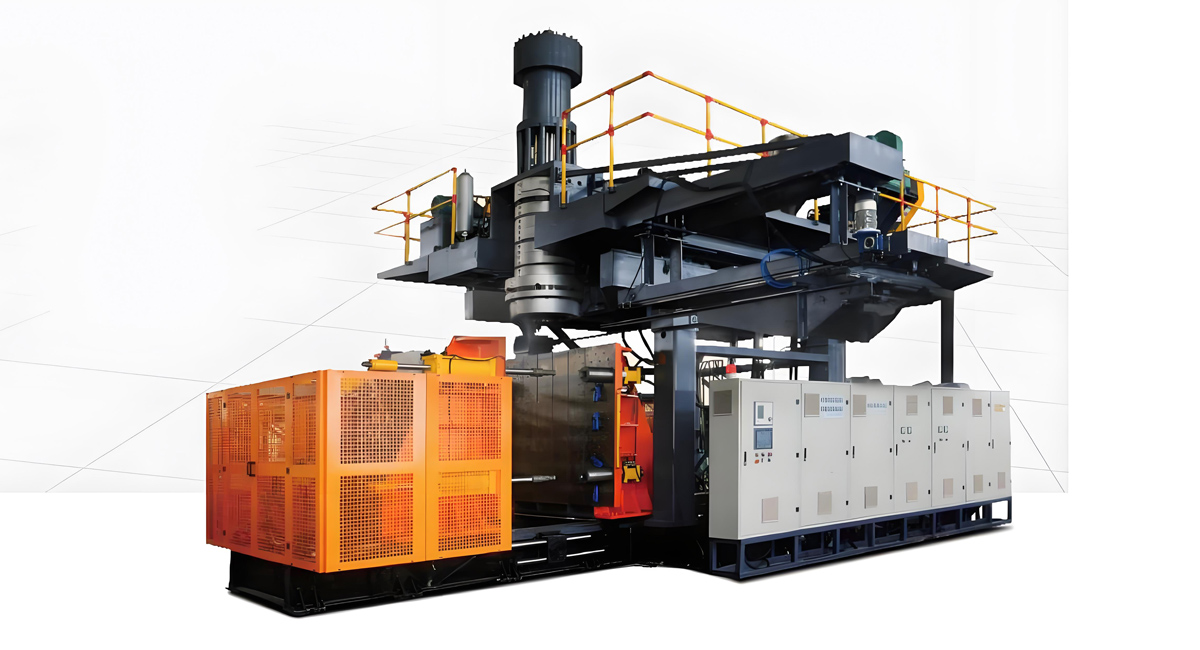
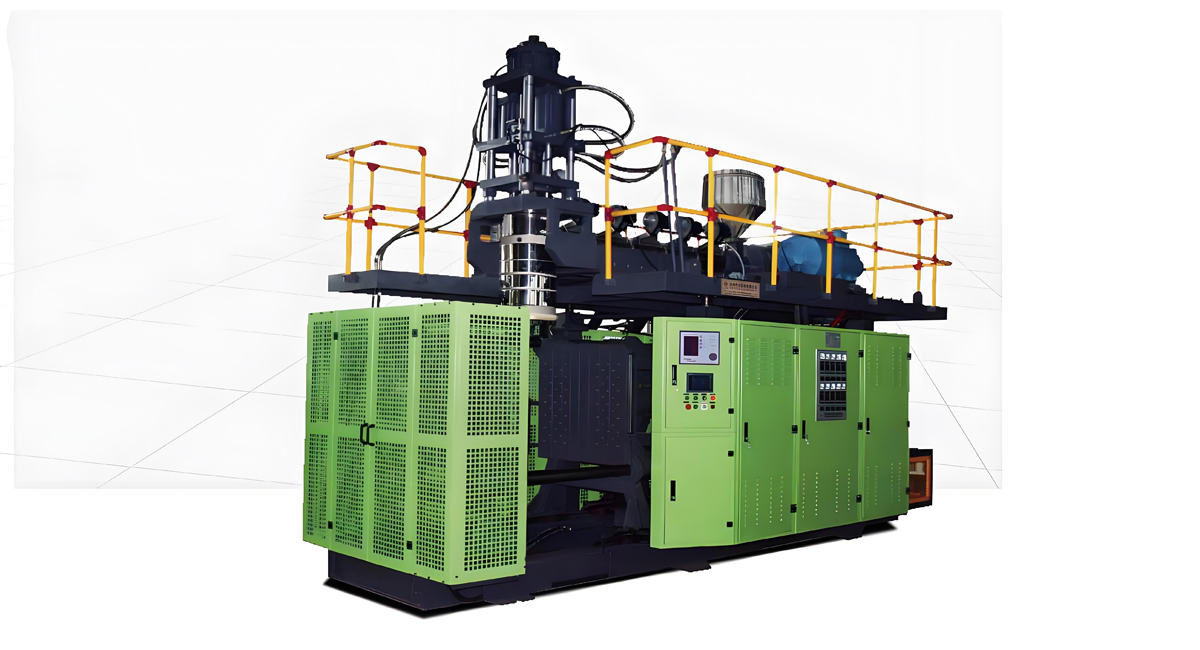
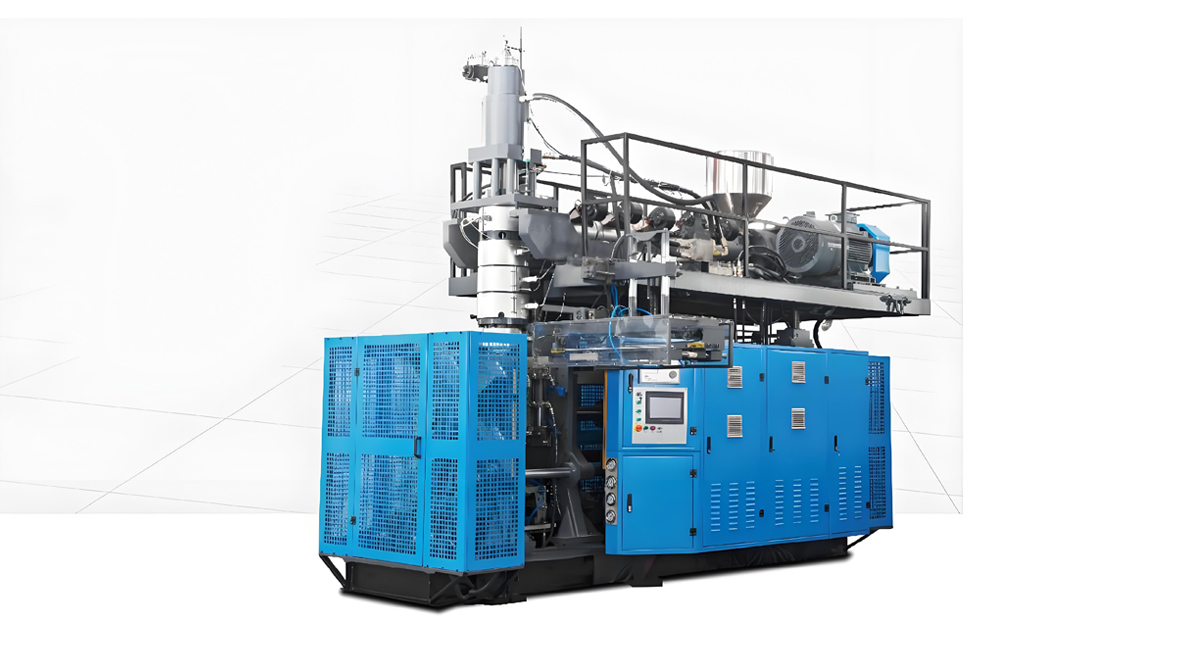
Plastic kettles represent demanding blow molding applications requiring precise wall thickness control, consistent material distribution, and excellent surface finish quality. The unique shape characteristics including curved surfaces, integrated handles, and spout formations present significant processing challenges that require specialized equipment and mold design expertise. Apollo EBM machines from Zhangjiagang Apollo Machinery Co., Ltd. provide advanced capabilities for producing high-quality plastic kettles with custom shapes and complex geometries.
Kettle production machines must deliver exceptional control over parison formation, mold temperature management, and blowing parameters to achieve consistent quality across complex shapes. Material selection, process optimization, and mold design integration determine final product quality and production efficiency. Understanding kettle production requirements enables successful implementation and optimal machine utilization.
Shape Complexity and Design Considerations
Plastic kettles feature complex shapes requiring advanced blow molding capabilities. Curved surfaces demand precise parison control for uniform wall thickness distribution. Integrated handles require careful material flow and blowing sequence coordination to prevent weak points and ensure structural integrity. Spout formations necessitate precise parison programming and mold alignment for proper forming and sealing.
Custom shape kettles may include decorative elements, textured surfaces, or functional features that further increase processing complexity. These design elements require specialized mold designs, advanced control systems, and process optimization. Apollo EBM machines with programmable parison control and advanced mold temperature management capabilities excel in producing complex kettle shapes.
Material Selection for Kettle Production
Material selection significantly impacts kettle quality, functionality, and production efficiency. Common kettle materials include polypropylene (PP), high-density polyethylene (HDPE), and polyethylene terephthalate (PET). Each material offers distinct advantages in terms of cost, processing characteristics, and product performance.
PP provides excellent heat resistance, chemical resistance, and cost-effectiveness, making it popular for general-purpose kettles. HDPE offers superior impact resistance and durability for demanding applications. PET provides excellent clarity and aesthetic qualities for premium kettle products. Material selection depends on kettle application, performance requirements, and cost considerations. Apollo EBM machines process these materials efficiently with appropriate screw and die designs.
Apollo EBM Machine Capabilities for Kettle Production
Apollo EBM machines offer advanced features specifically suited for complex kettle production requirements. The ABLD Series (20L-1500L) and Fully Electric Series (200ML-20L) provide excellent capabilities for kettle applications depending on size and production volume requirements.
Parison Control Systems
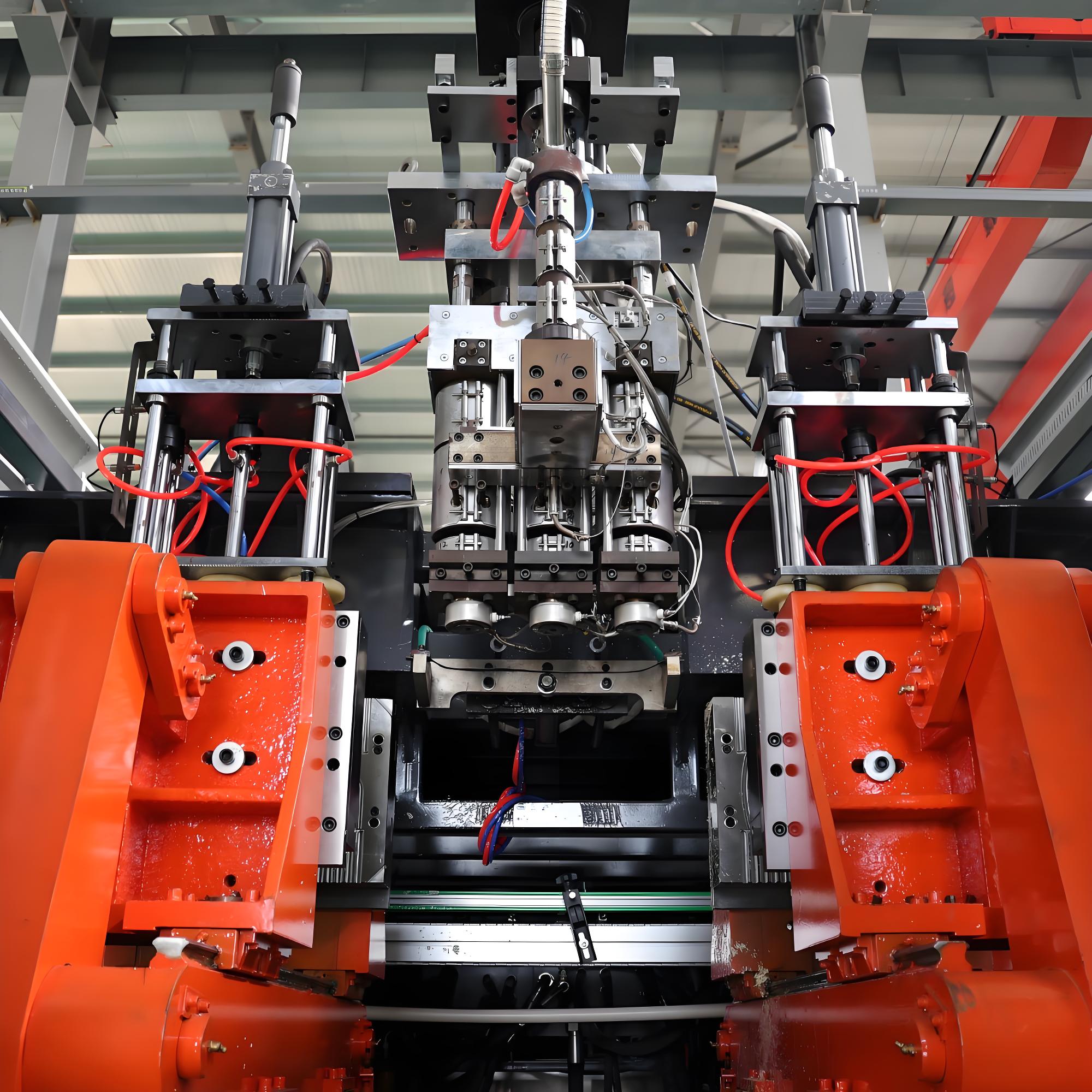
Advanced parison control is essential for consistent kettle quality across complex shapes. Apollo EBM machines feature programmable parison control systems that enable precise wall thickness distribution and material optimization. Parison programming enables variable wall thickness based on kettle geometry, reducing material usage while maintaining structural integrity.
Parison control accuracy of plus or minus 0.1 millimeter enables production of kettles with precise wall thickness specifications. Advanced systems with multi-point parison wall thickness control enable optimization of material distribution for complex shapes. Programming capabilities allow storage of multiple parison profiles for rapid product changeovers between different kettle designs.
Mold Temperature Management
Consistent mold temperature ensures uniform cooling and dimensional stability across complex kettle shapes. Apollo EBM machines feature advanced mold temperature control systems with multiple zones for precise temperature regulation. Temperature uniformity within 2-3 degrees Celsius across mold surfaces ensures consistent product quality and cycle times.
Integrated cooling channels provide efficient heat extraction for complex geometries. Temperature control systems maintain consistent conditions across production runs, ensuring repeatable quality. Advanced systems enable rapid mold temperature adjustments for different materials and kettle designs. Effective mold temperature management significantly impacts kettle quality, cycle time, and production efficiency.
Automated Handling Systems
Automated handling systems improve efficiency and reduce labor requirements for kettle production. Apollo offers integrated take-out robots, conveyor systems, and automated loading solutions tailored to kettle production requirements. Robotic take-out systems handle delicate kettle shapes without damage.
Conveyor systems integrate seamlessly with packaging operations for efficient material flow. Automated loading systems ensure consistent material feeding and reduce operator intervention. Handling system integration improves overall production efficiency and reduces labor costs while maintaining product quality. Automation level selection depends on production volume requirements and labor cost considerations.
Custom Kettle Mold Design Process
Successful custom kettle production begins with optimal mold design that balances functionality, manufacturability, and cost-effectiveness. The mold design process requires consideration of kettle geometry, material characteristics, and production requirements.
Design Requirements Analysis
Comprehensive design requirements analysis establishes foundation for successful mold development. Functional requirements including capacity, pouring performance, and durability must be clearly defined. Aesthetic requirements including surface finish, color, and visual appearance determine mold surface treatment specifications. Production requirements including cycle time, material efficiency, and automation compatibility impact mold design decisions.
Material selection influences mold design including shrinkage compensation, cooling requirements, and mold release characteristics. Production volume requirements determine mold material selection, cavity number, and maintenance considerations. Thorough requirements analysis ensures mold design meets all functional, aesthetic, and production requirements.
Mold Material Selection
Mold material selection significantly impacts mold durability, thermal performance, and product quality. Common mold materials include tool steel, aluminum alloys, and copper alloys. Each material offers distinct advantages in terms of cost, thermal conductivity, and wear resistance.
Tool steel molds provide excellent durability and wear resistance for high-volume production. Steel molds typically cost 8,000-25,000 US dollars depending on size and complexity. Aluminum molds offer superior thermal conductivity and faster cooling for shorter cycle times. Aluminum molds typically cost 5,000-15,000 US dollars. Copper alloys provide excellent thermal conductivity for complex shapes but higher cost at 12,000-30,000 US dollars. Material selection depends on production volume, thermal requirements, and cost considerations.
Cooling System Design
Effective cooling system design is critical for consistent kettle quality and efficient cycle times. Complex kettle shapes require carefully designed cooling channels to ensure uniform cooling across all surfaces. Cooling channel layout, diameter, and flow rate significantly impact cooling efficiency and product quality.
Conformal cooling channels following kettle contour provide optimal cooling for complex shapes. Multiple cooling zones enable independent temperature control for different kettle sections. High-efficiency cooling reduces cycle times by 15-25% compared to conventional cooling designs. Well-designed cooling systems significantly impact production efficiency and product quality consistency.
Process Parameter Optimization
Optimizing process parameters ensures consistent kettle quality and production efficiency. Temperature profiles, parison programming, and blowing parameters require careful adjustment based on material characteristics and kettle design.
Temperature Profile Configuration
Temperature profile configuration affects material flow, parison formation, and product quality. Typical temperature profiles for PP kettle production range from 180 to 210 degrees Celsius across extruder zones. HDPE typically requires 190-220 degrees Celsius. PET processing requires 240-270 degrees Celsius.
Temperature gradients across extruder zones optimize material melting and homogeneity. Die temperature significantly impacts parison formation and surface quality. Mold temperature affects cooling rate and dimensional stability. Temperature profile optimization requires consideration of material properties, kettle geometry, and production efficiency requirements.
Parison Programming
Parison programming enables optimization of material distribution for complex kettle shapes. Parison thickness typically varies from 2.5 to 5.0 millimeters depending on kettle size and wall requirements. Thicker sections in handle areas and spout formations ensure structural integrity and functionality.
Parison programming reduces material usage by 8-18% compared to uniform thickness parison. Material reduction directly impacts production costs and competitiveness. Programming complexity increases with kettle design complexity. Advanced programming capabilities enable production of sophisticated kettle designs with optimal material distribution.
Blowing Parameter Optimization
Blowing parameters including air pressure, blow sequence, and timing significantly impact kettle quality and cycle time. Typical air pressures for kettle production range from 6 to 12 bar depending on material and wall thickness. Blow sequence optimization prevents defects and ensures proper forming of complex shapes.
Blow timing affects material distribution and dimensional accuracy. Optimized blow sequences for integrated handles prevent weak points and ensure uniform forming. Blowing parameter optimization requires careful adjustment based on kettle design and material characteristics. Advanced EBM machines with programmable blowing controls enable optimal parameter configuration.
Production Cost Analysis
Comprehensive cost analysis enables informed decision-making and competitive pricing. Understanding production costs including machine investment, tooling, materials, labor, and overhead is essential for successful kettle production operations.
Machine Investment Costs
Apollo EBM machines suitable for kettle production range in price based on capacity and automation level. ABLD Series machines for kettle production typically range from 95,000 to 180,000 US dollars. Fully Electric Series machines for high-efficiency kettle production typically range from 110,000 to 250,000 US dollars.
Machine selection depends on kettle size, production volume, and automation requirements. Higher investment in advanced machines with superior control capabilities and automation reduces operational costs and improves product quality. Return on investment analysis should consider total cost of ownership including energy consumption, maintenance, and production efficiency gains.
Mold Investment Costs
Kettle mold costs vary significantly based on complexity, size, and material. Standard kettle molds in tool steel typically cost 10,000-20,000 US dollars for single cavity production. Multi-cavity molds for high-volume production typically cost 25,000-60,000 US dollars. Complex custom shapes requiring advanced features may cost 20,000-40,000 US dollars.
Mold maintenance including regular refurbishment and replacement represents ongoing costs typically averaging 6-10% of initial mold cost annually. High-quality mold materials and precise manufacturing extend mold life and reduce maintenance requirements. Mold selection should consider production volume, quality requirements, and total cost of ownership.
Production Cost per Unit
Production cost per kettle includes material, energy, labor, and overhead costs. Material cost typically represents 45-65% of total production cost depending on kettle size and material selection. For a 2-liter PP kettle, material cost typically ranges from 0.08 to 0.15 US dollars.
Energy cost for kettle production typically ranges from 0.02 to 0.05 US dollars per kettle. Labor cost depends on automation level and ranges from 0.03 to 0.08 US dollars per kettle. Overhead costs including maintenance, quality control, and administration typically add 0.04-0.10 US dollars per kettle. Total production cost per kettle typically ranges from 0.17 to 0.38 US dollars depending on size, material, and production efficiency.
Quality Control and Testing
Comprehensive quality control ensures consistent kettle quality and customer satisfaction. Testing protocols should include dimensional accuracy, wall thickness verification, leak testing, and functional performance evaluation.
Dimensional Accuracy Testing
Dimensional accuracy testing ensures kettles meet specified design requirements. Critical dimensions including overall dimensions, opening diameter, and handle dimensions must be verified. Tolerance requirements typically range from plus or minus 0.5 to 2.0 millimeters depending on kettle size and application.
Coordinate measuring machines or precision gauges verify dimensional accuracy. Regular dimensional testing ensures process consistency and identifies drift requiring parameter adjustment. Statistical process control methods enable ongoing monitoring and early detection of quality issues.
Wall Thickness Verification
Wall thickness verification ensures uniform material distribution and structural integrity. Wall thickness should be measured at multiple locations including base, sidewalls, handle areas, and spout formations. Minimum wall thickness specifications typically range from 0.8 to 3.0 millimeters depending on kettle size and application.
Ultrasonic thickness gauges enable non-destructive wall thickness measurement. Regular thickness verification ensures consistent parison programming and material distribution. Wall thickness data informs process optimization and material reduction opportunities.
Leak Testing and Performance Evaluation
Leak testing ensures kettles perform as intended for liquid containment. Pressure testing or water fill methods verify leak-free performance. Testing pressure typically ranges from 0.5 to 1.0 bar depending on kettle application.
Performance evaluation includes pouring characteristics, handle strength, and heat resistance testing. Pouring tests verify spout performance and liquid flow characteristics. Handle strength testing ensures structural integrity under typical use conditions. Heat resistance testing verifies dimensional stability and material integrity at elevated temperatures.
Common Production Challenges
Kettle production encounters specific challenges related to complex shapes, material distribution, and surface quality. Understanding these challenges enables effective problem resolution and process optimization.
Wall Thickness Variations
Problem: Wall thickness variations manifest as inconsistent thickness across kettle surfaces. Thin sections may compromise structural integrity while thick sections increase material costs and cause cooling issues.
Cause Analysis: Poor parison programming, improper temperature distribution, or mold misalignment cause thickness variations. Complex kettle shapes with curved surfaces and integrated features increase material distribution challenges. Inconsistent parison formation due to material variations or improper processing conditions affects thickness uniformity.
Solution and Prevention: Optimize parison programming through iterative adjustment and thickness measurement verification. Ensure uniform temperature distribution across die and mold. Verify mold alignment and proper assembly. Implement statistical process control to monitor thickness consistency and detect variations early. Regular maintenance of parison control systems ensures programming accuracy and repeatability.
Surface Defects
Problem: Surface defects including sink marks, flow lines, or surface roughness affect kettle appearance and quality. Visible defects impact customer perception and market acceptance.
Cause Analysis: Improper mold temperature, insufficient cooling, or material contamination cause surface defects. Uneven cooling rates create differential shrinkage and sink marks. Flow lines result from material flow variations during filling and blowing. Surface roughness may result from mold surface quality or material characteristics.
Solution and Prevention: Optimize mold temperature uniformity through effective cooling system design. Ensure adequate cooling time before mold opening. Maintain clean mold surfaces through regular cleaning and maintenance. Use appropriate material grade and ensure material quality through supplier quality control. Optimize processing parameters including temperature and blowing sequence to minimize flow marks.
Handle Formation Issues
Problem: Handle formation issues including weak points, voids, or incomplete forming compromise structural integrity and kettle functionality. Handle problems significantly impact product quality and safety.
Cause Analysis: Insufficient material flow to handle areas, improper blow sequence, or mold design deficiencies cause handle problems. Complex handle geometries with sharp transitions create material flow challenges. Inadequate parison thickness in handle regions compromises structural integrity.
Solution and Prevention: Optimize parison programming to ensure adequate material in handle areas. Implement multi-stage blow sequences for complex handle formation. Improve mold design including gate placement and venting. Consider material selection with appropriate flow characteristics. Perform handle strength testing during development to ensure structural requirements are met.
Maintenance and Optimization
Regular maintenance ensures consistent machine performance and product quality. Preventive maintenance programs should address key systems including extruder, parison control, mold systems, and automation equipment.
Extruder and Parison System Maintenance
Extruder and parison system maintenance includes regular inspection of screw and barrel wear, calibration of parison control sensors, and verification of die condition. Screw and barrel wear affects material homogeneity and parison quality. Parison control sensor calibration ensures accurate wall thickness control.
Regular die cleaning and maintenance prevents material buildup affecting parison quality. Hydraulic system maintenance ensures consistent parison movement and programming accuracy. Preventive maintenance scheduling prevents unexpected downtime and maintains product quality consistency.
Mold Maintenance
Mold maintenance includes regular inspection of wear surfaces, cleaning of cooling channels, and verification of alignment. Mold wear affects product quality and dimensional accuracy. Cooling channel cleaning ensures consistent thermal performance and cycle times.
Surface treatment maintenance preserves surface finish quality and mold release characteristics. Proper storage and handling prevents damage during mold changeovers. Regular mold maintenance extends mold life and maintains product quality consistency. Maintenance schedules should be based on production volume and material characteristics.
Frequently Asked Questions
This section addresses common questions regarding plastic kettle production using extrusion blow molding machines.
What machine capacity is best for kettle production?
Machine capacity selection depends on kettle size and production volume requirements. ABLD Series machines with 20-1500L capacity provide flexibility for various kettle sizes. Fully Electric Series machines for 200ML-20L kettles offer superior energy efficiency and control. Production volume requirements determine optimal machine size and automation level. Smaller production volumes may utilize single cavity molds with manual operation, while high-volume production benefits from multi-cavity molds and automation.
How much does a custom kettle mold cost?
Custom kettle mold costs vary based on complexity, size, and material selection. Standard single cavity molds in tool steel typically cost 10,000-20,000 US dollars. Multi-cavity molds for high-volume production typically cost 25,000-60,000 US dollars. Complex custom shapes with advanced features may cost 20,000-40,000 US dollars. Mold material selection significantly impacts cost with copper alloys offering superior thermal conductivity at higher prices. Mold selection should consider total cost of ownership including maintenance and expected mold life.
What materials are best for plastic kettle production?
Material selection depends on kettle application, performance requirements, and cost considerations. PP provides excellent heat resistance and chemical resistance at low cost, making it popular for general-purpose kettles. HDPE offers superior impact resistance and durability for demanding applications. PET provides excellent clarity and aesthetic qualities for premium kettle products. Each material requires different processing parameters and may have different production costs. Material selection should consider product performance requirements and target market positioning.
How can production costs be optimized?
Production cost optimization requires focus on material efficiency, cycle time reduction, and labor cost management. Parison programming optimization reduces material usage by 8-18% while maintaining quality. Cooling system optimization reduces cycle times by 15-25%. Automation reduces labor requirements and improves consistency. High-quality molds with proper maintenance extend mold life and reduce per-unit tooling costs. Total cost of ownership analysis should consider all factors including machine investment, tooling, materials, energy, labor, and maintenance.
What quality control measures ensure consistent kettle quality?
Quality control measures should include dimensional accuracy testing, wall thickness verification, leak testing, and performance evaluation. Regular dimensional testing ensures consistent sizing within specified tolerances. Wall thickness measurement across multiple locations verifies uniform material distribution. Leak testing ensures liquid containment performance. Performance evaluation including pouring tests, handle strength, and heat resistance verifies functional requirements. Statistical process control methods enable ongoing monitoring and early detection of quality issues. Comprehensive quality protocols ensure consistent product quality and customer satisfaction.
Conclusion and Best Practices
Successful plastic kettle production using extrusion blow molding machines requires integration of advanced equipment, optimized processes, and comprehensive quality systems. Apollo EBM machines provide the capabilities necessary for producing high-quality kettles with custom shapes and complex geometries.
Begin production planning with thorough analysis of kettle design requirements, material selection, and production volume needs. Consult with Apollo representatives to select optimal machine configuration for specific kettle applications. Invest in high-quality mold design and construction to ensure product quality and production efficiency. Implement comprehensive process optimization including temperature profiles, parison programming, and blowing parameters.
Establish quality control protocols ensuring consistent product quality and early detection of issues. Implement preventive maintenance programs for equipment reliability and performance consistency. Conduct regular cost analysis to identify optimization opportunities and ensure competitive pricing.
Plastic kettle production represents opportunity for profitable manufacturing when supported by appropriate equipment, optimized processes, and comprehensive quality systems. Apollo EBM machines with advanced capabilities, proven reliability, and comprehensive support enable successful kettle production operations across diverse applications and market segments.