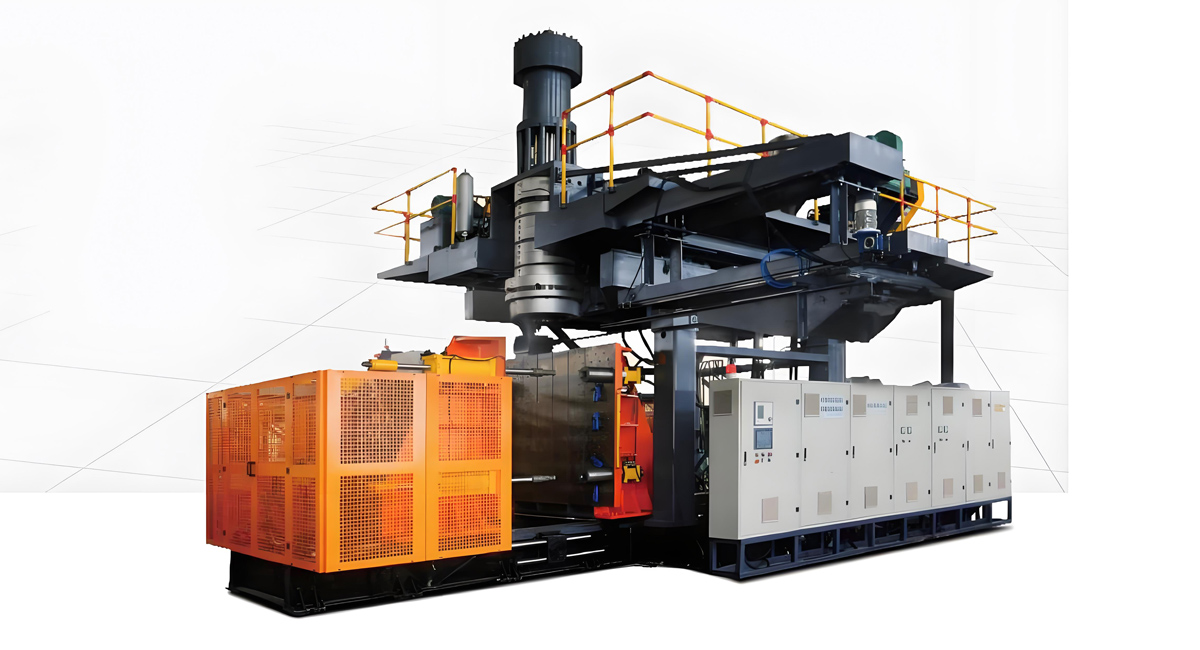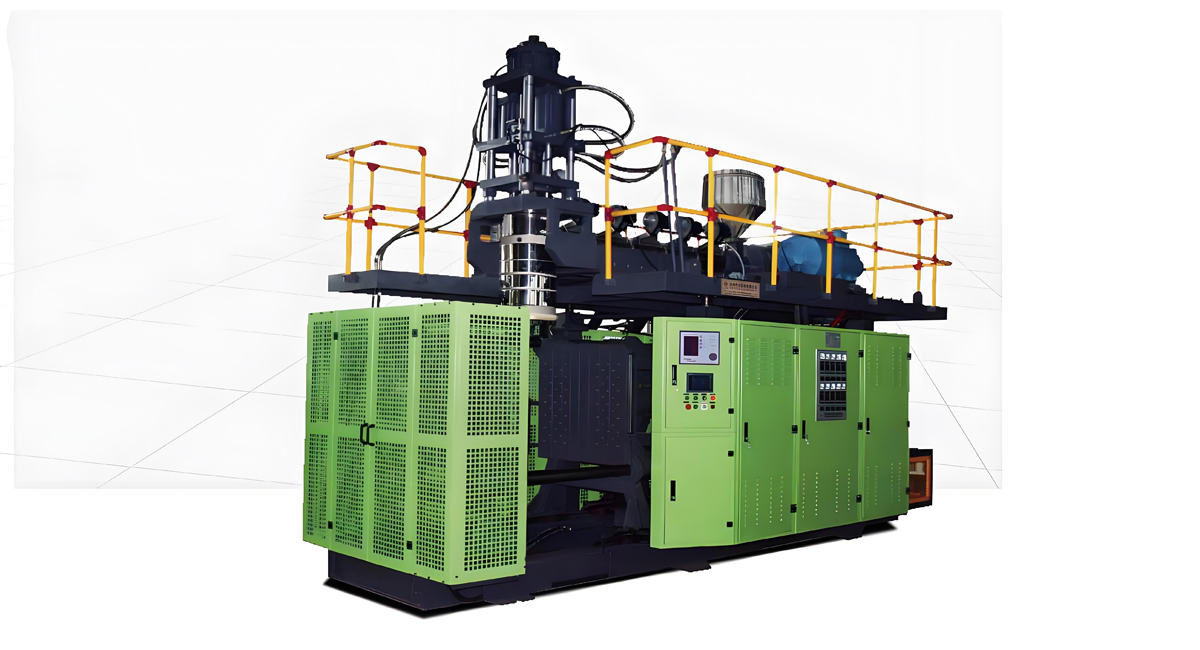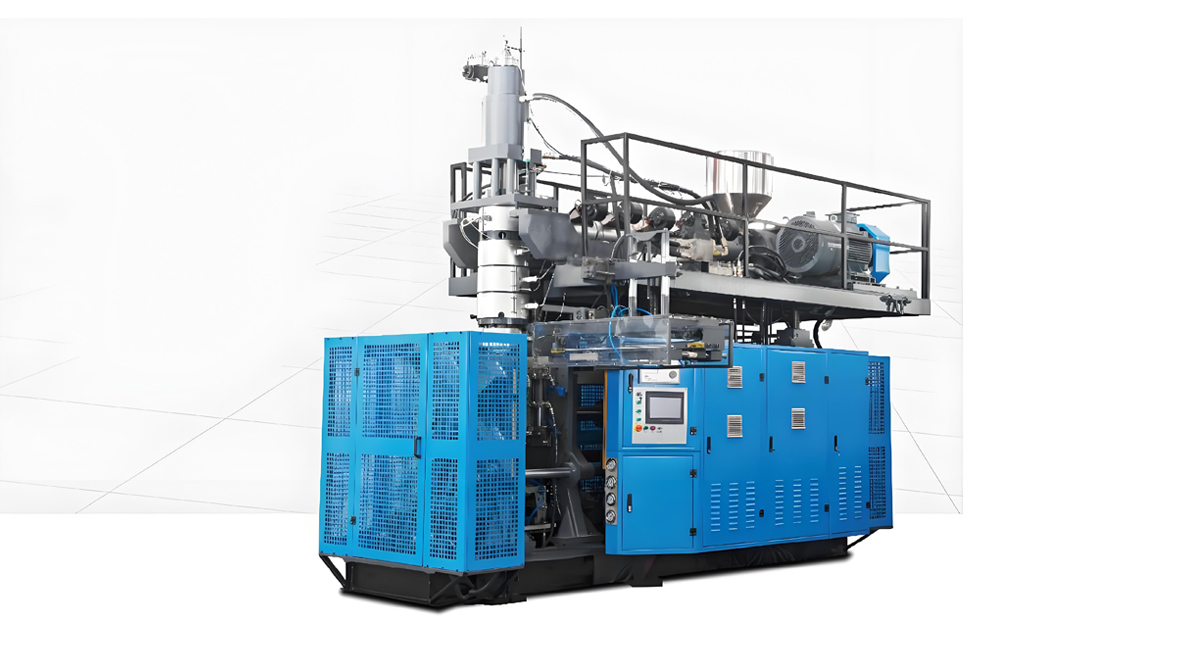

The extrusion blow molding (EBM) industry is on the cusp of a major transformation driven by two parallel forces: the rise of Industry 4.0 (Smart Manufacturing) and the urgent need for sustainability (Eco-Friendly production). As plastic packaging faces increasing scrutiny regarding its environmental impact, and labor costs rise globally, the EBM machine of the future must be intelligent, connected, and efficient. This article explores the cutting-edge trends shaping the next generation of blow molding technology, with insights into how Apollo-China is innovating to meet these future demands.
The Shift to Smart Manufacturing (Industry 4.0)
The “dumb” machine that simply runs a timer is becoming obsolete. The future EBM machine is a cyber-physical system capable of self-diagnosis, optimization, and communication with other factory systems.
1. IoT and Predictive Maintenance
Modern EBM machines are equipped with hundreds of sensors monitoring temperature, pressure, vibration, torque, and energy consumption in real-time. This data is sent to the cloud or a local server. AI algorithms analyze this data to predict failures before they happen. For example, a slight increase in gearbox vibration frequency might indicate a bearing wear 3 weeks in advance. The system alerts the maintenance team to order parts and schedule the repair during the next planned downtime, preventing catastrophic failure. Apollo-China’s newer lines come with “Apollo Connect” modules that allow remote monitoring via smartphone apps, giving factory managers visibility into OEE (Overall Equipment Effectiveness) from anywhere in the world.
2. AI-Driven Process Optimization
Traditionally, setting up a new mold required a skilled operator to manually tweak parameters. AI is changing this. By feeding historical data (material batch, ambient temperature, mold specs) into a neural network, the machine can “learn” the optimal settings for a new product. It can adjust the parison thickness profile in real-time based on feedback from in-line vision systems or wall thickness sensors. This reduces the “setup scrap” to near zero. Some advanced systems use “Reinforcement Learning,” where the AI tries different parameters, measures the result (bottle weight, cycle time), and adjusts to maximize efficiency. This can improve output by 5-10% without human intervention.
3. Digital Twins
A Digital Twin is a virtual replica of the physical machine. Before a new bottle design is even manufactured, it can be simulated in the Digital Twin to identify potential issues—like parison sag or uneven cooling—without wasting physical material. This virtual commissioning reduces the time-to-market for new packaging designs by weeks. During operation, the Digital Twin runs in parallel with the real machine, allowing operators to test “what-if” scenarios (e.g., “What happens if I increase screw speed by 5%?”) safely in the virtual world before applying it to the real process.
Eco-Friendly and Sustainable EBM Technologies
Sustainability is no longer optional. It is driven by consumer demand, legislation (like the EU Plastic Tax), and corporate ESG goals. EBM manufacturers are responding with technologies that reduce energy use, incorporate recycled content, and minimize waste.
1. Processing 100% Recycled Material (rHDPE/rPET)
The biggest challenge in using recycled plastic is the variation in melt flow index (MFI) and contamination. Future EBM machines feature advanced filtration systems (continuous screen changers) and degassing vents to handle dirty regrind. Apollo-China is developing specialized screws with mixing elements designed to homogenize recycled flakes without degrading the polymer chains. The goal is to produce high-quality bottles from 100% post-consumer recycled (PCR) plastic, enabling a circular economy. Machines are being designed with “PCR Mode” where temperatures and residence times are optimized to prevent yellowing or brittleness.
2. Energy Recovery Systems
EBM is an energy-intensive process. A significant amount of heat is generated by the extruder and removed by the chiller. Future designs incorporate heat exchangers to capture this waste heat. For example, the heat from the hydraulic oil cooler can be used to pre-heat the facility’s domestic hot water or to heat the mold during startup, reducing the energy needed by the band heaters. Some concepts even use thermoelectric generators to convert waste heat directly into electricity to power auxiliary systems like loaders or robots.
3. Lightweighting and Material Reduction
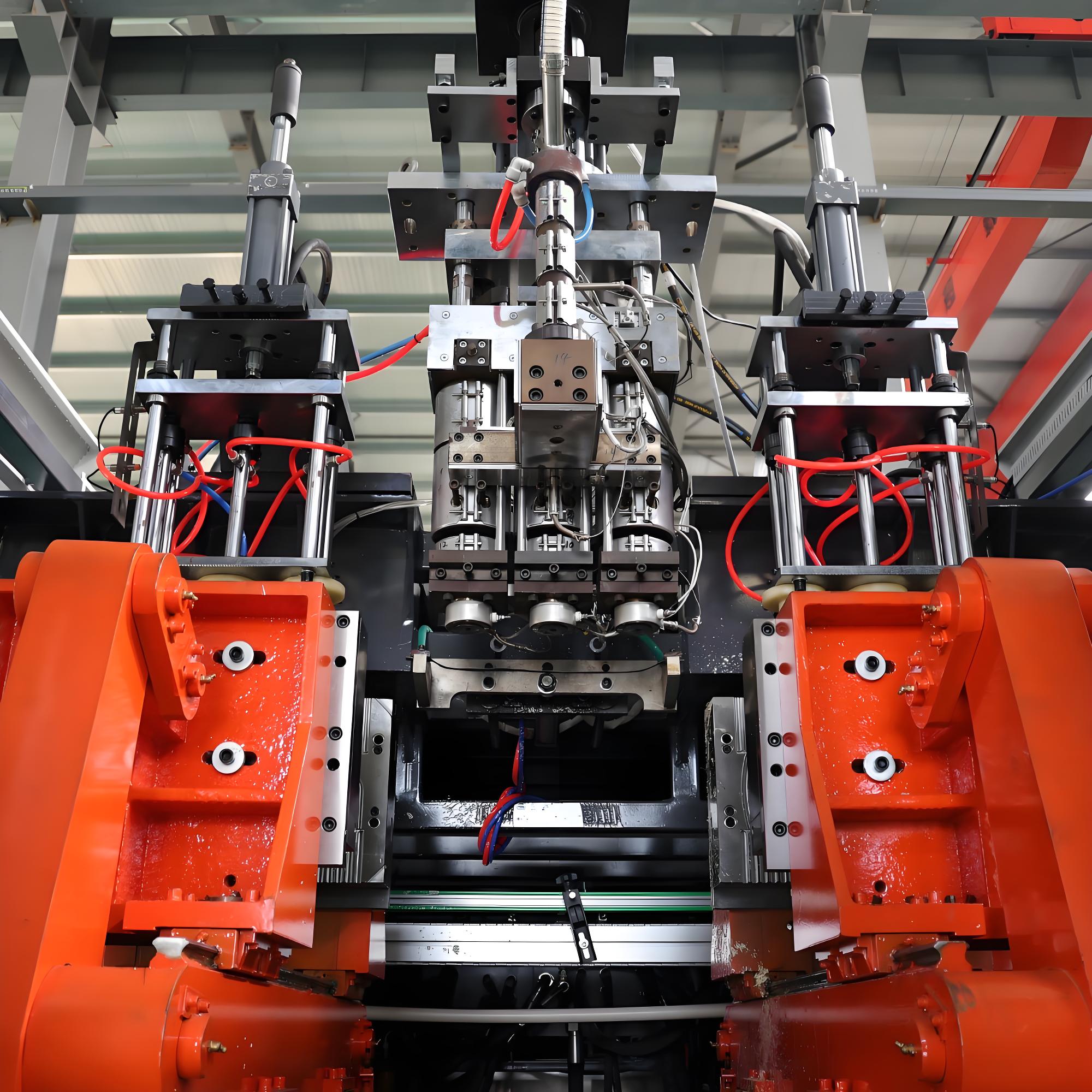
The most effective way to reduce the carbon footprint of a plastic bottle is to use less plastic. Advanced wall thickness control systems allow for “micro-layer” technologies where structural integrity is maintained with 10-15% less material. This requires extremely precise control of the parison. Apollo-China’s servo-driven die heads can adjust the gap in milliseconds, enabling complex lightweighting strategies that were impossible with older hydraulic systems. Lightweighting not only saves material costs but also reduces transportation emissions (lighter loads).
4. Water-Saving Cooling Systems
Cooling is the most water-intensive part of EBM. Closed-loop adiabatic cooling towers and evaporative cooling systems can reduce water consumption by 80% compared to once-through city water systems. Furthermore, optimized mold cooling channel designs (conformal cooling) require less water flow to achieve the same cooling rate because the heat transfer is more efficient. Future regulations may restrict water usage, making these systems essential.
Advanced Material Processing: Beyond HDPE
The future EBM machine must handle more than just HDPE and PP. New bioplastics (PLA, PHA) and multi-layer barrier materials are entering the market. These materials have different rheological behaviors. PLA, for instance, is more shear-sensitive and degrades faster. EBM machines of the future will have:
– Corrosion-resistant barrels (bimetallic or fully hardened steel) to handle acidic barriers like EVOH.
– Precise temperature control zones to manage the different melting points of multi-layer structures.
– Quick-purge systems to switch between material types (e.g., from HDPE to PCR) without long cleaning times.
Cost Implications of Smart & Eco Technologies
Upgrading to a smart, eco-friendly EBM line involves a higher initial investment, but the operational savings are substantial.
Cost Breakdown:
– Standard EBM Line: $200,000
– Smart/Eco Line (with IoT, Servo, Heat Recovery): $280,000 (40% premium)
– Annual Energy Savings (30%): $15,000
– Reduction in Scrap (from 5% to 1% on a $1M revenue line): $40,000
– Maintenance Savings (Predictive): $10,000
– Total Annual OpEx Savings: $65,000
ROI: The $80,000 premium is paid back in approximately 15 months. Furthermore, the ability to charge a premium for “Green Packaging” or meet strict retailer sustainability requirements can increase sales revenue by 5-10%, further accelerating ROI. The resale value of a smart, connected machine is also higher than an analog machine.
Apollo-China’s Vision for the Future
Apollo-China is actively integrating these future trends into their current R&D pipeline. Their “Green-Tech” series includes machines with servo-hydraulic systems that reduce energy consumption by 40% compared to traditional fixed-displacement pumps. They are developing integrated material dryers that use desiccant wheels to handle PET and PCR moisture more efficiently than standard hopper dryers. On the connectivity front, Apollo is partnering with software providers to offer MES (Manufacturing Execution System) integration, allowing the blow molding machine to be a fully integrated part of the factory’s ERP system, automatically scheduling production based on inventory levels and energy pricing (running during off-peak hours).
Regulatory and Market Drivers
The push for smart and eco-friendly machines is also regulatory. The EU’s “Green Deal” and extended producer responsibility (EPR) schemes force manufacturers to pay for the end-of-life of their packaging. This incentivizes lightweighting and recyclability. In the US, state-level legislation on recycled content (e.g., California requiring 30% PCR by 2030) is driving demand for machines capable of processing high percentages of regrind. Machines that cannot handle PCR or are energy hogs will become obsolete or face “carbon taxes” in certain jurisdictions. Investing in future-proof technology now is a hedge against future regulatory costs.
Conclusion
The future of Extrusion Blow Molding is intelligent, sustainable, and connected. The machines of tomorrow will not just be tools for shaping plastic; they will be data-generating assets that optimize themselves, minimize environmental impact, and integrate seamlessly into the digital factory. For manufacturers, the choice is clear: adapt to these smart and eco-friendly technologies or risk being left behind by competitors who can produce higher quality packaging at a lower cost and with a smaller carbon footprint. Apollo-China is positioning itself at the forefront of this revolution, offering machinery that delivers the efficiency of today with the sustainability of tomorrow. By embracing these innovations, the plastics industry can move towards a model where economic growth and environmental stewardship go hand in hand.