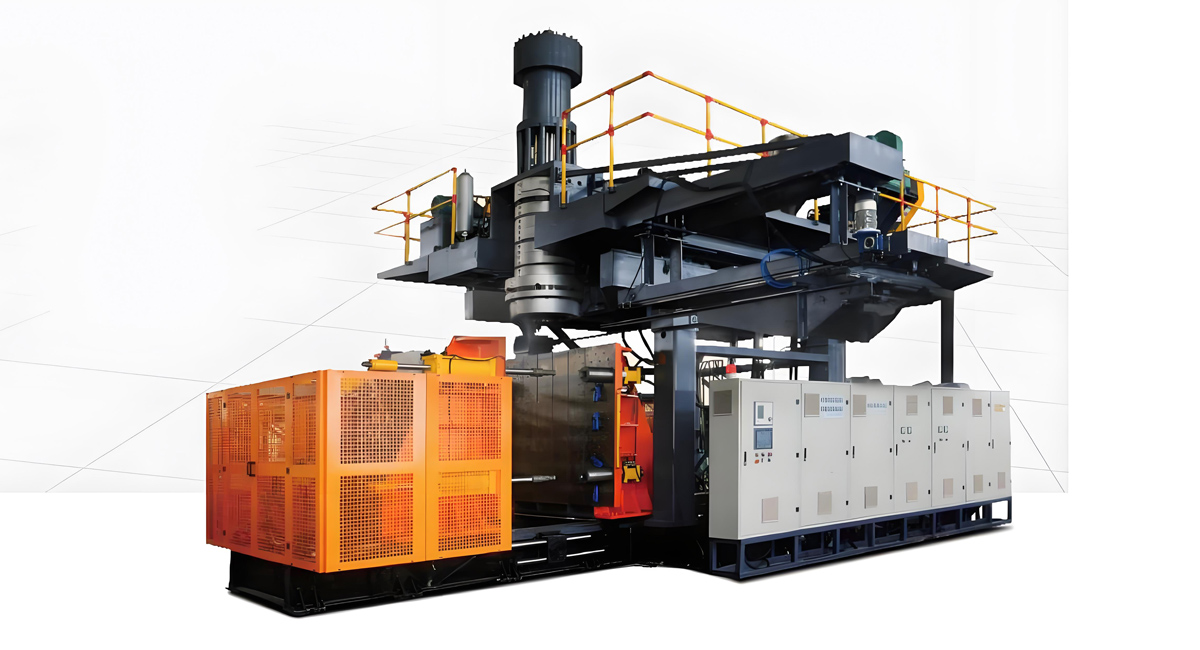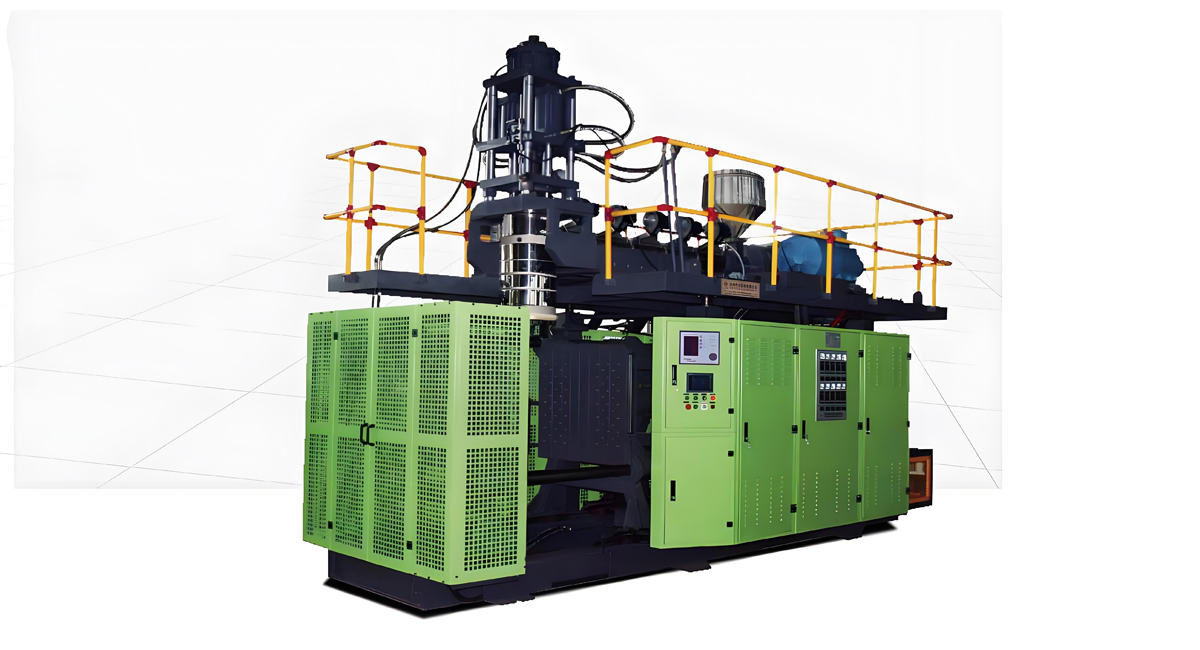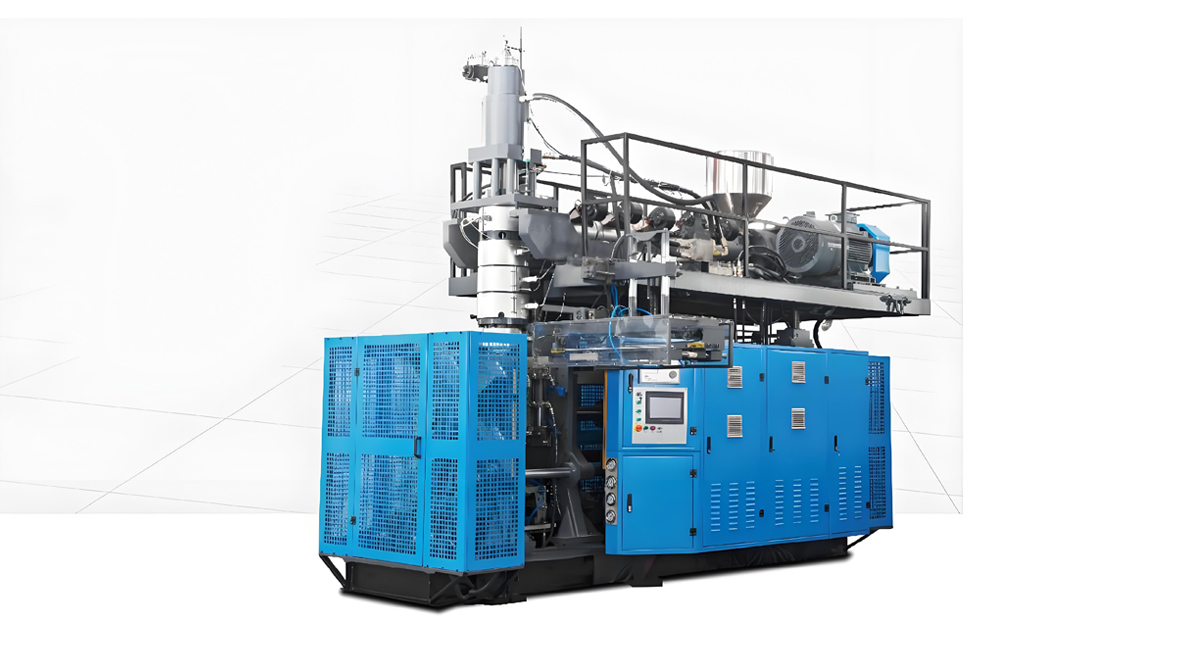
Importing heavy machinery like an Extrusion Blow Molding (EBM) machine into the European Union is a complex process governed by strict safety and environmental regulations. The CE mark is not just a label; it is a declaration by the manufacturer that the product meets all applicable EU directives. Failure to comply can result in seized shipments, heavy fines, or liability for workplace accidents. This guide provides a detailed roadmap for importing EBM machines to Europe, with a focus on how Apollo-China ensures their machines meet the highest European standards.
The Regulatory Framework: Understanding CE Directives
For an EBM machine, several EU directives are applicable. The most critical are the Machinery Directive (2006/42/EC), the Low Voltage Directive (LVD), and the Electromagnetic Compatibility (EMC) Directive.
1. Machinery Directive (2006/42/EC)
This is the primary directive for EBM machines. It mandates that machinery must be designed and constructed to ensure the safety and health of persons. Key requirements include:
– Risk Assessment: A comprehensive analysis of all potential hazards (crushing, shearing, entanglement, hot surfaces, electrical shock).
– Safety Functions: Emergency stops, interlocked guards (doors that stop the machine if opened), light curtains, and two-hand controls.
– Noise and Vibration Limits: The machine must not exceed specific dB levels (typically 80-85 dB) without hearing protection.
– Documentation: A detailed instruction manual in the local language of the user country.
2. Low Voltage Directive (LVD 2014/35/EU)
This ensures electrical safety for equipment operating between 50V and 1000V AC. It covers insulation, grounding, protection against electric shock, and overcurrent protection. All control panels must be IP54 or higher rated to prevent dust and water ingress.
3. EMC Directive (2014/30/EU)
The machine must not emit electromagnetic interference that disrupts other equipment, and it must be immune to interference from other sources. This is crucial for the sensitive PLC and sensor electronics in modern EBM lines.
Technical Requirements for EBM Compliance
Safety Components and Interlocks
European standards (EN 1114-1 for plastics machinery) require specific safety features. For an EBM machine, this means:
– Mold Area Guarding: The area where the mold opens and closes must be fully enclosed with safety interlocks. If the guard is opened, the machine must enter a “safe state” (hydraulic pressure released, screw stopped).
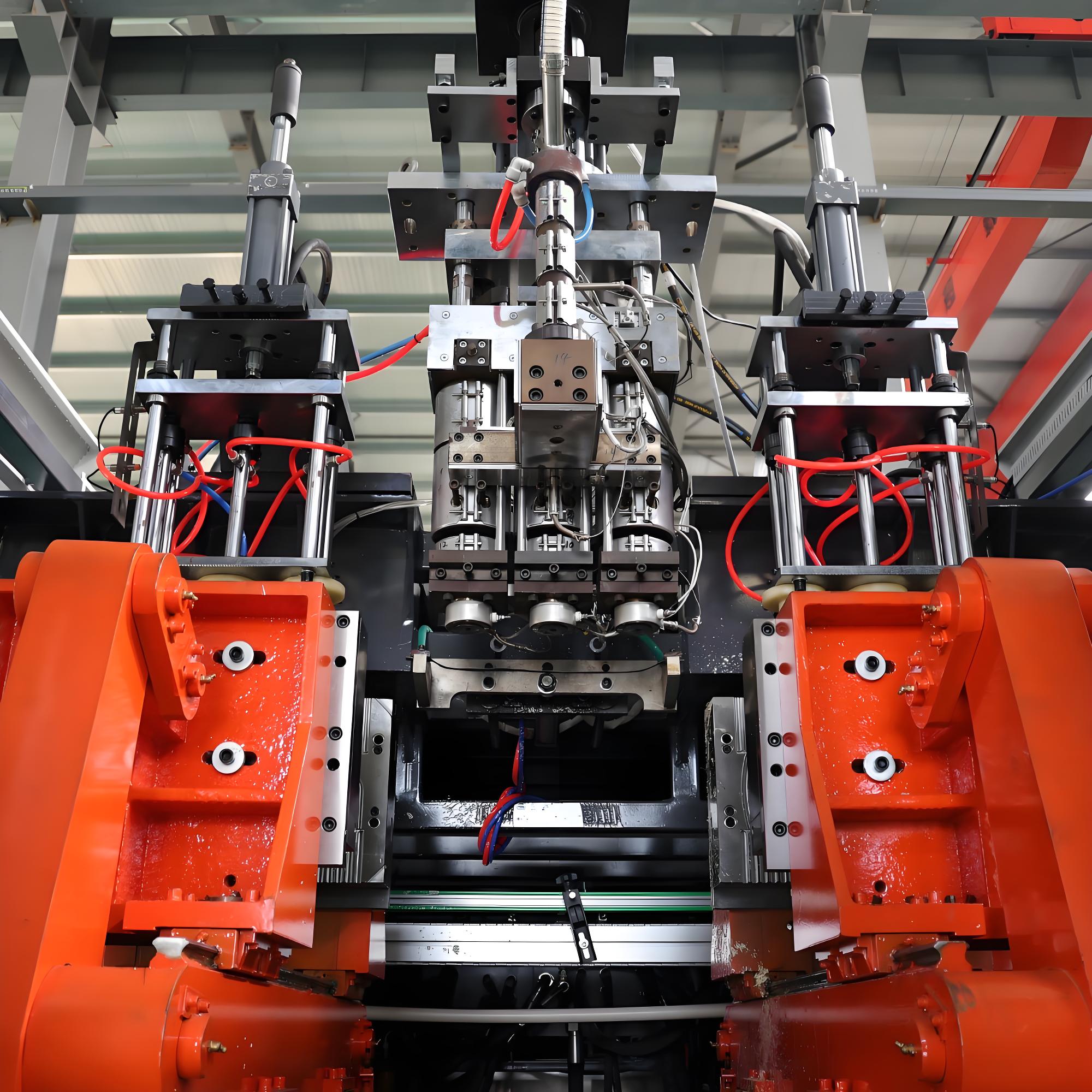
– Parison Guarding: The area where the hot parison hangs must be guarded to prevent operator contact with molten plastic.
– Emergency Stop: Multiple E-stop buttons must be placed at the operator console, the loading area, and the maintenance platforms. These must be hardwired to cut power directly, not just signal the PLC.
– Lockout/Tagout (LOTO): Provisions for locking the machine in a zero-energy state during maintenance are mandatory.
Hydraulic and Pneumatic Safety
Hydraulic systems must have pressure relief valves and burst-proof hoses. In Europe, the use of flame-retardant hydraulic fluids (HFC or HFD) is often preferred over mineral oils to reduce fire risk. Pneumatic systems must have safety valves to prevent over-pressurization of air cylinders.
Noise Reduction
EBM machines can be noisy due to the clamp closing and air exhaust. To comply with the Machinery Directive noise limits, manufacturers often install acoustic enclosures around the machine. Apollo-China offers sound-proof covers that reduce noise levels by 10-15 dB, ensuring the machine can be installed in a standard factory environment without requiring a separate soundproof room, which saves significant construction costs.
The CE Certification Process: Step-by-Step
Step 1: Design and Risk Assessment
The manufacturer (Apollo-China) must conduct a risk assessment during the design phase. This document identifies hazards and the measures taken to mitigate them. It forms the basis of the technical file.
Step 2: Testing and Verification
The machine undergoes rigorous testing. This includes electrical safety tests (insulation resistance, ground continuity), functional safety tests (verifying interlocks), and noise measurements. If the machine includes a robot or laser, additional standards (ISO 10218 for robots) apply.
Step 3: Technical Documentation
A “Technical File” must be compiled. This includes:
– General arrangement drawings
– Electrical schematics
– Hydraulic/Pneumatic diagrams
– Risk assessment report
– Test reports and certificates
– List of harmonized standards applied
– Declaration of Conformity (DoC)
Step 4: Notified Body Involvement
For most standard EBM machines, the manufacturer can self-certify (Module A). However, if the machine has complex safety systems or is for a specific high-risk application, a Notified Body (an independent testing agency like TUV or SGS) may need to review the design and issue a “Type Examination Certificate” (Module B). This adds cost and time but provides higher assurance.
Step 5: Declaration of Conformity and CE Marking
Once the technical file is complete and tests passed, the manufacturer issues a Declaration of Conformity. The CE mark is then affixed to the machine nameplate. It must be at least 5mm high and visible from the outside.
Cost Implications of CE Compliance
Achieving CE compliance adds to the manufacturing cost, which is reflected in the machine price. However, non-compliance is far more expensive.
Cost Breakdown of Compliance:
1. Design Modifications: Adding interlocks, light curtains, and better guarding can add $2,000-$5,000 to the build cost.
2. Testing and Certification: Hiring a Notified Body can cost $3,000-$10,000 depending on complexity.
3. Documentation: Engineering hours to compile the technical file.
4. Components: Using CE-certified components (sensors, valves, PLCs) is mandatory. A Siemens PLC is preferred over a generic brand for easier compliance.
Total Compliance Premium: Expect a 5-10% increase in the machine price for full CE compliance compared to a non-certified machine for export to non-regulated markets. However, Apollo-China includes this in their standard European pricing because they build to these standards globally. Buying a non-compliant machine and trying to retrofit it in Europe can cost 2-3 times more than buying a compliant machine upfront, plus the risk of rejection at customs.
Importing Process: Logistics and Customs
Customs Codes and Duties
EBM machines fall under HS Code 8477 (Machinery for working rubber or plastics). The import duty in the EU is typically 2-4% for machinery from China, though this can vary based on trade agreements. VAT (Value Added Tax) is applied on top of the duty and shipping cost, usually at 19-25% depending on the country (e.g., 19% in Germany, 20% in France, 22% in Italy).
Shipping and Installation
EBM machines are heavy and large. They are usually shipped in containers (40ft or 40ft High Cube) or as break-bulk cargo for the largest models. The machine must be bolted to a foundation. European standards require the foundation to be able to withstand dynamic loads. The importer must ensure the floor can support the machine weight (often 5-10 tons) plus the dynamic clamp force.
Apollo-China: Built for European Standards
Apollo-China has extensive experience exporting to Europe. Their machines are designed with CE compliance as a baseline, not an afterthought. They use European-standard components (Schneider, Siemens, ABB, Festo) which already carry CE marks, simplifying the certification process. Apollo provides a complete “CE Package” with every machine, including the Declaration of Conformity, electrical schematics, manuals in English/French/German/Spanish, and risk assessment reports. Their after-sales team in Europe (or their distributors) assists with installation and final validation, ensuring the machine passes local safety inspections (like TUV or OSHA equivalents) on the first try. This reduces the “time-to-production” for European importers significantly.
Post-Import Responsibilities
Once the machine is in Europe, the importer (owner) has responsibilities. They must:
1. Perform a final risk assessment at the installation site (the manufacturer assesses the machine, the user assesses the environment).
2. Ensure operators are trained and understand the safety instructions.
3. Maintain the safety devices (test E-stops weekly, check light curtains daily).
4. Keep the technical file on-site for inspection by authorities (usually for 10 years after the machine is withdrawn from service).
Failure to maintain these records can void insurance in case of an accident.
Conclusion
Importing an Extrusion Blow Molding machine to Europe is a strategic investment that requires strict adherence to regulatory frameworks. The CE mark is your passport to the European market, ensuring safety, quality, and legal operation. While the upfront cost of a compliant machine like those from Apollo-China may seem higher than grey-market alternatives, the peace of mind, faster customs clearance, and reduced liability make it the only viable option for serious manufacturers. By understanding the directives and working with a manufacturer that prioritizes compliance, you can navigate the import process smoothly and focus on what matters: efficient, safe production.