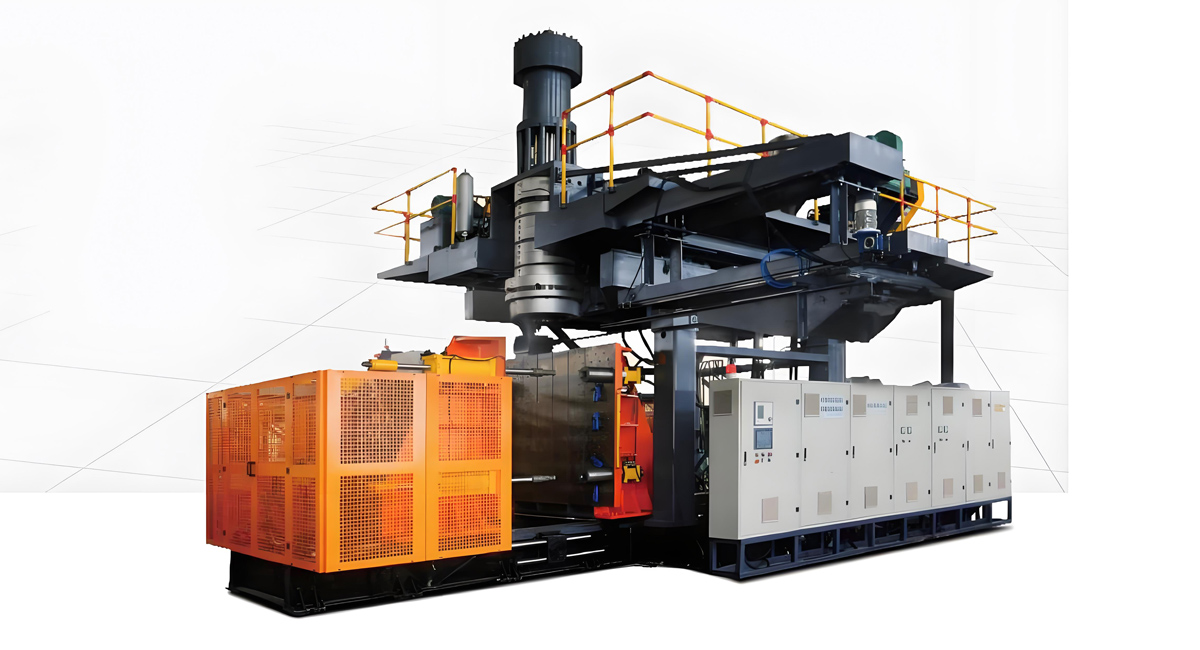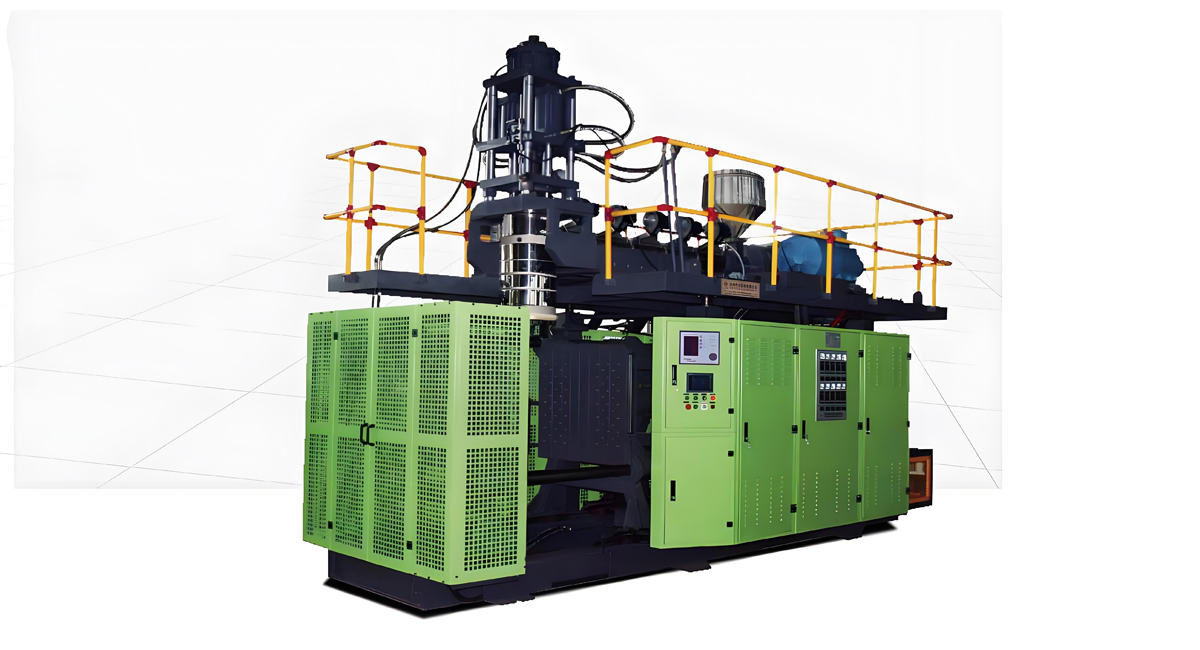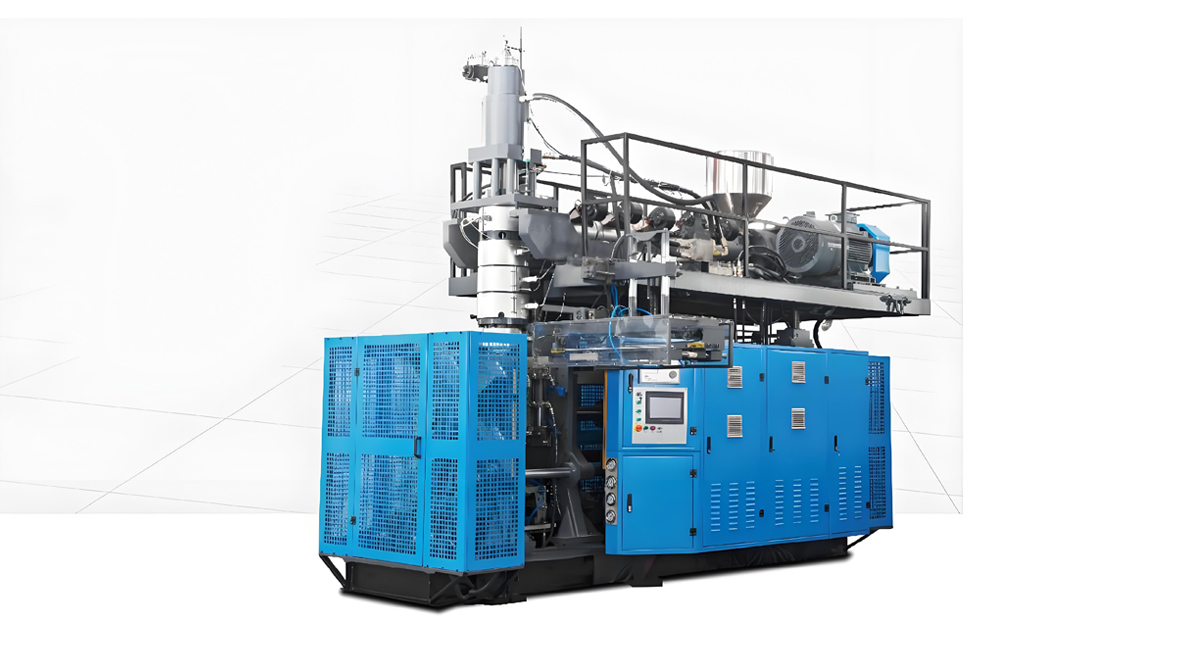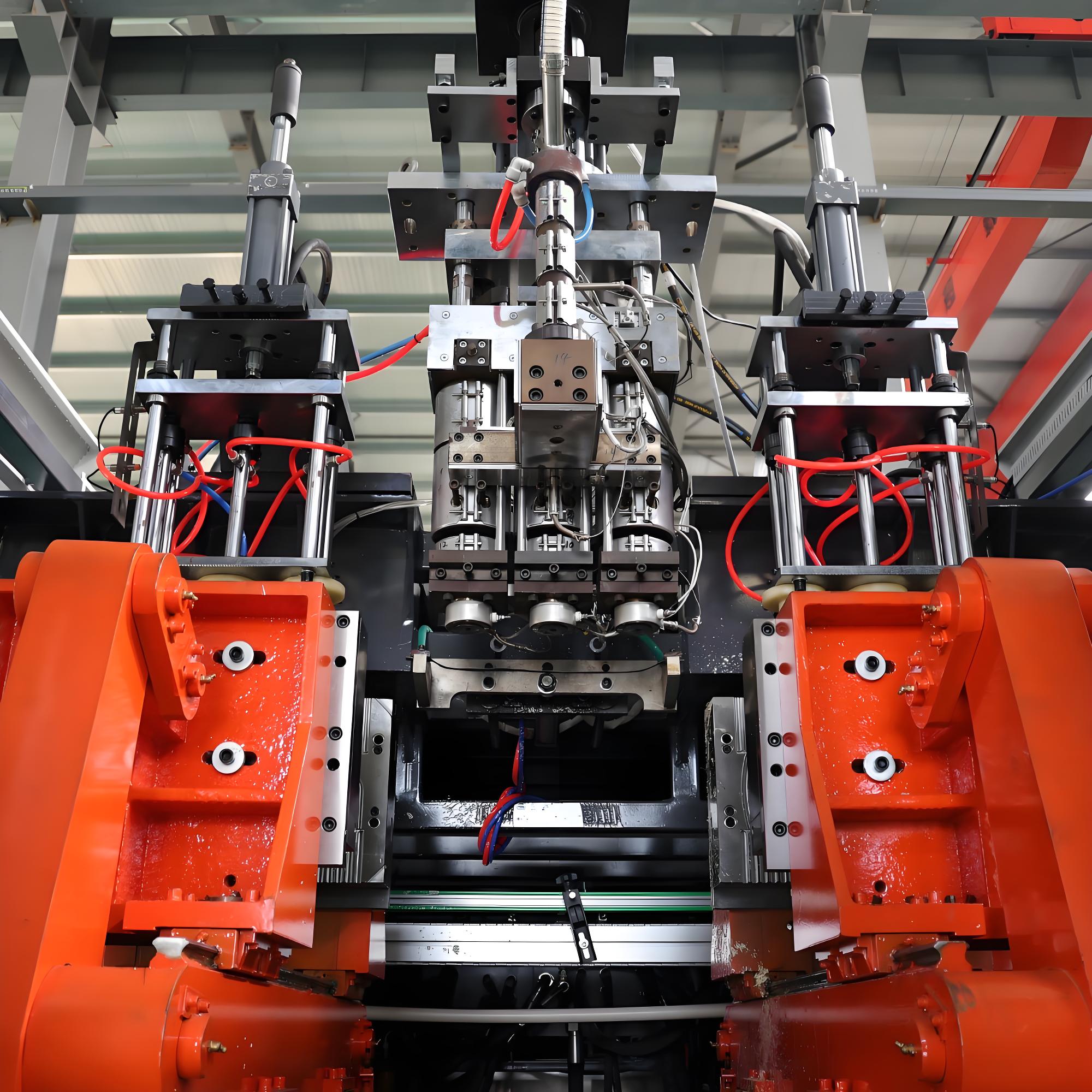
China extrusion blow molding machine factories have emerged as reliable suppliers for global import markets, offering competitive pricing, advanced technology, and comprehensive support services. These factories provide cost-effective solutions for manufacturers worldwide seeking high-quality blow molding equipment without premium pricing typical of Western manufacturers. Apollo China extrusion blow molding machine factory delivers internationally certified equipment meeting global quality standards while maintaining competitive advantages in pricing and delivery performance.
The global blow molding machine market valued at approximately $12.5 billion in 2024 continues growing at compound annual growth rate of 5.8% through 2030, with Chinese manufacturers capturing increasing market share through quality improvements and competitive pricing. China exported blow molding equipment valued at $3.2 billion in 2024, representing 25-30% of global equipment exports. This growth reflects manufacturing excellence and reliability enabling Chinese factories to serve diverse international markets including North America, Europe, Southeast Asia, and Africa.
Advantages of Importing from Chinese Manufacturers
Importing extrusion blow molding machines from Chinese manufacturers provides significant advantages including cost savings, technology access, customization flexibility, and comprehensive support. These advantages enable global manufacturers to acquire advanced production capabilities while optimizing capital investment and operational costs. Understanding these benefits supports informed sourcing decisions and successful import operations.
Cost savings represent primary advantage driving import decisions. Chinese manufacturers typically offer equipment pricing 30-50% below equivalent equipment from Western manufacturers. For mid-range extrusion blow molding machine with capacity of 500-800 kg per hour, Western manufacturers typically price equipment at $120,000 to $180,000, while Chinese manufacturers including Apollo offer comparable equipment at $75,000 to $110,000. This 35-40% cost savings provides substantial economic benefit and competitive advantage.
Technology and Quality Evolution
Chinese blow molding machine manufacturing technology has evolved significantly over past decade, achieving quality levels matching international standards. Leading Chinese factories including Apollo incorporate advanced technologies including servo drive systems, PLC-based controls, precision mold construction, and automation capabilities previously associated only with premium Western manufacturers. Quality improvements enable Chinese manufacturers to compete effectively in demanding markets requiring reliable equipment and consistent product quality.
International certifications including CE marking for European markets, UL certification for North American markets, and ISO quality management certifications provide assurance of equipment quality and safety. Apollo China factory maintains ISO 9001 quality management certification and produces equipment meeting CE and UL requirements. Certification processes ensure equipment meets international safety and performance standards, reducing import barriers and facilitating market acceptance across global regions.
Customization Capabilities
Chinese manufacturers offer exceptional customization capabilities enabling equipment adaptation to specific customer requirements. Apollo provides comprehensive customization services including modified machine configurations, specialized screw designs, custom mold fabrication, and tailored automation systems. This flexibility enables customers to acquire equipment precisely matched to production requirements without paying for unnecessary capabilities.
Customization examples include equipment modifications for specific material formulations, production requirements for unique product geometries, integration with existing production lines, and adaptation to local technical standards. Apollo engineering team collaborates with customers to develop optimized solutions addressing specific needs while maintaining competitive pricing. Customization services typically add 5-15% to base equipment cost but provide value through optimized performance and suitability for target applications.
Apollo China Factory Capabilities
Apollo China extrusion blow molding machine factory represents leading manufacturer with comprehensive capabilities spanning design, manufacturing, testing, and after-sales support. Factory facilities covering 25,000 square meters house advanced manufacturing equipment including CNC machining centers, precision grinding equipment, automated welding systems, and comprehensive testing facilities enabling in-house production of critical components ensuring quality control and supply reliability.
Production capacity reaches 800-1,000 machines annually across diverse model range including single-station machines, multi-station machines, high-speed machines, and specialized equipment for various applications. Apollo factory employs 350 personnel including engineering team of 80 professionals with extensive experience in blow molding technology and equipment design. Annual R&D investment representing 8-10% of revenue ensures continuous product improvement and technology advancement.
Manufacturing Excellence
Manufacturing excellence represents foundation of Apollo quality and reliability. Factory implements advanced manufacturing processes including CNC machining for critical components achieving dimensional tolerances within ±0.02mm, precision assembly ensuring equipment accuracy, and comprehensive testing verifying performance specifications. Quality control systems throughout manufacturing processes ensure consistent equipment quality meeting international standards.
Component quality starts with material selection using premium materials from qualified suppliers. Critical components including gearboxes, motors, bearings, and control systems sourced from leading global manufacturers including Siemens, ABB, SKF, and Rexnord ensure reliability and service life. Apollo maintains strict supplier qualification processes and incoming inspection procedures preventing quality issues from substandard components.
Testing and Quality Assurance
Comprehensive testing and quality assurance systems verify equipment performance before shipment to international customers. Apollo factory implements testing procedures including dimensional inspection, electrical safety testing, performance verification, and endurance testing ensuring equipment meets specifications and reliability standards. Testing equipment includes coordinate measuring machines, vibration analysis equipment, electrical safety testers, and automated test systems providing comprehensive quality verification.
Pre-delivery testing includes 24-48 hour continuous operation verifying equipment performance under production conditions. Performance testing verifies production rates, energy consumption, temperature control accuracy, and product quality characteristics. Testing documentation provided with each machine includes performance data, test certificates, and quality records supporting customer acceptance and regulatory compliance.
International Certification and Compliance
International certification and compliance represent critical considerations for imported equipment requiring adherence to local regulations and standards. Apollo China factory maintains comprehensive certification portfolio enabling equipment import and operation across diverse international markets. Understanding certification requirements facilitates successful import operations and regulatory compliance.
CE certification represents essential requirement for European Union markets. Apollo extrusion blow molding machines comply with Machinery Directive 2006/42/EC, Low Voltage Directive 2014/35/EU, and Electromagnetic Compatibility Directive 2014/30/EU achieving CE marking compliance. Certification process includes risk assessment, design verification, safety system testing, and technical documentation preparation. CE certification enables equipment import into EU member states without additional national certification requirements.
North American Standards Compliance
North American markets require compliance with standards including UL 508A for industrial control panels, NFPA 79 for electrical equipment of industrial machinery, and CSA C22.1 for Canadian electrical code requirements. Apollo machines incorporate design features meeting these standards including proper component ratings, grounding systems, safety interlocks, and electrical protection devices. Compliance documentation supports regulatory approval and electrical inspection acceptance.
Equipment for North American markets typically requires voltage and frequency adaptation to 480V 60Hz or 575V 60Hz depending on region. Apollo provides electrical systems customized for specific destination markets ensuring compatibility with local electrical infrastructure. Voltage and frequency adaptation costs $3,000 to $7,000 depending on equipment size and complexity but is essential for proper equipment operation in target markets.
Industry-Specific Certifications
Industry-specific certifications may be required depending on target applications and markets. Food and beverage industry equipment may require FDA compliance or EHEDG hygiene design standards. Medical industry equipment may require ISO 13485 quality system certification and US FDA 21 CFR Part 820 compliance. Apollo provides equipment modifications and documentation packages supporting compliance with these specialized requirements.
Industry-specific certification preparation costs range from $8,000 to $25,000 depending on requirements and scope. While representing additional investment, certifications enable market access to regulated industries with higher profit margins. Food and beverage applications typically command pricing 15-20% higher than non-regulated applications, justifying certification investment for manufacturers targeting these markets.
Import Process and Logistics
Importing extrusion blow molding machines from China requires understanding of import processes, documentation requirements, and logistics considerations. Successful import operations involve multiple steps including supplier selection, contract negotiation, production monitoring, shipping arrangements, customs clearance, and installation. Apollo provides comprehensive import support facilitating smooth transactions and minimizing import-related challenges.
Import documentation requirements vary by destination country but typically include commercial invoice, packing list, bill of lading, certificate of origin, and specific certifications depending on equipment type and destination. Apollo provides complete documentation packages prepared according to customer requirements ensuring customs clearance without delays. Documentation preparation typically requires 5-7 business days before shipment availability.
Shipping and Transportation
Shipping extrusion blow molding machines requires careful planning due to equipment size, weight, and sensitivity. Apollo machines typically ship in 20-foot or 40-foot containers depending on machine size and configuration. Mid-range machines including models with extruder diameter up to 90mm typically ship in 20-foot containers, while larger machines require 40-foot containers. Shipping costs vary by destination and container size ranging from $1,500 to $6,000 for ocean freight.
Land transportation from factory to port and from destination port to customer facility requires specialized heavy equipment transport. Apollo coordinates inland transportation ensuring proper equipment handling and protection. Transportation costs within China typically range from $500 to $2,000 depending on distance and equipment size. Destination country inland transportation costs vary significantly but typically range from $1,000 to $5,000 depending on distance and local rates.
Customs Clearance and Import Duties
Customs clearance processes vary by country but typically involve submission of required documentation, payment of import duties and taxes, and inspection by customs authorities. Apollo provides guidance on customs requirements and documentation but customers typically handle actual clearance through customs brokers or freight forwarders. Import duties on blow molding equipment vary by country but typically range from 5-15% of equipment value.
Import duties significantly affect total landed cost requiring consideration in economic analysis. For Apollo machine priced at $100,000 FOB China, import duty at 10% adds $10,000, shipping cost of $3,000, and inland transportation of $2,000 bring total landed cost to $115,000. Even with these additional costs, imported equipment typically remains 25-35% less expensive than equivalent domestic equipment. Duty reduction opportunities exist through free trade agreements reducing rates to 0-5% for qualifying imports.
Total Cost of Ownership Analysis
Total cost of ownership analysis provides comprehensive perspective comparing imported equipment from Chinese manufacturers with domestic alternatives. Analysis must consider capital investment, shipping costs, import duties, installation costs, operating costs, maintenance costs, and residual value. Comprehensive analysis often reveals imported equipment delivering superior economics despite additional import costs.
For Apollo extrusion blow molding machine with purchase price of $100,000 FOB China, total landed cost including shipping ($3,000), import duty ($10,000), and inland transportation ($2,000) reaches $115,000. Comparable domestic equipment typically priced at $160,000 to $180,000, representing 40-45% premium over imported equipment. Initial cost savings of $55,000 to $65,000 provide significant economic advantage for imported equipment.
Operating and Maintenance Costs
Operating costs for imported equipment typically match or exceed domestic equipment performance due to equivalent quality components and design. Apollo machines feature energy-efficient components similar to premium domestic equipment, achieving comparable energy consumption. Maintenance costs depend on component quality and service availability, with Apollo providing spare parts supply and technical support comparable to domestic manufacturers.
Spare parts availability represents consideration for imported equipment. Apollo maintains comprehensive spare parts inventory and international shipping capability ensuring rapid parts availability. Standard spare parts typically available within 3-5 business days via express shipping. Recommended spare parts package costing $8,000 to $15,000 ensures availability of commonly replaced items preventing extended downtime. International shipping costs for spare parts typically range from $200 to $800 depending on size and weight.
Service and Technical Support
Service and technical support capabilities affect total cost of ownership through impact on equipment downtime and problem resolution speed. Apollo provides comprehensive after-sales service including installation support, training programs, remote technical support, and on-site service as required. Service network includes regional offices and authorized service partners in major markets providing local support capabilities.
Remote technical support available via telephone, email, and video conferencing enables rapid problem diagnosis and resolution without on-site visits. Approximately 70-80% of technical issues resolve through remote support, minimizing service costs and downtime. On-site service available with response times typically 5-10 business days depending on location and urgency. Service costs including travel and labor typically range from $2,000 to $5,000 per visit plus parts costs.
Quality Assurance and Performance Verification
Quality assurance systems ensure imported equipment meets specifications and customer expectations. Apollo implements comprehensive quality assurance programs throughout manufacturing process and provides performance verification documentation supporting customer acceptance. Understanding quality assurance capabilities provides confidence in equipment reliability and performance.
Factory acceptance testing conducted at Apollo facilities before shipment verifies equipment performance including production rate, product quality, energy consumption, and control system functionality. Customers may attend factory acceptance testing or receive detailed test reports including performance data and documentation. Factory acceptance testing typically requires 2-3 days including testing and documentation preparation.
Site Acceptance Testing
Site acceptance testing performed at customer facility after installation verifies equipment performance under actual operating conditions with production materials and molds. Apollo engineers commission equipment and conduct site acceptance testing ensuring proper installation and operation. Site acceptance testing typically requires 3-5 days including installation, calibration, and testing activities.
Site acceptance testing verifies equipment meets guaranteed performance specifications under actual production conditions. Performance guarantees typically include production rate within ±5% of specified capacity, energy consumption within ±10% of specified values, and product quality meeting customer specifications. Performance guarantee issues addressed by Apollo through adjustment, repair, or component replacement as required ensuring customer satisfaction.
Warranty and Performance Guarantees
Warranty coverage provides protection against equipment failures and defects during initial operation period. Apollo offers comprehensive warranty coverage typically including 12 months parts and labor coverage from date of commissioning or 15 months from date of shipment, whichever occurs first. Extended warranty options available for additional 12-24 months providing extended protection for critical production equipment.
Performance guarantees ensure equipment meets specified production capacity and quality characteristics. Apollo provides performance guarantees for production rate, energy efficiency, and product quality based on testing with customer materials and molds. Performance guarantee claims addressed through equipment modification, process optimization, or component replacement ensuring guaranteed performance achievement. Warranty and guarantee terms specified in sales contracts providing clear customer protection.
Payment Terms and Financing Options
Payment terms and financing options significantly affect cash flow and financial planning for equipment acquisition. Apollo offers flexible payment terms facilitating equipment acquisition while managing cash flow requirements. Understanding payment options enables optimal financial planning for equipment investment.
Standard payment terms for international equipment purchases typically require 30% deposit with order confirmation, 40% payment upon notification of shipment readiness, and 30% payment upon satisfactory installation and commissioning. This payment structure provides security for both manufacturer and customer with payments tied to delivery milestones. Letters of credit commonly used for international transactions providing payment security through banking institutions.
Financing Alternatives
Financing alternatives including equipment leasing, installment payment plans, and third-party financing provide flexibility for equipment acquisition. Apollo works with financing partners providing equipment leasing options with typical terms including 10-20% down payment and 36-60 month payment terms. Lease payments typically range from $2,000 to $5,000 monthly for mid-range equipment depending on financing terms and interest rates.
Installment payment plans directly from Apollo provide alternative financing without third-party involvement. Typical terms include 40% down payment with balance paid over 6-12 monthly installments with interest at prevailing rates. Direct financing from Apollo provides convenience and flexibility while maintaining manufacturer relationship. Interest rates typically range from 5-8% annual depending on customer credit standing and term length.
Cost-Benefit Analysis
Cost-benefit analysis comparing imported equipment from Apollo with domestic alternatives provides framework for purchase decision. Analysis should consider capital costs, operating costs, production capabilities, quality characteristics, and service requirements over equipment life of 8-12 years. Comprehensive analysis typically reveals imported equipment delivering superior return on investment despite import-related costs.
For example analysis comparing Apollo AB-90 machine priced at $110,000 landed cost versus domestic alternative at $165,000, capital cost savings of $55,000 provides immediate advantage. Assuming annual production value of $500,000 and identical operating costs, payback period for capital cost savings occurs immediately. Over 10-year equipment life, capital cost savings provide substantial economic benefit. When considering potential upgrades and technology access available from Chinese manufacturers, economic advantages become even more compelling.
Market-Specific Considerations
Different international markets present unique considerations for equipment import including regulatory requirements, technical standards, operating conditions, and market characteristics. Understanding market-specific considerations facilitates successful import operations and equipment deployment. Apollo provides market-specific guidance and adaptations ensuring equipment suitability for target markets.
North American market requirements include voltage and frequency specifications (480V 60Hz or 575V 60Hz), electrical safety standards (UL, CSA), and safety requirements (OSHA compliance). Apollo provides electrical systems adapted for North American requirements ensuring compliance with local codes and standards. Technical adaptation costs typically range from $3,000 to $7,000 but are essential for proper operation and regulatory compliance.
European Market Requirements
European market requirements include CE certification compliance, low-voltage directive requirements, electromagnetic compatibility standards, and specific national requirements for certain countries. Apollo equipment meeting CE requirements provides compliance for all EU member states. Additional requirements may include specific safety guard designs, noise level limitations, and local language documentation. Apollo provides adaptation for specific national requirements as needed.
European operating conditions including environmental regulations and labor practices may influence equipment selection and operation. Energy efficiency requirements and environmental regulations may favor equipment with advanced energy-saving features. Apollo offers energy-efficient models meeting European environmental standards while maintaining productivity and quality characteristics.
Emerging Market Considerations
Emerging markets including Southeast Asia, Africa, and South America present unique considerations including infrastructure limitations, environmental conditions, and service availability. Apollo provides equipment adaptations for harsh operating conditions including enhanced cooling systems for hot climates, dust protection systems for dusty environments, and voltage stabilizers for locations with unstable power supply.
Infrastructure limitations may require equipment modifications for reduced utility consumption, water conservation features for locations with water scarcity, and alternative energy compatibility for locations with unreliable electrical grid. Apollo provides consulting and adaptation services ensuring equipment suitability for challenging operating conditions. These adaptations typically add 5-15% to equipment cost but are essential for reliable operation in challenging environments.
After-Sales Service and Support
Comprehensive after-sales service and support capabilities ensure reliable equipment operation and problem resolution throughout equipment life. Apollo provides extensive after-sales services including installation support, training programs, preventive maintenance services, spare parts supply, and technical consultation. Understanding service capabilities provides confidence in long-term equipment reliability and support availability.
Installation support includes equipment placement, utility connections, system calibration, and operational training. Apollo engineers provide on-site supervision of installation activities ensuring proper equipment setup and initial operation. Installation support typically requires 5-10 days depending on equipment complexity and includes comprehensive operator training ensuring customer personnel develop necessary skills for equipment operation and maintenance.
Training Programs
Comprehensive training programs ensure customer personnel develop necessary skills for optimal equipment operation and maintenance. Apollo training covers equipment operation, process optimization, maintenance procedures, troubleshooting techniques, and safety practices. Training programs available at customer facility or Apollo factory depending on customer preference and requirements.
Training typically includes 2-3 days of classroom instruction covering theory and principles, followed by 2-3 days of hands-on practical training with actual equipment operation. Training documentation provided includes operation manuals, maintenance guides, troubleshooting procedures, and safety information. Well-trained personnel improve equipment reliability by 20-30% and reduce operational errors that could cause quality problems or equipment damage.
Spare Parts and Service Network
Spare parts availability represents critical factor minimizing equipment downtime. Apollo maintains comprehensive spare parts inventory with 95% fill rate for common components, ensuring rapid availability when needed. International shipping capabilities enable parts delivery within 3-7 business days to most global destinations. Recommended spare parts packages for new equipment typically cost 8-12% of equipment purchase price but prevent extended downtime waiting for parts.
Service network includes regional offices and authorized service partners providing local support in major markets. Local service capabilities reduce response times and service costs compared to factory-based service only. Apollo service network coverage includes North America, Europe, Southeast Asia, and key emerging markets providing comprehensive global support capability.
Strategic Sourcing Considerations
Strategic sourcing from Apollo China factory provides long-term benefits beyond initial cost savings. These benefits include technology access, supply chain flexibility, and partnership opportunities enabling competitive advantage. Strategic sourcing considerations should encompass total value proposition rather than price alone, ensuring optimal supplier relationships and business outcomes.
Technology access represents significant benefit of sourcing from leading Chinese manufacturers. Apollo continuously invests in R&D developing advanced capabilities including servo drive systems, intelligent control systems, and automation features. Partnership with Apollo provides access to latest technology developments and innovation. Technology transfer arrangements may include joint development projects and customized solutions addressing specific customer needs.
Supply Chain Flexibility
Supply chain flexibility provided by Chinese manufacturing enables responsiveness to market changes and production requirements. Apollo production capacity and flexibility enable rapid response to increased demand, new product introductions, and changing market conditions. Manufacturing flexibility supports customer growth and market expansion without capacity constraints limiting business development.
Manufacturing flexibility includes quick-change capabilities enabling adaptation to different product requirements, modular designs facilitating equipment upgrades, and customization capabilities addressing unique customer needs. Supply chain flexibility becomes increasingly important in dynamic markets requiring rapid response to changing conditions and customer requirements.
Long-Term Partnership Value
Long-term partnership with Apollo provides cumulative benefits through improved understanding, enhanced support, and collaborative development. Long-term relationships enable Apollo to understand customer business deeply and provide targeted support addressing specific needs. Partnership advantages include priority service, collaborative development opportunities, and preferential pricing for long-term customers.
Partnership value includes joint business planning, technology roadmaps aligned with customer requirements, and shared risk and reward approaches for new projects. Long-term relationships typically result in improved service levels, better pricing, and collaborative innovation creating mutual benefit. Strategic supplier relationships become increasingly valuable as businesses compete in global markets requiring reliable supply chain partners.
Conclusion and Recommendations
China extrusion blow molding machine factories led by Apollo provide reliable, cost-effective equipment solutions for global import markets. Advantages including competitive pricing, advanced technology, customization capabilities, and comprehensive support enable global manufacturers to acquire world-class blow molding equipment while optimizing capital investment. Total cost of ownership analysis typically reveals imported equipment delivering superior economics despite import-related costs and considerations.
Successful import operations require understanding of certification requirements, import processes, logistics considerations, and total cost factors. Apollo provides comprehensive import support including documentation preparation, certification compliance, shipping coordination, and after-sales service ensuring smooth transactions and reliable equipment operation. Strategic sourcing from Apollo creates long-term partnerships providing cumulative benefits beyond initial equipment acquisition.
Global manufacturers seeking competitive advantages in plastic product production should consider Apollo China extrusion blow molding machine factory as strategic supplier providing advanced technology, reliable equipment, and comprehensive support. By partnering with Apollo, manufacturers access world-class blow molding capabilities while optimizing capital investment and creating foundation for sustainable competitive advantage in global markets.