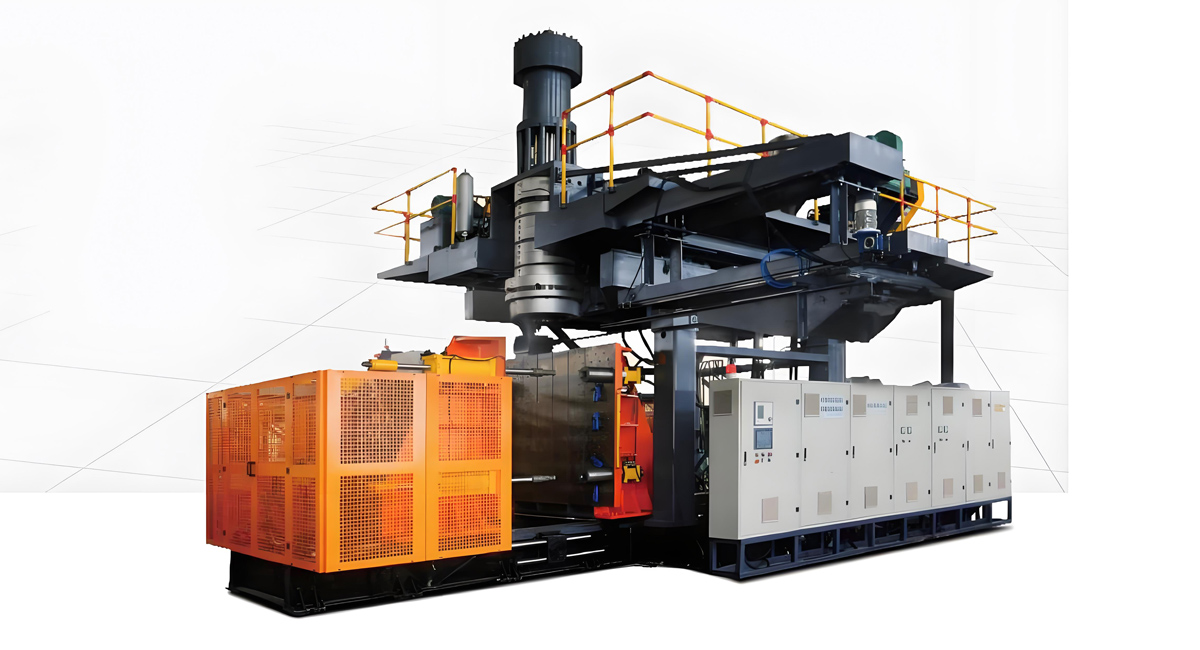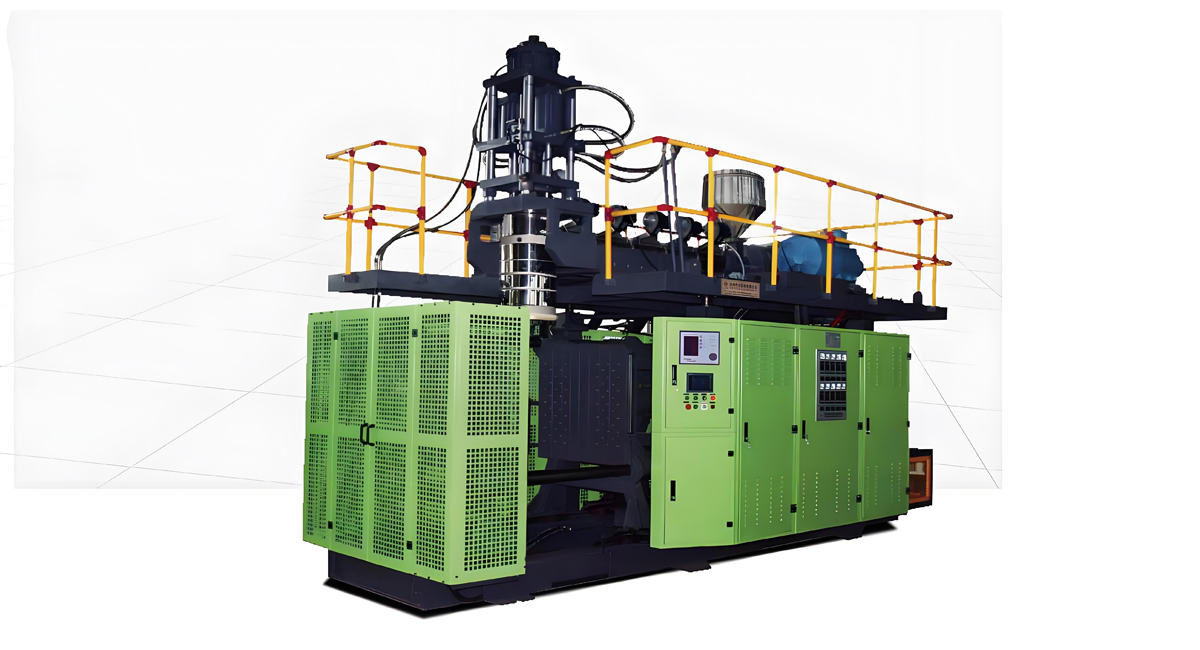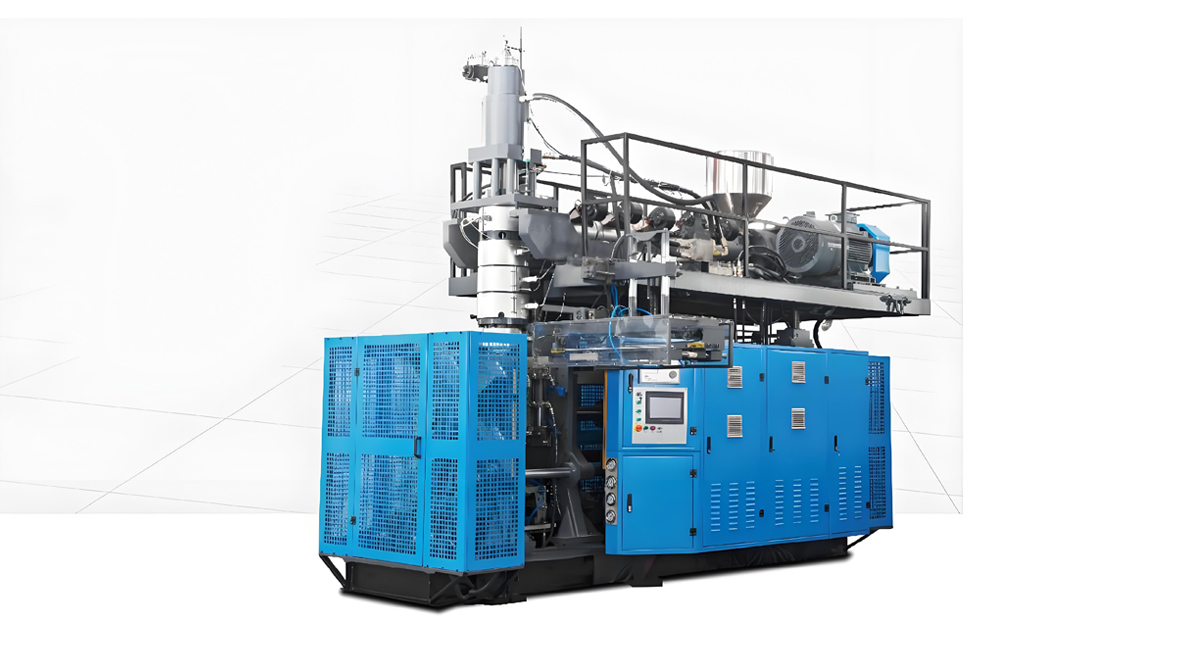
PVC extrusion blow molding machines represent essential equipment for manufacturing high-quality plastic pipes with precise dimensions and consistent wall thickness. These machines combine extrusion technology with blow molding processes to produce hollow plastic products including water pipes, drainage pipes, electrical conduit pipes, and industrial piping systems. Apollo PVC extrusion blow molding machines deliver superior performance with advanced control systems ensuring precise wall thickness control, excellent surface finish, and high production efficiency for various pipe applications.
The global PVC pipe market continues expanding at compound annual growth rate of 5.2% through 2030, driven by infrastructure development, construction activities, and urbanization trends across emerging economies. This growth creates increasing demand for reliable PVC extrusion blow molding equipment capable of meeting stringent quality standards while maintaining competitive production costs. Apollo’s extensive experience in PVC pipe manufacturing equipment provides comprehensive solutions addressing diverse production requirements from small-scale operations to high-volume manufacturing facilities.
Understanding PVC Extrusion Blow Molding Technology
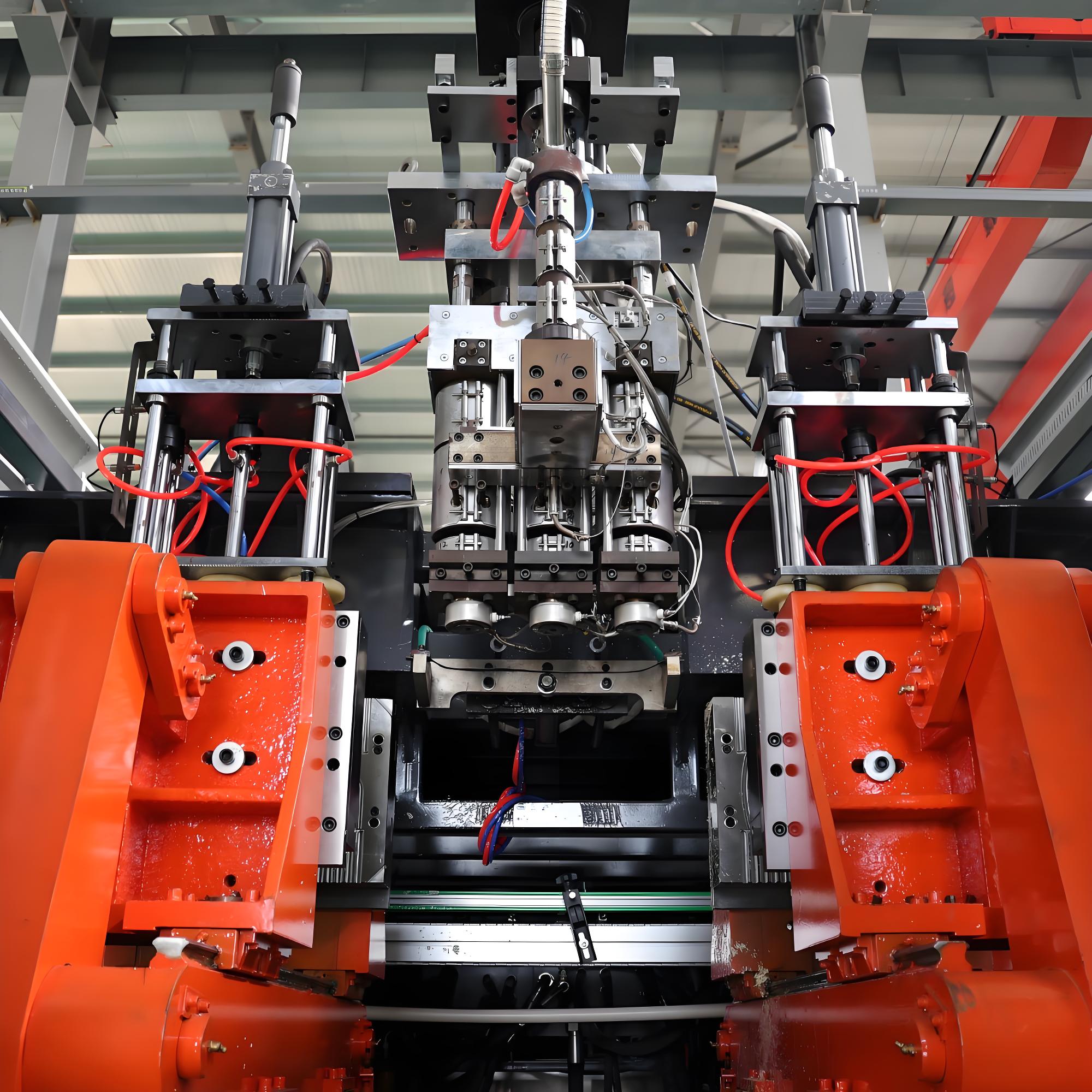
PVC extrusion blow molding process involves multiple integrated stages including material feeding, plastication, parison formation, mold closing, blow molding, and product ejection. The process begins with PVC granules or powder being fed into the extruder where heat and mechanical action transform the material into molten polymer. The molten PVC is then extruded through a die to form a parison or hollow tube, which is captured by mold halves and inflated using compressed air to conform to mold cavity shape.
Apollo PVC extrusion blow molding machines feature advanced extruder designs with specialized screw geometries optimized for PVC processing requirements. The extruder systems incorporate precise temperature control zones ensuring uniform plastication without material degradation typical of heat-sensitive PVC materials. Modern Apollo machines achieve temperature control accuracy within ±1°C across all heating zones, critical for maintaining PVC material properties and preventing thermal degradation that could compromise product quality.
PVC Material Characteristics and Processing Requirements
PVC materials present unique processing challenges requiring specialized equipment design and operating parameters. PVC exhibits higher viscosity compared to other thermoplastics, necessitating extruder designs with adequate torque capacity and mixing capabilities. Apollo PVC extrusion blow molding machines utilize high-torque gearboxes delivering maximum torque ratings from 1,500 to 5,000 Nm depending on machine model, providing sufficient power for processing high-viscosity PVC formulations including rigid PVC compounds requiring up to 30% calcium carbonate filler loading.
Thermal sensitivity represents another critical consideration for PVC processing. PVC materials degrade at temperatures above 200°C, releasing hydrogen chloride gas that can corrode equipment components and compromise product quality. Apollo machines incorporate multiple temperature monitoring sensors, emergency cooling systems, and corrosion-resistant barrel liners constructed from hardened alloy steels with special surface treatments extending equipment service life in corrosive PVC processing environments. These design features contribute to equipment service life exceeding 8-10 years with proper maintenance.
Extruder Configuration for PVC Pipe Production
PVC pipe production requires specialized extruder configurations addressing material characteristics and pipe quality requirements. Apollo offers multiple extruder configurations including single-stage and two-stage extruder designs optimized for different PVC formulations. Single-stage extruders provide cost-effective solutions for standard PVC pipe applications with material throughput ranging from 50 to 500 kg per hour depending on machine model and pipe dimensions.
Two-stage extruder configurations incorporate separate plastication and venting zones, particularly beneficial for processing PVC formulations requiring moisture removal or volatile elimination. These systems achieve superior product quality by eliminating bubbles and voids in finished pipes, essential for pressure-rated pipe applications where internal defects could cause failure under pressure. Two-stage extruder systems typically command 20-30% premium over single-stage designs but deliver significant quality improvements justifying the additional investment for high-value pipe applications.
Apollo PVC Extrusion Blow Molding Machine Models
Apollo offers comprehensive range of PVC extrusion blow molding machine models designed to meet diverse production requirements from laboratory-scale testing to high-volume manufacturing. Model selection depends on pipe diameter, wall thickness, production capacity requirements, and budget considerations. Apollo application engineers provide expert guidance selecting optimal equipment configurations based on specific production needs and quality standards.
Apollo AB-PVC-65 model represents popular mid-range configuration for small to medium pipe production facilities. This machine features 65mm extruder diameter delivering throughput capacity of 150-300 kg per hour depending on pipe specifications. The model accommodates pipe diameters from 20mm to 110mm with wall thickness range of 2-8mm, suitable for water supply pipes, drainage pipes, and electrical conduit applications. Pricing for Apollo AB-PVC-65 ranges from $45,000 to $65,000 depending on configuration options including automatic cutter, cooling tank, and stacking system.
High-Production Capacity Models
Apollo AB-PVC-90 and AB-PVC-110 models provide high-production capacity solutions for large-scale pipe manufacturing operations. The AB-PVC-90 model with 90mm extruder diameter achieves throughput capacity of 300-500 kg per hour, while the AB-PVC-110 model with 110mm extruder diameter delivers 500-800 kg per hour. These high-capacity models accommodate pipe diameters up to 200mm with wall thickness range of 3-15mm, suitable for municipal water supply pipes, industrial drainage systems, and large-diameter conduit applications.
High-capacity Apollo models feature advanced control systems including programmable logic controllers with touchscreen interfaces, real-time production monitoring, and data logging capabilities. These systems enable precise control over critical process parameters including extrusion temperature, blow pressure, cooling time, and wall thickness control. Investment for high-capacity models ranges from $85,000 to $150,000 depending on configuration including auxiliary equipment and automation levels. Production capacity increases of 200-300% compared to smaller models justify the additional investment for high-volume operations.
Laboratory and Development Models
Apollo AB-PVC-36 laboratory model provides compact platform for PVC pipe development, material testing, and small-scale production. With 36mm extruder diameter, this model delivers throughput capacity of 20-50 kg per hour, ideal for research and development activities, product testing, and specialty pipe production requiring limited quantities. The model accommodates pipe diameters from 10mm to 50mm with wall thickness range of 1-5mm, supporting diverse experimental and development requirements.
Laboratory models feature simplified configurations with essential functionality while maintaining precision control over critical process parameters. Investment for Apollo AB-PVC-36 laboratory model ranges from $25,000 to $35,000 depending on configuration. Despite lower capacity, laboratory models provide essential capabilities for formulation development, process optimization, and product testing preventing expensive material waste and production problems during scale-up to production equipment. Cost savings from effective development work typically exceed laboratory equipment investment within 12-18 months.
Production Capacity and Economic Analysis
Production capacity analysis represents critical factor for equipment selection and business planning. PVC extrusion blow molding machine capacity depends on multiple variables including pipe dimensions, wall thickness, material formulation, and operational efficiency. Understanding these factors enables accurate production planning and return on investment calculations supporting informed equipment purchasing decisions.
Pipe diameter significantly affects production rate, with larger diameter pipes requiring longer cycle times due to increased material volume and cooling requirements. For Apollo AB-PVC-65 model, production rates vary from approximately 250 pieces per hour for 32mm diameter pipes with 3mm wall thickness to approximately 80 pieces per hour for 110mm diameter pipes with 6mm wall thickness. Production capacity planning must account for these variations based on product mix and market demand patterns.
Operational Efficiency and Utilization
Operational efficiency affects actual production capacity compared to theoretical machine specifications. Apollo PVC extrusion blow molding machines typically achieve operational efficiency of 75-85% when properly maintained and operated. Efficiency factors include changeover time between different pipe specifications, maintenance downtime, material handling delays, and quality control interruptions. Implementing best practices including quick mold change systems, preventive maintenance programs, and automated material handling can improve operational efficiency to 85-90%.
Annual production capacity calculations must account for operational efficiency and available production time. Assuming 80% operational efficiency and 6,000 annual production hours (250 days × 24 hours), Apollo AB-PVC-65 model produces approximately 1.2 to 1.8 million meters of pipe annually depending on pipe specifications. Production revenue depends on pipe pricing varying from $0.80 to $2.50 per meter depending on diameter, wall thickness, and market segment, generating annual revenue potential from $960,000 to $4.5 million for single machine operation.
Cost Analysis and Return on Investment
Comprehensive cost analysis enables accurate return on investment projections supporting equipment purchasing decisions. PVC extrusion blow molding machine costs include capital equipment investment, operating costs, material costs, and maintenance expenses. Understanding these cost components enables business planning and profitability optimization.
Capital equipment investment for Apollo AB-PVC-65 model ranges from $45,000 to $65,000 including basic configuration. Additional investments for auxiliary equipment including water cooling tank, automatic cutting system, haul-off unit, and stacking system typically add $20,000 to $40,000 depending on automation level. Complete production line investment ranges from $65,000 to $105,000 for mid-capacity configuration including all necessary auxiliary equipment.
Operating costs include electricity consumption, labor, maintenance, and consumables. Apollo AB-PVC-65 model consumes approximately 35-50 kW depending on pipe specifications and production rate. Assuming electricity cost of $0.12 per kW hour, annual electricity costs range from $25,000 to $36,000 for continuous operation. Labor requirements typically include one operator per shift for machine operation and material handling, representing annual labor costs of $45,000 to $60,000 depending on location and skill level requirements.
Profitability and Break-Even Analysis
Profitability analysis considers production capacity, pricing, and costs to determine break-even production volumes and profit potential. For Apollo AB-PVC-65 model producing 32mm water pipes with material cost of $0.35 per meter, selling price of $1.20 per meter, and operating costs including depreciation, maintenance, and overhead of $0.25 per meter, net profit per meter reaches $0.60. Based on this example, break-even production volume reaches approximately 180,000 meters annually covering fixed equipment costs.
Higher-value pipe applications including pressure-rated water pipes and specialty conduit pipes typically command premium pricing from $1.80 to $3.00 per meter, significantly improving profit margins. These applications require enhanced process control and quality systems but deliver superior profitability justifying investment in advanced Apollo equipment configurations. ROI for PVC pipe production equipment typically ranges from 18 to 36 months depending on product mix, market conditions, and operational efficiency.
Quality Control and Product Specifications
Quality control systems ensure PVC pipe products meet required specifications and industry standards including ASTM D1785 for PVC plastic pipe, ASTM D2665 for PVC drain, waste, and vent pipe, and ISO 4422 for PVC pipes for water supply. Apollo PVC extrusion blow molding machines incorporate quality control features enabling consistent production meeting these stringent requirements.
Wall thickness control represents critical quality parameter for PVC pipes affecting pressure rating and structural integrity. Apollo machines feature advanced wall thickness control systems utilizing die head design optimization, extrusion pressure monitoring, and blow pressure regulation. These systems achieve wall thickness uniformity within ±5% across pipe circumference and along pipe length, meeting requirements for most pressure-rated pipe applications. Precise wall thickness control prevents overuse of material saving material costs while ensuring minimum wall thickness requirements.
Dimensional Accuracy and Tolerance Control
Dimensional accuracy ensures proper fit and function in piping system installations. Apollo PVC extrusion blow molding machines achieve dimensional tolerances meeting industry standards including outside diameter tolerance within ±0.3mm for pipes up to 50mm diameter and ±0.5% for larger diameters. Inside diameter tolerances maintained within ±0.5% ensuring consistent flow characteristics and compatibility with standard fittings and connectors.
Apollo machines feature precision mold construction with CNC-machined cavities ensuring consistent pipe dimensions throughout production runs. Mold temperature control systems maintain uniform surface temperature preventing dimensional variations due to thermal expansion and contraction. Regular calibration of extruder output and haul-off speed ensures consistent pipe dimensions over extended production periods.
Surface Finish and Aesthetic Quality
Surface finish affects pipe appearance, flow characteristics, and product perception. Apollo PVC extrusion blow molding machines produce pipes with smooth surface finish free from visual defects including orange peel, waviness, surface roughness, and foreign material contamination. Polished mold surfaces with appropriate surface roughness values (Ra 0.2-0.4) produce pipes with high surface gloss suitable for visible installation applications.
Material handling and extrusion system design prevent material contamination and degradation ensuring consistent surface quality. Apollo machines incorporate dust collection systems at material hoppers preventing particulate contamination. Proper venting eliminates volatile byproducts from PVC processing preventing surface defects including bubbles and streaks. Regular mold cleaning and maintenance schedules maintain optimal surface quality throughout production campaigns.
PVC Pipe Applications and Market Segments
PVC pipes produced by Apollo extrusion blow molding machines serve diverse applications across construction, infrastructure, and industrial markets. Understanding market segments and application requirements enables production optimization and market opportunity identification. PVC pipes represent versatile piping solutions offering advantages including corrosion resistance, lightweight construction, easy installation, and cost-effectiveness.
Water supply pipes represent largest application segment for PVC pipes, used for residential, commercial, and municipal water distribution systems. Apollo machines produce pressure-rated PVC pipes meeting requirements for cold water supply applications with pressure ratings from PN6 to PN16 depending on pipe diameter and wall thickness. Water supply pipes typically require precise wall thickness control and dimensional accuracy to ensure pressure performance and leak-free connections. Pricing for water supply pipes ranges from $1.20 to $2.50 per meter depending on specifications.
Drainage and Sewer Applications
Drainage, waste, and vent pipes represent significant market segment for PVC pipes used in residential, commercial, and municipal drainage systems. Apollo machines produce drainage pipes meeting ASTM D2665 and EN 1401 standards for non-pressure applications. Drainage pipes typically feature larger diameters ranging from 32mm to 315mm with thin walls optimizing material efficiency while maintaining structural integrity for gravity flow applications.
Drainage pipe production represents excellent opportunity for Apollo equipment due to high production volumes and relatively lower technical requirements compared to pressure-rated pipes. Production rates for drainage pipes typically exceed 300 pieces per hour for 100mm diameter pipes on Apollo AB-PVC-90 model, enabling high-volume production with efficient equipment utilization. Pricing for drainage pipes ranges from $0.80 to $1.80 per meter depending on diameter and wall thickness.
Electrical Conduit Applications
Electrical conduit pipes represent specialized application segment requiring PVC pipes with specific characteristics including flame resistance, UV stability, and dimensional accuracy for cable protection. Apollo machines produce electrical conduit meeting UL 651 and IEC 61386 standards for rigid PVC conduit applications. Electrical conduit pipes typically feature precise wall thickness ensuring impact resistance while maintaining flexibility for installation around obstacles.
Electrical conduit production provides attractive profit margins with pricing ranging from $1.50 to $3.00 per meter depending on diameter, wall thickness, and flame retardant additives. Flame retardant PVC formulations increase material costs by 15-25% but enable premium pricing in specialized electrical conduit markets. Apollo machines accommodate flame retardant formulations with specialized screw designs and temperature control profiles preventing additive degradation during processing.
Material Formulation and Additives
PVC pipe formulations incorporate various additives enhancing material properties and processing characteristics. Understanding additive selection and effects enables formulation optimization for specific applications while maintaining processing efficiency. Apollo PVC extrusion blow molding machines accommodate diverse formulations including rigid PVC, flexible PVC, and specialty compounds tailored for specific performance requirements.
Stabilizers represent essential additives preventing thermal degradation during PVC processing and extending service life in end-use applications. Calcium-zinc and tin-based stabilizers provide effective stabilization for pipe applications with appropriate processing stability and long-term performance. Apollo machines incorporate precise temperature control enabling processing with stabilizer levels from 1.5 to 3.0 phr (parts per hundred resin) depending on formulation requirements. Proper stabilizer selection and processing prevent discoloration, molecular weight degradation, and property loss.
Lubricants and Processing Aids
Lubricants improve PVC processing by reducing friction between polymer chains and between polymer and metal surfaces. Internal lubricants including stearic acid and paraffin wax improve flow characteristics within extruder, while external lubricants including calcium stearate reduce adhesion to barrel and screw surfaces. Apollo screw designs accommodate lubricated formulations with optimized shear profiles maintaining adequate mixing while preventing excessive slip.
Processing aids including acrylic-based polymers improve melt strength and processing stability for large-diameter pipe production. Apollo machines for large pipe production incorporate processing aid formulations improving parison stability and wall thickness control. Processing aids typically cost $2.00 to $4.00 per kilogram but provide significant processing benefits enabling production of larger diameter pipes with improved quality consistency.
Fillers and Reinforcements
Fillers including calcium carbonate reduce material costs while enhancing stiffness and dimensional stability. Apollo PVC extrusion blow molding machines accommodate filled formulations with calcium carbonate loadings up to 30% without significant processing modifications. Filled formulations reduce material costs by 15-25% depending on filler loading and type, providing significant cost savings for non-pressure pipe applications where property requirements allow filler incorporation.
Impact modifiers including acrylic and MBS (methyl methacrylate-butadiene-styrene) modifiers enhance impact resistance for pressure-rated pipe applications requiring toughness. Apollo machines process modified formulations with optimized temperature profiles preventing impact modifier degradation. Impact modifiers increase formulation costs by 20-40% but enable production of pressure-rated pipes meeting impact resistance requirements for cold water supply applications where temperature fluctuations cause embrittlement.
Equipment Maintenance and Reliability
Equipment maintenance and reliability significantly affect production efficiency, product quality, and total ownership costs. Apollo PVC extrusion blow molding machines feature robust construction and quality components ensuring reliable operation with minimal maintenance requirements. Implementing proper maintenance practices extends equipment service life and maintains optimal performance throughout equipment lifecycle.
Predictive maintenance approaches utilizing condition monitoring including vibration analysis, temperature monitoring, and oil analysis enable early detection of developing problems before failures occur. Apollo machines incorporate monitoring points for critical components including gearboxes, bearings, and motors facilitating predictive maintenance implementation. Preventive maintenance based on actual condition rather than fixed schedules reduces maintenance costs by 20-30% while preventing catastrophic failures causing extended downtime.
Routine Maintenance Requirements
Routine maintenance tasks include regular lubrication, cleaning, inspection, and calibration activities performed at scheduled intervals. Apollo machines feature centralized lubrication systems reducing lubrication time and ensuring proper lubrication of all bearings and moving components. Lubrication requirements vary by component but typically include daily lubrication of moving parts, weekly inspection of critical wear components, and monthly verification of alignment and calibration.
Cleaning requirements for PVC processing include regular purging of extruder to remove degraded material preventing cross-contamination between formulations. Apollo recommends purging procedures using specialized purge compounds preventing degradation and ensuring complete system cleaning. Proper cleaning procedures prevent quality problems including surface defects and contamination that could cause product rejection and customer complaints.
Component Life and Replacement
Component life expectancy depends on operating conditions, material formulations, and maintenance practices. Screw and barrel life typically ranges from 8,000 to 12,000 operating hours for PVC processing depending on filler loading and abrasiveness. Apollo offers screw and barrel refurbishment services restoring worn surfaces to original specifications at cost of 30-50% of new component replacement cost.
Mold life depends on pipe specifications, production volume, and maintenance practices. Apollo mold construction using high-quality tool steel with appropriate heat treatment achieves service life from 500,000 to 2,000,000 cycles depending on pipe diameter and complexity. Regular mold maintenance including cleaning, lubrication, and inspection extends service life and maintains product quality. Mold refurbishment and repair services restore worn molds to original specifications at significantly lower cost than new mold purchase.
Apollo After-Sales Service and Support
Apollo provides comprehensive after-sales service and technical support ensuring customers achieve optimal equipment performance and productivity. Service offerings include installation support, training programs, maintenance services, spare parts supply, and technical consultation. Apollo service network spans multiple countries providing rapid response and local support capabilities minimizing equipment downtime.
Installation services include equipment setup, calibration, and commissioning ensuring proper equipment configuration for specific applications. Apollo installation engineers supervise installation activities including foundation preparation, equipment placement, utility connections, and system testing. Installation services typically require 5-10 days depending on equipment complexity and ensure optimal equipment performance from initial production startup.
Training and Knowledge Transfer
Comprehensive training programs ensure operators, maintenance personnel, and supervisors develop necessary skills for optimal equipment operation and maintenance. Apollo training covers equipment operation, safety procedures, troubleshooting techniques, and quality control methods. Training programs typically include 2-3 days of classroom instruction followed by hands-on practical training with actual equipment operation.
Operator training focuses on proper startup and shutdown procedures, parameter adjustment for different pipe specifications, and quality monitoring techniques. Maintenance training covers lubrication requirements, component inspection and replacement procedures, and preventive maintenance practices. Well-trained personnel improve equipment reliability by 20-30% and reduce operational errors that could cause quality problems or equipment damage.
Spare Parts and Technical Support
Apollo maintains comprehensive spare parts inventory ensuring rapid availability for critical components minimizing downtime due to parts shortages. Standard spare parts packages recommended for new equipment installation include commonly replaced items including heaters, sensors, seals, and wear components. Recommended spare parts investment typically represents 5-8% of equipment purchase price but provides significant benefits through reduced downtime and faster problem resolution.
Technical support services include telephone consultation, remote diagnostics, and on-site service as required. Apollo technical support team provides guidance for operational problems, maintenance questions, and process optimization recommendations. Remote diagnostic capabilities enable Apollo engineers to analyze equipment performance data and provide solutions without on-site visits, reducing service response time and associated costs.
Energy Efficiency and Sustainability
Energy efficiency represents increasingly important consideration for PVC pipe production due to rising energy costs and environmental sustainability requirements. Apollo PVC extrusion blow molding machines incorporate energy-efficient design features reducing energy consumption while maintaining production capacity and product quality. Energy savings directly impact production costs and environmental footprint.
Motor efficiency represents significant factor in overall energy consumption. Apollo machines utilize high-efficiency motors with efficiency ratings exceeding 92%, significantly better than standard motors with efficiency ratings of 85-88%. High-efficiency motors reduce energy consumption by 10-15% compared to standard motors, saving $2,500 to $4,500 annually in electricity costs for typical Apollo AB-PVC-65 operation. Premium motors typically cost 20-30% more than standard motors but provide ROI within 18-24 months through energy savings.
Heat Recovery and Insulation
Heat recovery systems capture thermal energy from cooling systems and exhaust for reuse in space heating or preheating processes. Apollo offers heat recovery options including air-to-water heat exchangers for hot water generation and thermal oil systems for process heating. Heat recovery systems cost $12,000 to $25,000 but recover 30-40% of thermal energy otherwise lost, saving $8,000 to $15,000 annually depending on facility conditions and energy prices.
Thermal insulation on extruder barrels and mold heating systems reduces heat loss and improves energy efficiency. Apollo machines feature optimized barrel insulation reducing heat loss by 40-50% compared to uninsulated barrels. Insulation costs $3,000 to $6,000 per machine but saves $4,000 to $7,000 annually in heating energy costs depending on operating conditions and facility ambient temperature.
Material Efficiency and Waste Reduction
Material efficiency improvements reduce raw material consumption and waste generation, directly impacting production costs and environmental footprint. Apollo PVC extrusion blow molding machines feature precision wall thickness control systems minimizing material usage while meeting specification requirements. Wall thickness optimization typically reduces material usage by 5-10% compared to equipment without precise control capabilities.
Waste reduction through recycling capabilities enables reprocessing of off-spec products and startup scrap reducing material waste and associated costs. Apollo machines can integrate with recycling systems grinding and reprocessing defective pipes into usable material for non-critical applications. Recycling capabilities reduce material waste by 20-30% and save $5,000 to $12,000 annually in material costs depending on production efficiency and scrap rates.
Market Trends and Future Developments
PVC pipe market continues evolving with emerging trends influencing equipment requirements and production strategies. Understanding market trends enables strategic planning and technology investment decisions positioning manufacturers for future success. Key trends include increased demand for pressure-rated pipes, growing emphasis on energy efficiency, and expanding applications in infrastructure development.
Pressure-rated water pipes represent growing market segment driven by infrastructure development and water distribution system upgrades in emerging economies. Apollo PVC extrusion blow molding machines with advanced pressure control capabilities enable production of pipes meeting pressure ratings up to PN16 for water supply applications. Pressure-rated pipe production typically commands premium pricing 15-25% higher than non-pressure pipes, providing attractive profit opportunities for manufacturers with appropriate equipment capabilities.
Automation and Industry 4.0 Integration
Automation and digital transformation trends increase demand for equipment with advanced control capabilities and data connectivity. Apollo machines feature PLC-based control systems with touchscreen interfaces, data logging capabilities, and remote monitoring options. Advanced control systems enable automated parameter adjustment, production monitoring, and quality control reducing operator requirements and improving consistency.
Industry 4.0 integration including IoT connectivity, predictive maintenance, and data analytics enables smart factory implementations. Apollo development efforts focus on equipment connectivity and data analytics capabilities enabling integration with factory-wide management systems. These capabilities typically add 10-15% to equipment cost but provide benefits through improved efficiency, reduced downtime, and enhanced quality control providing ROI of 25-40% over equipment life.
Sustainability and Environmental Considerations
Sustainability trends emphasize energy efficiency, material efficiency, and environmental responsibility throughout production processes. Apollo development initiatives focus on reducing energy consumption, material waste, and environmental impact of PVC pipe production. Future equipment generations will incorporate enhanced energy recovery systems, improved insulation, and optimized processing parameters reducing environmental footprint while maintaining productivity.
PVC pipe recyclability represents sustainability advantage compared to alternative materials. Apollo machines accommodate recycled PVC content in formulations enabling circular economy approaches. Recycled PVC typically costs 20-40% less than virgin resin, providing material cost savings while reducing environmental impact. Apollo processing capabilities ensure consistent product quality using recycled materials with appropriate formulation adjustments and processing parameters.
Conclusion and Recommendations
PVC extrusion blow molding machines represent essential equipment for plastic pipe production serving diverse applications across construction, infrastructure, and industrial markets. Apollo PVC extrusion blow molding machines deliver superior performance through advanced technology, precise control systems, and robust construction ensuring reliable operation and high product quality. Proper equipment selection based on production requirements, application specifications, and economic considerations enables optimal return on investment.
Investment in PVC pipe production equipment requires comprehensive analysis of production capacity, market conditions, quality requirements, and operational costs. Apollo offers equipment configurations matching diverse requirements from small-scale specialty production to high-volume commodity pipe manufacturing. Technical support, training programs, and after-sales service ensure customers achieve optimal equipment performance and productivity throughout equipment lifecycle.
Future market trends including infrastructure development, automation adoption, and sustainability emphasis will continue influencing equipment requirements and production strategies. Apollo remains committed to innovation and continuous improvement developing next-generation PVC extrusion blow molding machines addressing emerging market requirements while maintaining reliability, efficiency, and product quality. By partnering with Apollo for PVC pipe production equipment, manufacturers ensure competitive positioning and sustainable growth in evolving global markets.