Understanding Energy Consumption in Extrusion Blow Molding
Energy consumption represents one of the most significant operational costs in extrusion blow molding operations, typically accounting for 30-40 percent of total production expenses in traditional hydraulic machines. As energy prices continue rising globally and environmental regulations become increasingly stringent, manufacturers are seeking low energy consumption extrusion blow molding machine (EBM) solutions that reduce operational costs while maintaining or improving production efficiency. Apollo Machinery Co., Ltd., with over 20 years of experience in plastic machinery manufacturing, offers comprehensive low-energy solutions through fully electric and servo-hybrid technologies that deliver substantial energy savings compared to conventional hydraulic systems.
The energy consumption in extrusion blow molding machines primarily occurs through several key systems: plastic extrusion and heating (45-55 percent of total energy), hydraulic system operation (25-35 percent), mold clamping (8-12 percent), and blow molding air compression (5-10 percent). Traditional hydraulic extrusion blow molding machines waste significant energy through constant hydraulic pump operation regardless of actual demand, hydraulic fluid heating, oil leaks, and inefficient motor operation during low-load periods. Apollo low-energy EBM machines address these inefficiencies through innovative drive technologies and advanced control systems that dramatically reduce energy consumption across all operational modes.
Environmental considerations and sustainability initiatives have become critical factors in modern plastic manufacturing. Companies worldwide face increasing pressure to reduce carbon footprints, lower energy consumption, and demonstrate environmental responsibility. Apollo low energy consumption extrusion blow molding machines help manufacturers meet these sustainability goals while simultaneously reducing operational costs, creating a win-win situation where environmental benefits directly translate to economic advantages. This alignment of environmental stewardship with financial optimization makes low-energy EBM machines an increasingly attractive option for manufacturers seeking competitive advantages in energy-conscious markets.
Apollo Fully Electric EBM Machine Technology
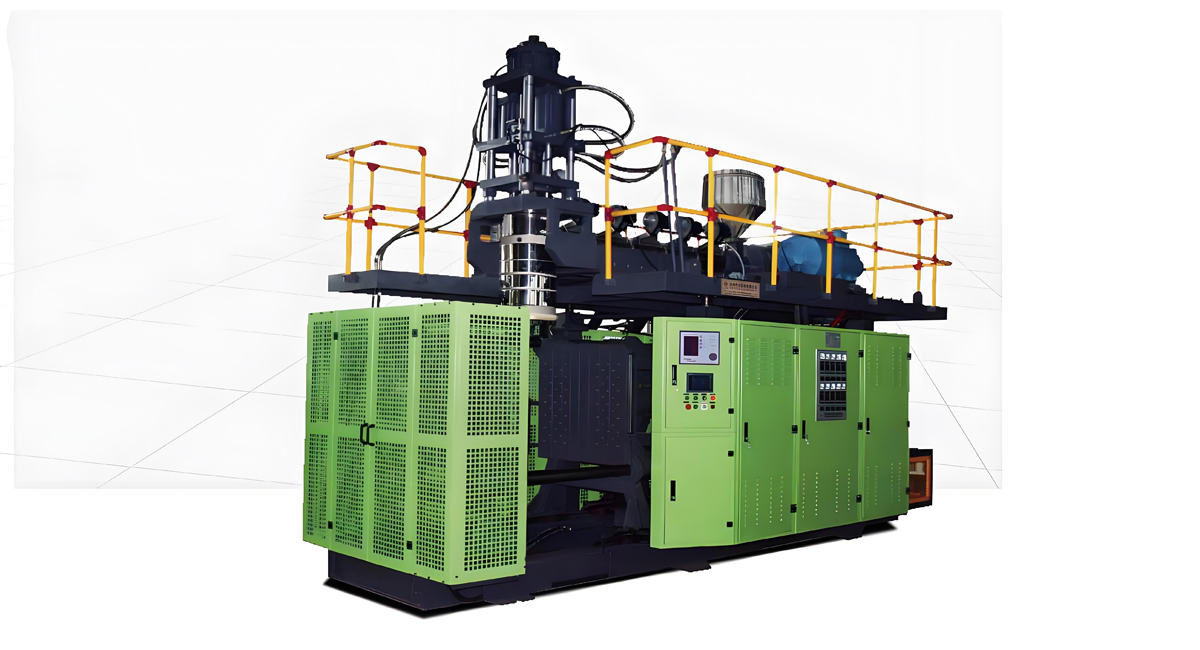
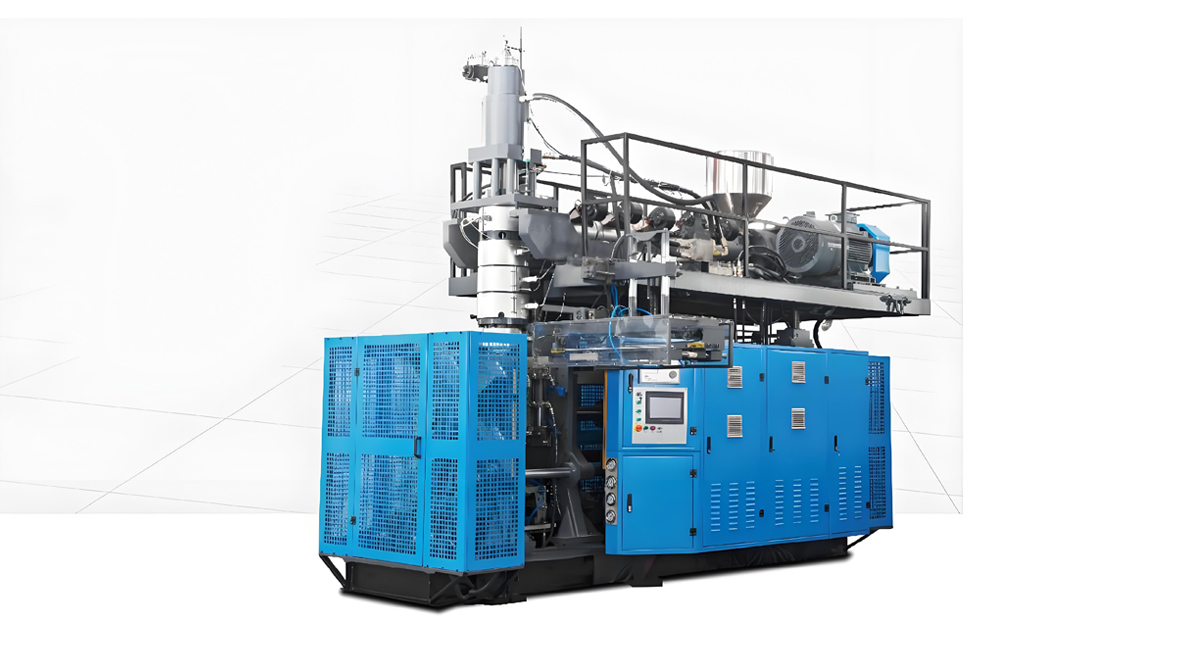
Apollo fully electric extrusion blow molding machines represent the cutting edge of energy-efficient plastic manufacturing technology. These machines eliminate hydraulic systems entirely, using servo motors to drive all major functions including plastic extrusion, mold clamping, blow molding, and material handling. The fully electric design achieves energy savings of 40-60 percent compared to traditional hydraulic machines while simultaneously providing superior precision, reduced maintenance requirements, and cleaner operation without hydraulic oil contamination risks.
The core energy-saving principle in Apollo fully electric EBM machines stems from servo motor technology that only consumes energy when actually performing work. Unlike hydraulic pumps that run continuously regardless of demand, servo motors deliver precise amounts of energy exactly when needed and consume virtually no power during idle periods. Additionally, servo motors achieve efficiency ratings of 85-90 percent compared to hydraulic systems at only 40-60 percent efficiency, with energy losses occurring through hydraulic pump inefficiencies, oil pipe leaks, fluid friction, and heat generation. This fundamental efficiency advantage translates directly into substantial energy savings across all production operations.
Apollo fully electric series includes models covering production capacities from 200ml to 20 liters, with the ABLE series offering single station and double station configurations for various production requirements. Key models include ABLE 80 I (10L maximum capacity), ABLE 80 II (10L), ABLE 100 I (30L), ABLE 100 II (30L), ABLE 110 II (30L), and ABLDE 90 storage type (60L). The screw diameters range from 80mm to 110mm with screw L/D ratios of 24:1 to 28:1, providing optimal plasticization for various materials including PE, PP, PVC, PA, PC, ABS, PS, EVA, TPU, and PETG.
Energy Savings Breakdown
The 40-60 percent energy savings achieved by Apollo fully electric EBM machines come from multiple sources working together to dramatically reduce overall energy consumption. Plastic extrusion and heating typically consumes 0.23-0.35 kWh/kg on fully electric machines compared to 0.55-0.75 kWh/kg on hydraulic machines, representing a 50-60 percent reduction in this major energy-consuming function. Elimination of hydraulic systems saves 25-35 percent of energy previously consumed by hydraulic pump operation, particularly significant during idle periods when hydraulic pumps run needlessly.
Energy recovery systems integrated into Apollo fully electric machines capture and reuse waste heat from motors and other components, providing additional 5-10 percent energy savings. Advanced PLC control systems optimize energy usage across all machine functions, reducing unnecessary energy consumption during transitions and low-efficiency operating periods. The combination of these energy-saving technologies enables Apollo fully electric EBM machines to achieve exceptional energy efficiency while maintaining or improving production output and product quality compared to traditional hydraulic alternatives.
Precision and Stability Advantages
Beyond energy savings, Apollo fully electric EBM machines provide significant advantages in precision and stability that contribute to reduced material waste and improved product quality. Servo motors deliver real-time feedback through encoders, enabling control accuracy of parameters such as screw speed, mold closing speed, and blow molding pressure to within plus or minus 0.1mm. This exceptional precision enables production of thin-walled, high-precision products including cosmetic bottles, medical containers, and technical components requiring tight tolerances.
The fast action response of servo motors, with start/stop delay less than 0.1 seconds, enables rapid cycle times and improved production efficiency. Wall thickness deviation can be controlled to within plus or minus 1 percent on fully electric machines compared to 2-3 percent on hydraulic alternatives, reducing material usage while maintaining product performance. These precision improvements contribute to additional energy savings by reducing material waste, as producing excess material represents unnecessary energy expenditure that fully electric machines help eliminate through superior control accuracy.
Environmental and Operational Benefits
Apollo fully electric EBM machines provide comprehensive environmental benefits beyond energy savings. Operating noise levels of 75 decibels or less create significantly quieter working environments compared to hydraulic machines with pump noise typically exceeding 90 decibels. The elimination of hydraulic systems removes oil leak risks that can contaminate raw materials and finished products, particularly critical for food, medical, and pharmaceutical packaging applications where contamination prevention is essential.
Maintenance requirements for fully electric machines are dramatically reduced compared to hydraulic systems. There are no hydraulic oil changes, filter cleanings, or hydraulic valve replacements. Servo motors require only periodic inspection of bearings and transmission gears, extending maintenance intervals by more than 50 percent compared to hydraulic machines. This reduced maintenance not only lowers maintenance costs but also reduces downtime and associated productivity losses, further improving overall operational efficiency and energy efficiency on a per-unit production basis.
Apollo Servo-Hybrid EBM Machine Solutions
For manufacturers seeking energy savings without the higher initial investment of fully electric machines, Apollo offers servo-hybrid extrusion blow molding machines that combine servo motor technology with hydraulic systems for balanced performance and cost-effectiveness. These machines achieve energy savings of 25-40 percent compared to traditional hydraulic machines by replacing the most energy-intensive hydraulic functions with servo motors while retaining hydraulic power for high-force requirements where hydraulic systems remain advantageous.
Apollo servo-hybrid machines typically incorporate servo motors for plastic extrusion and material handling functions, which are continuous operations where servo technology provides maximum efficiency benefits. The hydraulic system in servo-hybrid machines serves primarily mold clamping functions requiring high force, with optimized pump sizing and variable speed drive technology reducing hydraulic pump energy consumption. This hybrid approach provides significant energy savings while maintaining the high clamping forces necessary for large-capacity containers and thick-wall products where fully electric machines may have limitations.
The Apollo ABLB series (200ml-20L) includes both traditional hydraulic and servo-hybrid options, giving manufacturers flexibility to choose the technology level that best matches their energy efficiency goals and budget constraints. Key models include ABLB 45 (1-2L), ABLB 55 (2-3L), ABLB 65 (3.5-5L), ABLB 75 (8L), ABLB 90 (16L), and ABLB 100 (30L). These models are available in single station and double station configurations, with dry cycle times ranging from 400 PC/H to 1550 PC/H depending on model and configuration.
Cost-Effective Energy Efficiency
Apollo servo-hybrid EBM machines provide an attractive middle-ground option for manufacturers seeking energy savings while controlling initial investment costs. The typical price premium for servo-hybrid over traditional hydraulic machines ranges from 15-25 percent, significantly lower than the 45-85 percent premium for fully electric machines. However, the energy savings of 25-40 percent still provide substantial operational cost reductions, with typical payback periods of 2-4 years depending on energy prices, production hours, and specific applications.
For manufacturers with limited capital budgets or who process materials that don’t require the precision advantages of fully electric machines, servo-hybrid technology offers excellent energy efficiency without the higher investment requirements. The combination of reduced energy consumption, improved production efficiency, and lower maintenance compared to traditional hydraulic machines makes servo-hybrid EBM machines an attractive option for cost-conscious manufacturers seeking to improve energy efficiency and reduce environmental impact.
Energy Consumption Analysis and Cost Comparison
Comprehensive energy consumption analysis provides essential insights for manufacturers evaluating the economic benefits of low energy consumption EBM machines. Understanding energy costs, investment requirements, and operational differences enables informed decisions that balance immediate investment with long-term operational savings.
Energy Consumption by Machine Type
Detailed energy consumption measurements across different EBM machine types reveal substantial differences in energy efficiency. Traditional hydraulic extrusion blow molding machines typically consume 0.55-0.75 kWh per kilogram of plastic processed, with energy consumption varying based on machine size, product type, and processing conditions. In contrast, Apollo fully electric EBM machines consume only 0.23-0.35 kWh per kilogram, representing a 50-60 percent reduction in energy consumption per unit of production.
Annual energy consumption for a typical 100kW hydraulic EBM machine operating 6000 hours per year at an average power consumption of 75 percent capacity totals approximately 450,000 kWh annually. At electricity costs of $0.15 per kWh, this represents annual energy costs of approximately $67,500. The equivalent Apollo fully electric machine operating under identical conditions would consume approximately 180,000-200,000 kWh annually, reducing annual energy costs to $27,000-$30,000 and generating annual savings of $37,500-$40,500.
Investment Cost Analysis
The investment costs for different EBM machine types vary significantly based on technology level, production capacity, and configuration. Apollo fully electric extrusion blow molding machines typically range from $145,000 to $285,700 for industrial-grade models, with entry-level machines starting around $60,000 for smaller production volumes. In comparison, traditional hydraulic machines typically range from $100,000 to $200,000 for equivalent production capacities, representing a 45-85 percent cost premium for fully electric technology.
Apollo servo-hybrid machines typically cost 15-25 percent more than traditional hydraulic machines, with prices ranging from $115,000 to $250,000 depending on capacity and configuration. This intermediate investment level provides significant energy savings at a more accessible price point than fully electric machines. The choice between hydraulic, servo-hybrid, and fully electric technologies depends on production volume, energy prices, product precision requirements, and available capital for equipment investment.
Total Cost of Ownership Considerations
Total cost of ownership analysis over a 5-year period reveals that the higher initial investment for low-energy EBM machines is typically recovered through operational cost savings. For Apollo fully electric machines, the higher initial investment of $45,000-$85,700 compared to hydraulic alternatives is typically recovered through energy and maintenance savings within 2-3 years. Over a 5-year operating period, fully electric machines generate total savings of $150,000-$250,000 depending on production volume and energy prices.
Maintenance cost savings represent another significant component of total cost reduction. Traditional hydraulic EBM machines typically require $5,000-$10,000 annually for hydraulic oil changes, filter replacements, seal repairs, and hydraulic system maintenance. Apollo fully electric machines require only $2,000-$5,000 annually for basic motor and transmission maintenance, representing a 50-60 percent reduction in maintenance costs. Over a 5-year period, this maintenance savings totals $15,000-$25,000, substantially contributing to overall cost recovery of the initial investment premium.
Application-Specific Energy Efficiency
Different applications and product types present varying energy efficiency opportunities and considerations for low energy consumption EBM machines. Understanding these application-specific factors enables optimal machine selection and configuration for maximum energy efficiency.
Food and Beverage Packaging
Food and beverage packaging applications benefit significantly from Apollo fully electric EBM machines due to the elimination of hydraulic oil contamination risks and superior cleanliness. These applications often require high production volumes with consistent quality, where the precision advantages of fully electric machines contribute to reduced material waste and improved product consistency. The energy savings of 40-60 percent directly improve cost competitiveness in price-sensitive food and beverage packaging markets.
Apollo fully electric machines meeting food industry requirements include stainless steel components in material contact areas, easy-to-clean designs, and contamination prevention features. Production rates of 3,000-15,000 bottles per hour depending on model enable high-volume production while maintaining energy efficiency. The combination of food safety compliance, energy savings, and high production output makes Apollo fully electric EBM machines ideal for food and beverage packaging applications.
Chemical and Industrial Containers
Chemical and industrial container applications often involve thick-wall products requiring substantial clamping forces and extended cooling times. Apollo servo-hybrid machines provide excellent energy efficiency for these applications by combining servo-driven extrusion for energy savings with hydraulic clamping for the high forces required. The energy savings of 25-40 percent provide significant cost advantages in industrial container markets where production margins are often tight.
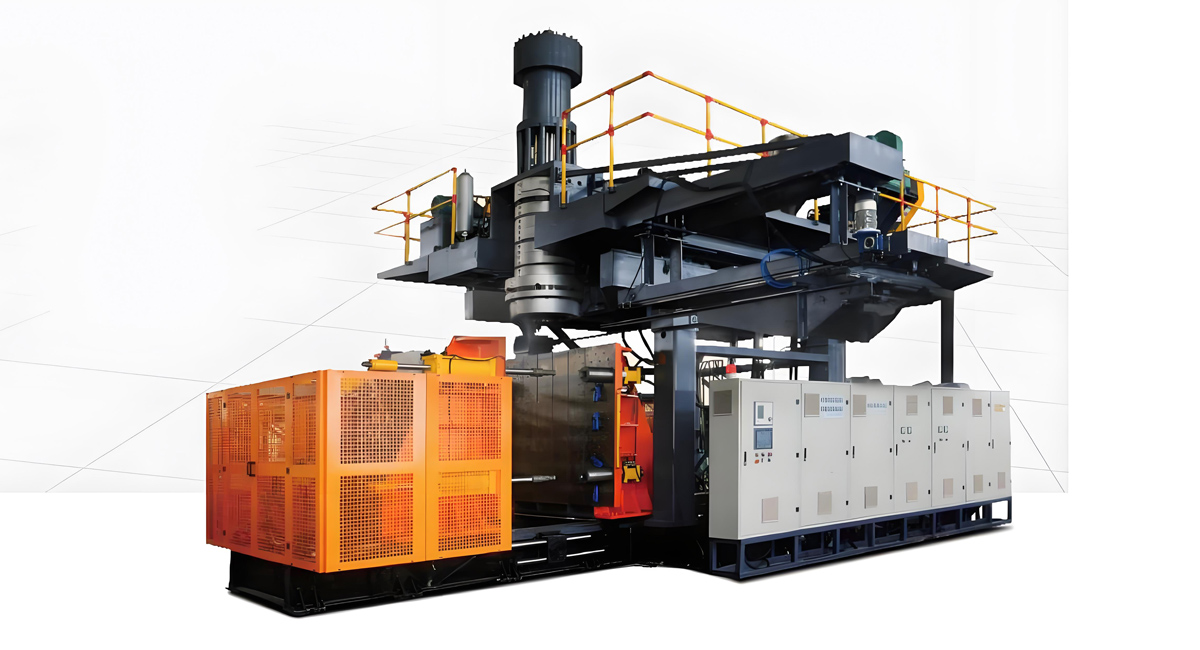
Apollo ABLD series (20L-1500L) provides large-capacity machines for industrial containers including chemical drums, IBC tanks, and storage containers. Models such as ABLD 80 (30L) and ABLD 90 (60L) incorporate storage-type die heads for large parison capacity while maintaining energy efficiency. These machines achieve energy consumption reductions through servo-hybrid technology while delivering the clamping forces and production rates necessary for large industrial containers.
Medical and Pharmaceutical Packaging
Medical and pharmaceutical packaging applications demand the highest cleanliness levels and precision, making Apollo fully electric EBM machines the ideal choice due to oil-free operation and exceptional control accuracy. These applications often involve small to medium volume production with tight tolerances, where the precision advantages of fully electric machines enable production of complex medical containers and drug packaging with reduced material waste.
The Apollo ABLE series fully electric machines are particularly suitable for medical and pharmaceutical packaging, with models covering capacities from 200ml to 30L. The absence of hydraulic oil eliminates contamination risks critical for medical applications, while the precision control enables production of medical containers with wall thickness variations below plus or minus 0.05mm. These capabilities, combined with energy savings of 40-60 percent, make Apollo fully electric EBM machines the preferred choice for medical and pharmaceutical packaging manufacturers.
Return on Investment and Payback Analysis
Return on investment analysis provides critical financial justification for upgrading to low energy consumption EBM machines. Understanding payback periods, long-term savings, and financial benefits enables manufacturers to make informed investment decisions that improve profitability and competitiveness.
Payback Period Calculations
Typical payback periods for upgrading from traditional hydraulic to Apollo fully electric EBM machines range from 1.5-3 years depending on production volume, energy prices, and specific applications. For high-volume operations running 24 hours daily with expensive electricity, payback periods as short as 12-18 months are achievable. For medium-volume operations with 1-2 shift daily operation, typical payback periods are 2-3 years. Even for lower-volume operations, payback periods of 3-4 years remain attractive given the substantial energy savings and additional benefits beyond pure energy cost reduction.
Payback calculations for upgrading to Apollo servo-hybrid machines typically range from 2-4 years, longer than fully electric machines due to lower energy savings but shorter than fully electric due to lower initial investment premium. The optimal choice between servo-hybrid and fully electric depends on specific production requirements, capital availability, and strategic priorities around energy efficiency versus other operational factors.
Long-Term Financial Benefits
Beyond simple payback periods, low energy consumption EBM machines provide substantial long-term financial benefits over their operational lifetime of 10-15 years. Energy savings accumulate continuously throughout machine life, with annual savings increasing as energy prices typically rise over time. Maintenance savings accumulate similarly, with fully electric machines avoiding ongoing hydraulic system maintenance costs entirely.
Production efficiency improvements from faster cycle times and reduced downtime provide additional financial benefits through higher production output and capacity utilization. The combination of energy savings, maintenance savings, and productivity improvements can generate total returns on investment exceeding 200-300 percent over machine lifetime for most applications. These substantial long-term benefits make low energy consumption EBM machines excellent investments despite higher initial costs.
Competitive Advantages
Energy-efficient manufacturing provides competitive advantages beyond direct cost savings. Many large retailers and major brands increasingly require suppliers to demonstrate environmental responsibility and carbon footprint reduction. Manufacturers using Apollo low energy consumption EBM machines can demonstrate superior environmental performance through quantified energy savings and reduced emissions, providing competitive advantages in supply chain qualification and customer relationships.
Energy cost reductions enable price competitiveness in markets sensitive to manufacturing costs. Lower energy consumption per unit of production provides flexibility to maintain or reduce prices while preserving margins, or alternatively to improve margins by maintaining prices while reducing costs through energy efficiency. This pricing flexibility provides significant strategic advantages in competitive markets.
Implementation and Best Practices
Successful implementation of low energy consumption EBM machines requires careful planning and attention to best practices for maximizing energy efficiency and operational benefits.
Machine Selection Criteria
Selecting the appropriate low energy consumption EBM machine requires evaluating multiple factors including production capacity requirements, product characteristics, material types, operational patterns, and investment constraints. For small to medium volume production of precision products like medical containers and cosmetic bottles, Apollo fully electric machines provide optimal energy efficiency and precision advantages. For large-capacity industrial containers requiring high clamping forces, servo-hybrid machines offer balanced energy savings and power requirements.
Production capacity should be selected based on actual production needs plus reasonable growth capacity, avoiding oversized equipment that operates inefficiently at low utilization. Apollo offers machine sizes from 5ml capacity laboratory machines to 5000L industrial giants, enabling optimal sizing for virtually any production requirement. Matching machine capacity to actual production needs ensures optimal energy efficiency per unit of production.
Operational Optimization
Maximizing energy efficiency requires operational optimization beyond just equipment selection. Proper setup and parameter tuning for specific products and materials significantly affects energy consumption. Regular maintenance of heating elements, servo motors, and cooling systems maintains optimal efficiency. Process optimization including temperature settings, cycle times, and pressure parameters reduces unnecessary energy consumption while maintaining product quality.
Operator training on energy-efficient operating practices further improves energy savings. Understanding how machine settings affect energy consumption and how to optimize for specific applications enables operators to maintain maximum efficiency during daily operation. Apollo provides comprehensive training on energy-efficient operation and maintenance best practices to ensure customers achieve maximum energy savings from their low energy consumption EBM machines.
Monitoring and Continuous Improvement
Energy monitoring and analysis enables identification of improvement opportunities and verification of energy savings achieved. Modern Apollo fully electric machines incorporate energy monitoring systems that track energy consumption across different machine functions and production cycles. This data enables identification of inefficiencies, optimization opportunities, and quantification of energy savings from improvements.
Continuous improvement programs focused on energy efficiency, including regular energy audits, benchmarking against best practices, and implementation of incremental improvements, maintain and improve energy performance over time. Apollo supports customers with energy analysis services and recommendations for ongoing efficiency improvements throughout equipment lifetime.
Conclusion: Strategic Value of Energy Efficiency
Low energy consumption EBM machines from Apollo provide substantial strategic value beyond simple energy cost reduction. The combination of 40-60 percent energy savings, reduced maintenance requirements, superior precision, and environmental benefits creates comprehensive advantages that improve competitiveness, profitability, and sustainability simultaneously. Apollo Machinery Co., Ltd. leverages 20 years of experience in plastic machinery manufacturing to deliver energy-efficient solutions that help manufacturers succeed in increasingly energy-conscious and environmentally regulated markets worldwide.
Investment in low energy consumption technology represents forward-thinking strategy rather than simple cost reduction. Energy efficiency will become increasingly important as energy prices rise, environmental regulations strengthen, and customer requirements for sustainable manufacturing expand. Manufacturers adopting Apollo low energy consumption EBM machines position themselves competitively for these evolving market conditions while achieving immediate operational cost benefits through substantial energy savings.
The comprehensive benefits of Apollo energy-efficient EBM machines, including economic advantages, environmental benefits, operational improvements, and competitive positioning, make them excellent investments for manufacturers seeking to optimize their blow molding operations. Whether choosing fully electric technology for maximum energy savings or servo-hybrid for balanced performance and cost-effectiveness, Apollo provides solutions tailored to specific needs that deliver substantial value across multiple dimensions beyond simple energy cost reduction.