The Strategic Value of Comprehensive After-Sales Service
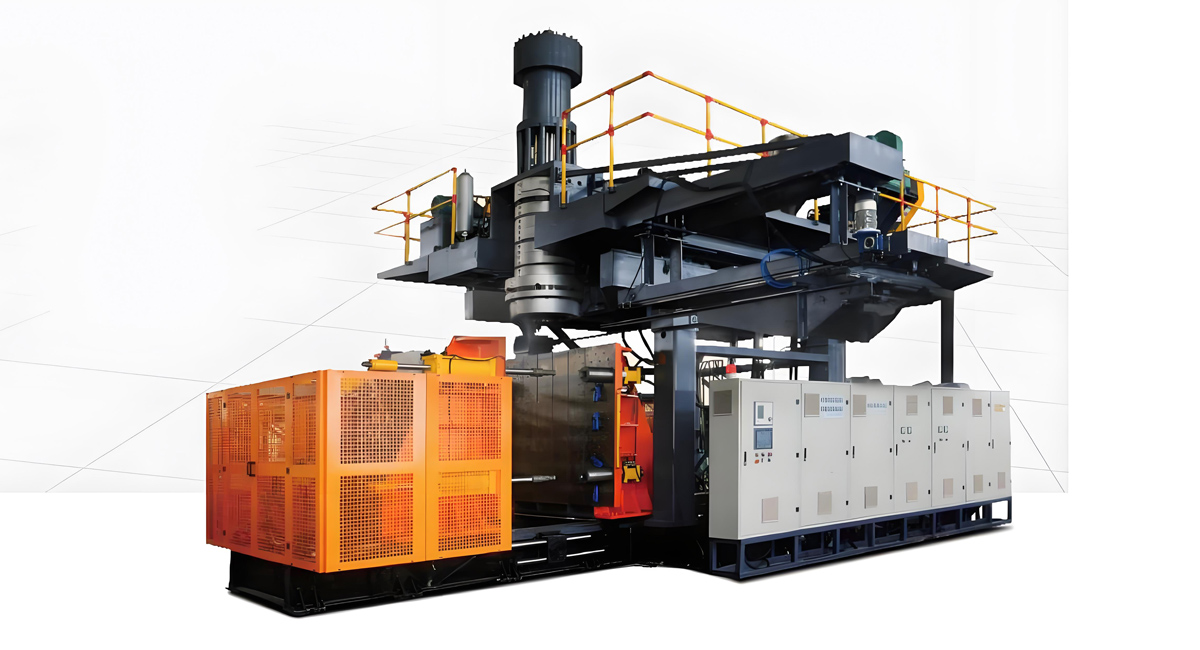
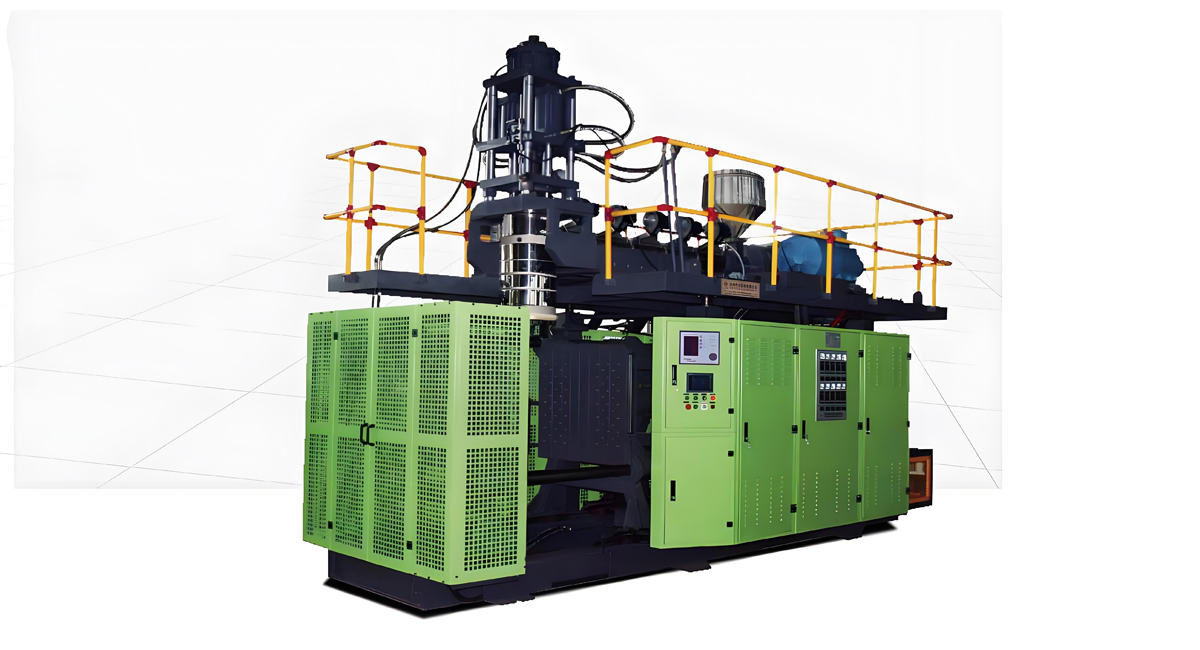
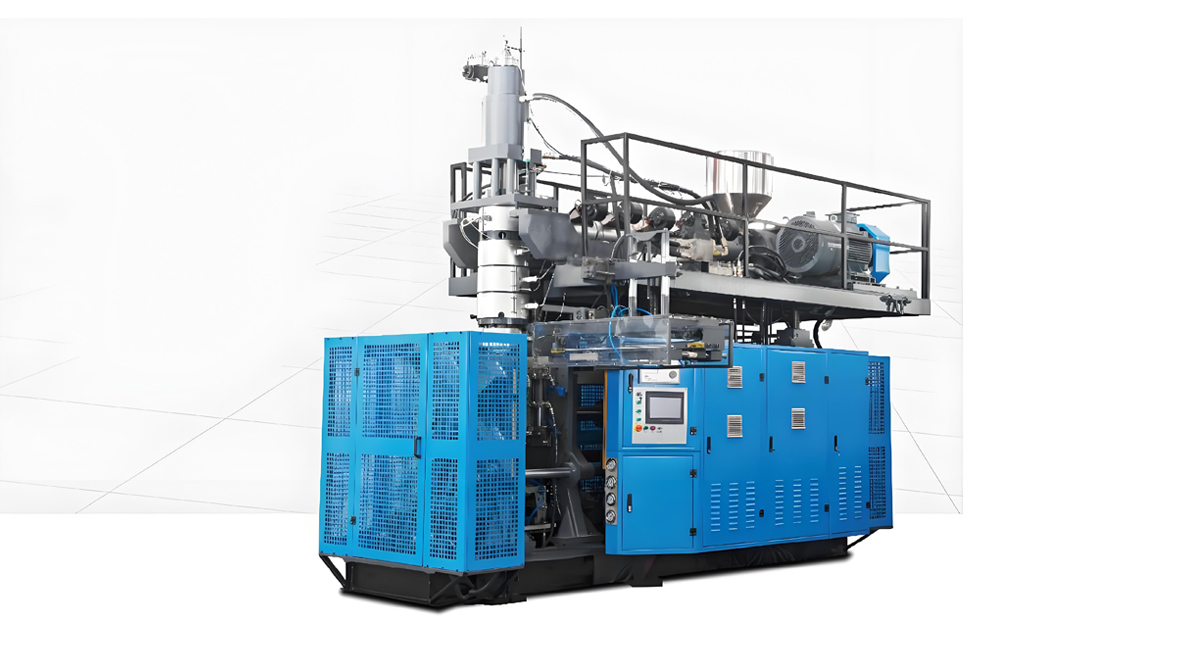
Extrusion blow molding machines represent significant capital investments ranging from $35,000 to over $500,000 depending on model and capabilities. Proper after-sales service directly impacts equipment uptime, production efficiency, return on investment, and overall operational profitability. Apollo Extrusion Blow Molding Machines recognize the critical importance of comprehensive global support and have developed a robust service network designed to minimize downtime and maximize machine performance throughout its lifecycle, typically 10-15 years for well-maintained equipment.
The average cost of unscheduled downtime for extrusion blow molding operations ranges from $500 to $2,000 per hour depending on production volume and product value. This includes direct labor costs, lost production opportunities, wasted materials, and potential penalties for missed delivery commitments. For large-scale operations producing 10,000 units per hour with a $2 per unit value, downtime can exceed $20,000 per hour in lost revenue alone. Effective after-sales service can reduce unplanned downtime by 30-60 percent compared to minimal support models, resulting in annual savings of $150,000 to over $1 million for high-volume production facilities.
Proper maintenance and service also extend equipment lifespan, deferring capital replacement costs by 2-5 years. The incremental cost of proactive service programs typically ranges from 3 to 6 percent of machine purchase price annually, but provides return on investment through reduced downtime, lower energy consumption, fewer component failures, and extended asset life. For a $200,000 machine, annual service investments of $6,000-$12,000 can save $50,000-$150,000 in avoidable costs each year and extend equipment lifespan by 25-50 percent.
Global manufacturers require consistent service standards across all operating locations. Apollo’s standardized service protocols ensure uniform maintenance quality, safety compliance, and performance metrics regardless of geographic location. This consistency is particularly important for multinational corporations operating production facilities in multiple countries, as it enables centralized management, spare parts optimization, and consistent operational performance worldwide.
The after-sales service infrastructure also plays a crucial role in compliance with international regulations and industry standards. Apollo service technicians receive training on local safety requirements, environmental regulations, and industry best practices, ensuring operations remain compliant and avoiding potential fines or operational disruptions that can cost $10,000 to $100,000 or more for non-compliance incidents.
Apollo’s Global Service Network Infrastructure
Apollo has developed a comprehensive global service network to provide timely support to customers worldwide. The network includes regional service centers, authorized local partners, remote technical support capabilities, and specialized mobile service teams. This infrastructure ensures rapid response times regardless of customer location, with average on-site service response times of 24-72 hours for most major industrial regions.
The primary service centers are strategically located in key manufacturing regions to provide comprehensive technical support, training facilities, and spare parts warehouses. These centers employ factory-trained technicians with specialized knowledge of Apollo equipment and offer services including emergency repairs, preventive maintenance, equipment optimization, and operator training. Major Apollo service centers include:
Asia-Pacific: Located in Shanghai, China, this regional headquarters provides support for the rapidly growing Asian manufacturing sector. The center maintains a $5 million spare parts inventory and employs over 30 factory-trained technicians. Services include machine commissioning, major overhauls, and specialized application development. On-site response times average 24-48 hours within China and 48-72 hours for surrounding countries. Annual service costs for customers in this region average $5,000-$25,000 per machine depending on service level agreement.
Europe: Situated in Düsseldorf, Germany, the European service center serves customers across the European Union, Eastern Europe, and Russia. The center maintains compliance with CE regulations and provides multilingual support in English, German, French, Spanish, and Italian. The facility houses a $4 million spare parts inventory and employs 25 technicians with advanced training in European safety standards and environmental regulations. Average response times are 24-72 hours for most locations, with emergency service available within 12 hours for critical production lines. Annual service contracts range from €6,000 to €30,000 per machine.
Americas: Located in Chicago, USA, this regional center supports North America, South America, and the Caribbean. The facility includes a $4.5 million spare parts inventory and employs 28 technicians trained in North American and Latin American regulatory requirements. Services include specialized support for food and pharmaceutical industry customers with strict hygiene and safety standards. Response times average 24-72 hours for most locations, with emergency service available within 12 hours for critical operations. Annual service costs range from $6,000 to $32,000 per machine depending on service level and machine complexity.
Middle East & Africa: Based in Dubai, United Arab Emirates, this center serves customers across the Middle East, Africa, and India. The facility maintains extreme temperature-rated spare parts and provides specialized support for desert operating conditions. The center maintains a $3 million inventory and employs 18 technicians with training in local environmental conditions and international export regulations. Response times vary by location from 24 hours in major industrial centers to 3-7 days for remote locations. Annual service contracts range from $4,000 to $22,000 per machine.
In addition to regional service centers, Apollo has established a network of 50+ authorized service partners in over 30 countries. These partners receive factory training and maintain spare parts inventories for common components, providing local support capabilities in areas not directly served by regional centers. Authorized partners typically offer response times of 48-96 hours and provide routine maintenance, minor repairs, and operator training services. The cost of service through authorized partners is typically 10-20 percent lower than direct factory service for comparable services.
Warranty Programs and Coverage Details
Apollo offers comprehensive warranty programs designed to protect customer investments and ensure equipment reliability during the initial operating period. Warranty coverage varies by component type and application, with optional extended warranty packages available for customers requiring additional protection beyond standard terms.
Standard warranty coverage includes:
Mechanical components: 12-24 months warranty coverage for structural components including frame, clamping mechanism, extrusion barrel, and mold bases. This coverage includes parts replacement for manufacturing defects or premature failure under normal operating conditions. Exclusions include damage from improper operation, lack of maintenance, or accidents. The cost of mechanical component repairs typically ranges from $500 to $20,000 depending on part size and complexity, making this warranty coverage particularly valuable during the initial break-in period.
Electrical components: 6-12 months warranty coverage for electrical components including motors, drives, sensors, and control systems. This coverage protects against manufacturing defects and premature component failure. Exclusions include damage from power surges, improper wiring, or environmental exposure beyond specified limits. Electrical component repairs typically cost $200 to $10,000 per component, making this coverage important for protecting against potentially costly control system failures.
Hydraulic and pneumatic systems: 12 months warranty coverage for pumps, valves, cylinders, and associated components. This coverage includes parts and labor for failures due to manufacturing defects, excluding damage from contamination, improper fluid maintenance, or exceeding pressure ratings. Hydraulic system repairs can cost $1,000 to $15,000 per incident, making this coverage valuable for protecting against unexpected hydraulic failures.
Software and control systems: 12 months warranty coverage for software functionality, programming, and control system performance. This includes updates, bug fixes, and technical support for system operation. Exclusions include issues resulting from unauthorized modifications, software viruses, or improper programming. Software-related support typically costs $500 to $3,000 per incident, making this coverage valuable for ensuring system reliability during initial implementation.
Extended warranty packages are available for customers seeking longer protection periods or more comprehensive coverage options. These packages include:
Gold Service Plan: Extends mechanical component coverage to 36 months and electrical components to 24 months. Includes two preventive maintenance visits annually with performance optimization and minor adjustments. Costs range from 8 to 12 percent of machine purchase price, with a $200,000 machine costing $16,000-$24,000 for this three-year package. This plan typically provides a 2-3x return on investment through reduced downtime and avoided repair costs during the extended coverage period.
Platinum Service Plan: Comprehensive five-year coverage including all components and unlimited preventive maintenance visits. Includes priority service response, discounted spare parts pricing, and annual equipment optimization audits. Costs range from 15 to 20 percent of machine purchase price, with a $200,000 machine costing $30,000-$40,000 for this five-year package. This plan is particularly valuable for high-volume production operations where downtime has significant financial consequences.
Application-Specific Packages: Customized warranty solutions for specialized industries including food processing, pharmaceuticals, and automotive manufacturing. These packages include compliance verification, specialized maintenance protocols, and regulatory documentation support. Pricing varies by industry and requirements, typically costing 12-25 percent of machine purchase price depending on complexity and compliance needs.
Preventive Maintenance Programs
Preventive maintenance is the cornerstone of Apollo’s service philosophy, designed to identify potential issues before they cause unplanned downtime and production losses. Apollo offers structured maintenance programs tailored to machine type, operating conditions, and production volume, ensuring optimal equipment performance throughout its lifecycle.
The standard preventive maintenance program includes scheduled service visits at recommended intervals based on operating hours. For most machines, recommended intervals are:
Basic maintenance (every 2,000 operating hours or 6 months): Includes inspection of critical components, filter replacements, lubrication, and basic performance verification. This service typically takes 4-8 hours to complete and costs $1,500-$3,000 per visit depending on machine size. Regular basic maintenance reduces wear-related failures by 40-60 percent and extends component lifespan by 20-40 percent.
Comprehensive maintenance (every 8,000 operating hours or 12 months): Includes detailed inspection of all major systems, calibration verification, minor component replacement, performance optimization, and system cleaning. This service typically takes 12-24 hours to complete and costs $5,000-$10,000 per visit. Comprehensive maintenance identifies 70-90 percent of potential issues before they cause downtime and can reduce overall maintenance costs by 20-30 percent through proactive component replacement.
Major overhaul (every 24,000-40,000 operating hours or 3-5 years): Includes complete tear-down inspection, replacement of wear components, system reconditioning, and performance certification. This service typically takes 3-7 days to complete and costs $15,000-$50,000 depending on machine size and scope of work. A major overhaul can restore machine performance to near-original condition and extend overall equipment lifespan by 2-5 years, providing a 2-4x return on investment through deferred replacement costs.
Apollo also offers condition-based maintenance programs using advanced monitoring technology to track equipment performance and predict component failures before they occur. These programs include:
Predictive monitoring systems: Installed sensors track vibration, temperature, pressure, and performance parameters, transmitting data to Apollo’s remote monitoring center for analysis. Anomaly detection algorithms identify developing issues and trigger proactive service interventions before failures occur. This system costs $5,000-$20,000 for initial installation and $2,000-$8,000 annually for monitoring services. Predictive monitoring can reduce unplanned downtime by 40-70 percent and extend maintenance intervals by 20-40 percent compared to time-based maintenance schedules.
Oil analysis programs: Regular fluid sampling and analysis detect contamination, wear particles, and system degradation before visible symptoms appear. This service costs $200-$500 per sample and provides early warning of developing issues in hydraulic, lubrication, and gear systems. Oil analysis reduces catastrophic failures by 50-80 percent and extends fluid change intervals by 30-50 percent, reducing waste and maintenance costs.
Thermographic imaging: Infrared scanning detects temperature anomalies in electrical components, bearing systems, and heating elements, identifying developing issues before they cause failures. This service costs $1,000-$3,000 per comprehensive scan and is particularly valuable for identifying electrical and thermal-related problems that may not be apparent through visual inspection alone. Thermographic inspections typically find 2-5 critical issues per machine that could cause unplanned downtime within 6-12 months.
Spare Parts Supply and Logistics
Quick access to genuine spare parts is critical for minimizing downtime when equipment failures occur. Apollo has developed a global spare parts logistics network designed to ensure timely delivery of components to any location worldwide within 24-72 hours for most common parts.
The global spare parts inventory includes over $20 million in parts distributed across regional warehouses and local service centers. Inventory management algorithms optimize stock levels based on demand patterns, failure rates, and lead times, ensuring high service levels while minimizing excess inventory carrying costs. Typical spare parts pricing includes:
Consumable parts: Filters, seals, belts, and other regularly replaced items. Prices range from $50 to $500 per item, with annual consumption averaging $1,000-$5,000 per machine depending on operating conditions and maintenance practices.
Mechanical components: Bearings, gears, screws, and structural parts. Prices range from $500 to $20,000 per component, with average repair costs for mechanical failures ranging from $2,000 to $25,000 per incident including parts and labor.
Electrical components: Motors, drives, sensors, and control modules. Prices range from $200 to $15,000 per component, with average repair costs for electrical failures ranging from $1,000 to $20,000 per incident.
Specialized components: Dies, molds, and application-specific tooling. Prices range from $5,000 to $100,000 depending on complexity and material requirements, with average lead times of 4-12 weeks for custom components.
Apollo offers several spare parts management programs to optimize inventory and reduce costs:
Consignment inventory programs: For high-volume customers or critical production facilities, Apollo maintains on-site inventory of commonly used parts, billed only when consumed. This program eliminates wait times for critical components and reduces administrative overhead. Setup costs range from $1,000 to $5,000, with minimum monthly commitments of $500-$2,000 for participation. This program typically reduces downtime for common failures by 90 percent and reduces overall parts costs by 5-15 percent through volume pricing agreements.
Just-in-time delivery: Through strategic partnerships with global logistics providers, Apollo offers guaranteed delivery times for most parts. Emergency delivery service within 24 hours is available for critical components in most regions, with surcharges ranging from $500 to $3,000 depending on location and delivery urgency. Standard delivery times for non-critical parts are 3-7 days with no additional surcharge.
Parts optimization analysis: Apollo service engineers provide free annual analysis of parts consumption patterns, identifying opportunities to reduce inventory, consolidate purchases, and optimize maintenance schedules. This analysis typically identifies 10-20 percent cost savings opportunities through improved inventory management and reduced waste. For customers spending $50,000 or more annually on parts, this can translate to $5,000-$10,000 in annual cost savings.
Remote Technical Support and Diagnostics
Modern extrusion blow molding machines incorporate advanced connectivity features enabling remote technical support, diagnostics, and performance monitoring. Apollo’s remote support capabilities allow technicians to diagnose and resolve many issues without physical on-site presence, reducing response times and service costs significantly.
Remote support capabilities include:
Real-time system monitoring: Connected machines transmit operating data to Apollo’s technical support center, providing continuous performance monitoring and anomaly detection. Technicians can identify developing issues and provide proactive recommendations before failures occur. This service is included with most service contracts at no additional cost, with premium monitoring services available for $2,000-$5,000 annually per machine for enhanced monitoring and analysis capabilities.
Remote diagnostics and troubleshooting: Authorized technicians can access machine control systems remotely to diagnose issues, review error logs, and perform system tests. This capability allows resolving 30-50 percent of technical issues without on-site service visits, reducing response times from 24-72 hours to minutes for many common problems. Remote troubleshooting services are typically included with basic service contracts, with per-incident charges of $200-$800 for customers without service agreements.
Software updates and optimization: Remote connectivity enables timely software updates, bug fixes, and performance enhancements. This ensures machines operate with the latest functionality and performance optimizations, improving efficiency and addressing potential security vulnerabilities. Software updates are typically included with warranty coverage and service contracts, with one-time update fees of $500-$2,000 for customers without active service agreements.
Virtual training and knowledge transfer: Remote support technology enables virtual training sessions, allowing operators to receive instruction and demonstration without requiring on-site technical presence. Virtual training sessions cost $500-$2,000 per session and can be customized to specific machine models or operational challenges. This capability reduces training costs by 40-60 percent compared to on-site training while maintaining comparable knowledge transfer effectiveness.
Emergency response coordination: In situations requiring on-site service, remote diagnostics enable technicians to arrive with the correct tools, parts, and knowledge, significantly reducing resolution time. This coordination capability can reduce on-site service duration by 30-50 percent and minimize production downtime for complex issues requiring specialized components or expertise.
Training and Knowledge Transfer Programs
Well-trained operators and maintenance personnel are critical for maximizing equipment performance, minimizing downtime, and ensuring safe operation. Apollo offers comprehensive training programs designed to build operational expertise and empower in-house maintenance capabilities.
Basic operator training: 2-5 day training program covering machine operation, basic troubleshooting, safety procedures, and routine maintenance. This program is included with new machine purchases and can also be provided for existing equipment at a cost of $2,000-$5,000 per participant. Well-trained operators typically reduce scrap rates by 10-25 percent and improve overall production efficiency by 5-15 percent compared to untrained operators.
Advanced maintenance training: 5-10 day intensive program covering system diagnostics, component repair, calibration procedures, and advanced troubleshooting techniques. This program costs $5,000-$12,000 per participant and is designed for maintenance technicians responsible for in-house machine support. Trained maintenance personnel can resolve 60-80 percent of technical issues internally, reducing reliance on external service and lowering overall maintenance costs by 20-40 percent.
Specialized application training: Customized training programs focusing on specific applications such as medical device manufacturing, food packaging, or industrial containers. These programs include material-specific processing guidelines, regulatory compliance training, and application optimization techniques. Costs vary by complexity, typically ranging from $3,000-$15,000 per program. Specialized training can improve product quality by 15-30 percent and reduce material waste by 10-20 percent for application-specific operations.
Train-the-trainer programs: Comprehensive programs designed to train customer personnel to become internal trainers for Apollo equipment. This program costs $10,000-$25,000 per participant and includes training materials, certification, and ongoing support. This capability enables customers to maintain continuous training capabilities internally, reducing long-term training costs by 50-70 percent compared to relying on external training providers.
E-learning platform: Apollo’s online training portal provides self-paced learning modules, video tutorials, and knowledge resources accessible 24/7. The platform includes interactive quizzes, troubleshooting guides, and maintenance checklists. Basic access is included with service contracts, with premium access available for $500-$2,000 annually per user. The e-learning platform enables continuous skill development and can reduce initial training time by 20-30 percent through pre-training preparation.
Customer Success Stories and Case Studies
Apollo’s global service network has supported thousands of customer installations worldwide, helping organizations optimize production performance and overcome operational challenges. The following case studies demonstrate the impact of effective after-sales service on customer operations:
Case Study 1: European food packaging manufacturer reduced unplanned downtime by 65 percent through predictive maintenance program
A German food packaging producer operating 12 Apollo extrusion blow molding machines struggled with frequent unplanned downtime that was costing an estimated $800,000 annually in lost production. After implementing Apollo’s predictive monitoring system and comprehensive service program, the company reduced unplanned downtime from 120 hours to 42 hours annually, saving $520,000 in avoidable costs. The $180,000 investment in monitoring systems and service agreements provided a 2.9x return on investment within the first year, with ongoing savings of $300,000-$500,000 annually through reduced downtime and improved efficiency.
Case Study 2: North American automotive supplier improved equipment lifespan by 5 years through proactive overhaul program
A Michigan-based automotive component manufacturer with six Apollo machines scheduled for replacement after 8 years of operation. Instead of purchasing new equipment at a cost of $1.2 million, the company invested $220,000 in comprehensive overhauls and modernization upgrades. The overhaul restored machine performance to 95 percent of original specifications and extended equipment lifespan by an additional 5 years. The investment provided a 5.4x return on investment through deferred replacement costs and maintained production capacity without requiring significant downtime for equipment installation and commissioning.
Case Study 3: Asian consumer goods company reduced maintenance costs by 35 percent through parts optimization program
A Singapore-based consumer goods company with 25 Apollo machines operating across three production facilities was struggling with high maintenance costs and inconsistent service quality. After implementing Apollo’s parts optimization program and standardized maintenance protocols, the company reduced annual maintenance costs from $1.2 million to $780,000, a 35 percent reduction. The program also improved equipment uptime from 92 percent to 97 percent and reduced inventory carrying costs by 28 percent through optimized spare parts management.
Case Study 4: Latin American chemical container producer improved product quality by 22 percent through specialized training program
A Brazilian chemical container manufacturer was experiencing 18 percent scrap rates due to quality issues with thick-walled chemical drums. After participating in Apollo’s specialized application training program and implementing process optimization recommendations, the company reduced scrap rates to 4 percent, saving $320,000 annually in material costs. The training investment of $15,000 provided a 21.3x return on investment within the first year through reduced waste and improved production efficiency.
Cost-Benefit Analysis of Service Investments
Investing in comprehensive after-sales service provides significant returns through reduced downtime, improved efficiency, extended equipment lifespan, and enhanced product quality. The following analysis demonstrates the financial impact of different service investment levels for a typical $200,000 extrusion blow molding machine operating 2,000 hours annually with a $1 per unit value and 10,000 units per hour production rate:
Scenario 1: Minimal service investment (reactive maintenance only)
Annual cost: $2,000-$5,000 for emergency repairs only
Annual downtime: 100-200 hours (5-10 percent downtime rate)
Annual cost impact: $100,000-$200,000 in lost production + $10,000-$20,000 in scrap costs + $5,000-$15,000 in emergency repair costs
Total annual cost: $115,000-$235,000
Scenario 2: Standard preventive maintenance program
Annual cost: $8,000-$15,000 for scheduled maintenance and basic service agreement
Annual downtime: 40-80 hours (2-4 percent downtime rate)
Annual cost impact: $40,000-$80,000 in lost production + $4,000-$8,000 in scrap costs + $3,000-$8,000 in unscheduled repairs
Total annual cost: $55,000-$111,000
Annual savings compared to minimal service: $60,000-$124,000
Return on investment: 4-15x annual return on service investment
Scenario 3: Comprehensive proactive service program
Annual cost: $15,000-$30,000 for predictive monitoring, comprehensive maintenance, and premium service agreement
Annual downtime: 15-35 hours (0.75-1.75 percent downtime rate)
Annual cost impact: $15,000-$35,000 in lost production + $1,500-$3,500 in scrap costs + $1,000-$3,000 in unscheduled repairs
Total annual cost: $32,500-$71,500
Annual savings compared to minimal service: $83,500-$162,500
Return on investment: 2.8-10.8x annual return on service investment
Scenario 4: Full lifecycle management program
Annual cost: $25,000-$50,000 for comprehensive service, parts management, training, and performance optimization
Annual downtime: 5-15 hours (0.25-0.75 percent downtime rate)
Annual cost impact: $5,000-$15,000 in lost production + $500-$1,500 in scrap costs + $500-$1,500 in unscheduled repairs
Total annual cost: $31,000-$68,000
Annual savings compared to minimal service: $87,000-$164,000
Return on investment: 1.7-6.6x annual return on service investment
Additionally, comprehensive service programs extend equipment lifespan by 2-5 years, deferring capital replacement costs. For a $200,000 machine with a 10-year lifespan, each additional year of serviceable life provides $20,000 in capital cost avoidance plus ongoing production revenue of $20 million annually (based on 2,000 hours x 10,000 units x $1 per unit), making lifecycle extension a particularly valuable benefit of proactive service investments.
Conclusion
Apollo Extrusion Blow Molding Machines’ global after-sales service network provides comprehensive support designed to maximize equipment uptime, optimize production efficiency, and protect customer investments throughout the equipment lifecycle. The strategic infrastructure includes regional service centers, authorized partners, remote support capabilities, and specialized technical teams positioned to provide timely assistance wherever Apollo machines operate worldwide.
Comprehensive warranty programs, preventive maintenance offerings, spare parts logistics, and training initiatives create a holistic support ecosystem that addresses the diverse needs of global manufacturing operations. The financial analysis demonstrates significant return on investment from service investments, with typical returns ranging from 2-15x annually depending on service level and production characteristics.
As manufacturing operations face increasing pressure to improve productivity, reduce costs, and enhance sustainability, the role of after-sales service becomes even more critical. Apollo’s commitment to continuous service improvement ensures customers receive the support needed to maintain competitive advantage in today’s global marketplace. By partnering with Apollo for comprehensive service support, manufacturers can focus on their core competencies while knowing their critical production equipment is supported by industry-leading service capabilities and global expertise.