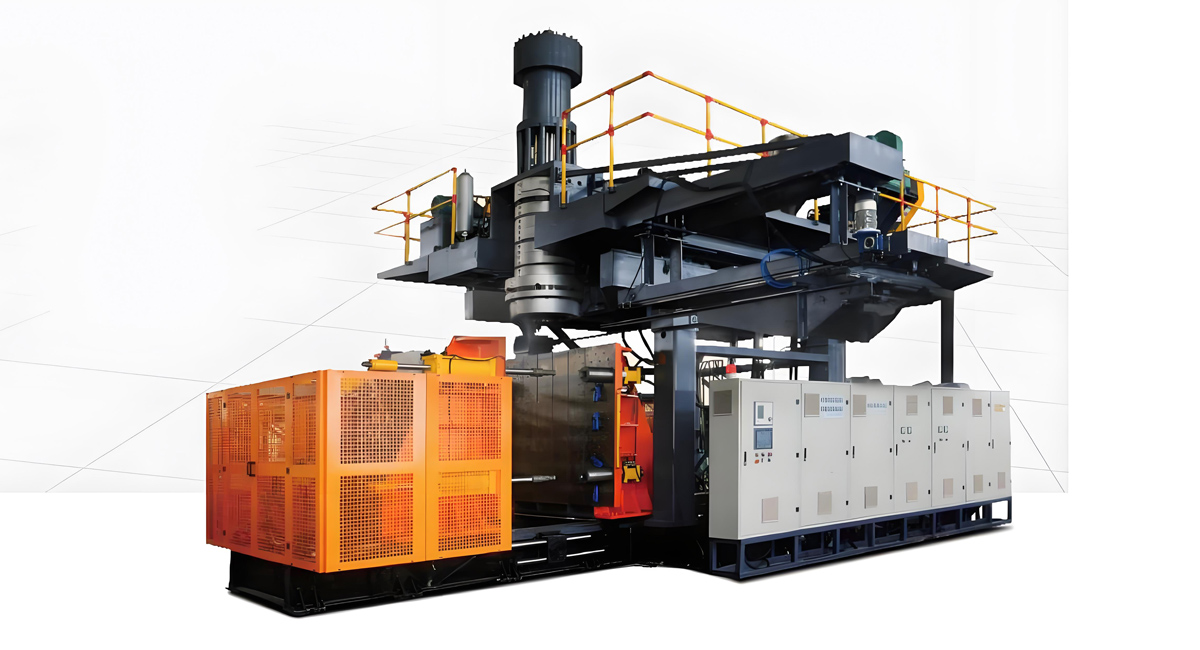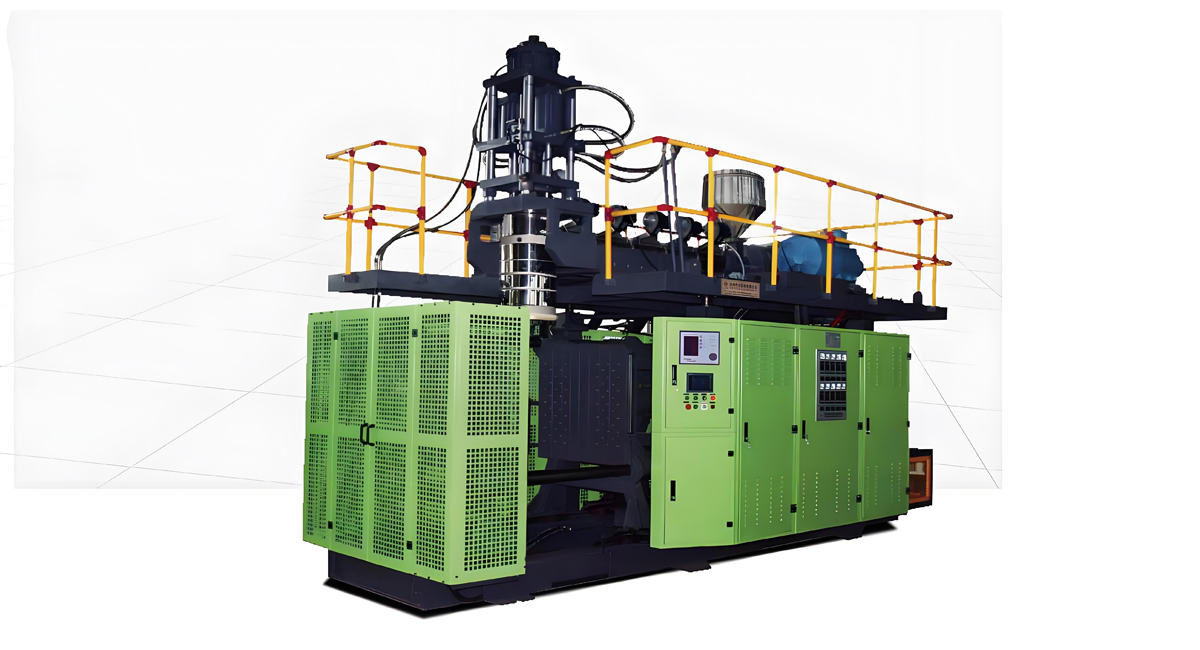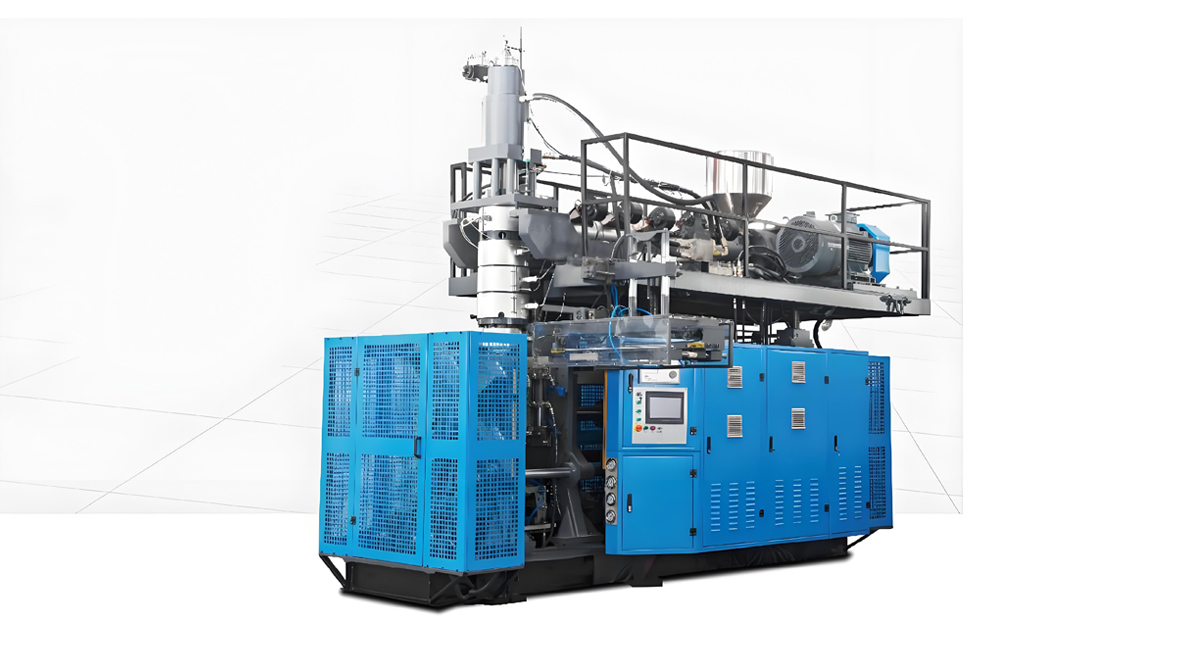

Temperature control represents one of the most critical process parameters in extrusion blow molding, directly influencing material flow properties, parison formation, product quality, and overall production efficiency. Apollo Extrusion Machinery has developed sophisticated temperature control systems that enable precise management of thermal conditions throughout the blow molding process, ensuring consistent production of high-quality plastic containers and bottles. Understanding temperature control principles, system components, and optimization techniques is essential for operators and engineers seeking to maximize product quality and production efficiency on Apollo extrusion blow molding machines.
The importance of temperature control in extrusion blow molding cannot be overstated, as variations of just 2-5 degrees Celsius can significantly impact material behavior, product dimensional accuracy, wall thickness distribution, and overall production efficiency. Apollo’s advanced temperature control systems typically maintain temperature precision within plus or minus 1-2 degrees Celsius across all heating zones, providing the level of control necessary for consistent product quality. Investment in temperature control systems typically represents 8-12% of total machine cost, but the benefits in terms of improved product quality, reduced scrap rates, and increased production efficiency typically generate returns on investment of 30-50% annually through cost savings and productivity gains.
Fundamentals of Temperature Control in Extrusion Blow Molding
Temperature control in extrusion blow molding encompasses multiple thermal management subsystems working together to create optimal processing conditions for specific materials and product requirements. The temperature control system manages heating and cooling functions across the extrusion system, parison formation, mold cooling, and various auxiliary systems. Each thermal zone requires precise control based on material properties, processing requirements, and desired product characteristics.
Material Processing Temperature Ranges
Different plastic materials require specific temperature ranges for optimal processing in extrusion blow molding applications. Polyethylene materials, the most common polymer for blow molding, typically process between 160-220°C depending on the specific grade and application. High-density polyethylene (HDPE) typically processes at 180-220°C, while low-density polyethylene (LDPE) processes at lower temperatures of 160-190°C. Polypropylene requires higher processing temperatures of 190-240°C due to its higher melting point. Understanding these material-specific temperature requirements is fundamental for proper temperature control system setup and operation.
Temperature deviations beyond optimal ranges cause significant processing problems. Temperatures that are too low result in incomplete melting, high viscosity, and increased pressure requirements. This can cause machine overloading, excessive motor loads, and potential damage to extruder components. Temperatures that are too high lead to material degradation, reduced melt strength, and potential thermal degradation of the polymer chain, resulting in weakened products, off-odors, or discoloration. Maintaining temperatures within the optimal range for each material is essential for efficient processing and product quality.
Temperature Distribution Throughout the System
The extrusion blow molding process involves multiple temperature zones that must be properly coordinated to achieve optimal results. The extruder barrel typically features 4-7 heating zones, each operating at progressively higher temperatures from the feed section to the die zone. The die head may feature additional heating zones for precise temperature control at the parison formation point. The mold typically operates at a controlled temperature to regulate cooling rates and optimize product crystallization. Each zone must be maintained at specific temperatures relative to the others to achieve proper material flow, parison formation, and product quality.
Temperature relationships between zones are critical for consistent operation. The temperature profile from the extruder feed section to the die typically increases gradually, with each subsequent zone 5-20°C higher than the previous zone depending on material type and machine design. The die temperature typically matches or slightly exceeds the final extruder zone temperature. The mold temperature is controlled independently and typically ranges from 10-50°C, significantly lower than the melt temperature to enable rapid solidification of the parison. Proper coordination between all temperature zones ensures optimal processing conditions and consistent product quality.
Temperature Effects on Material Properties
Temperature directly influences the rheological properties of molten polymers, affecting viscosity, melt flow index, and elasticity. As temperature increases, polymer viscosity typically decreases according to the Arrhenius relationship, with viscosity reductions of 30-50% achievable for every 10°C temperature increase within the processing range. This viscosity reduction significantly impacts processing characteristics, including pressure requirements, flow patterns, and parison formation. Understanding and controlling these temperature-dependent property changes enables operators to optimize processing conditions for specific products and materials.
Temperature also affects material crystallinity and crystallization rates, particularly in semi-crystalline polymers like polyethylene and polypropylene. Crystallization rates increase with decreasing temperature below the melting point, affecting mold cooling requirements and product mechanical properties. Proper temperature control in the mold cooling system influences the crystalline structure developed in the product, affecting properties such as impact strength, optical clarity, and dimensional stability. Precise temperature management throughout the cooling process ensures optimal product properties and consistent quality.
Apollo Temperature Control System Components
Apollo extrusion blow molding machines feature sophisticated temperature control systems incorporating multiple components working together to achieve precise thermal management. These systems utilize advanced sensor technology, control algorithms, and actuator systems to maintain precise temperature control across all thermal zones. Understanding these system components enables proper operation, maintenance, and troubleshooting of temperature control functions.
Heating Zone Architecture
Apollo machines feature modular heating zone architecture with individually controlled heating elements distributed throughout the extruder barrel and die assembly. Each heating zone typically includes a resistance heating element, temperature sensor, and individual temperature controller configured for that specific zone. The number of heating zones varies by machine size and application, with small machines featuring 4-6 zones and large capacity machines featuring 8-12 or more heating zones. Each zone can be independently controlled to establish optimal temperature profiles for specific materials and products.
Heating elements typically use band heaters mounted on the extruder barrel and cartridge heaters in the die assembly. These heating elements provide rapid heating response and uniform heat distribution across the heated surface. Heating capacity for each zone is sized to achieve desired temperature rise rates, with typical heating capacities ranging from 2-8 kW per zone depending on machine size and zone requirements. The modular architecture enables individual zone replacement if needed, reducing maintenance costs and downtime compared to integrated heating systems.
Temperature Sensing Technology
Apollo machines employ advanced temperature sensing technology including thermocouples and resistance temperature detectors (RTDs) for accurate temperature measurement and control. Temperature sensors are strategically positioned to measure actual process temperatures at critical locations throughout the system. Extruder zones typically feature sensors positioned near the heating element but insulated from direct heating to measure barrel temperature rather than element temperature. Die zones feature sensors positioned close to the melt flow path to measure actual melt temperature. Mold zones include sensors positioned in the mold halves to measure actual mold surface temperature.
Sensor accuracy and response characteristics significantly impact temperature control performance. Apollo machines typically use Type J or Type K thermocouples with accuracy of plus or minus 1-2°C, or platinum RTDs with accuracy of plus or minus 0.5-1°C for higher precision applications. Sensor response times typically range from 0.5-2 seconds, enabling rapid detection and correction of temperature deviations. Regular sensor calibration and verification ensure continued accuracy and control performance, with calibration typically recommended annually for critical applications.
Control Algorithm Architecture
Apollo temperature control systems utilize advanced proportional-integral-derivative (PID) control algorithms that continuously adjust heating power to maintain precise temperature setpoints. The proportional component responds to current temperature error, the integral component addresses accumulated error over time, and the derivative component responds to the rate of temperature change. The PID algorithm parameters are optimized for each zone based on thermal characteristics, heating capacity, and material properties. Advanced control systems may include auto-tuning functions that automatically optimize PID parameters based on actual system response characteristics.
Control algorithm performance directly impacts temperature stability and response time. Well-tuned PID control maintains temperature stability within plus or minus 1-2°C of setpoint under normal operating conditions, with response times typically ranging from 30-120 seconds to recover from temperature disturbances. Control system performance monitoring enables identification of degrading control performance that may indicate sensor problems, heating element degradation, or changes in thermal characteristics. Regular performance verification and parameter optimization ensure continued optimal control performance.
Cooling System Integration
Apollo machines integrate cooling systems for temperature control of both the extrusion system and the mold assembly. Extrusion zone cooling may include air cooling fans or water cooling jackets that provide controlled cooling capacity to prevent overheating during high-speed operation. Mold cooling systems include integrated cooling channels in the mold halves connected to temperature-controlled water circulation systems. These cooling systems are integrated with the overall temperature control architecture to coordinate heating and cooling functions and maintain optimal thermal balance throughout the system.
Cooling capacity must be properly sized for the application, with typical cooling capacity requirements ranging from 5-30 kW for mold cooling depending on product size, wall thickness, and production speed. Water cooling systems typically maintain water temperature within 2-5°C of setpoint, with flow rates of 5-30 gallons per minute depending on machine size and cooling requirements. Properly sized and maintained cooling systems enable consistent product quality, rapid cycle times, and stable operation even under demanding production conditions.
Extruder Temperature Control Optimization
Optimizing extruder temperature control is essential for achieving consistent material processing, parison formation, and product quality. The extruder temperature profile significantly influences material melting, homogenization, and melt properties at the parison formation point. Apollo machines provide the flexibility to establish optimal temperature profiles for various materials and products, enabling production of diverse product types with consistent quality.
Barrel Temperature Profile Setup
Establishing optimal barrel temperature profiles requires understanding material behavior, processing requirements, and desired product characteristics. The temperature profile typically starts relatively cool in the feed zone to facilitate solid material conveyance and gradual temperature increase in subsequent zones to progressively melt the material. For polyethylene materials, a typical temperature profile might set the feed zone at 160-180°C, middle zones at 180-200°C, and final zones at 200-220°C. The exact profile depends on specific material grade, screw design, and processing requirements.
Temperature profile optimization involves systematic adjustment of zone temperatures while monitoring processing characteristics and product quality. Indicators of proper temperature profile include consistent motor current draw, stable pressure readings, uniform melt temperature, and consistent product quality. Symptoms of improper temperature profile include motor overload or underload, pressure fluctuations, melt temperature variations, and product quality problems such as inconsistent wall thickness or visible defects. Systematic adjustment typically involves changing one zone at a time while monitoring effects, allowing precise optimization of the temperature profile.
Melt Temperature Measurement
Melt temperature measurement provides critical information about the actual temperature of the polymer as it exits the extruder and enters the die. While barrel zone temperatures provide information about heating element temperatures, melt temperature represents the actual polymer temperature and is influenced by shear heating effects in addition to conductive heating from barrel zones. Apollo machines typically include melt temperature measurement using thermocouples or infrared sensors positioned in the die or adapter assembly.
Melt temperature should be monitored and maintained within specified ranges for optimal processing. For polyethylene materials, typical melt temperature ranges are 190-230°C, depending on material grade and processing requirements. Deviations beyond these ranges indicate temperature profile problems or processing issues that may require adjustment. Melt temperature variations greater than plus or minus 3°C typically indicate control problems or process instability that should be addressed to maintain consistent product quality. Regular melt temperature monitoring enables early detection of developing problems and facilitates timely corrective action.
Screw Speed and Temperature Interaction
Screw speed significantly influences thermal conditions in the extruder through shear heating effects. As screw speed increases, shear heating increases melt temperature, potentially causing temperature to rise beyond setpoint values. Conversely, at low screw speeds, conductive heating from barrel zones provides the primary heat input. Understanding this interaction enables operators to optimize both temperature and speed parameters for consistent processing.
For high-speed operation, temperature setpoints may need to be reduced to compensate for increased shear heating. For example, increasing screw speed by 20% may require reducing zone temperatures by 5-10°C to maintain melt temperature within optimal range. Similarly, material changes with different thermal properties may require adjustments to both temperature and speed parameters. Apollo machines provide the flexibility to independently control both temperature profiles and screw speed, enabling optimization for diverse processing conditions and materials.
Material Changeover Temperature Considerations
Temperature management during material changeover is critical for efficient operation and quality control. When switching between different materials or material grades, the extruder temperature profile must be adjusted to match the processing requirements of the new material. Rapid temperature change capability reduces changeover time and increases production availability. Apollo machines feature heating capacity designed for rapid temperature changes, with typical heat-up rates of 3-8°C per minute depending on machine size and zone capacity.
During material changeover, temperatures should be adjusted gradually to avoid thermal shock to system components. Rapid temperature changes can cause stress on heating elements, sensors, and mechanical components. Typically, temperature changes should be limited to 20-30°C per minute to protect system components and ensure uniform temperature distribution. Proper changeover procedures including purging of the old material and gradual temperature adjustment minimize downtime and ensure first-quality production on the new material.
Die Temperature Control
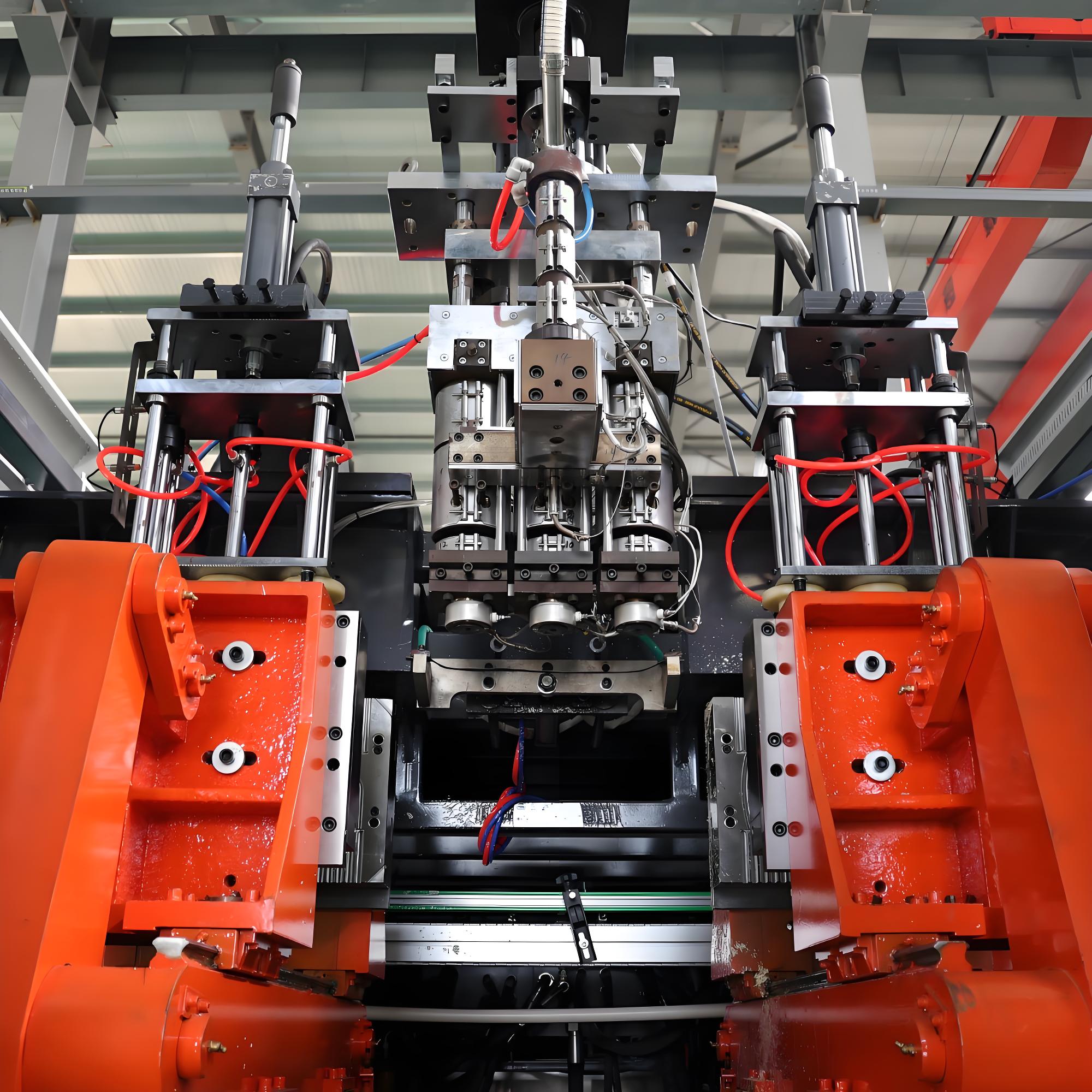
Die temperature control is critical for parison formation and wall thickness distribution. The die represents the final control point for material temperature before parison formation, making precise die temperature control essential for consistent product quality. Apollo machines feature advanced die temperature control capabilities that enable precise management of thermal conditions at the parison formation point.
Die Heating Zone Configuration
Die heating zones provide controlled heating of the die assembly to regulate melt temperature and viscosity at the parison formation point. Die heating typically includes multiple zones to enable temperature profile control across the die, with zones often arranged in radial or axial patterns depending on die design. For simple dies, a single heating zone may suffice, while complex dies may feature 4-8 or more independent heating zones. Each zone can be individually controlled to establish temperature profiles that optimize parison formation characteristics.
Die heating zones typically use band heaters mounted around the die body, with heating capacity ranging from 1-5 kW per zone depending on die size and application. Precise temperature control at the die requires careful thermal management to minimize temperature gradients and ensure uniform melt temperature across the parison circumference. Temperature variations greater than 3-5°C around the die circumference can cause non-uniform parison formation, resulting in wall thickness variations and product quality problems. Apollo’s die temperature control systems achieve uniformity within 2-3°C across the die circumference, ensuring consistent parison formation.
Die Temperature Profile Optimization
Optimizing die temperature profiles enables control of parison formation characteristics including parison swell, drawdown, and wall thickness distribution. Different materials and products require different die temperature profiles to achieve optimal results. For standard applications, uniform die temperature across all zones typically provides adequate results. For applications requiring special wall thickness distribution or handling material with particular flow characteristics, non-uniform temperature profiles can be established to influence parison behavior.
Die temperature profile optimization typically involves adjusting individual zone temperatures while monitoring parison formation characteristics and product wall thickness distribution. Increasing temperature in specific zones can increase melt flow and parison thickness in those regions, while decreasing temperature has the opposite effect. Systematic adjustment of die temperature profiles enables correction of wall thickness variations and optimization for specific product requirements. This capability is particularly valuable for products with complex shapes or where tight wall thickness tolerances are required.
Die Temperature Stability Requirements
Die temperature stability is critical for consistent parison formation and product quality. Temperature fluctuations at the die cause variations in melt viscosity, resulting in parison thickness variations and product wall thickness inconsistencies. Apollo die temperature control systems maintain stability within plus or minus 1-2°C under normal operating conditions, providing the precision necessary for consistent production. Maintaining this level of stability requires properly tuned control systems, adequate heating capacity, and protection from external disturbances.
External factors that can affect die temperature stability include ambient temperature variations, air movement around the machine, and changes in cooling water temperature if water cooling is used. Apollo machines feature thermal insulation around die assemblies to minimize the impact of ambient temperature variations. Shielding from air currents and maintaining consistent ambient conditions in the production area further enhance temperature stability. For particularly sensitive applications, environmental control systems may be employed to maintain stable ambient conditions.
Die Temperature Response to Production Changes
Die temperature must respond appropriately to changes in production speed, material properties, and product requirements. When production speed increases, the increased material flow rate may require temperature adjustments to maintain optimal melt conditions. Material property variations, even within the same material grade specification, can require temperature adjustments to maintain consistent processing. Apollo temperature control systems provide the responsiveness needed to adapt to production changes while maintaining stability.
Rapid response to production changes minimizes quality transitions during speed changes or material adjustments. Apollo die temperature control systems feature response times typically ranging from 30-90 seconds to achieve stable conditions after setpoint changes. This rapid response enables efficient production changes while minimizing scrap and transition products. For operators, understanding how production changes affect die temperature requirements enables proactive adjustment to maintain optimal conditions and minimize quality problems during transitions.
Mold Temperature Control
Mold temperature control significantly influences cooling rates, product crystallinity, dimensional stability, and overall production efficiency. Apollo machines provide sophisticated mold temperature control capabilities that enable optimization of cooling processes for various materials and product types. Proper mold temperature control reduces cycle times, improves product quality, and increases production efficiency.
Mold Cooling System Design
Mold cooling systems consist of cooling channels integrated into the mold halves connected to temperature-controlled water circulation systems. Cooling channel design, including layout, diameter, and flow patterns, significantly impacts cooling efficiency and temperature uniformity. Apollo molds feature optimized cooling channel designs that maximize cooling efficiency while ensuring uniform temperature distribution across the mold surface. Cooling channel diameters typically range from 8-15mm, with spacing designed to provide uniform cooling across the mold surface.
Cooling water flow rate and temperature distribution significantly impact cooling performance. Apollo mold temperature control systems typically maintain water flow rates of 5-30 gallons per minute per mold half depending on product size and cooling requirements, with temperature control maintaining water temperature within 2-5°C of setpoint. Proper flow distribution ensures uniform cooling across the mold surface, while precise temperature control enables optimization of cooling rates for specific material requirements. Cooling capacity should be properly sized for the application, with insufficient capacity causing longer cycle times, while excessive capacity provides diminishing returns at increased cost.
Mold Temperature Setpoint Optimization
Optimizing mold temperature setpoints involves balancing cooling speed against product quality requirements. Lower mold temperatures increase cooling rates, reducing cycle times and increasing production capacity. However, excessively low temperatures can cause uneven cooling, internal stresses, and reduced product clarity. Higher mold temperatures provide more uniform cooling and improved product properties but increase cycle times. The optimal mold temperature varies by material, product design, and quality requirements.
For polyethylene products, typical mold temperatures range from 10-30°C, with lower temperatures used for faster cooling and higher temperatures used for products requiring improved clarity or specific mechanical properties. Systematic optimization of mold temperature involves testing different setpoints while monitoring product quality and cycle times. Each material and product has an optimal mold temperature range that provides the best balance between quality and productivity. Apollo’s precise mold temperature control enables finding and maintaining these optimal conditions.
Mold Temperature Uniformity
Mold temperature uniformity across the mold surface is critical for consistent product quality and dimensional accuracy. Temperature variations greater than 5-10°C across the mold surface can cause non-uniform cooling, resulting in warpage, uneven shrinkage, and dimensional variations. Apollo mold cooling systems achieve temperature uniformity within 3-5°C across the mold surface through optimized cooling channel design and controlled water flow distribution.
Ensuring mold temperature uniformity requires proper cooling channel maintenance, including regular cleaning to prevent scale buildup that can restrict flow and cause temperature variations. Water treatment systems to prevent scale and corrosion help maintain cooling efficiency over time. Regular monitoring of mold surface temperature using infrared thermometry or embedded sensors enables detection of developing uniformity problems that may indicate channel blockage or flow distribution issues.
Cooling Time Optimization
Cooling time typically represents the largest component of total cycle time in extrusion blow molding, making cooling time optimization critical for production efficiency. Mold temperature significantly influences cooling time, with proper mold temperature control enabling minimization of cooling time while maintaining product quality. Apollo machines provide the control capabilities needed to optimize cooling times for various products and materials.
Cooling time requirements depend on material properties, product wall thickness, and desired product characteristics. For polyethylene products with 1-2mm wall thickness, cooling times typically range from 3-8 seconds depending on mold temperature and cooling efficiency. Systematic reduction of cooling time while monitoring product quality enables finding the minimum acceptable cooling time for each product. Each second of cooling time reduction represents approximately 10-20% capacity increase for products with 5-10 second cycle times, making cooling optimization highly valuable for production efficiency.
Temperature Control System Maintenance
Proper maintenance of temperature control systems ensures continued precise temperature control and reliable operation. Preventive maintenance of heating elements, sensors, controllers, and cooling systems prevents degradation of temperature control performance and extends system life. Regular maintenance activities also enable early detection of developing problems before they cause production issues.
Heating Element Maintenance
Heating element maintenance includes regular inspection for physical damage, measurement of resistance values, and verification of proper mounting and thermal contact with heated surfaces. Resistance measurements should be compared to original specifications, with deviations greater than plus or minus 10% indicating potential element degradation. Heating element connections should be checked for tightness and security, as loose connections cause resistance increases and potential overheating. Heating elements showing signs of degradation should be replaced to prevent failure and maintain precise temperature control.
Heating element replacement typically costs $200-800 per element depending on size and type, with complete machine heating system replacement costing $5,000-20,000 depending on machine size. Preventive maintenance including regular inspection and early replacement of degrading elements prevents production downtime and emergency repair situations. Heating element life typically ranges from 3-5 years with proper maintenance, though this varies based on operating conditions and duty cycle.
Temperature Sensor Maintenance
Temperature sensor maintenance includes regular calibration verification, inspection for physical damage, and replacement of sensors showing accuracy drift or physical damage. Calibration verification should be performed annually or whenever temperature control performance degrades. Sensors showing accuracy deviations greater than plus or minus 2°C from reference should be recalibrated or replaced. Physical inspection should check for proper mounting, thermal contact, and absence of mechanical damage.
Temperature sensor replacement typically costs $100-500 per sensor depending on type and mounting requirements, with complete machine sensor replacement costing $2,000-8,000 depending on machine size and sensor count. Preventive maintenance including regular calibration and timely replacement ensures continued accurate temperature measurement and precise control performance. Sensor life typically ranges from 5-8 years with proper maintenance, though exposure to extreme conditions can reduce service life.
Control System Maintenance
Control system maintenance includes verification of PID parameter settings, calibration verification of output signals, and cleaning of controller enclosures to prevent overheating. PID parameters should be periodically verified and adjusted if control performance degrades. Output signal calibration ensures that the control signals to heating elements and cooling valves remain accurate. Controller enclosures should be kept clean and ventilation maintained to prevent electronic component overheating.
Control system upgrades may be considered if capabilities become outdated or if enhanced functionality is desired. Control system upgrades typically cost $3,000-15,000 depending on system capabilities and machine size. Upgraded control systems often provide improved temperature control algorithms, enhanced monitoring capabilities, and integration with plant control systems. The investment in control system upgrades typically achieves payback within 2-4 years through improved performance and reduced downtime.
Cooling System Maintenance
Cooling system maintenance includes regular cleaning of cooling channels, water treatment to prevent scale and corrosion, pump maintenance, and inspection of connections and seals. Mold cooling channels should be cleaned periodically to remove scale and deposits that restrict flow and reduce cooling efficiency. Water treatment systems should be maintained according to manufacturer recommendations to prevent scale formation and corrosion. Cooling pumps should be inspected regularly for proper operation, lubrication, and bearing condition. Connections and seals should be checked for leaks and replaced as needed.
Cooling system maintenance typically costs $500-2,000 annually depending on system size and water treatment requirements. Proper maintenance prevents efficiency degradation and extends cooling system life, which typically ranges from 8-12 years with proper maintenance. Cooling system problems can cause significant production losses due to increased cycle times or quality problems, making preventive maintenance highly cost-effective.
Troubleshooting Temperature Control Problems
Effective troubleshooting of temperature control problems requires systematic diagnosis and understanding of system interactions and interdependencies. Apollo machines provide diagnostic capabilities and monitoring functions that assist in identifying and resolving temperature control issues. Understanding common temperature control problems and their causes enables rapid resolution and minimization of production downtime.
Temperature Instability
Temperature instability, characterized by oscillations or erratic temperature behavior, typically indicates control system problems, sensor issues, or external disturbances. Control system problems may include improperly tuned PID parameters, controller malfunction, or output signal problems. Sensor issues may include intermittent connections, sensor degradation, or electromagnetic interference. External disturbances may include ambient temperature variations, air movement, or cooling water temperature fluctuations.
Systematic troubleshooting begins with verifying sensor accuracy using reference measurements, checking control parameter settings, and identifying potential external disturbances. PID parameter retuning often resolves control stability issues. Sensor replacement may be necessary if accuracy problems are identified. Eliminating external disturbances through thermal insulation or environmental control enhances temperature stability. Temperature instability greater than plus or minus 3°C typically requires prompt attention to prevent quality problems.
Temperature Control Drift
Temperature control drift, characterized by gradual temperature deviation from setpoint over time, typically indicates heating element degradation, sensor drift, or changes in thermal characteristics. Heating elements gradually lose efficiency over time, requiring increased controller output to maintain temperature. Sensors may develop calibration drift, causing inaccurate temperature measurement. Changes in thermal characteristics may include scale buildup in cooling channels or changes in ambient conditions.
Troubleshooting involves comparing current control parameters to baseline values, measuring heating element resistance, and verifying sensor calibration. Gradual increases in controller output with stable temperatures may indicate heating element degradation. Resistance measurements outside specification indicate element replacement is needed. Sensor calibration verification identifies sensors requiring recalibration or replacement. Systematic maintenance prevents drift problems and maintains optimal control performance.
Zone-to-Zone Temperature Variations
Excessive temperature variations between zones can cause uneven material processing and product quality problems. Variations greater than 10°C between adjacent zones typically indicate problems requiring investigation. Causes may include uneven heating capacity, sensor calibration issues, or differences in thermal loading between zones. Zone interactions, where changes in one zone affect adjacent zones, may also contribute to variations.
Troubleshooting involves comparing heating element capacity between zones, verifying sensor calibration, and examining zone interaction patterns. Heating capacity differences may require adjustment or element replacement. Sensor calibration corrections may reduce apparent temperature variations. Understanding zone interactions enables proper profile setup that accounts for thermal coupling between zones. Proper zone setup and balanced heating capacity minimizes problematic variations.
Temperature Response Problems
Slow temperature response to setpoint changes or disturbances indicates problems with heating capacity, control system performance, or thermal mass issues. Slow response increases changeover times and reduces production efficiency. Causes may include degraded heating elements, undersized heating capacity, control algorithm problems, or excessive thermal mass.
Troubleshooting involves measuring heating element output, verifying control parameters, and assessing thermal characteristics. Heating element capacity verification identifies degraded elements requiring replacement. Control parameter optimization may improve response time. Assessment of thermal characteristics may reveal opportunities for insulation improvements or thermal mass reduction. Maintaining adequate heating capacity and control system performance ensures rapid temperature response and efficient operation.
Economic Impact of Temperature Control
The economic impact of temperature control encompasses both direct costs of temperature control systems and indirect benefits through improved product quality, reduced scrap, and increased production efficiency. Understanding the economic aspects of temperature control enables informed decisions about system investments, maintenance priorities, and optimization efforts.
Temperature Control System Costs
Temperature control system costs vary by machine size, control precision requirements, and included capabilities. For standard Apollo machines, temperature control systems typically cost $8,000-25,000 depending on machine size and control sophistication. This includes heating elements, sensors, controllers, and basic cooling system controls. Advanced temperature control capabilities including multi-zone die control, advanced mold temperature control, or integrated cooling water temperature control may add $5,000-20,000 to system cost depending on capabilities.
The investment in temperature control represents 8-12% of total machine cost for standard systems and up to 15-20% for advanced systems with extensive control capabilities. This investment provides returns through improved product quality, reduced scrap, and increased production efficiency. Payback periods for temperature control investments typically range from 12-24 months through operational benefits, making temperature control an excellent investment for most applications.
Quality and Scrap Rate Reduction
Precise temperature control reduces scrap rates and improves product quality consistency. Temperature-related scrap typically accounts for 30-50% of total scrap in extrusion blow molding operations. Implementing improved temperature control can reduce scrap rates by 40-60%, representing substantial cost savings. For a machine producing 5,000,000 units annually with a 3% scrap rate, temperature-related scrap might amount to 75,000 units. With material cost of $0.03 per unit, this represents $2,250 in material loss annually. A 50% reduction through improved temperature control saves $1,125 annually, while additional benefits come from reduced rework and customer returns.
For machines processing more valuable materials or products with higher scrap rates, the savings are proportionally larger. Machines producing specialty products with $0.10 material cost and 5% scrap rate might have annual material scrap costs of $25,000, with temperature control improvements saving $12,500 annually. These savings typically exceed the additional investment in improved temperature control within 1-2 years, providing excellent returns.
Production Efficiency Gains
Temperature optimization enables production efficiency gains through reduced cycle times, faster changeovers, and increased operational stability. Cycle time reductions of 5-15% are achievable through proper temperature optimization, particularly through mold temperature optimization and improved thermal management. For a machine with 6-second cycle times, reducing to 5.4 seconds represents a 10% cycle time reduction, increasing capacity by 10% without additional capital investment. This increased capacity generates additional production value of $50,000-200,000 annually depending on product value and market conditions.
Changeover time reductions through improved temperature change capability also contribute to production efficiency gains. Faster temperature changes reduce changeover times, increasing available production time. For machines with frequent changeovers, reduction of changeover time by 30-60 minutes per changeover can recover 25-100 hours of production time annually, representing additional production capacity of 250,000-1,000,000 units depending on machine capacity. The economic value of this additional production typically exceeds the investment in improved temperature change capability within 6-12 months.
Energy Consumption Optimization
Proper temperature control optimizes energy consumption by maintaining temperatures at optimal levels rather than excessive settings. Overheating by just 5-10°C can increase energy consumption by 3-8%, representing substantial unnecessary cost. For a machine with annual energy costs of $30,000-80,000, a 5% reduction saves $1,500-4,000 annually. Temperature control optimization through proper setpoint establishment and maintenance of control performance generates these energy savings continuously throughout equipment operation.
Advanced temperature control capabilities including optimized cooling system control and thermal insulation can provide additional energy savings of 5-10%. These advanced features typically add $3,000-10,000 to system cost but achieve payback within 1-3 years through energy savings alone. The economic case for energy-efficient temperature control is compelling, particularly in regions with high energy costs or for machines operating multiple shifts.
Advanced Temperature Control Strategies
Advanced temperature control strategies leverage technology and process knowledge to achieve superior performance beyond basic temperature control requirements. These strategies include predictive control, adaptive algorithms, process optimization, and integration with overall production systems. Apollo machines provide capabilities for implementing advanced temperature control strategies that push the boundaries of what is achievable in thermal management.
Predictive Temperature Control
Predictive temperature control uses process models and predictive algorithms to anticipate temperature changes and proactively adjust control actions. Rather than responding to temperature deviations after they occur, predictive control anticipates disturbances and makes pre-emptive adjustments. This approach reduces temperature fluctuations and improves stability beyond what reactive PID control can achieve. Predictive control typically reduces temperature variation by 30-50% compared to optimized PID control.
Implementing predictive control requires process modeling and advanced control software, typically adding $5,000-15,000 to control system cost. However, the improved control performance provides benefits including improved product quality, reduced scrap, and enhanced process stability. For high-value applications or processes with tight quality tolerances, predictive control provides substantial value through consistent high-quality production and reduced quality costs.
Adaptive Temperature Control
Adaptive temperature control continuously adjusts control parameters based on changing process conditions, materials, or products. Rather than fixed control parameters, adaptive algorithms learn from process behavior and optimize control performance automatically. This capability is particularly valuable for machines processing multiple materials or products with varying requirements. Adaptive control eliminates the need for manual parameter adjustment when changing operating conditions.
Adaptive control capabilities typically add $3,000-10,000 to control system cost but provide substantial benefits in operational flexibility and reduced need for operator intervention. For machines with frequent material or product changes, adaptive control reduces changeover time and ensures optimal control performance for all operating conditions. The investment in adaptive control typically achieves payback within 1-2 years through reduced changeover time and improved operational flexibility.
Integrated Process Optimization
Integrated process optimization coordinates temperature control with other process parameters including screw speed, pressure, and machine timing to achieve optimal overall performance. Rather than optimizing temperature in isolation, integrated optimization considers the entire process and finds the optimal combination of parameters. This approach can achieve results that are not possible through parameter optimization in isolation.
Integrated process optimization typically requires advanced control systems with modeling capabilities and operator input on quality and productivity objectives. The investment in integrated optimization capabilities ranges from $5,000-20,000 depending on system complexity and integration requirements. However, the benefits in terms of overall process optimization, quality improvement, and efficiency gains typically provide returns of 25-50% on investment annually, making integrated optimization highly valuable for most applications.
Conclusion
Temperature control represents a fundamental aspect of extrusion blow molding that significantly impacts product quality, production efficiency, and economic performance. Apollo Extrusion Machinery’s advanced temperature control systems provide the precision, stability, and flexibility needed for consistent production of high-quality plastic containers and bottles. Understanding temperature control principles, system components, and optimization strategies enables operators and engineers to maximize the value of their equipment investment.
The investment in sophisticated temperature control systems typically represents 8-15% of total machine cost but provides returns through multiple pathways including improved quality, reduced scrap, increased efficiency, and energy optimization. Payback periods for temperature control investments typically range from 12-24 months, making temperature control an excellent investment for virtually all extrusion blow molding applications.
Proper maintenance of temperature control systems ensures continued optimal performance and prevents degradation that can cause quality problems and efficiency losses. Regular preventive maintenance, calibration verification, and timely replacement of degraded components maintains temperature control precision and reliability throughout equipment service life.
As extrusion blow molding technology continues to advance, temperature control capabilities will continue to evolve, providing even greater precision, integration, and optimization opportunities. Apollo’s commitment to technological advancement ensures that its machines incorporate the latest temperature control innovations, providing customers with competitive advantages in quality, efficiency, and operational excellence. Mastery of temperature control principles and practices remains essential for operators and engineers seeking to maximize the potential of their extrusion blow molding equipment.