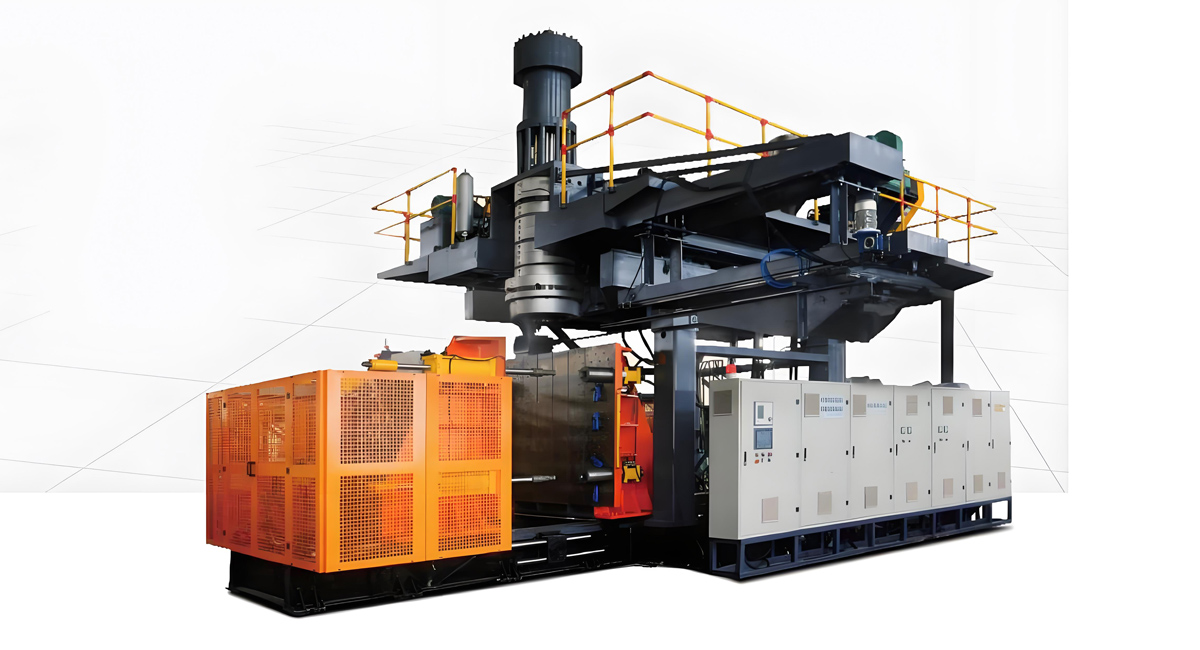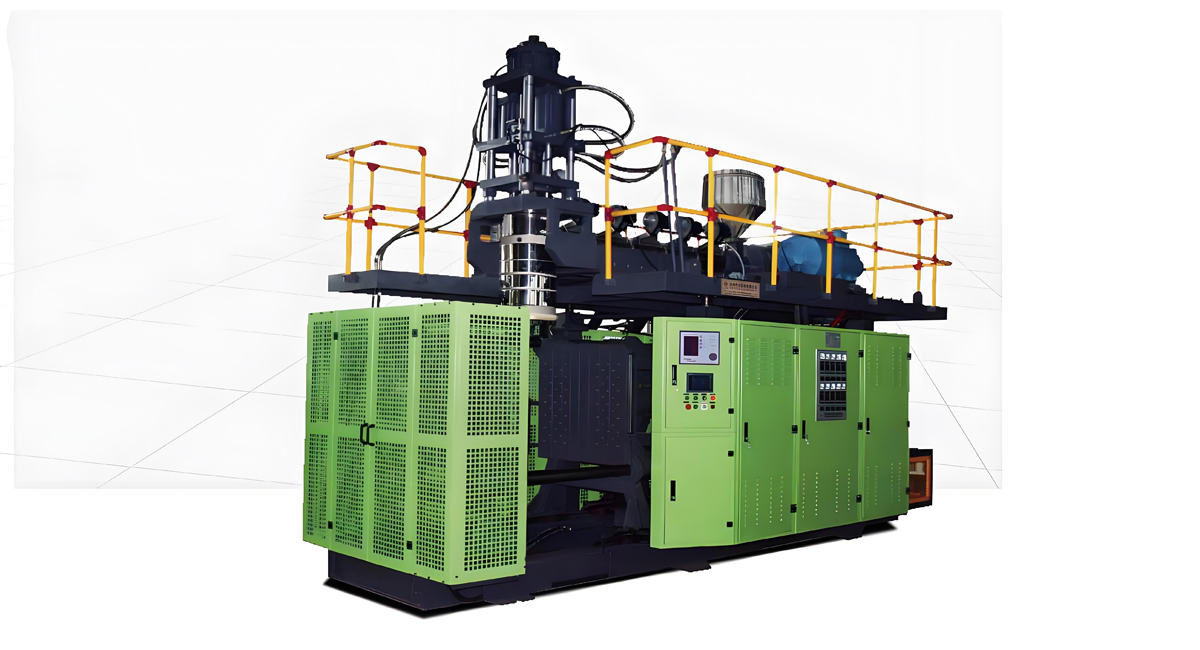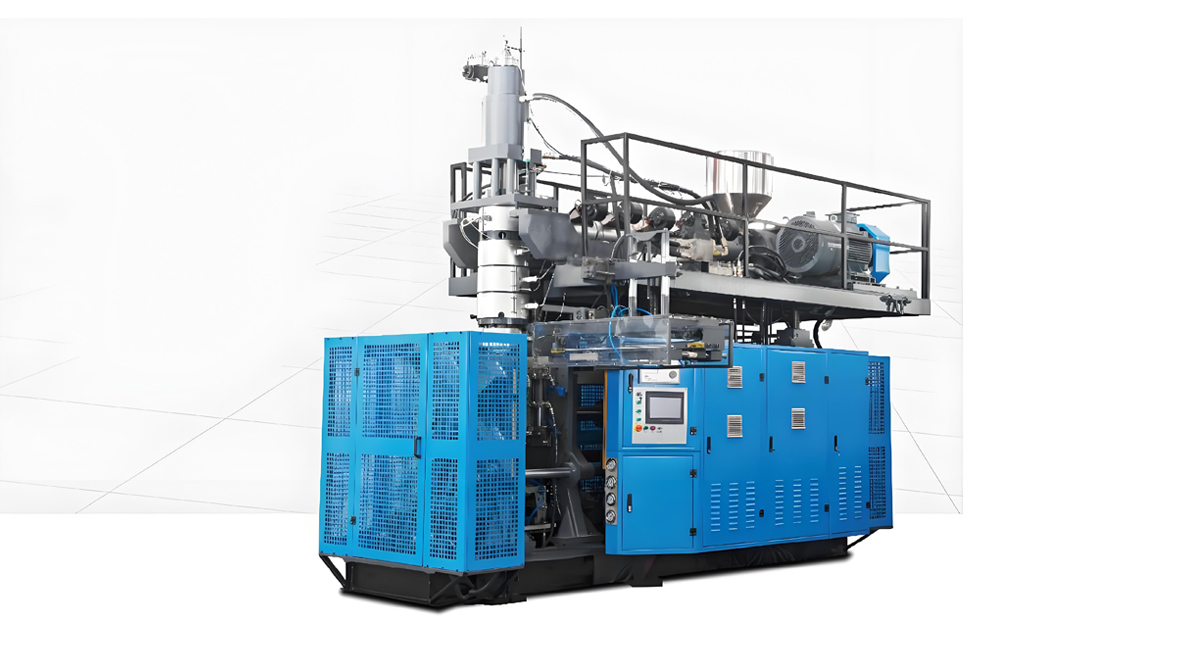
Introduction to Equipment Longevity
Extending the lifespan of extrusion blow molding machines represents a critical objective for manufacturers seeking to maximize return on investment and ensure consistent production quality. China-made extrusion blow molding machines offer excellent value through competitive pricing and advanced technology, but their longevity depends heavily on proper maintenance, operation practices, and preventive measures. Implementing comprehensive maintenance programs and following best practices can significantly extend service life, reduce total cost of ownership, and maintain production efficiency throughout the equipment lifecycle.
The typical lifespan of well-maintained extrusion blow molding machines ranges from 15 to 25 years, depending on usage intensity, material types processed, and maintenance quality. Machines that receive proper care and maintenance can continue operating efficiently beyond 25 years with appropriate component upgrades. However, equipment that lacks proper maintenance may experience premature failure, reduced productivity, and increased operating costs well before reaching expected service life. Understanding and implementing proper maintenance practices is essential for maximizing equipment value.
Apollo Extrusion Blow Molding Machines are manufactured to high quality standards with robust components designed for long service life. However, even the highest quality equipment requires regular maintenance and proper operation to achieve maximum longevity. Apollo provides comprehensive maintenance guidelines and support services to help customers extend the service life of their equipment. The company’s commitment to customer success includes providing the knowledge and resources needed to maintain equipment in optimal condition throughout its operational life.
Preventive Maintenance Programs
Preventive maintenance programs form the foundation of equipment longevity, addressing potential issues before they cause failures or production disruptions. Effective preventive maintenance programs include regular inspections, scheduled component replacements, lubrication schedules, and system calibrations. These programs should be documented and followed systematically to ensure comprehensive coverage of all maintenance requirements. Investment in preventive maintenance pays dividends through extended equipment life, reduced downtime, and lower overall maintenance costs.
Daily maintenance routines should include visual inspections, lubrication of moving parts, cleaning of critical areas, and monitoring of operating parameters. Visual inspections should check for leaks, unusual vibrations, abnormal sounds, or other indicators of developing problems. Critical lubrication points should be addressed according to manufacturer recommendations to prevent premature wear. Cleaning of material contact surfaces prevents contamination and ensures consistent product quality. Monitoring of operating parameters including temperatures, pressures, and amperage draws enables early detection of developing issues.
Weekly maintenance activities should include more comprehensive inspections, cleaning of less accessible areas, and verification of calibration accuracy. These activities provide opportunity to address issues that may not be immediately apparent during daily routines. Weekly inspections should include examination of electrical connections, pneumatic systems, and hydraulic systems for signs of wear or deterioration. Calibration verification for temperature and pressure sensors ensures accurate process control and early detection of sensor drift that could affect product quality.
Monthly maintenance should include thorough inspection and testing of all major systems. Monthly activities should include inspection of screw and barrel condition, evaluation of clamp system wear, testing of safety systems, and comprehensive system diagnostics. These more extensive inspections provide opportunity to identify developing issues that may not be apparent during shorter-interval inspections. Documentation of monthly inspection results facilitates trend analysis and prediction of maintenance needs.
Component Inspection and Replacement
Systematic inspection and timely replacement of critical components prevents catastrophic failures and extends overall equipment life. Key components requiring regular inspection include extruder screws and barrels, die heads, clamp systems, and control system components. Each component has characteristic wear patterns and replacement intervals that should be monitored and managed proactively. Understanding component lifecycles enables planning of replacements before failures occur, minimizing production disruptions.
Extruder screws and barrels represent major wear components that significantly affect processing performance and energy efficiency. Screws should be inspected regularly for wear patterns, damage, or coating deterioration. Barrel wear should be monitored for dimensional accuracy and surface condition. Typical screw life ranges from 3 to 7 years depending on materials processed and operating conditions. Barrel life typically ranges from 5 to 10 years. Replacement intervals should be adjusted based on processing of abrasive materials or high-wear conditions. Apollo provides replacement screws and barrels designed to match original specifications.
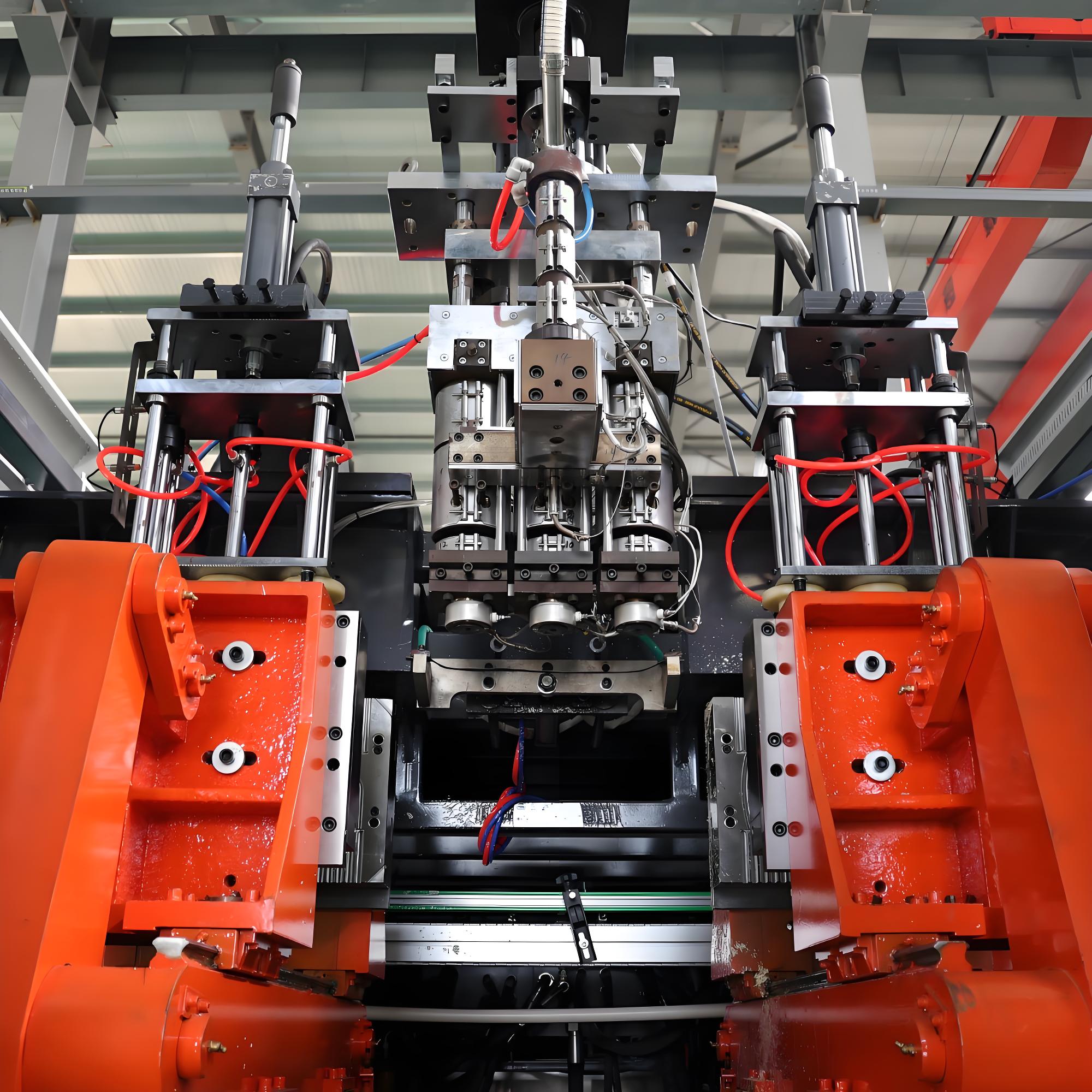
Die heads and related components including flow channels and heaters require regular inspection and maintenance. Die surfaces should be inspected for wear, damage, or deposits that affect parison quality. Heater elements should be tested for proper operation and replaced if showing signs of deterioration. Die head gaskets and seals should be inspected and replaced on regular intervals to prevent leaks. Die components typically require inspection and potential replacement every 2 to 4 years depending on processing conditions and materials used.
Clamp systems including tie bars, platens, and locking mechanisms should be inspected for wear, proper alignment, and structural integrity. Tie bars should be checked for wear threads and proper lubrication. Platens should be inspected for parallelism and surface condition. Locking mechanisms require inspection for wear and proper operation. Clamp system components typically have service lives ranging from 5 to 15 years depending on maintenance quality and operating conditions. Regular inspection and preventive replacement prevent catastrophic clamp failures.
Lubrication and Wear Prevention
Proper lubrication represents one of the most important maintenance practices for extending equipment life. Adequate lubrication reduces friction between moving parts, prevents wear, protects against corrosion, and dissipates heat. Lubrication requirements vary by component and operating conditions, but should follow manufacturer recommendations consistently. Using appropriate lubricants and maintaining lubrication schedules significantly extends component life and reduces maintenance costs.
Extruder gearboxes require specific high-quality gear oils designed for high-load, high-temperature operation. Gearbox oil should be changed according to manufacturer recommendations, typically every 6 to 12 months depending on operating conditions. Oil analysis programs can monitor oil condition and determine appropriate change intervals. Using incorrect lubricants or extending change intervals beyond recommendations can significantly reduce gearbox life and cause premature failure. Gearboxes represent major components where proper lubrication has substantial impact on overall equipment life.
Clamp system lubrication includes tie bar threads, bushings, and other moving components requiring appropriate greases or oils. Tie bar threads should be lubricated regularly to prevent galling and ensure smooth operation. Bushings require appropriate lubrication to prevent metal-to-metal contact and wear. The specific lubricants should be selected based on operating conditions and load requirements. Clamp system lubrication typically requires attention on weekly to monthly intervals depending on usage intensity.
Guide systems including linear bearings, guide rods, and bushings require appropriate lubrication to prevent wear and ensure smooth operation. Linear bearings may use greases or oil lubricants depending on design and operating conditions. Guide rods require lubrication of contact surfaces with appropriate lubricants. Bushings may require periodic relubrication depending on design and usage. Guide system lubrication intervals typically range from weekly to monthly based on usage intensity and operating conditions.
Electrical System Maintenance
Electrical systems require regular maintenance to ensure reliable operation and prevent failures that could affect safety or production continuity. Electrical maintenance activities should include inspection of connections, testing of components, verification of protective systems, and cleaning of electrical enclosures. Electrical failures can be particularly disruptive as they often require specialized expertise and replacement components. Regular electrical maintenance prevents unexpected failures and extends component life.
Electrical connection inspections should check for proper torque, signs of overheating, corrosion, or loose connections. High-current connections including motor leads, heater connections, and main power connections require particular attention. Connection torque should be verified according to manufacturer specifications. Signs of overheating including discoloration or insulation deterioration indicate connection problems requiring correction. Regular connection inspection prevents overheating failures and extends component life.
Heater element testing should verify proper operation and resistance values within specifications. Failed or degraded heater elements should be replaced promptly to prevent processing problems. Heater element life typically ranges from 2 to 5 years depending on operating conditions and cycling frequency. Regular testing and preventive replacement prevent heater failures during production and maintain consistent process control. Heater replacement costs are relatively small compared to potential production losses from failures.
Protective system testing including emergency stops, safety interlocks, and overload protection should be performed regularly to ensure proper operation. These systems protect equipment and personnel from unsafe conditions or equipment damage. Testing should simulate fault conditions to verify proper system response. Safety system failures compromise protection and must be corrected immediately. Regular testing ensures that protective systems will function as designed when needed.
Control System Maintenance
Control systems including PLCs, HMIs, sensors, and actuators require regular maintenance to ensure accurate operation and prevent failures that affect product quality or production efficiency. Control system maintenance should include backup of programs, verification of calibration accuracy, inspection of wiring and connections, and testing of system functions. Control system failures can be particularly disruptive as they often require specialized technical support.
Temperature and pressure sensor calibration should be verified regularly to ensure accurate process control. Sensors drift over time and require periodic recalibration to maintain accuracy. Calibration intervals depend on sensor type and criticality to process quality. Critical sensors may require monthly calibration, while less critical sensors may only require annual verification. Accurate sensor calibration is essential for maintaining product quality and preventing process variations.
PLC program backups should be performed regularly and stored in secure locations. Program changes should be documented and archived to enable recovery if needed. Regular backups ensure that current programs can be restored quickly in case of memory failure or corruption. Backup frequency should match program change frequency and criticality to production. Programs that change frequently require more frequent backups than stable programs.
HMI and control panel maintenance includes cleaning of touch screens, verification of button operation, and inspection of mounting hardware. Touch screens should be cleaned with appropriate materials to prevent damage. Button operation should be verified to ensure responsive and reliable operation. Mounting hardware should be inspected for security and proper alignment. HMI issues can significantly affect operator productivity and should be addressed promptly.
Hydraulic and Pneumatic System Maintenance
Hydraulic and pneumatic systems provide power for many machine functions and require regular maintenance to ensure reliable operation. Hydraulic systems including pumps, valves, cylinders, and fluid require inspection and maintenance. Pneumatic systems including compressors, valves, cylinders, and filters require regular attention. These systems typically operate under pressure and failure modes can be particularly disruptive and potentially dangerous.
Hydraulic fluid maintenance includes fluid analysis, fluid replacement, and filter changes. Fluid analysis programs monitor fluid condition including contamination, degradation, and additive depletion. Fluid should be replaced according to manufacturer recommendations, typically every 12 to 24 months depending on operating conditions. Filters should be changed according to recommended intervals to prevent contamination buildup. Proper fluid maintenance extends component life and prevents system failures.
Hydraulic component inspection should check for leaks, proper operation, and signs of wear. Pumps should be inspected for proper operation and performance. Valves should be checked for proper actuation and sealing. Cylinders should be inspected for leaks, rod condition, and mounting integrity. Hydraulic component failures can cause sudden system shutdown and potential safety hazards. Regular inspection enables detection of developing issues before failure.
Pneumatic system maintenance includes draining of condensate, filter replacement, and leak detection. Air receivers and filters should be drained regularly to prevent water accumulation. Filters should be replaced according to recommended intervals or pressure drop across the filter. Leak detection should identify and repair air leaks that waste energy and reduce system performance. Pneumatic system maintenance is relatively simple but critical for reliable operation.
Environmental Control and Protection
Environmental factors including temperature, humidity, dust, and contaminants can significantly affect equipment life and performance. Implementing environmental control measures protects equipment from harmful conditions that accelerate wear and cause failures. Environmental protection measures include climate control, dust extraction systems, proper ventilation, and protection against moisture ingress. Investment in environmental protection pays dividends through extended equipment life and reduced maintenance requirements.
Temperature and humidity control should maintain operating conditions within manufacturer specifications. High temperatures can accelerate component wear, reduce lubricant effectiveness, and cause electronic component failures. High humidity can cause corrosion, electrical problems, and material contamination. Climate control systems including HVAC and dehumidifiers maintain appropriate environmental conditions. Operating outside specified environmental ranges accelerates component degradation and shortens equipment life.
Dust and contaminant control systems prevent accumulation of materials that can interfere with equipment operation or cause wear. Dust extraction systems remove airborne particulates that could settle on sensitive components or interfere with moving parts. Enclosures and covers protect sensitive components from dust accumulation. Regular cleaning of equipment surfaces removes accumulated contaminants that could cause problems. Dust control is particularly important in facilities processing powders or dusty materials.
Moisture protection measures prevent water ingress that can cause corrosion, electrical failures, and material contamination. Sealed enclosures, proper ventilation, and dehumidification systems all contribute to moisture protection. Electrical enclosures should be properly sealed to prevent moisture ingress. Condensation control prevents water accumulation in critical areas. Moisture-related failures are common in humid environments and appropriate protection measures prevent these failures.
Operator Training and Best Practices
Proper operator training and adherence to best practices significantly impact equipment life and maintenance requirements. Well-trained operators can identify developing problems, operate equipment efficiently, and avoid practices that accelerate wear. Training should cover normal operation, basic troubleshooting, safety procedures, and maintenance awareness. Investment in operator training pays dividends through extended equipment life, reduced maintenance costs, and improved production efficiency.
Operator training programs should be comprehensive and cover all aspects of machine operation and basic maintenance awareness. Training should include startup and shutdown procedures, normal operation monitoring, parameter adjustment procedures, and recognition of abnormal conditions. Training should also cover basic maintenance tasks that operators can perform and awareness of maintenance requirements. Well-trained operators become valuable assets in maintaining equipment condition and identifying problems early.
Standard operating procedures should document correct operation sequences, parameter monitoring requirements, and response procedures for abnormal conditions. SOPs ensure consistent operation regardless of operator experience and prevent practices that could accelerate equipment wear. Procedures should be easily accessible and regularly updated based on operational experience. Following established SOPs prevents common operator errors that can cause equipment damage.
Monitoring and reporting procedures enable operators to contribute to equipment maintenance by identifying and reporting developing problems. Operators should be trained to recognize signs of developing issues including abnormal sounds, vibrations, temperature variations, or performance changes. Reporting procedures should ensure that observations reach maintenance personnel for appropriate action. Operator reports often provide early warning of developing problems before they cause failures.
Documentation and Record Keeping
Comprehensive documentation and record keeping provide valuable information for maintenance planning, problem analysis, and equipment evaluation. Maintenance records should document all maintenance activities, component replacements, and observed conditions. Operating records should document production quantities, materials processed, and operational parameters. Performance trends analysis based on recorded data enables prediction of maintenance needs and identification of optimization opportunities.
Maintenance records should include date of activity, components inspected or replaced, conditions observed, and work performed. Records should be organized by system or component for easy reference. Maintenance records enable trend analysis that can predict component life and identify abnormal wear patterns. Historical records also provide valuable information for troubleshooting recurring problems. Electronic maintenance management systems can facilitate record keeping and analysis.
Operating records should document production quantities by material type, operating hours, and any abnormal events. Records of materials processed help correlate wear patterns with material characteristics. Operating hours enable calculation of component utilization and replacement intervals. Abnormal event records provide information for problem analysis and prevention. Comprehensive operating records support data-driven maintenance decisions and optimization of maintenance schedules.
Performance tracking should monitor key parameters including production rates, scrap rates, energy consumption, and downtime. Performance trends can indicate developing problems before failures occur. Increasing scrap rates may indicate tool wear or processing problems. Rising energy consumption may indicate mechanical inefficiencies or maintenance needs. Performance monitoring provides early warning of developing issues and supports maintenance planning.
Upgrade and Modernization Strategies
Strategic upgrades and modernization can extend the effective life of aging equipment by incorporating improved technologies and components. Upgrade projects should be evaluated based on cost-benefit analysis considering remaining equipment life, performance improvements, and replacement costs. Appropriate upgrades can significantly improve performance, reduce operating costs, and extend useful life. Apollo provides upgrade options for aging equipment to incorporate technological advances and extend service life.
Control system upgrades can dramatically improve equipment performance and maintainability. Modern PLC and HMI systems provide improved operator interfaces, better diagnostic capabilities, and enhanced connectivity. Control system upgrades can also include advanced process control features that improve product quality and reduce scrap. The cost of control system upgrades is often justified through improved productivity and reduced maintenance requirements.
Energy efficiency upgrades including variable frequency drives on motors, improved insulation, and optimized heating systems can significantly reduce operating costs. Energy costs represent a major portion of operating expenses and energy efficiency improvements provide ongoing savings. Variable frequency drives reduce energy consumption during low-load operation and reduce mechanical stress. Energy efficiency upgrades often have attractive payback periods and should be considered for aging equipment.
Component upgrades incorporating improved materials or designs can extend component life and improve performance. Wear components including screws, barrels, and bearings may benefit from upgrades to improved materials. Modern components often incorporate design improvements that enhance performance or extend service life. Component upgrades should be evaluated based on expected life extension compared to replacement cost. Apollo provides upgraded components designed to improve performance and extend service life.
Spare Parts Management
Effective spare parts management ensures that replacement components are available when needed, minimizing downtime due to parts availability. Spare parts inventory should be based on component criticality, lead time for replacement, and historical failure data. Strategic spare parts planning balances inventory carrying costs against potential downtime costs. Apollo provides spare parts support and recommendations for critical components based on equipment design and field experience.
Critical spare parts should be maintained in inventory to prevent extended downtime in case of failure. Components with long lead times or specialized components should be prioritized for inventory. Critical electrical components, wear parts with predictable life, and components required for safety systems should be maintained as spares. The cost of maintaining critical spares is justified by preventing extended production disruptions.
Preventive replacement programs for wear components with predictable life cycles can prevent failures during production. Components such as heater elements, seals, and bearings have relatively predictable service lives. Scheduling preventive replacement before expected failure prevents unplanned downtime and can be performed during planned maintenance periods. Preventive replacement often costs less than emergency repairs and production losses.
Supplier relationships with reliable parts sources ensure timely availability of replacement components. Establishing relationships with Apollo as OEM and other reputable suppliers ensures access to quality components with technical support. Supplier relationships should be maintained with multiple sources for critical components to prevent single-source vulnerability. Regular communication with suppliers about upcoming needs and requirements ensures parts availability when needed.
Cost Analysis of Maintenance Programs
Understanding the cost structure of maintenance programs enables informed decisions about maintenance investment and resource allocation. Maintenance costs include labor, materials, overhead, and the cost of downtime prevented by maintenance. Preventive maintenance costs represent a significant investment but prevent larger costs associated with equipment failures and reduced productivity. Cost analysis should consider total cost of ownership including maintenance, operating costs, and equipment life.
Preventive maintenance costs typically represent 2 to 4 percent of equipment value annually for well-maintained equipment. These costs include scheduled maintenance activities, component replacements, and overhead allocation. Higher maintenance investment often correlates with longer equipment life and lower total cost of ownership. Maintenance investment should be optimized based on equipment criticality, replacement cost, and production impact of failures.
Repair costs for equipment failures can be substantial and include labor, materials, and lost production costs. Major component failures such as gearbox or clamp system failures can cost 20,000 to 60,000 dollars or more including repair and downtime. Lost production costs vary significantly but can exceed repair costs for high-value products or time-sensitive production. Preventive maintenance that prevents major failures provides significant return on investment.
Downtime costs include both direct costs of lost production and indirect costs of schedule disruption, customer impacts, and potential business loss. Downtime costs vary widely based on product value, production capacity, and market conditions but can range from hundreds to thousands of dollars per hour. Preventive maintenance that reduces downtime frequency provides substantial economic benefit. Cost-benefit analysis should consider both direct and indirect downtime costs.
Apollo Support for Equipment Longevity
Apollo provides comprehensive support services designed to help customers maximize equipment life and maintain optimal performance. These services include maintenance programs, technical support, spare parts availability, and upgrade options. Apollo’s commitment to long-term customer success extends beyond equipment delivery and includes ongoing partnership in equipment maintenance and optimization. Utilizing Apollo support services helps ensure that equipment achieves maximum service life.
Maintenance service programs offered by Apollo provide scheduled maintenance activities performed by trained technicians. These programs can be customized to meet specific customer needs and operating conditions. Scheduled maintenance ensures that all recommended activities are performed consistently and documented properly. Apollo service programs include inspection reports, maintenance documentation, and recommendations for future maintenance needs. Professional maintenance services help ensure that maintenance is performed correctly and completely.
Technical support from Apollo provides expertise for troubleshooting, optimization, and maintenance planning. Apollo’s technical support team has extensive experience with extrusion blow molding equipment and can provide valuable guidance for maintenance activities. Remote diagnostic capabilities enable rapid problem identification and resolution without on-site visits. Technical support should be utilized proactively for maintenance planning and reactively for problem resolution.
Original equipment manufacturer spare parts from Apollo ensure compatibility and quality for replacement components. Apollo maintains extensive spare parts inventory to support customers worldwide. OEM parts are designed to meet original specifications and provide predictable performance. Using genuine OEM parts prevents compatibility issues and ensures that replacement components meet original design requirements. Apollo’s spare parts support helps minimize downtime by ensuring parts availability.
Condition Monitoring and Predictive Maintenance
Advanced condition monitoring and predictive maintenance techniques can further extend equipment life by detecting developing issues earlier than traditional maintenance methods. Condition monitoring includes techniques such as vibration analysis, thermal imaging, oil analysis, and performance monitoring. These techniques enable maintenance based on actual equipment condition rather than fixed intervals, optimizing maintenance timing and preventing failures.
Vibration analysis can detect developing mechanical problems including bearing wear, misalignment, and imbalance. Vibration monitoring systems provide continuous monitoring or periodic measurements can be performed. Early detection of developing mechanical problems enables preventive maintenance before catastrophic failure occurs. Vibration analysis is particularly valuable for critical rotating components including pumps, motors, and gearboxes. Condition-based maintenance based on vibration analysis can significantly extend component life.
Thermal imaging detects temperature variations that indicate developing problems including electrical connection issues, bearing wear, or insulation breakdown. Periodic thermal imaging surveys can identify hot spots that indicate developing problems before failure. Electrical connection heating, bearing temperature increases, and other thermal anomalies provide early warning of issues. Thermal imaging is non-invasive and provides valuable diagnostic information for maintenance planning.
Oil analysis programs monitor lubricant condition to detect component wear and oil degradation. Spectrographic analysis detects wear metals from component wear. Particle counting indicates contamination levels. Physical and chemical tests evaluate oil condition. Oil analysis enables early detection of component wear and lubricant degradation, enabling preventive maintenance before failures occur. Oil analysis is particularly valuable for critical lubrication systems including gearboxes.
Conclusion
Extending the lifespan of China-made extrusion blow molding machines requires comprehensive approach encompassing preventive maintenance, proper operation, environmental control, and strategic upgrades. Investment in maintenance programs and best practices pays dividends through extended equipment life, reduced total cost of ownership, and maintained production efficiency. Apollo Extrusion Blow Molding Machines are designed for long service life but require proper maintenance and care to achieve maximum longevity.
Preventive maintenance programs including regular inspections, component replacements, lubrication, and calibration form the foundation of equipment longevity. Understanding component lifecycles and implementing appropriate replacement strategies prevents failures and extends overall equipment life. Proper lubrication, electrical system maintenance, and control system care all contribute significantly to equipment longevity.
Environmental control, operator training, documentation, and spare parts management provide additional support for maximizing equipment life. Apollo’s support services including maintenance programs, technical support, and spare parts availability help customers achieve maximum equipment service life. Investment in comprehensive maintenance programs represents wise investment that extends equipment life and reduces total cost of ownership.
As equipment ages, strategic upgrades and condition monitoring techniques can further extend useful life and maintain competitiveness. Implementing advanced maintenance strategies including predictive maintenance provides additional tools for maximizing equipment value. Proper care and maintenance of China-made extrusion blow molding machines ensures excellent return on investment and reliable service throughout extended operational life.