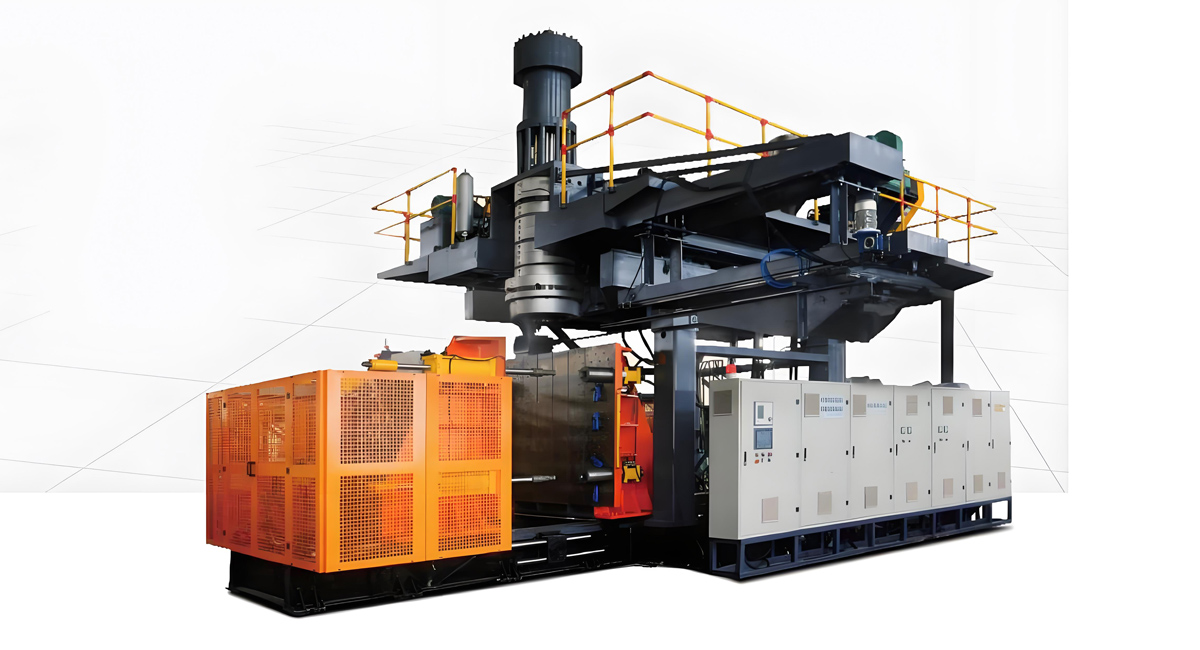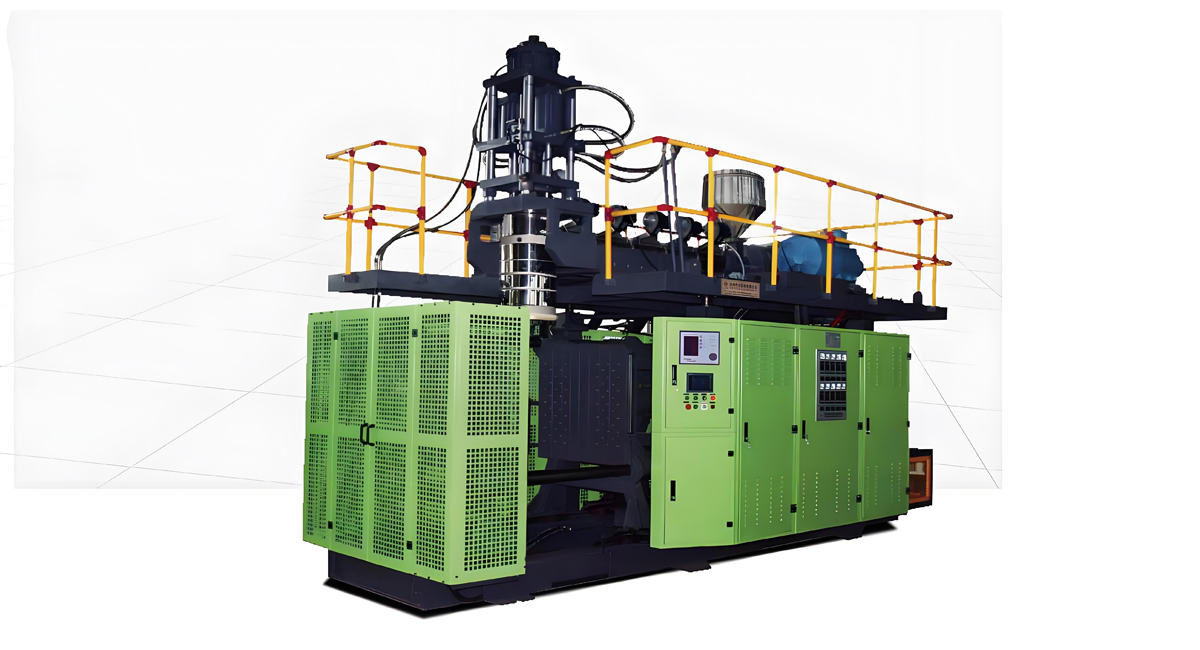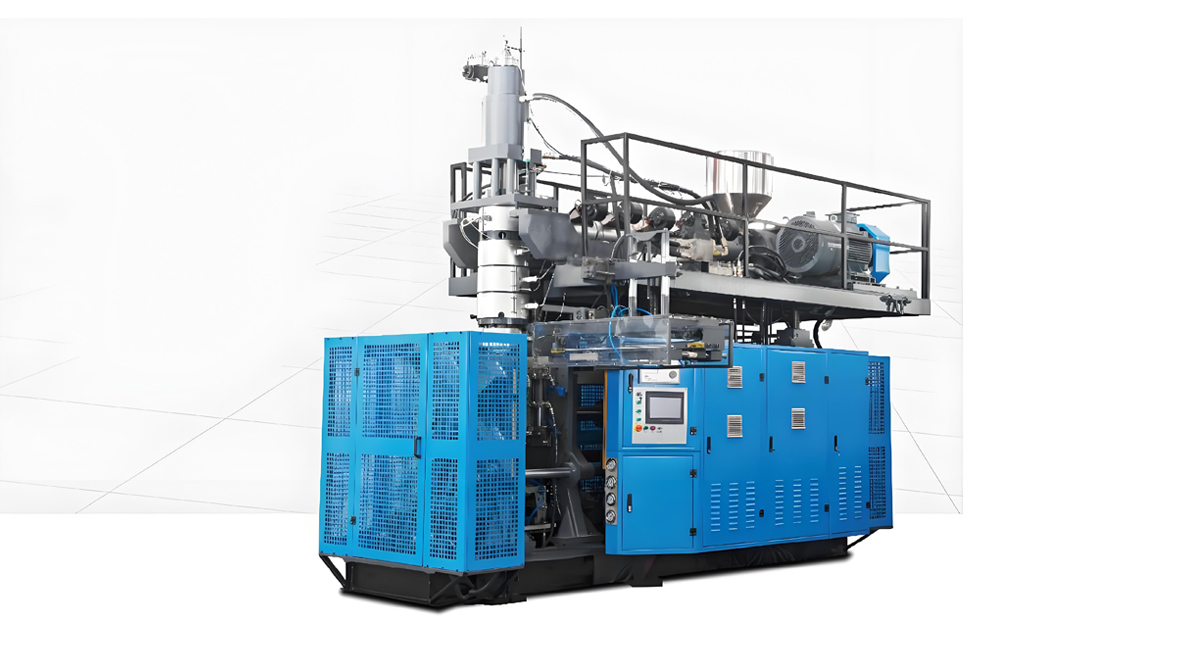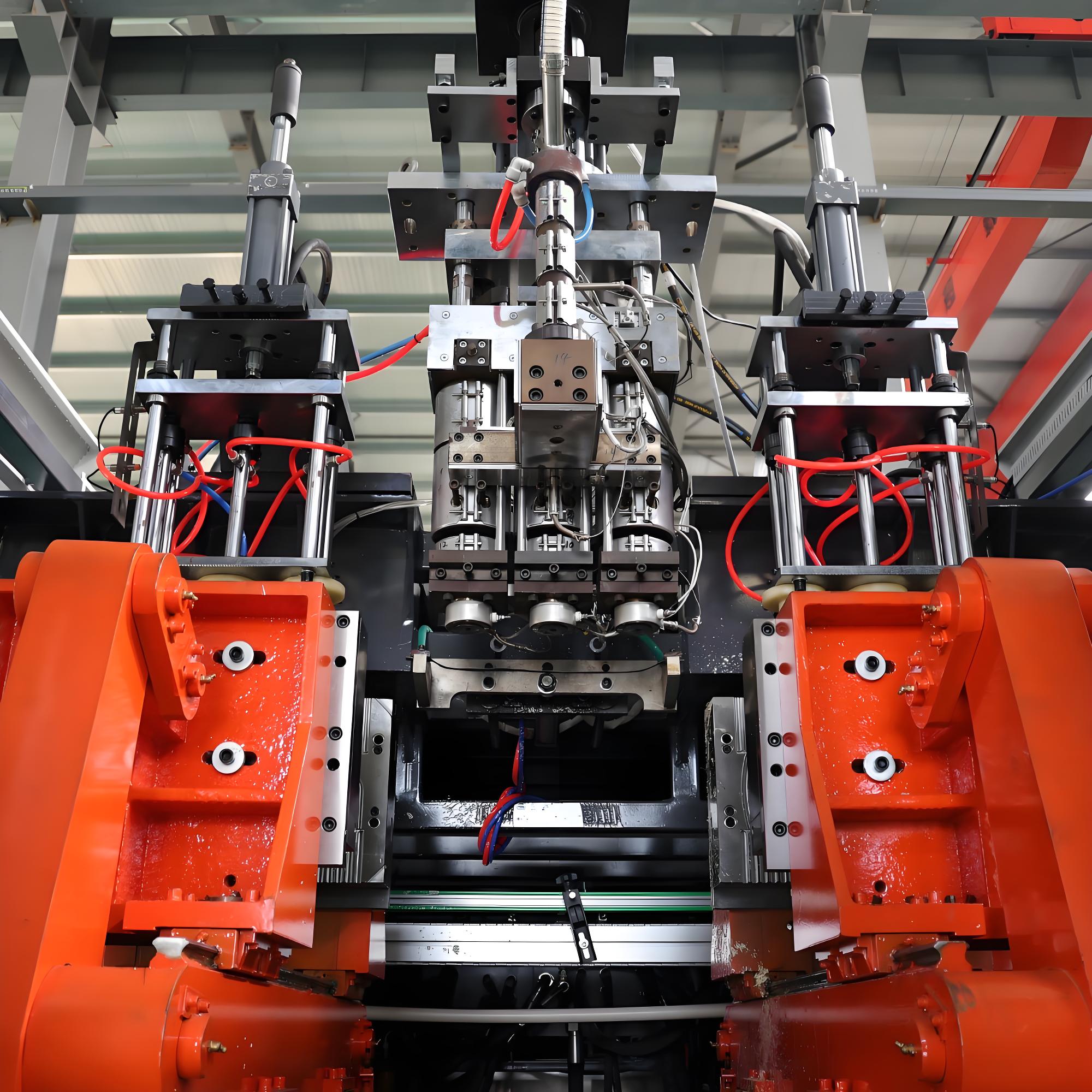

The global extrusion blow molding machine market has witnessed remarkable growth in recent years, with China emerging as a dominant player in manufacturing high-quality EBM machines for export to major international markets including Asia, Africa, Europe, and the Americas. As the global demand for plastic containers and packaging solutions continues to expand, manufacturers worldwide are increasingly seeking reliable, cost-effective extrusion blow molding technology from Chinese manufacturers. Apollo, with over 20 years of experience in the plastic machinery industry, has established itself as a leading Chinese EBM machine manufacturer, exporting its equipment to over 90 countries across all major continents. This comprehensive guide explores the landscape of Chinese EBM machine exports, market opportunities, technical specifications, quality standards, and investment considerations for businesses looking to source extrusion blow molding machines from China.
Understanding the Global EBM Machine Market
The global extrusion blow molding machine market has experienced steady growth, reaching approximately 68.9 billion USD by 2024, with a compound annual growth rate of 5.6% from 2015 to 2024. This growth is primarily driven by increasing demand for plastic packaging solutions in food and beverage industries, pharmaceutical sectors, and consumer goods markets. The Asia Pacific region has emerged as the fastest-growing market, with China and India manufacturing expansion serving as major driving factors. Europe maintains stable growth at 4.1% annually, while North America shows continued development in medical and automotive applications. The market segmentation reveals that fully automatic extrusion blow molding machines have increased their market share from 35% in 2015 to 52% in 2024, while energy-efficient equipment has grown from 28% to 45% market share during the same period.
Regional Market Analysis
The Asia Pacific region currently holds the largest market share at approximately 42% of the global EBM machine market, with China dominating as both the largest producer and consumer. China market size is projected to reach 2.4 billion USD by 2025, with a compound annual growth rate maintaining at 6.8%. The Yangtze River Delta and Pearl River Delta industrial clusters contribute 65% of national production capacity, with the Guangdong Shunde industrial belt alone producing over 12,000 machines annually. India is showing rapid catch-up momentum with a projected growth rate of 9.2% from 2025 to 2030, with the Mumbai-Pune industrial corridor forming an annual production cluster of 5,000 machines. Southeast Asia markets demonstrate significant price sensitivity, with countries like Vietnam and Thailand maintaining 75% procurement in mid-to-low-end equipment.
Export Market Opportunities
China extrusion blow molding machine exports have grown substantially from 480 million USD in 2015 to 1.26 billion USD in 2024. Asia represents the largest export destination, accounting for approximately 48% of total export volume, followed by Europe at 27% and North America at 22%. The Middle East and Africa markets, while smaller in total volume, demonstrate the fastest growth rates, particularly in food packaging applications where demand growth exceeds 15% annually. Latin America shows moderate growth driven by Brazil economic recovery, with cosmetic packaging equipment procurement expected to increase by 12% in 2025. These export patterns reflect both the competitive pricing advantage of Chinese EBM machines and the increasing quality standards that meet international requirements.
Apollo EBM Machine Series and Technical Specifications
Apollo offers a comprehensive range of extrusion blow molding machines designed for various production capacities and applications across different market segments. The machine portfolio is categorized into three main series: ABLB series for small to medium containers (200ml to 20L), ABLD series for large containers (20L to 1500L), and fully electric series for environmentally sensitive applications. Each series incorporates advanced technological features, high-quality components, and energy-efficient designs that meet international quality standards while maintaining competitive pricing structures.
ABLB Series Extrusion Blow Molding Machines (200ML-20L)
The ABLB series represents Apollo mainstream line for small to medium container production, comprising eight models that cover production capacities from 200ml to 20L. The ABLB 45 model, designed for 1-2L containers, features a 45mm screw diameter with 11kW drive power, producing up to 30kg/hour of HDPE with a dry cycle of 1300 pieces per hour. The ABLB 90 model for 16L containers utilizes a 90mm screw with 37kW power, achieving 130kg/hour HDPE output at 800 pieces per hour cycle. The ABLB 100, the largest in this series, features a 100mm screw with 55kW drive power, producing 200kg/hour HDPE for 30L containers at 600 pieces per hour. All ABLB models incorporate Japanese Mitsubishi PLC control systems, Schneider contactors, Delta or ABB inverters, and Siemens motors as standard equipment, ensuring reliable performance and easy maintenance.
ABLD Series Accumulator Extrusion Blow Molding Machines (20L-1500L)
The ABLD series accumulator head machines are designed for large container production ranging from 20L to 1500L, incorporating accumulator technology for efficient material handling. The ABLD 80-90 model handles 30-60L containers with a 90mm screw and 37kW power, producing 130-150kg/hour HDPE. The ABLD 120-150 storage type model for 300-1500L containers features a 120mm twin screw configuration with 132kW power, delivering 350kg/hour HDPE output with a material storage capacity of 24-70L. These machines employ Japan MOOG 100-point parison control systems for precise wall thickness management, enabling production of high-quality large containers with consistent wall thickness distribution. The ABLD series represents Apollo high-end offering for industrial and chemical drum production applications.
Fully Electric Extrusion Blow Molding Machines
Apollo fully electric series represents the latest technological advancement in EBM machine design, offering 40-60% energy reduction compared to traditional hydraulic machines. These machines feature complete electric drive systems eliminating hydraulic oil requirements, reducing operating costs and environmental impact. The fully electric models maintain the same production capacities as their hydraulic counterparts (200ml to 20L) while providing faster cycle times, 25-35% higher production efficiency, and lower maintenance requirements. The electric series delivers superior precision control, making them ideal for high-value applications in medical and premium packaging sectors where environmental consciousness and energy efficiency are critical considerations. Price range for fully electric machines starts from approximately 145,000 USD for smaller models, extending to 285,700 USD for larger capacity units.
Quality Standards and International Compliance
Chinese EBM machine manufacturers have made significant improvements in quality standards and international compliance over the past decade, enabling successful exports to regulated markets in Europe, North America, and other developed regions. Apollo maintains comprehensive quality management systems including ISO 9001 certification and CE marking for European market compliance. The company implements rigorous testing protocols including 72-hour continuous run-in testing for every machine before shipment, simulating real-world production conditions to verify output rates, energy consumption, and product quality. Machines destined for export markets undergo additional testing for electrical compliance with international standards including IEC 60204-1 for electrical equipment safety and regional voltage and frequency specifications.
Quality Control Systems
Apollo quality control system implements a continuous process approach rather than end-stage inspection only. Raw material inspections verify the quality of steel alloys and components before machining begins. In-process checks on machining operations ensure dimensional tolerances meet specifications for critical components such as screw barrels and platens. Final testing includes verification of parison control accuracy, clamping force consistency, and cycle time repeatability. Each machine undergoes a comprehensive Certificate of Conformity assessment before shipment, documenting all quality parameters and test results. This systematic approach to quality has enabled Apollo to establish a reputation for reliable equipment that meets international quality expectations.
Component Quality and Sourcing
The quality of Chinese EBM machines has improved significantly through strategic component sourcing and manufacturing partnerships. Apollo utilizes high-quality screw materials such as 38CrMoAlA, which undergo nitriding treatment to improve wear resistance and extend service life. Critical components including PLC control systems, servo drives, and temperature controllers are sourced from reputable international brands including Mitsubishi, Siemens, Schneider, and Delta. This approach combines Chinese manufacturing cost advantages with international component reliability. The company produces its own screws, barrels, and key structural components in-house, enabling better quality control and shorter lead times while maintaining cost competitiveness.
Export Market Entry Strategies
Exporting extrusion blow molding machines to international markets requires comprehensive market understanding, regulatory compliance, and support infrastructure development. Apollo has developed successful export strategies across different regions, recognizing that each market presents unique challenges and opportunities. The company has established overseas service centers, distributor networks, and technical support teams across Asia, Africa, Europe, and the Americas to provide comprehensive support to international customers.
Asia Market Development
The Asian market represents both the largest opportunity and most competitive environment for Chinese EBM machine exports. Success in this market requires understanding regional preferences and technical requirements. Southeast Asian countries demonstrate strong price sensitivity, with Vietnamese, Thai, and Indonesian markets showing 75% preference for mid-to-low-end equipment pricing below 80,000 USD for medium capacity machines. India market shows rapid expansion with 9.2% projected growth through 2030, requiring manufacturers to offer value positioning with reasonable pricing while maintaining adequate quality standards. Chinese manufacturers have achieved significant success in Asia by offering comprehensive product ranges from entry-level to high-end equipment, backed by local service support and technical assistance. Apollo established its presence in Asia through strategic partnerships with local distributors and investment in after-sales service infrastructure.
Africa Market Opportunities
Africa represents an emerging but challenging market for EBM machine exports. The market shows significant regional differentiation, with South Africa and Nigeria concentrating 80% of continental production capacity. French-speaking African countries demonstrate longer equipment replacement cycles of 10-12 years, creating stable but slower replacement demand patterns. Growth opportunities are strongest in North Africa where industrial development projects and packaging industry expansion drive demand for new equipment. Successful market entry in Africa requires providing equipment adapted to local conditions including voltage variations, temperature extremes, and limited technical infrastructure. Apollo has developed export success in Africa by offering robust equipment designs with simplified maintenance requirements, comprehensive operator training programs, and reliable spare parts supply networks.
European Market Expansion
The European market represents the most challenging but potentially rewarding export destination for Chinese EBM manufacturers, characterized by high quality expectations and stringent regulatory requirements. Success in Europe requires meeting CE marking standards, achieving high energy efficiency ratings, and providing equipment capable of processing recycled materials and bioplastics. The European market shows 33% adoption rate for multilayer packaging technology and strong emphasis on sustainability compliance. Chinese manufacturers have made significant inroads into the European mid-range market by offering equipment with international brand components at prices 20-30% lower than comparable European machines. Apollo established European market presence through partnerships with local distributors who provide installation services, technical support, and warranty management for European customers.
American Market Penetration
The North American market, particularly the United States, presents opportunities for specialized EBM machine segments. The market shows strong demand for equipment capable of processing recycled materials, with over 46% of new installations featuring electric and hybrid machine technologies. Pharmaceutical packaging applications represent nearly 19% of installed capacity, requiring high precision and clean manufacturing capabilities. Automotive components applications drive demand for large-scale machines with co-extrusion capabilities. Success in the American market requires meeting North American electrical standards (NEMA), providing equipment adapted to local production practices, and offering comprehensive technical support with English-language documentation and interface options. Apollo developed American market strategies focused on providing specialized equipment for niche applications while maintaining competitive pricing advantages.
Cost Analysis and Investment Considerations
Understanding the cost structure and investment considerations for Chinese EBM machines is essential for making informed procurement decisions. Chinese EBM machines typically offer 40-70% cost advantages compared to European premium brands while maintaining comparable quality for most applications. The total cost of ownership analysis must consider initial purchase price, operating costs, maintenance requirements, and expected return on investment across the equipment lifecycle.
Price Range Analysis by Equipment Category
The price range for Chinese EBM machines varies significantly based on capacity, automation level, and technical specifications. Entry-level manual and semi-automatic machines for small container production (10-25L) range from 8,000 to 18,000 USD, with daily production capacity of 500-2,000 pieces. Mid-range semi-automatic to fully automatic machines for medium containers (20-60L) are priced between 22,000 and 80,000 USD, producing 800-5,000 pieces daily depending on configuration. High-end fully automatic machines for large containers (200-1500L) range from 150,000 to 290,000 USD, with daily production capacity of 400-8,000 pieces. Fully electric models command a 45-85% price premium over hydraulic equivalents, with prices ranging from 145,000 to 285,700 USD depending on capacity and features.
Operational Cost Comparison
Chinese EBM machines demonstrate favorable operational cost structures compared to international alternatives. Energy consumption for typical Chinese EBM machines ranges from 0.23 to 0.35 kWh/kg for electric models and 0.55 to 0.75 kWh/kg for hydraulic models. Annual maintenance costs typically range from 2,000 to 5,000 USD for electric machines and 5,000 to 10,000 USD for hydraulic models. The elimination of hydraulic systems in electric models saves 3,000 to 8,000 USD annually in oil replacement costs. Production cycle times for Chinese machines are typically 25-35% faster than comparable Western machines, translating to higher daily output and reduced per-unit production costs. These operational advantages combine with lower initial purchase prices to create compelling total cost of ownership benefits.
Return on Investment Analysis
The return on investment for Chinese EBM machines typically ranges from 1.5 to 3 years depending on application and operating conditions. A typical 100kW electric blow molding machine operating 6,000 hours annually saves approximately 54,000 USD in energy costs compared to hydraulic equivalents. Over five years, these savings reach 270,000 USD, which can offset 30-50% of the initial price premium for electric models. Combined with reduced maintenance costs and increased production efficiency, Chinese EBM machines often achieve ROI in less than two years for operations running 5,000+ hours annually. For example, an electric machine priced at 180,000 USD versus a 120,000 USD hydraulic alternative generates 40,000 USD annual savings (30,000 USD energy + 10,000 USD maintenance), resulting in a 1.5-year payback period.
Technical Support and After-Sales Service
Comprehensive technical support and after-sales service represent critical considerations for international EBM machine procurement, as equipment reliability and uptime directly impact production efficiency and profitability. Apollo has developed extensive service capabilities including 24/7 technical support through multilingual engineers, on-site installation services, and comprehensive spare parts supply networks across all major export markets.
Installation and Commissioning Services
Apollo provides complete installation and commissioning services for exported equipment, ensuring proper setup and optimization for local production conditions. Installation teams include experienced engineers who handle equipment positioning, utility connections, and initial production setup. Commissioning services include equipment testing, production trials, and operator training to ensure customers achieve optimal performance from their new equipment. For international customers, Apollo offers remote commissioning support through video conferencing and digital monitoring systems, reducing travel costs while maintaining service quality. The company maintains regional installation teams across Asia, Africa, Europe, and the Americas to provide timely response and minimize equipment downtime during startup.
Spare Parts and Maintenance Support
Reliable spare parts supply represents essential infrastructure for maintaining EBM machine operations. Apollo maintains comprehensive spare parts stocks for all machine models in its international warehouses, enabling expedited replacement delivery to minimize production interruptions. The company provides 500 USD free parts allowance annually for equipment under warranty and commits to free replacement for damaged parts during the warranty period. Spare parts are manufactured to original specifications using quality materials to ensure compatibility and performance. Apollo developed spare parts supply networks across all major export markets, with local stocking arrangements in strategic locations to reduce delivery times and logistics costs for international customers.
Technical Training and Knowledge Transfer
Comprehensive technical training ensures customers can maximize equipment performance and handle routine maintenance effectively. Apollo provides operator training covering machine operation, process optimization, basic troubleshooting, and safety procedures. Technical maintenance training addresses preventive maintenance schedules, component replacement procedures, and advanced troubleshooting techniques. Training programs are available at customer facilities or Apollo factory locations, with options for theoretical training combined with practical hands-on experience. For international customers, Apollo offers multilingual training materials and video-based training resources to support effective knowledge transfer across language barriers. The company maintains detailed equipment documentation including operating manuals, maintenance guides, and troubleshooting procedures in multiple languages for international customer convenience.
Future Trends and Technology Development
The extrusion blow molding machine industry continues to evolve with technological advancements and changing market requirements. Chinese manufacturers are making significant investments in research and development to stay competitive and meet emerging market demands for sustainable packaging, automation, and energy efficiency.
Sustainability and Green Technology
Sustainability considerations are driving significant technology development in EBM machine design. Equipment capable of processing 100% recycled materials and bio-plastics is becoming increasingly important as circular economy initiatives gain momentum globally. Chinese manufacturers are developing energy recovery systems that capture waste heat and convert it to usable energy, improving overall plant efficiency. Biodegradable material processing capabilities are being integrated into machine designs to support sustainable packaging initiatives. Apollo has introduced heavy-duty energy storage models specifically designed for processing recycled materials while maintaining production quality and efficiency.
Automation and Industry 4.0 Integration
Industry 4.0 technologies including IoT monitoring, predictive maintenance, and smart manufacturing capabilities are being integrated into EBM machine designs. IoT-enabled machines provide real-time monitoring of production parameters, energy consumption, and equipment health, enabling proactive maintenance and performance optimization. AI-powered quality inspection systems automatically detect defects and adjust production parameters to maintain product quality. Smart factory integration enables EBM machines to communicate with other production equipment and management systems, creating fully automated production environments. Chinese manufacturers are rapidly adopting these technologies, with intelligent equipment penetration increasing by 5 percentage points annually in the Asia Pacific region.
Advanced Control Systems
Control system technology continues to advance, providing operators with enhanced capabilities and ease of use. Multi-touch screen interfaces with intuitive graphics simplify machine operation and reduce training requirements. Advanced parison control systems with 200+ point capabilities enable precise wall thickness management for complex container shapes. Integrated recipe management systems store optimal production parameters for different products, enabling rapid changeovers between production runs. Remote monitoring and control capabilities allow operators to manage equipment from anywhere in the facility while receiving real-time alerts for potential issues. Apollo continues to invest in control system development, offering advanced features while maintaining user-friendly interfaces and reliable operation.
Conclusion
China has emerged as a dominant manufacturer and exporter of high-quality extrusion blow molding machines, offering international buyers compelling advantages in pricing, technology, and comprehensive support capabilities. Apollo, with over 20 years of experience and more than 4,000 machines operating in over 90 countries, represents the quality and reliability achievable with Chinese EBM equipment. The company comprehensive product range from 200ml to 5000L capacity, combined with advanced technology integration and global service infrastructure, provides international customers with complete solutions for their extrusion blow molding needs. As the global market continues to evolve toward greater sustainability, automation, and efficiency, Chinese EBM manufacturers are well-positioned to meet emerging demands while maintaining competitive advantages in pricing and service support. For businesses seeking extrusion blow molding equipment across Asia, Africa, Europe, and the Americas, Chinese manufacturers like Apollo offer compelling value propositions combining quality, technology, and comprehensive support at competitive price points.