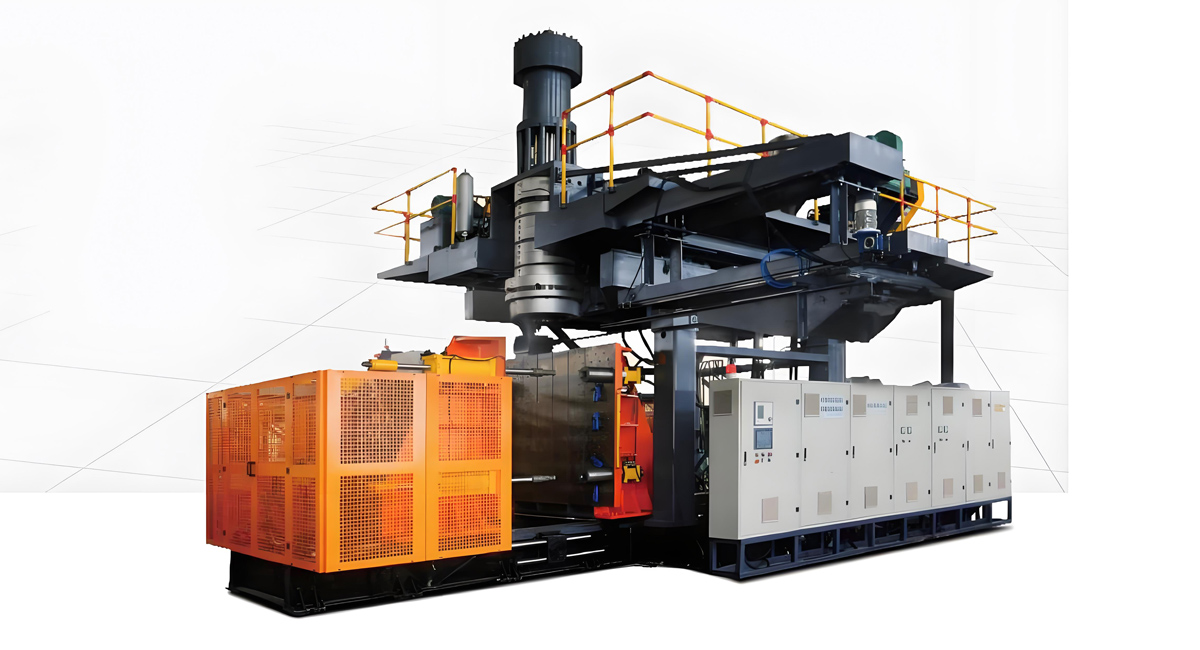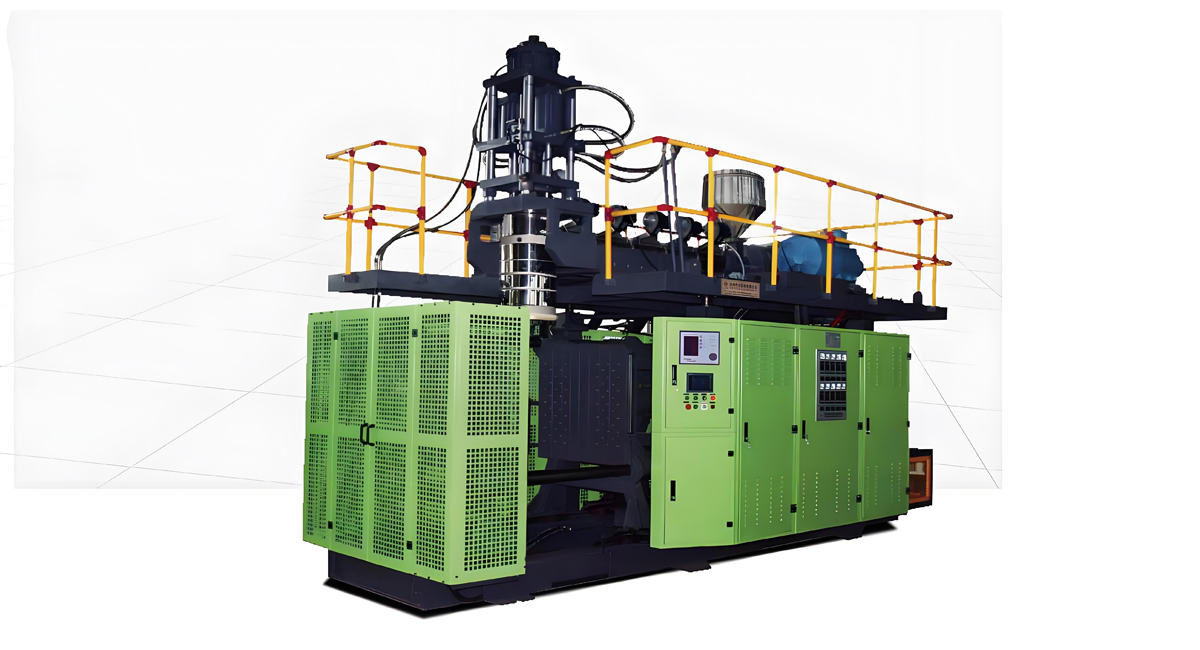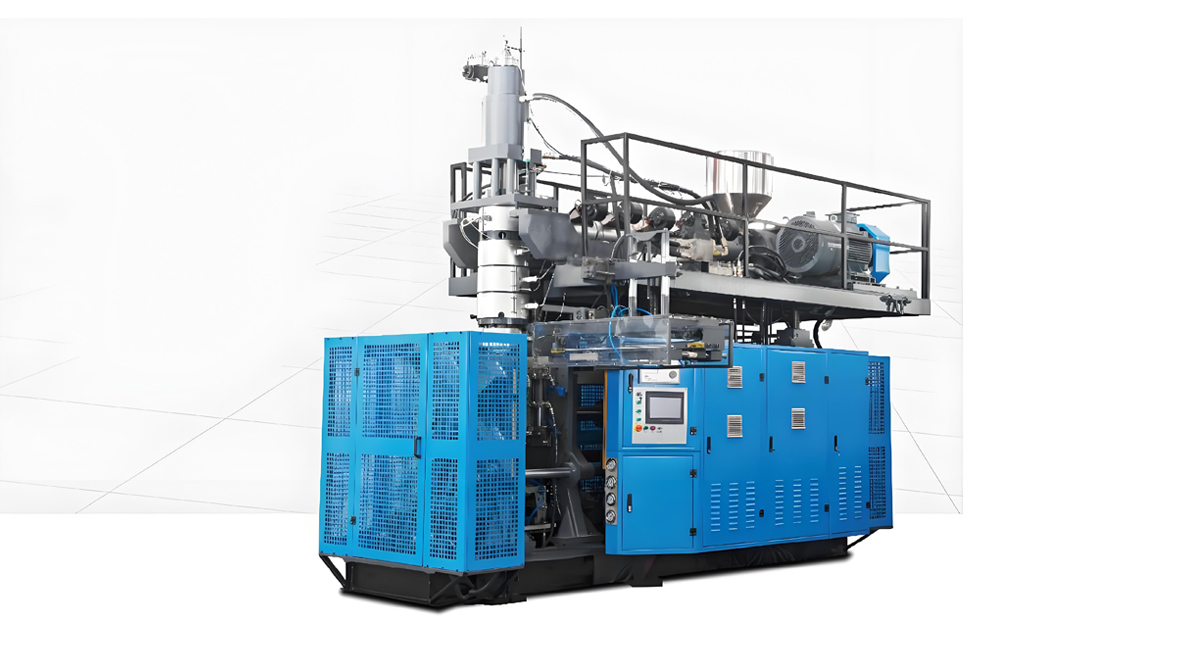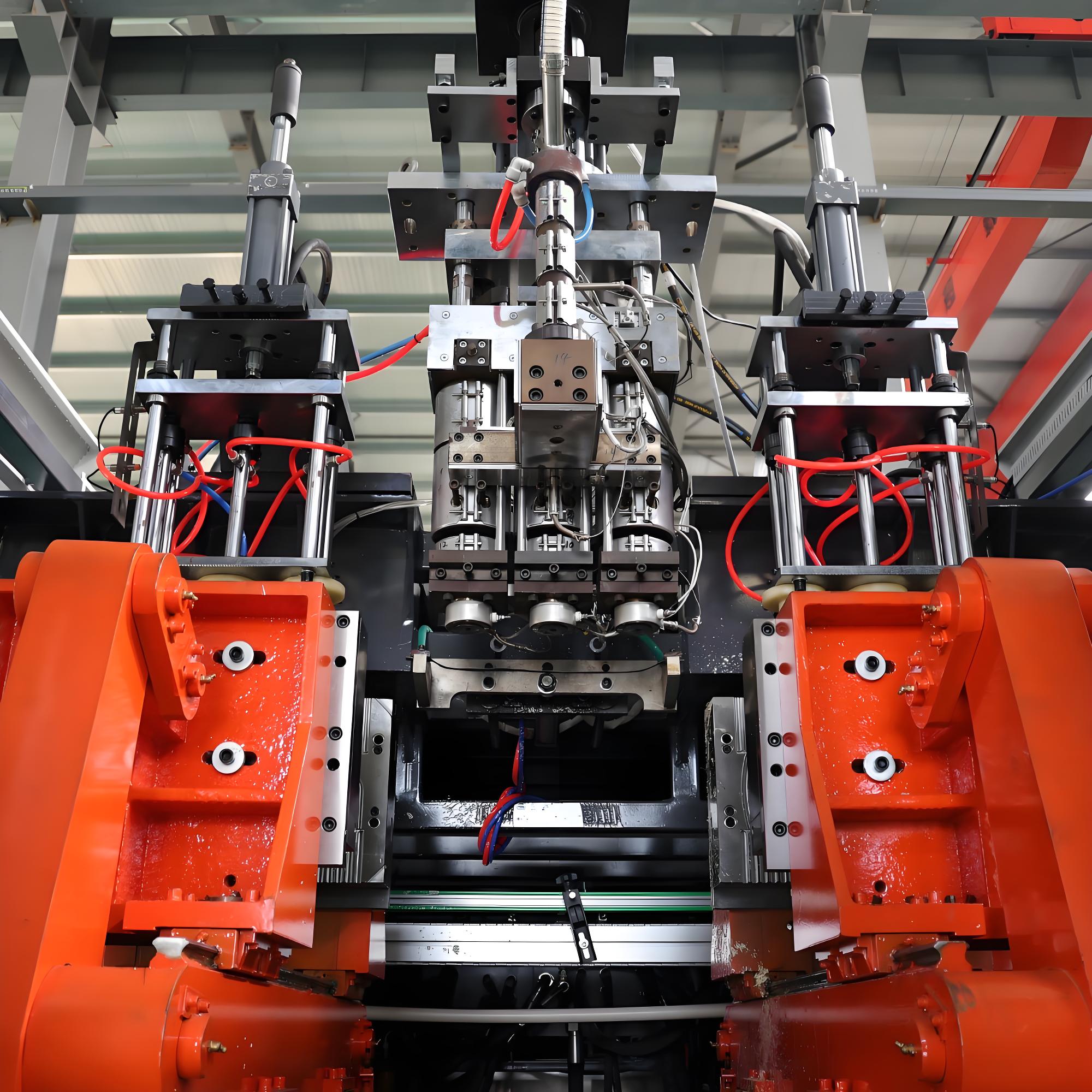
Industrial noise pollution represents a significant challenge in manufacturing facilities, and extrusion blow molding machines are among the most common sources of high decibel levels in plastic production environments. As workplace safety regulations become increasingly stringent and manufacturers prioritize worker comfort and productivity, implementing effective noise reduction strategies for EBM machines has become essential. Modern extrusion blow molding equipment can generate noise levels exceeding 90 decibels during normal operation, which not only poses health risks to workers but also creates compliance challenges with occupational safety standards. This comprehensive guide explores the sources of noise in extrusion blow molding machines, examines noise reduction technologies available in modern equipment, analyzes regulatory requirements, and provides practical solutions for creating quieter factory operations while maintaining optimal production efficiency.
Understanding Noise Sources in Extrusion Blow Molding Machines
The noise generation in extrusion blow molding machines originates from multiple mechanical and hydraulic systems operating simultaneously throughout the production cycle. The primary noise sources include hydraulic pumps and systems, which typically generate 65-85 decibels depending on pump design and operating pressure. The screw rotation mechanism produces consistent noise levels between 70-80 decibels as the extruder screw rotates within the barrel, creating friction and material movement sounds. Cooling fans and ventilation systems contribute 60-75 decibels of continuous background noise, while mold closing and opening operations create impact noise reaching 75-90 decibels during each cycle. The accumulator discharge and parison formation process adds additional noise components, particularly during high-pressure discharge events when plastic material is extruded into the mold cavity.
Hydraulic System Noise Characteristics
Hydraulic systems in traditional blow molding machines represent the most significant noise source, typically accounting for 45-60% of total machine noise output. The noise generation in hydraulic systems occurs primarily through pump cavitation, fluid turbulence, and valve operation. Traditional gear pumps and vane pumps operate at noise levels between 75-88 decibels under normal operating conditions, with noise levels increasing significantly during high-pressure extrusion phases. Fluid turbulence through valves and tubing creates additional noise, particularly during rapid pressure changes required for accumulator charging and discharge. The hydraulic pump motor itself contributes noise through electromagnetic and mechanical sources, typically adding 10-15 decibels to the overall noise level. These combined noise sources create the characteristic hydraulic pump noise that dominates traditional EBM machine operation.
Mechanical Process Noise Components
The mechanical aspects of extrusion blow molding generate substantial noise through various operational mechanisms. The extruder screw rotating within the barrel creates consistent friction noise, which varies with screw speed, material viscosity, and wear conditions. This noise typically ranges from 70-78 decibels for standard operating conditions, but can increase to over 85 decibels during high-speed operation or when processing high-viscosity materials. Mold closing mechanisms, particularly those with hydraulic or pneumatic actuators, generate impact noise each time the mold closes, producing brief but intense noise spikes reaching 90 decibels or higher. The parison formation process creates additional noise as plastic material exits the die head, with noise levels varying between 65-78 decibels depending on material properties and processing conditions. Accumulator discharge generates pressure pulses that produce noise, particularly in large machines operating at high pressures.
Cooling and Auxiliary Equipment Noise
Cooling systems and auxiliary equipment contribute significantly to the overall noise environment in blow molding facilities. Chiller systems and cooling fans typically generate continuous noise levels between 60-72 decibels, depending on fan size and motor power. Water pumps used for mold cooling create additional noise through hydraulic fluid movement, typically contributing 5-10 decibels of additional noise. Conveyor systems and automated material handling equipment add noise levels ranging from 65-75 decibels depending on design and speed. Pneumatic systems used for mold ejection and part handling create noise through air exhaust, with individual pneumatic events generating 70-85 decibel sound pressure levels. These auxiliary noise sources combine with primary machine noise to create the overall factory noise environment, often requiring comprehensive noise management strategies across all equipment.
Regulatory Requirements and Workplace Noise Standards
International and national regulatory agencies have established comprehensive standards for workplace noise exposure to protect worker health and safety. The Occupational Safety and Health Administration in the United States mandates that employers implement a hearing conservation program when workers are exposed to noise levels averaging 85 decibels or more over an 8-hour workday. The European Union standards under ISO 11200 series specify maximum permissible noise levels of 85 decibels for industrial work areas and 65 decibels for areas adjacent to residential zones. Chinese occupational health standards require noise levels below 85 decibels in production areas, with stricter requirements for workers exposed to noise levels exceeding 80 decibels, including mandatory hearing protection and reduced exposure durations.
OSHA Noise Exposure Regulations
OSHA regulations establish permissible noise exposure limits based on sound level and exposure duration. Workers may be exposed to 90 decibels for up to 8 hours per day, but this permissible exposure time decreases as noise levels increase. For example, exposure to 95 decibels is limited to 4 hours per day, while 100 decibel exposure is limited to 2 hours. When noise levels exceed 85 decibels averaged over an 8-hour day, employers must implement a hearing conservation program including noise monitoring, audiometric testing, hearing protection provision, training, and recordkeeping. These regulations make noise reduction a critical compliance requirement for manufacturing facilities using EBM machines, as many traditional models exceed these exposure limits during normal operation.
European Noise Standards
European Union noise regulations under the Physical Agents Noise Directive establish comprehensive requirements for workplace noise management. The directive sets a lower exposure action value of 80 decibels, at which employers must provide hearing protection and information to workers. An upper exposure action value of 85 decibels requires employers to implement hearing conservation programs, reduce noise exposure, provide hearing protection, and conduct audiometric testing. Machine noise emissions must comply with EN ISO 3744 and EN ISO 11204 standards for sound power and sound pressure measurements. These regulations make European markets particularly demanding for noise-compliant EBM equipment, driving manufacturers to develop quieter technologies for market entry.
Chinese Industrial Noise Standards
Chinese workplace noise standards under GBZ 2.2 establish occupational exposure limits for noise. The standard permits 8-hour exposure to 85 decibels, with reduced exposure durations at higher levels similar to international standards. For noise levels between 85-90 decibels, employers must provide hearing protection and conduct regular hearing tests. Exposure above 90 decibels requires engineering controls to reduce noise levels or administrative controls to limit worker exposure time. Machine noise emissions are regulated under GB/T 13325 standards, which specify measurement methods and emission limits for industrial machinery. These standards create both compliance requirements and market opportunities for quieter EBM machines in the growing Chinese industrial market.
Modern Noise Reduction Technologies in EBM Machines
Leading EBM manufacturers have developed comprehensive noise reduction technologies that address all major noise sources while maintaining or improving machine performance. Modern equipment incorporates advanced hydraulic pump designs, electric drive systems, acoustic enclosures, and optimized mechanical components to achieve significantly lower noise levels. These technologies enable compliance with strict international standards while reducing worker fatigue and improving productivity.
Electric Drive Systems
Electric drive technology represents the most significant advancement in EBM machine noise reduction. Fully electric machines eliminate hydraulic pumps entirely, removing the primary noise source from traditional equipment. Electric servo drives operate at noise levels typically 15-25 decibels lower than hydraulic equivalents, with total machine noise levels often below 65-70 decibels. These systems provide additional benefits including improved energy efficiency of 40-60% compared to hydraulic machines, reduced maintenance requirements, and cleaner operation without hydraulic oil. The cost premium for electric machines ranges from 45,000 to 85,000 USD compared to hydraulic equivalents, but the operational savings in energy, reduced maintenance, and compliance benefits often justify the investment. Electric machines demonstrate ROI periods of 1.5-2.5 years based on energy savings alone, with additional benefits from reduced hearing protection requirements and improved worker comfort.
Servo-Hydraulic Systems
Servo-hydraulic technology combines the power density of hydraulic systems with the quiet operation of electric drives. These systems use variable-speed servo motors to drive hydraulic pumps, adjusting pump speed to match actual demand rather than running at constant speed. This approach reduces hydraulic system noise by 10-15 decibels compared to conventional constant-speed pump systems. Servo-hydraulic machines achieve noise levels in the 72-78 decibel range while maintaining the high force capabilities of hydraulic systems. The cost premium for servo-hydraulic technology ranges from 15,000 to 35,000 USD over conventional hydraulic machines, but energy savings of 25-40% and reduced noise levels provide compelling value propositions for many applications. These systems represent an excellent middle-ground solution for applications requiring both noise reduction and high force capabilities.
Advanced Pump Designs
Hydraulic pump technology has evolved significantly to reduce noise while maintaining performance. Modern low-noise pumps utilize innovative designs including vane pumps with optimized vanes, internal gear pumps with improved tooth profiles, and piston pumps with advanced valve designs. These pump designs achieve noise levels 8-12 decibels lower than traditional gear pumps while maintaining or improving efficiency and reliability. Low-noise vane pumps operate at 65-72 decibels under typical operating conditions, compared to 75-82 decibels for conventional gear pumps. Internal gear pumps achieve similar noise reductions with the added benefit of smoother flow characteristics. The incremental cost for advanced low-noise pumps ranges from 3,000 to 8,000 USD per machine, but the noise reduction benefits and improved reliability provide excellent return on investment.
Acoustic Enclosures and Isolation
Acoustic enclosures represent effective noise control solutions for existing EBM machines or as supplementary noise reduction measures. Purpose-built acoustic enclosures using sound-absorbing materials can reduce machine noise by 20-30 decibels depending on design quality and material specifications. These enclosures typically incorporate double-wall construction with sound-absorbing insulation, acoustic windows for visibility, and access doors for maintenance. The cost for a complete acoustic enclosure ranges from 8,000 to 25,000 USD depending on machine size and required noise reduction levels. While enclosures add cost and maintenance requirements, they can transform a noisy machine operating at 85+ decibels into a compliant system operating below 65 decibels. Vibration isolation mounts and bases reduce structure-borne noise transmission by 3-8 decibels, adding 1,000-3,000 USD in installation costs but providing significant noise reduction for floor-ceiling transmission.
Optimized Mechanical Components for Noise Reduction
Beyond hydraulic and drive systems, EBM machine manufacturers have developed numerous mechanical component optimizations to reduce noise generation throughout the machine operation. These improvements address screw design, mold closing mechanisms, cooling systems, and auxiliary equipment to create comprehensive noise reduction solutions.
Screw and Barrel Design Optimizations
The extruder screw and barrel represent significant noise sources through material friction and mechanical rotation. Advanced screw designs including variable pitch screws, optimized compression ratios, and precision-machined profiles reduce material-generated noise by 5-10 decibels. High-precision barrel machining with improved concentricity and surface finish reduces mechanical vibration and friction noise. Hardened and ground screw shafts minimize wear-induced noise increases over equipment lifetime. These optimizations typically add 2,000-6,000 USD to machine cost but provide continuous noise reduction benefits throughout equipment life. For machines processing challenging materials or operating at high speeds, these screw optimizations are essential for maintaining acceptable noise levels while achieving productivity targets.
Soft-Closing Mold Mechanisms
Mold closing and opening create some of the loudest noise events in EBM machine operation through impact and hydraulic system actuation. Soft-closing technology reduces mold closing impact noise by 12-20 decibels by decelerating the approach phase and cushioning final closure. These systems utilize proportional hydraulic valves, position sensors, and sophisticated control algorithms to achieve smooth mold closure while maintaining cycle efficiency. The implementation cost for soft-closing technology ranges from 5,000 to 15,000 USD depending on machine size and clamp force requirements. The noise reduction benefits are particularly significant in large machines where mold weight and closing force create substantial impact noise. Beyond noise reduction, soft-closing extends mold life by reducing impact forces, providing additional equipment protection and reduced maintenance costs.
Cooling System Noise Reduction
Cooling systems, particularly large chiller units and cooling fans, contribute significant continuous noise to the factory environment. Modern noise-reduced cooling solutions include variable-speed fan drives that adjust cooling output to actual demand, reducing fan speed and associated noise by 30-50% during low-heat-load periods. Acoustic fan enclosures and sound-absorbing ductwork reduce cooling system noise by 8-15 decibels without affecting cooling performance. Advanced chiller designs incorporate screw compressors that operate 10-12 decibels quieter than traditional reciprocating compressors. The incremental cost for noise-reduced cooling systems ranges from 4,000 to 12,000 USD depending on cooling capacity and noise reduction requirements. These investments pay dividends through reduced factory noise levels and worker comfort improvements.
Cost Analysis of Noise Reduction Solutions
Implementing comprehensive noise reduction requires investment in new equipment or modifications to existing machinery. Understanding the cost structures and return on investment for different noise reduction strategies enables informed decision-making and budget allocation for noise compliance programs.
Equipment Replacement vs. Retrofit Costs
The choice between replacing existing noisy EBM machines with new quiet models versus retrofitting existing equipment represents a significant investment decision. New fully electric EBM machines range from 145,000 to 285,700 USD depending on capacity and features, while conventional hydraulic machines range from 60,000 to 150,000 USD. Retrofitting existing hydraulic machines with noise reduction measures including low-noise pumps, acoustic enclosures, and optimized components typically costs 15,000-35,000 USD. While retrofitting costs less upfront, new electric machines provide superior noise performance, energy savings, and longer equipment life. A cost-benefit analysis should consider factors including equipment age, remaining useful life, production requirements, and regulatory compliance needs. For equipment with more than 5 years remaining service life, replacement with electric models often provides better total cost of ownership despite higher initial investment.
Operational Cost Savings from Noise Reduction
Quieter EBM machines provide significant operational cost savings beyond compliance benefits. Electric machines reduce energy consumption by 40-60% compared to hydraulic models, saving 25,000-55,000 USD annually for machines operating 5,000+ hours per year. Reduced noise levels eliminate or reduce requirements for hearing protection programs, saving 3,000-8,000 USD annually in testing, training, and protection equipment. Worker productivity improvements due to reduced noise fatigue increase output by 3-8%, adding 15,000-40,000 USD in revenue per machine annually. Lower maintenance requirements for electric and servo-hydraulic systems save 5,000-15,000 USD annually compared to hydraulic equivalents. These combined savings typically justify the premium for quieter equipment within 2-3 years, creating compelling business cases for noise reduction investments.
Regulatory Compliance Cost Avoidance
Compliance with noise regulations avoids significant costs associated with violations and enforcement actions. OSHA penalties for noise violations range from 14,502 USD per violation to 145,027 USD for willful or repeated violations. Hearing conservation programs for noise-exposed workers cost 2,000-5,000 USD annually per worker in testing, protection equipment, and training. Workers compensation claims for noise-induced hearing loss average 50,000-150,000 USD per case and can lead to increased insurance premiums. Productivity losses due to noise-related fatigue and communication difficulties cost 5,000-15,000 USD annually per worker. By investing in noise reduction, companies can avoid these costs while improving worker safety and productivity. The return on investment for noise compliance initiatives typically exceeds 200% when considering both direct cost avoidance and operational benefits.
Implementation Strategies for Factory Noise Reduction
Effective factory noise reduction requires comprehensive planning and implementation strategies that address equipment, facility, and human factors. Successful programs combine equipment upgrades, facility modifications, and administrative controls to achieve optimal noise reduction while maintaining operational efficiency.
Comprehensive Noise Assessment
The first step in implementing an effective noise reduction program is conducting comprehensive noise assessments across the facility. Professional noise surveys using calibrated sound level meters measure noise levels at various locations and during different machine operating conditions. Personal noise dosimetry on workers measures individual exposure levels over full work shifts to identify compliance risks. Frequency analysis identifies dominant noise sources and frequencies to guide targeted reduction strategies. These assessments typically cost 3,000-8,000 USD for medium-sized facilities but provide essential data for effective noise management planning. The assessment results establish baseline noise levels, identify problem areas, and prioritize noise reduction investments based on impact and feasibility.
Phased Implementation Approach
Implementing factory-wide noise reduction most effectively occurs through a phased approach rather than attempting comprehensive simultaneous changes. Phase one focuses on the loudest equipment and highest worker exposures, typically addressing 2-4 machines in priority order. This initial phase demonstrates program effectiveness and provides data to support further investment. Phase two expands to additional equipment based on updated noise assessments and available budget. Phase three addresses remaining noise sources and achieves full compliance. This phased approach spreads costs over multiple budget periods, allows learning and refinement between phases, and maintains production continuity. Budgeting should allocate 50,000-200,000 USD annually for 3-5 year implementation programs, depending on facility size and baseline noise levels.
Training and Administrative Controls
Engineering controls represent the most effective noise reduction strategy, but training and administrative controls provide important supplementary benefits. Worker training programs covering noise hazards, proper hearing protection use, and safe work practices cost 500-2,000 USD annually and improve compliance and awareness. Job rotation and exposure limitation reduce individual worker exposure by redistributing noisy tasks across multiple workers. Administrative scheduling of high-noise operations during low-occupancy periods reduces overall worker exposure. These administrative controls cost little to implement but provide meaningful additional risk reduction. Combined with engineering controls, they create comprehensive noise management strategies that protect workers while maintaining operational efficiency.
Apollo Quiet EBM Machine Solutions
Apollo has developed comprehensive quiet EBM machine solutions that address all major noise sources while maintaining productivity and quality. The company product line includes fully electric machines, servo-hydraulic models, and advanced noise-reduced hydraulic equipment to meet diverse application requirements and budget considerations.
Fully Electric Series Noise Performance
Apollo fully electric EBM machines achieve industry-leading noise performance through complete elimination of hydraulic systems. These machines operate at total noise levels typically 62-68 decibels during normal operation, significantly below regulatory limits and worker exposure thresholds. The electric drive systems provide smooth, quiet operation throughout the production cycle, eliminating the characteristic hydraulic pump noise that dominates traditional machines. Cooling systems in electric models feature variable-speed drives and acoustic enclosures that reduce fan noise by 10-15 decibels compared to conventional systems. Mechanical components in electric models are optimized for low-noise operation with precision-machined gears and optimized motion profiles. The result is a quiet production environment that improves worker comfort and eliminates compliance concerns.
Servo-Hybrid Machine Options
For applications requiring hydraulic force with reduced noise, Apollo servo-hybrid machines provide excellent solutions. These machines combine electric servo drives for clamp and extruder functions with hydraulic systems for mold closing and parison control, achieving noise levels in the 72-78 decibel range. The servo-driven extruder eliminates continuous hydraulic pump noise during screw rotation, providing the largest noise reduction. The hydraulic system operates only during brief mold closing and accumulator charging periods, dramatically reducing overall noise exposure. These machines maintain the high-force capabilities needed for large containers while reducing noise by 8-12 decibels compared to conventional hydraulic models. Servo-hybrid machines represent excellent solutions for upgrading existing hydraulic facilities without completely replacing all equipment.
Acoustic Enclosure Systems
Apollo offers comprehensive acoustic enclosure solutions for both new and existing EBM machines. These purpose-built enclosures incorporate double-wall construction with high-density sound-absorbing insulation materials that provide 25-30 decibels of noise reduction. Large acoustic windows provide visibility for monitoring and inspection, while access doors enable maintenance and changeovers. Acoustic enclosures are designed with adequate ventilation to maintain equipment cooling while minimizing noise transmission through duct openings. The modular design allows easy installation on existing machines with minimal downtime and production interruption. Acoustic enclosures provide cost-effective noise reduction solutions for equipment where complete replacement with electric models is not feasible.
Installation and Commissioning Services
Apollo provides comprehensive installation and commissioning services to ensure optimal noise performance from installed equipment. Professional installation teams properly position machines, connect utilities, and calibrate systems to achieve specified noise levels. Post-installation noise measurements verify compliance with specified performance requirements. Training programs teach operators and maintenance personnel proper machine operation and maintenance procedures to maintain optimal noise performance over equipment lifetime. These comprehensive services ensure that noise reduction investments achieve expected benefits and provide documented evidence for regulatory compliance purposes.
Future Developments in Quiet EBM Technology
The EBM machine industry continues to invest in research and development to further reduce noise levels while improving productivity and energy efficiency. Emerging technologies promise even quieter operation and enhanced worker safety in future equipment designs.
Advanced Electric Drive Technologies
Next-generation electric drive systems under development promise additional noise reductions of 5-10 decibels through improved motor designs, better magnetic materials, and advanced control algorithms. Permanent magnet synchronous motors with optimized winding patterns reduce electromagnetic noise by 3-5 decibels. Advanced inverter technologies eliminate switching frequency harmonics that contribute to electrical noise. Regenerative braking systems capture energy during deceleration phases, reducing noise and improving energy efficiency by an additional 5-10%. These technologies will enable future electric EBM machines to operate below 60 decibels while maintaining superior productivity and precision.
Smart Noise Monitoring and Control
Integration of smart noise monitoring systems will enable real-time noise management and continuous improvement. Microphone arrays distributed around machines provide detailed noise mapping and source identification, enabling targeted noise reduction efforts. Predictive maintenance based on acoustic signatures detects developing issues before they cause noise increases. Automated noise control adjusts machine operating parameters to maintain noise levels below specified thresholds. These smart systems will provide continuous compliance assurance and data for ongoing noise reduction optimization. Implementation costs for advanced monitoring systems range from 2,000-5,000 USD per machine but provide significant value through early issue detection and compliance assurance.
Advanced Materials and Component Design
New materials and component designs will enable further noise reductions throughout EBM machine systems. Advanced polymer composites reduce vibration transmission in structural components. Magnetically coupled actuators replace mechanical gears and linkages in some applications, eliminating mechanical noise sources. Fluid-dynamics optimized hydraulic components reduce turbulence noise by 5-8 decibels. Advanced damping materials applied to machine structures absorb vibration and reduce structure-borne noise. These incremental improvements across multiple components will enable cumulative noise reductions of 10-15 decibels in future EBM machines.
Conclusion
Noise reduction in extrusion blow molding machine operations has evolved from optional improvement to essential requirement for modern manufacturing facilities. Regulatory pressures, worker safety concerns, and productivity imperatives drive comprehensive noise management programs across the industry. Modern EBM machines incorporating electric drives, servo-hydraulic systems, and advanced noise reduction technologies achieve noise levels 15-30 decibels lower than traditional equipment while delivering superior productivity and energy efficiency. Apollo comprehensive quiet EBM machine solutions provide multiple paths to noise compliance through fully electric machines, servo-hybrid models, and acoustic enclosure systems. The business case for noise reduction investments is compelling, with typical payback periods of 1.5-3 years when considering energy savings, compliance cost avoidance, and productivity improvements. As technology continues to advance, future EBM machines will achieve even quieter operation while maintaining or improving production capabilities. For manufacturers seeking to create safer, more productive factory environments, investing in modern quiet EBM technology represents both compliance necessity and strategic opportunity for competitive advantage.