Introduction to Toy Manufacturing
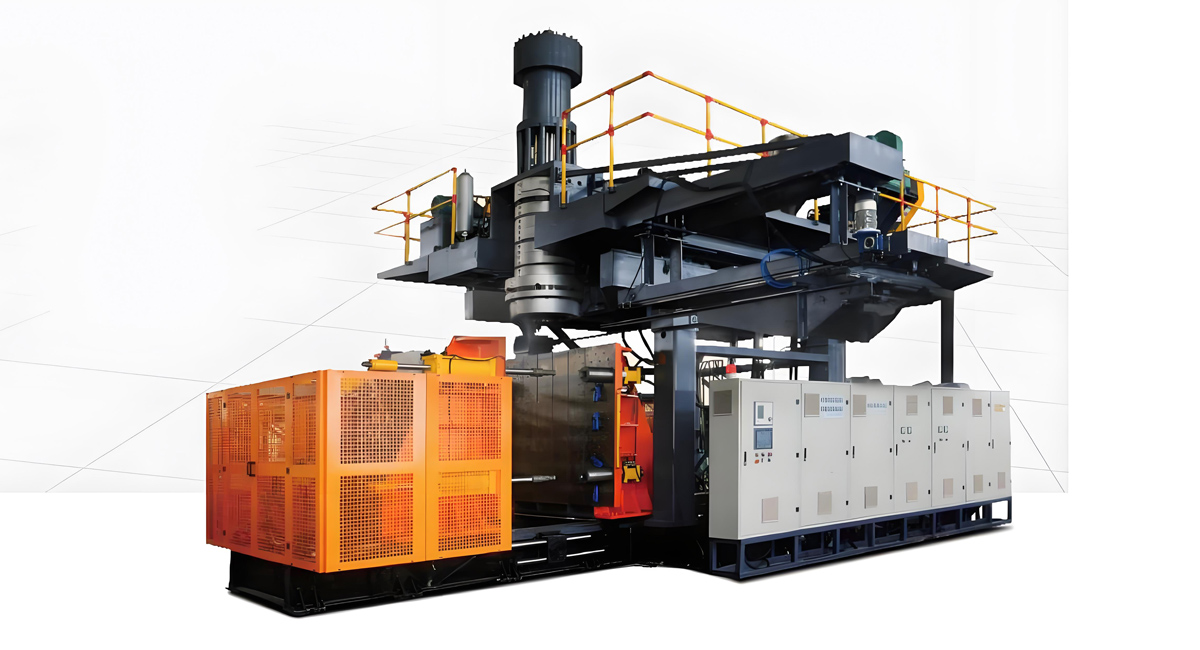
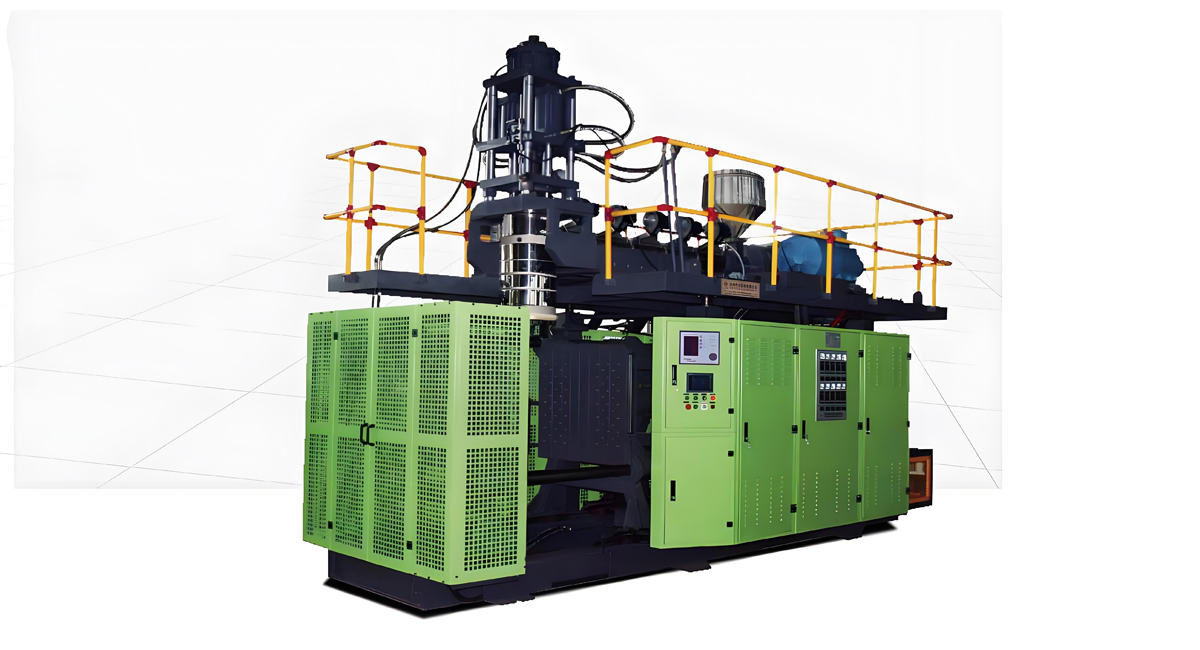
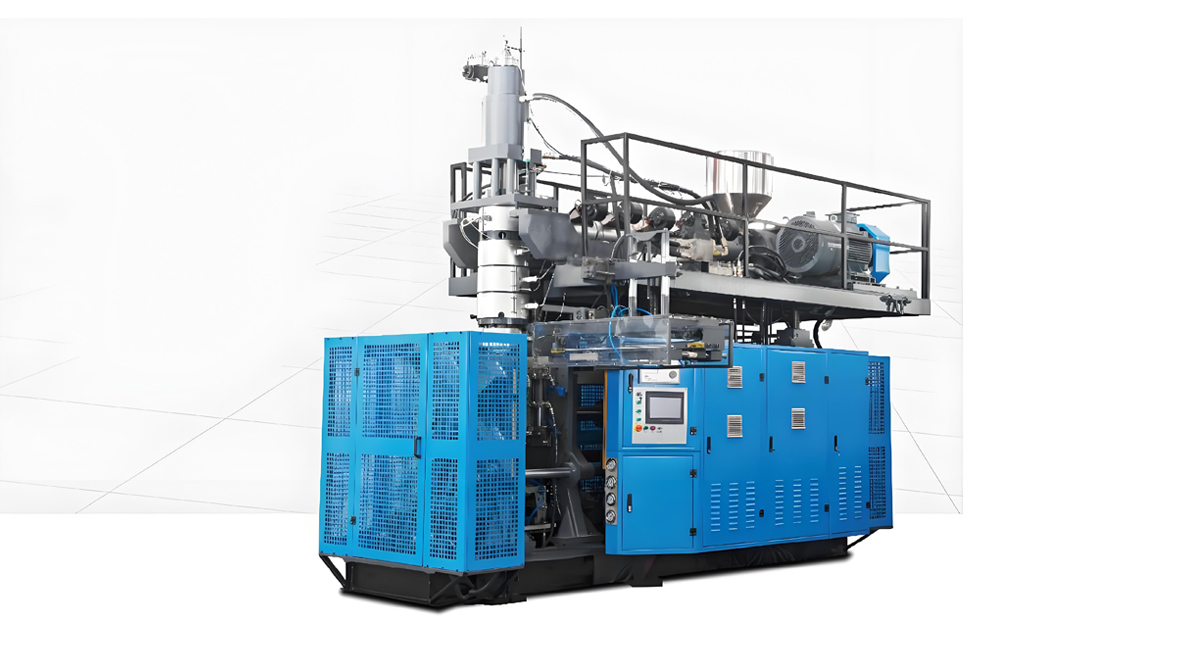
The production of plastic toys demands exceptional standards of safety, precision, and quality that only advanced manufacturing technology can deliver. An extrusion blow molding machine designed for toy production must meet stringent requirements for dimensional accuracy, surface finish, and material safety to ensure that finished products are safe for children. This comprehensive guide explores the specialized considerations for using extrusion blow molding machines in plastic toy manufacturing, covering safety standards, precision requirements, and best practices for achieving high quality results.
Plastic toys encompass a diverse range of products from small figurines and game pieces to large play structures and ride on toys. Many of these products require hollow construction for weight reduction, cost efficiency, or functional purposes such as floating toys or squeeze toys. The extrusion blow molding machine provides an ideal manufacturing solution for such hollow plastic toys, offering the ability to produce complex shapes with uniform wall thickness and excellent surface detail. Understanding the capabilities and requirements of this extrusion blow molding machine technology enables toy manufacturers to optimize their production processes.
Understanding Toy Safety Requirements
International Safety Standards
Safety represents the paramount concern in plastic toy manufacturing, with strict regulations governing materials, design, and production processes. The extrusion blow molding machine must be capable of producing toys that comply with international safety standards including ASTM F963 in the United States, EN 71 in Europe, and ISO 8124 internationally. These standards address multiple safety aspects including mechanical and physical properties, flammability, chemical composition, and specific requirements for different age groups.
Material safety requirements for plastic toys are particularly stringent, with regulations limiting or prohibiting certain substances in toys intended for young children who may mouth or chew products. The extrusion blow molding machine must process materials that meet these requirements, typically food grade or toy grade polyethylene, polypropylene, or other approved materials. Documentation of material compliance and extrusion blow molding machine production processes supports regulatory compliance and provides assurance to consumers and retail buyers.
Design Considerations for Safety
Toy design must address multiple safety aspects that influence extrusion blow molding machine requirements. Small parts that could pose choking hazards must be avoided for toys intended for children under three years of age. Sharp edges and points must be eliminated through design features or post molding finishing operations. The extrusion blow molding machine must produce toys with adequate wall thickness to prevent breakage that could create sharp edges or small pieces during use or abuse testing.
Surface finish quality affects both the appearance and safety of blow molded plastic toys. Smooth surfaces without flash, burrs, or sharp parting lines reduce the risk of cuts or abrasions during play. The extrusion blow molding machine must maintain precise control over process parameters to achieve the surface quality required for safe toys. Mold design and maintenance also influence surface quality, with well maintained molds producing cleaner parting lines and smoother surfaces.
Precision Requirements for Toy Production
Dimensional Accuracy Standards
Dimensional accuracy is critical for plastic toys that must fit together, interact with accessories, or meet specific size requirements for age grading. The extrusion blow molding machine must deliver consistent dimensional control to ensure that toys meet specifications across production runs. Modern extrusion blow molding machines with servo drive systems and programmable logic controllers provide the precision control needed for tight dimensional tolerances in toy production.
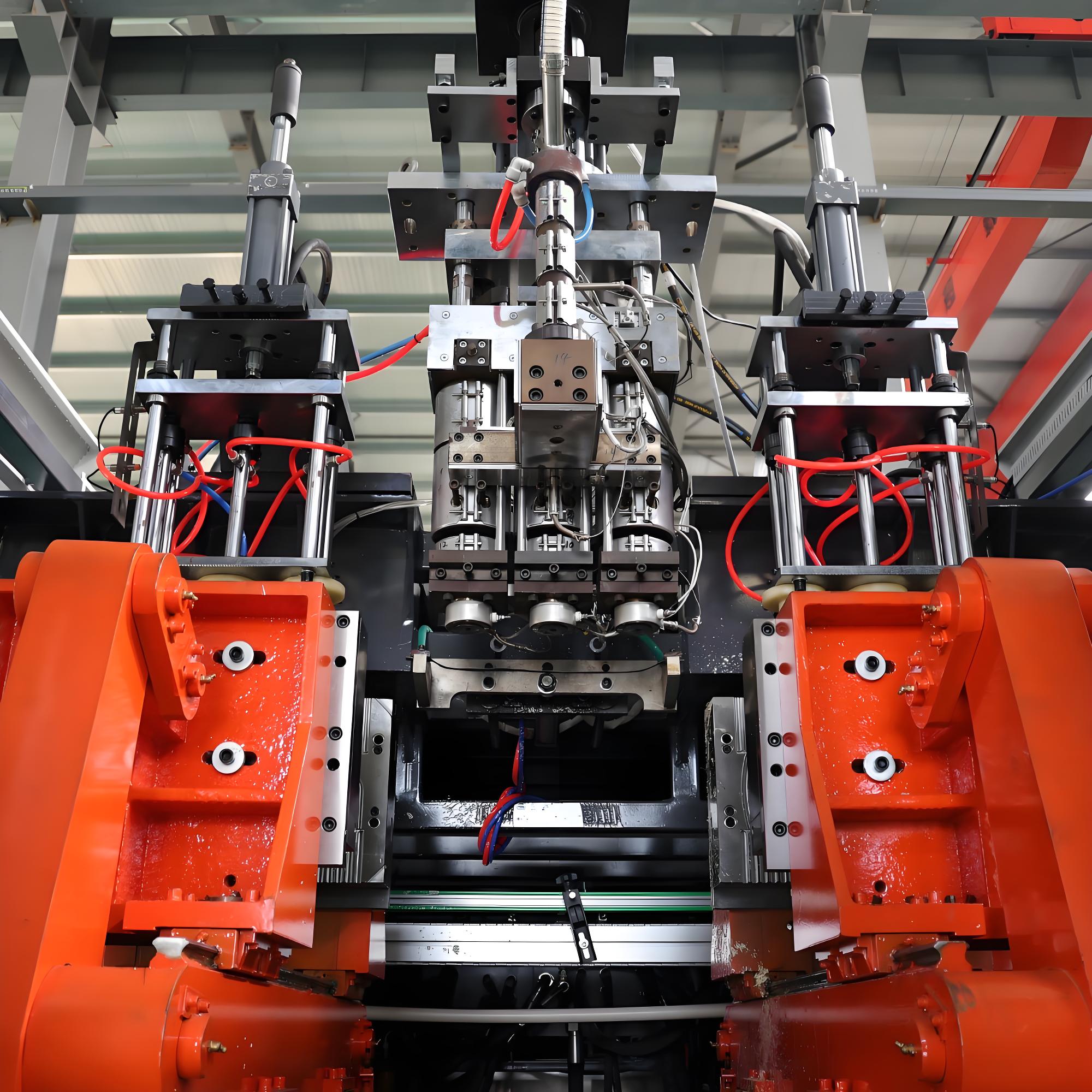
Wall thickness uniformity represents a particular challenge for blow molded toys with complex shapes or varying geometry. Inconsistent wall thickness can create weak points that fail during stress or abuse testing, or thick sections that extend cooling time and reduce production efficiency. Advanced extrusion blow molding machines incorporate parison programming systems that adjust die gap during extrusion to optimize wall thickness distribution throughout the toy geometry.
Surface Quality and Detail Reproduction
The surface quality of plastic toys directly impacts both aesthetics and safety. High quality surface finish enhances the perceived value of the product and consumer appeal. The extrusion blow molding machine must reproduce surface details, textures, and graphics defined in the mold with precision and consistency. Control over extrusion blow molding machine process parameters including melt temperature, blow pressure, and cooling rate influences the quality of surface detail reproduction.
Decorative features such as company logos, product names, or decorative patterns often need to be molded into the toy surface rather than applied through secondary operations. The extrusion blow molding machine must apply consistent pressure to ensure complete filling of mold surface details. Mold temperature and cooling control affect the sharpness and definition of molded details. High precision machines enable production of toys with crisp, well defined surface features that enhance product quality.
Key Features of Toy Production Machines
Advanced Control Systems
Extrusion blow molding machines for toy production require sophisticated control systems that enable precise management of all process parameters. Programmable logic controllers store multiple production recipes for different toy designs, ensuring consistent quality when switching between products. Real time monitoring systems track critical variables including melt temperature, extrusion speed, blow pressure, and cooling time, enabling automatic adjustments to maintain optimal conditions.
Servo motor technology has revolutionized precision in extrusion blow molding machine operation. Servo driven extrusion systems provide precise control over parison length and wall thickness distribution. Servo controlled mold movements ensure accurate positioning and consistent timing throughout the production cycle. These advanced capabilities enable toy manufacturers to achieve the tight tolerances and consistent quality that modern toy markets demand.
Flexibility for Diverse Products
Toy manufacturers often produce a wide variety of products ranging from small items to large play structures, requiring extrusion blow molding machines with broad capability ranges. The Apollo ABLB series offers extrusion blow molding machine models spanning container volumes from 200 milliliters through 20 liters, with production rates up to 1,550 pieces per hour in single station configuration. This flexibility enables manufacturers to produce diverse toy products using extrusion blow molding machine equipment matched to their specific production requirements.
Quick mold change capabilities support efficient production of multiple toy designs on a single extrusion blow molding machine. Modern machines incorporate features that reduce mold change time from hours to minutes, enabling manufacturers to respond quickly to market demands and maintain efficient production scheduling. This flexibility is particularly valuable for toy manufacturers serving seasonal markets or managing multiple product lines.
Technical Parameters for Toy Manufacturing
Container Size and Complexity
Plastic toys produced by extrusion blow molding machines range from small items such as game pieces and figurines through large products such as play structures and ride on toys. The machine selected must accommodate the size range of toys to be produced while maintaining the precision required for quality products. The Apollo ABLB 45 handles products up to 2 liters, suitable for smaller toys, while larger models in the ABLB series address bigger toy requirements up to 20 liters.
Complexity of toy design influences extrusion blow molding machine requirements beyond simple volume capacity. Toys with complex shapes, multiple cavities, or intricate surface details require machines with advanced parison programming capabilities. Multiple blow pins or specialized mold configurations may be needed for toys with unusual geometry. Working with experienced machine suppliers who understand toy production requirements ensures selection of appropriate equipment.
Production Speed Requirements
Production speed requirements for toy manufacturing vary based on product complexity, market demand, and seasonal factors. The Apollo ABLB series extrusion blow molding machine delivers production rates ranging from 1,550 pieces per hour for single station machines to 1,900 pieces per hour for double station configurations under optimal conditions. These high production rates support the volume requirements typical of consumer toy markets, particularly during peak selling seasons.
Balancing production speed against quality requirements is essential for toy manufacturing. Pushing an extrusion blow molding machine beyond its optimal speed range may compromise dimensional accuracy, surface quality, or wall thickness uniformity. Establishing production parameters that achieve required quality standards while maximizing throughput requires careful optimization and ongoing monitoring. Advanced machines with sophisticated control systems maintain quality consistency even at high production speeds.
The Production Process for Safe Toys
Material Selection and Handling
Material selection for plastic toys must prioritize safety while meeting functional and aesthetic requirements. The extrusion blow molding machine must be capable of processing toy grade or food grade materials that comply with relevant safety standards. Polyethylene and polypropylene are common choices for blow molded toys due to their safety profile, processability, and cost effectiveness. Material suppliers must provide documentation of extrusion blow molding machine material compliance with applicable safety standards.
Material handling procedures for toy production must prevent contamination that could compromise safety. Dedicated storage areas, clean conveying systems, and proper material identification prevent mix ups between approved toy materials and other plastic grades. Some extrusion blow molding machines incorporate features such as stainless steel material contact surfaces that support clean production environments. These features are particularly important for toys intended for young children.
Molding Process Optimization
The molding process on an extrusion blow molding machine must be optimized to produce toys that meet safety and quality requirements consistently. Process parameters including melt temperature, extrusion speed, blow pressure, and cooling time must be established and controlled within tight tolerances. Documentation of process parameters supports quality consistency and provides records for regulatory compliance purposes.
Cycle time optimization must balance production efficiency against quality requirements. Adequate cooling time ensures that toys are sufficiently solidified to prevent deformation that could create safety hazards. However, excessive cooling time reduces production efficiency and increases costs. Optimizing cooling through mold design, cooling channel configuration, and process parameters achieves the best balance between quality and productivity for toy production on the extrusion blow molding machine.
Quality Control and Testing
In Process Quality Monitoring
Quality control during extrusion blow molding machine operation ensures that plastic toys meet specifications throughout production runs. Automated monitoring systems track key parameters such as part weight, dimensions, and cycle time, alerting operators to variations that could indicate developing problems. Statistical process control methods identify trends before they result in out of specification products, enabling proactive process adjustment.
Visual inspection of blow molded toys during production catches defects that automated systems might miss. Operators trained to recognize quality issues can stop production and correct problems before large quantities of defective products accumulate. Establishing clear quality standards and training operators in inspection procedures supports consistent product quality from the extrusion blow molding machine.
Safety Testing Requirements
Plastic toys must undergo safety testing to verify compliance with applicable standards before reaching consumers. Testing protocols address mechanical and physical properties including impact resistance, compression strength, and tension testing. Toys intended for young children must pass small parts testing to ensure they do not pose choking hazards. Flame resistance testing may be required depending on toy type and intended age group.
Chemical testing verifies that materials used in toy production comply with limits on heavy metals, phthalates, and other restricted substances. Documentation of material compliance and production processes supports testing and certification requirements. Working with an extrusion blow molding machine supplier experienced in toy production helps ensure that equipment and processes support safety compliance.
Benefits of Advanced Equipment for Toy Production
Safety and Compliance Advantages
Modern extrusion blow molding machines offer significant advantages for producing safe, compliant plastic toys. Precise control over process parameters ensures consistent product quality that meets safety standards. Advanced monitoring and documentation capabilities support compliance with regulatory requirements and provide evidence of due diligence. These capabilities reduce the risk of safety issues that could result in product recalls, liability claims, or brand damage.
Equipment designed for toy production incorporates features that support safety requirements. Smooth material contact surfaces prevent contamination, while precise temperature control prevents material degradation that could affect safety. Quick mold change systems enable efficient production of multiple toy designs while maintaining clean production environments. These features combine to make advanced extrusion blow molding machines valuable assets for toy manufacturers.
Quality and Efficiency Benefits
Beyond safety advantages, modern extrusion blow molding machines deliver quality and efficiency benefits that improve profitability. High production rates reduce per unit manufacturing costs, while consistent quality minimizes scrap and rework expenses. Energy efficient designs reduce operating costs over the equipment lifespan. These benefits combine to provide attractive return on investment for toy manufacturers upgrading to modern equipment.
Flexibility to produce diverse toy products on a single extrusion blow molding machine enables manufacturers to serve multiple market segments efficiently. Quick changeover between different toy designs supports responsive production scheduling. The ability to produce both simple and complex toys on appropriately configured machines provides operational flexibility that enhances business opportunities.
Equipment Selection Guidelines
Matching Machine to Product Requirements
Selecting an extrusion blow molding machine for toy production requires careful analysis of current and anticipated product requirements. Key factors include the range of toy sizes to be produced, complexity of designs, production volumes, and quality requirements. The Apollo ABLB series offers models ranging from the ABLB 45 for smaller toys through the ABLB 100 for larger products, providing options matched to specific production needs.
Beyond basic machine capacity, consideration should be given to features that support toy production requirements. Parison programming capability addresses the wall thickness challenges of complex toy shapes. Advanced control systems provide the precision needed for tight dimensional tolerances. Documentation and monitoring capabilities support quality and compliance requirements. Working with machine suppliers who understand toy manufacturing helps ensure selection of appropriate equipment.
Cost Considerations and ROI
Investment in an extrusion blow molding machine for toy production represents a significant capital commitment that must be justified by expected returns. Equipment costs vary based on machine size and capabilities, with Apollo ABLB series machines ranging from 15,000 to 75,000 US dollars depending on model and configuration. Return on investment analysis should consider not only direct production cost savings but also quality improvements, compliance benefits, and market opportunities enabled by advanced equipment.
Operating costs including energy, labor, maintenance, and materials must be factored into total cost of ownership calculations. Energy efficient machines reduce operating costs over their 15 to 20 year lifespan. Reliability and maintenance requirements affect both operating costs and production availability. Spare parts availability and technical support from the extrusion blow molding machine supplier influence long term operating costs and production efficiency.
Industry Applications for Blow Molded Toys
Consumer Toy Categories
Extrusion blow molding machines produce a diverse range of consumer toy categories. Outdoor toys including play balls, ride on toys, and sand and water toys benefit from the durability and weather resistance of blow molded construction. Infant and toddler toys such as squeeze toys, rattles, and bath toys require the safety and quality standards that modern blow molding technology can deliver. The versatility of the extrusion blow molding process enables production of toys for every age group and play pattern.
Collectible figures and novelty items often utilize blow molding for hollow construction that reduces weight and material cost while maintaining detailed surface features. Game pieces and components for board games and activity toys require the precision and consistency that blow molding provides. Seasonal and promotional items benefit from the fast production capabilities of extrusion blow molding machines, enabling manufacturers to respond quickly to market opportunities.
Educational and Developmental Toys
Educational toys designed to develop skills and knowledge often incorporate blow molded components. Shape sorters, building blocks, and construction toys require precise dimensions that enable proper fit and function. The extrusion blow molding machine must deliver the dimensional accuracy needed for these educational applications. Toys that teach about recycling and environmental responsibility can incorporate recycled materials when the extrusion blow molding machine is properly configured.
Developmental toys for infants and toddlers place the highest demands on safety and material quality. Products intended for children who may mouth or chew toys must meet the most stringent material safety requirements. The extrusion blow molding machine must process only approved materials and maintain production environments that prevent contamination. Documentation of production processes and materials supports compliance with infant and toddler toy safety requirements.
Why Choose Apollo for Toy Production
Precision and Quality Capabilities
Apollo extrusion blow molding machines deliver the precision and quality required for toy manufacturing. Servo drive systems provide precise control over extrusion and mold movements, enabling tight dimensional tolerances and consistent product quality. Programmable logic controllers store multiple production recipes for different toy designs, ensuring quality consistency when switching between products. These capabilities enable Apollo machines to meet the demanding requirements of toy production.
The Apollo ABLB series incorporates features specifically designed to optimize production of precision plastic products. Parison programming systems adjust die gap during extrusion to optimize wall thickness distribution throughout complex toy geometries. Proportional pressure control ensures consistent blow pressure for uniform wall thickness and surface detail reproduction. Double screw plasticizing systems deliver homogeneous melt quality for improved product consistency. These features combine to deliver machines capable of producing high quality plastic toys.
Safety and Compliance Support
Apollo understands the safety requirements of toy manufacturing and provides equipment and support to help customers meet these requirements. Machines can be configured with material contact surfaces that support clean production environments. Documentation and monitoring capabilities provide records needed for compliance demonstration. Technical support helps customers optimize processes for safety and quality requirements.
Beyond equipment capabilities, Apollo provides comprehensive support services for toy manufacturers. The annual 500 US dollar spare parts allowance helps maintain adequate parts inventory for uninterrupted production. Warranty coverage provides protection during the critical startup period. Factory visits and pre shipment testing enable customers to verify machine performance before delivery. These support services demonstrate commitment to customer success in toy production.
Maintenance and Quality Assurance
Preventive Maintenance for Consistent Quality
Maintaining consistent quality from an extrusion blow molding machine requires rigorous preventive maintenance programs. Regular inspection and replacement of wear items prevents quality degradation that could affect toy safety. Calibration verification ensures that temperature controllers, pressure sensors, and position encoders maintain accuracy over time. Documentation of maintenance activities provides records for quality management and compliance purposes.
Mold maintenance is particularly critical for toy production where surface quality affects both aesthetics and safety. Regular cleaning and inspection of mold surfaces prevents buildup that could affect surface finish. Prompt repair of mold damage prevents production of toys with flash, burrs, or other surface defects. Establishing mold maintenance schedules and procedures supports consistent quality from the extrusion blow molding machine.
Continuous Improvement Practices
Toy manufacturers using extrusion blow molding machines benefit from continuous improvement practices that enhance quality and efficiency over time. Analysis of quality data identifies opportunities for process optimization. Operator training programs build capabilities for troubleshooting and process adjustment. Technology upgrades and equipment modifications can improve performance as production requirements evolve.
Engagement with the extrusion blow molding machine supplier supports continuous improvement through access to technical expertise and best practices. Apollo provides technical support for process optimization and troubleshooting. Information about equipment upgrades and enhancements enables customers to improve capabilities over time. This partnership approach helps toy manufacturers maximize the value of their equipment investment.
Frequently Asked Questions
What materials are safe for producing plastic toys
Safe materials for plastic toy production include toy grade and food grade polyethylene, polypropylene, and other materials specifically approved for toy applications. The extrusion blow molding machine must process materials that comply with relevant safety standards such as ASTM F963, EN 71, or ISO 8124. Material suppliers should provide documentation of compliance with applicable standards. Using only approved materials from reputable suppliers ensures that toys meet safety requirements.
How do I ensure dimensional accuracy for toy production
Ensuring dimensional accuracy in toy production requires an extrusion blow molding machine with precise control capabilities. Servo drive systems provide accurate control over extrusion and mold movements. Programmable logic controllers enable storage and recall of optimized process parameters for consistent results. Regular calibration and maintenance of equipment and molds maintains accuracy over time. Statistical process control methods monitor dimensional consistency and identify trends requiring adjustment.
What quality tests are required for plastic toys
Quality tests for plastic toys vary based on toy type and intended age group but typically include mechanical and physical testing, chemical testing, and flammability testing. Mechanical tests address impact resistance, compression, and tension to verify that toys withstand normal use and abuse. Chemical tests verify compliance with limits on heavy metals, phthalates, and other restricted substances. The extrusion blow molding machine must produce toys capable of passing these tests consistently.
Can Apollo machines produce complex toy shapes
Yes, Apollo extrusion blow molding machines can produce complex toy shapes through advanced features including parison programming and proportional pressure control. Parison programming adjusts die gap during extrusion to optimize wall thickness distribution throughout complex geometries. Multiple blow pins and specialized mold configurations enable production of toys with unusual shapes. Working with Apollo technical specialists helps configure machines for specific toy production requirements.
Conclusion
Producing safe, high precision plastic toys requires extrusion blow molding machines designed for the demanding requirements of toy manufacturing. Safety standards for toys impose strict requirements on materials, design, and production processes that only advanced equipment can consistently meet. Modern machines with servo drive systems, programmable controllers, and precision components enable toy manufacturers to achieve the quality, consistency, and compliance that toy markets demand.
The Apollo ABLB series offers extrusion blow molding machines with capabilities matched to toy production requirements. Models ranging from the ABLB 45 through the ABLB 100 address toy sizes from small figures through large play structures. Advanced features including parison programming, proportional pressure control, and double screw plasticizing enable production of complex toys with excellent surface quality and dimensional accuracy. Comprehensive support services including spare parts allowance, warranty coverage, and technical support ensure successful toy production operations.
By selecting appropriate equipment, implementing rigorous quality control procedures, and maintaining strong supplier partnerships, toy manufacturers can produce plastic toys that meet the highest standards of safety and quality. The investment in advanced extrusion blow molding technology provides the foundation for successful toy manufacturing operations that satisfy consumers, retailers, and regulatory authorities while achieving profitable production.