Introduction to Plastic Jug Manufacturing
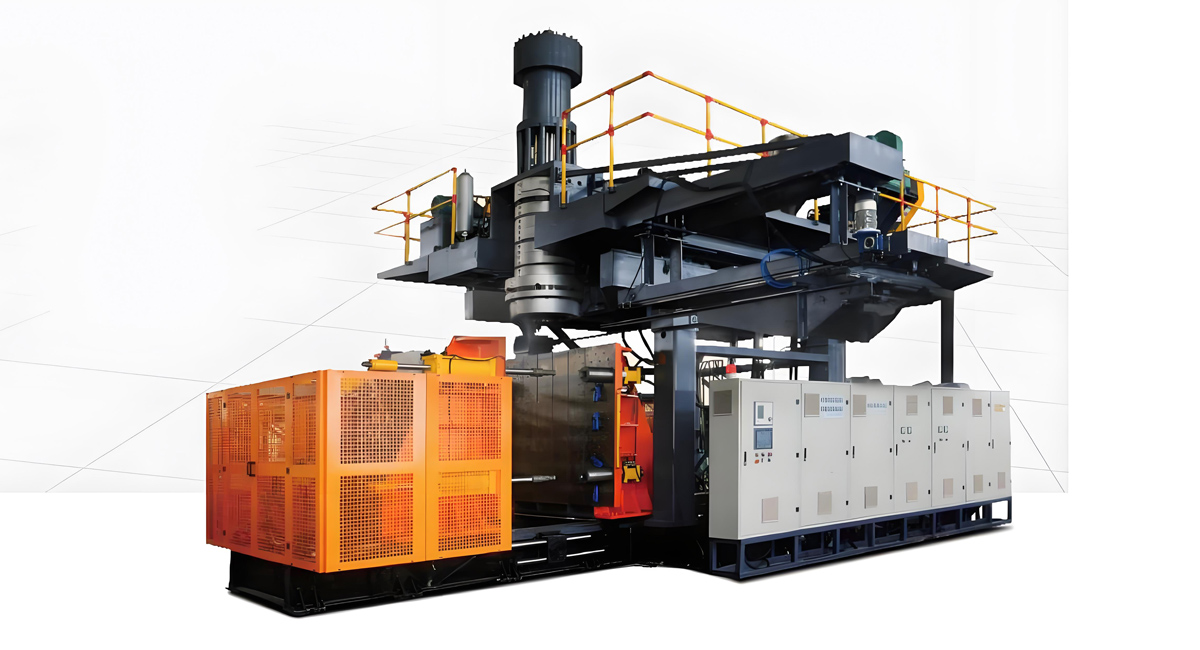
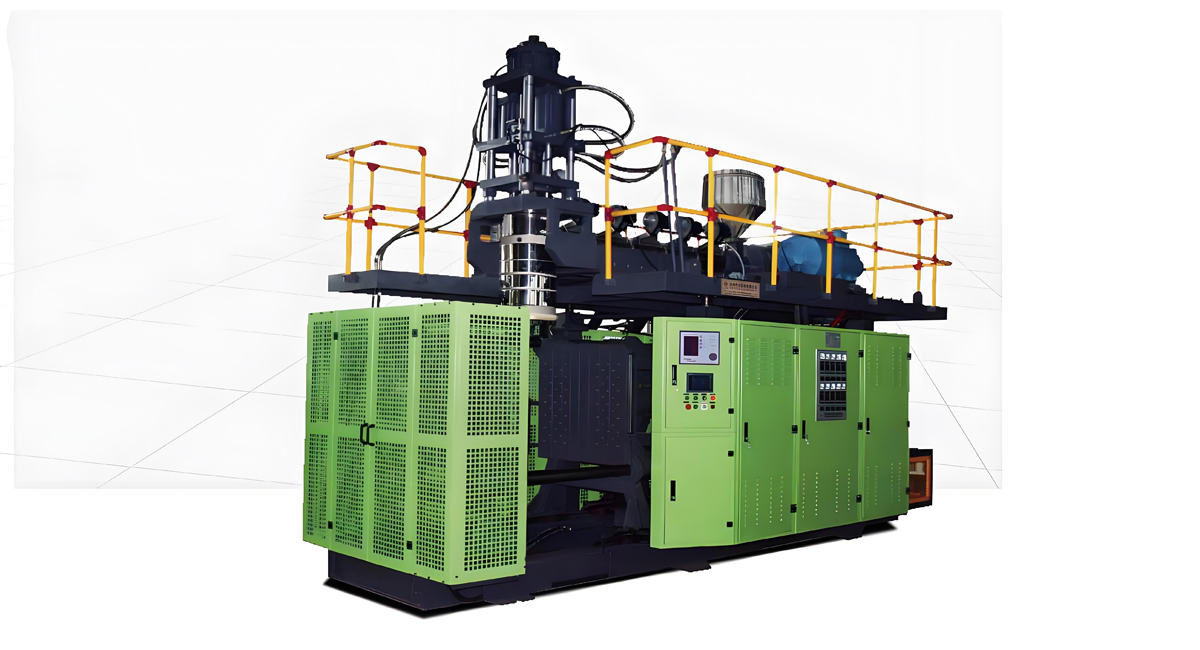
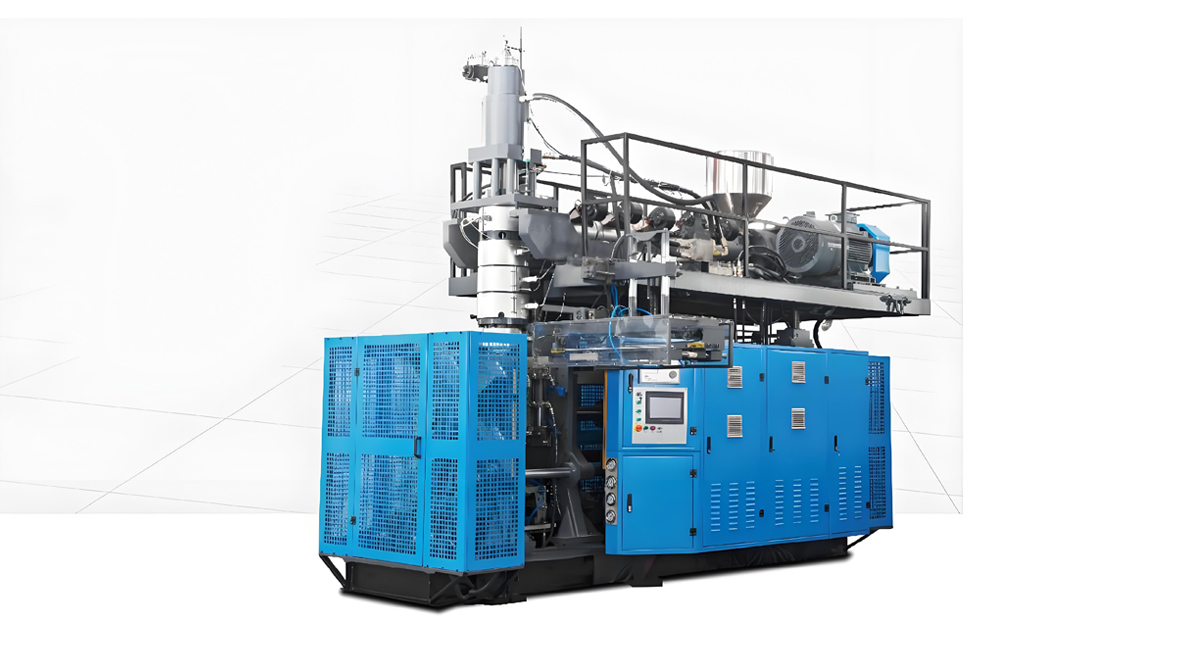
The extrusion blow molding machine has revolutionized the production of plastic jugs, enabling manufacturers to achieve unprecedented levels of efficiency and quality. As the demand for plastic containers continues to grow across industries such as food and beverage, daily chemical products, and industrial applications, investing in the right extrusion blow molding machine becomes crucial for competitive advantage. This comprehensive guide explores everything you need to know about selecting, operating, and optimizing these machines for plastic jug production.
Plastic jugs represent one of the most common container formats produced through extrusion blow molding technology. From milk containers and juice bottles to industrial chemical containers, these versatile products require precise manufacturing processes that only a well-designed extrusion blow molding machine can deliver. Modern machines incorporate advanced technologies including servo systems, programmable logic controllers, and proportional pressure control to ensure consistent quality and high production rates.
Understanding Extrusion Blow Molding Technology
What is Extrusion Blow Molding
Extrusion blow molding is a manufacturing process that creates hollow plastic products by extruding a heated plastic tube, known as a parison, into a mold cavity and then inflating it with compressed air. The extrusion blow molding machine automates this entire process, from plastic material feeding and melting to parison formation, mold closing, blowing, and final product ejection. This technology is particularly suited for producing plastic jugs due to its ability to create seamless, uniform containers with excellent structural integrity.
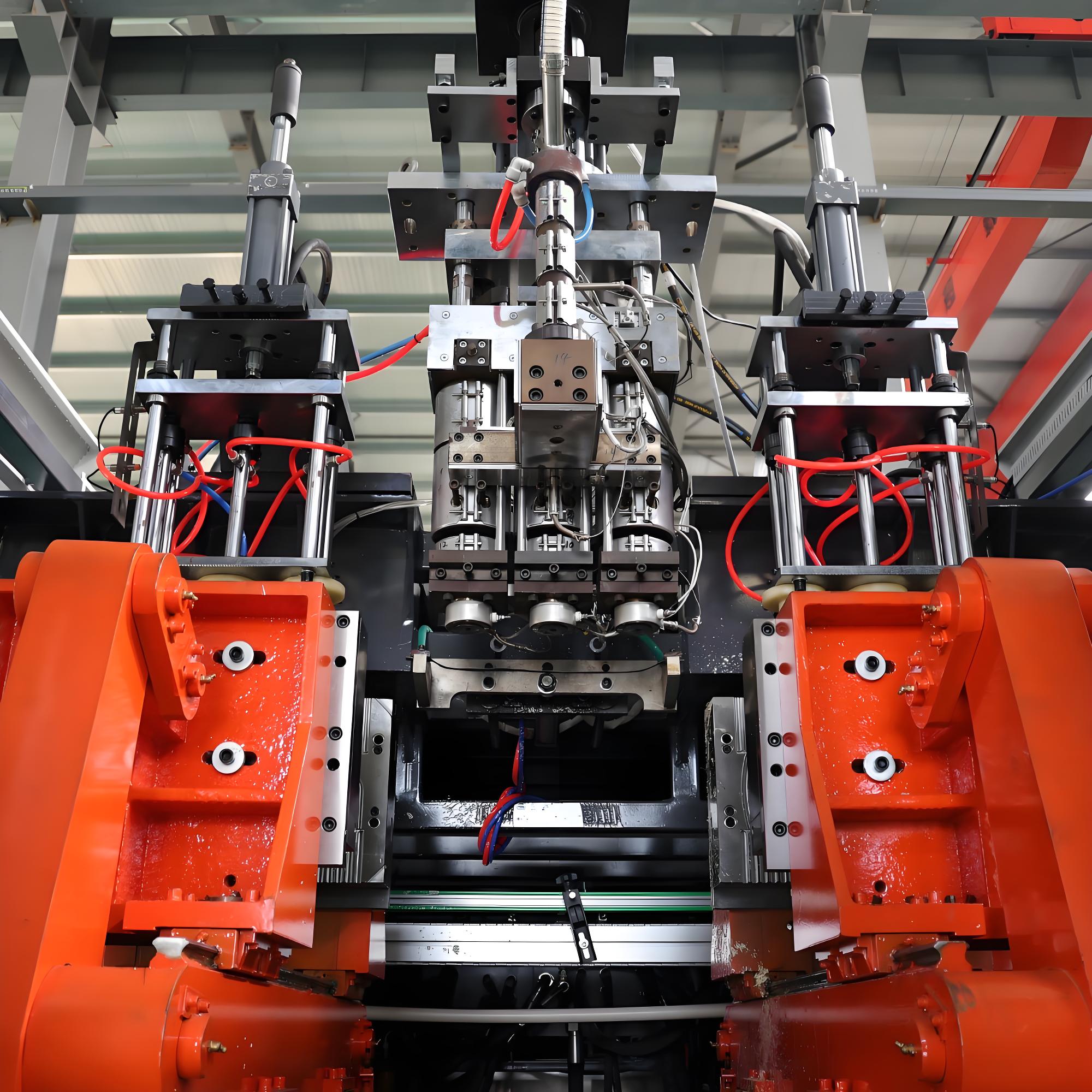
The process begins with plastic granules or pellets being fed into the extruder barrel of the extrusion blow molding machine. The rotating screw inside the barrel applies both heat and shear force to melt the plastic material, which is then forced through a die head to form the parison. The parison descends between two halves of a mold, which close around it. Compressed air is then injected into the parison, causing it to expand and conform to the shape of the mold cavity. After cooling, the mold opens and the finished plastic jug is ejected.
Advantages of Extrusion Blow Molding for Plastic Jugs
Several key advantages make the extrusion blow molding machine the preferred choice for plastic jug manufacturing. First, the process allows for high production speeds, with modern machines capable of producing hundreds or even thousands of containers per hour. Second, the seamless construction of blow molded jugs provides superior strength and durability compared to other manufacturing methods. Third, the technology offers excellent flexibility in terms of container size and shape, allowing manufacturers to produce everything from small consumer jugs to large industrial containers using the same basic process.
Cost efficiency represents another significant benefit of using an extrusion blow molding machine for plastic jug production. The process generates minimal waste, as excess material from the neck and bottom flash can typically be reground and reused. Additionally, the relatively simple tooling requirements compared to injection molding result in lower mold costs and faster time to market for new product designs. These factors combine to make blow molding an economically attractive option for both small batch and high volume production scenarios.
Key Features and Specifications of Modern Machines
Advanced Control Systems
Contemporary extrusion blow molding machines feature sophisticated control systems that enable precise management of all production parameters. Programmable logic controllers serve as the brain of these machines, allowing operators to store and recall multiple production recipes for different plastic jug designs. These systems monitor critical variables including melt temperature, extrusion speed, blow pressure, and cooling time, ensuring consistent product quality across production runs.
Servo motor technology has transformed the precision and efficiency of modern extrusion blow molding machine operations. Unlike traditional hydraulic systems, servo driven components offer instantaneous response times and precise positioning control. This results in more accurate parison control, reduced cycle times, and improved energy efficiency. Many manufacturers now offer fully electric extrusion blow molding machines that utilize servo motors throughout, eliminating the need for hydraulic oil and reducing maintenance requirements while improving environmental sustainability.
Extrusion and Blow Molding Capabilities
The heart of any extrusion blow molding machine is its extrusion system, which determines the quality and consistency of the parison formation. Advanced machines incorporate multi layer extrusion capabilities, allowing manufacturers to produce plastic jugs with multiple material layers for enhanced barrier properties, chemical resistance, or aesthetic appeal. The extruder screw design plays a critical role in achieving optimal melt homogeneity, with many modern machines featuring specialized screw profiles for different plastic materials.
Blow molding capabilities vary significantly across different machine configurations. Single station machines offer simplicity and cost effectiveness for lower volume production, while double station machines enable higher throughput by alternating between molds. The blow pressure system must deliver precise air pressure control to ensure uniform wall thickness distribution throughout the plastic jug. Modern extrusion blow molding machines typically incorporate proportional pressure control systems that adjust blow pressure dynamically during the molding cycle for optimal results.
Technical Parameters for Plastic Jug Production
Container Size and Volume Range
The selection of an extrusion blow molding machine depends heavily on the size range of plastic jugs to be produced. For small to medium sized jugs ranging from 200 milliliters to 20 liters, the Apollo ABLB series offers eight different machine models to match specific production requirements. The ABLB 45 handles containers from 1 to 2 liters, while the ABLB 55 addresses the 2 to 3 liter range. Moving up the scale, the ABLB 65 produces jugs from 3.5 to 5 liters, and the ABLB 75 is optimized for 8 liter containers.
For larger plastic jug production needs, the ABLB 80 handles 10 liter containers, the ABLB 90 addresses 16 liter jugs, and the ABLB 100 can produce containers up to 30 liters in volume. Each model in the ABLB series is engineered to deliver optimal performance within its specified volume range, ensuring efficient material usage, consistent wall thickness, and reliable cycle times. When selecting an extrusion blow molding machine, manufacturers should consider not only current production needs but also potential future requirements to ensure the chosen equipment provides adequate flexibility.
Production Speed and Efficiency Metrics
Production speed represents a critical factor in evaluating extrusion blow molding machine performance. The Apollo ABLB series demonstrates impressive throughput capabilities, with single station configurations achieving up to 1550 pieces per hour and double station versions reaching 1900 pieces per hour under optimal conditions. These high production rates translate directly into improved profitability and faster return on investment for manufacturers of plastic jugs.
Efficiency metrics extend beyond simple production speed to encompass material utilization, energy consumption, and operational reliability. Modern extrusion blow molding machines incorporate features designed to minimize material waste, including precise parison programming that adjusts wall thickness distribution to match container requirements. Energy efficiency has become increasingly important, with fully electric machines offering significant reductions in power consumption compared to traditional hydraulic systems. Reliability factors such as mean time between failures and mean time to repair also impact overall equipment effectiveness and should be considered during machine selection.
The Production Process for Plastic Jugs
Material Preparation and Feeding
The production process begins with proper material preparation, as the quality of input materials directly affects the performance of the extrusion blow molding machine and the quality of finished plastic jugs. Most plastic jug production utilizes polyethylene materials, including high density polyethylene for rigid containers and low density polyethylene for more flexible applications. The plastic resin typically arrives in pellet form and must be stored properly to prevent moisture absorption and contamination.
Material feeding systems in modern extrusion blow molding machines often incorporate automated hopper loaders that maintain consistent resin levels in the machine hopper. Some production lines include blending systems that combine virgin material with regrind from the trimming process, optimizing material costs while maintaining product quality. For applications requiring colored plastic jugs, color concentrate can be added either through pre colored resin or through dosing systems that inject colorant directly into the extruder throat. Proper material handling ensures consistent processing conditions and prevents production disruptions.
Extrusion and Parison Formation
The extrusion process within the extrusion blow molding machine requires precise temperature control across multiple zones of the extruder barrel and die head. The temperature profile must be optimized for the specific plastic material being processed, with typical processing temperatures for polyethylene ranging from 160 to 240 degrees Celsius depending on the material grade and desired melt characteristics. The rotating screw within the barrel generates friction heat that supplements the external heater bands, and the screw speed must be calibrated to deliver the required output rate while maintaining adequate melt quality.
Parison formation represents a critical stage in plastic jug production, as the parison geometry directly influences the wall thickness distribution in the finished container. Advanced extrusion blow molding machines incorporate parison programming systems that adjust the die gap during extrusion, creating intentional variations in parison wall thickness to compensate for the stretching that occurs during blowing. This programming capability enables manufacturers to produce plastic jugs with uniform wall thickness even when the container design includes complex features such as handles or offset necks.
Molding and Cooling Cycle
Once the parison reaches the proper length, the mold closes around it, and the blowing process begins. The blow pin descends into the parison, sealing the neck area of the plastic jug while simultaneously injecting compressed air to expand the parison against the mold cavity surfaces. The mold temperature and cooling capacity of the extrusion blow molding machine significantly influence cycle time and product quality, as the plastic must cool sufficiently to retain its shape when the mold opens.
Cooling channels embedded in the mold carry chilled water to extract heat from the formed plastic jug. The cooling time represents the longest portion of the production cycle, and optimizing this phase offers significant opportunities for throughput improvement. Some extrusion blow molding machines incorporate advanced cooling techniques such as internal air cooling or liquid carbon dioxide injection to reduce cooling times and increase production rates. After the cooling phase completes, the mold opens and the finished plastic jug is ejected for trimming and inspection.
Benefits and Advantages of Modern Equipment
Operational Efficiency Improvements
Modern extrusion blow molding machines deliver substantial operational efficiency improvements compared to earlier generation equipment. Advanced automation systems reduce the need for manual intervention, allowing a single operator to oversee multiple machines or production lines. Quick mold change systems enable rapid product changeovers, minimizing downtime when switching between different plastic jug designs. These efficiency gains translate directly into improved productivity and reduced labor costs per unit produced.
Energy efficiency represents another significant advantage of contemporary extrusion blow molding machine technology. Variable frequency drives on main motors allow precise speed control while reducing power consumption during idle periods. Fully electric machines eliminate the energy losses associated with hydraulic systems and the ongoing energy cost of maintaining hydraulic oil temperature. Over the typical equipment lifespan of 15 to 20 years, energy savings from modern machines can represent a substantial portion of total operating costs, making efficiency an important factor in equipment selection.
Quality and Consistency Benefits
The precision control systems incorporated in modern extrusion blow molding machines enable unprecedented levels of quality and consistency in plastic jug production. Real time monitoring and feedback systems detect process variations and make automatic adjustments to maintain optimal conditions. Statistical process control capabilities allow manufacturers to track key quality metrics and identify trends before they result in out of specification products. These quality systems support compliance with regulatory requirements and customer specifications.
Consistent product quality from an extrusion blow molding machine supports brand reputation and customer satisfaction. Weight consistency ensures that plastic jugs meet declared specifications and provide predictable performance in filling and handling operations. Dimensional accuracy enables compatibility with closures and filling equipment, while uniform wall thickness provides consistent mechanical properties and barrier performance. The cumulative effect of these quality improvements is reduced scrap rates, fewer customer complaints, and stronger market positioning.
Equipment Selection Guidelines
Matching Machine to Product Requirements
Selecting the appropriate extrusion blow molding machine requires careful analysis of current and anticipated production requirements. Key factors include the range of container sizes to be produced, required production volumes, and any special features needed such as multi layer capability or coextrusion. The Apollo ABLB series provides options ranging from the ABLB 45 for 1 to 2 liter jugs through the ABLB 100 for containers up to 30 liters, allowing manufacturers to select precisely the right machine for their specific needs.
Beyond container size, the intended application of the plastic jugs influences machine selection. Food and beverage containers require compliance with food contact regulations, necessitating machines capable of producing containers that meet these standards. Chemical containers may require enhanced barrier properties or specific material compatibility. Medical and pharmaceutical applications demand the highest levels of precision and cleanliness. The extrusion blow molding machine must be capable of meeting all relevant requirements while delivering the necessary production efficiency.
Capacity Planning Considerations
Capacity planning for extrusion blow molding machine investment involves analyzing both current production volumes and anticipated growth. While it may be tempting to select a machine sized for current needs, future expansion plans should influence the decision. A machine that operates at maximum capacity leaves no room for growth and may require premature reinvestment in additional equipment. Conversely, an oversized machine represents underutilized capital and may operate below optimal efficiency levels.
Production flexibility also influences capacity planning decisions. An extrusion blow molding machine that can accommodate multiple container sizes and styles provides greater flexibility to respond to market changes and customer demands. Double station configurations offer higher throughput for high volume products but may reduce flexibility for frequent product changes. Single station machines offer simplicity and lower cost for smaller production volumes. The optimal choice depends on the specific production mix and market requirements faced by each manufacturer.
Cost Analysis and Price Estimation
Capital Investment Requirements
The capital investment required for an extrusion blow molding machine varies significantly based on machine capacity, configuration, and features. Entry level machines in the Apollo ABLB 45 class, suitable for producing 1 to 2 liter plastic jugs, represent investments in the range of 15,000 to 25,000 US dollars. As container capacity increases, so does machine cost, with the ABLB 55 for 2 to 3 liter jugs priced between 18,000 and 30,000 US dollars, and the ABLB 65 for 3.5 to 5 liter containers ranging from 22,000 to 35,000 US dollars.
Mid range extrusion blow molding machines for larger plastic jug production require proportionally higher investments. The ABLB 75, optimized for 8 liter containers, costs between 28,000 and 45,000 US dollars, while the ABLB 80 for 10 liter jugs ranges from 32,000 to 50,000 US dollars. Higher capacity machines continue this progression, with the ABLB 90 for 16 liter containers priced from 38,000 to 60,000 US dollars, and the ABLB 100 for up to 30 liter jugs representing investments of 45,000 to 75,000 US dollars.
Operating Cost Considerations
Beyond the initial capital investment, the total cost of ownership for an extrusion blow molding machine encompasses multiple operating cost categories. Energy consumption represents a significant ongoing expense, with power requirements varying based on machine size and operating intensity. Material costs constitute the largest portion of production costs, making material efficiency and waste reduction critical factors in cost management. Labor costs depend on the level of automation and the number of machines that can be supervised by each operator.
Maintenance and repair costs also contribute to total ownership costs for an extrusion blow molding machine. Preventive maintenance programs help minimize unplanned downtime and extend equipment life, but require investment in spare parts inventory and maintenance labor. Some manufacturers offer service agreements that provide predictable maintenance costs and guaranteed response times. The availability of spare parts and technical support from the machine supplier significantly impacts both planned and unplanned maintenance costs over the equipment lifespan.
Return on Investment Analysis
Calculating return on investment for an extrusion blow molding machine requires comprehensive analysis of all cost and revenue factors. Revenue potential depends on production capacity, product mix, and market pricing for plastic jugs. Cost factors include not only equipment purchase and installation but also material, labor, energy, maintenance, and overhead costs. The payback period for a new machine typically ranges from two to five years depending on production volumes and profit margins.
When evaluating an extrusion blow molding machine investment, manufacturers should consider not only direct financial returns but also strategic benefits such as improved product quality, increased production flexibility, and enhanced competitive positioning. Upgrading to modern equipment may enable entry into new markets or the ability to serve customers with more demanding requirements. These strategic benefits may justify investment even when direct financial returns appear marginal.
Quality Standards and Certifications
International Quality Standards
Quality standards for plastic jugs and the extrusion blow molding machines that produce them vary depending on intended application and target market. Food contact containers must comply with regulations such as FDA requirements in the United States or EU food contact material regulations in Europe. These standards specify permissible materials, migration limits, and testing requirements to ensure consumer safety. Selecting an extrusion blow molding machine from a reputable manufacturer helps ensure compliance with relevant standards.
Industrial applications may require plastic jugs to meet specific performance standards for chemical resistance, impact strength, or barrier properties. The extrusion blow molding machine must be capable of consistently producing containers that meet these specifications. Quality management system certifications such as ISO 9001 demonstrate that the machine manufacturer maintains quality processes throughout design, production, and service delivery. These certifications provide assurance of equipment quality and reliability.
Industry Applications for Plastic Jugs
Food and Beverage Sector
The food and beverage industry represents the largest market for plastic jugs produced by extrusion blow molding machines. Milk jugs, juice containers, water bottles, and cooking oil containers all rely on blow molding technology for efficient production. These applications demand materials that are safe for food contact and provide appropriate barrier properties to maintain product freshness and quality. The ability of an extrusion blow molding machine to produce containers with consistent weight and dimensional accuracy ensures compatibility with filling equipment and closure systems.
Food safety requirements impose additional demands on extrusion blow molding machine operations. Clean production environments, proper material handling, and documented quality processes ensure that plastic jugs meet regulatory requirements. Some food packaging applications require enhanced barrier properties to protect sensitive products from oxygen or light degradation. Multi layer coextrusion capabilities enable production of containers with barrier layers that extend product shelf life while maintaining cost effectiveness.
Chemical and Industrial Applications
Chemical and industrial applications for plastic jugs place unique demands on both container design and the extrusion blow molding machine producing them. Chemical containers must resist the specific chemicals they will contain, requiring appropriate material selection and sometimes multi layer construction for improved barrier properties. Safety requirements mandate that containers maintain integrity during handling and transportation, preventing leaks that could create safety hazards or environmental contamination.
Industrial containers produced by extrusion blow molding machines range from small containers for specialty chemicals to large drums for bulk materials. These applications often require enhanced durability, with containers designed to withstand impacts during handling and transportation. The selection of plastic materials and container design parameters must account for the specific demands of each application, and the extrusion blow molding machine must be capable of consistently producing containers that meet these requirements.
Why Choose Apollo Extrusion Blow Molding Machines
Industry Experience and Expertise
Apollo, manufactured by Zhangjiagang Apollo Machinery Company under the Wanplas Group, brings over 20 years of experience in extrusion blow molding machine manufacturing to every product. This extensive industry experience translates into machines that incorporate proven designs refined through thousands of production hours across diverse applications. The knowledge gained from installing over 4,000 machines operating in more than 90 countries informs continuous improvement in machine design and performance.
The Apollo manufacturing facility spans 8,000 square meters and has capacity to produce 100 extrusion blow molding machines annually. This production scale enables Apollo to maintain comprehensive inventory of standard components while offering customization options to meet specific customer requirements. The manufacturing team combines traditional craftsmanship with modern production techniques to deliver machines that meet stringent quality standards while remaining competitively priced in the global market.
Product Range and Capabilities
Apollo offers a comprehensive range of extrusion blow molding machines to address diverse production requirements. The ABLB series covers container volumes from 200 milliliters through 20 liters, with eight distinct models optimized for specific volume ranges. For larger container production, the ABLD series addresses volumes from 20 liters through 1,500 liters, enabling production of industrial drums and bulk containers. The Fully Electric series offers environmentally friendly operation with reduced energy consumption and maintenance requirements for customers prioritizing sustainability.
Each Apollo extrusion blow molding machine incorporates advanced features designed to optimize production efficiency and product quality. Servo drive systems provide precise control over extrusion and mold movements. Programmable logic controllers enable storage and recall of production recipes for quick changeovers between products. Proportional pressure control ensures consistent blow pressure throughout the molding cycle. Double screw plasticizing systems deliver homogeneous melt quality for improved product consistency. These features combine to deliver machines that meet the demanding requirements of modern production environments.
Service and Support Commitment
Apollo demonstrates commitment to customer success through comprehensive service and support programs. Each extrusion blow molding machine includes 500 US dollars worth of free spare parts annually, reducing the cost and complexity of maintaining adequate parts inventory. During the warranty period, Apollo provides free replacement of damaged parts, including parts damaged during transportation. This comprehensive coverage minimizes customer risk and ensures that machines can be restored to operation quickly when issues occur.
Performance guarantees further demonstrate Apollo confidence in extrusion blow molding machine quality. If production capacity falls below specified levels, Apollo provides proportional compensation to address the shortfall. If delivered machines fail to meet quality specifications, Apollo offers refund plus an additional 10 percent compensation. These guarantees provide customers with assurance that their investment will deliver expected results. Onsite installation by Apollo engineers ensures proper machine setup and operator training for optimal performance from day one.
Maintenance and Troubleshooting
Preventive Maintenance Programs
Effective preventive maintenance is essential for maximizing the uptime and lifespan of an extrusion blow molding machine. Regular inspection and replacement of wear items such as heater bands, thermocouples, and seals prevents unexpected failures that disrupt production. Lubrication schedules must be followed to ensure smooth operation of moving parts and prevent premature wear. Calibration checks verify that temperature controllers, pressure sensors, and position encoders maintain accuracy over time.
A well structured preventive maintenance program for an extrusion blow molding machine includes daily checks of critical parameters, weekly inspections of wear items, monthly calibration verification, and annual comprehensive overhauls. Documentation of maintenance activities supports troubleshooting by providing historical records of repairs and replacements. Training operators to recognize warning signs of impending problems enables early intervention before failures occur. These practices minimize unplanned downtime and extend equipment life.
Common Issues and Solutions
Understanding common problems that affect extrusion blow molding machine operation enables faster troubleshooting and resolution. Wall thickness variations in finished plastic jugs may result from parison programming errors, die wear, or inconsistent melt temperature. Proper diagnosis requires systematic checking of each potential cause. Weight variations between containers may indicate inconsistent extrusion rates or material density variations that require adjustment of process parameters or material handling procedures.
Surface defects on plastic jugs produced by an extrusion blow molding machine can arise from multiple sources. Bubbles or voids may indicate moisture in the material or excessive melt temperature. Scratches or marks may result from rough mold surfaces or improper ejection mechanisms. Understanding the relationship between process conditions and product quality enables efficient troubleshooting. When issues exceed in house capability, manufacturer technical support can provide remote diagnosis or onsite assistance to restore normal operation.
Frequently Asked Questions
What is the typical lifespan of an extrusion blow molding machine
A well maintained extrusion blow molding machine typically provides 15 to 20 years of productive service life. Actual lifespan depends on operating intensity, maintenance practices, and environmental conditions. Machines operated in clean, temperature controlled environments with consistent preventive maintenance often exceed these expectations. Major components such as extruder screws and barrels may require replacement or refurbishment during the machine life, but proper maintenance enables many years of reliable operation.
What materials can be processed on an extrusion blow molding machine
Apollo extrusion blow molding machines are designed to process a wide range of thermoplastic materials including polyethylene, polypropylene, polyvinyl chloride, polyamide, polycarbonate, acrylonitrile butadiene styrene, polystyrene, ethylene vinyl acetate, thermoplastic polyurethane, and polyethylene terephthalate glycol. Material selection depends on container requirements for strength, chemical resistance, clarity, and other properties. The machine configuration must be appropriate for the intended materials, with extruder screw design and temperature control capabilities matched to material characteristics.
How do I choose the right machine size for my production needs
Selecting the right extrusion blow molding machine requires analysis of the container sizes to be produced, required production volumes, and growth projections. The Apollo ABLB series offers models optimized for specific volume ranges, from the ABLB 45 for 1 to 2 liter containers through the ABLB 100 for up to 30 liter containers. Production volume requirements determine whether single station or double station configuration is appropriate. Consulting with Apollo technical specialists ensures selection of a machine that meets both current and anticipated future needs.
What support does Apollo provide after purchase
Apollo provides comprehensive support for every extrusion blow molding machine sold. This includes free spare parts valued at 500 US dollars annually, warranty coverage for damaged parts including transportation damage, performance guarantees with compensation for capacity shortfalls, quality guarantees with refund plus compensation if specifications are not met, onsite installation and training by Apollo engineers, and factory visits for testing before purchase. This comprehensive support program ensures customer success throughout the equipment lifecycle.
Conclusion
Investing in the right extrusion blow molding machine for plastic jug production represents a significant decision that impacts operational efficiency, product quality, and business profitability for years to come. Modern machines offer advanced features including servo drive systems, programmable controls, and precision components that enable high quality, high efficiency production. The Apollo ABLB, ABLD, and Fully Electric series provide options to address production requirements ranging from small consumer containers to large industrial drums.
The selection process should consider not only initial equipment cost but also operational efficiency, maintenance requirements, and total cost of ownership over the equipment lifespan. Working with an experienced manufacturer like Apollo, with over 20 years of industry experience and more than 4,000 machines operating worldwide, provides assurance of equipment quality and ongoing support. The comprehensive warranty, performance guarantees, and service programs offered by Apollo reduce customer risk and support long term success in the competitive plastic jug manufacturing market.
By carefully evaluating production requirements, understanding available options, and partnering with a reputable manufacturer, businesses can select an extrusion blow molding machine that delivers the performance, efficiency, and reliability needed to succeed in plastic jug production. The combination of advanced technology, proven design, and comprehensive support positions Apollo machines as leading options for manufacturers seeking to optimize their plastic container production operations.