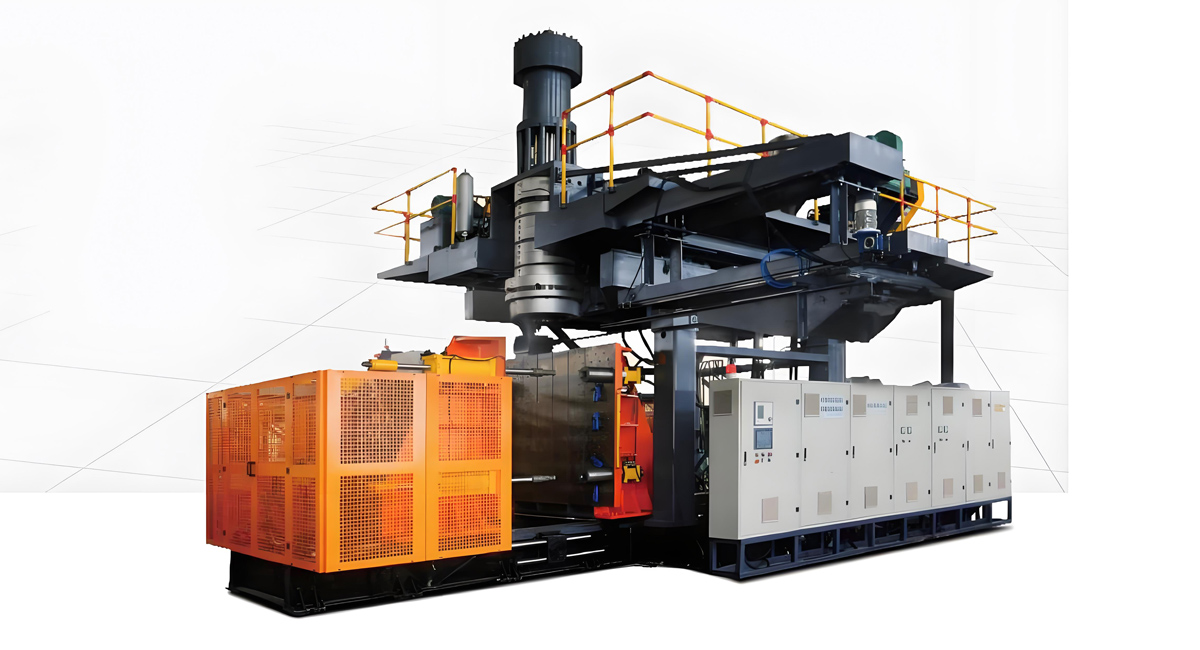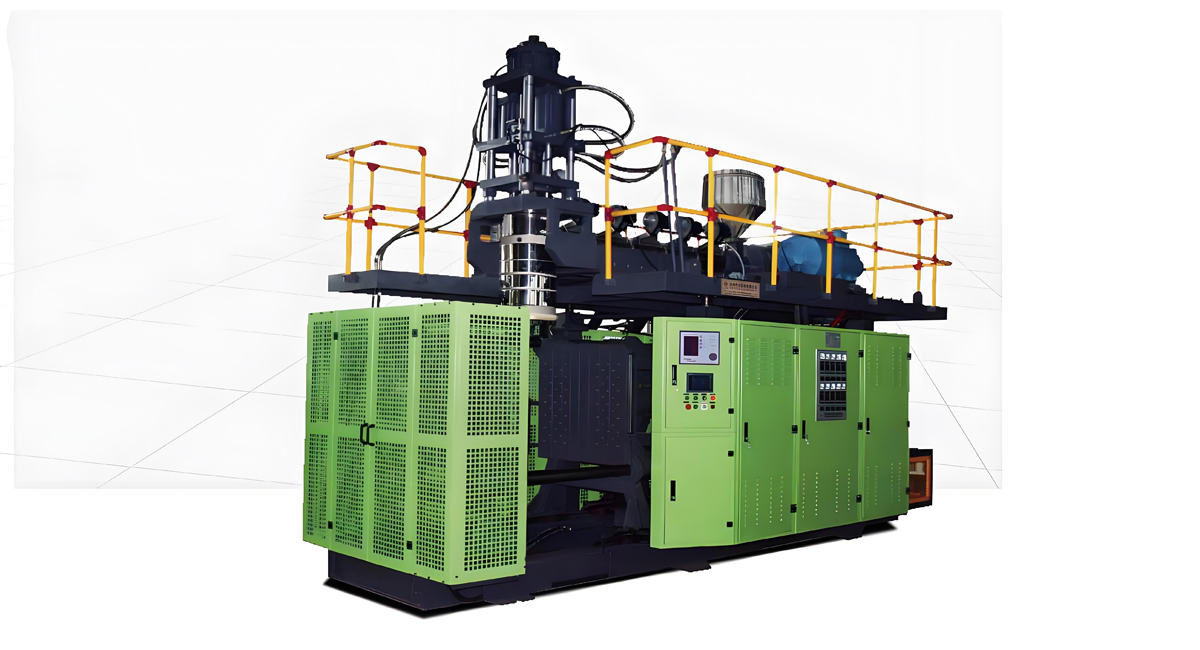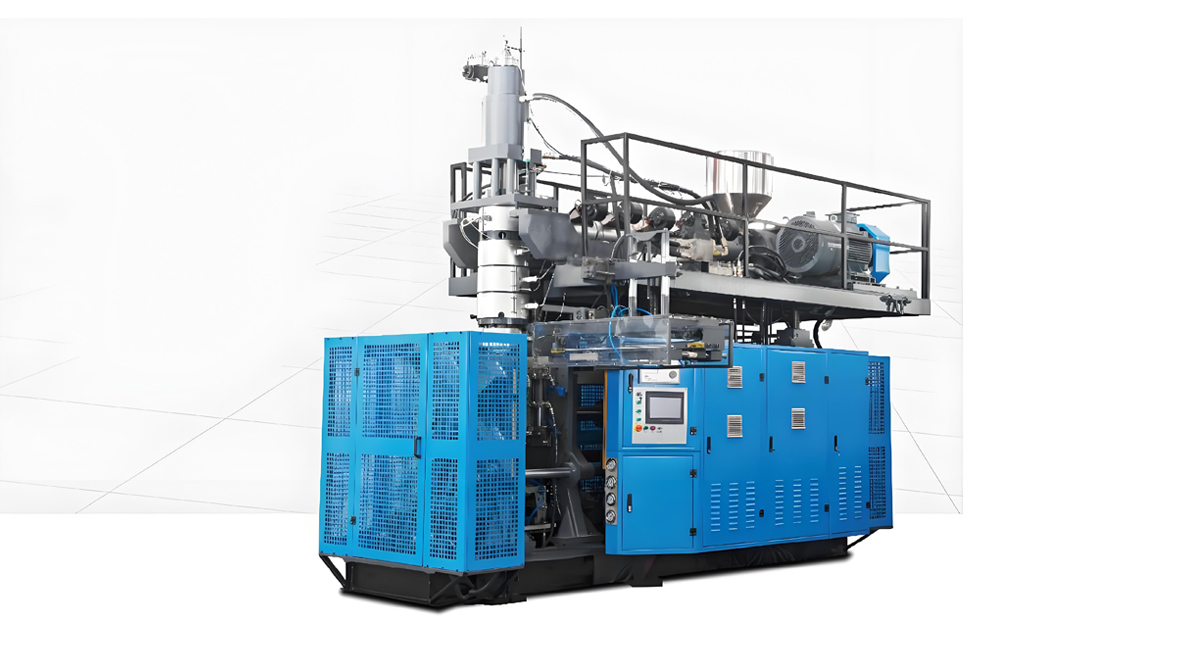
The plastic sprayer industry presents unique manufacturing challenges that demand specialized solutions from extrusion blow molding equipment. Creating high-performance sprayers with precision nozzle designs requires careful consideration of machine capabilities, mold engineering, and production processes. This comprehensive guide examines how extrusion blow molding technology addresses the specific requirements of plastic sprayer manufacturing, from basic container production to advanced nozzle integration and custom design solutions.
Plastic sprayers serve essential functions across numerous industries including agricultural chemicals, household cleaning products, personal care items, and industrial applications. Each application presents specific requirements for spray pattern, droplet size, throw distance, and ergonomic design that influence manufacturing approaches. Understanding these requirements helps manufacturers select appropriate equipment and develop production processes that deliver sprayers meeting demanding performance specifications.
Understanding Plastic Sprayer Requirements
Plastic sprayers combine functional complexity with ergonomic design requirements that challenge manufacturing capabilities. Unlike simple bottles or containers, sprayers must integrate multiple functional elements while maintaining attractive appearance and reliable operation. Successful sprayer manufacturing requires understanding both the functional requirements that drive design and the manufacturing capabilities that enable production.
Functional Components of Plastic Sprayers
Complete plastic sprayer systems incorporate several functional components that must be manufactured and assembled. The reservoir or container holds the liquid to be sprayed and typically represents the largest component produced by extrusion blow molding. The trigger mechanism creates the pumping action that draws liquid from the reservoir and forces it through the nozzle. The nozzle assembly focuses and directs the spray pattern as liquid exits the system.
Each component presents unique manufacturing challenges. Containers must maintain liquid tightness while resisting deformation under normal use and storage conditions. Trigger mechanisms require precise mechanical function that depends on component dimensions and material properties. Nozzle assemblies must produce consistent spray patterns that meet performance specifications. Integrating these components into functioning sprayer systems requires careful attention to manufacturing tolerances and assembly processes.
Performance Specifications and Quality Requirements
Sprayer performance depends on precise interaction between multiple components, and manufacturing processes must maintain tight tolerances to ensure consistent function. Key performance specifications include spray pattern uniformity that ensures even coverage of target surfaces, droplet size distribution that matches application requirements, pump efficiency that determines ease of use and battery life for motorized sprayers, and leak-free operation that prevents product loss and ensures user satisfaction.
Quality requirements for sprayer components include dimensional accuracy within specified tolerances, material properties that ensure durability and chemical resistance, surface finish that supports cleanability and aesthetic appearance, and functional testing to verify assembly and performance. These requirements influence machine selection, mold design, and production process parameters. Manufacturers must balance quality requirements against production efficiency and cost considerations.
Material Selection for Sprayer Applications
Material selection significantly impacts sprayer performance and manufacturing options. Different applications require different material properties, and manufacturers must select materials that meet functional requirements while enabling efficient production. Common materials for sprayer components include various polyethylene and polypropylene grades that offer chemical resistance and cost-effectiveness.
High-density polyethylene (HDPE) provides excellent chemical resistance for agricultural and industrial chemical applications. Polypropylene (PP) offers higher temperature resistance and good mechanical properties for trigger mechanisms. Polyoxymethylene (POM) and ABS provide precision-engineered components for mechanical elements requiring dimensional stability. Material selection should consider chemical compatibility with intended contents, mechanical requirements for functional components, processing requirements for extrusion blow molding, and regulatory requirements for food or pharmaceutical contact.
Custom Nozzle Design Considerations
The nozzle represents the most critical functional element of any sprayer system, and custom nozzle design requires careful attention to spray performance requirements, manufacturing feasibility, and production efficiency. Modern nozzle designs incorporate sophisticated geometries that were previously impossible to manufacture but now enable unprecedented spray control through advanced manufacturing techniques.
Spray Pattern Optimization
Different applications require different spray patterns, and nozzle design must achieve the desired pattern consistently. Common spray patterns include cone sprays that provide broad coverage for general spraying, flat fan sprays that deliver even coverage in rectangular patterns, and stream sprays that project liquid over longer distances with minimal dispersion. Nozzle geometry determines which pattern is produced and how effectively the pattern performs.
Cone spray nozzles typically utilize swirl chambers that impart rotational velocity to the liquid, creating a hollow cone pattern as centrifugal force overcomes surface tension. Fan spray nozzles employ orifice geometry that creates flat, elliptical patterns suitable for coating applications. Stream nozzles minimize atomization to project liquid without significant spray formation. Custom nozzle design must achieve target patterns while maintaining pattern consistency throughout the spray cycle and across production lots.
Droplet Size Control
Droplet size significantly impacts spray performance and application effectiveness. Agricultural applications often require specific droplet sizes for optimal coverage and reduced drift. Household products may prioritize aesthetic spray quality over technical performance. Industrial applications may require controlled droplet sizes for coating thickness or material deposition. Nozzle design directly controls droplet size through orifice geometry and flow dynamics.
Smaller droplets provide larger surface area for chemical reactions or product delivery but increase drift potential and may fail to penetrate dense plant canopies. Larger droplets resist drift and penetrate dense coverage but may provide less uniform application. Nozzle designers must balance these competing requirements based on specific application needs. Computational fluid dynamics (CFD) modeling helps optimize nozzle geometries for target droplet characteristics before expensive mold manufacturing begins.
Throw Distance and Pressure Relationships
Spray throw distance depends on nozzle design, liquid properties, and operating pressure. Nozzle designers must understand these relationships to achieve target performance specifications. Higher operating pressures generally increase throw distance and atomization but require more robust components and may create user fatigue in hand-operated sprayers. Optimizing throw distance requires balancing performance requirements against practical operating constraints.
Nozzle design parameters affecting throw distance include orifice diameter and length, internal geometry including flow passages and spray chambers, surface finish that affects liquid adhesion, and exit geometry that influences spray pattern formation. Pressure-flow relationships determine how the nozzle will perform at different operating pressures. Nozzle design must achieve acceptable performance across the expected operating pressure range while maintaining consistency lot to lot.
Extrusion Blow Molding Solutions for Sprayer Manufacturing
Extrusion blow molding provides an efficient manufacturing method for sprayer reservoirs and certain integrated components. Understanding how extrusion blow molding technology addresses sprayer manufacturing requirements helps identify optimal production approaches and equipment specifications. Modern extrusion blow molding machines offer capabilities that support sophisticated sprayer designs while maintaining production efficiency.
Multi-Layer Container Technology
Multi-layer extrusion blow molding enables production of containers with functional layers that would be impossible in single-layer constructions. Barrier layers prevent chemical migration, UV inhibitors protect light-sensitive contents, and recycled content layers reduce material costs while maintaining performance. Multi-layer technology expands design possibilities for demanding sprayer applications.
Multi-layer containers typically incorporate three to seven layers depending on requirements, with each layer serving specific functions. Barrier layers of ethylene-vinyl alcohol (EVOH) or nylon prevent permeation of solvents or aggressive chemicals. Adhesive layers bond dissimilar materials together securely. Virgin material layers provide structural integrity and aesthetic appearance. The additional complexity of multi-layer production requires machines with sophisticated control systems and properly designed multi-layer die heads.
Precision Wall Thickness Control
Sprayer reservoirs often require precise wall thickness control in specific areas to achieve optimal performance. The neck area may need enhanced rigidity for thread engagement, while body sections may require consistent thin walls for chemical resistance and material efficiency. Parison programming systems enable precise wall thickness distribution throughout the blow molded part.
Modern parison programming systems utilize servo-controlled die pins that respond rapidly to thickness commands, creating sophisticated wall thickness profiles across the parison length and around the circumference. These profiles can be customized for specific sprayer designs, optimizing material distribution for structural requirements while minimizing weight in non-critical areas. Precision wall thickness control typically costs between $15,000 and $40,000 for capable parison programming system upgrades but enables significant material savings and improved product quality.
Integral Functional Features
Integration of functional features into blow molded components reduces assembly operations and improves product quality by eliminating connections that might leak or fail. Features that can be integral to blow molded parts include structural ribs that provide reinforcement, mounting bosses for component attachment, sealing surfaces that function without additional gaskets, and identification features including molded-in codes or labels.
Advanced mold designs incorporate moving components that create undercuts, threads, and other complex features during the blow molding cycle. These molded-in features reduce secondary operations and improve consistency compared to post-molding assembly. However, mold complexity increases cost and cycle time, so designers must balance feature integration benefits against manufacturing complexity costs.
Mold Design for Sprayer Components
Mold design critically impacts sprayer component quality, production efficiency, and manufacturing costs. Professional mold design integrates understanding of product requirements, blow molding process capabilities, and production economics. Investment in quality mold design pays dividends through improved product quality, reduced production costs, and extended mold life.
Cavity Design Considerations
Cavity design determines product geometry, surface finish, and dimensional accuracy achievable in production. Sprayer component cavities must account for material shrinkage, draft angles for part release, and cooling system requirements. Professional cavity design balances these factors to achieve target product specifications while enabling efficient production.
Shrinkage compensation varies by material and part geometry, and experienced mold designers apply appropriate compensation based on material properties and historical data. Draft angles facilitate part release from cavities and must be sufficient to prevent damage during ejection. Surface finish requirements influence cavity polishing procedures and tooling selection. Cooling system design within the cavity directly impacts cycle time and part quality consistency.
Cooling System Optimization
Effective cooling systems extract heat from molds rapidly, enabling shorter cycle times and consistent product quality. Sprayer components often have varying wall thicknesses that create cooling challenges as thick sections cool more slowly than thin sections. Cooling system design must address these variations while maintaining temperature uniformity across the cavity.
Cooling channel design includes straight channels for simple cooling, baffles and bubblers for cooling in restricted areas, and conformal cooling channels for complex geometries. Cooling calculations ensure adequate flow and heat removal capacity. Temperature control systems maintain coolant at target temperatures while removing heat from the mold. Optimized cooling systems typically represent 15 to 25 percent of total mold cost but contribute significantly to production efficiency and product quality.
Runner and Gate Systems
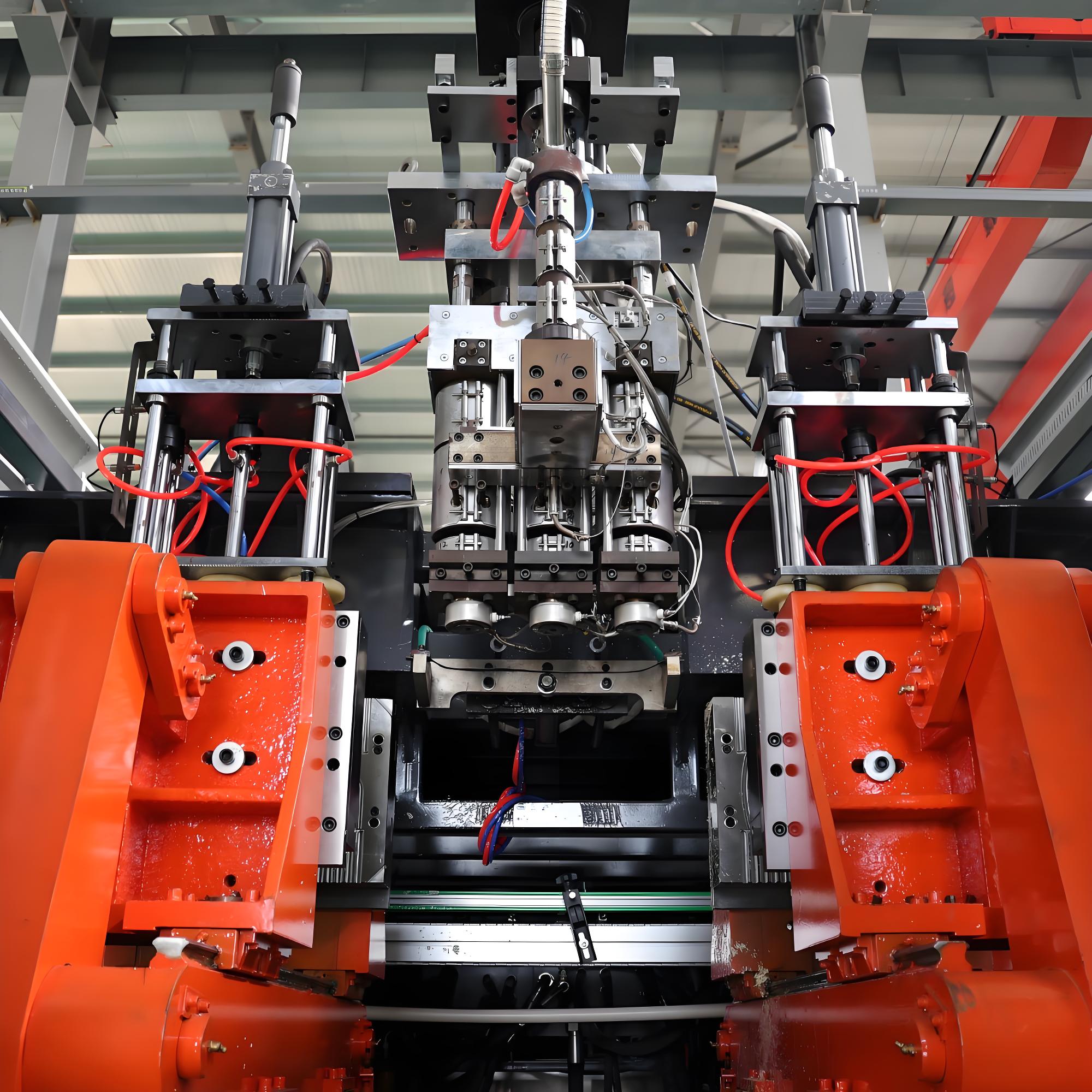
Blow molding does not use traditional runner systems since material is extruded directly into the cavity rather than injected through runners. However, the die head and parison formation affect how material enters the mold cavity. Die head design influences material distribution and wall thickness consistency around the part circumference. Proper die head design ensures uniform material flow that supports consistent product quality.
For integrated multi-layer components, layer distribution in the die head must be carefully designed to maintain layer integrity through the parison formation and blowing process. Layer rearrangement or mixing during parison inflation can compromise barrier effectiveness or aesthetic appearance. Die head designers use flow simulation and extensive experience to predict layer behavior and optimize designs for consistent layer distribution.
Production Process Optimization
Optimizing the production process for sprayer components requires attention to material preparation, machine settings, and quality monitoring. Even the best equipment and molds will produce suboptimal results without proper process optimization. Developing robust processes that produce consistent quality efficiently requires systematic experimentation and careful attention to process parameters.
Material Drying and Preparation
Proper material preparation significantly impacts product quality in extrusion blow molding. Many materials require drying before processing to remove absorbed moisture that would cause surface defects or property degradation. Sprayer components often use materials with specific drying requirements, and maintaining proper drying conditions ensures consistent processing.
Drying requirements vary by material, with hygroscopic materials like polycarbonate requiring thorough drying at elevated temperatures. Typical drying conditions for common blow molding materials range from 2 to 8 hours at temperatures between 170 and 250 degrees Fahrenheit depending on material type and moisture content. Desiccant dryers provide the low dew points required for effective drying of moisture-sensitive materials. Material moisture content should be verified before processing critical components.
Temperature Profile Optimization
Temperature control throughout the extrusion system directly impacts melt quality, parison consistency, and finished product properties. Optimizing temperature profiles requires understanding how each zone contributes to material preparation and process stability. Temperature profile development typically begins with manufacturer recommendations and is refined based on observed product quality and process stability.
Extruder barrel zones are typically set with temperatures increasing from feed throat to die head to provide progressive melting and homogenization. Die head temperatures must be high enough to maintain melt flow but low enough to prevent thermal degradation. Mold temperatures affect cooling rate and part surface quality. Production trials with systematic temperature adjustments identify optimal settings for specific materials and products. Documented process sheets ensure consistent settings across production runs.
Cycle Time Optimization
Cycle time directly impacts production capacity and cost per part, making cycle optimization important for profitability. However, cycle time reduction must not compromise product quality or cause excessive scrap. Effective cycle optimization balances these factors to achieve the fastest practical cycle time that meets quality requirements.
Cycle time components include clamp close and lock time, blow and inflation time, cooling time, clamp open and ejection time, and part removal and reset time. Cooling time typically represents the largest component and often limits cycle time reduction. Cooling time depends on part wall thickness, material properties, and mold cooling efficiency. Optimization strategies include increasing cooling capacity through enhanced cooling systems, adjusting wall thickness to reduce cooling requirements, and using materials with faster crystallization rates that solidify more quickly.
Quality Assurance for Sprayer Components
Quality assurance for sprayer components includes inspection of dimensional and functional characteristics that ensure sprayer assembly and performance requirements are met. Comprehensive quality systems verify that components meet specifications while providing data for continuous improvement. Quality assurance investments pay returns through reduced scrap, improved customer satisfaction, and lower warranty costs.
Dimensional Inspection Methods
Dimensional verification confirms that components meet tolerance requirements for proper assembly and function. Common dimensional inspection methods include manual measurement with calipers and micrometers for routine verification, coordinate measuring machines (CMM) for complex geometries and tight tolerances, and optical scanning systems for rapid dimensional verification. Selection of inspection methods depends on required precision, inspection volume, and available equipment.
Critical dimensions for sprayer components include neck diameter and thread specifications for closure compatibility, wall thickness distribution for structural integrity and chemical resistance, overall dimensions for packaging and shipping requirements, and functional dimensions for mating with other sprayer components. Statistical process control techniques monitor dimensional capability and detect trends before specification violations occur.
Functional Testing Procedures
Functional testing verifies that components will perform as intended in assembled sprayers. Testing may be performed on individual components or assembled sprayers depending on requirements and stage of production. Functional testing provides assurance that products will meet user expectations and application requirements.
Functional tests for sprayer components include leak testing of containers under pressure, spray pattern testing using standardized procedures and measurement techniques, pump efficiency testing measuring output versus input effort, and durability testing that simulates extended use. Testing equipment ranges from simple manual fixtures to automated test stations that measure and record performance data. Test procedures and acceptance criteria should be defined based on customer requirements and application specifications.
Material and Process Validation
Material and process validation ensures that manufacturing processes consistently produce components meeting specifications. Validation activities confirm that qualified materials, processes, and equipment produce acceptable results. Initial validation provides baseline capability, while ongoing monitoring confirms continued capability over time.
Validation protocols typically include installation qualification (IQ) verifying that equipment is installed correctly, operational qualification (OQ) verifying that equipment operates within specified parameters, and performance qualification (PQ) verifying that processes produce acceptable products consistently. Material qualification confirms that materials perform as required for intended applications. Change control procedures ensure that process modifications are evaluated for impact before implementation.
Cost Analysis for Custom Sprayer Manufacturing
Understanding the costs associated with custom sprayer manufacturing helps in planning investments and evaluating business cases for new products or production capabilities. Cost analysis includes initial investments in equipment and molds, ongoing production costs, and quality-related costs that impact overall profitability. Comprehensive cost analysis supports informed decision-making about manufacturing strategies.
Equipment Investment Requirements
Equipment investments for sprayer manufacturing depend on product specifications, production volumes, and automation requirements. Budget extrusion blow molding machines capable of producing sprayer containers from 50ml to 2L typically cost between $35,000 and $80,000 depending on automation level and features. Multi-layer capable machines for barrier applications typically cost $80,000 to $150,000. High-speed production machines for large volumes may cost $150,000 to $300,000 or more.
Additional equipment investments include auxiliary equipment such as air compressors, material drying systems, and material handling equipment typically costing $15,000 to $40,000 total. Tooling investments for sprayer container molds typically range from $15,000 to $60,000 depending on complexity and cavitation. Complete sprayer systems may require molds for multiple components including triggers, nozzles, and closures that can add $30,000 to $100,000 or more in tooling investment.
Production Cost Breakdown
Production costs for sprayer components include material costs, labor costs, energy consumption, tooling amortization, and overhead allocation. Understanding these cost components helps identify opportunities for cost reduction and supports pricing decisions for manufactured products.
Material costs typically represent 40 to 60 percent of production costs for standard blow molded sprayer containers. Material costs depend on material selection, part weight, and material pricing. Labor costs vary significantly based on automation level and local wage rates, typically ranging from $15 to $50 per hour depending on location and operator skill requirements. Energy costs for extrusion blow molding typically range from $0.50 to $2.00 per machine hour depending on machine size and local electricity rates. Tooling amortization spreads mold investments across expected production volumes, typically over 3 to 5 years depending on tooling life expectations.
Economics of Customization
Custom sprayer designs offer differentiation and premium pricing opportunities but typically involve higher costs than standard products. Understanding the economics of customization helps balance differentiation benefits against cost premiums. Customization decisions should consider market pricing power, volume requirements, and manufacturing complexity.
Custom nozzle designs may command 20 to 50 percent price premiums over standard products but involve design and tooling investments of $20,000 to $100,000 or more depending on complexity. Custom colors or materials typically add 5 to 15 percent to material costs while enabling premium positioning. Integrated functional features that reduce assembly requirements may increase tooling costs but reduce production costs through improved efficiency. Break-even analysis should compare incremental revenue opportunities against incremental investments and costs to determine whether customization investments are justified.
Partner Selection for Custom Sprayer Manufacturing
Selecting the right manufacturing partner for custom sprayer production requires evaluating capabilities, experience, and alignment with your business requirements. The right partner provides not only manufacturing capabilities but also engineering support, quality assurance, and collaborative development capabilities. Partner selection significantly impacts product success and business outcomes.
Technical Capability Assessment
Technical capability assessment evaluates whether potential partners can meet your manufacturing requirements. Key evaluation criteria include equipment capabilities including size ranges and multi-layer capability, engineering capabilities for custom design and mold development, quality systems including certifications and inspection capabilities, and track record with similar products and applications.
Site visits allow direct observation of manufacturing operations and discussions with technical personnel. Sample evaluations from potential partners demonstrate manufacturing quality and capability. Engineering discussions reveal depth of understanding about your requirements and creative problem-solving capabilities. References from current customers provide insights into partnership experience and satisfaction levels.
Communication and Collaboration Effectiveness
Effective communication and collaboration contribute significantly to partnership success, particularly for custom development projects requiring close coordination. Evaluating communication practices and responsiveness helps predict partnership experience and project success likelihood. Clear communication practices prevent misunderstandings that can cause delays, cost overruns, or quality problems.
Assessment criteria include responsiveness to inquiries and questions, clarity and completeness of technical communications, project management practices and status reporting, language capabilities where cross-border collaboration is involved, and cultural alignment that supports effective long-term relationships. Trial projects provide opportunities to experience actual collaboration practices before committing to major development efforts.
Long-Term Partnership Considerations
Sprayer manufacturing partnerships often extend for years or decades, and long-term relationship quality significantly impacts business outcomes. Evaluating partnership sustainability helps avoid costly partner changes midstream. Relationship factors worth evaluating include financial stability and business continuity, capacity availability for growth, commitment to continuous improvement, and alignment of business values and practices.
Chinese manufacturers like Zhangjiagang Apollo Machinery Co., Ltd. with established track records, global customer bases, and comprehensive capabilities offer advantages for long-term partnerships. Established manufacturers have proven their ability to maintain quality and service over extended periods while developing capabilities that support evolving customer needs. Long-term partnerships benefit both parties through improved efficiency, reduced transaction costs, and collaborative innovation that creates value beyond basic manufacturing services.
Conclusion
Custom plastic sprayer manufacturing through extrusion blow molding technology offers opportunities for product differentiation and market success when approached with appropriate understanding and planning. The combination of functional complexity and manufacturing precision required for quality sprayers demands attention to equipment selection, mold design, process optimization, and quality assurance. Investment in these fundamentals pays returns through improved product quality, production efficiency, and customer satisfaction.
Custom nozzle design represents a particularly important area where manufacturing capabilities enable product innovation and competitive differentiation. Advances in mold design and manufacturing technology continue to expand possibilities for sophisticated nozzle designs that were previously impossible to produce economically. Manufacturers who invest in understanding and applying these capabilities position themselves to capture market opportunities in demanding applications.
Selection of manufacturing partners with appropriate capabilities, experience, and commitment to quality ensures that custom sprayer development succeeds in delivering intended value. The investment in partnership development pays dividends throughout the product lifecycle through reliable production, responsive support, and collaborative improvement. Working with established manufacturers provides confidence in capabilities developed over decades of experience serving diverse market requirements.
The plastic sprayer market continues to evolve with new applications, materials, and performance requirements. Manufacturers who combine understanding of application requirements with manufacturing expertise position themselves for success in this dynamic market. The comprehensive approach to equipment, process, and partnership development outlined in this guide provides a foundation for building successful custom sprayer manufacturing capabilities that serve customers effectively and profitably for years to come.