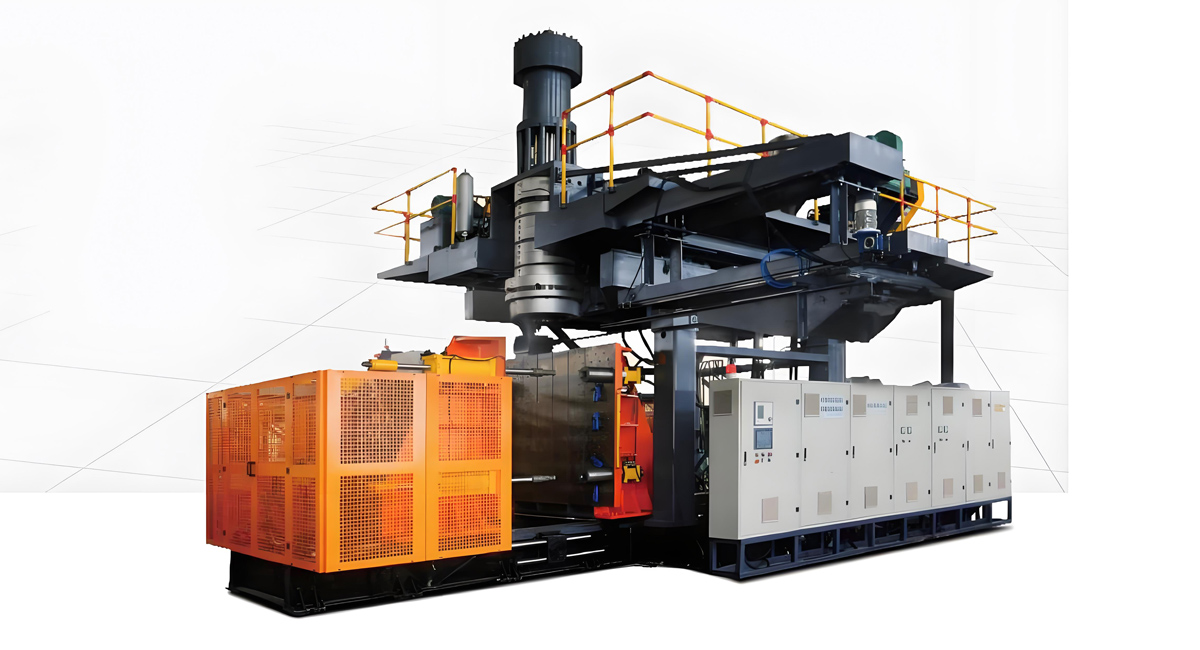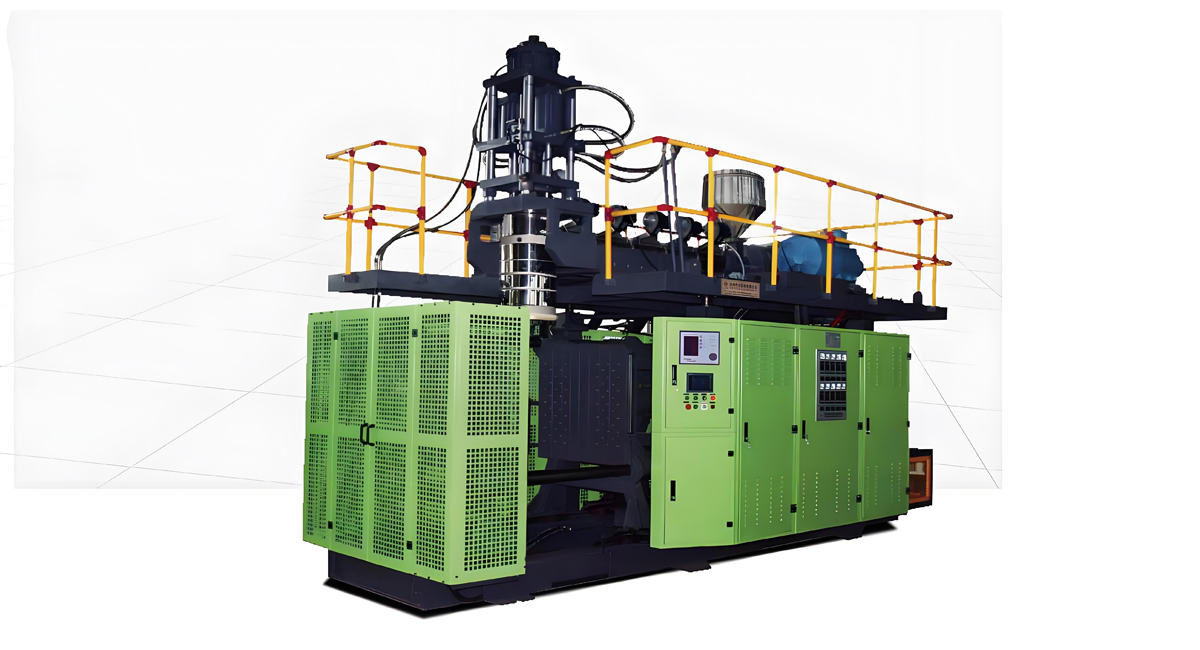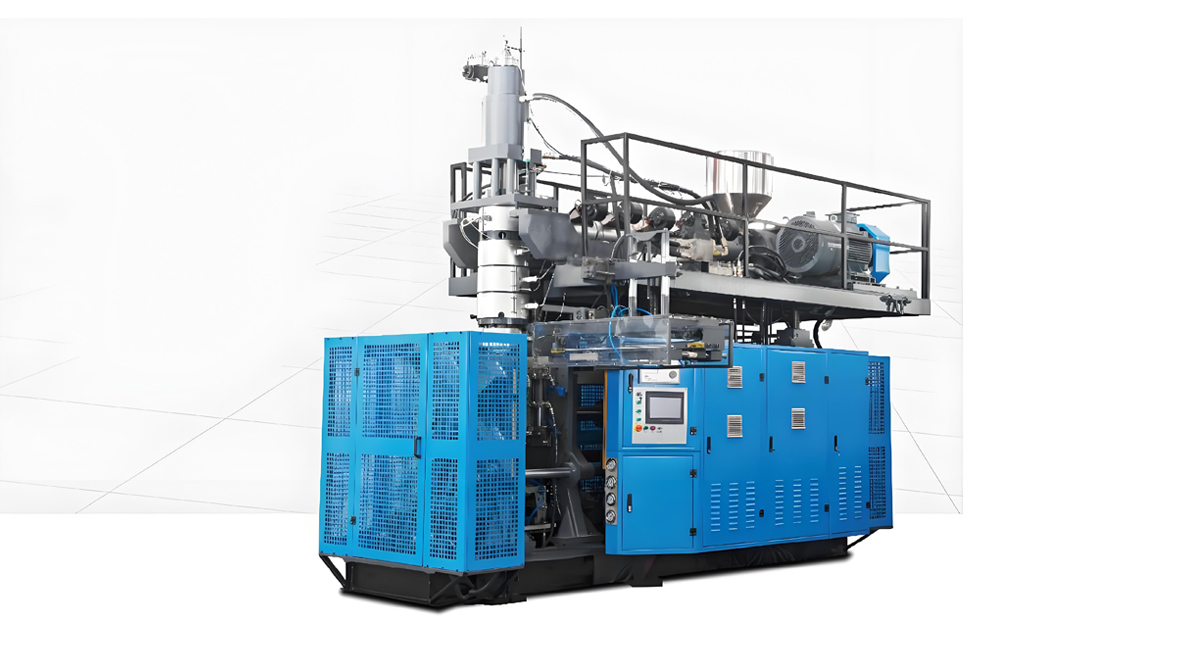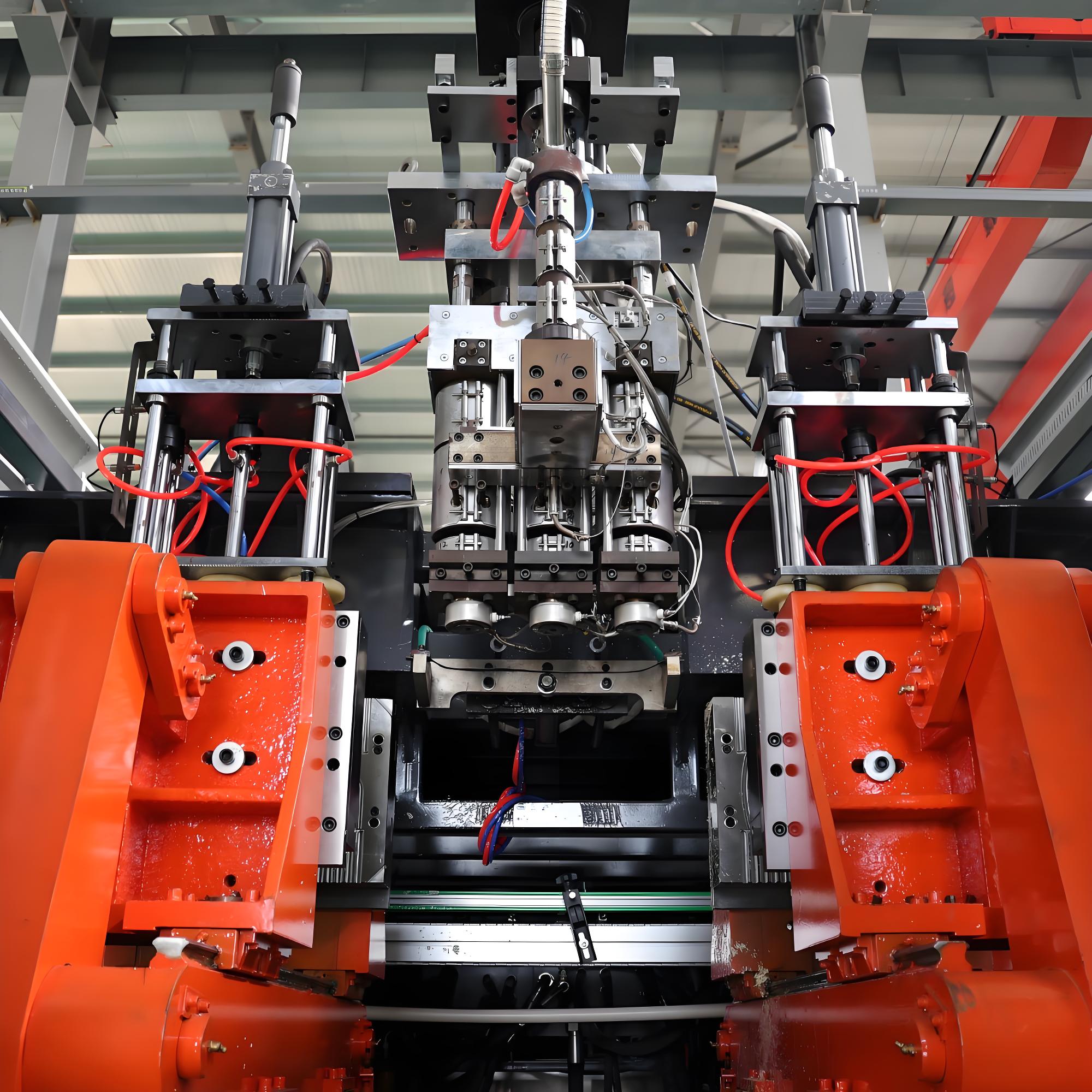

The food packaging industry demands manufacturing equipment capable of producing containers that meet stringent food safety requirements while maintaining production efficiency and cost competitiveness. Extrusion blow molding machines designed for plastic bowl production enable manufacturers to create food-grade containers serving markets ranging from restaurant takeout to institutional food service. These specialized machines combine food-safe material processing, contamination prevention measures, and quality assurance capabilities essential for food industry compliance.
Food-grade plastic bowls produced through extrusion blow molding serve essential functions across the food service supply chain. Single-use containers for takeout and delivery, reusable bowls for food preparation areas, and institutional containers for healthcare and education facilities all require manufacturing processes that ensure food safety compliance. Understanding the specialized requirements for food-grade production helps manufacturers select appropriate equipment and establish compliant operations.
Understanding Food-Grade Manufacturing Requirements
Food-grade manufacturing encompasses regulatory requirements, material specifications, process controls, and quality assurance practices that ensure produced containers are safe for food contact. These requirements span federal regulations, international standards, and industry best practices that collectively define acceptable manufacturing practices for food packaging. Compliance requires systematic attention to requirements throughout equipment selection, facility design, and production operations.
The Food and Drug Administration in the United States establishes requirements for food contact materials under the Federal Food, Drug, and Cosmetic Act. Similar regulatory frameworks exist in other jurisdictions including the European Union Food Contact Material Regulation and comparable requirements in Canada, Australia, and other countries. Manufacturers serving global markets must navigate multiple regulatory frameworks with varying requirements and compliance approaches.
Regulatory Framework and Compliance
Food contact material regulations address material composition, manufacturing processes, and intended use conditions. Materials must be demonstrated safe for their intended applications through testing, migration studies, or historical safe use evidence. Regulatory compliance documentation enables manufacturers to demonstrate conformity with applicable requirements to customers and regulatory authorities.
Good Manufacturing Practice requirements establish operational standards for food contact material production. GMP standards address personnel practices, facility design, equipment maintenance, production controls, and documentation practices. Compliance with GMP requirements demonstrates commitment to quality that food industry customers expect from suppliers.
Traceability requirements enable product tracking throughout the supply chain from raw materials through finished products. Traceability systems support recall management, quality investigation, and regulatory compliance demonstration. Modern traceability systems utilize lot tracking, barcode systems, and electronic records that enable rapid information access when needed.
Material Requirements for Food Safety
Polypropylene represents the dominant material for hot-hold food containers due to its excellent temperature resistance and food safety profile. Polypropylene containers can withstand temperatures exceeding 100 degrees Celsius without deformation or harmful chemical migration. Material selection must consider intended use conditions including hot food holding, freezer storage, and microwave reheating.
High-density polyethylene provides excellent cold-temperature performance and chemical resistance for food storage applications. HDPE containers withstand freezer temperatures while maintaining impact resistance that prevents breakage during handling. Material grades specifically formulated for food contact ensure regulatory compliance and optimal processing characteristics.
Tritan and other BPA-free copolyester materials offer glass-like clarity with excellent impact resistance and temperature performance. These premium materials address consumer concerns about bisphenol A while providing high-performance characteristics for demanding applications. Material costs for specialty resins exceed standard polymers but may be justified for premium positioning.
Equipment Specifications for Plastic Bowl Production
Extrusion blow molding machines for plastic bowl production incorporate specialized features addressing food industry requirements. While basic blow molding principles apply, food-grade production demands attention to material purity, contamination prevention, and quality consistency that distinguish these machines from general-purpose equipment. Understanding these specifications guides equipment selection and customization decisions.
Material Handling and Purity Systems
Food-grade material handling systems prevent contamination from external sources throughout the production process. Closed material handling with pneumatic conveyance maintains material purity while reducing manual handling contamination risks. Material storage in sealed silos orGaylord containers protects materials from environmental contamination during production.
Metal detection and removal systems ensure produced containers are free from metallic contamination. In-line metal detectors inspect finished parts at production speeds while magnetic separators remove tramp metal from material streams. These contamination prevention investments protect consumer safety while preventing costly product recalls and brand damage.
Material drying systems for hygroscopic polymers such as polypropylene prevent moisture-related defects while maintaining production efficiency. Desiccant dryers with dew point monitoring ensure consistent material dryness throughout production runs. Automatic drying systems reduce operator intervention while maintaining reliable process conditions.
Sanitary Design Features
Equipment construction with food-safe materials ensures no harmful substances migrate into products during production. Contact surfaces constructed from stainless steel or food-approved plastics prevent contamination from equipment components. Lubricants and other non-food-grade materials must be segregated from product contact areas to prevent contamination.
Smooth surface finishes on molds and product contact surfaces facilitate cleaning while preventing bacterial harboring. Polished mold cavities with appropriate surface treatments prevent product adhesion and bacterial growth. Drainage provisions in equipment design prevent water accumulation that could support microbial growth.
Easy-clean design enables thorough sanitation between production runs or during extended shutdowns. Removable components, accessibility for manual cleaning, and clean-in-place capabilities reduce cleaning time while ensuring sanitation effectiveness. Sanitation validation confirms cleaning procedures achieve required microbial reduction.
Precision Control and Consistency
Advanced control systems maintain consistent process parameters throughout production runs for uniform product quality. Temperature control with precision regulation ensures consistent material melt conditions regardless of ambient variations or production rate changes. Programmable logic controllers with touch-screen interfaces enable precise process management.
Pneumatic systems with oil-free compressors prevent oil contamination that could compromise food safety. Compressed air systems delivering oil-free air to product contact applications require appropriate compressor selection and air treatment. Air quality testing verifies system performance and compliance with food safety requirements.
Real-time monitoring systems track critical process parameters throughout production, enabling immediate detection and correction of process variations. Statistical process control systems analyze parameter data to identify trends requiring attention before out-of-specification production occurs. Automated alerts notify operators when parameters exceed acceptable ranges.
Production Process and Quality Assurance
Food-grade plastic bowl production requires comprehensive quality assurance programs that verify compliance with food safety requirements throughout production. Quality assurance extends beyond finished product inspection to encompass material verification, process monitoring, and documentation practices that demonstrate systematic compliance with regulatory requirements.
Incoming Material Verification
Material supplier qualification establishes confidence in material quality and regulatory compliance before production use. Supplier audits, certificate of analysis review, and incoming testing verify material conformance to specifications. Qualified supplier lists control material sources to ensure consistent quality and compliance.
Certificate of analysis verification confirms material properties and regulatory compliance for each material lot. COA review should verify material specifications, food safety certifications, and absence of prohibited substances. Electronic COA management systems facilitate efficient documentation while maintaining complete records.
Incoming testing verifies material properties that affect processing or product quality. Melt flow testing, moisture content verification, and visual inspection identify material variations that could affect production. Testing protocols should address critical material characteristics while balancing testing costs with quality assurance requirements.
In-Process Quality Control
Process parameter monitoring verifies consistent production conditions throughout manufacturing runs. Temperature profiles, pressure readings, and timing sequences should remain within specified ranges. Automated parameter logging creates documentation supporting quality verification and regulatory compliance.
Visual inspection stations evaluate product appearance at critical production stages. Trained inspectors identify defects including flash, deformation, contamination, and surface imperfections. Inspection lighting, viewing angles, and inspection procedures should be standardized for consistent evaluation.
Statistical process control techniques analyze production data to identify trends and process capability. Control charts tracking critical parameters reveal shifts requiring corrective action before defective products are produced. Process capability indices quantify ability to meet specifications consistently.
Finished Product Testing
Dimensional verification confirms products meet specifications affecting functionality and compatibility. Dimensional inspection may include wall thickness, overall dimensions, lid fit verification, and weight measurements. Automated dimensional inspection systems provide efficient high-volume verification.
Performance testing verifies functional characteristics affecting product utility. Impact testing, top-load testing, and stacking tests evaluate product durability under expected handling conditions. Thermal testing verifies performance under hot-hold, freezer, and microwave conditions as applicable.
Food safety testing including migration studies andExtractables testing may be required for certain applications or markets. These specialized tests verify material safety under intended use conditions. Testing laboratories provide migration testing services that demonstrate regulatory compliance for specific applications.
Cost Analysis for Food-Grade Bowl Production
Production economics for food-grade plastic bowls depend on equipment investment, material costs, production efficiency, and quality-related expenses. Comprehensive cost analysis enables informed business decisions regarding equipment selection, production planning, and pricing strategy. Understanding cost structure helps manufacturers identify optimization opportunities and competitive positioning.
Equipment Investment Requirements
Extrusion blow molding machines for food-grade bowl production range from compact single-station machines to high-speed rotary systems depending on volume requirements. Entry-level machines suitable for small-scale production typically cost between 45,000 and 90,000 dollars. Mid-range machines with improved specifications and automation typically range from 90,000 to 180,000 dollars.
High-speed rotary machines for high-volume production may cost between 200,000 and 400,000 dollars depending on station count and specifications. These machines achieve production rates of several hundred containers per hour while maintaining quality consistency across extended production runs. Volume requirements should justify the capital investment required for high-speed equipment.
Ancillary equipment including material handling systems, metal detectors, and quality inspection equipment adds to total equipment investment. A comprehensive food-grade production line may require 15 to 30 percent additional investment beyond the base machine price. Installation, foundation, and utility preparation add further to project costs.
Operating Cost Components
Material costs represent the largest operating expense for plastic bowl production, typically comprising 50 to 70 percent of production costs. Polypropylene material suitable for food-grade production typically costs between 1.30 and 1.90 dollars per kilogram depending on grade and purchase volume. Material pricing fluctuates with petroleum markets and seasonal demand patterns.
Labor costs depend on production automation level and local wage rates. Highly automated production lines may require only one or two operators per machine during production. Semi-automated operations typically require additional personnel for material handling, quality inspection, and packaging activities. Labor costs range from 15 to 40 dollars per hour including benefits depending on location.
Utility costs for blow molding production include electricity, compressed air, and cooling water. Energy consumption varies with machine size and production rate, typically ranging from 20 to 50 kilowatts per machine-hour for electric power. Cooling water systems may add additional energy requirements depending on cooling approach and facility infrastructure.
Total Production Cost Calculations
Per-unit production costs combine all operating expenses allocated across production volume. Fixed costs including equipment depreciation, facility overhead, and management salaries distribute across units produced, with lower per-unit costs at higher production volumes. Variable costs including material, direct labor, and utilities scale directly with production volume.
Typical production costs for food-grade plastic bowls range from 0.08 to 0.25 dollars per unit depending on bowl size, material selection, and production efficiency. Smaller bowls with lower material content achieve lower per-unit costs while larger containers with more material content require proportionally higher costs. Production efficiency significantly affects per-unit costs for given equipment and material prices.
Quality-related costs including inspection labor, scrap, and rework affect effective production costs. Scrap rates of 2 to 5 percent are typical for well-managed production operations, though first-time production or challenging products may experience higher rates. Quality investment reduces scrap and rework costs while preventing the substantially higher costs of customer complaints and recalls.
Apollo Food-Grade Blow Molding Solutions
Apollo Manufacturing offers extrusion blow molding machines designed specifically for food-grade plastic bowl production. Apollo food-grade equipment incorporates sanitary design principles, contamination prevention measures, and quality assurance features that meet demanding food industry requirements. The product range spans production capacity requirements from small-scale operations to high-volume automated facilities.
Food-Grade Machine Features
Apollo food-grade machines feature stainless steel construction for product contact surfaces and smooth finishes that facilitate cleaning and sanitation. Hydraulic and pneumatic systems utilize food-safe fluids and configurations that prevent contamination risk. Equipment design incorporates sanitation considerations from concept through manufacturing.
Standard equipment includes material handling systems with contamination prevention measures appropriate for food-grade production. Material drying systems with precision humidity control ensure optimal processing conditions for food-grade polymers. Control systems provide comprehensive monitoring and documentation capabilities supporting quality assurance requirements.
Metal detection integration and quality inspection system compatibility enable comprehensive contamination prevention programs. Apollo equipment supports integration with industry-standard inspection equipment from leading suppliers. Quality system documentation supports regulatory compliance and customer quality requirements.
Product Range and Specifications
Apollo single-station food-grade machines serve production requirements from small containers to bowls with capacities up to approximately 5 liters. Clamping forces ranging from 25 to 80 tons accommodate various mold sizes and material requirements. Standard and custom machine configurations address specific production requirements.
Rotary multi-station machines achieve high production rates for large-volume food-grade container production. Four to eight station configurations produce hundreds of containers per hour with consistent quality across stations. Robotic part handling and automated quality inspection integrate seamlessly with high-speed production requirements.
Typical pricing for Apollo food-grade extrusion blow molding machines ranges from 65,000 to 280,000 dollars depending on specifications and configuration. Complete food-grade production lines including ancillary equipment range from 95,000 to 380,000 dollars. Lead times typically range from 12 to 24 weeks from order confirmation.
Compliance and Certification Support
Apollo provides documentation and support for food safety regulatory compliance in major markets. Equipment documentation includes material specifications, compliance declarations, and testing certifications that support customer regulatory submissions. Engineering support assists with compliance documentation preparation as needed.
FDA compliance documentation for United States market requirements is standard for Apollo food-grade equipment. European Union Food Contact Material Regulation compliance support addresses requirements for European market access. Global market documentation simplifies compliance efforts for international customers.
Quality system support assists customers with certification and audit requirements including ISO 9001 and food safety management standards. Documentation templates, audit preparation guidance, and continuous improvement resources support customer quality system development. Training programs build customer capabilities for food-grade production excellence.
Market Applications and Opportunities
Food-grade plastic bowls serve diverse market applications with varying requirements and competitive dynamics. Understanding market segments and application requirements guides product development, equipment selection, and business strategy. Market opportunities range from high-volume commodity products to specialized niche applications commanding premium pricing.
Food Service Takeout and Delivery
Takeout and delivery containers represent the largest market segment for food-grade plastic bowls. Restaurant takeout, food delivery services, and catering operations drive consistent demand for convenient, durable, and cost-effective containers. Competition in this segment emphasizes price, availability, and service reliability.
Hot-hold capability requirements for prepared foods require materials and designs that maintain food safety during elevated temperature storage. Containers must withstand temperatures from freezer storage through hot-hold service without deformation or harmful chemical migration. Performance requirements vary by food type and intended holding duration.
Sustainability requirements increasingly influence market dynamics as restaurants and consumers seek environmentally responsible packaging options. Recycled content, recyclability, and compostability requirements affect material selection and market positioning. Manufacturers offering sustainable alternatives may capture premium segments while conventional products remain competitive in price-sensitive applications.
Institutional and Healthcare Food Service
Healthcare facilities including hospitals, nursing homes, and assisted living communities require food service containers meeting stringent sanitation and safety requirements. Infection control practices, dishwasher durability, and rethermalization capability influence product requirements in these demanding environments. Long-term care facilities and hospitals represent stable demand sources with quality requirements that justify premium pricing.
Educational institution food service including school cafeterias and university dining operations creates seasonal demand patterns aligned with academic calendars. Volume requirements and price sensitivity in institutional markets favor high-efficiency production approaches. Government procurement requirements may apply for public school district purchases.
Prison and detention facility food service requires containers meeting specific security and durability requirements. Break-resistant designs prevent weaponization while withstanding harsh handling conditions. Specialized product requirements create niche opportunities for manufacturers with appropriate capabilities.
Retail and Consumer Markets
Retail food packaging including deli containers, produce containers, and grab-and-go meal containers serves grocery stores, convenience stores, and specialty food retailers. Merchandising requirements including clear visibility, stackability, and branding opportunities influence product design. Retail packaging often requires lidding and labeling capabilities that affect equipment selection.
Consumer food storage containers for home use represent another market segment with distinctive requirements. Consumer preferences for appearance, convenience features, and brand recognition shape product development. Different retail channels including mass merchandisers, grocery stores, and specialty retailers have varying requirements and competitive dynamics.
Online grocery and meal kit delivery services create emerging demand for containers optimized for e-commerce fulfillment. Damage resistance during shipping, temperature maintenance, and package size optimization address requirements specific to online retail channels. Growing e-commerce penetration creates opportunities for manufacturers addressing these specialized requirements.
Best Practices for Food-Grade Production Excellence
Achieving production excellence in food-grade plastic bowl manufacturing requires systematic attention to quality, efficiency, and continuous improvement. Best practices drawn from industry experience provide guidance for manufacturers seeking competitive advantage through operational excellence. Implementation of these practices positions manufacturers for sustained success in demanding food packaging markets.
Quality Management Systems
Comprehensive quality management systems provide framework for consistent production excellence. Documented procedures covering all critical processes ensure consistent execution regardless of personnel changes. Quality management system certification including ISO 9001 and food safety management standards demonstrates systematic quality commitment to customers and regulatory authorities.
Hazard analysis and critical control point programs identify food safety risks and establish controls preventing contamination or other hazards. HACCP principles applied throughout production operations address biological, chemical, and physical hazards that could compromise food safety. Regular HACCP verification ensures control effectiveness over time.
Continuous improvement methodology drives ongoing quality enhancement and cost optimization. Root cause analysis for quality issues prevents recurrence while identifying systemic improvement opportunities. Quality metrics tracking and regular review maintain focus on quality objectives while celebrating improvement achievements.
Operational Efficiency Optimization
Lean manufacturing principles eliminate waste and improve efficiency throughout production operations. Value stream mapping identifies improvement opportunities while standard work ensures consistent efficient execution. Pull-based production systems align output with actual demand, reducing inventory while maintaining service levels.
Predictive maintenance programs prevent equipment failures that disrupt production and compromise quality. Condition monitoring, regular maintenance, and planned replacement keep equipment operating reliably while optimizing maintenance resource utilization. Maintenance tracking systems provide data supporting continuous improvement in maintenance effectiveness.
Production scheduling optimization balances throughput, quality, and changeover efficiency. Production planning that groups similar products reduces changeover frequency while maintaining flexibility for customer requirements. Buffer management and capacity planning ensure equipment utilization while maintaining ability to respond to urgent customer requests.
Customer Relationship Management
Customer quality requirements exceed regulatory minimums for most food industry applications. Understanding and meeting customer-specific requirements builds relationships that generate recurring business. Regular customer communication provides insight into satisfaction levels and emerging requirements.
Customer audit support including documentation preparation, facility tours, and corrective action implementation demonstrates quality commitment that strengthens relationships. Audit success leads to expanded business opportunities while audit findings provide improvement insights.
New product development collaboration with customers creates differentiated products that command premium positioning. Application engineering capabilities that translate customer requirements into producible specifications build competitive advantage. Customer-driven innovation creates barriers to competitive displacement while generating premium revenue.
Conclusion and Recommendations
Food-grade plastic bowl production through extrusion blow molding offers substantial market opportunities for manufacturers with appropriate equipment capabilities and quality systems. The combination of food safety requirements, production efficiency demands, and competitive pricing pressures creates an environment where operational excellence differentiates successful manufacturers. Careful attention to regulatory compliance, quality assurance, and customer service builds sustainable competitive positions.
Equipment selection should address current production requirements while accommodating anticipated growth and market evolution. Food-grade equipment incorporating sanitary design and contamination prevention provides foundation for reliable compliance. Quality system investments throughout production operations ensure consistent compliance that customers expect from food packaging suppliers.
Market opportunities span diverse applications from commodity food service containers to specialized institutional products. Understanding market segment requirements guides product development and competitive positioning. Manufacturers offering quality, service, and value appropriate for their target segments build sustainable businesses serving satisfied customers.