Plastic cans manufactured through extrusion blow molding serve critical containment functions across food preservation, chemical storage, and industrial packaging applications where airtight performance determines product safety and shelf life. The unique engineering requirements for sealed containers demand precise manufacturing control, specialized material selection, and rigorous quality verification that distinguish airtight container production from general-purpose blow molding applications. This comprehensive guide examines the technical requirements, manufacturing considerations, quality standards, and economic factors that define successful airtight plastic can production. Product engineers, packaging specialists, and manufacturing managers will find detailed information enabling informed decisions about equipment selection, process optimization, and supplier partnerships that ensure reliable airtight performance in demanding applications.
The global market for sealed plastic containers continues expanding as industries recognize the advantages of plastic over traditional metal and glass options. Plastic cans offer superior impact resistance, lighter weight, design flexibility, and cost efficiency while meeting stringent airtight requirements for sensitive product containment. Extrusion blow molding provides an efficient manufacturing method for producing sealed containers with complex geometries, multi-layer constructions, and precise sealing surfaces that achieve reliable containment performance. Understanding the technical foundations of airtight container production enables buyers and manufacturers to specify and produce containers that satisfy demanding application requirements.
Airtight Container Requirements and Applications
Airtight plastic cans must maintain seal integrity under diverse conditions including temperature extremes, pressure differentials, physical handling, and extended storage periods. These requirements vary significantly based on intended contents and service conditions, with food applications imposing particularly stringent requirements due to safety and regulatory considerations. Chemical storage applications require compatibility with specific chemicals and resistance to permeation that could compromise container integrity or contaminate stored products. Industrial applications may prioritize different characteristics based on the specific products being contained and handling conditions encountered.
Food Industry Airtight Requirements
Food containers must prevent air exchange that would accelerate spoilage, compromise nutritional value, or create safety hazards from oxidation or microbial contamination. Oxygen transmission rates for food containers are typically specified in cubic centimeters per square meter per day at standard conditions, with requirements varying based on product oxygen sensitivity and desired shelf life. Fresh produce containers may tolerate higher oxygen transmission than shelf-stable products requiring extended distribution and storage periods. The relationship between container barrier properties and product shelf life must be understood to specify appropriate container performance requirements.
Moisture vapor transmission represents another critical factor for food container applications, with humidity gradients between container interior and exterior potentially affecting product quality. Dehydrated products require low moisture vapor transmission to prevent moisture absorption that would reduce product quality. Conversely, fresh produce may require controlled moisture transmission that prevents condensation buildup while maintaining appropriate humidity levels. These competing requirements necessitate careful specification of container barrier characteristics based on specific product needs.
Chemical and Industrial Storage Applications
Chemical containers must maintain seal integrity while resisting chemical attack from stored contents. Chemical compatibility requirements vary dramatically based on specific chemical compositions, with some chemicals requiring specialized materials or barrier constructions to prevent container degradation or permeation. Solvent-containing products present particular challenges due to their ability to attack certain plastic materials or penetrate container walls over time. Container specifications for chemical applications must account for the full range of chemicals potentially stored in the container during its service lifetime.
Pressure containment requirements for certain applications add complexity to airtight container design and manufacturing. Carbonated beverage containers must withstand internal pressure from dissolved carbon dioxide while maintaining seal integrity. Aerosol containers require pressure ratings substantially exceeding typical storage conditions. Even non-pressurized containers may experience pressure differentials during temperature changes or altitude variations during transportation. These pressure considerations influence material selection, wall thickness distribution, and lid closure design for specific container applications.
Manufacturing Technology for Airtight Containers
Extrusion blow molding provides manufacturing capabilities particularly suited to airtight container production, with process characteristics that enable precise control over wall thickness, seam quality, and dimensional accuracy essential for reliable sealing performance. The technology’s ability to produce containers with integral sealing surfaces and complex geometries in single manufacturing operations reduces production complexity and cost compared to alternative manufacturing approaches.
Sealing Surface Engineering
The container lid seat and sealing surface represent critical features determining airtight performance in blow molded cans. These surfaces must be precisely machined to specified dimensions and surface finish requirements that ensure reliable sealing when the lid is applied. Blow molded sealing surfaces require careful process control to achieve the dimensional accuracy and surface quality necessary for consistent sealing performance. Variation in sealing surface dimensions can result in leakage paths that compromise container integrity despite otherwise acceptable manufacturing quality.
Lid closure design significantly influences overall container airtight performance. Threaded lids require precise thread geometry that engages properly with container threads while providing adequate sealing compression. Push-on and snap lids rely on interference fits that must be optimized to achieve assembly without excessive force while maintaining seal integrity during service. Gasket or seal ring design must account for compression set, chemical compatibility, and temperature performance to maintain sealing throughout the container service life.
Wall Thickness Control for Airtight Performance
Uniform wall thickness throughout the container body and particularly in sealing areas ensures consistent performance without weak points that could develop leaks over time. Extrusion blow molding enables programmed wall thickness control that varies thickness across different container sections based on structural and performance requirements. Heavier walls in sealing areas provide robust sealing surfaces while thinner walls in low-stress areas reduce material consumption and production costs.
Thickness monitoring during production identifies containers with wall distribution outside acceptable ranges before they reach customers. Inline thickness measurement systems provide real-time data that enables process adjustment to maintain consistent product quality. Post-production sampling and testing verifies thickness compliance through destructive examination of sample containers. These quality control measures ensure that containers reaching customers meet thickness specifications essential for intended airtight performance.
Material Selection for Airtight Container Applications
Material selection significantly influences airtight container performance, with different resins offering distinct advantages for specific application requirements. Barrier properties, chemical compatibility, temperature resistance, and regulatory compliance all factor into material selection decisions that affect container performance throughout its service life. Understanding material characteristics enables specification of optimal solutions for specific container applications.
Barrier Material Options
High-density polyethylene provides good moisture barrier properties and excellent chemical resistance for many industrial and chemical applications. HDPE offers adequate oxygen barrier for products with moderate oxidation sensitivity while providing superior resistance to most aqueous solutions and chemicals. Material costs are moderate, and processing characteristics suit efficient blow molding production. HDPE represents the most common material choice for general-purpose airtight containers serving diverse applications.
Polyethylene terephthalate provides superior oxygen barrier compared to HDPE, making it the preferred choice for food applications requiring extended shelf life. PET offers excellent clarity that enables product visibility for retail packaging applications. However, PET provides relatively poor moisture barrier compared to HDPE, making material selection dependent on specific product requirements. Crystallization during processing can affect appearance and dimensions if not properly controlled, requiring careful process development for optimal results.
Multi-Layer Constructions for Enhanced Barrier
Multi-layer coextrusion constructions combine materials with complementary properties to achieve barrier performance exceeding any single material option. Common configurations include HDPE outer and inner layers with an EVOH barrier core that provides oxygen barrier while outer layers provide moisture protection and structural support. Nylon barrier layers offer intermediate performance with good oxygen barrier and acceptable moisture resistance. These multi-layer constructions enable optimized container performance for demanding food and chemical applications.
Recycled material cores surrounded by virgin material layers enable sustainability objectives while maintaining surface quality and regulatory compliance for food contact applications. This configuration reduces virgin material content while meeting performance and appearance requirements. Material interface adhesion between layers must be carefully managed to ensure layer integrity throughout the container service life. Processing parameters for multi-layer production require optimization for specific layer configurations and material combinations.
Quality Assurance for Airtight Container Production
Quality assurance for airtight containers extends beyond standard blow molding quality practices to include specialized testing and verification of seal-critical characteristics. Comprehensive quality systems ensure that containers reaching customers meet stringent requirements for airtight performance, chemical compatibility, and regulatory compliance. Understanding quality requirements and verification approaches enables buyers to specify appropriate quality levels and evaluate supplier capabilities.
Leak Testing Methods and Standards
Leak testing verifies container airtight performance through various methods suited to different production volumes and precision requirements. Helium mass spectrometer testing provides the most sensitive verification, capable of detecting leaks below one times ten to the negative ninth power cubic centimeters per second. This sensitivity enables detection of microscopic leak paths invisible through other methods. Bubble testing provides simpler verification suitable for production screening, with containers submerged in liquid and pressurized to reveal leak locations through bubble formation.
Pressure decay testing offers efficient production-line verification that identifies containers with significant leakage without the sensitivity of mass spectrometer methods. Containers are pressurized and isolated from pressure source, with pressure decay over time indicating leak presence. This method enables high-speed testing suitable for production environments where every container cannot be individually examined through more time-consuming methods. Statistical sampling plans complement production testing by providing detailed verification of container populations.
Regulatory Compliance Verification
Food contact container compliance requires verification that materials and manufacturing processes meet regulatory requirements in target markets. United States FDA regulations specify approved materials and extraction limits for food contact applications. European Union Regulation 10/2011 establishes requirements for plastic materials intended for food contact. Other markets maintain their own regulatory frameworks that must be satisfied for legal container sale in those jurisdictions. Suppliers serving international markets must maintain documentation and testing that demonstrates compliance with applicable regulations.
Compliance documentation includes material certifications from resin suppliers, migration testing results demonstrating extraction compliance, and traceability records linking finished products to specific material lots and production parameters. This documentation enables brand owners and retailers to verify regulatory compliance for containers used in their products. Apollo maintains quality systems and documentation practices that support customer compliance with food contact regulations across global markets.
Apollo Equipment for Airtight Container Production
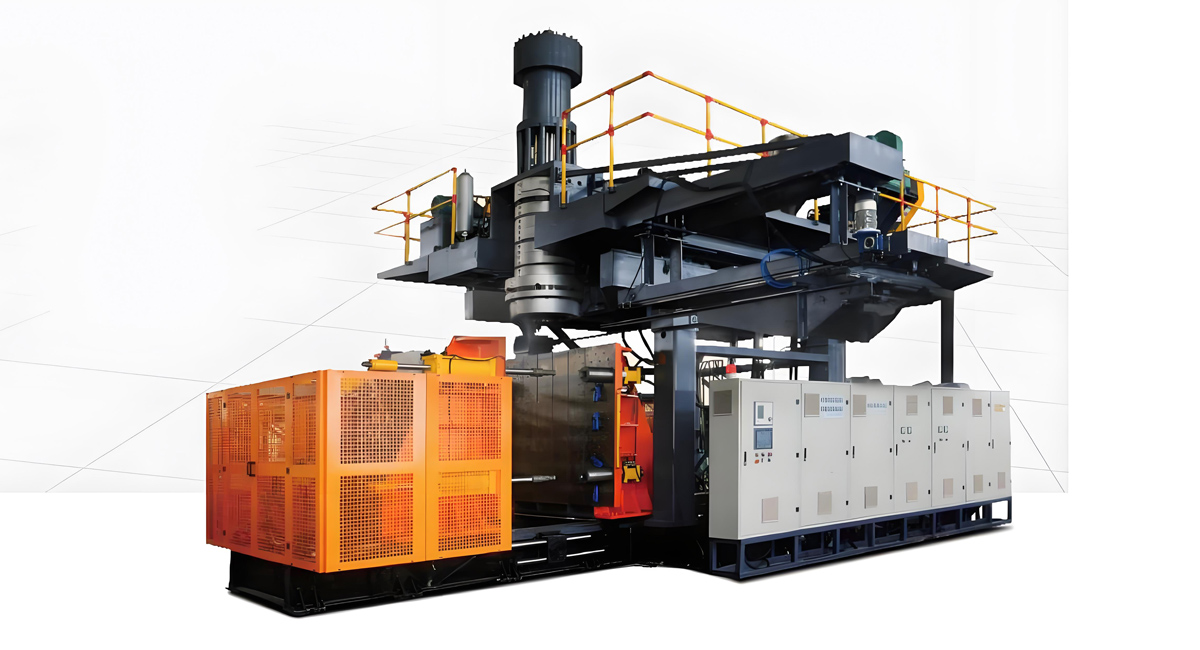
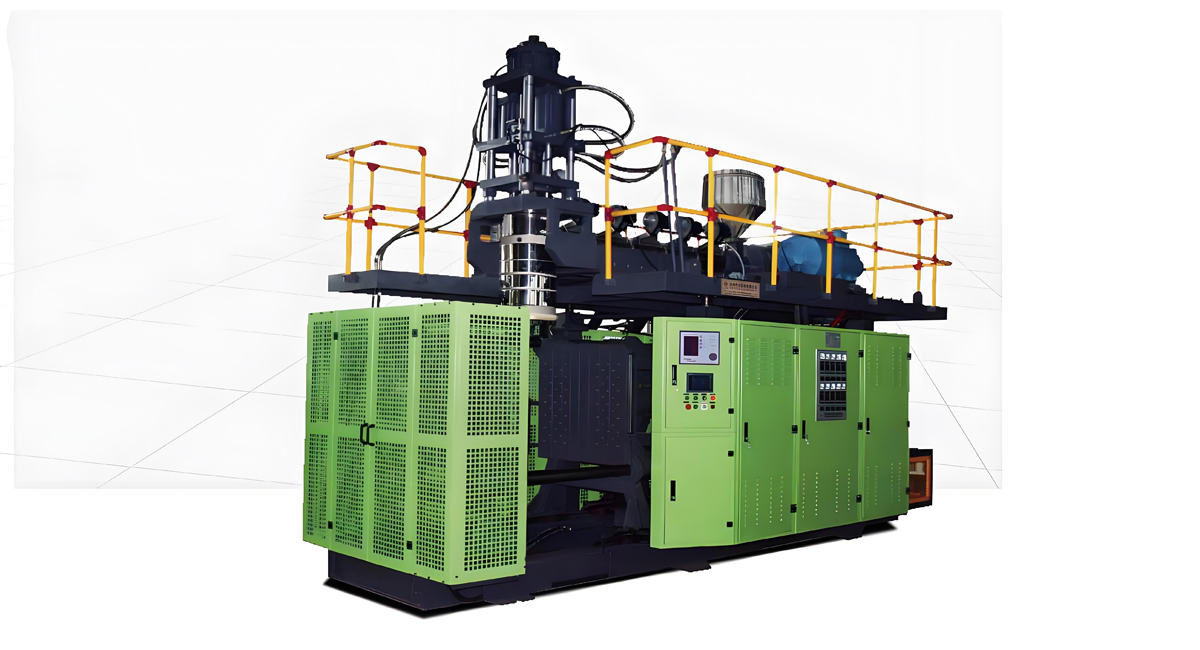
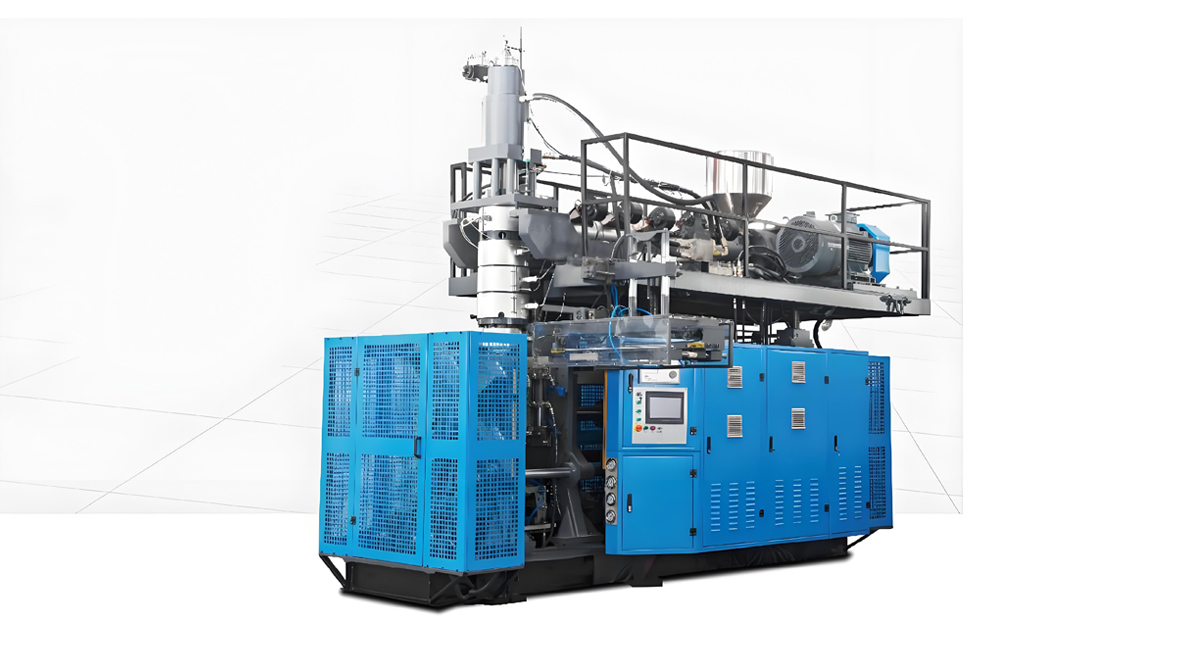
Apollo manufactures extrusion blow molding equipment specifically configured for airtight container production, with capabilities addressing the precise control requirements and quality verification necessary for demanding sealed container applications. The company’s engineering expertise and quality systems support customers producing containers for food, chemical, and industrial applications with stringent airtight requirements.
Precision Control Systems
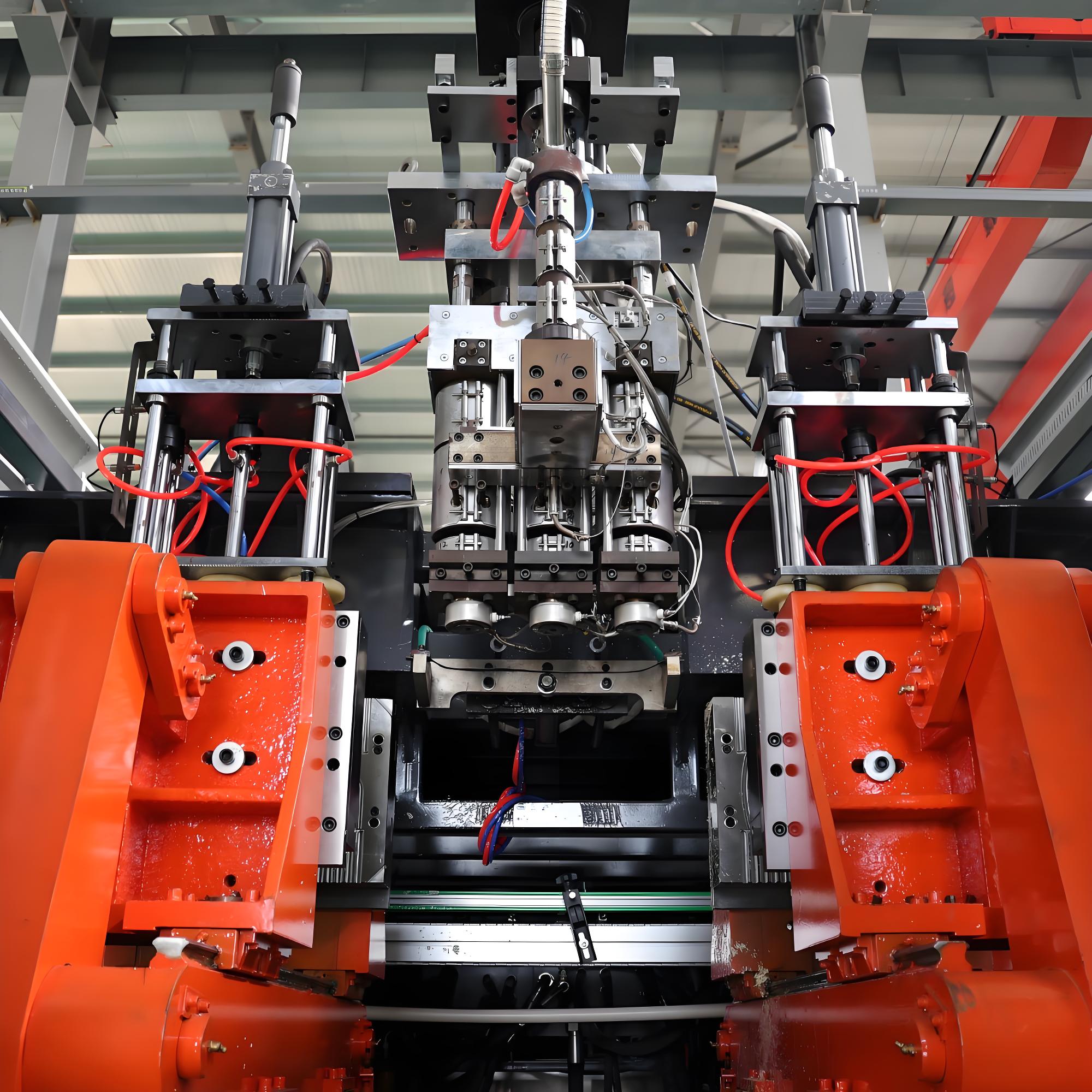
Apollo machines for airtight container production incorporate advanced control systems that enable precise management of wall thickness, extrusion timing, and process parameters affecting sealing surface quality. Programmable parison control enables sophisticated wall thickness profiles optimized for specific container designs and performance requirements. Closed-loop feedback systems maintain consistent process conditions throughout production runs, reducing variation that could affect container quality. This precision control capability distinguishes Apollo machines from equipment designed for less demanding applications.
Process monitoring systems provide real-time visibility into critical parameters that affect container quality. Melt temperature, extrusion pressure, cooling water temperature differential, and cycle time are continuously monitored and recorded for quality verification and process optimization. Statistical process control capabilities enable proactive identification of process variations before they result in quality escapes. This monitoring infrastructure supports production of containers meeting stringent quality requirements consistently across high-volume production runs.
Quality-Optimized Machine Features
Apollo machines incorporate design features specifically optimized for airtight container production. Precision-machined sealing surface areas ensure consistent dimensions that achieve reliable sealing performance. Optimized cooling configurations provide uniform temperature distribution that minimizes warpage affecting sealing surface flatness. Robust clamping systems maintain precise mold positioning throughout the production cycle, ensuring consistent container dimensions and sealing surface quality.
Multi-layer coextrusion capability enables production of containers with enhanced barrier properties for demanding applications. Accumulated head designs provide precise layer distribution control essential for consistent barrier performance. Material handling systems accommodate the specific requirements of barrier resins including EVOH and nylon that demand careful processing to maintain barrier effectiveness. These capabilities enable Apollo to serve customers across the full range of airtight container applications.
Design Guidelines for Airtight Container Performance
Successful airtight container design requires integration of multiple factors including structural engineering, manufacturing capability, material properties, and end-use requirements. Designers must understand the relationships between container geometry, material selection, manufacturing process, and sealing mechanism to create designs that achieve reliable airtight performance. The following guidelines address key design factors that influence container quality and performance.
Structural Design for Seal Integrity
Container designs must provide adequate sealing surface area to achieve required sealing compression without excessive deflection under lid installation torque. Inadequate sealing surface area concentrates stress and can result in localized yielding or creep that compromises seal integrity over time. Sealing surface geometry should incorporate features that guide lid positioning and prevent lid misalignment during closure. Radiused transitions between sealing surfaces and container bodies reduce stress concentration that could initiate cracking under service conditions.
Wall thickness in sealing areas must be sufficient to resist crushing or deformation under lid installation torque and service loading. Thinner walls in body sections can reduce material costs but must not compromise overall container structural integrity. Ribbing and structural features should be positioned to provide support without creating thickness variations that affect sealing surface quality. The interaction between lid design, sealing surface geometry, and container body structure requires integrated design consideration rather than isolated component optimization.
Manufacturing-Efficient Design Practices
Design practices that facilitate efficient manufacturing contribute to lower production costs and improved quality consistency. Draft angles on vertical surfaces enable clean mold release without surface damage that could affect sealing performance. Undercuts requiring slider mechanisms increase mold complexity and cost while potentially affecting dimensional precision. Uniform wall thickness distribution throughout the container body simplifies process development and reduces quality variation.
Parting line placement should consider both mold construction efficiency and effect on container appearance and function. Concealed parting lines in non-critical areas avoid aesthetic concerns for display containers. Parting lines crossing sealing surfaces require careful control to ensure seal integrity is not compromised by flash or mismatch at the mold split. Design for manufacturing review with production engineers enables identification and resolution of potential manufacturing issues before tooling commitment.
Economic Considerations for Airtight Container Production
Economic evaluation of airtight container production requires analysis of multiple cost factors including tooling investment, material costs, production efficiency, and quality-related expenses. Total cost considerations extend beyond unit production cost to include warranty costs, customer returns, and reputation effects from quality failures. Understanding the economic factors affecting container production enables informed decisions about equipment, process, and supplier selection.
Tooling Investment and Amortization
Airtight container tooling investment varies substantially based on container size, complexity, and cavity quantity. Single-cavity molds for large containers can cost fifty thousand to one hundred twenty thousand dollars, while multi-cavity molds for smaller containers reduce per-unit tooling amortization but increase total tooling investment. Precision machining requirements for sealing surfaces increase tooling costs relative to standard blow molding molds, but this investment proves essential for achieving required sealing performance.
Tooling cost recovery depends on production volume and anticipated production lifetime. Higher production volumes reduce per-unit tooling amortization, making tooling investment more attractive for high-volume container specifications. Volume requirements should be evaluated against tooling costs to determine optimal cavity configuration balancing tooling investment against per-unit costs. Apollo’s applications engineering team assists customers in evaluating tooling configurations that optimize total cost based on specific production requirements.
Production Cost Structure and Optimization
Production costs for airtight containers include material, labor, energy, and overhead components that vary based on container specifications, production efficiency, and facility economics. Material costs typically comprise fifty to seventy percent of total production cost, with the percentage depending on material prices, container size, and wall thickness specifications. Material efficiency improvements through wall thickness optimization, flash reduction, and defect minimization directly reduce per-unit material costs.
Cycle time affects labor and overhead costs per container through equipment utilization and production throughput. Faster cycles reduce per-container labor costs while enabling production of more containers with available equipment capacity. Energy costs per container decrease with faster cycles as machine energy consumption is spread across greater production volumes. These relationships create incentives for cycle time optimization that must be balanced against quality considerations for airtight container production.
Industry-Specific Applications and Requirements
Airtight plastic cans serve diverse industry applications with varying requirements that influence container specifications, material selection, and quality verification approaches. Understanding industry-specific requirements enables appropriate specification development and supplier evaluation for specific container applications.
Food Packaging Applications
Food container applications include dry goods such as grains, spices, and powdered products as well as wet products including sauces, oils, and liquid foods. Dry goods primarily require moisture barrier and insect resistance, with oxygen barrier becoming important for oxygen-sensitive products like coffee or nuts. Wet products may require both oxygen and moisture barrier depending on product characteristics. Shelf life requirements ranging from weeks for fresh products to years for shelf-stable items influence container barrier specifications.
Baby food and infant formula containers represent particularly demanding food applications due to stringent regulatory requirements and safety concerns. These containers must meet rigorous purity standards and maintain integrity throughout extended storage periods. Packaging formats including single-serve portions and resealable family sizes require different lid designs and closure systems optimized for each use case. Food safety considerations drive comprehensive quality systems and traceability requirements for suppliers serving this segment.
Chemical and Hazardous Material Packaging
Chemical containers must comply with regulations governing hazardous material packaging including UN certification requirements for transport of dangerous goods. UN certification involves testing containers to verify they meet performance standards for specific hazard classes and packing groups. Container specifications including material compatibility, wall thickness, and closure systems must be matched to the specific chemicals and transport conditions the container will encounter.
Industrial chemical containers store diverse products including cleaning compounds, solvents, and process chemicals that require varying degrees of chemical compatibility and barrier performance. Compatibility testing verifies that specific chemical products can be stored in specific container materials without container degradation or content contamination. Long-term compatibility testing under simulated storage conditions provides assurance that containers will perform adequately throughout their intended service lives.
Supplier Selection for Airtight Container Production
Selecting suppliers for airtight container production requires evaluation of capabilities, quality systems, and business relationship factors that affect long-term supply success. The critical nature of airtight performance for many applications makes supplier capability evaluation particularly important. Appropriate quality systems, testing capabilities, and regulatory compliance practices distinguish suppliers qualified for demanding applications from those better suited to general-purpose production.
Capability Evaluation Criteria
Equipment capabilities directly influence the range of airtight containers a supplier can produce and the efficiency achievable for specific container types. Machine precision, control sophistication, and testing capabilities indicate the supplier’s ability to meet stringent airtight requirements. Multi-layer coextrusion capability indicates ability to serve applications requiring enhanced barrier properties beyond single-material containers. Quality system maturity and certification status demonstrate the supplier’s commitment to consistent quality practices essential for demanding applications.
Engineering and technical support capabilities enable collaboration on container design optimization, material selection, and process development. Suppliers with strong engineering resources can contribute valuable expertise that improves container designs and production efficiency beyond what buyers could achieve independently. Quality documentation and traceability practices support regulatory compliance and enable root cause investigation when quality issues arise.
Long-Term Partnership Considerations
Airtight container supply relationships typically extend over years or decades, making long-term partnership factors important alongside immediate transactional considerations. Supplier financial stability and business continuity planning ensure supply reliability throughout the anticipated relationship duration. Capacity availability and expansion capability address potential growth scenarios that might require increased volume or new container specifications.
Communication practices and cultural alignment affect the efficiency and effectiveness of ongoing supplier relationships. Clear communication of requirements, timely response to inquiries, and collaborative problem-solving contribute to relationship success. Geographic proximity affects logistics costs and response times, though modern communication technologies reduce the practical impact of geographic distance for well-managed relationships.
Conclusion and Implementation Guidance
Airtight plastic cans produced through extrusion blow molding provide essential containment solutions for food, chemical, and industrial applications requiring reliable seal performance. The technology’s capabilities enable production of containers meeting stringent requirements for barrier properties, chemical compatibility, and dimensional precision. Understanding manufacturing requirements, material options, and quality verification approaches enables buyers and manufacturers to develop container solutions optimized for specific applications.
Apollo’s equipment capabilities, quality systems, and engineering expertise support customers producing airtight containers across the full range of demanding applications. The company’s commitment to precision manufacturing and customer success positions Apollo as a strategic partner for operations requiring reliable airtight container production. Product engineers and packaging specialists should engage Apollo’s technical team to discuss specific container requirements and explore equipment solutions tailored to their production environment and business objectives.
Successful airtight container production requires investment in appropriate equipment, rigorous quality systems, and collaborative supplier relationships that ensure consistent performance over extended production periods. The consequences of container failures in many applications justify the care required to establish reliable supply relationships with qualified partners. Operations that invest appropriately in container sourcing and quality assurance position themselves for supply chain success that protects their products, their customers, and their reputation in competitive markets.