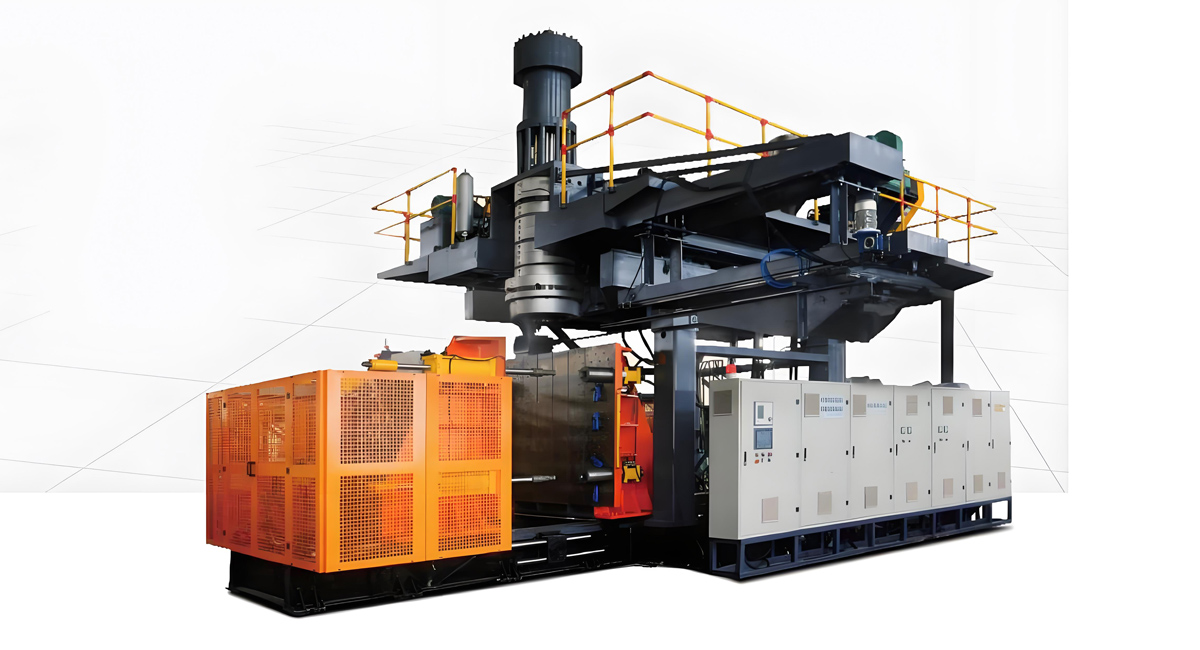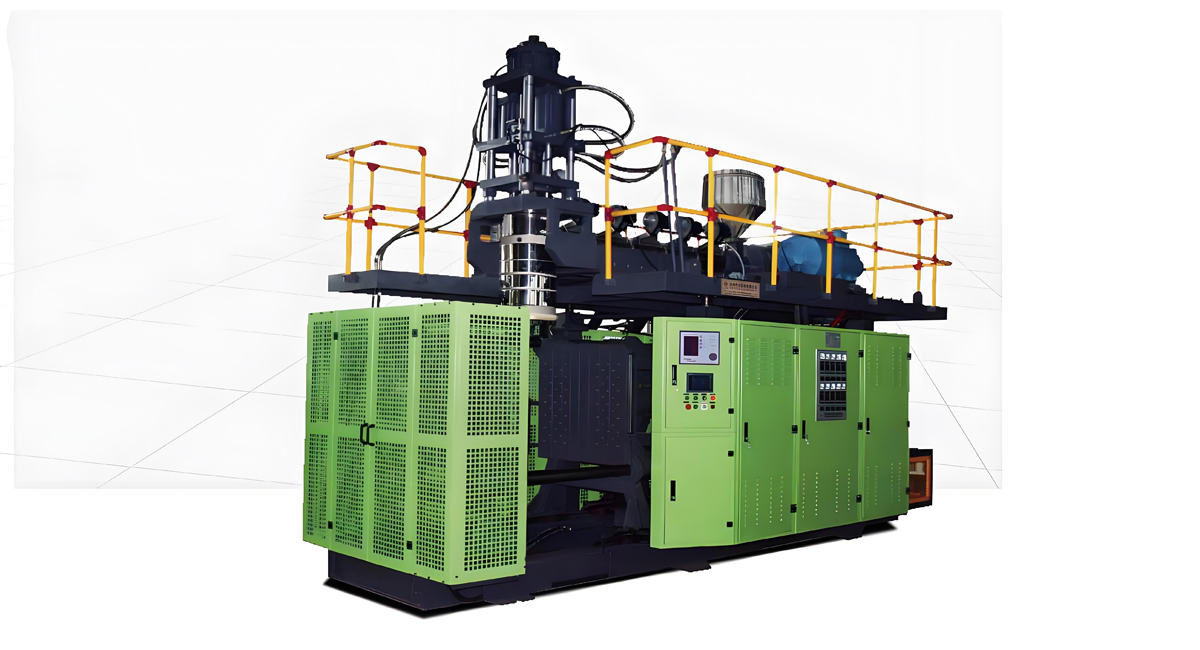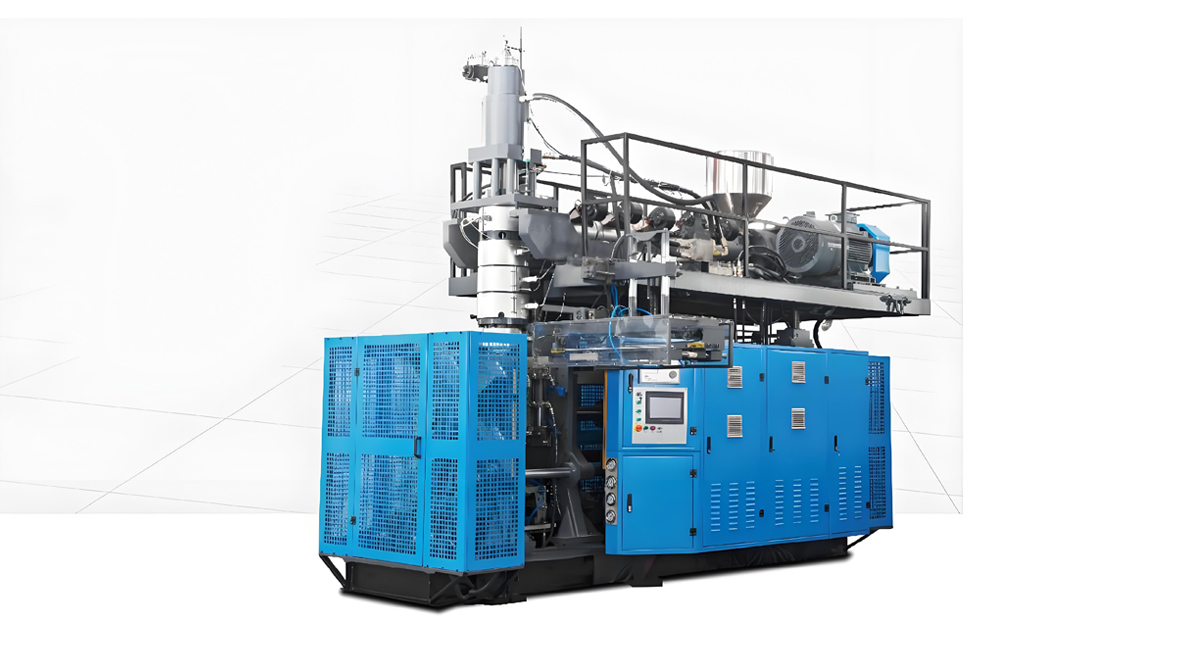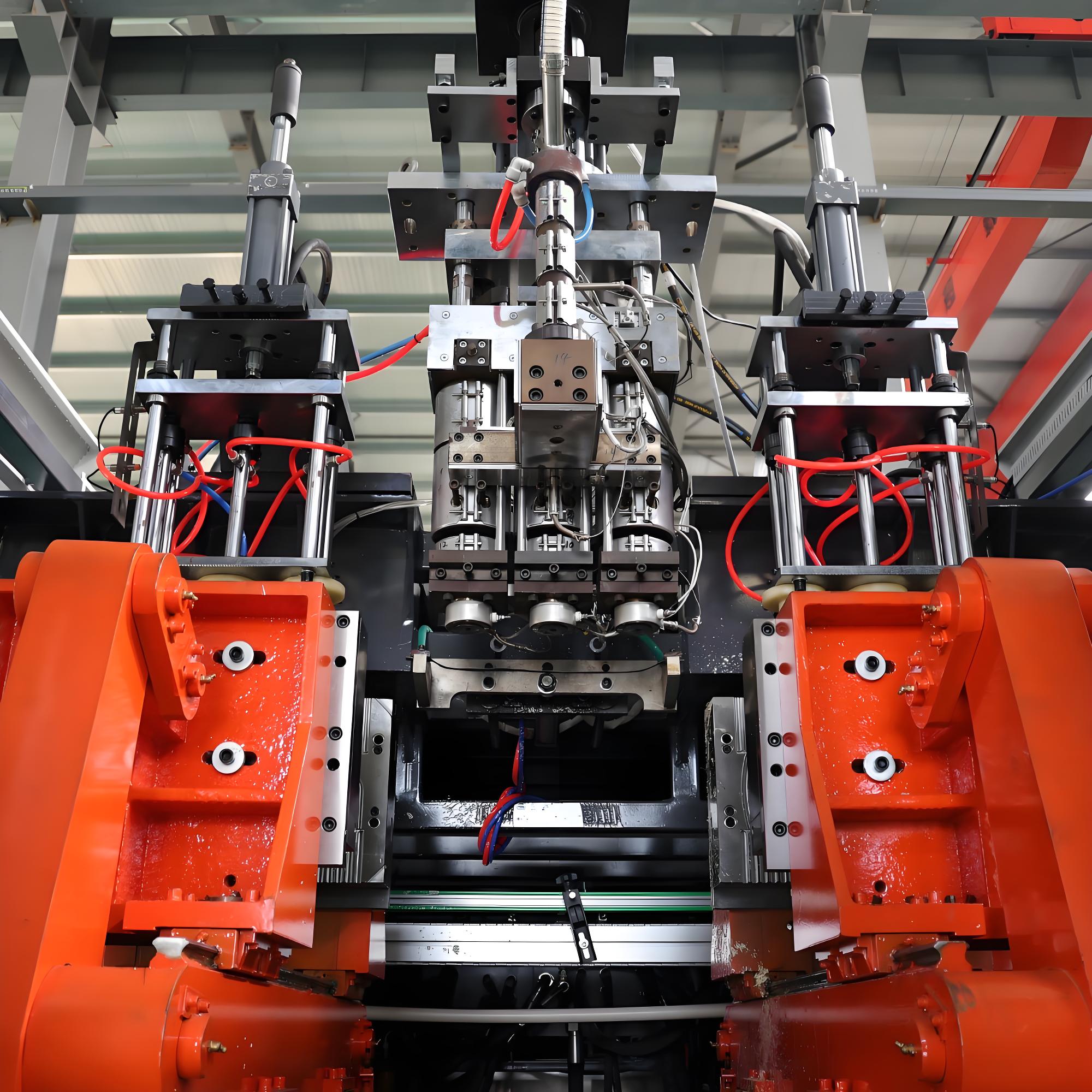
Mass production operations in the plastic manufacturing industry demand equipment that combines exceptional cooling efficiency with robust performance capabilities to meet high-volume output requirements. Water-cooled extrusion blow molding machines address these demanding requirements through advanced thermal management systems that rapidly extract heat from molds, enabling significantly faster production cycles than air-cooled alternatives. This comprehensive analysis examines the technology, advantages, applications, and economic considerations that define water-cooled extrusion blow molding for mass production environments. Factory managers and production directors evaluating equipment investments will find detailed guidance on how water-cooled systems deliver the throughput performance necessary to satisfy large-scale manufacturing commitments while maintaining product quality and operational cost efficiency.
The global packaging industry consumes billions of plastic containers annually, with consumer goods companies requiring suppliers capable of delivering massive volumes at consistent quality levels and competitive price points. Water-cooled extrusion blow molding technology provides the production speed necessary to serve these high-volume markets profitably, with cycle times that can be fifty percent shorter than equivalent air-cooled configurations. This throughput advantage translates directly to lower per-unit production costs, enabling manufacturers to offer competitive pricing while maintaining healthy profit margins. The technology’s ability to cool thick-walled products rapidly also expands the range of products achievable through extrusion blow molding, opening opportunities for applications previously requiring other manufacturing processes.
The Science of Water-Cooled Thermal Management
Water-cooled extrusion blow molding achieves its superior cooling performance through the physical properties of water as a heat transfer medium. Water possesses thermal conductivity approximately twenty-five times greater than air, enabling more rapid heat extraction from mold surfaces and the plastic articles being formed. This fundamental thermodynamic advantage allows water-cooled systems to achieve cooling rates that would be impossible with air-based systems, making water cooling essential for applications requiring extremely short cycle times or the production of thick-walled products with significant thermal mass. Understanding the science underlying water-cooled thermal management helps production managers appreciate why this technology dominates high-volume manufacturing applications.
Heat Transfer Mechanisms in Water-Cooled Systems
The heat transfer process in water-cooled extrusion blow molding involves three distinct mechanisms operating in sequence to remove thermal energy from the plastic article and transfer it to the cooling water supply. Conduction transfers heat from the molten plastic to the mold cavity surface, while convection transfers heat from the mold interior to the circulating cooling water. Radiation contributes minimally to overall heat transfer in this application but does play a small role in surface cooling between the mold opening and closing operations. The efficiency of each mechanism determines overall cooling system performance, with system designers optimizing each element to achieve maximum heat transfer rates within equipment cost and complexity constraints.
Modern water-cooled extrusion blow molding machines incorporate sophisticated cooling channel designs that maximize water contact with mold surfaces while maintaining structural integrity under high injection pressures. Conventional cooling channels use straight or simple curved passages drilled through the mold blocks, while advanced designs employ conformal cooling channels manufactured through additive manufacturing techniques that follow the complex contours of the mold cavity. Conformal cooling dramatically improves heat transfer uniformity and rate, reducing cycle times by fifteen to thirty percent compared to conventional channel designs. Apollo’s advanced mold cooling technology incorporates conformal cooling principles where product requirements justify the additional tooling investment.
Cooling System Components and Configuration
A complete water-cooled extrusion blow molding installation includes multiple interconnected subsystems that work together to provide reliable, efficient thermal management. Central to the system is the water chiller or cooling tower that removes heat from the water supply after it has absorbed thermal energy from the molds. Chillers use mechanical refrigeration to cool water to temperatures typically between five and fifteen degrees Celsius, while cooling towers rely on evaporation to achieve cooling through atmospheric interaction. The choice between chiller and cooling tower depends on facility location, water availability, ambient conditions, and budget considerations, with each option offering distinct advantages in specific circumstances.
Water circulation piping connects the cooling source to individual machine molds, with pumps maintaining flow rates necessary to achieve desired heat transfer rates. Flow rate requirements depend on the number of machines served, the cooling load per machine, and the temperature differential between supply and return water. System designers calculate these requirements based on detailed analysis of production requirements and equipment specifications, ensuring adequate cooling capacity under peak demand conditions. Apollo’s applications engineering team provides comprehensive system design support, including cooling load calculations and equipment specifications that ensure optimal system performance and reliability.
Performance Advantages for High-Volume Production
Water-cooled extrusion blow molding machines deliver performance characteristics that make them indispensable for mass production operations requiring the highest throughput rates and consistent quality across millions of production cycles. The performance advantages extend beyond simple cycle time reduction to include superior product quality through uniform cooling, enhanced design flexibility through thicker wall capabilities, and improved material properties through controlled cooling rates. Production managers evaluating equipment options for high-volume applications must understand these advantages thoroughly to make investment decisions that support long-term business success.
Achieving Maximum Production Throughput
Cycle time reduction represents the primary performance advantage of water-cooled technology, with cooling time typically comprising sixty to seventy percent of total cycle time in extrusion blow molding operations. Water-cooled systems can reduce cooling time by forty to sixty percent compared to air-cooled configurations, translating to substantial throughput improvements when multiplied across high-volume production runs. A machine producing containers with a sixty-second cycle time on air-cooling might achieve thirty-five-second cycles with water cooling, representing a seventy-one percent throughput increase without any change in equipment size or material consumption.
Throughput gains from water cooling accumulate significantly over time, with annual production differences often exceeding fifty percent compared to air-cooled alternatives. For facilities producing millions of containers annually, this throughput advantage translates to hundreds of thousands of dollars in additional revenue potential or cost savings through reduced equipment requirements. The economic value of this throughput advantage frequently justifies the higher initial investment and operating costs associated with water-cooled equipment, particularly for facilities serving high-volume markets where production capacity constraints limit business growth. Apollo’s production economics analysis helps customers quantify these advantages and make investment decisions based on comprehensive financial projections.
Uniform Cooling and Product Quality
Water cooling provides superior uniformity compared to air cooling, eliminating the temperature gradients that can develop across mold surfaces during extended cooling periods. These temperature gradients cause differential cooling rates that produce internal stresses, warpage, and thickness variations in finished products. Water-cooled systems maintain more constant mold surface temperatures throughout the cooling cycle, producing products with consistent dimensions, minimal residual stress, and uniform wall thickness distribution. These quality advantages prove particularly important for products with strict dimensional tolerances or applications where consistent fill and wall distribution affect product performance.
The controlled cooling rates achievable with water systems also enable optimization of material properties in finished products. Different plastic resins respond differently to cooling rates, with some materials benefiting from rapid cooling while others require gradual cooling to achieve optimal crystalline structure and mechanical properties. Water cooling provides the precise temperature control necessary to optimize cooling rates for specific materials and product requirements. This capability expands the range of products achievable through extrusion blow molding and enables manufacturers to tailor production processes to maximize product performance characteristics.
Expanded Product Range Capabilities
The rapid cooling capability of water-cooled systems enables production of thick-walled products that would be impractical or impossible to manufacture efficiently on air-cooled equipment. Products with wall thicknesses exceeding ten millimeters experience prohibitively long cooling times when relying on air cooling, making water cooling essential for applications such as industrial containers, automotive components, and technical parts with substantial cross-sections. This expanded product range capability opens new market opportunities for manufacturers equipped with water-cooled production capability.
Multi-layer coextrusion products also benefit significantly from water cooling capability, as these products typically involve additional processing steps that extend effective cooling time requirements. Barrier-layer containers with internal EVOH or nylon layers require careful cooling control to ensure proper layer adhesion and distribution while preventing layer degradation from excessive temperature exposure. Water cooling provides the rapid, controlled cooling necessary to achieve optimal multi-layer product quality. Apollo’s advanced coextrusion equipped water-cooled machines address these demanding requirements with specialized cooling configurations optimized for multi-layer production.
Economic Analysis and Total Cost Considerations
Investment in water-cooled extrusion blow molding equipment requires comprehensive economic analysis that accounts for both direct costs and the substantial benefits that water cooling technology provides. While water-cooled machines typically command higher initial prices than air-cooled alternatives, the throughput advantages and quality benefits frequently deliver superior return on investment for high-volume production operations. Production managers must evaluate total cost of ownership across equipment lifetime rather than focusing solely on initial purchase price to make sound investment decisions.
Equipment Investment and Specifications
Water-cooled extrusion blow molding machines range in price from approximately thirty thousand dollars for basic configurations to over two hundred thousand dollars for high-performance industrial systems with advanced features. Entry-level water-cooled machines suitable for emerging production operations typically fall in the thirty thousand to sixty thousand dollar range, offering solid performance characteristics without premium features. Mid-range machines priced from sixty thousand to one hundred twenty thousand dollars incorporate enhanced capabilities including larger clamping forces, higher extrusion rates, and advanced control features. Industrial-scale machines exceeding one hundred twenty thousand dollars deliver maximum performance for the most demanding high-volume applications.
Machine specifications for water-cooled equipment include several parameters that significantly influence price and performance. Clamping force requirements depend on the largest products to be manufactured, with larger products requiring proportionally higher clamping forces to prevent mold separation during inflation. Extrusion capacity, measured by screw diameter and maximum output rate, determines production speed capabilities and influences cycle time achievable. Control system sophistication ranges from basic relay-based systems to advanced programmable logic controllers with touch-screen interfaces and data collection capabilities. Apollo’s product portfolio spans all these specification ranges, enabling customers to select equipment precisely matched to their requirements without paying for unnecessary capabilities.
Infrastructure and Installation Investment
Water-cooled equipment requires substantial infrastructure investment that adds to overall implementation costs but provides long-term reliability and efficiency benefits. Chiller or cooling tower systems typically cost between fifteen thousand and fifty thousand dollars depending on capacity requirements and configuration choices. Chillers offer greater control and independence from ambient conditions but consume more energy, while cooling towers provide lower operating costs but require more space and water consumption. The choice between these options depends on facility constraints, local climate, and production volume requirements.
Water circulation infrastructure including pumps, piping, and control valves adds additional investment requirements typically ranging from eight thousand to twenty-five thousand dollars depending on system complexity and facility layout. Proper water treatment systems are essential to prevent scaling, corrosion, and biological growth that can compromise system performance and reliability. Treatment systems including filters, softeners, and chemical treatment equipment cost between three thousand and ten thousand dollars depending on water quality and system requirements. These infrastructure investments are substantial but enable the reliable, efficient cooling performance that justifies water-cooled equipment selection for high-volume production operations.
Operating Cost Projections
Energy consumption for water-cooled extrusion blow molding operations includes electricity for the blow molding machine itself plus energy for chiller or cooling tower operation. Machine energy consumption typically ranges from fifteen to thirty kilowatts depending on machine size and specifications, while chiller energy consumption adds an additional five to twenty kilowatts based on cooling capacity requirements. Total energy costs for a typical water-cooled installation range from fifteen thousand to forty thousand dollars annually depending on local electricity rates and production utilization levels.
Water consumption represents an ongoing expense that varies significantly based on cooling configuration and local water costs. Cooling tower systems consume water through evaporation at rates typically between one and three percent of circulation flow per hour, while chiller systems recirculate water with minimal consumption. Facilities in regions with high water costs or limited water availability may find that chiller systems provide better overall economics despite higher energy consumption. Apollo’s applications engineering team helps customers evaluate these tradeoffs based on their specific facility conditions and local utility costs.
Applications Best Suited to Water-Cooled Technology
Water-cooled extrusion blow molding serves diverse application areas where its performance characteristics provide essential advantages for successful production. Understanding the applications that benefit most from water cooling technology enables production managers to evaluate equipment options effectively and select configurations that will deliver optimal value for their specific production requirements. While water-cooled equipment offers compelling advantages for many applications, certain lower-volume or simpler applications may be better served by air-cooled alternatives with their lower initial investment and operating costs.
High-Volume Packaging Production
The packaging industry represents the largest application sector for water-cooled extrusion blow molding, with manufacturers serving consumer goods companies requiring millions of containers monthly at competitive prices. Water bottle production, beverage container manufacturing, and household product packaging all rely heavily on water-cooled equipment to achieve the throughput rates necessary for profitability. The economics of these high-volume applications frequently demand cycle times under thirty seconds, making water cooling essential for achieving required production volumes with practical equipment configurations.
Cosmetic and personal care packaging presents specific requirements that water-cooled equipment addresses effectively. These products often feature complex shapes with varying wall thicknesses, sophisticated decoration requirements, and premium surface finish expectations that benefit from the uniform cooling and precise control water systems provide. The thicker walls common in premium cosmetic packaging also favor water cooling for reasonable cycle times. Personal care products including shampoo bottles, lotion containers, and soap dispensers represent additional high-volume applications where water-cooled production delivers essential economic advantages.
Industrial and Technical Products
Industrial containers and technical components frequently require thick walls and precise dimensions that make water cooling essential for practical manufacturing. Chemical storage containers, industrial drums, and fluid reservoirs must withstand demanding use conditions while maintaining leak-proof performance over extended service lifetimes. These requirements demand consistent wall thickness distribution and minimal residual stress, characteristics that water cooling provides through its superior thermal control capabilities. The expanded product range capability of water-cooled equipment enables manufacturers to serve these demanding applications profitably.
Automotive components represent a significant application area for water-cooled extrusion blow molding, with manufacturers producing fluid reservoirs, air intake ducts, and various under-hood components. Automotive applications demand exceptional quality consistency and dimensional accuracy to meet strict assembly and performance requirements. Water cooling provides the precise control necessary to achieve these requirements consistently across high-volume production runs. Apollo’s experience with automotive customers informs equipment designs optimized for these demanding applications, with specialized features that address automotive industry requirements for traceability, documentation, and quality assurance.
Technical and Specialty Applications
Medical and pharmaceutical packaging applications benefit from water-cooled equipment capabilities, particularly for products requiring multi-layer constructions with barrier properties. The controlled cooling rates achievable with water systems ensure proper layer adhesion and distribution while preventing degradation of sensitive barrier materials. Medical containers must meet strict regulatory requirements for material compatibility, extractables, and leachable substances, with production processes optimized to ensure consistent compliance. Water-cooled equipment provides the process control necessary to manufacture these demanding products reliably.
Technical molded parts for appliances, electronics, and other industries also utilize water-cooled extrusion blow molding for products requiring specific performance characteristics. These applications often involve engineering resins with particular property requirements that respond optimally to specific cooling conditions. Water cooling enables precise control over cooling rates to achieve optimal material properties while maintaining the production efficiency necessary for commercial viability. The flexibility of water-cooled systems to accommodate diverse material and product requirements makes them valuable assets for manufacturers serving multiple technical application areas.
Apollo Water-Cooled Solutions Portfolio
Apollo offers a comprehensive range of water-cooled extrusion blow molding machines designed to address the diverse requirements of mass production operations worldwide. The company’s product development focuses on delivering maximum value through optimized performance, reliability, and total cost of ownership that supports customer profitability. Understanding Apollo’s water-cooled product offerings enables production managers to evaluate options with confidence and select equipment configurations that precisely match their production requirements.
Standard Production Series Machines
The Apollo WBM series represents the company’s mainstream water-cooled extrusion blow molding offering, delivering proven performance for high-volume production applications across diverse industry sectors. Machines in this series feature clamping forces ranging from thirty tons to two hundred tons, accommodating production volumes from medium containers to large industrial products. Standard features include variable frequency drive controls on all major functions, PLC-based control systems with touch-screen operator interfaces, and robust construction designed for continuous production operation. Extrusion capabilities include single-layer and basic multi-layer configurations to address varying product requirements.
The WBM series incorporates advanced cooling channel designs that maximize heat transfer efficiency while maintaining mold structural integrity under high pressure conditions. Cooling system connections use industry-standard fittings for easy integration with facility cooling infrastructure, simplifying installation and reducing implementation time. The machines feature comprehensive monitoring capabilities including melt temperature, cooling water temperature differential, and cycle time tracking that enable production managers to optimize process performance continuously. This monitoring capability proves particularly valuable for quality-critical applications requiring detailed production documentation.
High-Performance Industrial Configurations
Apollo’s HP series addresses the most demanding high-volume production requirements with enhanced capabilities across all machine systems. These machines incorporate larger clamping forces up to three hundred fifty tons, higher extrusion rates through optimized screw designs, and advanced control systems that enable faster cycle times and tighter process control. HP series machines target the highest volume production operations where equipment performance directly impacts business profitability and competitive positioning. Premium components and enhanced construction ensure reliable performance under continuous production demands that would stress lesser equipment.
The HP series includes specialized configurations for multi-layer coextrusion applications, with die head and cooling system designs optimized for barrier-layer and recycled-content products. These configurations address growing market demand for sustainable packaging with reduced virgin material content while maintaining performance characteristics required for specific applications. Advanced process control capabilities enable precise management of layer distribution and thickness, ensuring consistent quality across production runs and between different product variants. Apollo’s technical team supports customers implementing multi-layer products to optimize process parameters for their specific material combinations and product requirements.
Global Support and Implementation Services
Apollo provides comprehensive support services that ensure successful equipment implementation and ongoing operational excellence. Installation engineering support includes site preparation guidance, foundation requirements, and utility connection specifications that enable facilities to prepare adequately for equipment arrival. Factory acceptance testing at Apollo facilities allows customers to verify performance specifications before equipment shipment, reducing risk and ensuring equipment meets expectations. Start-up and commissioning services by Apollo technical specialists ensure smooth production launch with optimized process parameters and operator training.
Ongoing support includes spare parts availability through regional distribution centers, technical documentation including detailed operation and maintenance manuals, and remote diagnostic capabilities that enable Apollo specialists to assist with troubleshooting without site visits. Training programs range from basic operator training to advanced maintenance and troubleshooting courses that enable customers to maximize equipment utilization and minimize downtime. Apollo’s commitment to long-term customer success ensures that equipment investments deliver sustained value throughout extended operational lifetimes, with support infrastructure that grows with customer businesses.
Implementation Planning and Best Practices
Successful implementation of water-cooled extrusion blow molding equipment requires systematic planning that addresses technical, operational, and organizational factors affecting project outcomes. Production managers overseeing equipment installations benefit from structured planning approaches that identify potential challenges early and establish mitigation strategies. The following guidance addresses key implementation considerations and best practices that contribute to successful equipment deployment.
Facility Preparation Requirements
Facility preparation for water-cooled equipment begins with accurate space planning that accounts for machine dimensions, service clearances, and material handling requirements. Water-cooled machines typically require more floor space than air-cooled equivalents due to chiller or cooling tower requirements and associated piping infrastructure. Structural considerations including floor loading capacity and foundation requirements must be evaluated to ensure facilities can support equipment without modification. Electrical service capacity must accommodate machine power requirements plus chiller consumption, potentially requiring service upgrades at facilities with limited electrical capacity.
Cooling infrastructure planning should address both immediate requirements and future expansion potential. Initial chiller or cooling tower sizing should account for planned production growth to avoid premature infrastructure replacement. Piping infrastructure should be designed with adequate capacity for future expansion and with appropriate isolation valves that enable maintenance without production disruption. Water treatment system design should ensure adequate water quality for all connected equipment, with monitoring systems that alert maintenance personnel to quality degradation before it affects production quality or equipment reliability.
Process Development and Optimization
Process development for new water-cooled equipment should begin before installation with material selection, product design review, and preliminary process parameter development. Apollo provides process development support that enables customers to optimize product designs and establish initial parameters before equipment arrives, minimizing the time required to achieve production targets after installation. Material testing with specific resins and product configurations identifies potential issues early when design changes remain practical.
Process optimization following equipment installation should follow systematic approaches that methodically explore the parameter space to identify optimal operating conditions. Statistical process control techniques enable robust optimization that identifies settings providing consistent quality across normal variation in material properties and environmental conditions. Apollo’s technical specialists work with customers during the optimization phase to transfer knowledge and ensure that customers can continue optimization efforts independently as production requirements evolve.
Conclusion and Strategic Recommendations
Water-cooled extrusion blow molding machines provide essential capabilities for mass production operations requiring maximum throughput, superior product quality, and expanded product range capability. The performance advantages of water cooling technology directly translate to economic benefits through higher production volumes, lower per-unit costs, and enhanced product value through superior quality characteristics. While the higher initial investment and operating costs require careful economic analysis, the return on investment for water-cooled equipment in high-volume applications frequently exceeds alternatives, particularly for facilities serving demanding markets with strict quality and cost requirements.
Apollo’s comprehensive water-cooled product portfolio addresses diverse production requirements from entry-level high-volume applications to the most demanding industrial specifications. The company’s engineering expertise and global support infrastructure enable customers worldwide to implement water-cooled production capabilities with confidence. Production managers evaluating equipment options should engage Apollo’s applications engineering team to discuss their specific requirements and receive detailed recommendations tailored to their production environment and business objectives.
The plastic manufacturing industry continues to evolve with increasing emphasis on production efficiency, product quality, and sustainability. Water-cooled extrusion blow molding technology positions manufacturers to meet these evolving requirements while maintaining competitive cost structures essential for market success. Investment in water-cooled equipment represents a strategic decision that affects production capabilities for years or decades, making thorough evaluation and careful vendor selection essential for successful outcomes. Apollo’s commitment to customer success and long-term partnership provides the foundation for these strategic equipment investments to deliver sustained value throughout their operational lifetimes.