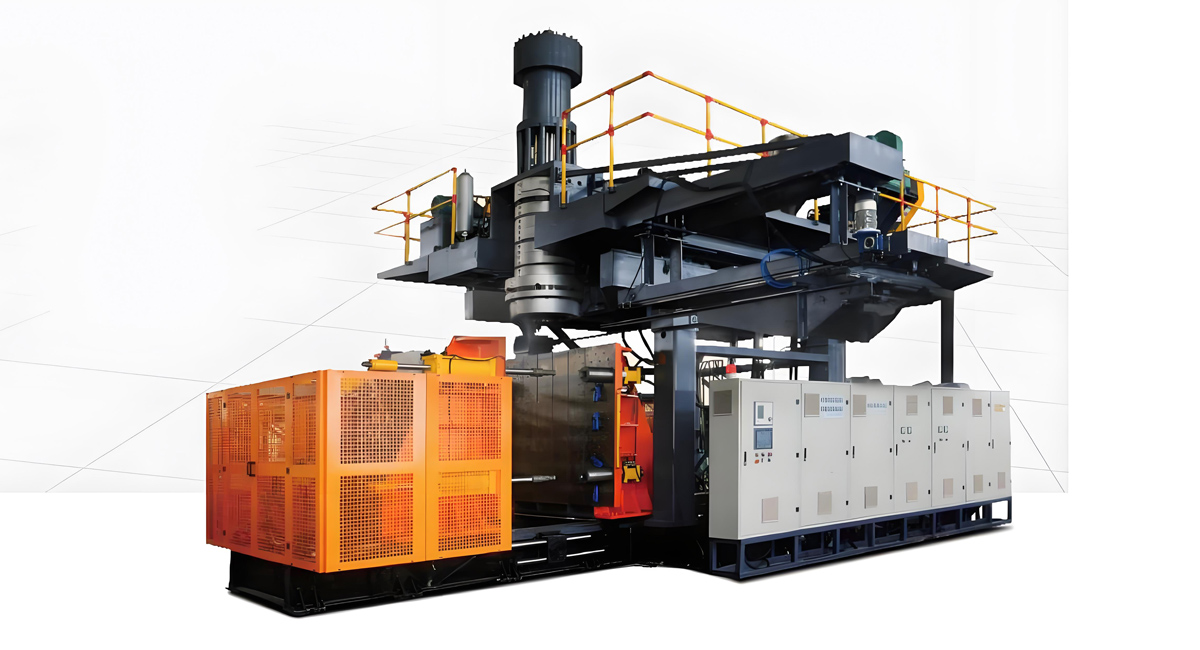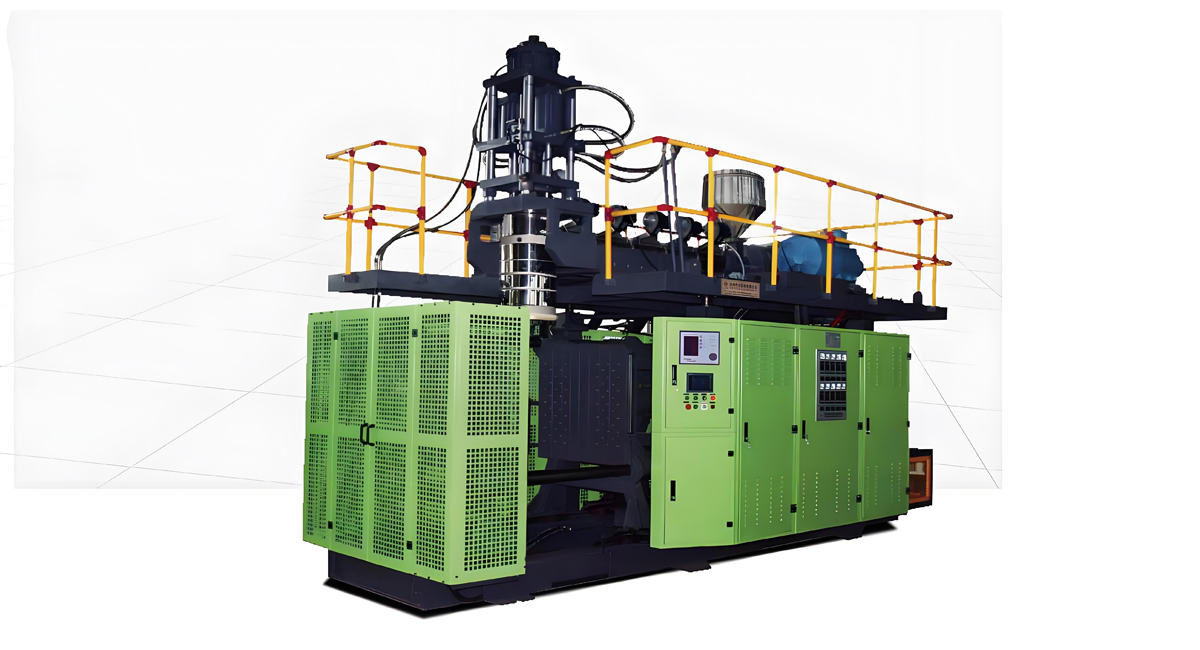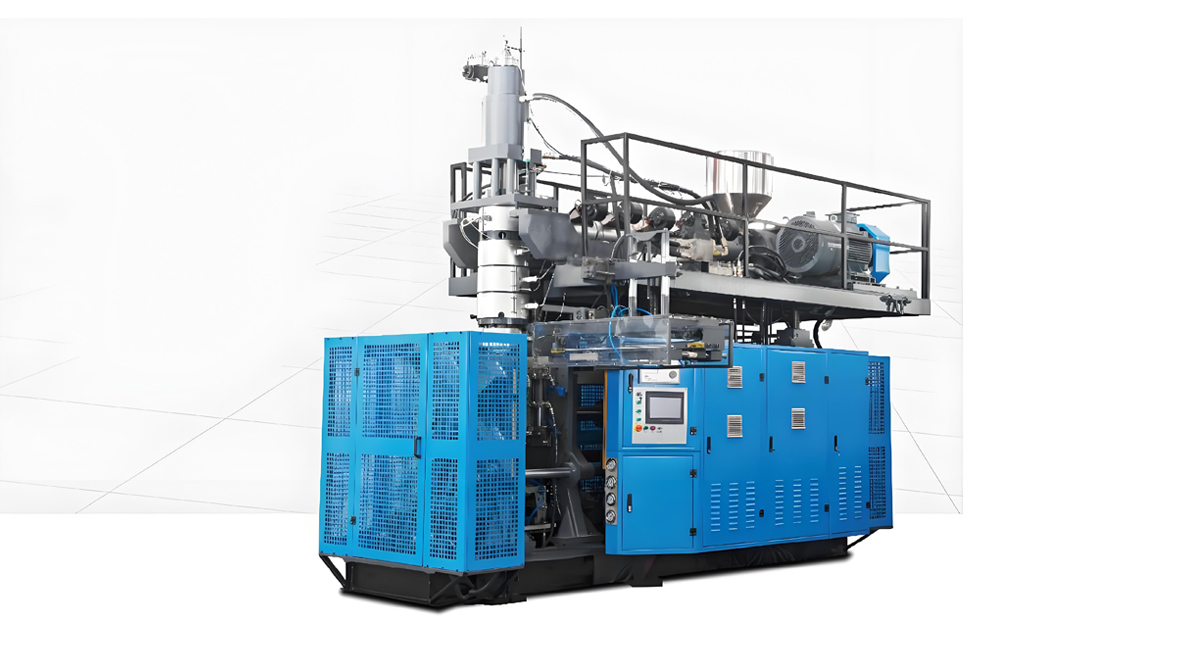
The cosmetic industry demands exceptional visual appeal and brand consistency across product lines, making color customization a critical capability for manufacturers serving this demanding market segment. Extrusion blow molding machines designed for cosmetic jar production must deliver precise color control, consistent batch quality, and flexible pigmentation capabilities that meet stringent cosmetic industry requirements. Understanding the technical dimensions of color customization in blow molding processes enables manufacturers to select appropriate equipment and optimize production outcomes for cosmetic applications. The intersection of manufacturing technology and brand aesthetics creates unique challenges that require sophisticated equipment capabilities and operational expertise.
The Importance of Color in Cosmetic Packaging
Color serves as a primary vehicle for brand identity, emotional connection, and product differentiation within the competitive cosmetic marketplace. Consumers frequently make purchasing decisions based on visual appeal, with color representing a crucial element of perceived product value and quality. Cosmetic brands invest substantial resources in developing signature color palettes that distinguish their products on crowded retail shelves and digital marketplaces. The strategic importance of color extends beyond aesthetics to encompass brand recognition, consumer trust, and premium positioning that justifies higher price points.
Brand Identity and Consumer Perception
Cosmetic companies maintain rigorous brand guidelines specifying exact color requirements for packaging across all product lines. Minor color variations that might be acceptable in other industries become unacceptable for cosmetic applications where brand consistency directly impacts consumer trust and brand equity. Manufacturing equipment must deliver repeatable color accuracy that matches brand specifications across production runs, seasons, and years of production. The consequences of color inconsistency range from customer complaints to complete product recalls that damage brand reputation and financial performance.
Color psychology influences cosmetic purchasing decisions more profoundly than many manufacturers initially appreciate. Warm tones suggest energy and vitality while cool tones convey sophistication and clinical efficacy. Certain colors trigger specific emotional responses that align with product positioning and target demographic preferences. Understanding these psychological dimensions helps manufacturers appreciate why cosmetic clients demand exceptional color control and why equipment selection for cosmetic applications requires careful evaluation of color management capabilities.
Premium cosmetic brands often position color as a luxury indicator, associating rich, deep pigments with product quality and exclusive formulations. Achieving these premium color appearances requires sophisticated pigmentation techniques and equipment capable of consistent color development throughout the production process. Subtle shifts in color saturation or hue that might escape notice in high-volume industrial applications become immediately apparent in high-end cosmetic contexts where every detail receives scrutiny.
Consumer brand loyalty depends significantly on consistent product experience, with packaging color serving as a visual anchor for brand recognition. When consumers encounter variations in packaging color, they may question product authenticity or perceive quality degradation even when product contents remain unchanged. These perceptions damage brand equity that took years or decades to build, making color consistency essential for protecting marketing investments.
Market Trends Driving Color Innovation
Consumer preferences evolve continuously, creating demand for new color palettes that reflect broader fashion trends, cultural influences, and sustainability concerns. Pastel tones have dominated recent years while bold, vibrant colors signal confidence and self-expression for younger demographic segments. Sustainable cosmetics movement has increased demand for natural, earth-toned colorants that align with environmentally conscious brand positioning. These trends require manufacturing flexibility that enables responding to changing market demands without substantial equipment modifications or extended changeover times.
Limited edition product releases drive demand for rapid color changeover capabilities in manufacturing equipment. Cosmetic brands increasingly launch seasonal collections, collaboration products, and exclusive formulations that require manufacturing flexibility. Equipment with efficient color changeover procedures enables manufacturers to accommodate these market dynamics without significant production disruptions or quality compromises that might affect brand reputation.
Transparency and translucency effects have gained popularity across cosmetic categories, requiring equipment capable of producing colored materials with controlled light transmission properties. These sophisticated visual effects demand precise control over pigmentation density, additive distribution, and material processing parameters that affect optical properties. Meeting these requirements requires equipment capable of maintaining consistent processing conditions while achieving the precise coloration that translucent effects demand.
Customization trends extending even to mass-market cosmetics create demand for small-batch production of color-varied products. Personalized cosmetics and made-to-order formulations require manufacturing systems that can economically produce small quantities of differently colored products. Equipment efficiency at low volumes becomes increasingly important as these trends expand beyond premium market segments.
Technical Foundations of Color Control in Extrusion Blow Molding
Achieving consistent, accurate color in extrusion blow molding requires understanding how various technical factors interact throughout the production process. Material selection, pigmentation methods, processing conditions, and equipment capabilities collectively determine achievable color quality and consistency levels. The complexity of these interactions makes achieving exceptional color control challenging, requiring both sophisticated equipment and experienced operational practices.
Material Selection and Base Resin Properties
The choice of base resin significantly influences achievable color results in cosmetic jar manufacturing. Different polymer families exhibit varying inherent colors, translucency levels, and color acceptance characteristics that affect final product appearance. Common resin selections for cosmetic applications include polyethylene terephthalate, polypropylene, polyethylene, and cyclic olefin copolymer, each offering distinct aesthetic and functional properties that must be considered when establishing color specifications.
PET provides excellent clarity and color fidelity, making it popular for cosmetics requiring transparent or translucent appearances. The material accepts colorants readily while maintaining consistent appearance across different pigmentation levels. Thermal stability during processing supports repeatable color development without degradation-related color shifts that might occur with less stable materials. PET also offers good chemical resistance that protects colored appearance from interaction with cosmetic formulations.
Polypropylene offers superior chemical resistance and durability, benefiting cosmetic containers requiring robust construction. The material tolerates fragrance oils and active cosmetic ingredients that might affect lesser-resistant polymers. PP accepts pigmentation effectively while maintaining mechanical properties essential for functional packaging applications. Processing temperature requirements for PP differ from PET, requiring equipment capable of appropriate temperature control for optimal color development.
Material lot consistency affects color reproducibility across production batches. Reputable resin suppliers maintain tight quality specifications that minimize color variation between material lots. Manufacturing operations should establish incoming material inspection procedures that verify color consistency before production use. Incoming material verification prevents color issues that would otherwise require production delays to resolve.
Colorant Types and Application Methods
Masterbatch coloration represents the predominant method for achieving color in extrusion blow molding applications. This technique involves incorporating concentrated color pigments into a carrier resin that disperses uniformly throughout the production material. Masterbatch offers convenient handling, accurate dosing, and flexibility for color changes compared to alternative coloration methods. The masterbatch market offers extensive options ranging from standard colorants to sophisticated effect pigments that create unique visual appearances.
Standard masterbatch formulations utilize carrier resins matched to production materials, ensuring compatibility and uniform dispersion. Concentrated pigment loading enables accurate color development using small addition rates, typically ranging from one to four percent by weight depending on desired color intensity and pigment strength. Higher concentration masterbatches reduce handling requirements and improve dispensing accuracy while requiring careful control to achieve uniform distribution.
Liquid color systems offer advantages for certain applications requiring precise color control or rapid changeover capabilities. These systems inject liquid pigment concentrates directly into the extrusion system, providing fine control over coloration parameters. However, liquid systems require additional equipment investment and more complex process control compared to traditional masterbatch approaches. The choice between liquid and masterbatch coloration depends on specific application requirements, volume levels, and changeover frequency.
Solid pre-colored resin provides the ultimate consistency for color-critical applications where variation tolerance approaches zero. Pre-colored materials eliminate variables introduced by on-site coloration processes, guaranteeing identical color across all production units. This approach suits high-volume production of consistent products where color uniformity outweighs flexibility considerations. However, pre-colored resin costs substantially exceed natural resin with separate coloration, making this approach economical only for high-volume applications with consistent color requirements.
Color Measurement and Quality Control Systems
Spectrophotometric color measurement provides objective quantification of color characteristics that human perception cannot reliably assess. These instruments measure reflected or transmitted light across visible wavelengths, generating numerical values representing color position in standardized color spaces. Manufacturing operations utilize these measurements to establish color specifications and verify production conformance. Spectrophotometric measurement eliminates subjectivity from color evaluation, enabling consistent quality standards regardless of lighting conditions or evaluator fatigue.
Color tolerance specifications define acceptable variation ranges around target color values. Tighter tolerances increase rejection rates and production costs but ensure brand-consistent appearance. Establishing appropriate tolerances requires balancing cosmetic quality requirements against practical manufacturing constraints and cost implications. Collaboration between customers and manufacturers during specification development ensures achievable tolerances that nonetheless meet brand quality expectations.
In-line color monitoring systems provide real-time color measurement during production, enabling immediate detection of color shifts before substantial quantities of off-color material accumulate. These systems utilize fiber optic probes installed in the extrusion system to continuously assess material color characteristics during production. While representing substantial investment, in-line monitoring dramatically reduces waste and quality escapes compared to periodic off-line testing approaches.
Statistical process control techniques applied to color measurement data enable proactive quality management. Tracking color measurements over time reveals trends that might indicate impending issues before products fall outside tolerance specifications. This analytical approach reduces waste and improves overall process capability for color-critical applications. Effective SPC implementation requires both appropriate measurement systems and operational commitment to data-driven decision making.
Equipment Features for Cosmetic Color Applications
Modern extrusion blow molding machines incorporate numerous features specifically designed to support color-critical cosmetic applications. Understanding these capabilities helps manufacturers select equipment configurations that meet demanding color quality requirements while maintaining production efficiency. Equipment selection should align with actual application requirements rather than assumed needs that may never materialize.
Screw and Barrel Configuration for Color Development
Screw design significantly influences color dispersion quality in extrusion blow molding processes. Efficient mixing elements distribute colorants throughout the polymer melt while preventing localized concentration variations that produce visible color inconsistencies in finished products. Manufacturers should specify screws incorporating mixing sections specifically designed for pigmentation applications. Screw optimization for color applications may involve tradeoffs against throughput or other performance characteristics that must be evaluated based on priority requirements.
Barrel temperature control precision affects color consistency by influencing polymer melt viscosity and colorant dispersion behavior. Multi-zone temperature control enables fine adjustment of processing conditions across the extrusion system, optimizing color development for specific material and colorant combinations. Precision temperature regulation within plus or minus one degree Celsius ensures consistent processing conditions that support repeatable color results. Temperature variation beyond these tolerances may cause visible color differences between production batches.
Material residence time within the extrusion system influences color development and potential thermal degradation. Extended residence at elevated temperatures may cause color shifts in sensitive pigment formulations. Equipment configurations minimizing unnecessary residence time while maintaining adequate melting and mixing benefit color-sensitive applications. Residence time optimization becomes particularly important when processing temperature-sensitive colorants that may degrade with excessive heat exposure.
Die Head and Parison Programming for Color Control
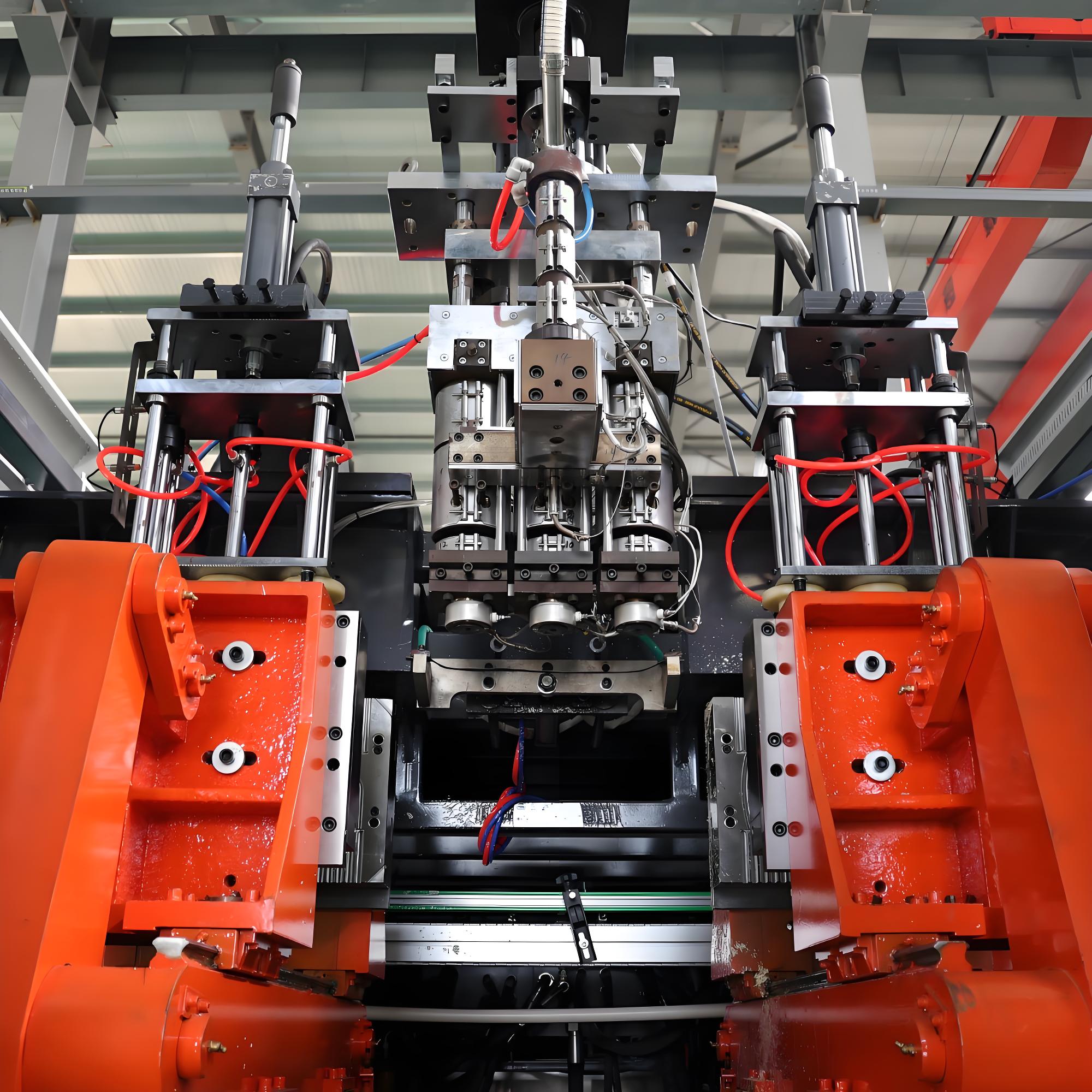
Die head design affects material distribution uniformity across the parison wall, which influences final product color consistency. Accumulator-head configurations provide particular advantages for color-critical applications by maintaining consistent material flow and pressure throughout the blow cycle. This consistency translates directly to uniform wall thickness distribution and consistent color appearance across finished containers.
Servo-controlled parison programming enables precise control over wall thickness distribution, which affects color appearance through its influence on light transmission characteristics. Thinner walls transmit more light and appear lighter in color while thicker sections appear darker. Programmed wall thickness variation enables sophisticated color effects impossible with fixed-wall configurations. These capabilities prove particularly valuable for cosmetic jars requiring graduated color effects or controlled translucency.
Multiple-layer coextrusion capabilities enable sophisticated color designs impossible with single-material approaches. Outer layer coloration provides visual impact while inner layers address functional requirements such as barrier properties or structural strength. This capability enables cosmetic jar designs that combine aesthetic appeal with performance optimization. Five-layer structures with independent color layers can create unique visual effects while maintaining necessary functional properties.
Process Control and Automation Features
Advanced process control systems maintain consistent color results by regulating all processing parameters that influence color development. Proportional-integral-derivative control algorithms adjust temperature zones, screw speeds, and material feed rates to compensate for variations that might affect final color quality. These systems maintain color consistency despite normal process fluctuations that would otherwise cause detectable color variation in finished products.
Automated material handling systems improve color consistency by eliminating manual weighing and mixing errors that introduce variation. Gravimetric feeders precisely meter masterbatch addition rates, ensuring accurate colorant concentration across production runs. Integration with process control systems enables automatic adjustment for different color requirements. The precision achievable with automated systems exceeds manual approaches by an order of magnitude.
Recipe management systems store optimal processing parameters for specific color formulations, enabling rapid changeover between different cosmetic jar colors. These systems recall complete parameter sets including temperatures, speeds, and material ratios, reducing operator dependency and ensuring repeatable results across color changes. Effective recipe management becomes essential when managing extensive color catalogs that characterize cosmetic packaging operations.
Data logging and traceability systems record all production parameters for each batch, enabling investigation of any quality issues and supporting quality assurance documentation requirements. Complete production records demonstrate process control compliance for cosmetic industry regulatory requirements and customer quality expectations. Regulatory compliance increasingly requires documented evidence that production processes remained under control throughout manufacturing.
Apollo Equipment Solutions for Cosmetic Jar Color Customization
Apollo extrusion blow molding machines incorporate comprehensive capabilities designed specifically for demanding cosmetic industry color requirements. Their equipment combines precise process control, flexible coloration capabilities, and proven reliability that cosmetic manufacturers depend upon for consistent, brand-quality production. Understanding what premium equipment offers helps clarify evaluation criteria and capability expectations.
Precision Engineering for Color Accuracy
Apollo machines feature precision-engineered extrusion systems optimized for color development in cosmetic applications. Specialized screw designs incorporate efficient mixing sections that ensure thorough colorant dispersion without excessive shear that might damage sensitive materials. Barrel configurations with multi-zone temperature control provide the precise thermal management cosmetic coloration requires. These engineering investments directly translate to color consistency that cosmetic brands require.
Servo-controlled parison programming enables Apollo machines to produce complex wall thickness distributions that support sophisticated color effects. This capability proves particularly valuable for cosmetic jars requiring graduated color effects, controlled translucency, or thickness-dependent color appearance. The flexibility to program precise wall distributions expands design possibilities for cosmetic packaging beyond what simpler equipment can achieve.
Coextrtrusion capabilities allow production of multi-layer cosmetic jars with optimized performance characteristics. Apollo machines can produce three-layer or five-layer constructions with different material and color combinations in each layer. This capability enables design innovation impossible with single-layer approaches while maintaining cost-effective production efficiency. Premium cosmetic brands increasingly specify multi-layer constructions that provide both aesthetic and functional benefits.
Color Changeover Efficiency
Apollo understands that cosmetic manufacturers frequently produce multiple color products across single production periods. Their machines incorporate design features that minimize color changeover time and material waste. Optimized screw geometries, efficient purging characteristics, and controlled startup procedures combine to reduce transition losses between different color productions. Efficient changeover enables economical small-batch production that market trends increasingly demand.
Automated material handling integration supports rapid, accurate color changes by eliminating manual weighing and loading operations. Gravimetric dosing systems ensure precise colorant addition while recipe management systems recall optimal parameters for each color formulation. These features enable efficient small-batch production that cosmetics market dynamics increasingly demand. Changeover time reduction directly impacts production economics for facilities managing extensive color catalogs.
Quality Assurance Integration
Apollo machines integrate with industry-standard color measurement and quality control systems, enabling comprehensive color quality management. Data collection capabilities support statistical process control implementations that identify trends before quality problems develop. Complete production records satisfy cosmetic industry documentation requirements while enabling continuous process improvement. Integration with factory quality systems ensures seamless data flow that supports regulatory compliance.
Service and support teams understand cosmetic industry requirements and provide expert guidance for color optimization. Technical specialists assist with material selection, colorant formulation evaluation, and process parameter optimization. This application expertise helps manufacturers achieve optimal results from their Apollo equipment investments. Ongoing technical support ensures manufacturers can address color challenges as products and requirements evolve.
Cost Analysis for Color Customization Capabilities
Implementing comprehensive color customization capabilities requires investment in equipment, materials, and quality control systems. Understanding cost structures helps manufacturers evaluate return on investment and establish pricing strategies for color-customized cosmetic jar production. Cost analysis should encompass both direct costs and opportunity costs that color capability enables.
Equipment Investment Considerations
Base machine pricing for standard extrusion blow molding equipment suitable for cosmetic applications ranges from $45,000 to $120,000 depending on production capacity and feature complexity. Machines incorporating advanced servo-controlled parison programming and comprehensive process control systems command premium pricing that typically delivers superior color control and production flexibility. Investment levels should align with actual production requirements rather than theoretical maximum capabilities.
Coextrtrusion capability adds $15,000 to $35,000 to equipment costs depending on layer count and control system complexity. This investment enables sophisticated multi-layer designs that justify premium pricing for cosmetic products benefiting from enhanced barrier properties or complex color effects. Evaluate whether market positioning supports this additional investment based on customer requirements and competitive dynamics.
Automated material handling systems with gravimetric dosing add $8,000 to $20,000 to total equipment investment. These systems improve color consistency and reduce labor requirements for color changeover operations. The investment typically pays for itself through reduced waste, improved quality, and lower labor costs within twelve to twenty-four months for active production operations.
Operational Cost Factors
Masterbatch costs vary significantly based on pigment quality, concentration, and supplier. Standard color masterbatches typically range from $3 to $8 per kilogram while specialty effects such as metallics or phosphorescents may cost substantially more. Concentrated formulations offer cost efficiency through reduced addition rates despite higher per-kilogram pricing. Total masterbatch cost depends heavily on color intensity, pigment quality, and addition rates required for specific applications.
Material waste during color changeover represents a significant operational cost that efficient equipment can substantially reduce. Changeover waste typically ranges from five to twenty kilograms depending on system design and color similarity. Calculating total changeover frequency against waste quantities reveals substantial annual waste costs that equipment efficiency improvements can eliminate. Waste reduction directly impacts both cost and sustainability objectives.
Quality control labor and measurement equipment costs depend on inspection intensity and documentation requirements. Spectrophotometric color measurement equipment ranges from $8,000 for basic bench-top units to $35,000 for production-line integrated systems. Operator training and quality system maintenance add ongoing operational costs that should factor into profitability analysis. Quality system investments typically deliver returns through reduced rejection costs and customer satisfaction improvements.
Best Practices for Color-Critical Cosmetic Jar Production
Achieving optimal color results requires systematic attention to factors throughout the production process, from material procurement through final inspection. Following established best practices ensures consistent quality and efficient operations that meet demanding cosmetic industry requirements. Best practices evolve as equipment capabilities, materials, and market requirements change.
Material Management and Handling Procedures
Establish incoming material inspection procedures that verify resin and colorant consistency before production use. Color measurement of incoming materials against established standards identifies problematic lots before they enter production. Maintaining material traceability supports investigation of any color issues that arise during production. Systematic material management prevents problems before they occur rather than reacting to quality deviations discovered in finished products.
Proper material storage conditions protect resin and colorant quality throughout their shelf life. Humidity control prevents moisture absorption that affects processing and potentially color development. Temperature stability prevents condensation that might introduce water into materials during handling. Storage condition specifications should align with material supplier recommendations that address specific product stability requirements.
First-in-first-out inventory rotation ensures materials are used within their quality shelf life. Establish procedures that prevent older materials from accumulating while newer stock enters production. This discipline prevents quality problems that might occur with aged materials approaching specification limits. Inventory management systems should enforce FIFO rotation automatically rather than depending on manual discipline.
Process Optimization and Standardization
Develop optimized processing parameters for each color formulation and document them in recipe management systems. Optimization studies should evaluate temperature profiles, screw speeds, and blow ratios that produce optimal color results. Standardized parameters ensure consistent results regardless of operator variations that might otherwise affect quality. Recipe documentation should include rationale and acceptable adjustment ranges rather than simply target values.
Regular equipment maintenance preserves color consistency by preventing deterioration of critical components. Screw wear affects mixing efficiency and can alter color development. Barrel wear creates clearance variations that influence processing characteristics. Establishing preventive maintenance schedules based on production hours rather than calendar time prevents performance degradation that affects color quality. Maintenance records should track performance trends that indicate developing issues before they cause quality problems.
Process capability studies quantify color control performance and identify improvement opportunities. Statistical analysis of color measurement data reveals capability indices that guide quality improvement investments. Targeting capability improvements where they deliver the greatest value ensures efficient resource allocation. Continuous improvement culture ensures capabilities advance over time rather than remaining static as competitors improve.
Customer Communication and Specification Development
Work with cosmetic brand customers to establish achievable color specifications that balance quality requirements against practical manufacturing constraints. Unrealistic tolerance specifications increase costs without meaningful quality improvement. Collaborative specification development produces achievable requirements that satisfy brand standards while enabling efficient manufacturing. Specification development should consider measurement capability limitations that may prevent verification of overly tight tolerances.
Color approval procedures should incorporate objective measurement alongside visual evaluation. Physical approval standards eliminate subjectivity and provide clear acceptance criteria. Reference standards maintained at both manufacturer and customer locations ensure consistent evaluation regardless of viewing conditions. Approval procedures should address both initial qualification and ongoing production verification requirements.
Change notification procedures protect both parties when material or process modifications might affect color appearance. Proactive communication prevents surprises and enables collaborative problem-solving when adjustments become necessary. Building this communication discipline strengthens long-term relationships and prevents disputes that damage business partnerships. Formal change management procedures ensure modifications receive appropriate review and approval before implementation.
Conclusion
Color customization for cosmetic jar production represents a sophisticated intersection of polymer processing technology, color science, and quality management that demands systematic attention to numerous technical factors. Understanding the foundations of color control in extrusion blow molding enables manufacturers to select appropriate equipment, implement effective quality systems, and establish procedures that consistently deliver brand-quality results. The complexity of color management explains why some manufacturers excel in cosmetic applications while others struggle despite similar equipment investments.
Equipment selection should prioritize capabilities most relevant to specific product requirements, whether those emphasize color accuracy, changeover efficiency, or sophisticated multi-layer effects. Apollo machines provide comprehensive capabilities addressing the full spectrum of cosmetic color requirements while delivering the reliability cosmetic manufacturers depend upon. Premium equipment investments typically deliver superior returns when application requirements justify advanced capabilities.
Investment in color customization capabilities delivers returns through premium pricing for color-differentiated products, enhanced customer relationships based on reliable quality delivery, and operational efficiency from optimized changeover procedures. Manufacturers who master color control establish competitive advantages difficult for less-capable competitors to replicate. These advantages compound over time as expertise develops and reputation builds.
The cosmetics market continues evolving toward greater color variety, faster product cycles, and increasingly sophisticated visual effects. Manufacturers equipped with capable equipment and optimized processes position themselves to capture growth opportunities in this dynamic market segment where brand owners increasingly depend on manufacturing partners who can deliver consistent quality across diverse color requirements. Strategic investment in color capability today creates competitive advantages that will expand as market sophistication increases and consumer expectations continue rising toward ever-higher standards of visual quality and consistency that distinguish premium products from commodity offerings.