
The global pharmaceutical packaging market is projected to reach $168 billion by 2032, growing at a compound annual growth rate (CAGR) of 6.2% from 2026 to 2032. This growth is driven by increasing demand for safe, secure medication packaging, stricter regulatory requirements, and the rising prevalence of chronic diseases worldwide. Among all packaging requirements, tamper-proofing stands as the most critical non-negotiable standard, mandated by regulatory bodies globally to protect patient safety and prevent product adulteration.
The 1982 Tylenol tampering incident, which resulted in seven deaths, revolutionized pharmaceutical packaging regulations. In response, the U.S. Food and Drug Administration (FDA) established 21 CFR Part 211.132, requiring all over-the-counter (OTC) human drug products to be packaged in tamper-evident containers with visible indicators of breach. Today, these requirements have been adopted worldwide, with the European Union, Japan, and other major markets implementing similar regulations to ensure medication safety.
Extrusion blow molding has emerged as the dominant manufacturing technology for producing tamper-proof pharmaceutical bottles, offering exceptional design flexibility, high production efficiency, and excellent material compatibility with medical-grade resins. Unlike injection molding, which is limited to smaller, simpler shapes, extrusion blow molding excels at producing hollow containers of various sizes from 10ml to 30L, with integrated tamper-evident features that cannot be easily replicated or defeated.
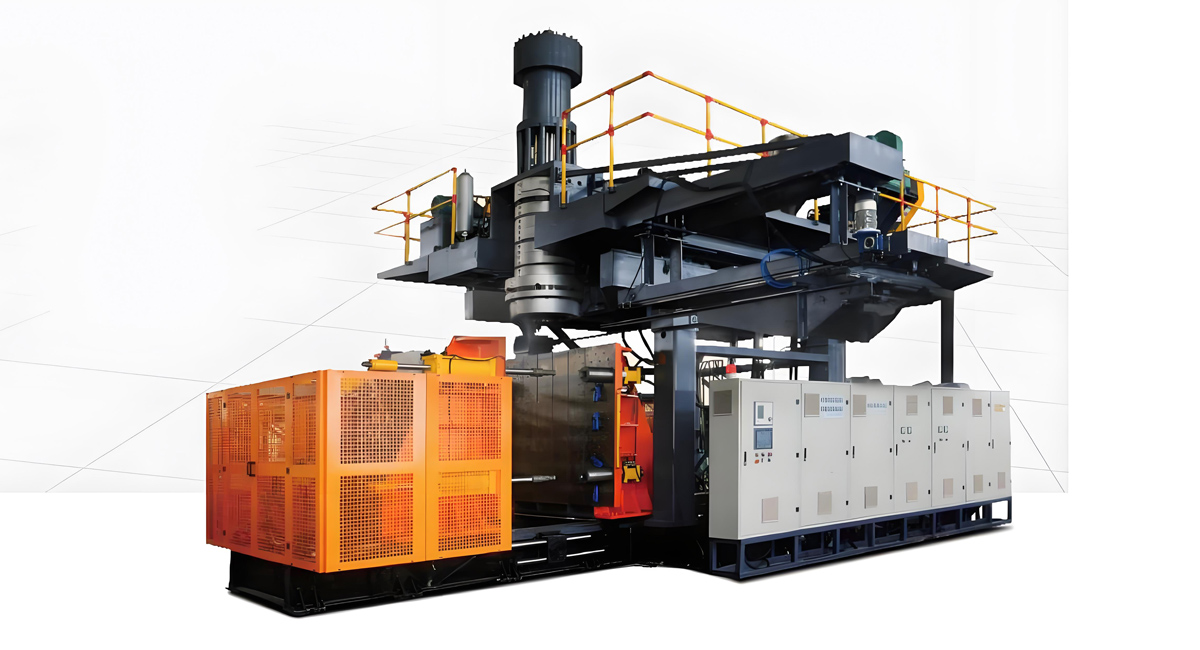
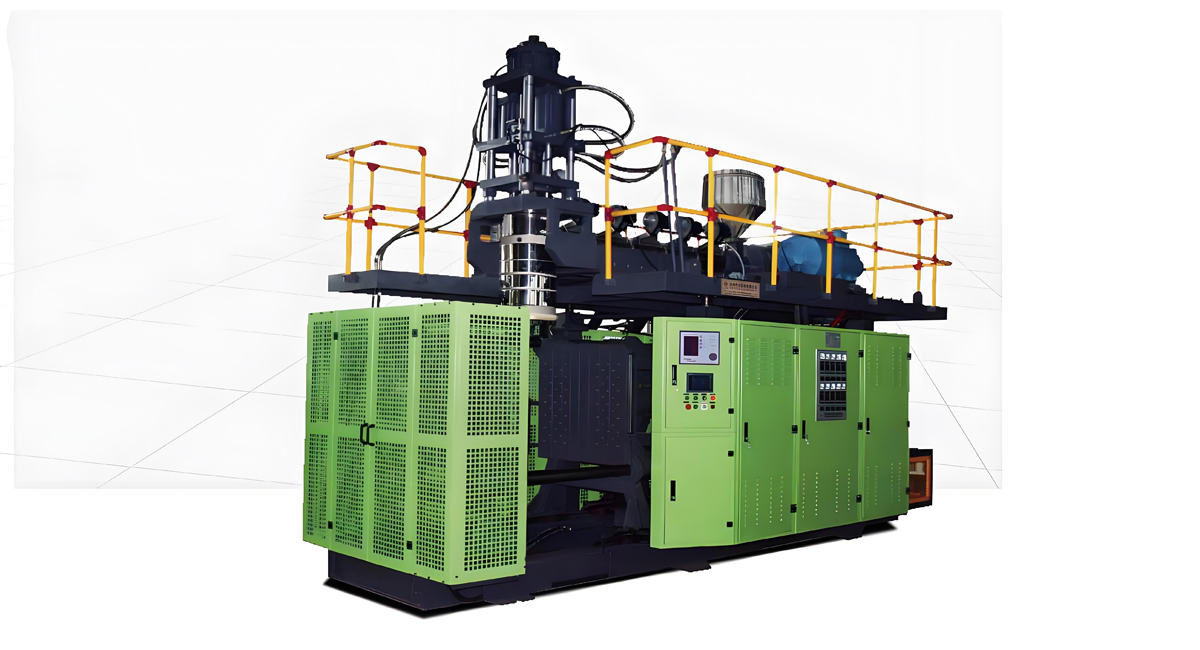
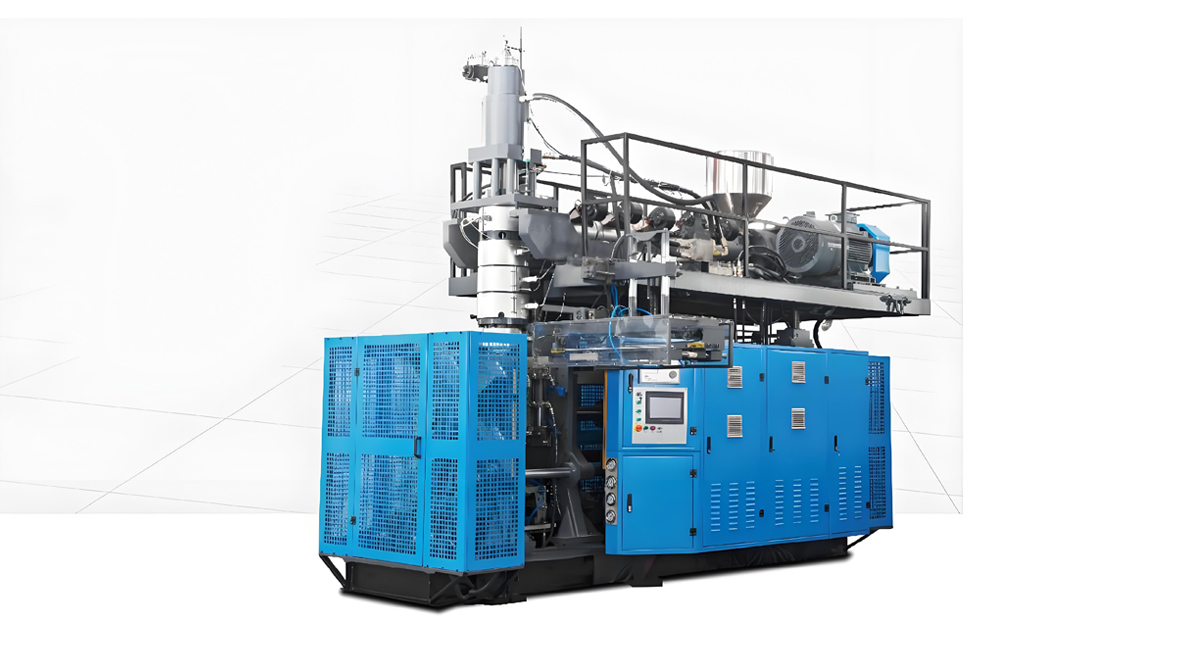
As a leading global manufacturer of extrusion blow molding machines with over 20 years of experience, Apollo has developed specialized pharmaceutical-grade machines specifically engineered to meet the strictest tamper-proof and regulatory requirements. Apollo extrusion blow molding machines for pharmaceutical bottles combine precision engineering, cleanroom compatibility, and advanced process control to produce consistent, high-quality containers that comply with FDA, EU GMP, and ISO 15378 standards. With a comprehensive product lineup ranging from small all-electric machines to large servo-hydraulic production lines, Apollo offers solutions for every pharmaceutical packaging need and budget.
This comprehensive guide explores everything you need to know about extrusion blow molding machines for tamper-proof pharmaceutical bottle production. It covers the regulatory requirements for tamper-evident packaging, the technical challenges of manufacturing tamper-proof bottles, the key features of pharmaceutical-grade blow molding machines, and the specific advantages of Apollo equipment. The guide also includes detailed cost analysis, return on investment calculations, application-specific solutions, and best practices for ensuring regulatory compliance. Whether you are a pharmaceutical manufacturer looking to upgrade your packaging capabilities or a contract packaging organization (CPO) entering the pharmaceutical market, this guide will provide you with all the information you need to make an informed purchasing decision.
1. Regulatory Requirements for Tamper-Proof Pharmaceutical Packaging
Tamper-proof pharmaceutical packaging is not just a best practice—it is a legal requirement in all major markets worldwide. Regulatory bodies have established strict standards to ensure that pharmaceutical products are protected from adulteration and that consumers can easily identify if a product has been tampered with.
1.1 FDA Regulations (United States)
The FDA’s 21 CFR Part 211.132 defines a tamper-evident package as “one having one or more indicators or barriers to entry which, if breached or missing, can reasonably be expected to provide visible evidence to consumers that tampering has occurred”{insert_element_1_}. The regulation requires that these indicators be distinctive by design or employ identifying characteristics to reduce the likelihood of successful counterfeiting.
For OTC drug products, the FDA mandates that all retail packages must include at least one tamper-evident feature. Prescription drugs are also required to have tamper-evident packaging, with additional requirements for controlled substances. The FDA also requires that manufacturers include specific labeling on packages to inform consumers about the tamper-evident features and how to identify if tampering has occurred.
In addition to tamper-evident requirements, pharmaceutical packaging must comply with FDA 21 CFR Part 177, which regulates food contact materials, and USP <661>, which specifies requirements for plastic packaging systems and their materials. These regulations ensure that packaging materials do not leach harmful substances into the medication and maintain the product’s safety, efficacy, and quality throughout its shelf life.
1.2 EU GMP and International Standards
In the European Union, pharmaceutical packaging is regulated by EU GMP Annex 1 for sterile medicinal products and the EU Medical Device Regulation (MDR) for medical packaging. These regulations require that packaging systems be designed to prevent tampering, contamination, and counterfeiting, and that they maintain the product’s quality throughout its shelf life.
ISO 15378 is the international standard for primary packaging materials for medicines, specifying requirements for quality management systems, design control, and production processes. This standard ensures that pharmaceutical packaging is produced in a consistent, controlled manner and meets the highest quality and safety standards.
Other important international standards include ISO 11607 for sterile medical device packaging, which specifies requirements for packaging materials, design, and validation, and ISO 10993 for biological evaluation of medical devices, which ensures that packaging materials are biocompatible and do not cause adverse reactions in patients.
1.3 Consequences of Non-Compliance
Failure to comply with tamper-proof packaging regulations can have severe consequences for pharmaceutical manufacturers. These include product recalls, regulatory fines, import restrictions, and damage to brand reputation. In the United States, FDA can impose fines of up to $1.5 million per violation for serious violations, and criminal charges can be filed in cases of intentional non-compliance.
Beyond regulatory penalties, non-compliant packaging can also result in product liability lawsuits if tampered products cause harm to consumers. The cost of a single product recall can run into millions of dollars, not including the long-term damage to brand reputation and customer trust.
2. Tamper-Proof Pharmaceutical Bottle Design and Manufacturing Challenges
Producing effective tamper-proof pharmaceutical bottles requires careful design and precise manufacturing. The bottle and closure system must work together seamlessly to provide visible evidence of tampering while maintaining a secure, leak-proof seal.
2.1 Common Tamper-Evident Features
There are several common tamper-evident features used in pharmaceutical packaging, each with its own advantages and manufacturing requirements:
Breakaway rings are the most widely used tamper-evident feature for pharmaceutical bottles. These rings are attached to the base of the cap with thin plastic bridges. When the cap is first opened, the bridges break, leaving the ring on the bottle neck and providing clear evidence of tampering. For this feature to work effectively, the bottle neck must have a precise groove that holds the ring in place when the cap is twisted, and the bridges must be designed to break at a consistent torque level.
Induction seals consist of a thin aluminum foil liner that is heat-sealed to the bottle neck after filling. The seal must be punctured or peeled off to access the product, providing clear evidence of tampering. Induction seals also provide an excellent barrier against moisture, oxygen, and contamination, making them ideal for sensitive medications.
Shrink bands are plastic bands that are placed around the cap and bottle neck and then heated to shrink tightly into place. The band must be torn to remove the cap, providing visible evidence of tampering. Shrink bands are often used in combination with other tamper-evident features for added security.
Push-and-turn child-resistant closures often incorporate tamper-evident features such as breakaway rings or induction seals. These closures require a specific combination of pushing and twisting to open, making them difficult for young children to open while remaining accessible to adults.
2.2 Critical Design Requirements for Tamper-Proof Bottles
For tamper-evident features to work effectively, the pharmaceutical bottle must meet several critical design requirements:
Precise dimensional control is essential, particularly for the bottle neck and thread. The neck diameter must be held to a tolerance of ±0.1mm to ensure a proper fit with the closure and tamper-evident ring. Even minor variations in neck dimensions can cause the tamper-evident feature to fail, either by not breaking when opened or by breaking prematurely during shipping or handling.
Uniform wall thickness distribution is critical for ensuring the structural integrity of the bottle and the proper functioning of tamper-evident features. The neck and shoulder areas must be sufficiently thick to support the closure and tamper-evident ring, while the side walls can be thinner to reduce material usage and weight.
Surface finish and clarity are important for both aesthetic and functional reasons. The bottle surface must be smooth and free of defects to ensure a proper seal with the closure and to allow for clear printing of labels and product information. For transparent bottles, excellent clarity is required to allow visual inspection of the product.
Consistent batch-to-batch quality is essential for pharmaceutical manufacturing. Every bottle produced must be identical in dimensions, weight, and performance to ensure that the tamper-evident features work reliably and that the product meets all regulatory requirements.
2.3 Manufacturing Challenges
Producing tamper-proof pharmaceutical bottles presents several unique manufacturing challenges that require advanced extrusion blow molding technology:
Achieving the required dimensional accuracy, particularly for the bottle neck and thread, requires precise control over all aspects of the extrusion blow molding process. The parison must be extruded with consistent diameter and wall thickness, the mold must be precisely machined and aligned, and the clamping and blowing pressures must be carefully controlled.
Maintaining a clean, contamination-free production environment is essential for pharmaceutical packaging. Even small particles or contaminants can compromise the safety and quality of the medication. This requires blow molding machines that are designed for cleanroom operation, with smooth, non-porous surfaces that are easy to clean and sanitize.
Minimizing production waste and scrap is critical for pharmaceutical manufacturing, where raw materials are often expensive and subject to strict quality control. Defective bottles cannot be reworked or recycled into pharmaceutical packaging, so high reject rates can significantly increase production costs.
Ensuring complete traceability of every bottle produced is required by pharmaceutical regulations. Manufacturers must be able to trace each bottle back to the raw material batch, production date, and machine operator, and maintain detailed records for regulatory inspection.
3. Key Features of Pharmaceutical-Grade Extrusion Blow Molding Machines
Pharmaceutical-grade extrusion blow molding machines are specifically designed and built to meet the unique requirements of pharmaceutical packaging production. These machines incorporate advanced technologies and features that ensure precise control, clean operation, and consistent quality.
3.1 Precision Parison Control System
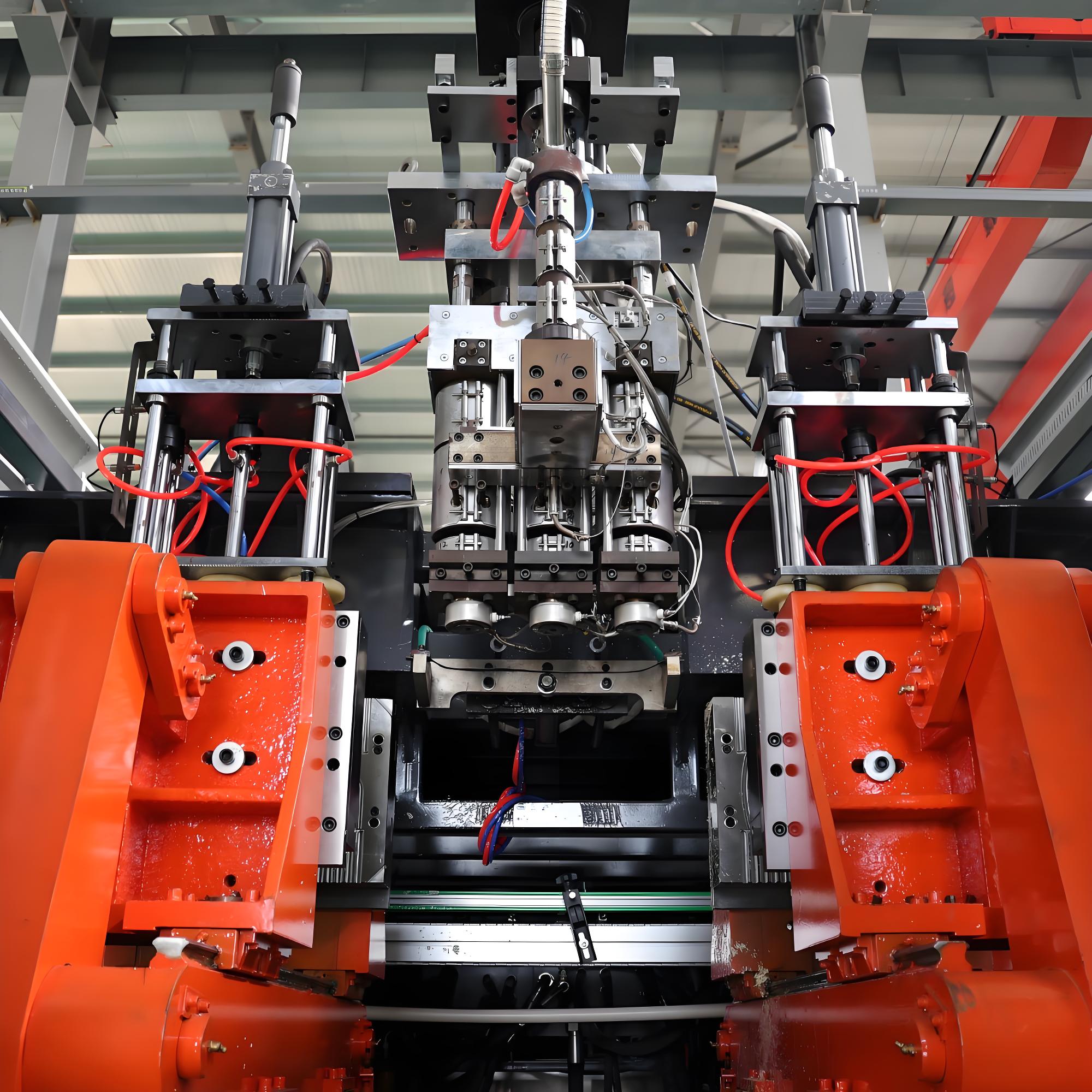
The parison control system is the heart of any extrusion blow molding machine, and it is particularly critical for producing tamper-proof pharmaceutical bottles. Advanced parison control systems allow manufacturers to precisely adjust the wall thickness of the parison at multiple points along its length, ensuring optimal material distribution in the final bottle.
Pharmaceutical-grade machines typically feature 64 to 128 points of wall thickness adjustment, allowing for extremely precise control over the bottle’s wall thickness distribution. This is essential for ensuring that the neck and shoulder areas have sufficient thickness to support the tamper-evident closure, while minimizing material usage in non-critical areas.
The best parison control systems use servo motor technology to adjust the die gap in real-time as the parison is extruded, ensuring consistent wall thickness even with variations in resin properties or process conditions. This results in bottles with consistent dimensions and performance, batch after batch.
3.2 Cleanroom-Compatible Design
Pharmaceutical packaging must be produced in cleanroom environments to prevent contamination. ISO Class 8 (Class 100,000) cleanrooms are typically required for non-sterile pharmaceutical packaging, while ISO Class 7 (Class 10,000) or higher is required for sterile packaging.
Pharmaceutical-grade blow molding machines are designed to be compatible with these cleanroom environments. They feature all-stainless steel construction in product contact areas, with smooth, non-porous surfaces that are easy to clean and sanitize. The machines are also designed to minimize particle generation, with enclosed drive systems and filtered ventilation to prevent the release of contaminants into the cleanroom.
Many pharmaceutical-grade machines also feature clean-in-place (CIP) systems that allow for automated cleaning and sanitization of the extruder, die head, and other product contact parts between batches. This reduces the risk of cross-contamination between different products and ensures compliance with GMP requirements.
3.3 Advanced Process Control and Traceability
Advanced process control and traceability systems are essential for pharmaceutical manufacturing, where consistent quality and regulatory compliance are paramount. Pharmaceutical-grade blow molding machines feature advanced PLC control systems with touch screen interfaces that allow operators to easily monitor and adjust all process parameters.
These control systems provide closed-loop control of all critical process parameters, including extruder temperature, screw speed, parison thickness, clamping force, blowing pressure, and cooling time. They also include recipe management systems that allow operators to store and recall process parameters for different products, ensuring consistent production quality every time.
Traceability is another critical feature of pharmaceutical-grade machines. The control system should record all process parameters for every batch produced, including date, time, operator, raw material batch, and machine settings. This data should be stored in a secure, tamper-proof format and be easily retrievable for regulatory inspection. The system should also support electronic signatures and audit trails to comply with FDA 21 CFR Part 11 requirements for electronic records and signatures.
3.4 Integrated Quality Inspection Systems
Integrated quality inspection systems are essential for ensuring that every bottle produced meets the required quality standards. These systems automatically inspect bottles for defects such as dimensional variations, wall thickness inconsistencies, leaks, and visual defects, and automatically reject any defective bottles.
Common inspection systems used in pharmaceutical blow molding include:
Vision inspection systems that use high-speed cameras to inspect bottles for visual defects, dimensional variations, and tamper-evident feature integrity. These systems can detect even the smallest defects that would be missed by human inspectors.
Wall thickness measurement systems that use ultrasonic or infrared technology to measure the wall thickness of bottles at multiple points, ensuring that they meet the required specifications.
Leak detection systems that use pressure decay or vacuum decay technology to test bottles for leaks, ensuring that they provide a secure seal for the medication.
These inspection systems operate in real-time, allowing for immediate detection and correction of process issues before they result in large amounts of scrap. They also provide valuable data for process improvement and quality control.
3.5 High-Precision Mold Technology
The quality of the mold directly determines the quality of the final bottle. Pharmaceutical-grade molds are precision-machined to extremely tight tolerances to ensure that every bottle produced has consistent dimensions and surface finish.
Pharmaceutical molds are typically made from high-grade aluminum or steel, with mirror-polished surfaces to ensure excellent bottle clarity and surface finish. The molds are designed with precise cooling channels to ensure uniform cooling and minimize cycle time, while maintaining consistent bottle quality.
Many pharmaceutical-grade machines also feature quick mold change systems that allow for fast and easy changeovers between different bottle designs. This reduces downtime and increases production flexibility, allowing manufacturers to efficiently produce multiple products on the same machine.
4. Apollo Pharmaceutical-Grade Extrusion Blow Molding Machines
Apollo has been a leading manufacturer of extrusion blow molding machines for over 20 years, with a proven track record of delivering high-quality, reliable equipment to pharmaceutical manufacturers worldwide. Apollo pharmaceutical-grade machines are specifically designed and built to meet the strictest tamper-proof and regulatory requirements, providing exceptional precision, cleanliness, and performance.
4.1 Apollo AE-Series All-Electric Pharmaceutical Blow Molding Machines
The Apollo AE-Series all-electric extrusion blow molding machines are ideal for producing small to medium-sized tamper-proof pharmaceutical bottles ranging in size from 10ml to 5L. These machines feature a fully electric design with servo motor drives for all axes, providing exceptional precision, energy efficiency, and clean operation.
The AE-Series is particularly well-suited for cleanroom environments, as it produces no hydraulic oil mist or leaks and generates minimal noise and vibration. The machines feature all-stainless steel construction in product contact areas, with smooth, non-porous surfaces that are easy to clean and sanitize. They also include advanced 128-point parison control for precise wall thickness distribution, ensuring consistent tamper-evident feature performance.
Key features of the AE-Series pharmaceutical machines include:
– Fully electric servo drive system for precise control and energy efficiency – 128-point servo parison control for optimal wall thickness distribution – All-stainless steel product contact parts (304 or 316L grade) – Cleanroom-compatible design with minimal particle generation – Advanced PLC control system with touch screen interface and audit trail – Integrated quality inspection systems for 100% product verification – Quick mold change system for fast product changeovers – Compliance with FDA, GMP, and ISO 15378 standards
The AE-Series is available in models with clamping forces ranging from 10 tons to 50 tons. The AE-20 model, with a 20-ton clamping force, is the most popular for pharmaceutical applications, capable of producing up to 800 bottles per hour depending on bottle size and configuration. The price of the Apollo AE-20 pharmaceutical-grade machine ranges from $55,000 to $95,000, depending on configuration and optional features.
4.2 Apollo SH-Series Servo-Hydraulic Pharmaceutical Blow Molding Machines
The Apollo SH-Series servo-hydraulic extrusion blow molding machines are designed for medium to large-sized pharmaceutical containers ranging in size from 5L to 30L. These machines combine the high power density of hydraulic systems with the precision and energy efficiency of servo motor technology, providing excellent performance for larger containers.
The SH-Series features an advanced servo-hydraulic drive system that uses a variable-speed servo motor to drive the hydraulic pump. This system provides only the flow and pressure required for each operation, reducing energy consumption by 30-40% compared to conventional hydraulic systems. The machines also feature low-noise operation and clean design, making them suitable for pharmaceutical production environments.
Key features of the SH-Series pharmaceutical machines include:
– Advanced servo-hydraulic drive system for power and energy efficiency – 64 or 128-point parison control for precise wall thickness distribution – All-stainless steel product contact parts – Clean design with enclosed hydraulic system to prevent contamination – Advanced process control with data logging and traceability – Integrated quality inspection systems – Heavy-duty construction for reliable 24/7 operation – Compliance with all relevant pharmaceutical regulations
The SH-Series is available in models with clamping forces ranging from 30 tons to 200 tons. The SH-40 model, with a 40-ton clamping force, is ideal for producing 5L to 20L pharmaceutical containers, with production rates up to 500 containers per hour. The price of the Apollo SH-40 pharmaceutical-grade machine ranges from $85,000 to $160,000, depending on configuration.
4.3 Apollo Specialized Pharmaceutical Solutions
In addition to its standard machine lineup, Apollo offers specialized solutions for unique pharmaceutical packaging requirements:
Multi-layer extrusion blow molding machines for producing barrier containers that protect sensitive medications from oxygen, moisture, and light. These machines can produce containers with up to 7 layers, incorporating barrier materials such as EVOH or nylon for enhanced product protection.
Aseptic blow molding systems for producing sterile pharmaceutical containers. These systems integrate blow molding, filling, and sealing in a single closed, sterile environment, eliminating the need for post-production sterilization and reducing the risk of contamination.
Blow-Fill-Seal (BFS) integrated systems for producing and filling sterile liquid medications in a single continuous process. BFS technology is widely used for producing eye drops, injectables, and other sterile pharmaceutical products, providing the highest level of sterility assurance.
Apollo also offers custom engineering services to develop tailored solutions for specific pharmaceutical packaging requirements. The company’s team of experienced engineers works closely with customers to design and build machines that meet their exact production needs and regulatory requirements.
5. Application-Specific Solutions for Tamper-Proof Pharmaceutical Bottles
Different types of pharmaceutical products have unique packaging requirements, and Apollo offers application-specific solutions to meet these diverse needs.
5.1 Oral Solid Dosage Bottles
Oral solid dosage forms such as tablets, capsules, and pills are the most common pharmaceutical products, and they require tamper-proof bottles that provide protection from moisture, light, and tampering. These bottles are typically made from HDPE or PP, with screw caps featuring breakaway tamper-evident rings.
The Apollo AE-20 all-electric machine is ideal for producing oral solid dosage bottles ranging in size from 10ml to 1L. The machine’s 128-point parison control ensures precise wall thickness distribution, particularly in the neck area, for reliable tamper-evident ring performance. The machine can be configured with multi-cavity molds for high-volume production, with rates up to 800 bottles per hour.
For example, a pharmaceutical manufacturer producing 100ml HDPE tablets bottles with breakaway tamper-evident caps using an Apollo AE-20 machine with a 4-cavity mold can achieve a production rate of 600 bottles per hour, with a reject rate of less than 0.2%. The machine’s integrated vision inspection system verifies the integrity of the tamper-evident ring groove on every bottle, ensuring that the cap fits properly and the tamper-evident feature works correctly.
5.2 Oral Liquid Bottles
Oral liquid medications such as syrups, suspensions, and solutions require tamper-proof bottles that provide a leak-proof seal and protection from contamination. These bottles are typically made from PP or PET, with tamper-evident closures that may include both breakaway rings and induction seals.
The Apollo AE-30 all-electric machine is well-suited for producing oral liquid bottles ranging in size from 50ml to 2L. The machine’s precise parison control ensures uniform wall thickness and consistent neck dimensions, providing a secure seal with the closure. The machine can also be configured with integrated leak detection systems to ensure that every bottle is leak-proof.
For example, a manufacturer producing 250ml PP syrup bottles with induction seals and breakaway tamper-evident caps using an Apollo AE-30 machine can achieve a production rate of 500 bottles per hour, with a reject rate of less than 0.3%. The machine’s advanced process control ensures consistent bottle quality, batch after batch, meeting all FDA and EU GMP requirements.
5.3 Topical and Dermatological Bottles
Topical and dermatological products such as creams, lotions, ointments, and gels require tamper-proof bottles that provide protection from contamination and maintain product integrity. These bottles are often made from HDPE or PP, with various closure types including flip-top caps, pump dispensers, and screw caps with tamper-evident features.
The Apollo SH-30 servo-hydraulic machine is ideal for producing larger topical product bottles ranging in size from 250ml to 5L. The machine’s robust construction and precise control ensure consistent bottle quality, even for larger containers. The machine can also be configured with special mold designs to produce bottles with integrated handles or other functional features.
5.4 Sterile Pharmaceutical Containers
Sterile pharmaceutical products such as eye drops, injectables, and intravenous solutions require the highest level of packaging integrity and sterility. These products are typically packaged in containers made from PP or LDPE, with tamper-evident closures that also provide a sterile barrier.
Apollo offers specialized aseptic blow molding systems for producing sterile pharmaceutical containers. These systems feature enclosed, sterile production environments with HEPA-filtered air, automated material handling, and integrated sterilization systems. The machines are designed to minimize human contact and reduce the risk of contamination, complying with EU GMP Annex 1 requirements for sterile manufacturing.
6. Cost Analysis and Return on Investment
Investing in pharmaceutical-grade extrusion blow molding machines requires a significant capital expenditure, but it can deliver substantial returns through improved product quality, reduced waste, and compliance with regulatory requirements.
6.1 Initial Investment Breakdown
The initial investment for a pharmaceutical-grade extrusion blow molding production line includes several components beyond the cost of the machine itself. For a typical medium-scale production line using an Apollo AE-20 all-electric pharmaceutical machine, the initial investment breakdown is as follows:
The largest component is the extrusion blow molding machine itself, which costs approximately $75,000 for a standard AE-20 pharmaceutical-grade machine with 128-point parison control and basic quality inspection. Additional equipment includes a material dryer and loader ($10,000), a chiller ($8,000), an air compressor ($12,000), and a conveyor system ($6,000).
Cleanroom modifications are a significant expense for pharmaceutical production, typically ranging from $50,000 to $150,000 depending on the size and classification of the cleanroom. Validation costs, including IQ/OQ/PQ testing and documentation, typically range from $15,000 to $30,000. Training costs are approximately $5,000, and an initial spare parts inventory of $8,000 is recommended to minimize downtime.
The total initial investment for a complete medium-scale pharmaceutical blow molding production line is therefore approximately $189,000 to $294,000. This can vary depending on the specific machine configuration, cleanroom requirements, and local installation costs.
6.2 Operating Cost Comparison
While pharmaceutical-grade machines have a higher initial investment than standard industrial machines, they offer significant operating cost advantages due to higher production efficiency, lower reject rates, and reduced compliance risks.
For a production line producing 100ml HDPE pharmaceutical bottles at a rate of 600 bottles per hour, operating 20 hours per day, 25 days per month, the monthly production volume is 300,000 bottles. The operating cost comparison between a standard industrial machine and an Apollo pharmaceutical-grade machine is as follows:
Raw material costs are similar for both machines, at approximately $0.08 per bottle, resulting in a monthly raw material cost of $24,000. However, the standard industrial machine typically has a reject rate of 3-5%, while the Apollo pharmaceutical-grade machine has a reject rate of less than 0.2%. This results in monthly raw material savings of approximately $6,720 to $11,520 for the Apollo machine.
Energy costs for the Apollo all-electric machine are approximately 30-50% lower than for a standard hydraulic machine. The Apollo AE-20 consumes approximately 15 kW of electricity, resulting in a monthly energy cost of $1,350 at $0.15 per kWh. A standard hydraulic machine consumes approximately 25 kW, resulting in a monthly energy cost of $2,250, a savings of $900 per month for the Apollo machine.
Maintenance costs for the Apollo pharmaceutical-grade machine are also lower, as it has fewer moving parts and uses high-quality components. The monthly maintenance cost for the Apollo machine is approximately $500, compared to $1,200 for a standard hydraulic machine, a savings of $700 per month.
Compliance costs are significantly lower for the Apollo machine, as it is designed to meet pharmaceutical regulations and comes with complete validation documentation. The standard industrial machine would require extensive modifications and validation to meet pharmaceutical requirements, resulting in additional ongoing compliance costs.
6.3 Return on Investment Calculation
The return on investment (ROI) for an Apollo pharmaceutical-grade extrusion blow molding machine is extremely attractive, particularly when considering the premium pricing of pharmaceutical packaging.
Pharmaceutical bottles typically sell for $0.20 to $0.50 each, compared to $0.05 to $0.10 for standard industrial bottles. For our example production line producing 300,000 bottles per month at a selling price of $0.25 per bottle, the monthly revenue is $75,000.
The monthly operating cost for the Apollo production line is approximately $28,000, resulting in a monthly net profit of $47,000, or $564,000 per year. With an initial investment of approximately $240,000, the payback period is approximately 5.1 months.
Even when considering the additional costs of cleanroom modifications and validation, the payback period is typically less than 12 months for pharmaceutical blow molding production. After the payback period, the production line will continue to generate significant profits for the entire service life of the machine, which is typically 10-15 years.
7. Regulatory Compliance and Validation Support
Regulatory compliance is the most critical aspect of pharmaceutical manufacturing, and Apollo provides comprehensive support to help customers meet all applicable regulations and successfully validate their production processes.
7.1 Equipment Validation (IQ/OQ/PQ)
Equipment validation is a mandatory requirement for pharmaceutical manufacturing, consisting of three sequential phases: Installation Qualification (IQ), Operational Qualification (OQ), and Performance Qualification (PQ).
Installation Qualification (IQ) verifies that the equipment has been delivered and installed correctly according to the manufacturer’s specifications and design requirements. This includes checking that all components are present, properly installed, and that the equipment meets all electrical, mechanical, and safety requirements.
Operational Qualification (OQ) confirms that the installed equipment functions correctly within its specified operating ranges. This involves testing all machine functions, verifying that process parameters can be controlled within the required limits, and demonstrating that the equipment operates reliably under all normal operating conditions.
Performance Qualification (PQ) demonstrates that the equipment consistently produces product that meets all quality specifications under real-world production conditions. This involves running multiple production batches and verifying that the product meets all dimensional, functional, and quality requirements.
Apollo provides complete validation documentation and support for all its pharmaceutical-grade machines. The company’s validation packages include detailed IQ/OQ/PQ protocols, test procedures, and report templates that are designed to meet FDA, EU GMP, and ISO requirements. Apollo’s experienced validation engineers also provide on-site support to help customers successfully complete the validation process and obtain regulatory approval.
7.2 Material and Component Certification
Pharmaceutical regulations require that all materials and components that come into contact with the product be certified as safe for their intended use. Apollo provides comprehensive material certification for all product contact parts of its pharmaceutical-grade machines, including:
– FDA 21 CFR Part 177 certification for food contact materials – USP Class VI certification for biological compatibility – EU 10/2011 certification for plastic materials and articles intended to come into contact with food – ISO 10993 certification for biological evaluation of medical devices
Apollo also provides traceability documentation for all critical components, allowing customers to trace each component back to its original manufacturer and material batch. This ensures complete supply chain transparency and compliance with pharmaceutical regulatory requirements.
7.3 Ongoing Regulatory Support
Pharmaceutical regulations are constantly evolving, and Apollo provides ongoing regulatory support to help customers stay up-to-date with the latest requirements. The company’s regulatory affairs team monitors changes in global pharmaceutical regulations and provides updates and guidance to customers as needed.
Apollo also offers ongoing technical support and maintenance services to ensure that equipment continues to meet regulatory requirements throughout its service life. This includes software updates, calibration services, and periodic revalidation support to help customers maintain compliance with changing regulations.
8. Common Production Challenges and Apollo Solutions
Producing tamper-proof pharmaceutical bottles presents several unique production challenges, but Apollo’s advanced technology and expertise provide effective solutions to these issues.
8.1 Inconsistent Tamper-Evident Ring Performance
One of the most common challenges in producing tamper-proof pharmaceutical bottles is inconsistent performance of the breakaway tamper-evident ring. If the ring does not break consistently when the cap is opened, or if it breaks prematurely during shipping or handling, the tamper-evident feature is compromised.
This issue is typically caused by inconsistent wall thickness in the bottle neck area or imprecise mold dimensions. Apollo’s 128-point servo parison control system ensures precise wall thickness distribution in the neck area, providing consistent material for the tamper-evident ring groove. Apollo’s precision-machined molds are manufactured to tight tolerances, ensuring that the groove dimensions are consistent across every cavity and every mold.
8.2 Neck Dimensional Variations
Neck dimensional variations can cause problems with cap fit, seal integrity, and tamper-evident feature performance. Even minor variations in neck diameter or thread profile can prevent the cap from fitting properly, resulting in leaks or tamper-evident feature failure.
Apollo’s advanced process control system provides closed-loop control of all critical process parameters, ensuring consistent parison diameter and wall thickness. The machine’s servo-driven clamping system provides precise mold alignment and clamping force, ensuring that the neck is formed accurately every time. Apollo also offers integrated vision inspection systems that measure the neck dimensions of every bottle, automatically rejecting any bottles that are out of specification.
8.3 Contamination Risks
Contamination is a major concern in pharmaceutical manufacturing, as even small particles or contaminants can compromise the safety and quality of the medication.
Apollo’s pharmaceutical-grade machines are designed to minimize contamination risks through their cleanroom-compatible design. All product contact parts are made from food-grade stainless steel with smooth, non-porous surfaces that are easy to clean and sanitize. The machines feature enclosed drive systems and filtered ventilation to prevent the release of contaminants into the production environment. Apollo also offers CIP systems for automated cleaning and sanitization between batches, reducing the risk of cross-contamination.
8.4 Batch-to-Batch Consistency
Ensuring consistent quality from batch to batch is essential for pharmaceutical manufacturing, where even minor variations can result in regulatory non-compliance or product recalls.
Apollo’s advanced process control system ensures consistent batch-to-batch quality by maintaining precise control over all process parameters. The system stores all process parameters in recipes, ensuring that the same settings are used for every batch of the same product. The system also provides real-time monitoring and data logging of all process parameters, allowing for immediate detection and correction of any deviations.
9. Future Trends in Pharmaceutical Blow Molding
The pharmaceutical blow molding industry is continuously evolving, driven by technological advancements, changing regulatory requirements, and growing demand for safer, more sustainable packaging.
9.1 Smart and Connected Packaging
Smart and connected packaging is one of the fastest-growing trends in pharmaceutical packaging. These packages incorporate technologies such as RFID tags, NFC chips, or QR codes to provide additional functionality beyond basic containment and tamper evidence.
Smart packaging can be used for track and trace, allowing manufacturers to track products throughout the supply chain and quickly identify and recall counterfeit or contaminated products. It can also be used to provide patients with information about their medication, including dosage instructions, expiration dates, and potential side effects. Some smart packaging systems can even monitor patient adherence to medication regimens, sending reminders to patients and healthcare providers when doses are missed.
Apollo is developing advanced blow molding technology that allows for the integration of smart packaging features during the blow molding process, enabling the production of fully integrated smart pharmaceutical bottles in a single production step.
9.2 Sustainable and Eco-Friendly Packaging
Sustainability is becoming increasingly important in the pharmaceutical industry, with both regulators and consumers demanding more eco-friendly packaging solutions. This includes the use of recycled and bio-based plastics, lightweighting to reduce material usage, and designing packaging for recyclability.
Apollo’s extrusion blow molding machines are already capable of processing up to 100% recycled plastic resins, as well as bio-based plastics such as bio-PP and bio-PE. The company’s advanced parison control technology also enables significant lightweighting of pharmaceutical bottles, reducing material usage and carbon footprint without compromising performance or safety.
9.3 Industry 4.0 and Digital Manufacturing
Industry 4.0 technologies such as the Internet of Things (IoT), artificial intelligence (AI), and digital twins are transforming pharmaceutical manufacturing, enabling greater automation, efficiency, and quality control.
Apollo is integrating these technologies into its blow molding machines, developing smart, connected machines that can monitor their own performance, predict maintenance needs, and optimize process parameters in real-time. These machines can be integrated into factory-wide digital manufacturing systems, providing complete visibility and control over the entire production process.
9.4 Advanced Sterilization Technologies
Advanced sterilization technologies are being developed to improve the safety and efficiency of sterile pharmaceutical packaging production. These include new methods of in-line sterilization, as well as improved aseptic blow molding and BFS technologies.
Apollo is investing in the development of next-generation aseptic blow molding systems that provide even higher levels of sterility assurance while reducing production costs and increasing efficiency. These systems will enable pharmaceutical manufacturers to produce sterile packaging with greater reliability and lower risk of contamination.
10. Conclusion
Tamper-proof pharmaceutical packaging is essential for protecting patient safety and ensuring the integrity of medication. Extrusion blow molding has become the dominant technology for producing tamper-proof pharmaceutical bottles, offering exceptional design flexibility, production efficiency, and material compatibility.
However, producing high-quality tamper-proof pharmaceutical bottles requires advanced extrusion blow molding technology that can meet the strictest precision, cleanliness, and regulatory requirements. Apollo pharmaceutical-grade extrusion blow molding machines are specifically designed and built to meet these requirements, providing exceptional precision, reliability, and compliance with FDA, EU GMP, and ISO standards.
With a comprehensive product lineup ranging from small all-electric machines to large servo-hydraulic production lines, Apollo offers solutions for every pharmaceutical packaging need. The company’s machines incorporate advanced technologies such as 128-point parison control, cleanroom-compatible design, integrated quality inspection, and advanced process control with traceability, ensuring consistent, high-quality production of tamper-proof pharmaceutical bottles.
The financial benefits of investing in Apollo pharmaceutical-grade machines are substantial. While the initial investment may be higher than for standard industrial machines, the premium pricing of pharmaceutical packaging, combined with lower reject rates, reduced energy consumption, and lower compliance costs, results in a rapid return on investment, typically less than 12 months.
Apollo also provides comprehensive regulatory support, including complete IQ/OQ/PQ validation documentation and ongoing compliance assistance, helping customers navigate the complex regulatory landscape and obtain approval for their production processes.
As the pharmaceutical industry continues to evolve, Apollo remains committed to developing innovative blow molding solutions that meet the changing needs of its customers. Whether you are producing oral solid dosage bottles, oral liquid containers, or sterile pharmaceutical products, Apollo has the expertise and technology to provide a reliable, cost-effective solution for your tamper-proof pharmaceutical bottle production needs.
In conclusion, investing in a high-quality pharmaceutical-grade extrusion blow molding machine from Apollo is not only a regulatory requirement but also a strategic business decision that will provide significant long-term benefits. With Apollo’s advanced technology, comprehensive support, and commitment to quality, you can be confident that your pharmaceutical packaging production will meet the highest standards of safety, quality, and compliance.