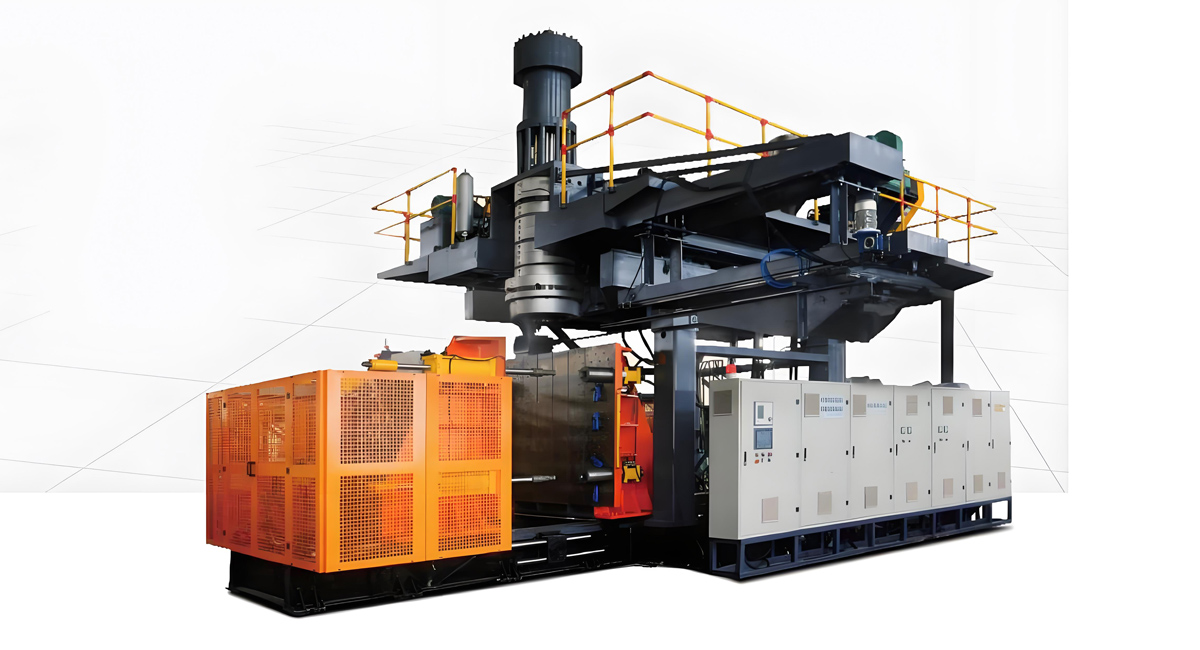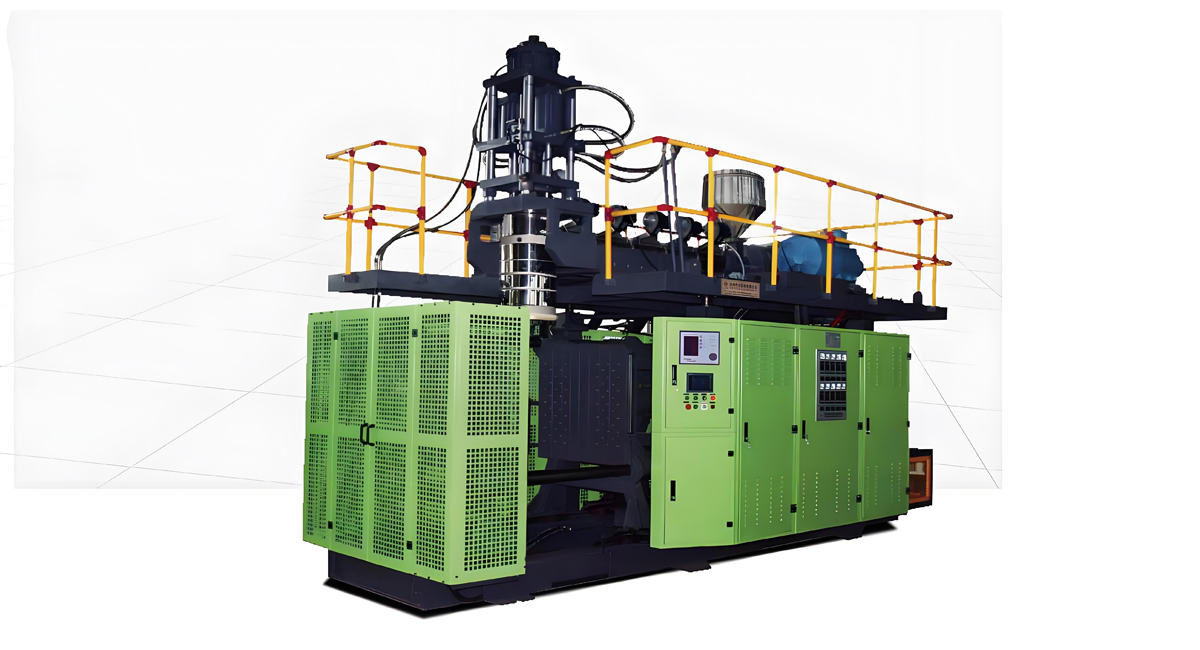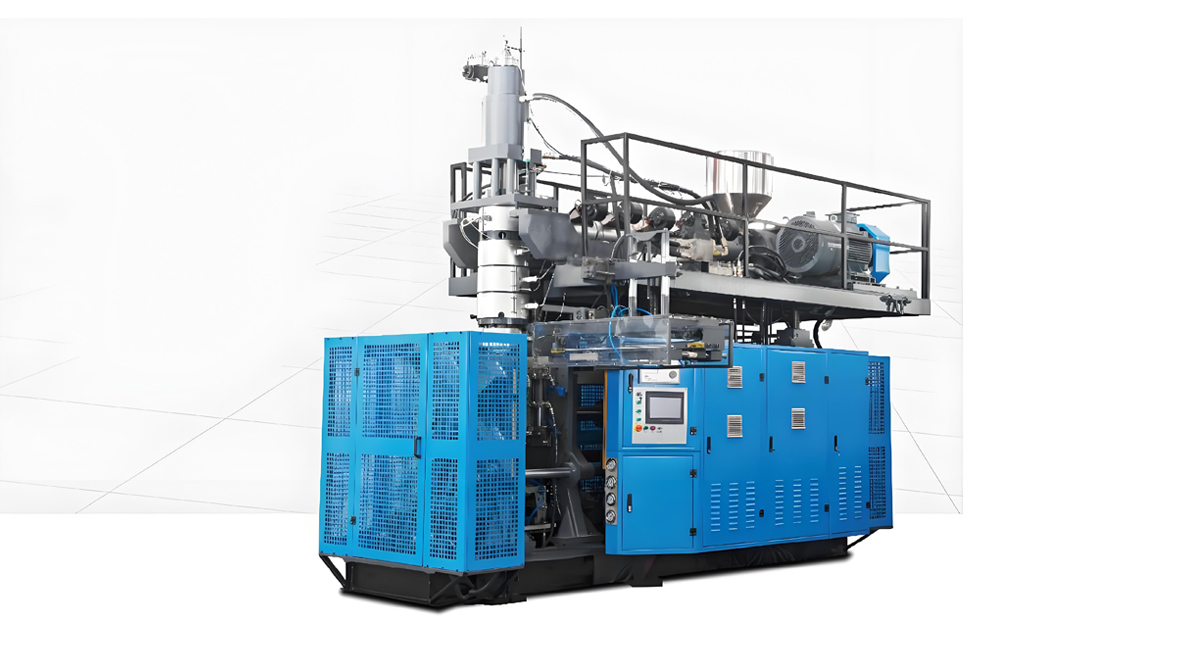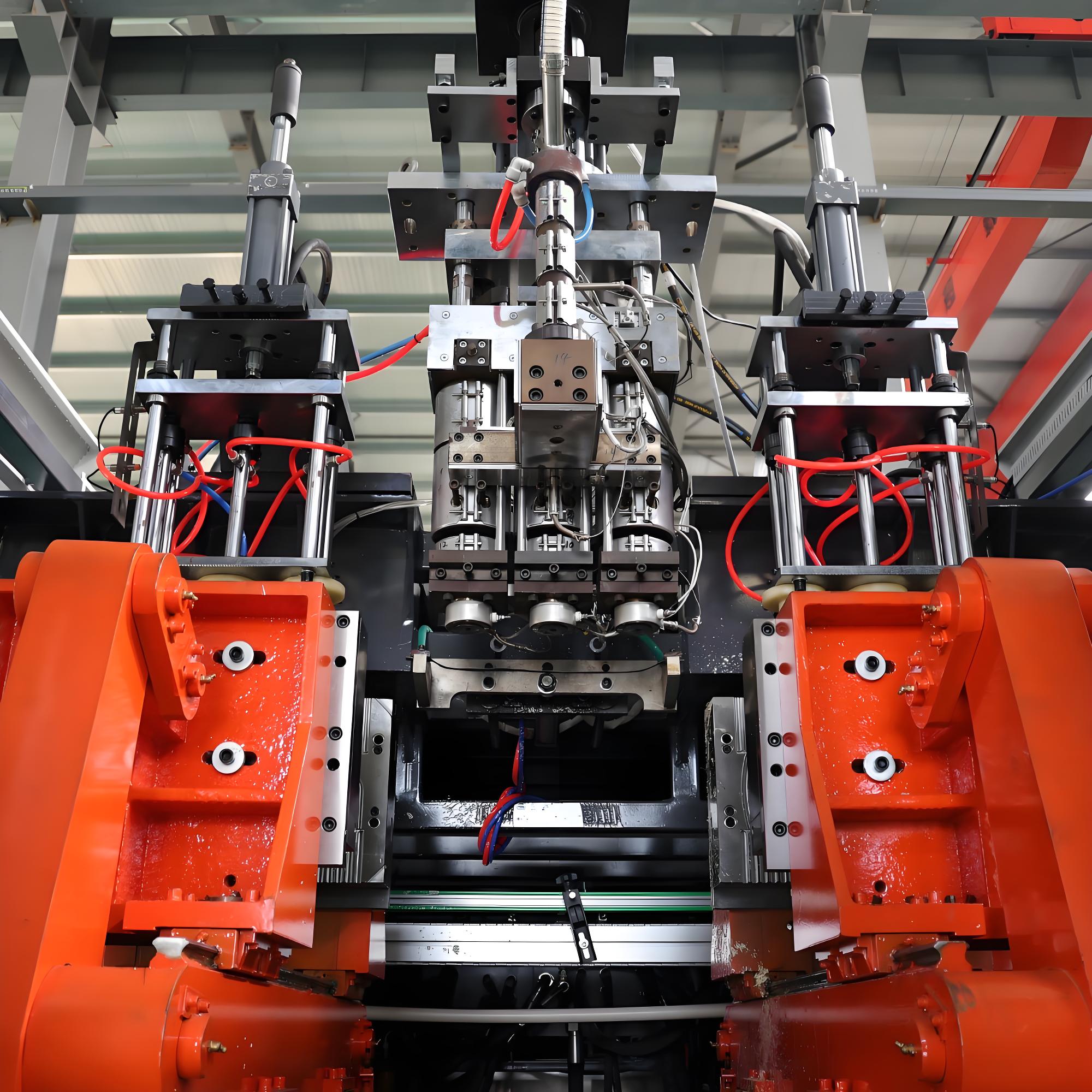
The modern manufacturing industry is increasingly recognizing the critical importance of workplace comfort and employee well-being. Among the most pervasive and damaging workplace hazards is excessive noise, which affects millions of workers worldwide. In the plastic manufacturing sector, extrusion blow molding machines are among the loudest equipment, with traditional hydraulic models often producing noise levels exceeding 85-90 decibels (dB) during operation. Prolonged exposure to these noise levels not only poses serious health risks to workers but also reduces productivity, increases employee turnover, and can lead to costly regulatory violations.
According to the Occupational Safety and Health Administration (OSHA), approximately 22 million workers in the United States are exposed to hazardous noise levels each year, resulting in $242 million annually in workers’ compensation claims for hearing loss. In the European Union, noise is considered the second most important occupational health risk after musculoskeletal disorders, affecting an estimated 40% of workers in the manufacturing sector. These statistics highlight the urgent need for quieter manufacturing equipment that can create a safer, more comfortable working environment while maintaining high production efficiency.
As a leading global manufacturer of extrusion blow molding machines with over 20 years of experience, Apollo has made significant investments in developing low-noise technology that addresses these critical issues. Apollo low noise extrusion blow molding machines are specifically engineered to minimize noise generation at the source, delivering exceptional performance while creating a significantly quieter factory environment. With noise levels as low as 68-75 dB, Apollo machines meet and exceed international occupational health and safety standards, providing manufacturers with a competitive advantage in attracting and retaining skilled workers, improving productivity, and ensuring regulatory compliance.
This comprehensive guide explores everything you need to know about low noise extrusion blow molding machines and their impact on factory environments. It covers the health and economic costs of excessive workplace noise, the technical sources of noise in extrusion blow molding, the advanced technologies used to reduce noise, and the specific advantages of Apollo low noise machines. The guide also includes a detailed cost-benefit analysis, return on investment calculations, and practical advice for creating a quieter, more productive manufacturing facility. Whether you are planning to upgrade existing equipment or build a new production facility, this guide will help you understand how investing in low noise extrusion blow molding technology can transform your factory environment and improve your bottom line.
1. The Hidden Costs of Excessive Factory Noise
While many manufacturers view noise as an unavoidable part of the production process, excessive workplace noise imposes significant hidden costs that can severely impact business performance. These costs extend far beyond the direct expenses of hearing protection and workers’ compensation claims, affecting virtually every aspect of operations from productivity and quality to employee morale and retention.
1.1 Health and Safety Impacts on Workers
The most obvious and well-documented effect of excessive noise is permanent hearing loss. When sound levels exceed 85 dB, the delicate hair cells in the inner ear begin to sustain damage, and this damage is cumulative and irreversible. According to the National Institute for Occupational Safety and Health (NIOSH), approximately 1 in 4 workers exposed to noise levels above 85 dB will develop permanent hearing impairment over their working lifetime. This hearing loss not only affects workers’ quality of life but also increases the risk of workplace accidents by impairing communication and the ability to hear warning signals.
In addition to hearing loss, prolonged exposure to high noise levels has been linked to a wide range of other health problems. These include increased stress levels, elevated blood pressure, cardiovascular disease, sleep disturbances, and psychological disorders such as anxiety and depression. Noise-induced stress triggers the release of cortisol and other stress hormones, which can lead to chronic health conditions and reduce overall immune function. Workers in noisy environments also report higher rates of fatigue, irritability, and difficulty concentrating, which further impacts their ability to perform their jobs safely and effectively.
OSHA has established strict regulations to protect workers from excessive noise exposure. The permissible exposure limit (PEL) for noise is 90 dB as an 8-hour time-weighted average (TWA). When noise levels reach or exceed 85 dB TWA, employers are required to implement a comprehensive hearing conservation program that includes noise monitoring, audiometric testing, hearing protection, employee training, and recordkeeping. Failure to comply with these regulations can result in significant fines and penalties, as well as increased liability for workers’ compensation claims.
1.2 Productivity and Quality Impacts
Excessive noise has a direct and measurable impact on worker productivity and product quality. Studies have shown that noise levels above 80 dB can reduce productivity by up to 20% by impairing concentration, increasing fatigue, and making communication difficult. In manufacturing environments where precise coordination and communication between workers are essential, this productivity loss can have a significant impact on production output and efficiency.
Noise also affects product quality by increasing the likelihood of human error. When workers are distracted by high noise levels, they are more likely to make mistakes in operating equipment, inspecting products, and following procedures. These errors can result in increased scrap rates, rework costs, and product defects, all of which reduce profitability and customer satisfaction. In precision manufacturing applications where even minor defects can have serious consequences, the impact of noise on quality can be particularly significant.
Furthermore, excessive noise can lead to increased absenteeism and presenteeism (when employees come to work but are not fully productive due to health issues). Workers suffering from noise-induced health problems are more likely to take sick days, and even when they are at work, their performance is often impaired. This absenteeism and reduced productivity further increase labor costs and reduce overall operational efficiency.
1.3 Employee Turnover and Recruitment Challenges
In today’s competitive labor market, attracting and retaining skilled workers is one of the biggest challenges facing manufacturers. A noisy, uncomfortable working environment is a major deterrent for potential employees and a significant factor in employee turnover. Workers are increasingly prioritizing workplace safety and comfort when choosing employers, and facilities with high noise levels often struggle to attract qualified candidates.
High employee turnover imposes significant costs on manufacturers, including recruitment expenses, training costs, and lost productivity during the transition period. According to the Society for Human Resource Management, the average cost of replacing an employee is approximately 6-9 months of their salary. For skilled manufacturing positions, this cost can be even higher, sometimes exceeding 100% of the employee’s annual salary.
In contrast, facilities with comfortable, low-noise working environments typically have lower employee turnover rates and higher employee satisfaction. These facilities are better able to attract and retain skilled workers, reducing recruitment and training costs and creating a more stable, experienced workforce. This stability translates into higher productivity, better quality, and improved overall business performance.
1.4 Regulatory Compliance and Legal Risks
As mentioned earlier, OSHA and other regulatory agencies around the world have established strict standards for workplace noise exposure. Non-compliance with these standards can result in significant fines and penalties. In the United States, OSHA can impose fines of up to $15,625 per serious violation and up to $156,259 per willful or repeated violation. In addition to these fines, employers may also face costly lawsuits from workers who have suffered hearing loss or other health problems due to excessive noise exposure.
Beyond the direct financial costs, regulatory violations can also damage a company’s reputation and brand image. Customers, investors, and other stakeholders are increasingly concerned about corporate social responsibility and workplace safety practices. Companies with poor safety records may face boycotts, lost business opportunities, and difficulty attracting investment.
Furthermore, many local governments have implemented noise pollution regulations that limit the amount of noise that can be emitted from industrial facilities, particularly in residential areas. Facilities that exceed these limits may face fines, restrictions on operating hours, or even forced closure. Investing in low noise equipment can help manufacturers comply with these environmental regulations and maintain good relations with the local community.
2. Sources of Noise in Extrusion Blow Molding Machines
To effectively reduce noise in extrusion blow molding machines, it is essential to understand the various sources of noise generation and how they contribute to the overall sound level. Extrusion blow molding machines generate noise from multiple sources, each requiring specific engineering solutions to minimize their impact.
2.1 Hydraulic System Noise
Traditional hydraulic extrusion blow molding machines are the loudest, with noise levels typically ranging from 85-95 dB during operation. The primary source of noise in these machines is the hydraulic system, which includes hydraulic pumps, valves, motors, and piping.
Hydraulic pumps are the single largest noise source in hydraulic machines. Positive displacement pumps such as gear pumps, vane pumps, and piston pumps generate significant noise due to the pulsating flow of hydraulic fluid and the mechanical action of the pump components. The noise level increases with pump speed and pressure, making high-pressure hydraulic systems particularly noisy.
Hydraulic valves also contribute to noise generation, particularly when they are rapidly opening and closing to control fluid flow. The sudden changes in pressure and flow rate create fluid-borne noise that travels through the hydraulic piping and radiates into the surrounding environment. Additionally, cavitation in hydraulic pumps and valves can generate high-frequency noise that is both annoying and damaging to system components.
Finally, the hydraulic piping system itself can amplify and radiate noise. The pulsating flow of hydraulic fluid causes the pipes to vibrate, and these vibrations are transmitted to the machine structure and radiated as airborne noise. Poorly designed piping systems with sharp bends, restrictions, and inadequate support can significantly increase noise levels.
2.2 Mechanical Noise
Mechanical noise is generated by the moving parts of the extrusion blow molding machine, including the extruder, clamping mechanism, blow molding station, and take-out system. This noise is caused by friction, impact, and vibration between mechanical components.
The extruder is a significant source of mechanical noise, particularly the gearbox that drives the screw. The meshing of gears in the gearbox generates noise that increases with load and speed. Additionally, the rotation of the screw inside the barrel creates friction and vibration that contribute to the overall noise level.
The clamping mechanism is another major source of mechanical noise, particularly in machines with toggle clamping systems. The rapid opening and closing of the mold creates impact noise when the mold halves meet, and the movement of the toggle links generates friction and vibration. Hydraulic clamping systems add to this noise with the sound of hydraulic cylinders extending and retracting.
The blow molding and take-out processes also generate mechanical noise. The high-pressure air used to inflate the parison creates a loud rushing sound, and the movement of the blow pin and take-out robot generates additional noise from motors, gears, and pneumatic components.
2.3 Pneumatic System Noise
Pneumatic systems are used extensively in extrusion blow molding machines for various functions, including blow molding, part ejection, and material handling. These systems generate noise from multiple sources, including air compressors, valves, cylinders, and exhausts.
The most noticeable pneumatic noise comes from the exhaust of compressed air after it has been used to perform a function. When compressed air is released directly into the atmosphere, it creates a loud, high-pitched noise that can exceed 100 dB. This noise is particularly problematic in machines with frequent pneumatic operations, such as high-speed blow molding lines.
Air compressors themselves are also significant noise sources, with typical noise levels ranging from 75-95 dB. The noise from air compressors is transmitted both through the air and through the structure of the building, making it difficult to contain.
Additionally, pneumatic valves and cylinders generate noise when they operate, particularly when they are actuated rapidly. The sudden movement of valve spools and cylinder pistons creates impact noise and vibration that can be transmitted through the machine structure.
2.4 Structural Vibration and Resonance
Structural vibration and resonance can significantly amplify the noise generated by other sources in the machine. When the natural frequency of a machine component matches the frequency of vibration from a moving part, resonance occurs, causing the component to vibrate with greater amplitude and radiate more noise.
All moving parts of the extrusion blow molding machine generate vibrations that are transmitted through the machine structure. These vibrations can cause panels, guards, and other components to rattle and vibrate, adding to the overall noise level. In severe cases, resonance can cause structural damage to the machine and reduce its lifespan.
Furthermore, vibrations from the machine can be transmitted through the floor to the surrounding building structure, creating structure-borne noise that can be heard in other parts of the facility. This structure-borne noise can be particularly difficult to control and can affect workers in areas far from the machine itself.
3. Advanced Technologies for Low Noise Extrusion Blow Molding
Modern extrusion blow molding machine manufacturers have developed a range of advanced technologies to address the various sources of noise and create quieter, more comfortable factory environments. These technologies focus on reducing noise at the source, isolating and damping vibrations, and containing noise within the machine structure.
3.1 All-Electric Servo Drive Technology
The most significant advancement in low noise extrusion blow molding technology is the development of all-electric servo drive systems, which replace traditional hydraulic systems with electric servo motors. All-electric machines eliminate virtually all noise associated with hydraulic systems, resulting in a dramatic reduction in overall noise levels.
Unlike hydraulic pumps that run continuously at constant speed, servo motors only consume energy when they are performing an action, and they operate with much greater precision and control. The smooth, controlled movement of servo motors generates significantly less noise and vibration than hydraulic systems, with typical noise levels for all-electric machines ranging from 68-75 dB, compared to 85-95 dB for hydraulic machines.
In addition to reducing noise, all-electric servo drive technology offers numerous other benefits, including improved energy efficiency, higher precision, better repeatability, and lower maintenance costs. All-electric machines consume 30-50% less energy than hydraulic machines, as they eliminate the energy losses associated with hydraulic fluid pumping, heating, and cooling. They also require less maintenance, as there are no hydraulic fluids, filters, or seals to replace.
Apollo has been a pioneer in the development of all-electric extrusion blow molding technology, offering a comprehensive range of all-electric machines that deliver exceptional performance and ultra-low noise levels. Apollo all-electric machines feature advanced servo motor technology from leading international suppliers, ensuring reliable operation and long service life.
3.2 Servo-Hydraulic Hybrid Systems
For manufacturers who prefer the power and versatility of hydraulic systems but still want to reduce noise levels, servo-hydraulic hybrid systems offer an excellent compromise. These systems combine the high power density of hydraulic systems with the energy efficiency and low noise of servo motor technology.
In a servo-hydraulic system, the traditional fixed-speed hydraulic pump is replaced with a variable-speed servo motor that drives a hydraulic pump. The servo motor adjusts its speed and torque according to the actual demand of the hydraulic system, providing only the flow and pressure required for each operation. This not only reduces energy consumption by 30-40% but also significantly reduces noise levels compared to conventional hydraulic systems.
Servo-hydraulic systems operate much more quietly than traditional hydraulic systems because the pump speed is reduced during periods of low demand, and there is no wasted energy from relief valves. The noise level of a well-designed servo-hydraulic system is typically 75-80 dB, which is significantly lower than the 85-95 dB of conventional hydraulic systems.
Apollo offers a range of servo-hydraulic extrusion blow molding machines that provide the power and performance of hydraulic systems with significantly reduced noise and energy consumption. These machines are ideal for medium to large-sized containers that require high clamping forces and production rates.
3.3 Advanced Noise Isolation and Damping
In addition to reducing noise at the source through improved drive systems, modern low noise extrusion blow molding machines incorporate advanced noise isolation and damping technologies to minimize the transmission of vibration and noise.
Anti-vibration mounts are used to isolate the machine from the floor, preventing the transmission of structure-borne noise to the building. These mounts are typically made of rubber or spring materials that absorb vibrations and prevent them from traveling through the floor. Properly designed anti-vibration mounts can reduce structure-borne noise by 10-20 dB.
Acoustic enclosures and soundproofing panels are used to contain airborne noise within the machine. These enclosures are typically constructed with steel panels lined with sound-absorbing materials such as foam or fiberglass. The enclosures are designed to be easily removable for maintenance and access to the machine components.
Additionally, damping materials are applied to machine panels, guards, and other components that tend to vibrate and radiate noise. These damping materials convert vibrational energy into heat, reducing the amplitude of vibrations and the resulting noise.
Apollo low noise extrusion blow molding machines incorporate all of these advanced noise isolation and damping technologies to create a significantly quieter working environment. Every component of the machine is carefully designed to minimize noise generation and transmission, from the base frame to the safety guards.
3.4 Optimized Pneumatic Systems
Modern low noise extrusion blow molding machines feature optimized pneumatic systems that significantly reduce the noise associated with compressed air usage. The most important improvement is the use of mufflers or silencers on all pneumatic exhausts. These mufflers reduce the noise of escaping compressed air by 20-30 dB, making the pneumatic operations much quieter.
Additionally, manufacturers are using lower operating pressures where possible, as lower pressure results in lower noise levels when air is exhausted. Variable pressure regulators allow the pressure to be adjusted to the minimum required for each operation, further reducing noise and energy consumption.
Some advanced machines also use electric actuators in place of pneumatic cylinders for certain operations, eliminating the noise associated with compressed air entirely. Electric actuators operate much more quietly than pneumatic cylinders and offer better precision and control.
Apollo extrusion blow molding machines feature optimized pneumatic systems with high-quality mufflers on all exhausts, low-noise valves, and carefully designed air flow paths to minimize noise generation. The machines also offer the option of electric actuators for critical noise-sensitive applications.
3.5 Precision Engineering and Manufacturing
Finally, low noise extrusion blow molding machines require precision engineering and manufacturing to ensure that all components fit together perfectly and operate smoothly with minimal friction and vibration. Tighter tolerances, better surface finishes, and higher quality materials all contribute to reduced noise levels.
Gearboxes are a critical component that requires special attention in low noise machines. High-precision gearboxes with ground gears and optimized tooth profiles operate much more quietly than standard gearboxes. Additionally, proper lubrication and sealing of gearboxes help reduce noise and extend their service life.
Bearings also play a crucial role in reducing noise and vibration. High-quality precision bearings with proper lubrication operate smoothly and quietly, even at high speeds. Sealed bearings prevent contamination and maintain proper lubrication, ensuring long-term quiet operation.
Apollo extrusion blow molding machines are manufactured to the highest precision standards using premium quality components from leading international suppliers. Every machine undergoes rigorous testing and quality control procedures to ensure that it meets Apollo’s strict noise and performance standards before delivery.
4. Apollo Low Noise Extrusion Blow Molding Machine Lineup
Apollo offers a comprehensive range of low noise extrusion blow molding machines designed to meet the diverse needs of manufacturers worldwide. From small all-electric machines for producing small containers to large servo-hydraulic machines for industrial drums, Apollo has a solution for every application and budget.
4.1 Apollo AE-Series All-Electric Extrusion Blow Molding Machines
The Apollo AE-Series all-electric extrusion blow molding machines represent the pinnacle of low noise technology, offering the quietest operation and highest performance in the industry. These machines are ideal for manufacturers who prioritize workplace comfort, energy efficiency, and precision.
The AE-Series features a fully electric design with servo motor drives for all axes, including extrusion, clamping, blowing, and take-out. This eliminates all noise associated with hydraulic systems, resulting in operating noise levels as low as 68-72 dB, which is comparable to normal conversation. The machines also offer exceptional energy efficiency, consuming 30-50% less energy than equivalent hydraulic machines.
The AE-Series is available in models with clamping forces ranging from 5 tons to 50 tons, suitable for producing containers from 50ml to 20L in volume. The machines can be configured with single or multiple cavities, with production rates up to 12,000 bottles per hour depending on the container size and configuration.
Key features of the AE-Series include advanced 128-point parison control for precise wall thickness distribution, quick mold change systems for fast product changeovers, and a user-friendly PLC control system with touch screen interface. The machines also feature a compact, modular design that saves valuable floor space and simplifies installation.
The price of Apollo AE-Series all-electric extrusion blow molding machines ranges from $45,000 for the AE-10 model (10-ton clamping force) to $180,000 for the AE-50 model (50-ton clamping force). This includes the base machine, standard accessories, installation, and training. Optional features such as multi-cavity die heads, automatic material loading systems, and integrated quality inspection systems are available at additional cost.
4.2 Apollo SH-Series Servo-Hydraulic Extrusion Blow Molding Machines
The Apollo SH-Series servo-hydraulic extrusion blow molding machines offer an excellent balance of power, performance, and low noise operation. These machines are ideal for medium to large-sized containers that require high clamping forces and production rates.
The SH-Series features an advanced servo-hydraulic drive system that combines the high power density of hydraulics with the energy efficiency and low noise of servo motor technology. The variable-speed servo motor drives the hydraulic pump, providing only the flow and pressure required for each operation. This results in noise levels of 75-80 dB, which is significantly lower than conventional hydraulic machines and well below the OSHA action level of 85 dB.
The SH-Series is available in models with clamping forces ranging from 30 tons to 200 tons, suitable for producing containers from 1L to 200L in volume. The machines can be configured with single or multiple cavities, with production rates up to 6,000 containers per hour depending on the container size and configuration.
Key features of the SH-Series include high-torque extrusion systems for processing a wide range of materials, advanced parison control technology, and robust clamping mechanisms for reliable operation. The machines also feature energy-efficient hydraulic systems with regenerative circuits that further reduce energy consumption.
The price of Apollo SH-Series servo-hydraulic extrusion blow molding machines ranges from $65,000 for the SH-30 model (30-ton clamping force) to $350,000 for the SH-200 model (200-ton clamping force). This includes the base machine, standard accessories, installation, and training. Optional features such as co-extrusion die heads, automatic deflashing systems, and robotic take-out systems are available at additional cost.
4.3 Apollo DB-Series Double-Station Extrusion Blow Molding Machines
The Apollo DB-Series double-station extrusion blow molding machines are designed for high-volume production of medium-sized containers. These machines feature two independent clamping stations that operate alternately, effectively doubling production capacity compared to single-station machines.
The DB-Series is available with either all-electric or servo-hydraulic drive systems, both of which offer low noise operation. The all-electric DB-Series models operate at noise levels of 70-75 dB, while the servo-hydraulic models operate at 75-80 dB. Both options provide significantly quieter operation than conventional double-station hydraulic machines.
The DB-Series is available in models with clamping forces ranging from 40 tons to 120 tons, suitable for producing containers from 1L to 60L in volume. The machines can be configured with multi-cavity die heads, with production rates up to 8,000 containers per hour depending on the container size and configuration.
Key features of the DB-Series include continuous extrusion die heads for consistent parison quality, automatic flash trimming systems, and integrated conveyor systems for removing finished containers. The machines also feature quick changeover systems that allow for fast product changes with minimal downtime.
The price of Apollo DB-Series double-station extrusion blow molding machines ranges from $85,000 for the DB-40 servo-hydraulic model to $280,000 for the DB-120 all-electric model. This includes the base machine, standard accessories, installation, and training. Custom configurations and optional features are available to meet specific production requirements.
4.4 Apollo MB-Series Multi-Station Extrusion Blow Molding Machines
The Apollo MB-Series multi-station extrusion blow molding machines are designed for ultra-high-volume production of small to medium-sized containers. These machines feature multiple clamping stations arranged around a rotating turret, allowing for continuous production with extremely high output rates.
The MB-Series features all-electric servo drives for all axes, providing precise control, high efficiency, and low noise operation. The machines operate at noise levels of 72-78 dB, which is significantly quieter than conventional multi-station machines that typically operate at 85-95 dB.
The MB-Series is available with 4 to 12 clamping stations, suitable for producing containers from 50ml to 5L in volume. The machines can be configured with multiple die heads, with production rates up to 15,000 containers per hour depending on the container size and configuration.
Key features of the MB-Series include high-speed rotary operation, advanced process control systems, and integrated automation for material handling and packaging. The machines are designed for 24/7 operation with minimal maintenance, making them ideal for large-scale manufacturing facilities.
The price of Apollo MB-Series multi-station extrusion blow molding machines ranges from $250,000 for a 4-station model to $850,000 for a 12-station model with multiple die heads. This includes the base machine, standard accessories, installation, and comprehensive training. Custom configurations and optional features are available to meet specific production requirements.
5. Cost-Benefit Analysis of Low Noise Extrusion Blow Molding Machines
While low noise extrusion blow molding machines may have a higher initial purchase price than conventional machines, they offer significant long-term cost savings and benefits that make them a highly profitable investment. The following cost-benefit analysis demonstrates the financial advantages of investing in Apollo low noise technology.
5.1 Initial Investment Comparison
To provide a realistic comparison, we will consider a medium-sized manufacturing facility that produces 1L HDPE bottles for the food and beverage industry. The facility currently operates two conventional hydraulic extrusion blow molding machines, each with a production capacity of 2,000 bottles per hour. The machines operate 20 hours per day, 25 days per month, resulting in a total monthly production of 2,000,000 bottles.
The initial investment for two conventional hydraulic extrusion blow molding machines is approximately $120,000 ($60,000 per machine). In contrast, the initial investment for two Apollo AE-Series all-electric low noise extrusion blow molding machines with equivalent production capacity is approximately $180,000 ($90,000 per machine). This represents an additional initial investment of $60,000 for the low noise machines.
However, it is important to note that this initial investment difference is quickly offset by the numerous cost savings and benefits provided by the low noise machines, as we will demonstrate in the following sections.
5.2 Direct Cost Savings
Low noise extrusion blow molding machines provide several direct cost savings that contribute to a rapid return on investment.
Energy savings are one of the most significant benefits of low noise machines, particularly all-electric models. Apollo all-electric machines consume 30-50% less energy than conventional hydraulic machines. For our example facility, each conventional hydraulic machine consumes approximately 35 kW of electricity, resulting in a monthly energy cost of $5,250 per machine at an electricity price of $0.15 per kWh. In contrast, each Apollo all-electric machine consumes approximately 20 kW of electricity, resulting in a monthly energy cost of $3,000 per machine. This represents a monthly energy savings of $2,250 per machine, or $4,500 per month for two machines.
Maintenance cost savings are another significant benefit. Conventional hydraulic machines require regular maintenance of hydraulic systems, including oil changes, filter replacements, and seal replacements. These maintenance costs typically range from 3-5% of the initial machine investment per year. In contrast, all-electric machines have no hydraulic systems to maintain, resulting in maintenance cost savings of 50-70%. For our example facility, the annual maintenance cost for two conventional hydraulic machines is approximately $7,200, while the annual maintenance cost for two Apollo all-electric machines is approximately $2,400. This represents an annual maintenance savings of $4,800, or $400 per month.
Hearing conservation program costs are also significantly reduced with low noise machines. As mentioned earlier, OSHA requires employers to implement a comprehensive hearing conservation program when noise levels reach or exceed 85 dB TWA. These programs include noise monitoring, audiometric testing, hearing protection, and employee training. The cost of a hearing conservation program typically ranges from $300-$500 per employee per year. For our example facility with 10 production workers, this represents an annual cost of $3,000-$5,000. With Apollo low noise machines operating below 75 dB, the hearing conservation program is no longer required, resulting in an annual savings of $3,000-$5,000, or $250-$417 per month.
Adding these direct cost savings together, the total monthly savings for our example facility is approximately $5,150-$5,317. This means that the additional initial investment of $60,000 for the low noise machines will be paid back in approximately 11-12 months.
5.3 Indirect Cost Savings
In addition to the direct cost savings, low noise extrusion blow molding machines provide numerous indirect cost savings that further improve the return on investment.
Productivity improvements are one of the most significant indirect benefits. As mentioned earlier, excessive noise can reduce productivity by up to 20% by impairing concentration, increasing fatigue, and making communication difficult. By creating a quieter working environment, low noise machines can increase productivity by 10-15%. For our example facility with a current production of 2,000,000 bottles per month, a 10% productivity increase would result in an additional 200,000 bottles per month. At a profit margin of $0.05 per bottle, this represents an additional monthly profit of $10,000.
Quality improvements are another important indirect benefit. In a quieter environment, workers are more alert and less distracted, resulting in fewer errors and defects. This reduces scrap rates and rework costs, improving overall product quality and customer satisfaction. A 5% reduction in scrap rates would save our example facility approximately $2,500 per month in material costs alone.
Employee turnover reduction is also a significant benefit. Facilities with low noise working environments typically have lower employee turnover rates, reducing recruitment and training costs. If the low noise machines reduce employee turnover by 20%, this would save our example facility approximately $3,000-$5,000 per month in recruitment and training costs.
Finally, low noise machines help avoid regulatory fines and legal costs associated with noise violations. OSHA fines for noise violations can range from thousands to hundreds of thousands of dollars, and workers’ compensation claims for hearing loss can be even more costly. By investing in low noise machines, manufacturers can avoid these potential expenses and protect their business from legal liability.
5.4 Total Return on Investment
When we combine both the direct and indirect cost savings, the total return on investment for low noise extrusion blow molding machines is extremely attractive.
For our example facility, the direct monthly savings are approximately $5,150-$5,317, and the indirect monthly savings are approximately $15,500-$17,500. This results in a total monthly savings of approximately $20,650-$22,817.
With an additional initial investment of $60,000, the payback period is less than 3 months. After the payback period, the facility will continue to generate these savings for the entire service life of the machines, which is typically 10-15 years. Over a 10-year period, the total savings would be approximately $2.5-$2.7 million, representing a return on investment of over 4,000%.
This analysis clearly demonstrates that investing in low noise extrusion blow molding machines is not only beneficial for worker health and safety but also a highly profitable business decision. The initial cost premium is quickly offset by significant energy savings, maintenance savings, productivity improvements, and quality improvements.
6. Additional Benefits of a Low Noise Factory Environment
Beyond the direct and indirect cost savings, creating a low noise factory environment offers numerous additional benefits that contribute to long-term business success and sustainability.
6.1 Improved Employee Morale and Satisfaction
A quiet, comfortable working environment has a positive impact on employee morale and job satisfaction. Workers in low noise facilities report higher levels of job satisfaction, lower stress levels, and better overall well-being. This leads to a more positive workplace culture and stronger employee engagement.
Employees who are satisfied with their working environment are more likely to be motivated, committed, and loyal to their employer. They take pride in their work and are more willing to go the extra mile to ensure the success of the business. This positive attitude translates into better customer service, higher quality work, and improved overall business performance.
In contrast, workers in noisy, uncomfortable environments often feel undervalued and unappreciated. They are more likely to be dissatisfied with their jobs, which can lead to decreased motivation, increased absenteeism, and higher turnover rates.
6.2 Enhanced Company Reputation
Investing in low noise equipment and creating a safe, comfortable working environment enhances a company’s reputation as a responsible employer and corporate citizen. This positive reputation can provide a competitive advantage in attracting customers, investors, and business partners.
Customers are increasingly concerned about the ethical and social practices of the companies they do business with. They prefer to work with companies that prioritize worker safety and well-being, and they are willing to pay a premium for products that are manufactured in responsible facilities.
Investors also consider environmental, social, and governance (ESG) factors when making investment decisions. Companies with strong ESG performance are more attractive to investors and often have better access to capital at lower costs.
Furthermore, a good reputation as an employer of choice helps attract top talent in a competitive labor market. Skilled workers are more likely to seek out and accept job offers from companies that are known for providing a safe, comfortable working environment.
6.3 Better Community Relations
Low noise manufacturing facilities are better neighbors and have better relations with the local community. Excessive noise from industrial facilities is a common source of complaints from nearby residents, which can lead to strained community relations, regulatory scrutiny, and even legal action.
By investing in low noise equipment, manufacturers can significantly reduce noise emissions from their facilities, minimizing the impact on the local community. This helps build positive relationships with residents, local businesses, and government officials, creating a more supportive operating environment.
Good community relations can provide numerous benefits, including easier access to permits and approvals, support for business expansion, and increased local customer loyalty. It also helps create a positive image for the company in the community, which can lead to new business opportunities and partnerships.
6.4 Future-Proofing Your Business
Investing in low noise extrusion blow molding technology also helps future-proof your business against increasingly strict noise regulations and changing market demands.
Regulatory standards for workplace noise and environmental noise pollution are becoming stricter around the world. By investing in low noise equipment now, you can ensure that your facility complies with current regulations and is prepared for future regulatory changes. This avoids the need for costly retrofits or upgrades down the line and reduces the risk of regulatory violations and fines.
Additionally, market demands for sustainable and responsible manufacturing practices are continuing to grow. Customers, investors, and other stakeholders are increasingly prioritizing companies that demonstrate a commitment to environmental and social responsibility. By creating a low noise, worker-friendly factory environment, you can position your business as a leader in sustainable manufacturing and meet the evolving demands of the market.
7. Best Practices for Creating a Low Noise Factory Environment
While investing in low noise extrusion blow molding machines is the most important step in creating a comfortable factory environment, there are several additional best practices that can further reduce noise levels and improve workplace comfort.
7.1 Comprehensive Noise Assessment
The first step in creating a low noise factory environment is to conduct a comprehensive noise assessment of your facility. This assessment should measure noise levels throughout the facility, identify the primary sources of noise, and determine the exposure levels for workers in different areas.
A professional noise assessment should be conducted by a qualified occupational health and safety professional using calibrated sound level meters and noise dosimeters. The assessment should include both area noise measurements and personal noise dosimetry to determine the actual noise exposure of individual workers.
The results of the noise assessment will help you prioritize your noise reduction efforts and develop a comprehensive noise control plan. It will also help you determine if you need to implement a hearing conservation program and identify areas where additional noise control measures are needed.
7.2 Hierarchy of Noise Controls
When implementing noise control measures, it is important to follow the hierarchy of noise controls, which prioritizes the most effective and reliable methods of reducing noise exposure. The hierarchy of noise controls, in order of effectiveness, is:
1. Elimination or substitution: Eliminate the noise source entirely or replace it with a quieter alternative. This is the most effective method of noise control and is achieved by investing in low noise equipment like Apollo extrusion blow molding machines.
2. Engineering controls: Modify the equipment or workplace to reduce noise at the source or prevent its transmission. Examples include acoustic enclosures, sound barriers, vibration isolation, and mufflers.
3. Administrative controls: Change work practices to reduce workers’ exposure to noise. Examples include job rotation, limiting the time workers spend in noisy areas, and scheduling noisy operations during times when fewer workers are present.
4. Personal protective equipment (PPE): Provide workers with hearing protection devices such as earplugs or earmuffs. This is the least effective method of noise control and should only be used as a temporary measure while more effective controls are implemented.
By following this hierarchy, you can ensure that you are implementing the most effective noise control measures in the most cost-effective manner.
7.3 Regular Maintenance and Inspection
Regular maintenance and inspection of equipment are essential for maintaining low noise levels in your facility. Worn or damaged components can significantly increase noise levels, and even small issues can lead to substantial increases in noise over time.
Develop a comprehensive maintenance schedule for all equipment in your facility, including extrusion blow molding machines, air compressors, pumps, and fans. The schedule should include regular inspections, lubrication, and replacement of worn components.
Pay particular attention to components that are prone to wear and can increase noise levels, such as bearings, gears, belts, and seals. Replace these components before they fail to prevent unexpected increases in noise and equipment downtime.
Additionally, regularly inspect noise control measures such as acoustic enclosures, sound barriers, and mufflers to ensure they are in good condition and functioning properly. Repair or replace any damaged components promptly to maintain their effectiveness.
7.4 Employee Training and Engagement
Employee training and engagement are essential for the success of any noise control program. Workers should be trained on the hazards of excessive noise, the importance of noise control, and the proper use of hearing protection when necessary.
Training should include information on how to identify noise hazards, how to report noise issues, and how to operate equipment in a way that minimizes noise generation. Workers should also be involved in the noise control process, as they often have valuable insights into the sources of noise and potential solutions.
Encourage workers to report any increases in noise levels or equipment issues that may contribute to noise. Create a culture of safety and continuous improvement where workers feel comfortable raising concerns and suggesting improvements.
7.5 Continuous Improvement
Creating a low noise factory environment is an ongoing process that requires continuous improvement. Regularly monitor noise levels in your facility to ensure that noise control measures are effective and to identify any new sources of noise.
Review your noise control program periodically to assess its effectiveness and identify areas for improvement. Stay informed about new technologies and best practices in noise control, and be willing to invest in new equipment and measures as they become available.
Additionally, solicit feedback from workers on a regular basis to understand their concerns and suggestions for improving the working environment. By continuously working to reduce noise levels and improve workplace comfort, you can create a safer, more productive, and more sustainable manufacturing facility.
8. Conclusion
Excessive workplace noise is a significant problem in the manufacturing industry, posing serious health risks to workers, reducing productivity, and increasing costs for employers. However, with the advancement of low noise extrusion blow molding technology, manufacturers no longer have to accept excessive noise as an unavoidable part of the production process.
Apollo low noise extrusion blow molding machines offer a comprehensive solution to the problem of factory noise, delivering exceptional performance while creating a significantly quieter, more comfortable working environment. With noise levels as low as 68-75 dB, Apollo machines meet and exceed international occupational health and safety standards, protecting workers from the harmful effects of excessive noise.
The financial benefits of investing in low noise technology are substantial. While low noise machines may have a slightly higher initial purchase price, they provide significant long-term cost savings through reduced energy consumption, lower maintenance costs, improved productivity, better quality, and lower employee turnover. The return on investment is typically less than 12 months, making low noise extrusion blow molding machines one of the most profitable investments a manufacturer can make.
Beyond the financial benefits, creating a low noise factory environment offers numerous additional advantages, including improved employee morale and satisfaction, enhanced company reputation, better community relations, and future-proofing your business against increasingly strict regulations.
As a leading global manufacturer of extrusion blow molding machines, Apollo is committed to developing innovative, high-performance equipment that prioritizes worker safety and comfort.