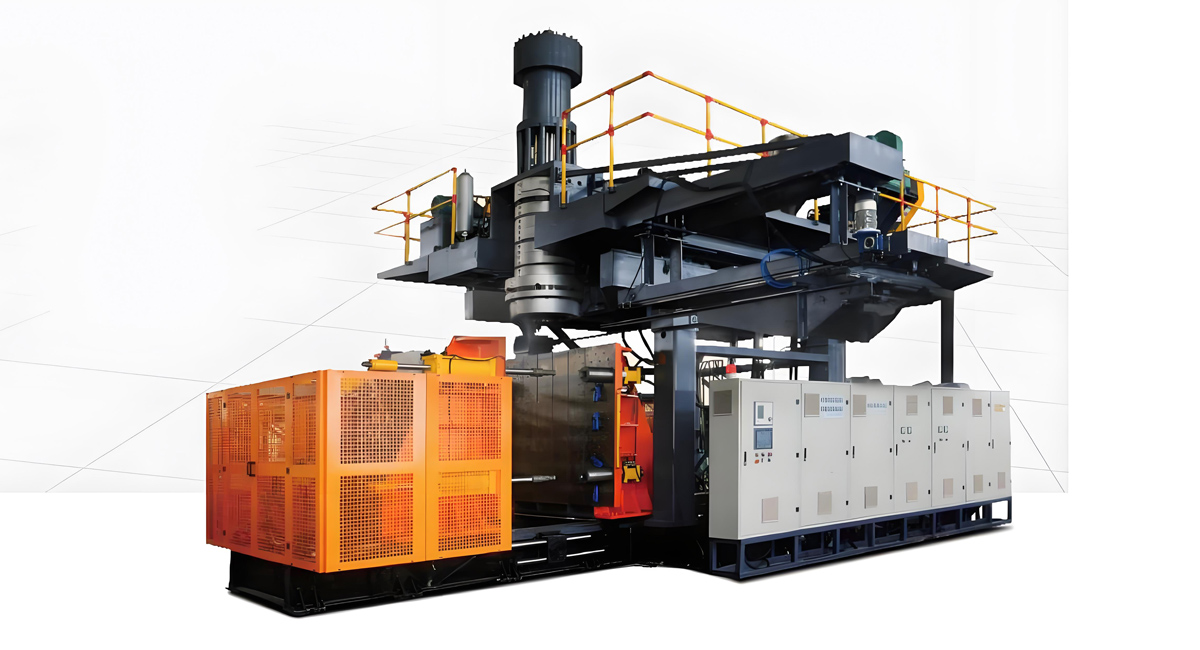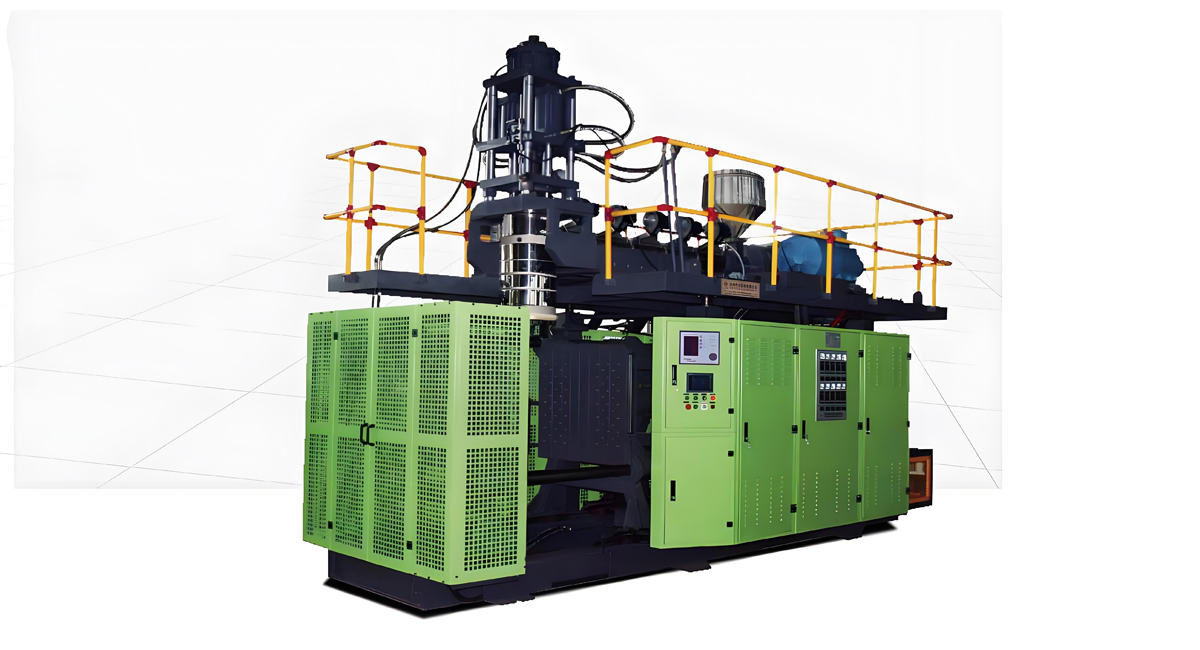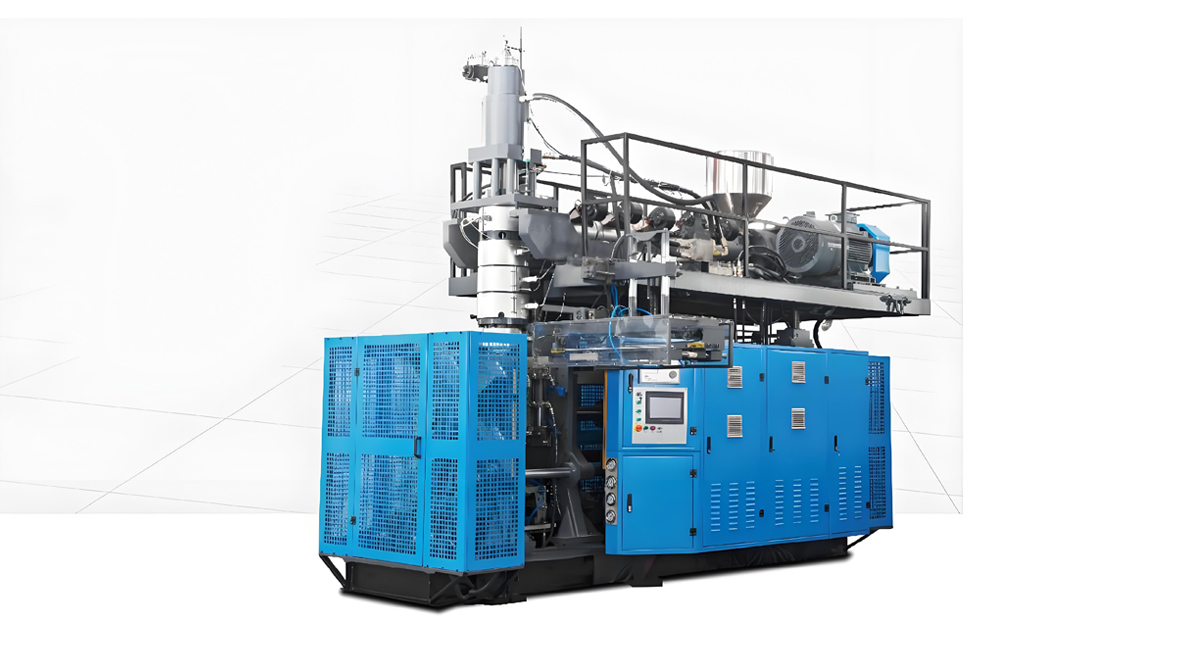
The global extrusion blow molding machine market is projected to reach $18.7 billion by 2031, growing at a compound annual growth rate (CAGR) of 5.2% from 2026 to 2031. As demand for plastic packaging and industrial products continues to rise, manufacturers face a critical decision: whether to invest in automatic or semi-automatic extrusion blow molding equipment. This choice will significantly impact production efficiency, operating costs, product quality, and overall business profitability.
Extrusion blow molding is the most widely used manufacturing process for producing hollow plastic products such as bottles, jars, containers, drums, and tanks. The technology has evolved significantly over the past two decades, with modern machines offering varying levels of automation to meet different production needs. While fully automatic machines dominate high-volume production environments, semi-automatic machines remain popular for small to medium-scale operations and specialized applications.
As a leading global manufacturer of advanced extrusion blow molding machinery with over 25 years of industry experience, APOLLO has established itself as the trusted partner for businesses worldwide. Our comprehensive product range includes both semi-automatic and fully automatic extrusion blow molding machines, designed to meet the diverse needs of small startups, medium-sized enterprises, and large multinational corporations. From small tabletop machines for laboratory use to high-speed multi-station systems for mass production, APOLLO has the perfect solution for every application.
This comprehensive guide provides everything you need to know to make an informed decision between automatic and semi-automatic extrusion blow molding machines. It examines the working principles, advantages, and limitations of each type, provides a detailed comparison across all critical performance metrics, outlines the key factors to consider when making your choice, details APOLLO’s industry-leading product range and pricing, and includes real-world case studies and a complete return on investment analysis. Whether you are starting a new business, expanding your production capacity, or upgrading your existing equipment, this guide will help you select the best extrusion blow molding solution for your specific needs.
1. Understanding Semi-Automatic Extrusion Blow Molding Machines
Semi-automatic extrusion blow molding machines represent the entry point into industrial-scale blow molding production. These machines combine automated extrusion and blowing processes with manual intervention for product removal and secondary operations. They are designed for flexibility, affordability, and ease of use, making them ideal for small businesses, startups, and operations with diverse product portfolios.
1.1 Working Principle of Semi-Automatic Machines
Semi-automatic extrusion blow molding machines operate on the same basic principles as fully automatic machines but require manual intervention at key stages of the production process. The typical production cycle for a semi-automatic machine includes the following steps:
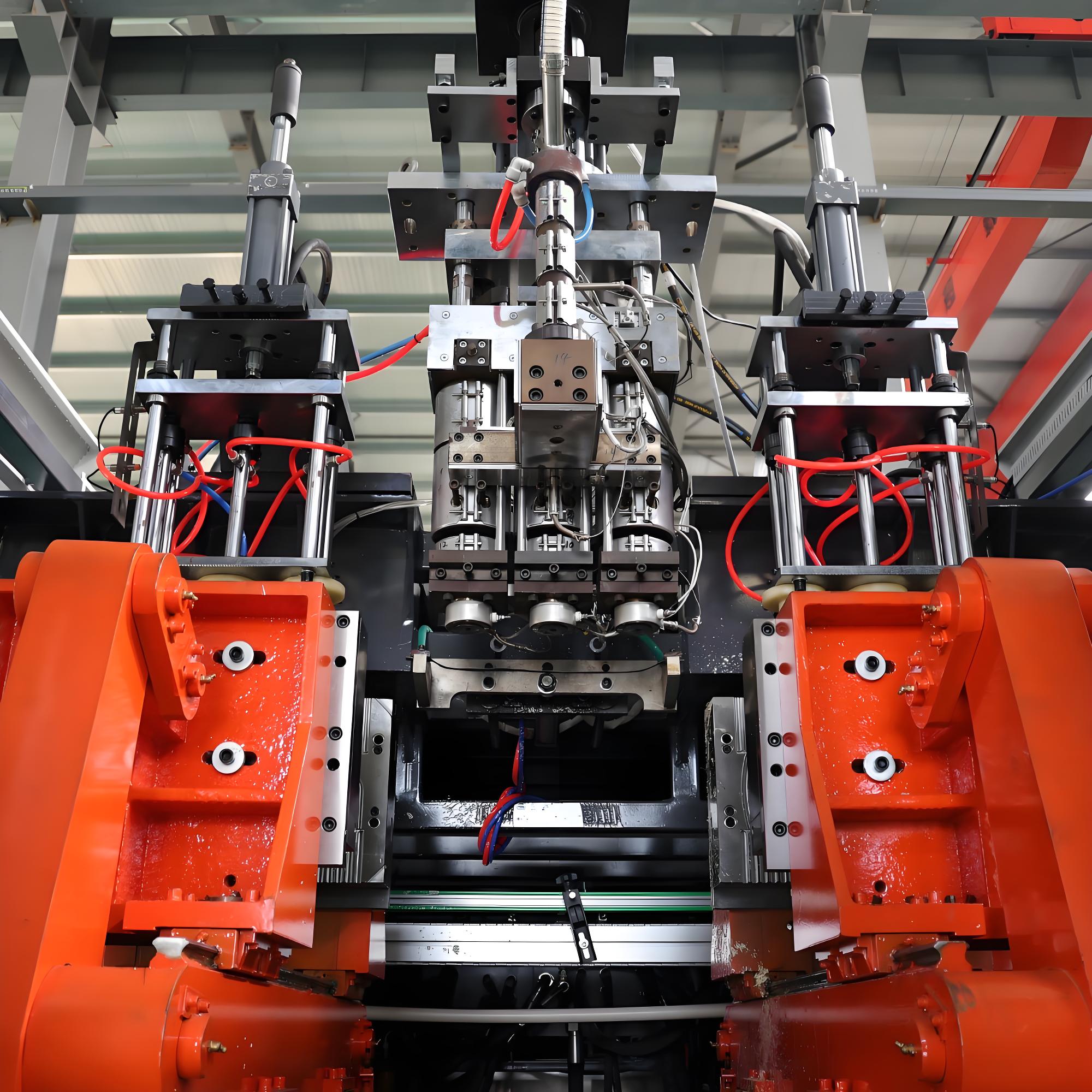
The process begins with the extruder melting and plasticizing the raw plastic material, usually HDPE, LDPE, or PP. The molten plastic is then extruded through a die head to form a continuous hollow tube called a parison. As the parison reaches the desired length, the operator manually closes the mold around the parison, cutting it off from the extruder.
Once the mold is closed, compressed air is automatically injected into the parison, inflating it to fit the mold cavity. The plastic container is then cooled in the mold until it solidifies sufficiently to maintain its shape. After cooling, the operator opens the mold and manually removes the finished product.
The operator then performs any necessary secondary operations such as trimming excess flash, inspecting the product for defects, and preparing the machine for the next cycle. Some semi-automatic machines may include automated features for certain steps, such as automatic parison cutting or flash trimming, but they still require an operator to be present throughout the production process.
1.2 Key Advantages of Semi-Automatic Machines
Semi-automatic extrusion blow molding machines offer several significant advantages that make them the preferred choice for many manufacturers:
Lower Initial Investment
The most significant advantage of semi-automatic machines is their lower initial cost. On average, semi-automatic machines cost 40-60% less than comparable fully automatic machines. This makes them accessible to small businesses and startups with limited capital. A basic semi-automatic machine for producing 1L-5L containers can be purchased for as little as $28,000-$50,000, compared to $80,000-$150,000 for a fully automatic machine with similar capacity.
Greater Operational Flexibility
Semi-automatic machines are highly flexible and can easily accommodate frequent product changes and small production runs. Mold changes are typically faster and simpler on semi-automatic machines, often taking only 30-60 minutes compared to several hours for fully automatic machines. This makes them ideal for manufacturers who produce a wide variety of products in small to medium quantities.
Simpler Operation and Maintenance
Semi-automatic machines have a simpler design with fewer moving parts and less complex automation systems. This makes them easier to operate and maintain, even for personnel with limited technical expertise. Operators can be trained to run a semi-automatic machine in just a few days, compared to several weeks for fully automatic machines. Maintenance is also simpler and less expensive, with lower spare parts costs and shorter downtime for repairs.
Smaller Footprint
Semi-automatic machines are generally more compact than fully automatic machines, requiring less factory floor space. This is particularly beneficial for small businesses operating in limited space or for manufacturers who need to install multiple machines in a single facility. A typical semi-automatic machine for 5L containers requires only 3-4 square meters of floor space, compared to 8-12 square meters for a fully automatic machine.
Ideal for Prototyping and Product Development
Semi-automatic machines are perfect for prototyping and product development. Their flexibility and low setup costs allow manufacturers to quickly test new product designs and make adjustments without significant investment. This makes them invaluable for businesses that frequently introduce new products or customize products for specific customers.
1.3 Limitations of Semi-Automatic Machines
While semi-automatic machines offer many advantages, they also have some limitations that must be considered:
Lower Production Capacity
The most significant limitation of semi-automatic machines is their lower production capacity. Since the production cycle depends on the operator’s speed and proficiency, semi-automatic machines generally produce 30-50% fewer units per hour than comparable fully automatic machines. A typical semi-automatic machine for 1L bottles might produce 300-600 pieces per hour, while a fully automatic machine could produce 1,000-2,000 pieces per hour.
Higher Labor Costs
Semi-automatic machines require constant operator attention, resulting in higher labor costs. A semi-automatic production line typically requires 2-3 operators per shift, compared to 1 operator for every 2-3 fully automatic machines. In regions with high labor costs, this can significantly increase operating expenses and reduce profitability.
Less Consistent Product Quality
Since semi-automatic machines rely on manual intervention, product quality can be less consistent compared to fully automatic machines. Human error can lead to variations in wall thickness, flash trimming, and overall product quality. This can result in higher defect rates and increased material waste.
Higher Risk of Workplace Injuries
The manual nature of semi-automatic machine operation increases the risk of workplace injuries such as cuts, burns, and repetitive strain injuries. Operators are required to handle hot plastic, sharp tools, and heavy molds, which can be dangerous if proper safety procedures are not followed.
Limited Scalability
Semi-automatic machines have limited scalability for high-volume production. As demand increases, manufacturers may need to purchase multiple semi-automatic machines and hire additional operators, which can be less cost-effective than investing in a single fully automatic machine.
2. Understanding Fully Automatic Extrusion Blow Molding Machines
Fully automatic extrusion blow molding machines are designed for high-volume, continuous production with minimal manual intervention. These advanced machines integrate all stages of the production process into a single automated system, from raw material feeding to finished product packaging. They are the preferred choice for large-scale manufacturers producing standardized products in high quantities.
2.1 Working Principle of Fully Automatic Machines
Fully automatic extrusion blow molding machines perform all production steps automatically without the need for manual intervention. The typical production cycle for a fully automatic machine includes the following steps:
The process begins with an automatic material handling system that feeds raw plastic resin into the extruder hopper. The extruder melts and plasticizes the material, which is then extruded through a die head to form a parison. Advanced fully automatic machines feature servo-driven parison control systems that precisely adjust the wall thickness profile along the length of the parison.
As the parison reaches the desired length, the mold automatically closes around the parison, cutting it off from the extruder. Compressed air is then injected into the parison, inflating it to fit the mold cavity. The container is cooled in the mold until it solidifies, and then the mold automatically opens.
A robotic take-out system removes the finished product from the mold and transfers it to an automatic deflashing system that removes excess flash. The product then passes through an automatic leak detection system and quality inspection station, where defective products are automatically rejected.
The finished products are automatically conveyed to a packaging station, where they are counted, bagged, and palletized. The entire process is controlled by a computerized PLC system that monitors and adjusts all production parameters in real-time to ensure consistent quality and maximum efficiency.
2.2 Key Advantages of Fully Automatic Machines
Fully automatic extrusion blow molding machines offer numerous advantages that make them the preferred choice for high-volume production:
Higher Production Capacity
The most significant advantage of fully automatic machines is their higher production capacity. These machines can operate continuously 24 hours a day, 7 days a week, with minimal downtime. A typical fully automatic machine for 1L bottles can produce 1,000-2,000 pieces per hour, while high-speed multi-station machines can produce up to 5,000 pieces per hour. This makes them ideal for meeting the demands of large-scale production.
Lower Labor Costs
Fully automatic machines require significantly less labor compared to semi-automatic machines. A single operator can monitor and manage multiple fully automatic machines, resulting in substantial labor cost savings. For a factory running two shifts a day, switching from semi-automatic to fully automatic machines can save $100,000-$150,000 annually in labor costs alone.
Consistent Product Quality
Fully automatic machines produce highly consistent product quality with minimal variation. The computerized control system precisely regulates all production parameters such as temperature, pressure, and timing, ensuring that every product meets the exact same specifications. This results in lower defect rates, reduced material waste, and higher customer satisfaction.
Higher Energy Efficiency
Modern fully automatic machines incorporate advanced energy-saving technologies such as servo-driven systems, variable frequency drives, and optimized heating systems. These technologies can reduce energy consumption by 30-40% compared to semi-automatic machines and older hydraulic models. For a machine operating 6,000 hours per year, this translates to annual energy savings of $20,000-$40,000.
Improved Workplace Safety
Fully automatic machines eliminate most manual operations, significantly reducing the risk of workplace injuries. Operators are not required to handle hot plastic, sharp tools, or heavy molds, creating a safer working environment. The machines also feature advanced safety systems such as safety doors, emergency stops, and interlocks that prevent accidents.
Better Data Collection and Process Control
Fully automatic machines are equipped with advanced data collection and monitoring systems that provide real-time visibility into production performance. These systems track key metrics such as production output, defect rates, energy consumption, and machine uptime, allowing managers to identify bottlenecks and optimize operations. The data can also be integrated with plant-wide ERP and MES systems for seamless production management.
2.3 Limitations of Fully Automatic Machines
While fully automatic machines offer many advantages, they also have some limitations that must be considered:
Higher Initial Investment
The most significant limitation of fully automatic machines is their higher initial cost. Fully automatic machines typically cost 2-3 times more than comparable semi-automatic machines. A basic fully automatic machine for 1L-5L containers can cost $80,000-$150,000, while high-speed multi-station machines can cost $200,000-$500,000 or more. This higher initial investment can be a barrier for small businesses and startups.
Less Flexibility for Frequent Product Changes
Fully automatic machines are designed for long production runs of standardized products. They are less flexible than semi-automatic machines and require more time and effort to change over between different products or mold sizes. A typical mold change on a fully automatic machine can take 2-4 hours, compared to 30-60 minutes on a semi-automatic machine. This makes them less suitable for manufacturers who produce a wide variety of products in small quantities.
More Complex Operation and Maintenance
Fully automatic machines have a more complex design with advanced automation systems, robotics, and computer controls. This makes them more difficult to operate and maintain, requiring skilled technical personnel. Operators and maintenance technicians require extensive training to properly operate and service fully automatic machines.
Higher Maintenance Costs
Fully automatic machines have more moving parts and complex systems, resulting in higher maintenance costs compared to semi-automatic machines. Spare parts are generally more expensive, and repairs often require specialized knowledge and tools. However, the higher reliability of modern fully automatic machines helps offset these costs by reducing downtime and increasing overall equipment effectiveness.
Larger Footprint
Fully automatic machines are generally larger and require more factory floor space than semi-automatic machines. They also require additional space for auxiliary equipment such as material handling systems, conveyors, and packaging equipment. This can be a challenge for manufacturers with limited space.
3. Detailed Comparison Between Automatic and Semi-Automatic Machines
To help you make an informed decision, we have prepared a detailed comparison between automatic and semi-automatic extrusion blow molding machines across all critical performance metrics. This comparison will help you understand the trade-offs between the two types of machines and determine which one best meets your specific needs.
3.1 Production Capacity and Output
Production capacity is one of the most important factors to consider when choosing between automatic and semi-automatic machines. The following table compares the typical production capacities of both types of machines for different product sizes:
Production Capacity Comparison (500ml Bottles):
- Semi-automatic single station: 300-600 pieces per hour
- Semi-automatic double station: 600-1,000 pieces per hour
- Fully automatic single station: 1,000-1,500 pieces per hour
- Fully automatic double station: 1,500-2,500 pieces per hour
- Fully automatic multi-station: 2,500-5,000 pieces per hour
Production Capacity Comparison (20L Drums):
- Semi-automatic single station: 40-80 pieces per hour
- Fully automatic single station: 80-150 pieces per hour
- Fully automatic double station: 150-250 pieces per hour
As you can see, fully automatic machines offer significantly higher production capacity compared to semi-automatic machines. For high-volume production of standardized products, fully automatic machines are clearly the better choice. However, for low to medium volume production, semi-automatic machines may provide sufficient capacity at a lower cost.
3.2 Labor Requirements and Costs
Labor costs are a significant component of production expenses for blow molding operations. The following table compares the labor requirements for automatic and semi-automatic machines:
Labor Requirements Comparison (per shift):
- Semi-automatic single station: 2-3 operators
- Semi-automatic double station: 3-4 operators
- Fully automatic single station: 0.5-1 operator
- Fully automatic double station: 1 operator
- Fully automatic multi-station: 1-2 operators
Assuming an average labor cost of $15 per hour and two shifts per day, the annual labor cost difference between a semi-automatic double station machine and a fully automatic double station machine is approximately $120,000 per year. This significant labor cost savings can quickly offset the higher initial investment of a fully automatic machine.
3.3 Initial Investment and Total Cost of Ownership
The initial investment cost is often the primary consideration for many manufacturers. The following table compares the typical price ranges for automatic and semi-automatic machines of different capacities:
Initial Investment Comparison (2026 FOB Shanghai):
- Semi-automatic 1L-5L: $28,000-$50,000
- Semi-automatic 5L-30L: $45,000-$75,000
- Semi-automatic 30L-100L: $75,000-$120,000
- Fully automatic 1L-5L: $80,000-$150,000
- Fully automatic 5L-30L: $120,000-$200,000
- Fully automatic 30L-100L: $200,000-$350,000
While fully automatic machines have a higher initial investment, they often offer a lower total cost of ownership over the life of the machine due to lower labor costs, higher energy efficiency, lower defect rates, and higher production capacity. A detailed total cost of ownership analysis is provided later in this guide.
3.4 Product Quality and Consistency
Product quality and consistency are critical for maintaining customer satisfaction and brand reputation. The following table compares the product quality characteristics of automatic and semi-automatic machines:
Product Quality Comparison:
- Defect rate (semi-automatic): 1.5-3.0%
- Defect rate (fully automatic): 0.2-0.8%
- Wall thickness variation (semi-automatic): ±10-15%
- Wall thickness variation (fully automatic): ±3-5%
- Weight variation (semi-automatic): ±5-8%
- Weight variation (fully automatic): ±1-3%
Fully automatic machines produce significantly more consistent product quality with lower defect rates compared to semi-automatic machines. This results in less material waste, higher customer satisfaction, and lower costs associated with product returns and rework.
3.5 Flexibility and Changeover Time
Flexibility is an important consideration for manufacturers who produce multiple products or frequently change production runs. The following table compares the flexibility characteristics of automatic and semi-automatic machines:
Flexibility Comparison:
- Mold change time (semi-automatic): 30-60 minutes
- Mold change time (fully automatic): 2-4 hours
- Minimum production run (semi-automatic): 50-100 pieces
- Minimum production run (fully automatic): 500-1,000 pieces
- Product size range (semi-automatic): Wider range per machine
- Product size range (fully automatic): Narrower range per machine
Semi-automatic machines offer significantly greater flexibility compared to fully automatic machines. They are better suited for manufacturers who produce a wide variety of products in small to medium quantities or who frequently introduce new products.
3.6 Maintenance Requirements and Costs
Maintenance requirements and costs are important factors that impact overall equipment effectiveness and operating expenses. The following table compares the maintenance characteristics of automatic and semi-automatic machines:
Maintenance Comparison:
- Preventive maintenance frequency (semi-automatic): Monthly
- Preventive maintenance frequency (fully automatic): Bi-weekly
- Average annual maintenance cost (semi-automatic): 3-5% of machine price
- Average annual maintenance cost (fully automatic): 5-8% of machine price
- Average downtime per year (semi-automatic): 5-10%
- Average downtime per year (fully automatic): 2-5%
- Skill level required for maintenance (semi-automatic): Basic to intermediate
- Skill level required for maintenance (fully automatic): Intermediate to advanced
While fully automatic machines have higher annual maintenance costs, they also have higher overall equipment effectiveness (OEE) and less downtime. This means that fully automatic machines spend more time producing products and less time being repaired, resulting in higher productivity and profitability.
3.7 Energy Consumption
Energy costs are a significant component of production expenses for blow molding operations. The following table compares the energy consumption of automatic and semi-automatic machines:
Energy Consumption Comparison (per hour):
- Semi-automatic 1L-5L: 15-25 kW
- Fully automatic 1L-5L: 20-30 kW
- Semi-automatic 5L-30L: 30-50 kW
- Fully automatic 5L-30L: 35-55 kW
- Energy consumption per unit (semi-automatic): 0.05-0.08 kWh
- Energy consumption per unit (fully automatic): 0.03-0.05 kWh
While fully automatic machines have higher absolute energy consumption, they are more energy-efficient per unit produced due to their higher production speed and advanced energy-saving technologies. This results in lower energy costs per unit and a smaller environmental footprint.
4. Key Factors to Consider When Making Your Choice
Choosing between automatic and semi-automatic extrusion blow molding machines requires careful consideration of your specific business needs and circumstances. The following are the key factors you should evaluate when making your decision:
4.1 Production Volume and Demand
Production volume is the most important factor to consider when choosing between automatic and semi-automatic machines. As a general rule:
Semi-automatic machines are best suited for production volumes of less than 5 million units per year. They are ideal for small businesses, startups, and manufacturers who produce a variety of products in small to medium quantities.
Fully automatic machines are best suited for production volumes of more than 5 million units per year. They are ideal for large-scale manufacturers who produce standardized products in high quantities.
It is also important to consider future demand growth. If you expect your production volume to increase significantly in the next 2-3 years, it may be more cost-effective to invest in a fully automatic machine now rather than upgrading later.
4.2 Product Variety and Complexity
The number of different products you produce and their complexity are also important factors to consider:
If you produce a wide variety of products in different sizes, shapes, and materials, semi-automatic machines may be the better choice due to their greater flexibility and faster changeover times.
If you produce a limited number of standardized products in high quantities, fully automatic machines will provide higher efficiency and lower production costs.
Product complexity is also a consideration. Fully automatic machines are better suited for producing complex products with tight tolerances and multiple features, as they can provide more precise control over the production process.
4.3 Available Capital and Budget
Your available capital and budget will obviously play a significant role in your decision. Semi-automatic machines have a lower initial investment, making them more accessible to small businesses and startups with limited capital.
However, it is important to consider the total cost of ownership over the life of the machine, not just the initial purchase price. Fully automatic machines may have a higher initial cost, but they often provide a better return on investment due to lower operating costs and higher productivity.
Many manufacturers, including APOLLO, offer flexible payment terms and financing options to help make the investment more manageable. Be sure to explore these options when evaluating your budget.
4.4 Labor Availability and Costs
The availability and cost of labor in your region are important factors to consider:
In regions with low labor costs, semi-automatic machines may be more cost-effective, as the labor cost savings of fully automatic machines will be less significant.
In regions with high labor costs or labor shortages, fully automatic machines are generally the better choice, as they can significantly reduce labor requirements and costs.
It is also important to consider the availability of skilled labor. Fully automatic machines require more skilled operators and maintenance technicians, which may be difficult to find in some regions.
4.5 Factory Space and Layout
The amount of available factory space and your facility layout will also influence your decision:
Semi-automatic machines have a smaller footprint and require less space than fully automatic machines. They are also more flexible in terms of layout, making them easier to install in existing facilities.
Fully automatic machines require more space for the machine itself and for auxiliary equipment such as material handling systems, conveyors, and packaging equipment. If you have limited space, you may need to consider a smaller fully automatic machine or multiple semi-automatic machines.
4.6 Future Growth Plans
It is important to consider your future growth plans when making your investment decision. If you expect your business to grow significantly in the next few years, investing in a fully automatic machine now may be more cost-effective than starting with a semi-automatic machine and upgrading later.
However, if your growth plans are uncertain or you expect to remain a small to medium-sized business, a semi-automatic machine may provide sufficient capacity and flexibility for your needs.
APOLLO offers a range of machines with different capacities and automation levels, allowing you to choose the solution that best fits your current needs while providing a path for future growth.
4.7 Quality Requirements and Standards
Your product quality requirements and the standards you need to meet are also important considerations:
If you produce high-value products or serve industries with strict quality standards such as food, beverage, pharmaceutical, or medical, fully automatic machines are generally the better choice. They provide more consistent product quality and better process control, making it easier to meet regulatory requirements and maintain quality certifications.
If you produce lower-value products with less stringent quality requirements, semi-automatic machines may provide sufficient quality at a lower cost.
5. APOLLO Extrusion Blow Molding Machine Product Range
APOLLO offers a comprehensive range of both semi-automatic and fully automatic extrusion blow molding machines to meet the diverse needs of our customers. Our machines are designed and manufactured to the highest quality standards, incorporating advanced technology and innovative features to deliver exceptional performance, reliability, and value.
5.1 APOLLO Semi-Automatic Extrusion Blow Molding Machines
APOLLO’s semi-automatic extrusion blow molding machines are designed for flexibility, affordability, and ease of use. They are ideal for small businesses, startups, and manufacturers who produce a variety of products in small to medium quantities.
APOLLO SA-50 Semi-Automatic Extrusion Blow Molding Machine
The APOLLO SA-50 is our entry-level semi-automatic machine, designed for producing small plastic products ranging from 10ml to 5L. This compact and affordable machine is perfect for startups and small businesses entering the blow molding industry.
Key specifications:
- Maximum product volume: 5L
- Clamping force: 50kN
- Screw diameter: 50mm
- Extrusion capacity: 30-50kg/h
- Production capacity: 300-500 pieces/hour (500ml bottles)
- Power consumption: 15kW (average)
- Footprint: 3.5m x 2.0m
- Weight: 3,200kg
Price: $28,000-$35,000 FOB Shanghai
APOLLO SA-75 Semi-Automatic Extrusion Blow Molding Machine
The APOLLO SA-75 is our most popular semi-automatic machine, designed for producing medium-sized plastic products ranging from 1L to 20L. This versatile machine is ideal for producing a wide range of products including detergent bottles, oil containers, chemical drums, and household products.
Key specifications:
- Maximum product volume: 20L
- Clamping force: 120kN
- Screw diameter: 75mm
- Extrusion capacity: 80-120kg/h
- Production capacity: 150-300 pieces/hour (5L bottles)
- Power consumption: 30kW (average)
- Footprint: 4.5m x 2.5m
- Weight: 6,500kg
Price: $42,000-$55,000 FOB Shanghai
APOLLO SA-120 Semi-Automatic Extrusion Blow Molding Machine
The APOLLO SA-120 is our heavy-duty semi-automatic machine, designed for producing large plastic products ranging from 20L to 100L. This robust machine is ideal for producing industrial containers, chemical drums, water tanks, and other large-format products.
Key specifications:
- Maximum product volume: 100L
- Clamping force: 250kN
- Screw diameter: 100mm
- Extrusion capacity: 180-250kg/h
- Production capacity: 40-80 pieces/hour (50L drums)
- Power consumption: 55kW (average)
- Footprint: 6.5m x 3.5m
- Weight: 12,000kg
Price: $75,000-$95,000 FOB Shanghai
5.2 APOLLO Fully Automatic Extrusion Blow Molding Machines
APOLLO’s fully automatic extrusion blow molding machines are designed for high-volume, continuous production with maximum efficiency and reliability. They are ideal for large-scale manufacturers producing standardized products in high quantities.
APOLLO ABLB 75 Fully Automatic Extrusion Blow Molding Machine
The APOLLO ABLB 75 is our most popular fully automatic machine, designed for producing small to medium-sized plastic products ranging from 200ml to 20L. This high-performance machine is ideal for producing water bottles, detergent bottles, oil containers, and other high-volume products.
Key specifications:
- Maximum product volume: 20L
- Clamping force: 160kN
- Screw diameter: 75mm
- Extrusion capacity: 100-150kg/h
- Production capacity: 800-1,200 pieces/hour (500ml bottles)
- Power consumption: 25kW (average)
- Footprint: 7.5m x 3.0m
- Weight: 9,500kg
Price: $85,000-$110,000 FOB Shanghai
APOLLO ABLB 90 Fully Automatic Extrusion Blow Molding Machine
The APOLLO ABLB 90 is a high-performance fully automatic machine designed for medium to large-scale production of plastic products ranging from 1L to 30L. This machine features advanced servo-driven technology and energy-saving features to deliver maximum efficiency and productivity.
Key specifications:
- Maximum product volume: 30L
- Clamping force: 200kN
- Screw diameter: 90mm
- Extrusion capacity: 150-200kg/h
- Production capacity: 1,200-1,800 pieces/hour (1L bottles)
- Power consumption: 35kW (average)
- Footprint: 8.5m x 3.5m
- Weight: 12,500kg
Price: $120,000-$160,000 FOB Shanghai
APOLLO ABLD 120 Fully Automatic Extrusion Blow Molding Machine
The APOLLO ABLD 120 is a heavy-duty fully automatic machine designed for producing large plastic products ranging from 20L to 200L. This robust machine is ideal for producing industrial containers, chemical drums, water tanks, and other large-format products in high volumes.
Key specifications:
- Maximum product volume: 200L
- Clamping force: 800kN
- Screw diameter: 120mm
- Extrusion capacity: 250-350kg/h
- Production capacity: 80-120 pieces/hour (100L drums)
- Power consumption: 85kW (average)
- Footprint: 12.5m x 5.0m
- Weight: 25,000kg
Price: $220,000-$280,000 FOB Shanghai
5.3 Optional Equipment and Customization
In addition to our standard machines, APOLLO offers a wide range of optional equipment and customization options to meet your specific production needs:
- Custom molds designed according to your product specifications
- Automatic deflashing systems
- Leak detection and quality inspection systems
- Robotic take-out systems
- Material handling and drying systems
- Conveyor systems
- Packaging and palletizing solutions
- Advanced servo-driven parison control systems
- Multi-layer co-extrusion systems
- Energy-saving upgrades
Our experienced engineers will work closely with you to design a customized solution that perfectly meets your production requirements and budget.
6. Return on Investment Comparison
To help you evaluate the financial impact of your investment decision, we have prepared a detailed return on investment comparison between a semi-automatic and a fully automatic extrusion blow molding machine producing 1L HDPE detergent bottles.
6.1 Case Study Parameters
For this analysis, we will compare the APOLLO SA-75 semi-automatic machine and the APOLLO ABLB 75 fully automatic machine. We will assume the following parameters:
- Product: 1L HDPE detergent bottles
- Production hours: 16 hours per day, 300 days per year
- Selling price per unit: $0.35
- Raw material cost: $1.80 per kg (HDPE resin)
- Bottle weight: 0.05 kg per piece
- Labor cost: $15 per hour
- Energy cost: $0.10 per kWh
6.2 Initial Investment Comparison
APOLLO SA-75 Semi-Automatic Machine:
- Machine price: $48,000
- Mold: $5,000
- Auxiliary equipment: $8,000
- Installation and training: $5,000
- Initial raw material inventory: $3,000
- Contingency fund (10%): $6,900
Total Initial Investment: $75,900
APOLLO ABLB 75 Fully Automatic Machine:
- Machine price: $95,000
- Mold: $7,000
- Auxiliary equipment: $15,000
- Installation and training: $8,000
- Initial raw material inventory: $5,000
- Contingency fund (10%): $13,000
Total Initial Investment: $143,000
6.3 Annual Operating Cost Comparison
APOLLO SA-75 Semi-Automatic Machine:
- Annual production: 1,920,000 pieces
- Raw material costs: $1,728,000
- Labor costs (3 operators per shift): $216,000
- Energy costs: $72,000
- Maintenance costs: $3,600
- Overhead costs: $192,000
- Packaging costs: $96,000
- Transportation costs: $96,000
Total Annual Operating Costs: $2,403,600
Cost per Piece: $1.252
APOLLO ABLB 75 Fully Automatic Machine:
- Annual production: 4,800,000 pieces
- Raw material costs: $4,320,000
- Labor costs (1 operator per shift): $72,000
- Energy costs: $120,000
- Maintenance costs: $7,600
- Overhead costs: $288,000
- Packaging costs: $240,000
- Transportation costs: $240,000
Total Annual Operating Costs: $5,287,600
Cost per Piece: $1.102
6.4 Revenue and Profitability Comparison
APOLLO SA-75 Semi-Automatic Machine:
- Annual revenue: $672,000
- Annual operating costs: $2,403,600
- Annual gross profit: $268,400
- Gross profit margin: 39.9%
APOLLO ABLB 75 Fully Automatic Machine:
- Annual revenue: $1,680,000
- Annual operating costs: $5,287,600
- Annual gross profit: $672,400
- Gross profit margin: 40.0%
6.5 ROI and Payback Period Comparison
APOLLO SA-75 Semi-Automatic Machine:
- Payback period: 0.28 years (approximately 3.4 months)
- Total profit over 15 years: $3,950,100
- Return on investment: 5,204%
APOLLO ABLB 75 Fully Automatic Machine:
- Payback period: 0.21 years (approximately 2.5 months)
- Total profit over 15 years: $9,943,000
- Return on investment: 6,953%
While the fully automatic machine has a higher initial investment, it provides a shorter payback period and significantly higher total return on investment due to its higher production capacity, lower labor costs, and lower cost per unit.
7. Real-World Customer Success Stories
APOLLO extrusion blow molding machines have been successfully installed in hundreds of production facilities around the world. The following case studies demonstrate how our customers have benefited from choosing the right level of automation for their specific needs.
7.1 Case Study 1: Startup Plastic Packaging Company in Kenya
Plastipak Kenya, a startup plastic packaging company in Nairobi, Kenya, was looking to enter the market for 5L and 10L water bottles. They had a limited initial investment of $100,000 and expected to produce approximately 1 million bottles per year.
After evaluating their options, the company decided to purchase an APOLLO SA-75 semi-automatic extrusion blow molding machine. The semi-automatic machine was chosen for its lower initial cost, simplicity of operation, and flexibility to produce multiple product sizes.
Results after implementation:
- Successfully launched their business within 2 months of receiving the machine
- Production capacity of 400 pieces per hour for 5L bottles
- Produced 1.2 million bottles in the first year of operation
- Achieved a gross profit margin of 42%
- Recovered their initial investment in 3.5 months
- Created 6 jobs for local residents
The company has since expanded their product line to include 20L water bottles and is now considering purchasing a second semi-automatic machine to meet growing demand. They cited the machine’s reliability, ease of operation, and excellent after-sales support as the main reasons for their satisfaction.
7.2 Case Study 2: Medium-Sized Detergent Manufacturer in Mexico
CleanMex, a medium-sized detergent manufacturer in Mexico, was experiencing rapid growth and needed to increase their production capacity for 1L and 2L detergent bottles. They were currently using two semi-automatic machines but were struggling to meet demand and were facing increasing labor costs.
After conducting a detailed cost analysis, the company decided to replace their two semi-automatic machines with a single APOLLO ABLB 75 fully automatic extrusion blow molding machine. The fully automatic machine was chosen for its higher production capacity, lower labor costs, and better product quality consistency.
Results after implementation:
- Production capacity increased by 150% from 800,000 to 2,000,000 bottles per year
- Labor requirements reduced by 60% from 6 workers to 2 workers
- Product defect rate reduced from 2.5% to 0.3%
- Energy consumption reduced by 25% per unit produced
- Annual cost savings of approximately $320,000
- Payback period of 2.8 months
The company was extremely satisfied with the performance of the APOLLO fully automatic machine and has since purchased a second machine to further expand their production capacity. They are now considering expanding into the 5L detergent bottle market.
7.3 Case Study 3: Large Industrial Container Manufacturer in Germany
IndustrieContainer GmbH, a large industrial container manufacturer in Germany, was looking to expand their production capacity for 20L and 30L chemical drums. They needed a high-performance machine that could produce high-quality containers while meeting the strict German safety and environmental standards.
The company selected the APOLLO ABLD 120 fully automatic extrusion blow molding machine based on its advanced technology, robust construction, and energy efficiency. The machine was customized with a multi-layer co-extrusion system to produce containers with enhanced barrier properties.
Results after implementation:
- Production capacity of 120 pieces per hour for 20L drums
- Product quality exceeded customer expectations
- Energy consumption reduced by 35% compared to their old machines
- Defect rate reduced from 1.8% to 0.2%
- Annual revenue increased by $4.5 million
- Payback period of 3.2 months
The company has since become a loyal APOLLO customer and has purchased three additional machines for their production facilities in Germany and Poland. They cited the machine’s reliability, energy efficiency, and excellent after-sales support as the main reasons for their continued partnership.
8. Frequently Asked Questions
To help you make an informed decision, we have compiled answers to the most frequently asked questions about automatic and semi-automatic extrusion blow molding machines.
8.1 What is the difference between extrusion blow molding and injection blow molding?
Extrusion blow molding involves extruding a continuous tube of molten plastic (parison) and then blowing it into a mold to form the desired shape. Injection blow molding involves injecting molten plastic into a preform mold, which is then transferred to a blow mold and inflated. Extrusion blow molding is generally more cost-effective for producing larger containers and is better suited for high-volume production. Injection blow molding produces more precise containers with better neck finish and is better suited for small to medium-sized containers.
8.2 How long does it take to learn to operate an extrusion blow molding machine?
The time required to learn to operate an extrusion blow molding machine depends on the level of automation. Operators can typically learn to operate a semi-automatic machine in 1-2 weeks. Fully automatic machines require more extensive training, typically 2-4 weeks, due to their more complex control systems and automation features.
8.3 What is the typical service life of an extrusion blow molding machine?
The typical service life of a well-maintained extrusion blow molding machine is 15-20 years. APOLLO machines are built with high-quality components and robust construction to ensure long-term reliability and performance. With proper maintenance, our machines can provide many years of productive service.
8.4 How often does an extrusion blow molding machine require maintenance?
Semi-automatic machines typically require monthly preventive maintenance, while fully automatic machines require bi-weekly preventive maintenance. The specific maintenance schedule will depend on the machine model, operating conditions, and production volume. APOLLO provides detailed maintenance manuals and recommendations for all our machines.
8.5 Can semi-automatic machines be upgraded to fully automatic machines?
In some cases, semi-automatic machines can be upgraded with additional automation features such as automatic take-out systems, deflashing systems, and quality inspection systems. However, it is generally not cost-effective to convert a semi-automatic machine to a fully automatic machine. If you expect your production volume to increase significantly, it is usually better to invest in a fully automatic machine from the beginning.
8.6 What types of materials can be processed on extrusion blow molding machines?
Extrusion blow molding machines can process a wide range of thermoplastic materials including HDPE, LDPE, PP, PVC, PETG, and ABS. The specific material compatibility will depend on the machine model and configuration. APOLLO machines can be customized to process specific materials according to your production needs.
8.7 Does APOLLO provide training and after-sales support?
Yes, APOLLO provides comprehensive training and after-sales support for all our machines. We offer on-site installation and commissioning, operator and maintenance training, 24/7 technical support, and a global service network. We also offer our exclusive Free Spare Parts for First Order promotion, which provides up to $2,500 in free spare parts with your first machine purchase.
9. Conclusion and Recommendations
Choosing between automatic and semi-automatic extrusion blow molding machines is a critical decision that will significantly impact your business’s productivity, profitability, and long-term success. Both types of machines have their advantages and limitations, and the best choice depends on your specific business needs and circumstances.
Semi-automatic extrusion blow molding machines are the ideal choice for:
- Small businesses and startups with limited capital
- Manufacturers who produce a wide variety of products in small to medium quantities
- Operations in regions with low labor costs
- Businesses focused on prototyping and product development
- Manufacturers with limited factory space
Fully automatic extrusion blow molding machines are the ideal choice for:
- Large-scale manufacturers producing standardized products in high quantities
- Operations in regions with high labor costs or labor shortages
- Manufacturers serving industries with strict quality standards
- Businesses looking to maximize production efficiency and reduce operating costs
- Companies with long-term growth plans and stable demand