The global plastic packaging industry is undergoing a significant transformation driven by rising logistics costs, warehouse space constraints, and growing demand for sustainable packaging solutions. Stackable plastic containers have emerged as one of the most efficient and cost-effective packaging formats, offering unparalleled space savings during transportation and storage. According to industry research, the global stackable plastic containers market is projected to reach $128 billion by 2032, growing at a compound annual growth rate (CAGR) of 5.8% from 2026 to 2032. This growth is primarily fueled by the rapid expansion of e-commerce, increasing industrialization, and the ongoing shift from rigid metal and glass containers to lightweight, durable plastic alternatives.
Extrusion blow molding has become the dominant manufacturing technology for producing stackable plastic containers, offering exceptional design flexibility, high production efficiency, and excellent product consistency. Unlike injection molding, which is limited to smaller, more complex parts, extrusion blow molding excels at producing hollow containers of various sizes and shapes, from small 500ml bottles to large 200L industrial drums. The process involves melting plastic resin, extruding it into a hollow tube called a parison, clamping the parison between two mold halves, and inflating it to take the shape of the mold cavity.
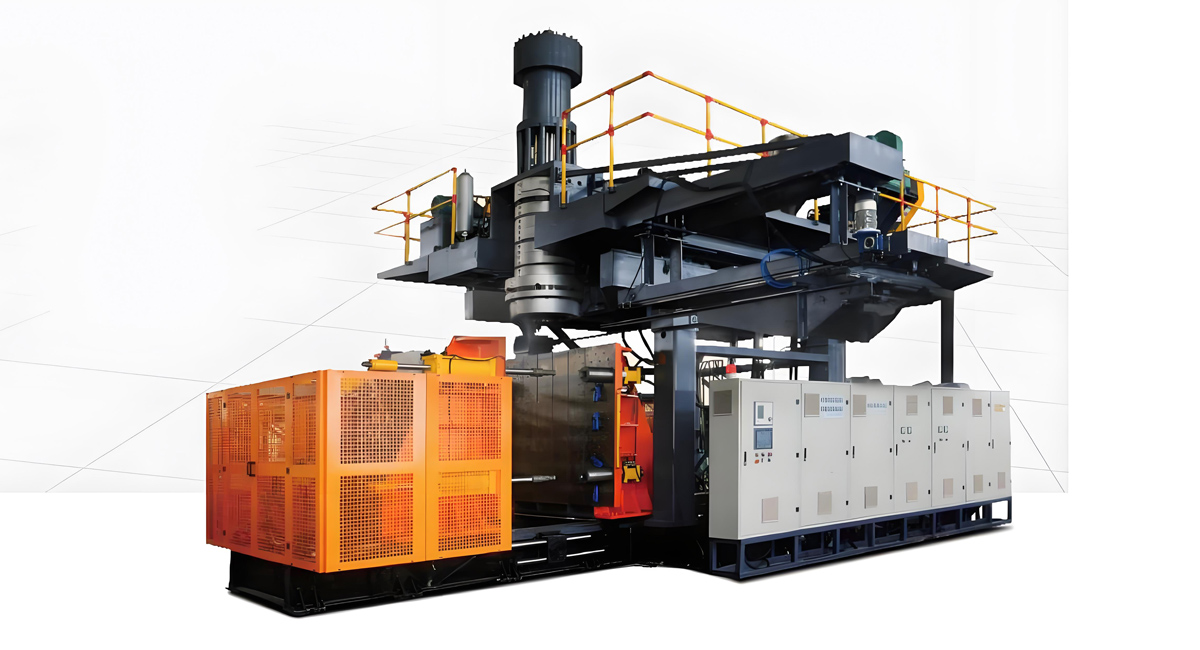
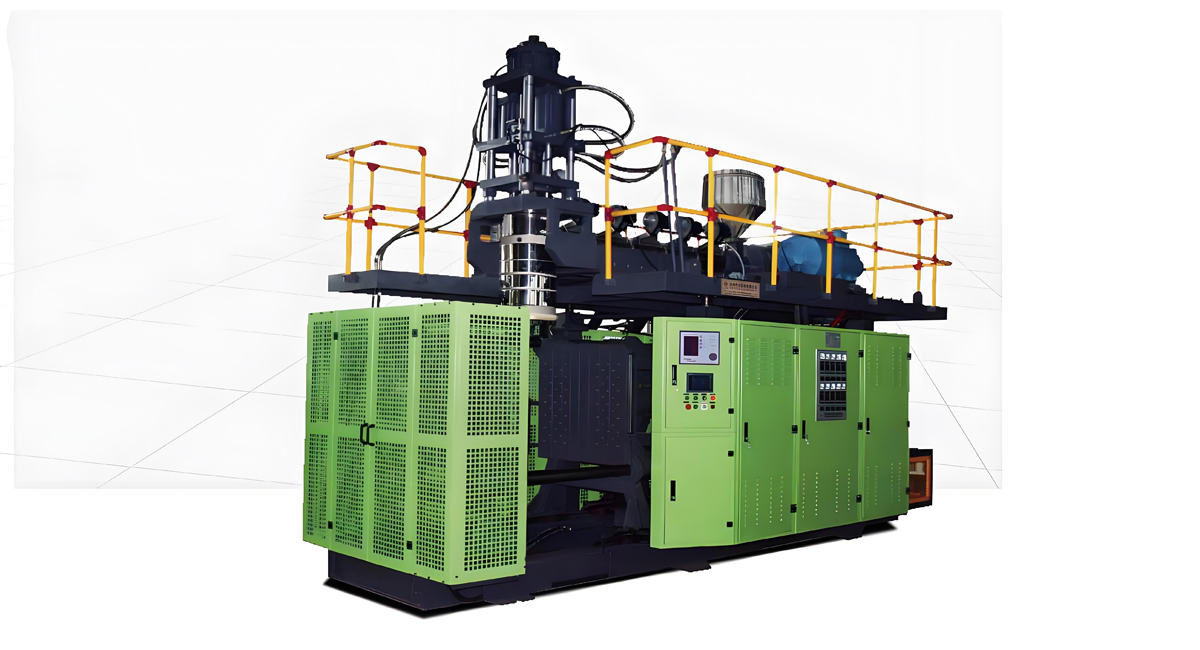
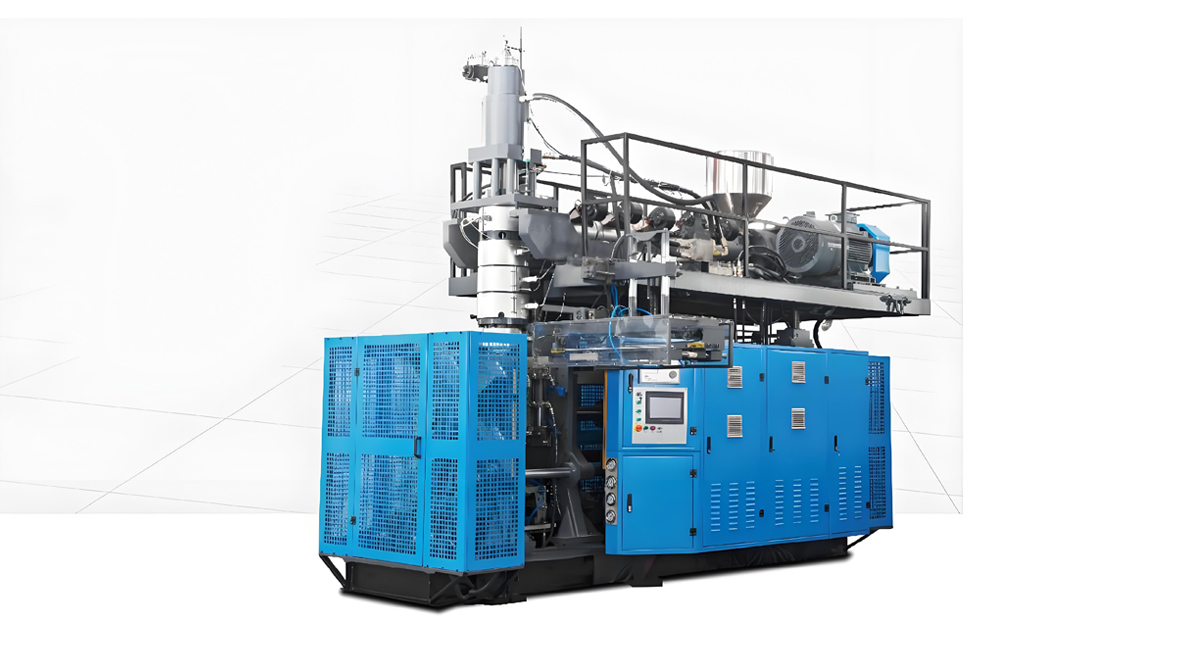
As a leading global manufacturer of extrusion blow molding machines with over 20 years of experience, Apollo has established itself as the preferred supplier for manufacturers producing stackable plastic containers. Apollo extrusion blow molding machines are specifically engineered to meet the unique requirements of stackable container production, delivering exceptional precision, reliability, and energy efficiency. With a comprehensive product lineup ranging from small single-station machines to large multi-station production lines, Apollo offers solutions for every production need and budget. All Apollo machines are built to international quality standards using premium components, ensuring years of trouble-free operation with minimal maintenance.
This comprehensive guide explores everything you need to know about extrusion blow molding machines for stackable plastic container production. It covers the market demand for stackable containers, the technical challenges of manufacturing these containers, the key features of extrusion blow molding machines that enable efficient production, and the specific advantages of Apollo equipment. The guide also includes detailed cost analysis, return on investment calculations, application-specific solutions, and best practices for optimizing production. Whether you are a new entrepreneur entering the packaging industry or an established manufacturer looking to expand your production capacity, this guide will provide you with all the information you need to make an informed purchasing decision.
1. The Growing Demand for Stackable Plastic Containers
Stackable plastic containers have revolutionized the way products are packaged, transported, and stored across virtually every industry. Their unique design allows them to be stacked vertically when full and nested when empty, reducing storage and transportation space by up to 75% compared to non-stackable containers. This space efficiency translates directly into significant cost savings for manufacturers, distributors, and retailers alike.
1.1 Key Drivers of Market Growth
Several factors are contributing to the rapid growth of the stackable plastic containers market. The most significant driver is the rising cost of logistics and warehousing. With fuel prices continuing to fluctuate and warehouse rental rates increasing by an average of 8-10% annually in major markets, businesses are under intense pressure to optimize their supply chain operations. Stackable containers allow companies to transport more products per truckload and store more inventory per square foot of warehouse space, significantly reducing logistics costs.
The rapid expansion of e-commerce is another major driver of demand. E-commerce requires packaging that is durable enough to withstand the rigors of shipping and handling while also being efficient to store and ship. Stackable plastic containers provide the perfect combination of strength and space efficiency, making them ideal for e-commerce fulfillment operations. They also offer better protection for products than traditional cardboard boxes, reducing damage during shipping and lowering return rates.
Growing environmental awareness and sustainability initiatives are also driving demand for stackable plastic containers. Unlike single-use packaging, stackable plastic containers are designed to be reused multiple times, often for 5-10 years or more. This reusability significantly reduces waste and lowers the overall environmental impact of packaging. Additionally, many stackable containers are now made from recycled plastic resin, further enhancing their sustainability profile.
Finally, the versatility of stackable plastic containers makes them suitable for a wide range of applications across various industries. They are used for packaging everything from food and beverages to chemicals, pharmaceuticals, cosmetics, and industrial products. This broad applicability ensures continued demand for stackable containers across multiple market segments.
1.2 Advantages of Stackable Plastic Containers
Stackable plastic containers offer numerous advantages over traditional packaging formats, making them the preferred choice for businesses worldwide. The most significant advantage is their exceptional space efficiency. When full, stackable containers can be stacked 5-10 high, depending on their size and design, maximizing vertical storage space. When empty, they can be nested inside each other, reducing their volume by up to 75% and minimizing storage and transportation costs.
Durability is another key advantage. Stackable plastic containers are made from high-density polyethylene (HDPE), polypropylene (PP), or other engineering plastics that are resistant to impact, chemicals, and moisture. Unlike cardboard boxes, which can be easily damaged by water or rough handling, plastic containers maintain their structural integrity even under harsh conditions. This durability ensures that products are protected during transportation and storage, reducing damage and waste.
Stackable plastic containers also offer excellent hygiene and cleanliness. They are easy to clean and sanitize, making them suitable for food and pharmaceutical applications where hygiene is critical. Many containers feature smooth, seamless surfaces that prevent the buildup of dirt and bacteria, and some are even designed to be compatible with automated cleaning systems.
Additional advantages include consistent product quality, customization options, and cost-effectiveness. Extrusion blow molding produces containers with uniform wall thickness and dimensional accuracy, ensuring consistent performance and stackability. Containers can be customized with different colors, shapes, sizes, and features to meet specific application requirements. And while the initial cost of stackable plastic containers may be higher than single-use packaging, their long service life and reusability make them more cost-effective over time.
1.3 Major Application Industries
Stackable plastic containers are used across a wide range of industries, each with unique requirements and specifications. The food and beverage industry is the largest consumer of stackable plastic containers, using them for packaging water, juices, dairy products, edible oils, and condiments. These containers must meet strict food safety regulations and provide excellent barrier properties to protect product freshness and quality.
The chemical and industrial products industry is another major market for stackable plastic containers. These containers are used for packaging detergents, cleaners, lubricants, paints, solvents, and other chemical products. They must be resistant to chemical corrosion and provide leak-proof sealing to prevent spills and contamination. Many industrial containers also feature UN certification for the transportation of hazardous materials.
The pharmaceutical and healthcare industry uses stackable plastic containers for packaging pills, tablets, liquids, and medical supplies. These containers must meet stringent regulatory requirements for purity, cleanliness, and tamper resistance. They often feature child-resistant closures and special barrier properties to protect sensitive medications from moisture and light.
Other major application industries include cosmetics and personal care, automotive, agriculture, and retail. Each industry has specific requirements for container design, material, and performance, and extrusion blow molding technology offers the flexibility to meet these diverse needs.
2. Technical Challenges in Manufacturing Stackable Plastic Containers
While stackable plastic containers offer numerous advantages, manufacturing them presents significant technical challenges that require advanced extrusion blow molding technology. The design of stackable containers must balance strength, durability, weight, and stackability, and even minor variations in the manufacturing process can result in products that fail to meet performance requirements.
2.1 Precise Dimensional Control
The most critical requirement for stackable containers is precise dimensional control. For containers to stack properly and safely, the top and bottom dimensions must match exactly with very tight tolerances. Even a deviation of a few millimeters can cause containers to tilt, wobble, or collapse when stacked, creating safety hazards and product damage.
Achieving this level of dimensional accuracy requires precise control over all aspects of the extrusion blow molding process. The parison must be extruded with consistent diameter and wall thickness, the mold must be precisely machined and aligned, and the clamping and blowing pressures must be carefully controlled. Any variation in these parameters can result in containers with inconsistent dimensions that are not stackable.
2.2 Optimized Wall Thickness Distribution
Stackable containers require an optimized wall thickness distribution to balance strength and material efficiency. The base and neck of the container must be thicker to support the weight of stacked containers above, while the side walls can be thinner to reduce material usage and weight. If the wall thickness is too thin in critical areas, the container may deform or collapse under load. If it is too thick, material is wasted, and the container becomes unnecessarily heavy and expensive.
Achieving the optimal wall thickness distribution requires advanced parison control technology that can adjust the thickness of the parison at multiple points along its length. This allows manufacturers to precisely control where material is distributed in the final container, ensuring that critical load-bearing areas receive sufficient material while non-critical areas are optimized for weight and cost.
2.3 Structural Strength and Load-Bearing Capacity
Stackable containers must be able to support significant vertical loads without deforming or breaking. A typical 20L industrial drum, for example, may need to support up to 500kg of weight when stacked 5 high. This requires careful design of the container’s structure, including the base, neck, and any reinforcing ribs or features.
The extrusion blow molding process must be optimized to ensure that the container has uniform material distribution and no weak points. Any defects such as thin spots, weld lines, or air bubbles can significantly reduce the container’s strength and load-bearing capacity. Advanced process control and quality inspection systems are essential to ensure that every container meets the required strength specifications.
2.4 Consistent Cycle Time and Production Efficiency
To be economically viable, stackable container production must be efficient and consistent. The cycle time for each container must be minimized to maximize production output and reduce per-unit costs. However, reducing cycle time too much can result in insufficient cooling, leading to deformed containers that do not stack properly.
Achieving the optimal balance between cycle time and product quality requires efficient cooling systems that can quickly and uniformly cool the container while it is still in the mold. The design of the mold, including the cooling channels, is critical to achieving fast and uniform cooling. Advanced extrusion blow molding machines also feature precise temperature control systems that ensure consistent process conditions and cycle times.
2.5 Material Efficiency and Waste Reduction
Raw material costs account for 60-70% of the total production cost for plastic containers, making material efficiency a critical factor in profitability. Stackable container manufacturers must minimize material usage while still meeting strength and performance requirements. They must also minimize production waste from defective containers, flash, and scrap.
Advanced extrusion blow molding machines help reduce material usage through precise parison control and optimized process parameters. They also feature efficient flash trimming systems that minimize the amount of scrap generated during production. Many machines also include scrap recycling systems that allow manufacturers to reuse trimmed flash and defective containers, further reducing material waste and costs.
3. How Extrusion Blow Molding Machines Enable Stackable Container Production
Modern extrusion blow molding machines have been specifically developed to address the technical challenges of manufacturing stackable plastic containers. These machines integrate advanced technologies that provide precise control over every aspect of the production process, ensuring consistent product quality, high production efficiency, and maximum material savings.
3.1 Advanced Extrusion Systems
The extrusion system is the heart of any extrusion blow molding machine, responsible for melting and homogenizing the plastic resin and extruding a consistent parison. For stackable container production, the extrusion system must be able to process a wide range of plastic materials with consistent output and melt quality.
Modern extrusion systems feature high-torque gearboxes and precision-engineered screws that provide efficient melting and homogenization of the resin. They also include advanced temperature control systems with multiple heating and cooling zones that ensure uniform melt temperature throughout the extruder. This results in a parison with consistent diameter and wall thickness, which is essential for producing dimensionally accurate stackable containers.
Many modern extrusion systems also feature energy-efficient designs that reduce power consumption by 30-40% compared to older systems. This not only lowers operating costs but also reduces the environmental impact of production.
3.2 Precision Parison Control Technology
Precision parison control is the most critical technology for producing stackable plastic containers. This technology allows manufacturers to adjust the thickness of the parison at multiple points along its length, creating an optimized wall thickness distribution in the final container.
The most advanced parison control systems feature 64 to 128 points of adjustment, allowing for extremely precise control over wall thickness. These systems use servo motors to adjust the die gap in real-time as the parison is extruded, ensuring that material is distributed exactly where it is needed. This results in containers that have sufficient strength in critical load-bearing areas while using the minimum amount of material possible.
Parison control systems also help improve product consistency by compensating for variations in resin properties, melt temperature, and other process parameters. This ensures that every container produced has the same wall thickness distribution and dimensional accuracy, resulting in consistent stackability and performance.
3.3 High-Performance Clamping Systems
The clamping system is responsible for opening and closing the mold halves and holding them together during the blowing process. For stackable container production, the clamping system must provide sufficient clamping force to prevent flash and ensure proper mold alignment, while also operating quickly and efficiently to minimize cycle time.
Modern extrusion blow molding machines use either hydraulic or servo-hydraulic clamping systems. Servo-hydraulic systems offer the best combination of power, precision, and energy efficiency, providing precise control over clamping force and speed. They also consume significantly less energy than traditional hydraulic systems, reducing operating costs.
The clamping system must also be designed to accommodate the specific requirements of stackable container molds. Many stackable containers feature complex geometries with reinforcing ribs and other features that require precise mold alignment and sufficient clamping force to ensure proper molding.
3.4 Efficient Cooling Systems
Efficient cooling is essential for producing high-quality stackable containers with short cycle times. The cooling process determines how quickly the plastic solidifies and maintains its shape after being blown into the mold. Insufficient cooling can result in deformed containers that do not stack properly, while excessive cooling increases cycle time and reduces production efficiency.
Modern extrusion blow molding machines feature advanced cooling systems that provide uniform and efficient cooling of the mold and the container. The molds are designed with optimized cooling channels that ensure even temperature distribution throughout the mold cavity. Many machines also feature internal bottle cooling systems that blow cool air inside the container during the blowing process, further reducing cooling time.
The cooling system is controlled by precise temperature controllers that maintain the mold at the optimal temperature for the specific material being processed. This ensures consistent cooling and cycle times, resulting in consistent product quality and maximum production efficiency.
3.5 Integrated Automation and Control Systems
Integrated automation and control systems are essential for managing the complex extrusion blow molding process and ensuring consistent product quality. Modern machines feature advanced PLC control systems with touch screen interfaces that allow operators to easily monitor and adjust all process parameters.
These control systems provide closed-loop control of all critical process parameters, including extruder temperature, screw speed, parison thickness, clamping force, blowing pressure, and cooling time. They also include recipe management systems that allow operators to store and recall process parameters for different products, ensuring consistent production quality every time.
Many modern machines also feature advanced automation features such as automatic mold change systems, automatic flash trimming, and integrated quality inspection systems. These features reduce the need for manual intervention, improve production efficiency, and minimize the risk of human error.
4. Apollo Extrusion Blow Molding Machines for Stackable Container Production
Apollo has been a leading manufacturer of extrusion blow molding machines for over 20 years, with a proven track record of delivering high-quality, reliable equipment to customers worldwide. Apollo extrusion blow molding machines are specifically designed and optimized for the production of stackable plastic containers, offering exceptional precision, efficiency, and durability.
4.1 Apollo AB-Series Single-Station Extrusion Blow Molding Machines
The Apollo AB-Series single-station extrusion blow molding machines are ideal for small to medium-scale production of stackable containers ranging in size from 500ml to 30L. These machines offer an excellent balance of performance, reliability, and affordability, making them the perfect choice for startups and small to medium-sized manufacturers.
The AB-Series features a robust, compact design that fits easily in small production facilities. It includes a high-performance extrusion system with a precision-engineered screw and barrel, a servo-hydraulic clamping system, and an advanced 64-point parison control system. The machine also features an integrated flash trimming system and a user-friendly PLC control system with a touch screen interface.
The AB-Series is available in several models with different clamping forces and extruder sizes to meet different production requirements. The AB-30 model, for example, has a 30-ton clamping force and a 50mm extruder, making it ideal for producing 1-10L stackable containers at a rate of up to 200 pieces per hour. The AB-50 model has a 50-ton clamping force and a 65mm extruder, suitable for producing 5-30L containers at a rate of up to 120 pieces per hour.
The price of Apollo AB-Series single-station extrusion blow molding machines ranges from $25,000 for the AB-20 model to $65,000 for the AB-50 model. This includes the base machine, standard accessories, installation, and training. Optional features such as upgraded parison control, automatic material loading, and quality inspection systems are available at additional cost.
4.2 Apollo DB-Series Double-Station Extrusion Blow Molding Machines
The Apollo DB-Series double-station extrusion blow molding machines are designed for medium to large-scale production of stackable containers ranging in size from 1L to 60L. These machines feature two independent clamping stations that operate alternately, effectively doubling production capacity compared to single-station machines.
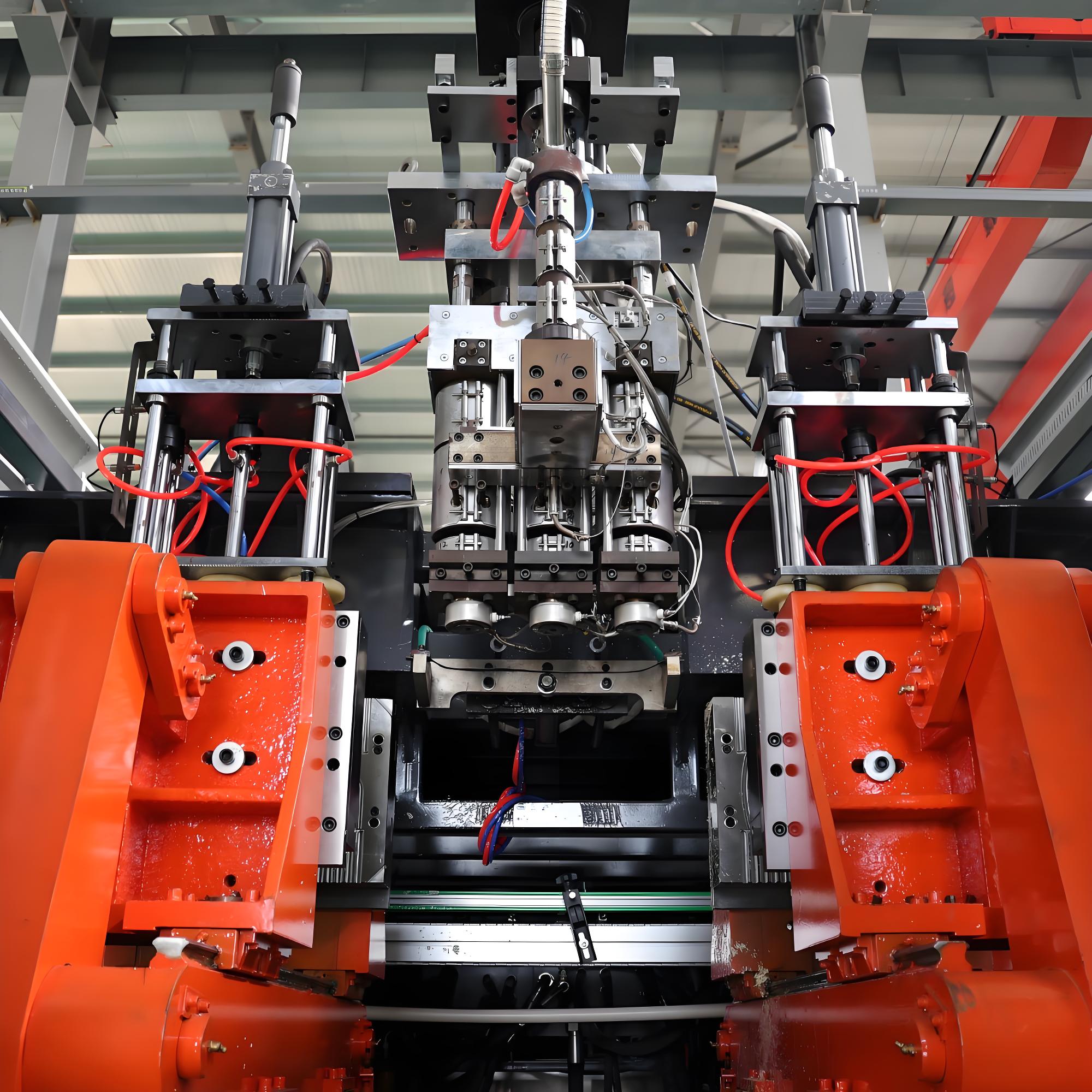
The DB-Series incorporates all the advanced features of the AB-Series, including a high-performance extrusion system, servo-hydraulic clamping, and advanced parison control. It also features a continuous extrusion die head that produces a constant parison, eliminating the need for reciprocating screw systems and improving process consistency. The machine includes automatic flash trimming for both stations and an integrated conveyor system for removing finished containers.
The DB-Series is available in models with clamping forces ranging from 40 tons to 120 tons. The DB-60 model, for example, has a 60-ton clamping force and a 75mm extruder, making it ideal for producing 5-20L stackable chemical drums at a rate of up to 400 pieces per hour. The DB-100 model has a 100-ton clamping force and a 90mm extruder, suitable for producing 20-60L containers at a rate of up to 240 pieces per hour.
The price of Apollo DB-Series double-station extrusion blow molding machines ranges from $75,000 for the DB-40 model to $180,000 for the DB-120 model. This includes the base machine, standard accessories, installation, and training. Optional features such as multi-cavity die heads, 128-point parison control, and automated packaging systems are available at additional cost.
4.3 Apollo MB-Series Multi-Station Extrusion Blow Molding Machines
The Apollo MB-Series multi-station extrusion blow molding machines are designed for high-volume production of stackable containers ranging in size from 500ml to 20L. These machines feature multiple clamping stations arranged around a rotating turret, allowing for continuous production with extremely high output rates.
The MB-Series represents the most advanced extrusion blow molding technology available from Apollo, incorporating state-of-the-art features such as all-electric servo drives, precision multi-cavity die heads, and advanced process control systems. The machine can be configured with 4 to 12 clamping stations and multiple die heads, allowing for production rates of up to 10,000 pieces per hour depending on the container size and configuration.
The MB-Series is ideal for large-scale manufacturers producing high volumes of standard stackable containers such as water bottles, detergent bottles, and food containers. It offers the highest production efficiency and the lowest per-unit production costs of any extrusion blow molding machine in its class.
The price of Apollo MB-Series multi-station extrusion blow molding machines ranges from $250,000 for a 4-station model to $800,000 for a 12-station model with multiple die heads. This includes the base machine, standard accessories, installation, and comprehensive training. Custom configurations and optional features are available to meet specific production requirements.
4.4 Key Technological Advantages of Apollo Machines
Apollo extrusion blow molding machines offer several key technological advantages that make them ideal for stackable plastic container production. The most significant advantage is Apollo’s advanced parison control technology, which provides up to 128 points of wall thickness adjustment. This allows manufacturers to precisely control the material distribution in their containers, ensuring optimal strength and stackability while minimizing material usage by 10-15% compared to conventional machines.
Another key advantage is Apollo’s servo-hydraulic drive system, which provides precise control over clamping force and speed while reducing energy consumption by 30-40% compared to traditional hydraulic systems. This results in significant annual energy savings and lower operating costs.
Apollo machines also feature precision-machined die heads that produce consistent parisons with excellent wall thickness uniformity. The die heads are designed for quick and easy cleaning and maintenance, minimizing downtime during product changeovers. Apollo offers a wide range of die head configurations, including single-cavity, multi-cavity, and co-extrusion die heads, to meet different production requirements.
Additional advantages include robust construction using high-quality components from leading international suppliers, user-friendly control systems with intuitive interfaces, and comprehensive after-sales support. All Apollo machines undergo rigorous testing before delivery to ensure they meet the highest quality and performance standards.
5. Application-Specific Solutions for Stackable Containers
Different industries have unique requirements for stackable plastic containers, and Apollo offers application-specific solutions tailored to meet these diverse needs. Whether you are producing food containers, chemical drums, or pharmaceutical bottles, Apollo has the expertise and technology to provide the perfect extrusion blow molding solution for your application.
5.1 Food and Beverage Containers
Food and beverage containers must meet strict food safety regulations and provide excellent barrier properties to protect product freshness and quality. Apollo extrusion blow molding machines are designed to process food-grade materials such as HDPE, PP, and PET, and all product contact parts are made from food-grade stainless steel.
Apollo offers specialized solutions for producing various types of stackable food and beverage containers, including water bottles, juice bottles, milk jugs, edible oil containers, and condiment bottles. These solutions feature advanced parison control for optimized wall thickness, efficient cooling systems for fast cycle times, and integrated quality inspection systems to ensure product safety and consistency.
For example, the Apollo DB-60 double-station machine with a 4-cavity die head is ideal for producing 1L stackable edible oil bottles. The machine can produce up to 800 bottles per hour with consistent wall thickness and dimensional accuracy, ensuring perfect stackability and product integrity. The price of this configuration is approximately $120,000, with a typical return on investment of less than 12 months.
5.2 Chemical and Industrial Containers
Chemical and industrial containers must be extremely durable and resistant to chemical corrosion. They often require UN certification for the transportation of hazardous materials and must be able to withstand rough handling and extreme environmental conditions.
Apollo extrusion blow molding machines are specifically engineered to produce heavy-duty stackable chemical containers ranging in size from 5L to 200L. These machines feature robust construction, high clamping forces, and advanced parison control to ensure that containers have sufficient wall thickness and structural strength to meet the most demanding performance requirements.
The Apollo DB-100 double-station machine is particularly well-suited for producing 20L and 30L stackable chemical drums. The machine features a 100-ton clamping force, a 90mm extruder, and a 2-cavity die head, producing up to 240 drums per hour. The machine’s advanced 128-point parison control system ensures that the base and neck of the drum are sufficiently thick to support heavy loads, while the side walls are optimized for material savings. The price of this configuration is approximately $160,000, with a typical return on investment of 10-14 months.
5.3 Pharmaceutical and Healthcare Containers
Pharmaceutical and healthcare containers have the most stringent requirements for purity, cleanliness, and tamper resistance. They must be produced in a clean environment and must meet strict regulatory standards such as FDA and GMP.
Apollo offers cleanroom-compatible extrusion blow molding machines specifically designed for pharmaceutical and healthcare applications. These machines feature all-stainless steel construction in product contact areas, smooth surfaces that are easy to clean and sanitize, and advanced process control systems that ensure consistent product quality and traceability.
The Apollo AB-30 single-station machine is ideal for producing small to medium-sized stackable pharmaceutical containers such as pill bottles, liquid medicine bottles, and medical supply containers. The machine can be configured with cleanroom-compatible components and features a closed-loop process control system that ensures consistent production quality. The price of this configuration starts at approximately $35,000, depending on the specific requirements.
5.4 Cosmetics and Personal Care Containers
Cosmetics and personal care containers require attractive designs, high-quality surface finishes, and precise dimensional control. They are often produced in a wide range of shapes, sizes, and colors to meet the branding requirements of different products.
Apollo extrusion blow molding machines offer exceptional design flexibility, allowing manufacturers to produce stackable containers with complex shapes and high-quality surface finishes. The machines feature precise temperature control and parison adjustment to ensure consistent product quality and appearance. They also support quick and easy changeovers between different products and colors, making them ideal for producing multiple SKUs.
The Apollo DB-40 double-station machine is perfect for producing stackable shampoo bottles, conditioner bottles, and lotion containers. The machine can be configured with a 4-cavity die head, producing up to 600 bottles per hour with excellent surface finish and dimensional accuracy. The price of this configuration is approximately $90,000, with a typical return on investment of 12-18 months.
6. Cost Analysis and Return on Investment
Investing in an extrusion blow molding machine for stackable container production is a significant capital expenditure, but it can deliver substantial returns when done correctly. The following analysis provides a detailed breakdown of the costs associated with stackable container production and the expected return on investment for Apollo extrusion blow molding machines.
6.1 Initial Investment Breakdown
The initial investment for an extrusion blow molding production line includes several components beyond the cost of the machine itself. The following is a typical breakdown of initial investment costs for a medium-scale production line using an Apollo DB-60 double-station extrusion blow molding machine:
The largest component is the extrusion blow molding machine itself, which costs approximately $120,000 for a DB-60 model with a 4-cavity die head and 64-point parison control. Additional equipment includes a material dryer and loader ($8,000), a chiller ($6,000), an air compressor ($10,000), and a conveyor system ($5,000). Installation and commissioning costs typically range from $10,000 to $15,000, and training costs are approximately $5,000. An initial spare parts inventory of $6,000 is also recommended to minimize downtime.
The total initial investment for a complete medium-scale production line is therefore approximately $170,000. This can vary depending on the specific machine configuration, optional features, and local installation costs.
6.2 Monthly Operating Costs
The monthly operating costs for stackable container production include raw materials, energy, labor, maintenance, and overhead. The following is a typical breakdown of monthly operating costs for the Apollo DB-60 production line producing 1L stackable edible oil bottles at 80% capacity:
Raw materials are the largest operating cost, accounting for approximately 65% of total production costs. For a production rate of 640 bottles per hour, operating 20 hours per day, 25 days per month, the monthly production volume is 320,000 bottles. At a raw material cost of $0.12 per bottle, the monthly raw material cost is $38,400.
Energy costs include electricity for the machine, chiller, air compressor, and lighting. The Apollo DB-60 machine consumes approximately 45 kW of electricity, resulting in a monthly energy cost of approximately $5,400 at an electricity price of $0.15 per kWh.
Labor costs include wages for machine operators, maintenance personnel, and quality control staff. A typical production line requires 3 operators per shift, resulting in a monthly labor cost of approximately $9,000 at an average wage of $15 per hour.
Maintenance and repair costs typically range from 1-3% of the initial machine investment per year. For the DB-60 machine, this translates to approximately $1,200 per month.
Other operating costs include rent, utilities, insurance, and administrative expenses, totaling approximately $6,000 per month.
The total monthly operating cost is therefore approximately $60,000, resulting in a production cost of approximately $0.1875 per bottle.
6.3 Revenue and Profit Calculation
The revenue generated from stackable container production depends on the selling price of the containers and the production volume. For 1L stackable edible oil bottles, the average wholesale selling price is approximately $0.25 per bottle.
At a production volume of 320,000 bottles per month, the monthly revenue is $80,000. Subtracting the monthly operating cost of $60,000 results in a monthly net profit of $20,000, or $240,000 per year.
6.4 Return on Investment Calculation
The return on investment (ROI) is calculated by dividing the initial investment by the annual net profit:
Payback period = Initial investment / Annual net profit = $170,000 / $240,000 = 0.71 years, or approximately 8.5 months.
This means that the initial investment in the Apollo DB-60 production line will be paid back in less than 9 months. After the payback period, the production line will continue to generate $240,000 in annual net profit for the entire service life of the machine, which is typically 10-15 years. Over a 10-year period, the total net profit will be approximately $2.4 million, representing a 1412% return on the initial investment.
This calculation demonstrates the extremely attractive financial returns that can be achieved with Apollo extrusion blow molding machines. The actual ROI may vary depending on factors such as production volume, selling price, and local operating costs, but Apollo machines consistently deliver faster payback periods and higher returns than comparable machines from other manufacturers.
7. Best Practices for Optimizing Stackable Container Production
To maximize the performance and profitability of your extrusion blow molding operation, it is essential to follow best practices for production optimization. The following tips will help you improve product quality, increase production efficiency, reduce costs, and extend the life of your Apollo extrusion blow molding machine.
7.1 Optimize Process Parameters
The first step in optimizing production is to ensure that all process parameters are set correctly for the specific material and container being produced. This includes extruder temperature profile, screw speed, parison thickness, clamping force, blowing pressure, and cooling time. Even minor adjustments to these parameters can have a significant impact on product quality, cycle time, and material usage.
Apollo’s advanced control system allows you to store and recall process parameters for different products, ensuring consistent production quality every time. It is recommended to conduct regular process audits to verify that parameters are set correctly and to make adjustments as needed to optimize performance.
7.2 Implement a Preventive Maintenance Program
A comprehensive preventive maintenance program is essential for minimizing downtime, reducing repair costs, and extending the life of your machine. Develop a detailed maintenance schedule that includes daily, weekly, monthly, and annual maintenance tasks, and ensure that all maintenance personnel are properly trained.
Key maintenance tasks include regular lubrication of moving parts, inspection and cleaning of the extruder and die head, replacement of worn components such as seals and filters, and calibration of sensors and control systems. Keep detailed maintenance records to track the performance of your machine and identify potential issues before they result in downtime.
Apollo provides comprehensive maintenance manuals and training for all its machines, and offers preventive maintenance services performed by factory-trained technicians. Using genuine Apollo spare parts is also recommended to ensure optimal performance and reliability.
7.3 Optimize Material Usage
Raw materials account for the largest portion of production costs, so optimizing material usage is essential for maximizing profitability. The most effective way to reduce material usage is to use Apollo’s advanced parison control system to optimize wall thickness distribution. This allows you to reduce the overall weight of the container while still meeting strength and performance requirements.
Other ways to optimize material usage include minimizing production waste from defective containers and flash, and implementing a scrap recycling system to reuse trimmed flash and defective containers. Ensure that your scrap recycling system is properly maintained and that recycled material is properly blended with virgin material to maintain consistent product quality.
7.4 Improve Quality Control
Implementing a comprehensive quality control program is essential for ensuring that all containers meet the required specifications for stackability, strength, and dimensional accuracy. Develop clear quality standards and inspection procedures for all stages of the production process, from raw material inspection to finished product testing.
Key quality control tests for stackable containers include dimensional measurement, wall thickness testing, load testing, drop testing, and leak testing. Use statistical process control (SPC) techniques to monitor production processes and identify trends that may indicate potential quality issues.
Apollo offers integrated quality inspection systems that can be added to your machine to automate the inspection process and reduce the risk of human error. These systems can detect defects such as dimensional variations, wall thickness inconsistencies, and leaks, and automatically reject defective containers.
7.5 Invest in Operator Training
Well-trained operators are essential for maximizing the performance and profitability of your extrusion blow molding operation. Provide comprehensive training for all operators on machine operation, maintenance, and quality control procedures. Ensure that operators understand how to adjust process parameters, identify and resolve common issues, and perform routine maintenance tasks.
Apollo provides comprehensive training for operators and maintenance personnel as part of the machine delivery. Ongoing training and skill development are also recommended to keep your team up-to-date on the latest technology and best practices.
8. Common Production Issues and Solutions
Even with the best equipment and practices, manufacturers may occasionally encounter issues when producing stackable plastic containers. The following are the most common production issues and the solutions recommended by Apollo’s technical experts.
8.1 Poor Stackability and Dimensional Inaccuracy
Poor stackability is the most common issue in stackable container production, usually caused by dimensional inaccuracies or inconsistent wall thickness. This can result in containers that tilt, wobble, or collapse when stacked.
Causes include inconsistent parison diameter or thickness, improper mold alignment, insufficient cooling, or excessive blowing pressure.
Solutions include calibrating the parison control system to ensure consistent wall thickness distribution, checking and adjusting mold alignment, optimizing cooling time and temperature to ensure proper solidification, and adjusting blowing pressure to the optimal level for the specific material and container design.
8.2 Container Deformation and Warping
Container deformation and warping usually occur when the container is not sufficiently cooled before being removed from the mold, or when there are internal stresses in the plastic material.
Causes include insufficient cooling time, uneven mold temperature, excessive melt temperature, or improper demolding techniques.
Solutions include increasing cooling time, optimizing mold cooling channels to ensure uniform temperature distribution, reducing melt temperature, and adjusting demolding parameters to minimize stress on the container during ejection.
8.3 Excessive Flash
Excessive flash is excess plastic that forms along the parting line of the mold. It not only wastes material but also requires additional trimming, increasing production time and costs.
Causes include insufficient clamping force, improper mold alignment, excessive parison weight, or worn mold components.
Solutions include increasing clamping force, checking and adjusting mold alignment, reducing parison weight using the parison control system, and repairing or replacing worn mold components.
8.4 Wall Thickness Inconsistencies
Wall thickness inconsistencies can result in containers that are weak in some areas or unnecessarily heavy in others. This affects both the performance and the cost of the container.
Causes include improper parison control settings, inconsistent melt temperature, worn die components, or variations in raw material properties.
Solutions include recalibrating the parison control system, optimizing the extruder temperature profile to ensure consistent melt temperature, inspecting and replacing worn die components, and implementing strict raw material quality control procedures.
8.5 Low Production Efficiency
Low production efficiency can result from long cycle times, frequent downtime, or high defect rates.
Causes include insufficient cooling, slow machine operation, frequent changeovers, or poor maintenance practices.
Solutions include optimizing cooling systems to reduce cycle time, upgrading to faster machine components where appropriate, implementing quick changeover systems to reduce downtime between product runs, and establishing a comprehensive preventive maintenance program to minimize unplanned downtime.
9. Future Trends in Extrusion Blow Molding for Stackable Containers
The extrusion blow molding industry is continuously evolving, driven by technological advancements, changing market demands, and growing environmental concerns. The following trends are shaping the future of stackable plastic container production and will have a significant impact on the industry in the coming years.
9.1 Lightweighting and Material Optimization
Lightweighting will continue to be a major trend in stackable container production as manufacturers seek to reduce material costs and environmental impact. Advanced design software and simulation tools will allow manufacturers to create even lighter containers that still meet strength and performance requirements. Apollo’s advanced parison control technology will play a crucial role in enabling these lightweight designs by providing precise control over material distribution.
9.2 Sustainable Materials and Circular Economy
The shift towards sustainable materials will accelerate, with increasing use of recycled plastic (rPET, rHDPE) and bio-based plastics. Apollo extrusion blow molding machines are already capable of processing up to 100% recycled materials, and future developments will further improve the performance and efficiency of machines processing these materials. The circular economy will also become increasingly important, with more emphasis on designing containers for recyclability and reuse.
9.3 Industry 4.0 and Smart Manufacturing
Industry 4.0 technologies such as the Internet of Things (IoT), artificial intelligence (AI), and big data analytics will transform extrusion blow molding production. Smart machines will be able to monitor their own performance, predict maintenance needs, and optimize process parameters in real-time. Apollo is already developing advanced Industry 4.0 solutions for its machines, including remote monitoring, predictive maintenance, and data analytics capabilities that will help manufacturers improve efficiency and reduce downtime.
9.4 Increased Automation and Robotics
Automation will continue to increase in extrusion blow molding production, with more integration of robotics for material handling, quality inspection, and packaging. This will reduce labor costs, improve production efficiency, and enhance product consistency. Apollo offers a range of automation solutions that can be integrated with its extrusion blow molding machines to create fully automated production lines.
9.5 Customization and Small-Batch Production
Consumer demand for customized products will continue to grow, leading to an increase in small-batch production runs. This will require extrusion blow molding machines that can handle quick changeovers between different products and colors. Apollo’s quick changeover systems and flexible machine designs are ideally suited to meet this demand, allowing manufacturers to efficiently produce multiple SKUs with minimal downtime.