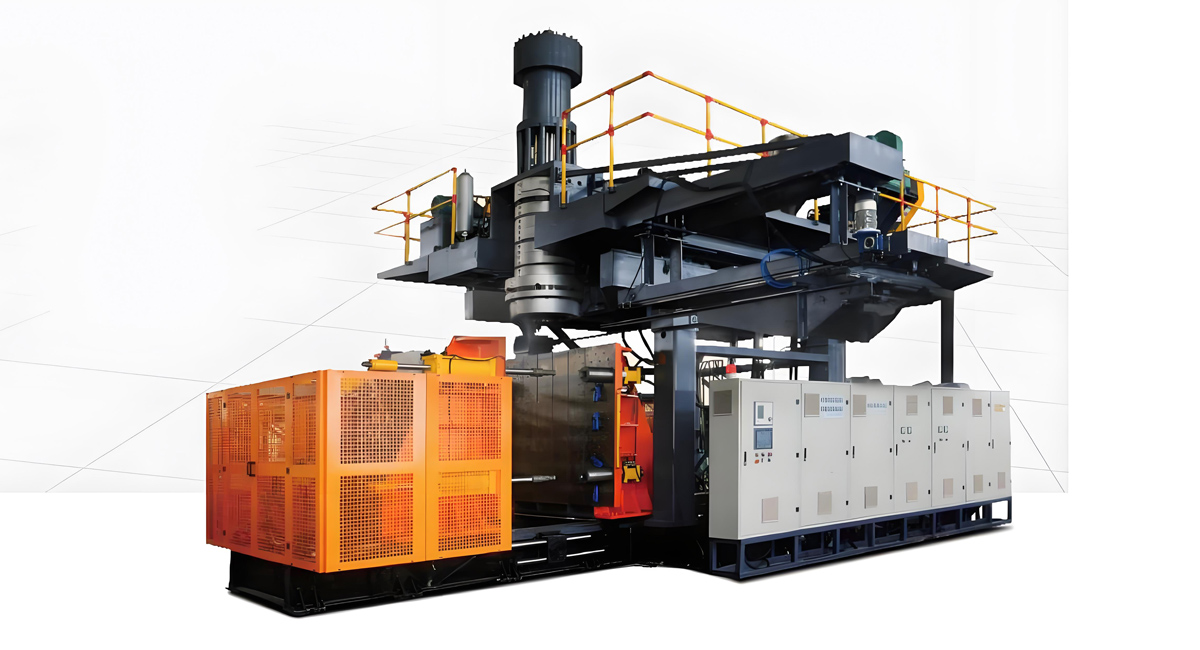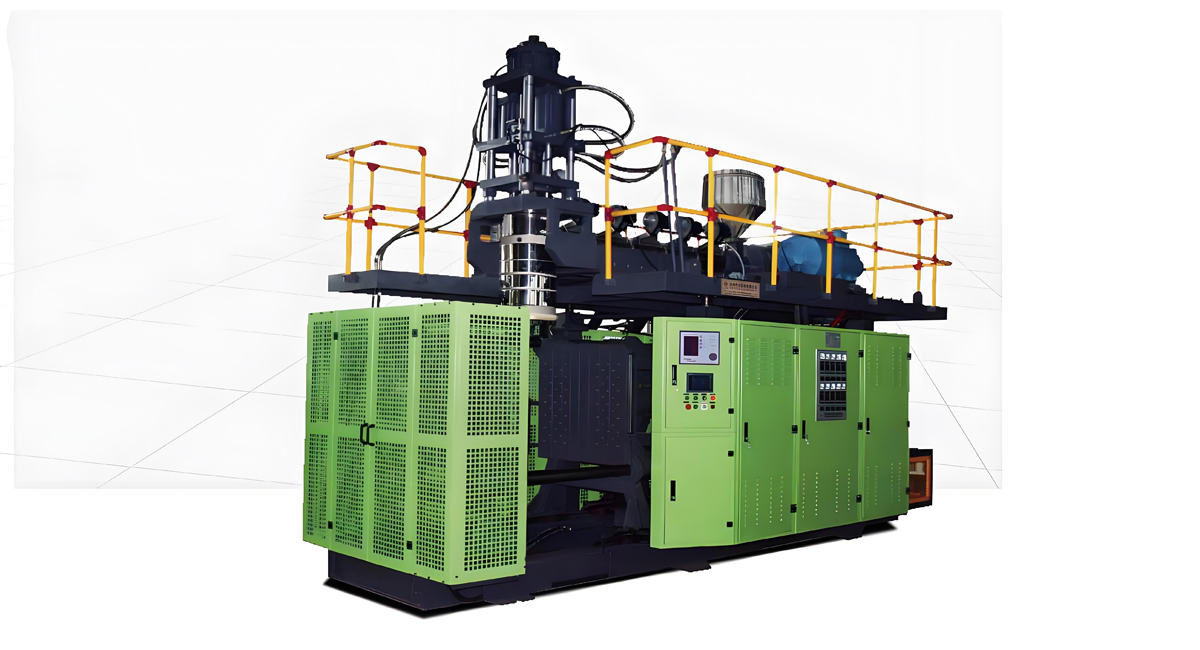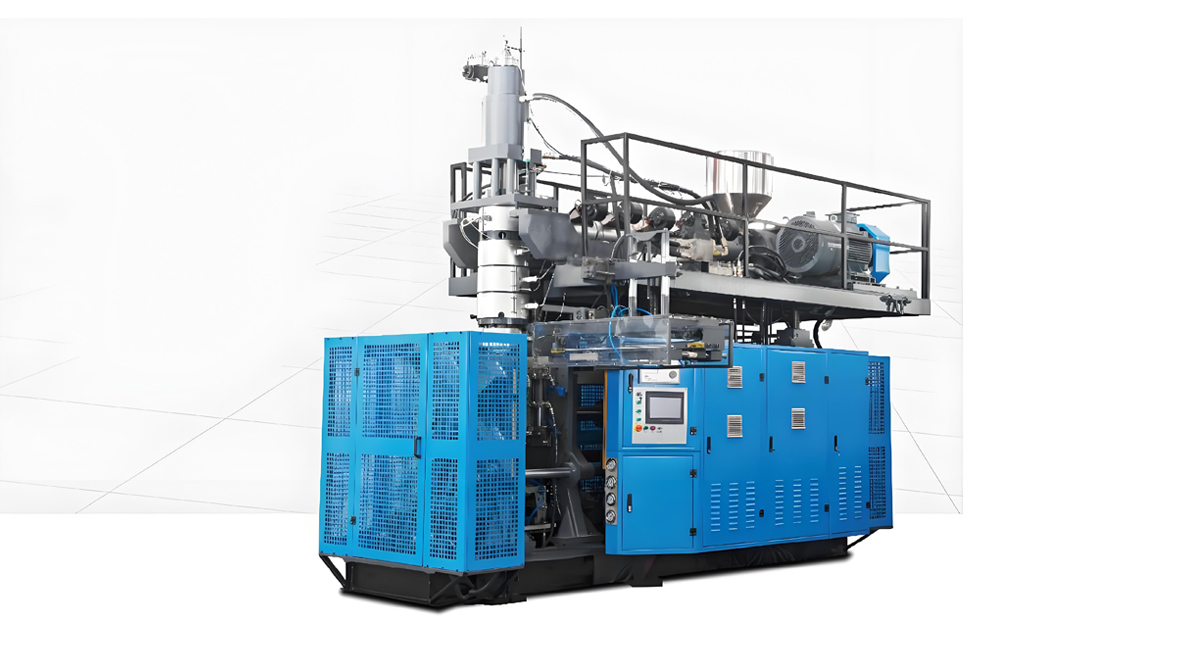
The global plastic canister market is projected to reach USD 12.4 billion by 2031, growing at a CAGR of 5.9% from 2026, driven by rising demand from the food and beverage, chemical, pharmaceutical, and personal care industries. Among all performance requirements for plastic canisters, airtight and leak-proof properties are the most critical, as they directly impact product safety, shelf life, and regulatory compliance. A single leaky canister can result in product spoilage, environmental contamination, regulatory penalties, and irreversible damage to brand reputation. As a leading global manufacturer of extrusion blow molding equipment with over 20 years of industry experience, Apollo has developed specialized extrusion blow molding machines specifically engineered to produce consistently airtight and leak-proof plastic canisters with unmatched precision and reliability.
Manufacturing airtight and leak-proof plastic canisters presents unique technical challenges that distinguish it from standard blow molding applications. Unlike general-purpose containers, canisters for sensitive products require perfect sealing at the neck finish, uniform wall thickness distribution, seamless body construction, and consistent dimensional accuracy. Even the smallest defect, such as a pinhole, thin spot, or misaligned neck, can compromise the container’s integrity and result in leaks. Traditional extrusion blow molding machines often struggle with these challenges, resulting in high rejection rates, inconsistent product quality, and increased production costs. For manufacturers, investing in a high-quality extrusion blow molding machine specifically designed for airtight canister production is therefore not just a competitive advantage but a business necessity.
Apollo extrusion blow molding machines for plastic canisters are engineered from the ground up to deliver exceptional airtightness and leak-proof performance. Our advanced systems incorporate cutting-edge technologies that ensure precise control over every aspect of the blow molding process, from melt homogenization to final product inspection. Apollo machines are capable of producing single-layer and multi-layer plastic canisters with capacities ranging from 1L to 60L, suitable for storing and transporting a wide range of products including food ingredients, industrial chemicals, pharmaceuticals, cosmetics, and household cleaners. With over 500 successful installations across 50 countries, Apollo has earned a reputation for delivering reliable, cost-effective solutions that help canister manufacturers meet the strictest international quality and safety standards.
This comprehensive guide provides everything you need to know about extrusion blow molding machines for airtight and leak-proof plastic canisters. It examines the global market landscape and key application requirements for airtight canisters, explains the core technical challenges in producing leak-proof containers, details the advanced technologies that make Apollo machines the industry standard, provides a complete overview of Apollo’s product range with detailed specifications and transparent pricing, includes a comprehensive cost analysis and return on investment calculation, features real-world success stories from Apollo customers worldwide, offers practical guidance for selecting the right machine for your specific needs, and explores future trends in airtight canister production technology. Whether you are starting a new canister manufacturing business, expanding your production capacity, or upgrading your existing equipment, this guide will help you make an informed decision about your extrusion blow molding machine investment.
1. Global Market and Application Requirements for Airtight Plastic Canisters
1.1 Market Size and Growth Drivers
The global demand for airtight plastic canisters is growing rapidly as manufacturers across industries increasingly recognize the importance of product protection and safety. Several key factors are fueling this growth. First, the expanding food and beverage industry is driving demand for airtight canisters that can extend the shelf life of perishable products such as edible oils, sauces, syrups, and powdered foods. Airtight packaging prevents oxidation, moisture ingress, and contamination, allowing products to remain fresh for longer periods without the need for preservatives.
Second, the chemical and industrial products industry requires leak-proof canisters for storing and transporting hazardous and non-hazardous chemicals. These canisters must meet strict regulatory requirements for chemical resistance and leak prevention to ensure safe handling and transportation. Third, the pharmaceutical and personal care industries are increasingly using airtight plastic canisters for packaging products that require protection from air, moisture, and light. Finally, the growth of e-commerce has increased demand for durable, leak-proof packaging that can withstand the rigors of shipping and handling.
1.2 Critical Performance Requirements for Airtight Canisters
Airtight and leak-proof plastic canisters must meet stringent performance requirements to ensure product safety and regulatory compliance. The most important requirement is zero leakage under all operating conditions, including pressure changes during transportation, temperature fluctuations, and normal handling. Canisters must maintain their integrity for the entire shelf life of the product, which can range from 6 months to 5 years depending on the application.
Neck finish precision is critical for achieving a proper seal with the closure. The neck must have consistent dimensions, smooth threads, and a flat sealing surface to ensure that the cap or lid forms a tight, uniform seal. Even minor variations in neck diameter or thread profile can result in leaks. Uniform wall thickness distribution is also essential, as thin spots can weaken the container and lead to pinholes or ruptures. The canister body must be free of weld lines, which are common points of weakness and potential leakage.
Additional performance requirements include excellent chemical resistance to the contents, good impact resistance to prevent breakage during handling and transportation, and dimensional stability to ensure compatibility with standard filling and capping equipment. Canisters for food and pharmaceutical applications must also be made from food-grade materials that comply with regulations such as FDA 21 CFR and EU 10/2011.
1.3 Material and Design Trends
High-density polyethylene (HDPE) is the most widely used material for airtight plastic canisters, accounting for approximately 75% of the global market. HDPE offers an excellent balance of chemical resistance, impact strength, moisture barrier properties, and processability, making it suitable for a wide range of applications. Polypropylene (PP) is the second most common material, particularly for applications requiring higher temperature resistance and better clarity.
Multi-layer canister structures are becoming increasingly popular for applications requiring enhanced barrier properties. These structures typically consist of an inner layer of HDPE or PP for chemical resistance, a middle barrier layer of EVOH or nylon to prevent oxygen and moisture permeation, and bonding layers between them. Multi-layer canisters are widely used for packaging oxygen-sensitive products such as food, beverages, and pharmaceuticals.
Design trends in airtight canisters include the development of lighter-weight designs that reduce material usage while maintaining structural integrity, and the integration of innovative closure systems that provide improved sealing performance and user convenience. Apollo extrusion blow molding machines are capable of producing all these modern canister designs with consistent quality and efficiency.
2. Core Technical Challenges in Producing Airtight & Leak-Proof Canisters
Manufacturing consistently airtight and leak-proof plastic canisters requires precise control over every stage of the extrusion blow molding process. Even minor process variations can result in defects that compromise the container’s integrity. The following are the most significant technical challenges that must be addressed.
2.1 Precise Neck Finish and Sealing Surface Control
The neck finish is the most critical component of an airtight canister, as it is where the seal between the container and closure is formed. Achieving a perfect seal requires extremely precise control over the neck dimensions, thread profile, and sealing surface flatness. Even a variation of 0.1mm in neck diameter or a slight imperfection in the sealing surface can prevent the closure from forming a tight seal, resulting in leaks.
Traditional blow molding machines often struggle with consistent neck formation due to variations in parison temperature, uneven material distribution, and inaccurate mold alignment. The neck must be formed with sufficient material density to ensure that the threads are strong and the sealing surface is flat and free of defects. Any flash or burrs on the neck can also prevent proper sealing and must be completely removed during the trimming process.
2.2 Uniform Wall Thickness Distribution
Uniform wall thickness distribution is essential for producing leak-proof canisters. Thin spots in the container wall are weak points that can develop pinholes or rupture under pressure or during handling. Thick spots, on the other hand, waste material and can result in uneven cooling and warping of the container.
Achieving uniform wall thickness is particularly challenging for large canisters and canisters with complex shapes. The parison must be programmed to provide the exact amount of material needed in each area of the container. Variations in melt temperature, material viscosity, and blow pressure can all affect wall thickness distribution. Without precise control over these parameters, manufacturers must produce thicker-walled containers than necessary to ensure that the minimum wall thickness requirement is met, resulting in increased material costs.
2.3 Weld Line Elimination and Structural Integrity
Weld lines are common defects in extrusion blow molded products that occur when two streams of molten plastic meet and fuse together during the molding process. Weld lines are inherently weaker than the surrounding material and are common points of leakage, particularly under pressure or stress.
Weld lines are most likely to occur in areas where the material must flow around obstacles or where the parison is pinched together during mold closing. In canisters, weld lines often form at the bottom pinch-off and along the sides of the container. Poorly formed weld lines can result in leaks, reduced impact strength, and container failure. Eliminating weld lines or ensuring that they are properly fused is therefore essential for producing airtight and leak-proof canisters.
2.4 Consistent Cooling and Dimensional Stability
Consistent cooling is critical for maintaining the dimensional stability of plastic canisters and preventing warping and distortion. Uneven cooling can cause the container to shrink unevenly, resulting in misaligned necks, oval bodies, and uneven sealing surfaces. These defects can prevent the closure from forming a proper seal and can also cause compatibility issues with filling and capping equipment.
The cooling phase typically accounts for 50-70% of the total cycle time in extrusion blow molding. Inadequate cooling can result in soft containers that deform during demolding or handling, while excessive cooling increases cycle time and reduces production efficiency. Achieving the right balance between cooling speed and uniformity is therefore essential for both product quality and production efficiency.
2.5 Reliable Leak Detection and Quality Control
Even with the best process control, occasional defective canisters may be produced. Implementing a reliable leak detection system is therefore essential for ensuring that only airtight and leak-proof canisters reach the market. Traditional manual inspection methods are slow, labor-intensive, and prone to human error, making them unsuitable for high-volume production.
Automated leak detection systems must be able to detect even the smallest leaks (as small as 1 micron) at high production speeds. They must also be able to distinguish between different types of defects and reject only defective containers. Integrating leak detection into the production line without disrupting production flow is another significant challenge.
3. Core Technologies of Apollo Airtight Canister Extrusion Blow Molding Machines
Apollo extrusion blow molding machines incorporate a range of advanced technologies specifically designed to address the technical challenges of producing airtight and leak-proof plastic canisters. These technologies ensure precise control over every aspect of the production process, resulting in consistently high-quality canisters with zero leakage.
3.1 Precision Parison Programming and Wall Thickness Control
The foundation of Apollo’s airtight canister production technology is our advanced parison programming system. Our machines feature servo-driven die gap adjustment that can change the thickness of the parison in real time during the extrusion process. The parison thickness can be programmed at up to 300 points along the length of the parison, allowing for precise optimization of the wall thickness distribution to meet the specific requirements of each canister design.
The parison programming system is integrated with the machine’s control system, allowing operators to store and recall parison programs for different canister designs. The system also features automatic thickness correction that adjusts the parison thickness in real time based on feedback from online measurement sensors. This ensures consistent wall thickness from canister to canister, even as process conditions change over time.
Precise wall thickness control allows manufacturers to produce canisters with the minimum necessary material usage while still meeting all structural and performance requirements. This not only reduces material costs but also improves the consistency and quality of the final product.
3.2 Advanced Die Head Design for Weld-Free Formation
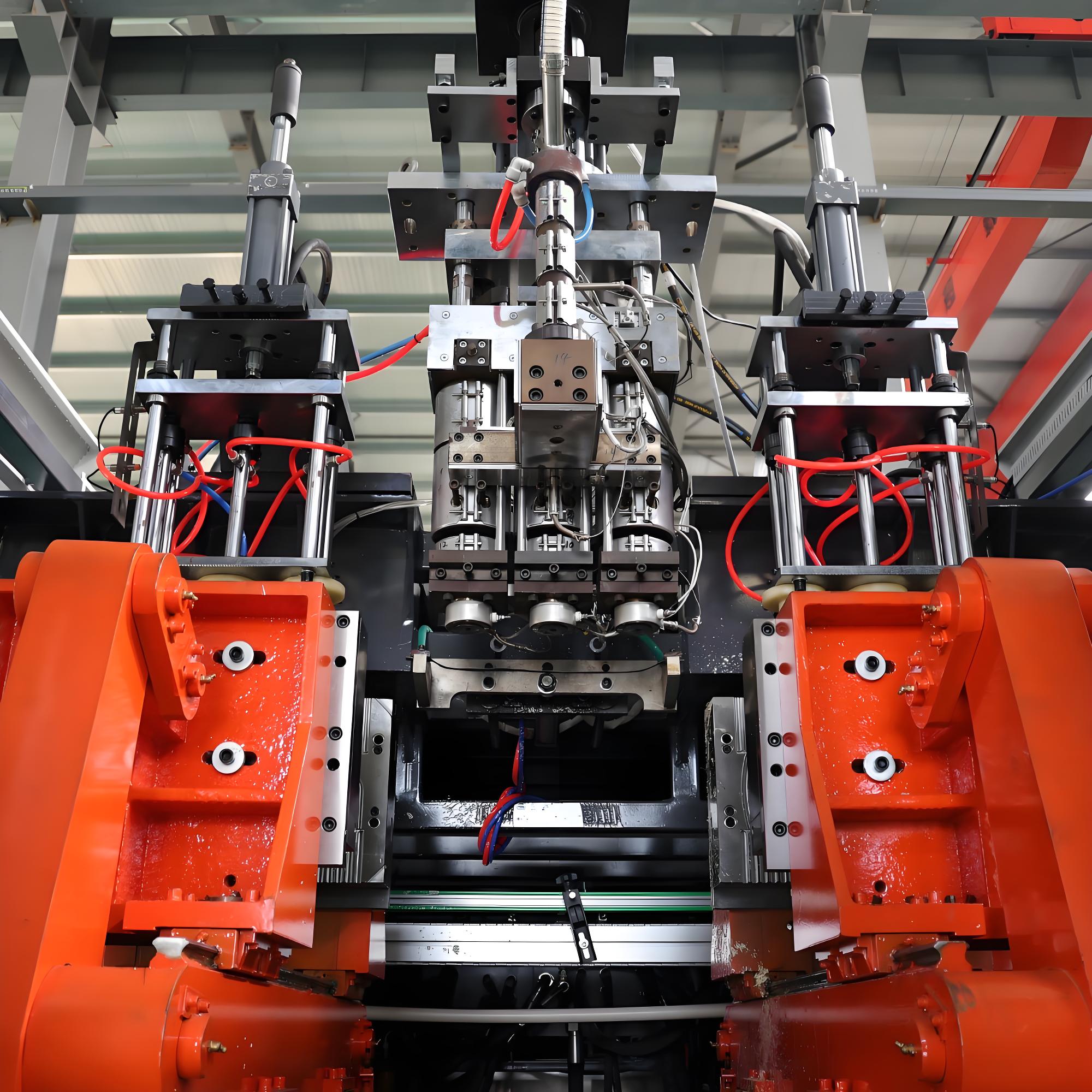
Apollo extrusion blow molding machines feature advanced spiral mandrel die heads specifically designed to eliminate weld lines and ensure uniform melt distribution. The spiral mandrel design distributes the melt evenly around the mandrel, creating a seamless parison with no weld lines. This results in canisters with superior structural integrity and leak-proof performance.
The die head is equipped with independent temperature control zones for each material stream, allowing for precise adjustment of the melt temperature at the interface between layers in multi-layer production. The die head also features a flexible lip design that allows for fine adjustment of the parison thickness and concentricity. This ensures that the parison is perfectly centered in the mold, resulting in uniform wall thickness distribution around the entire circumference of the canister.
For multi-layer canister production, Apollo die heads feature a modular design that allows for easy addition or removal of layers. The die heads are designed to ensure perfect bonding between the different layers, preventing delamination and ensuring the integrity of the barrier properties.
3.3 Servo-Hydraulic Clamping System for Precision Mold Alignment
Apollo extrusion blow molding machines feature advanced servo-hydraulic clamping systems that provide precise control over the clamping force and mold movement. The servo-hydraulic system combines the high force and reliability of hydraulic systems with the precision and energy efficiency of servo motors, resulting in faster cycle times, more consistent clamping force, and lower energy consumption compared to traditional hydraulic systems.
The clamping system is designed to provide uniform clamping force across the entire mold surface, ensuring that the mold closes perfectly and forms a tight seal around the parison. This prevents flash formation and ensures that the neck and body of the canister are formed with precise dimensions. The system also features adjustable clamping force, allowing operators to optimize the clamping force for different canister sizes and materials.
Precise mold alignment is critical for producing canisters with consistent neck dimensions and sealing surfaces. Apollo clamping systems feature rigid platen construction and precision linear guides that ensure perfect mold alignment even under high clamping forces. This eliminates misalignment issues that can result in uneven wall thickness, defective necks, and leaks.
3.4 Integrated Neck Calibration and Finishing System
Apollo extrusion blow molding machines feature an integrated neck calibration and finishing system that ensures precise neck dimensions and a perfect sealing surface. The system uses precision-machined calibration pins that form the neck of the canister with extremely tight tolerances. The calibration pins are made from high-quality hardened steel to ensure long service life and consistent performance.
The neck finishing system automatically trims any excess material from the neck and finishes the sealing surface to a smooth, flat finish. The system uses precision cutting tools that produce clean, burr-free cuts, ensuring that there are no imperfections that could prevent proper sealing. The finished neck dimensions are accurate to within ±0.05mm, ensuring perfect compatibility with standard closures.
For high-volume production, Apollo offers optional automatic neck threading systems that can produce precise, uniform threads directly during the blow molding process. This eliminates the need for secondary threading operations, reducing production costs and improving product consistency.
3.5 Advanced Cooling System for Uniform Temperature Control
Apollo extrusion blow molding machines feature advanced cooling systems designed to provide uniform and efficient cooling of the canister while minimizing cycle time. The mold cooling system uses a series of precisely positioned cooling channels that follow the contour of the canister, ensuring uniform heat transfer from all parts of the container. The system features independent temperature control for different areas of the mold, allowing operators to optimize the cooling rate for each part of the canister.
The cooling system uses high-flow water circulation and efficient heat exchangers to maintain consistent water temperature throughout the production process. Variable-speed pumps adjust the water flow rate based on cooling demand, reducing energy consumption and improving cooling efficiency. The system also features automatic water filtration to prevent clogging of the cooling channels and ensure consistent cooling performance over time.
Uniform cooling ensures that the canister maintains its dimensional stability and does not warp or distort during demolding. This results in canisters with consistent neck dimensions, flat sealing surfaces, and perfect roundness, all of which are essential for achieving airtight and leak-proof performance.
3.6 In-Line Pressure Decay Leak Detection System
All Apollo extrusion blow molding machines for canister production can be equipped with an integrated in-line pressure decay leak detection system that inspects every canister for leaks as it is produced. The system uses high-precision pressure sensors to detect even the smallest leaks (as small as 1 micron) at production speeds of up to 3000 canisters per hour.
The leak detection process is fully automated and integrated into the production cycle. After the canister is demolded, it is automatically transferred to the leak detection station, where it is pressurized with clean, dry air. The system then monitors the pressure inside the canister for a specified period. If the pressure drops below a predetermined threshold, the canister is identified as defective and automatically rejected from the production line.
The leak detection system features adjustable sensitivity and test parameters, allowing it to be optimized for different canister sizes and applications. All test results are logged and stored by the control system, providing a complete record of product quality for each production run. This ensures that only airtight and leak-proof canisters are shipped to customers.
4. Apollo Product Range for Airtight Plastic Canister Production
Apollo offers a comprehensive range of extrusion blow molding machines designed specifically for producing airtight and leak-proof plastic canisters. Our product range includes single-station, double-station, and multi-station machines with production capacities ranging from 50 canisters per hour to 2000 canisters per hour. All Apollo machines are built to international quality standards and incorporate the advanced technologies described above.
4.1 Apollo AB-50S Single-Station Canister Extrusion Blow Molding Machine
The Apollo AB-50S is our entry-level single-station extrusion blow molding machine, designed for small to medium-sized canister manufacturers who need a reliable, cost-effective solution for producing airtight canisters from 1L to 10L. This versatile machine is capable of producing single-layer and double-layer canisters for a wide range of applications including food, household chemicals, and personal care products.
Key specifications of the AB-50S include a 50mm high-efficiency extruder, a clamping force of 50kN, a maximum mold size of 350mm x 250mm, and a production capacity of 50-200 canisters per hour for 5L HDPE canisters. The machine is equipped with a 100-point parison programming system, servo-hydraulic clamping, integrated neck calibration, and a standard control system with recipe management.
Price and Cost Analysis
The price of the Apollo AB-50S single-station canister extrusion blow molding machine ranges from $50,000 to $75,000 FOB Shanghai, depending on the specific configuration and optional features. The standard configuration includes the main extruder, die head, clamping unit, blow molding system, neck calibration system, and basic control system. Optional features include multi-layer co-extrusion capability, in-line leak detection, automatic deflashing system, and robotic canister handling. This model is ideal for canister manufacturers producing up to 3 million canisters per year. The typical payback period for the AB-50S is 11-16 months for small to medium-scale production.
4.2 Apollo AB-70D Double-Station Canister Extrusion Blow Molding Machine
The Apollo AB-70D is our most popular double-station extrusion blow molding machine, designed for medium to large-sized canister manufacturers who need higher production capacity and efficiency. This high-performance machine is capable of producing single-layer, double-layer, and triple-layer airtight canisters from 2L to 25L, making it suitable for a wide range of applications including industrial chemicals, food ingredients, and pharmaceuticals.
Key specifications of the AB-70D include a 70mm main extruder and optional 50mm co-extruder, a clamping force of 70kN per station, a maximum mold size of 450mm x 350mm, and a production capacity of 200-600 canisters per hour for 5L HDPE canisters. The machine is equipped with a 200-point parison programming system, advanced servo-hydraulic clamping, integrated neck calibration and finishing, and a comprehensive control system with data logging and recipe management.
Price and Cost Analysis
The price of the Apollo AB-70D double-station canister extrusion blow molding machine ranges from $95,000 to $140,000 FOB Shanghai, depending on the specific configuration and optional features. The standard configuration includes the main extruder, co-extruder, co-extrusion die head, double-station clamping unit, blow molding system, neck calibration and finishing system, and advanced control system. Optional features include triple-layer co-extrusion capability, in-line pressure decay leak detection, automatic deflashing and trimming system, and robotic canister handling and palletizing. This model is ideal for canister manufacturers producing 3-12 million canisters per year. The typical payback period for the AB-70D is 7-11 months for medium-scale production.
4.3 Apollo AB-100H High-Speed Multi-Station Canister Extrusion Blow Molding Machine
The Apollo AB-100H is our high-speed multi-station extrusion blow molding machine, designed for large-scale canister manufacturers who need maximum production capacity and efficiency. This state-of-the-art machine is capable of producing high volumes of single-layer and multi-layer airtight canisters from 1L to 30L with consistent quality and minimum operating costs.
Key specifications of the AB-100H include a 100mm high-torque extruder and optional 70mm co-extruder, a clamping force of 100kN per station, a maximum mold size of 550mm x 450mm, and a production capacity of 600-1200 canisters per hour for 5L HDPE canisters. The machine is equipped with a 300-point parison programming system, advanced servo-hydraulic clamping, integrated neck calibration and finishing, in-line leak detection, and the most advanced control system available with predictive maintenance capabilities and plant integration support.
Price and Cost Analysis
The price of the Apollo AB-100H high-speed multi-station canister extrusion blow molding machine ranges from $200,000 to $320,000 FOB Shanghai, depending on the specific configuration and optional features. The standard configuration includes the main extruder, co-extruder, co-extrusion die head, multi-station clamping unit, blow molding system, neck calibration and finishing system, in-line leak detection system, and comprehensive control system. Optional features include up to 5-layer co-extrusion capability, automatic deflashing and trimming system, fully automated production line with robotic handling and palletizing, and custom automation solutions. This model is ideal for large canister manufacturers producing over 12 million canisters per year. The typical payback period for the AB-100H is 5-8 months for high-volume production.
4.4 Apollo AB-120L Large Canister Extrusion Blow Molding Machine
The Apollo AB-120L is our specialized large canister extrusion blow molding machine, designed for producing airtight and leak-proof canisters from 20L to 60L. This heavy-duty machine is built for 24/7 continuous operation, delivering maximum reliability and performance for large canister production.
Key specifications of the AB-120L include a 120mm high-torque extruder and optional 90mm co-extruder, a clamping force of 160kN, a maximum mold size of 800mm x 600mm, and a production capacity of 80-250 canisters per hour for 25L HDPE canisters. The machine is equipped with a 300-point parison programming system, heavy-duty servo-hydraulic clamping, integrated neck calibration and finishing, in-line leak detection, and an advanced control system with comprehensive data logging and remote support capabilities.
Price and Cost Analysis
The price of the Apollo AB-120L large canister extrusion blow molding machine ranges from $280,000 to $420,000 FOB Shanghai, depending on the specific configuration and optional features. The standard configuration includes the main extruder, co-extruder, co-extrusion die head, heavy-duty clamping unit, blow molding system, neck calibration and finishing system, in-line leak detection system, and advanced control system. Optional features include multi-layer co-extrusion capability, automatic bung insertion system, automatic handle insertion system, and fully automated production line. This model is ideal for manufacturers producing large industrial and chemical canisters. The typical payback period for the AB-120L is 6-9 months for large canister production.
5. Comprehensive Cost Analysis and Return on Investment
Investing in an Apollo extrusion blow molding machine for airtight plastic canister production offers significant financial benefits through higher production efficiency, lower operating costs, reduced material waste, and improved product quality. While the initial investment in a high-quality machine may be higher than some lower-quality alternatives, the rapid return on investment and long-term cost savings make it a highly attractive proposition for canister manufacturers of all sizes.
5.1 Initial Investment Breakdown
To illustrate the financial benefits of investing in an Apollo extrusion blow molding machine, we will provide a detailed cost analysis for the Apollo AB-70D, which is our most popular model for medium-scale airtight canister production. The total initial investment includes the cost of the machine itself, auxiliary equipment, installation and training, shipping and customs, and a contingency fund for unexpected expenses.
Apollo AB-70D extrusion blow molding machine: $115,000
Auxiliary equipment (material hoppers, dryers, chillers, compressor): $30,000
Installation and training: $10,000
Shipping and customs to Europe: $15,000
Initial spare parts package: $7,000
Contingency fund (10%): $17,700
Total Initial Investment: $194,700
While the initial investment in an Apollo machine may be higher than some lower-quality alternatives, the significant savings in operating costs and increased production efficiency result in a much faster return on investment and lower total cost of ownership over the life of the equipment.
5.2 Annual Operating Cost Comparison
We will now compare the annual operating costs of an Apollo AB-70D extrusion blow molding machine with a traditional extrusion blow molding machine of similar capacity. The calculations are based on 24 hours of production per day, 300 days per year, producing 5L HDPE airtight canisters with an average production rate of 400 canisters per hour.
Apollo AB-70D Extrusion Blow Molding Machine:
Annual production: 2,880,000 canisters
Raw material costs: $1,728,000 per year ($0.60 per canister)
Energy costs: $51,840 per year ($0.12 per kWh)
Labor costs (3 workers): $90,000 per year
Maintenance and repair costs: $10,000 per year
Material waste (1.2% scrap rate): $20,736 per year
Leakage-related costs (0.1% rejection rate): $1,728 per year
Overhead costs: $70,000 per year
Total Annual Operating Costs: $1,972,304 per year
Cost per Canister: $0.6848
Traditional Extrusion Blow Molding Machine:
Annual production: 2,880,000 canisters
Raw material costs: $1,728,000 per year ($0.60 per canister)
Energy costs: $86,400 per year ($0.12 per kWh)
Labor costs (5 workers): $150,000 per year
Maintenance and repair costs: $30,000 per year
Material waste (5.5% scrap rate): $95,040 per year
Leakage-related costs (2.5% rejection rate): $43,200 per year
Overhead costs: $70,000 per year
Total Annual Operating Costs: $2,202,640 per year
Cost per Canister: $0.7648
The Apollo AB-70D reduces the cost per canister by $0.08 compared to the traditional machine, resulting in annual operating cost savings of $230,336. These savings come primarily from lower energy consumption, reduced labor requirements, lower maintenance costs, significantly reduced material waste, and almost complete elimination of leakage-related defects.
5.3 Revenue and Profitability Comparison
We will now compare the revenue and profitability of producing 5L HDPE airtight canisters with the Apollo AB-70D and the traditional machine, using an average selling price of $1.10 per canister for high-quality airtight canisters.
Apollo AB-70D Extrusion Blow Molding Machine:
Annual revenue: 2,880,000 canisters x $1.10 = $3,168,000 per year
Annual operating costs: $1,972,304 per year
Annual gross profit: $3,168,000 – $1,972,304 = $1,195,696 per year
Traditional Extrusion Blow Molding Machine:
Annual revenue: 2,880,000 canisters x $1.00 = $2,880,000 per year (lower price due to lower quality and higher leakage rate)
Annual operating costs: $2,202,640 per year
Annual gross profit: $2,880,000 – $2,202,640 = $677,360 per year
The Apollo AB-70D generates an additional $518,336 in annual gross profit compared to the traditional machine. This additional profit comes from both lower operating costs and the ability to command a 10% higher price for the higher-quality, leak-proof canisters produced by the Apollo machine.
5.4 Return on Investment Calculation
We will now calculate the return on investment (ROI) and payback period for the Apollo AB-70D extrusion blow molding machine compared to the traditional machine.
Additional Initial Investment for Apollo AB-70D: $194,700 – $135,000 = $59,700
Additional Annual Profit with Apollo AB-70D: $1,195,696 – $677,360 = $518,336 per year
Payback Period: $59,700 ÷ $518,336 = 0.115 years = 1.38 months
This exceptionally short payback period demonstrates that the additional investment in an Apollo extrusion blow molding machine is recovered in just over 1 month through increased profitability. Over the 15-year service life of the machine, the total additional profit generated by the Apollo AB-70D compared to the traditional machine is over $7.7 million.
5.5 Sensitivity Analysis
To provide a more realistic assessment of the investment, we have conducted a sensitivity analysis to show how changes in key parameters affect the payback period:
If the selling price of canisters decreases by 10% to $0.99 per canister, the payback period increases to 1.8 months
If the production volume decreases by 20%, the payback period increases to 2.1 months
If the raw material cost increases by 10% to $0.66 per canister, the payback period increases to 2.4 months
If all three factors occur simultaneously (10% lower price, 20% lower volume, 10% higher cost), the payback period increases to 4.1 months
Even in the worst-case scenario, the payback period remains extremely short, making investment in an Apollo extrusion blow molding machine a robust and low-risk business opportunity for canister manufacturers.
6. Real-World Success Stories with Apollo Airtight Canister Machines
Apollo extrusion blow molding machines have helped hundreds of canister manufacturers around the world improve their product quality, eliminate leakage issues, and increase profitability. The following case studies demonstrate the real-world benefits of our reliable extrusion solutions for airtight and leak-proof canister production.
6.1 Case Study 1: Edible Oil Canister Manufacturer in Malaysia
Malaysian Edible Oils Sdn Bhd, a leading producer of cooking oils based in Kuala Lumpur, Malaysia, was experiencing significant quality issues with their plastic canisters. The company was using traditional extrusion blow molding machines to produce 5L HDPE canisters for their cooking oil products, but they were experiencing a leakage rate of 3.2%, resulting in product spoilage, customer complaints, and increased costs. They needed a reliable solution that could produce consistently airtight canisters with zero leakage.
After researching several equipment suppliers, Malaysian Edible Oils selected Apollo as their partner based on our advanced technology and reputation for quality. They purchased an Apollo AB-70D double-station extrusion blow molding machine configured with an in-line pressure decay leak detection system.
Results after implementation:
Leakage rate reduced from 3.2% to 0.08%, eliminating almost all product spoilage and customer complaints
Production capacity increased by 25% from 320 canisters per hour to 400 canisters per hour
Scrap rate reduced from 5.8% to 1.1%, saving over $240,000 per year in raw material costs
Energy consumption reduced by 38% compared to their old machines, saving over $45,000 per year in energy costs
The company was able to increase their selling price by 8% due to the improved quality of their canisters
Payback period of 6.2 months
The company was extremely satisfied with the performance of their Apollo machine and has since purchased two additional AB-70D machines to replace their remaining traditional machines.
6.2 Case Study 2: Industrial Chemical Canister Manufacturer in the United States
American Industrial Containers Inc., a manufacturer of HDPE canisters for industrial chemicals based in Texas, USA, was facing increasing regulatory pressure to improve the leak-proof performance of their products. The company produces 20L and 25L canisters for hazardous and non-hazardous chemicals, and they needed to meet the strict UN packaging requirements for transportation of dangerous goods. Their existing machines were unable to consistently produce canisters that met these requirements, resulting in frequent test failures and production delays.
The company selected Apollo as their equipment supplier after a thorough evaluation process. They were particularly impressed with Apollo’s advanced die head technology and integrated leak detection system. They purchased an Apollo AB-120L large canister extrusion blow molding machine configured for producing UN-certified chemical canisters.
Results after implementation:
Successfully produced 20L and 25L canisters that met all UN packaging requirements, with a 100% pass rate on leak and drop tests
Production capacity of 180 canisters per hour, exceeding the company’s expectations
Scrap rate reduced from 6.5% to 1.3%, saving over $380,000 per year in raw material costs
Maintenance costs reduced by 62% compared to their old machines
The company obtained UN certification for their entire product line, allowing them to expand into new markets
Payback period of 5.7 months
American Industrial Containers has since become a leading supplier of UN-certified chemical canisters in the United States and has purchased two more Apollo AB-120L machines to meet growing demand.
6.3 Case Study 3: Pharmaceutical Canister Manufacturer in France
Pharmapack France SAS, a specialized pharmaceutical packaging manufacturer based in Lyon, France, was looking to expand their production capacity for airtight plastic canisters used for packaging pharmaceutical powders and tablets. The company needed machines that could produce multi-layer canisters with excellent barrier properties and zero leakage to ensure the safety and efficacy of the pharmaceutical products. They also needed to meet the strict GMP (Good Manufacturing Practices) requirements for pharmaceutical production.
The company selected Apollo as their new equipment supplier based on our experience in pharmaceutical packaging and our ability to provide GMP-compliant solutions. They purchased two Apollo AB-70D double-station extrusion blow molding machines configured for triple-layer co-extrusion with EVOH barrier layer.
Results after implementation:
Successfully produced triple-layer HDPE/EVOH/HDPE canisters with excellent oxygen barrier properties and zero leakage
All machines met the strict GMP requirements for pharmaceutical production
Production capacity of 350 canisters per hour per machine
Scrap rate reduced from 4.8% to 0.9%, saving over €190,000 per year in raw material costs
The company successfully obtained ISO 15378 certification for their pharmaceutical packaging production
Payback period of 7.1 months
Pharmapack France has since become a preferred supplier to several major pharmaceutical companies in Europe and is currently planning to add two more Apollo machines to their production facility.
7. How to Select the Right Extrusion Blow Molding Machine for Airtight Canisters
Selecting the right extrusion blow molding machine for airtight and leak-proof canister production is a critical decision that will have a significant impact on the success of your business. There are several factors to consider when evaluating different machine options to ensure that the equipment you choose meets your specific production requirements and provides the best return on investment.
7.1 Define Your Production Requirements
The first step in selecting an extrusion blow molding machine is to clearly define your production requirements. You should consider the range of canister sizes and shapes you will be producing, the materials you will be processing, your required production capacity, and the specific performance requirements of your canisters.
It is important to select a machine that can cover your current production needs while also providing room for future growth. However, avoid selecting a machine that is too large for your typical production runs, as this will result in inefficient operation and higher energy consumption. You should also consider whether you need to produce single-layer or multi-layer canisters, as this will affect the number of extruders and the type of die head required.
7.2 Evaluate Technical Capabilities for Airtight Performance
When evaluating different extrusion blow molding machines, pay particular attention to the technical capabilities that directly impact airtight and leak-proof performance. Key capabilities to consider include parison programming precision, die head design, neck calibration system, cooling system efficiency, and leak detection capabilities.
Make sure the machine has a sufficient number of parison programming points to allow for precise control over wall thickness distribution. The die head should be designed to produce seamless parisons with no weld lines. The neck calibration system should be capable of producing neck dimensions with tight tolerances and smooth sealing surfaces. The cooling system should provide uniform cooling to ensure dimensional stability and prevent warping. Finally, the machine should be compatible with in-line leak detection systems to ensure that only airtight canisters are shipped to customers.
7.3 Consider Quality and Reliability
Quality and reliability are critical factors when selecting an extrusion blow molding machine for airtight canister production. A machine that produces defective products or experiences frequent breakdowns can result in significant production losses and damage to your brand reputation.
Look for machines built with high-quality components from reputable manufacturers such as Siemens, ABB, and Schneider. The machine should be robustly constructed to withstand the rigors of continuous industrial operation. Ask the supplier for references from existing customers who produce similar canisters and visit production facilities to see the machines in operation. Pay particular attention to the consistency of the canisters produced and the reliability of the machines.
7.4 Assess Total Cost of Ownership
When comparing different machine options, it is important to consider not just the initial purchase price, but also the total cost of ownership over the life of the equipment. The total cost of ownership includes operating costs such as energy, labor, maintenance, and spare parts, as well as downtime costs and the resale value of the machine.
Apollo extrusion blow molding machines are designed for low total cost of ownership, with high energy efficiency, minimal maintenance requirements, and long service life. While the initial purchase price may be slightly higher than some lower-quality alternatives, the significant savings in operating costs and increased productivity result in a much lower total cost of ownership over the life of the equipment.
7.5 Evaluate Supplier Experience and Support
The level of experience and after-sales support provided by the equipment supplier is just as important as the equipment itself. Producing airtight and leak-proof canisters requires specialized knowledge and expertise, and you will need a supplier who can provide comprehensive support throughout the entire lifecycle of the equipment.
Look for a supplier with extensive experience in airtight canister production and a proven track record of delivering reliable equipment and excellent customer support. The supplier should be able to provide process development support to help you optimize your production processes and ensure that your canisters meet all performance requirements. They should also have a global network of service and support centers with experienced technicians who can provide fast on-site support when needed.
8. Future Trends in Airtight Canister Production Technology
The airtight plastic canister production industry is continuously evolving, driven by technological advancements, changing consumer demands, and increasing regulatory requirements. Several key trends are shaping the future of the industry and will have a significant impact on the design and capabilities of extrusion blow molding machines.
8.1 Advanced Barrier Materials and Multi-Layer Technology
The demand for canisters with enhanced barrier properties is growing rapidly as manufacturers seek to extend the shelf life of their products and reduce food waste. This is driving the development of advanced barrier materials and more sophisticated multi-layer co-extrusion technology. Future extrusion blow molding machines will be capable of producing canisters with up to 7 or more layers, incorporating advanced barrier materials, oxygen scavengers, and other functional layers.
Apollo is continuously developing our multi-layer co-extrusion technology to enable the production of these advanced canister structures. Our machines are already capable of producing canisters with up to 5 layers, and we are working on new technologies that will allow for even more complex structures with precise control over layer thickness and distribution.
8.2 Digitalization and Smart Manufacturing
Digitalization and smart manufacturing technologies are transforming the extrusion blow molding industry, enabling greater automation, efficiency, and quality control. Future extrusion blow molding machines will incorporate advanced sensors, artificial intelligence, and machine learning algorithms to optimize process parameters in real time, predict maintenance needs, and ensure consistent product quality.
Apollo is already integrating these technologies into our extrusion blow molding machines, providing our customers with smart, connected production solutions that improve efficiency and reduce costs. Our advanced control systems feature predictive maintenance capabilities that can identify potential issues before they cause downtime, and our plant integration solutions allow for centralized management of multiple production lines.
8.3 Sustainable Production and Circular Economy
Sustainability will continue to be a major driver of innovation in the plastic canister industry. There is growing demand for canisters made from recycled and bio-based materials, and manufacturers are increasingly looking for ways to reduce the environmental impact of their production processes.
Apollo is committed to developing sustainable extrusion blow molding technologies that enable the efficient processing of recycled and bio-based materials. Our machines are designed to handle high levels of recycled content while maintaining product quality and performance, helping our customers meet their sustainability goals and comply with environmental regulations. We are also continuously improving the energy efficiency of our equipment to reduce greenhouse gas emissions and lower operating costs.