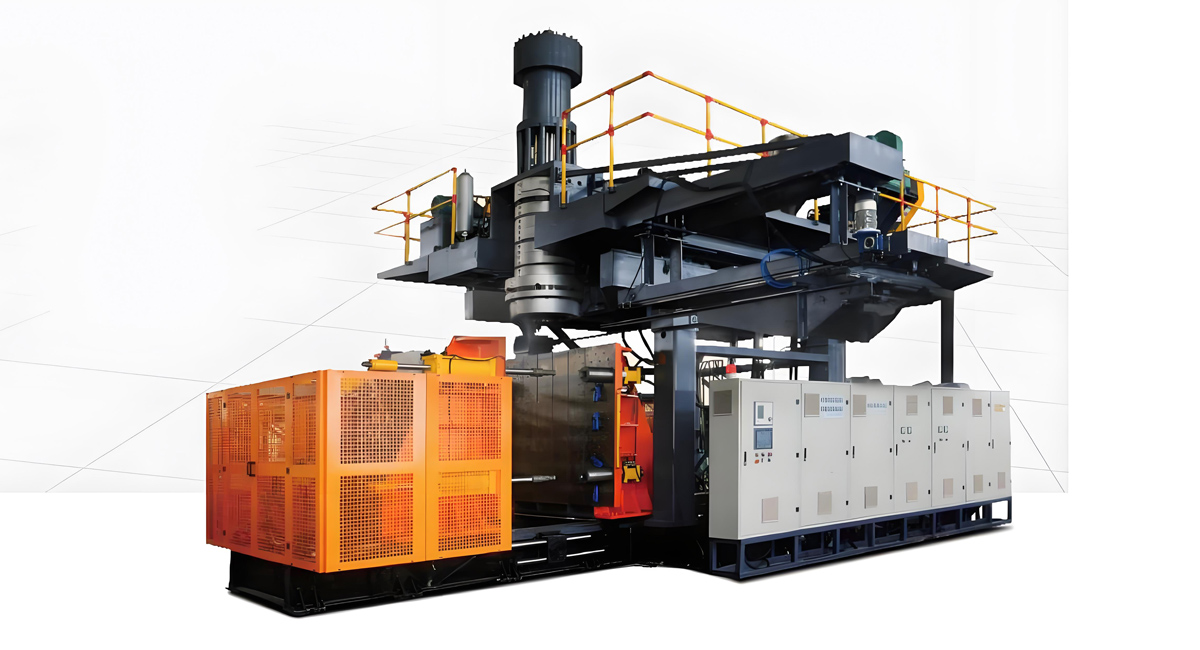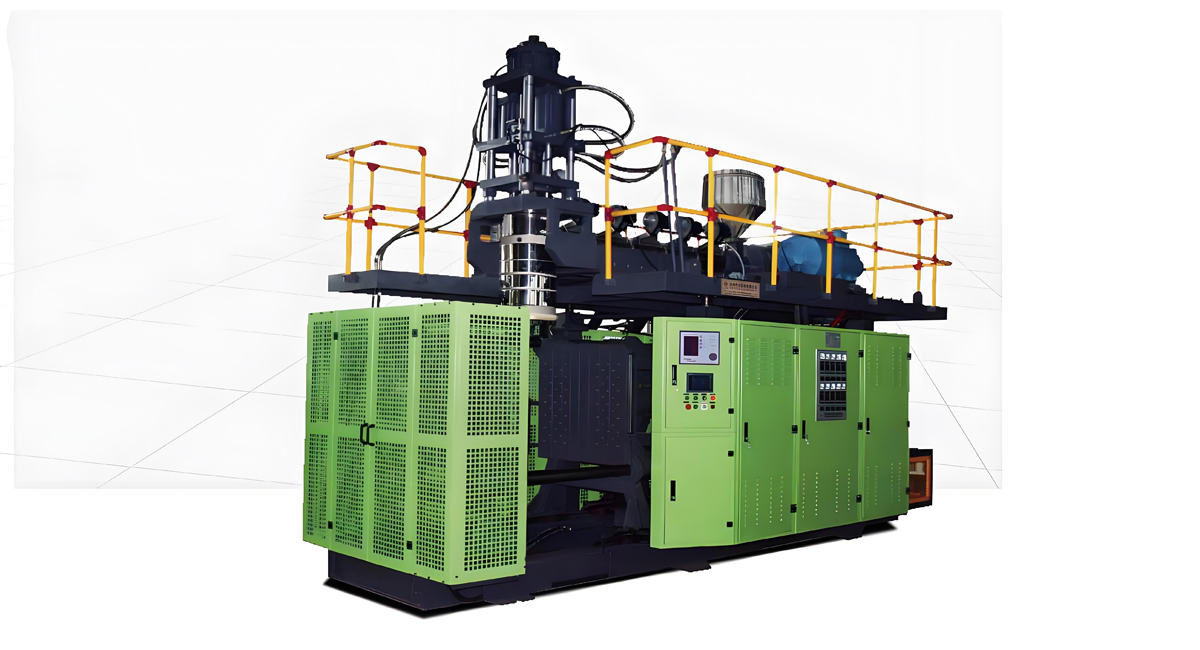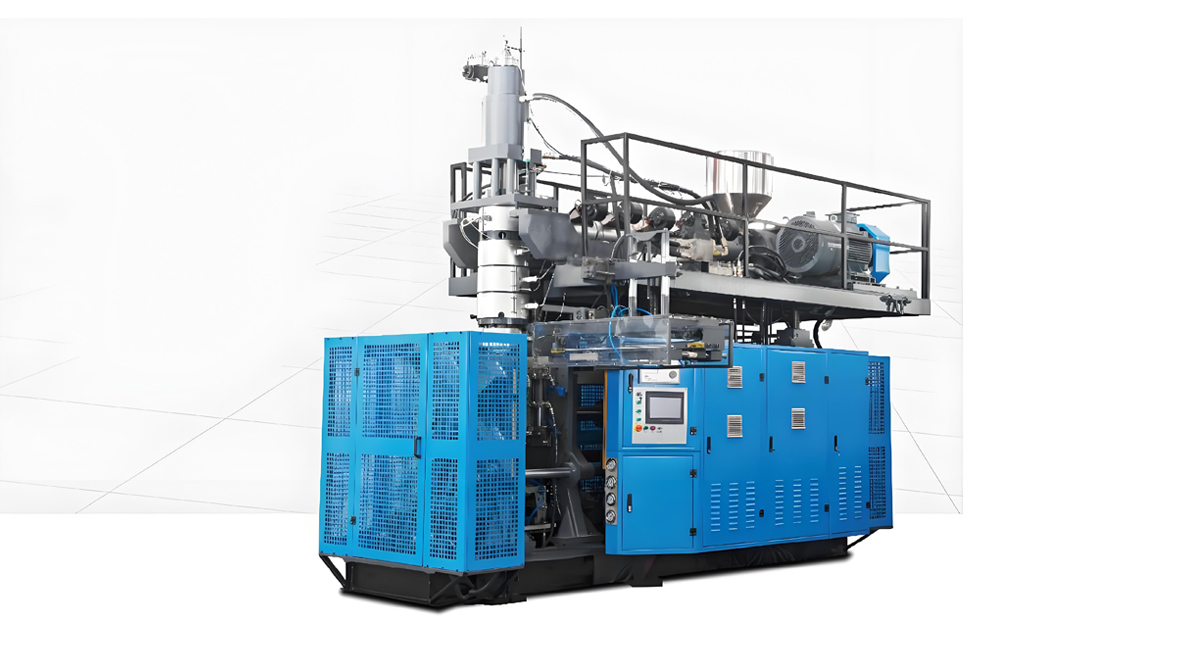

The global extrusion blow molding market is projected to reach USD 18.7 billion by 2031, growing at a CAGR of 6.8% from 2026, driven by rising demand for plastic packaging, industrial containers, and consumer products. As competition intensifies and operational costs continue to rise, manufacturers face increasing pressure to maximize production efficiency while maintaining product quality. A 10% improvement in machine efficiency can increase profitability by 15-20% for most blow molding operations, making efficiency optimization the single most impactful strategy for business success. As a leading global manufacturer of extrusion blow molding equipment with over 20 years of industry experience, Apollo has developed comprehensive optimization solutions that help manufacturers achieve industry-leading efficiency levels with their existing and new machines.
Extrusion blow molding efficiency encompasses multiple dimensions including production speed, energy consumption, material waste, downtime, and product quality consistency. Many manufacturers operate their machines at only 60-70% of their potential efficiency due to suboptimal process parameters, inadequate maintenance, outdated technology, and inefficient production practices. These inefficiencies result in higher production costs, missed delivery deadlines, and lost market opportunities. Implementing systematic optimization measures can unlock significant hidden capacity, reduce operating costs, and improve overall business performance without requiring large capital investments in new equipment.
This comprehensive guide provides a step-by-step framework for optimizing your extrusion blow molding machine for maximum efficiency. It covers everything from basic process parameter adjustments to advanced technology upgrades, with specific recommendations for Apollo extrusion blow molding machines. The guide includes detailed cost analysis and return on investment calculations for different optimization measures, real-world success stories from Apollo customers worldwide, and practical best practices for sustaining high efficiency over the long term. Whether you are operating an older Apollo AB-50S single-station machine or a high-speed AB-100H multi-station line, this guide will help you identify and implement the most effective optimization strategies for your specific operation.
1. Why Efficiency Matters in Extrusion Blow Molding
1.1 Rising Operational Cost Pressures
Extrusion blow molding operations face significant cost pressures from multiple sources. Raw material costs typically account for 60-70% of total production expenses, and even a 1% reduction in material waste can result in substantial annual savings. Energy costs represent another major expense, accounting for 10-30% of total production costs depending on machine type and operating conditions. Labor costs, maintenance expenses, and overhead costs also continue to rise, putting further pressure on profit margins. In this competitive environment, manufacturers who fail to optimize their efficiency will find it increasingly difficult to compete on price and maintain profitability.
Energy costs have been particularly volatile in recent years, with electricity prices increasing by 30-50% in many regions since 2020. Traditional hydraulic extrusion blow molding machines are energy-intensive, with hydraulic pumps operating continuously at full pressure even during idle periods. This results in significant energy waste, with up to 50% of the energy consumed by older machines being wasted as heat. Upgrading to servo-hydraulic or fully electric systems can reduce energy consumption by 30-70%, providing immediate and long-term cost savings.
1.2 The Impact of Efficiency on Profitability
The relationship between efficiency and profitability is direct and powerful. A 10% increase in production output with the same fixed costs can increase gross profit by 25-30%. Similarly, a 1% reduction in scrap rate can increase profitability by 5-10% for most operations. Efficiency improvements also enable manufacturers to take on additional orders without investing in new equipment, further increasing revenue and profitability.
For example, a typical Apollo AB-70D double-station machine producing 250ml plastic bottles at 2000 bottles per hour generates approximately $5,040,000 in annual revenue operating 24 hours a day, 300 days a year. A 10% improvement in efficiency would increase annual revenue by $504,000 while adding only minimal additional operating costs, resulting in a significant increase in gross profit. Even smaller improvements can have a substantial impact on the bottom line over time.
1.3 Competitive and Regulatory Drivers
In addition to cost pressures, manufacturers also face increasing competitive and regulatory drivers for efficiency improvement. Customers are demanding shorter lead times, higher quality, and lower prices, putting pressure on manufacturers to improve their production efficiency and flexibility. At the same time, environmental regulations are becoming increasingly strict, with many countries implementing energy efficiency standards and carbon emission reduction targets. Manufacturers who can demonstrate high energy efficiency and sustainable production practices gain a competitive advantage in the market and are better positioned to comply with future regulations.
2. Common Causes of Low Efficiency in Extrusion Blow Molding
2.1 Suboptimal Process Parameters
Suboptimal process parameters are the most common cause of low efficiency in extrusion blow molding operations. Many manufacturers run their machines with conservative parameter settings that were established during initial setup and never optimized for their specific products and materials. These settings often result in longer cycle times than necessary, higher energy consumption, and increased scrap rates.
Temperature control is particularly critical, with temperature-related scrap typically accounting for 30-50% of total scrap in extrusion blow molding operations. Incorrect temperature settings can lead to poor melt quality, inconsistent parison formation, and product defects such as wall thickness variations, blow holes, and surface imperfections. Even small temperature variations of ±5°C can significantly impact product quality and production efficiency.
2.2 Inadequate Equipment Maintenance
Inadequate equipment maintenance is another major cause of low efficiency. Many manufacturers operate their machines on a reactive maintenance basis, only performing repairs when a breakdown occurs. This approach results in frequent unplanned downtime, higher repair costs, and reduced machine performance over time. Worn components such as screws, barrels, heaters, and seals can reduce machine efficiency by 20-30% before they fail completely.
Preventive maintenance is far more cost-effective than reactive maintenance, with studies showing that every dollar spent on preventive maintenance saves $5-$10 in repair costs and downtime losses. A well-designed preventive maintenance program can reduce unplanned downtime by 60-80% and extend the service life of your machine by 5-10 years.
2.3 Inefficient Mold Design and Maintenance
Mold design and maintenance have a significant impact on production efficiency. Poorly designed molds with inadequate cooling systems can increase cycle times by 20-50% and result in inconsistent product quality. Inefficient cooling is particularly problematic, as the cooling phase typically accounts for 50-70% of the total cycle time in extrusion blow molding.
Mold wear and damage also reduce efficiency over time. Worn mold surfaces can cause surface defects in the product, while damaged cooling channels reduce cooling efficiency and increase cycle times. Poor mold alignment can result in flash formation, requiring additional trimming operations and increasing material waste. Regular mold maintenance and optimization are essential for maintaining high production efficiency.
2.4 Material Waste and Inefficient Material Handling
Material waste is a significant source of inefficiency in extrusion blow molding operations. Average scrap rates in the industry range from 3-8%, with some operations experiencing scrap rates as high as 15-20%. Material waste occurs at multiple stages of the production process, including startup and shutdown, color and material changes, defective products, and flash trimming.
Inefficient material handling practices also contribute to low efficiency. Poor material storage can lead to contamination and moisture absorption, resulting in product defects and increased scrap. Inconsistent material feeding can cause variations in melt quality and parison formation, leading to product quality issues and production downtime.
2.5 Outdated Technology and Low Automation Levels
Many manufacturers continue to operate older machines with outdated technology that is significantly less efficient than modern systems. Traditional hydraulic machines with fixed-speed pumps consume 30-40% more energy than modern servo-hydraulic machines. Low levels of automation also reduce efficiency, with manual operations requiring more labor and resulting in higher error rates and slower production speeds.
3. Step-by-Step Optimization Strategies for Maximum Efficiency
3.1 Precision Process Parameter Optimization
The first step in optimizing your extrusion blow molding machine is to fine-tune your process parameters for your specific products and materials. Start by conducting a comprehensive process audit to identify areas for improvement. Use the machine’s data logging capabilities to collect detailed information about current process parameters, production rates, scrap rates, and energy consumption.
Temperature optimization is critical for achieving high efficiency. Apollo extrusion blow molding machines feature 4-7 independent heating zones on the extruder barrel and additional zones on the die head. Optimize the temperature profile for each material you process, ensuring that the material is heated uniformly to the correct temperature without overheating. Use the minimum necessary temperature to achieve proper melting and flow, as higher temperatures require more energy and increase cooling time. Advanced temperature control systems from Apollo can maintain temperature within ±1°C of the setpoint, reducing temperature-related scrap by 40-60%.
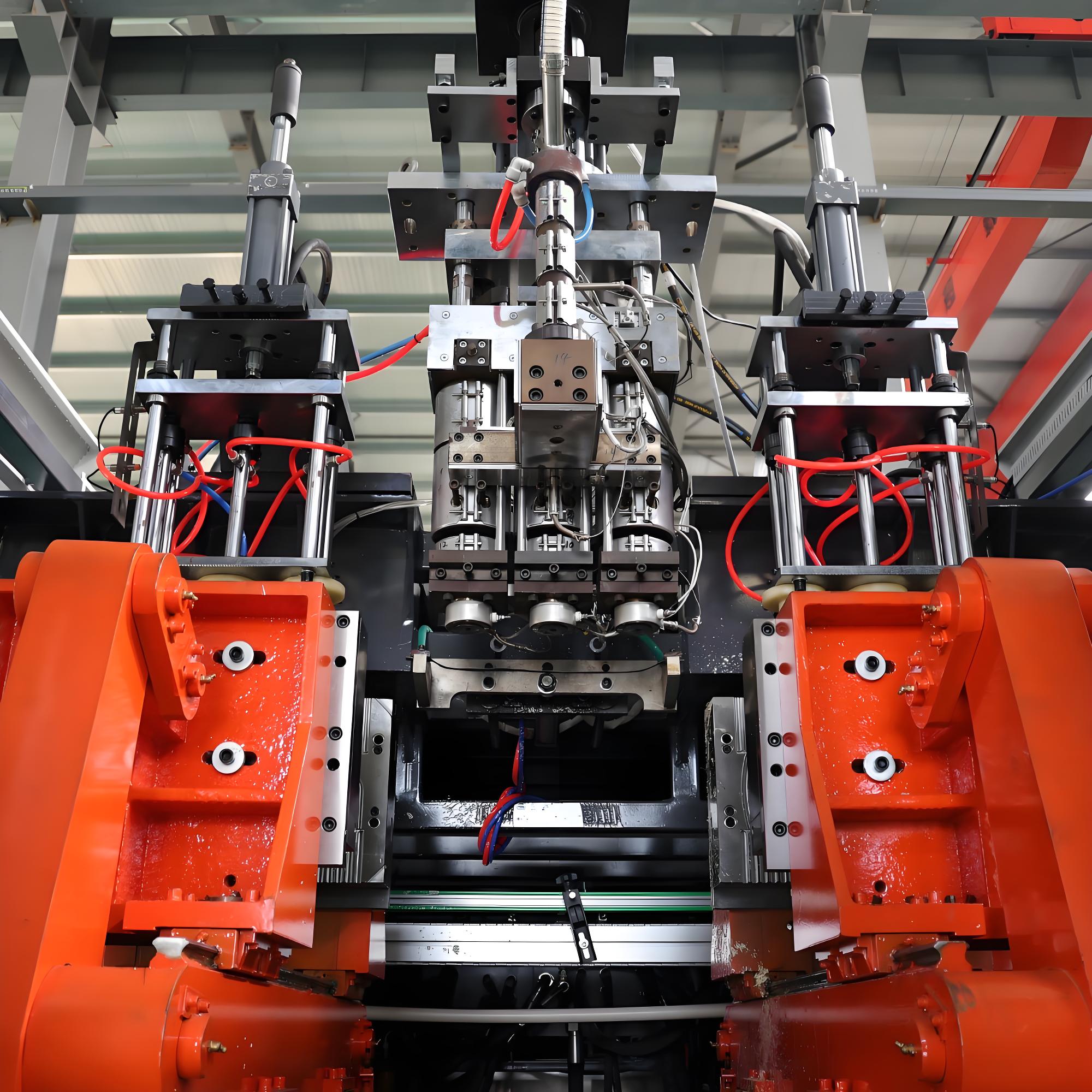
Next, optimize your parison programming to achieve uniform wall thickness distribution. Apollo machines feature advanced parison programming systems with up to 200 points of control, allowing you to precisely adjust the parison thickness along its length. Optimizing wall thickness not only improves product quality but also reduces material usage by 10-15% by eliminating unnecessary material in non-critical areas.
Cycle time optimization is another key area for efficiency improvement. The cooling phase is typically the longest part of the cycle, so focus on optimizing cooling time first. Reduce cooling time gradually while monitoring product quality to find the minimum cooling time that produces acceptable parts. Also optimize blow pressure and blow timing to ensure proper part formation with minimum cycle time. Increasing blow pressure from 0.6 MPa to 1.2 MPa can reduce cooling time by 10-17% by improving contact between the part and the mold surface.
3.2 Proactive Preventive Maintenance Program
Implementing a proactive preventive maintenance program is essential for sustaining high efficiency over the long term. Develop a detailed maintenance schedule based on the machine manufacturer’s recommendations and your specific operating conditions. The schedule should include daily, weekly, monthly, quarterly, and annual maintenance tasks.
Daily maintenance tasks should include checking machine temperatures, pressures, and lubrication levels, inspecting for leaks and unusual noises, and cleaning the machine and work area. Weekly tasks should include inspecting and cleaning filters, checking belt tensions, and verifying sensor calibration. Monthly tasks should include inspecting and tightening electrical connections, checking hydraulic fluid levels and condition, and inspecting mold components.
Quarterly and annual maintenance tasks are more comprehensive and should include inspecting and replacing worn components such as screws, barrels, heaters, seals, and bearings. Apollo provides comprehensive maintenance kits and technical support to help you perform these tasks efficiently. Regular calibration of temperature and pressure sensors is also important to ensure accurate process control. Calibrate sensors at least annually or whenever you notice process inconsistencies.
Keep detailed maintenance records to track component life, maintenance costs, and machine performance. This information will help you identify recurring issues, optimize maintenance intervals, and plan for future component replacements. Apollo machines feature advanced diagnostic systems that can alert you to potential maintenance issues before they cause downtime, further improving machine reliability and efficiency.
3.3 Mold Design Optimization and Maintenance
Mold optimization is one of the most effective ways to improve production efficiency. Start by evaluating your existing molds to identify opportunities for improvement. Focus on optimizing the cooling system first, as this has the greatest impact on cycle time. Ensure that cooling channels are properly sized, spaced, and located close to the mold surface (8-12mm is optimal) for maximum heat transfer. Use 3D conformal cooling channels for complex part geometries to achieve more uniform cooling and reduce cycle time by 20-30%.
Implement independent cooling circuits for different areas of the mold, such as the body, bottom, and handle, to allow for precise temperature control of each area. This ensures that all parts of the product cool at the same rate, reducing warpage and allowing for shorter overall cycle times. Use high-conductivity mold materials such as 7075 aluminum with beryllium copper inserts for critical areas to improve heat transfer and reduce cooling time by 30-50%.
Proper mold maintenance is also essential for maintaining efficiency. Clean mold surfaces and cooling channels regularly to remove residue and scale buildup, which can reduce cooling efficiency and cause surface defects. Inspect molds for wear, damage, and misalignment regularly and repair or replace worn components as needed. Implement a mold storage system that protects molds from damage and contamination when not in use.
Invest in quick mold change systems to reduce downtime between production runs. Apollo offers quick mold change options that can reduce changeover time from 2-4 hours to 30-60 minutes, significantly increasing machine utilization. For facilities experiencing 20 changeovers monthly, this improvement saves 40-60 hours of production time monthly, equivalent to 12,000-18,000 additional pieces at 300 pieces per hour.
3.4 Material Handling and Processing Optimization
Optimizing material handling and processing can significantly reduce material waste and improve production efficiency. Start by improving your material storage practices to prevent contamination and moisture absorption. Store materials in a clean, dry environment with controlled temperature and humidity. Use sealed containers for hygroscopic materials such as PET and nylon and ensure that they are properly dried before processing.
Implement a closed-loop material handling system to automate material transfer from storage to the extruder. This reduces labor requirements, minimizes material waste, and ensures consistent material feeding. Use gravimetric feeders for precise material dosing, which improves melt consistency and reduces material usage by ensuring that you use only the necessary amount of material for each part.
Optimize your use of regrind material to reduce raw material costs. Most extrusion blow molding operations can use up to 30% regrind without affecting product quality. Ensure that regrind is properly cleaned, sorted, and blended with virgin material in consistent proportions. Use a dedicated grinder for each material to prevent cross-contamination and maintain regrind quality.
Implement efficient purging procedures to reduce material waste during color and material changes. Use high-quality purging compounds designed for extrusion blow molding to clean the extruder and die head quickly and thoroughly. Apollo recommends a “fill-and-push” purging strategy for accumulator heads, which can reduce scrap and downtime by 60-80% compared to traditional purging methods. For light-to-dark color changes on HDPE, proper purging can reduce scrap from 400-800 kg to just 100 kg.
3.5 Automation and Digitalization Upgrades
Automation and digitalization upgrades can significantly improve production efficiency by reducing labor requirements, minimizing human error, and providing real-time data for process optimization. Start by implementing basic automation features such as automatic part removal, deflashing, and trimming. These operations are labor-intensive and prone to error when performed manually, and automating them can reduce labor costs by 30-50% and improve product consistency.
Invest in online quality monitoring systems to inspect each part as it is produced. These systems use high-resolution cameras and laser sensors to measure part dimensions, wall thickness, weight, and visual defects. Any parts that do not meet quality standards are automatically rejected from the production line. Online quality monitoring reduces the need for manual inspection, prevents defective parts from reaching customers, and provides real-time feedback on process performance. The investment in quality monitoring typically ranges from $15,000 to $75,000 depending on sophistication, but reducing scrap rates by just 1-2% can provide a return on investment within 6-12 months.
Implement a machine data collection and analysis system to monitor production performance in real time. Apollo machines feature advanced control systems with built-in data logging capabilities that can track production rates, scrap rates, energy consumption, and process parameters. Use this data to identify process inefficiencies, optimize production schedules, and make data-driven decisions about process improvements.
For large-scale production facilities, integrate your extrusion blow molding machines with your plant-wide MES and ERP systems for centralized production management and control. This allows you to track production performance across multiple machines, optimize inventory management, and improve overall supply chain efficiency.
3.6 Energy Efficiency Optimization
Energy efficiency optimization is one of the most impactful ways to reduce operating costs and improve profitability. The single most effective energy efficiency upgrade for older extrusion blow molding machines is replacing traditional AC induction motors with permanent magnet synchronous motors (PMSM) or servo motors. Servo motors adjust their speed and torque based on real-time demand, consuming power only when needed. During the cooling phase of the blow molding cycle, when the extruder is not pushing plastic, a servo motor can drop to near-zero power consumption. Apollo servo drive systems can reduce total energy consumption by 30-40% compared to standard machines, with a return on investment typically achieved within 12-18 months.
Upgrade your heating system to improve energy efficiency. Older machines use ceramic band heaters that lose significant heat to the environment. Modern nano-infrared heaters or cast aluminum heaters transfer heat more efficiently, reducing energy consumption by 15-25%. Add high-quality ceramic fiber insulation around the extruder barrel and die head to minimize heat loss. This can reduce surface temperature to near ambient, meaning the heaters cycle on less frequently and consume less energy. For a 100mm extruder, upgrading insulation and heaters can save 3-5 kW of power continuously.
Optimize your cooling system to reduce energy consumption. Use variable-speed chillers and pumps that adjust their speed based on cooling demand, saving up to 25% of energy compared to fixed-speed systems. Implement a closed-loop cooling system to maintain stable temperature control and reduce water waste. Recover waste heat from the extruder and hydraulic system to preheat raw materials or provide space heating, further reducing overall energy consumption.
Implement energy management practices to reduce unnecessary energy consumption. Turn off machines or put them in standby mode during breaks and extended downtime. Optimize production schedules to minimize machine idle time and changeovers. Train operators on energy-efficient operating practices and make energy efficiency a key performance indicator for your production team.
4. Apollo’s Efficiency-Focused Extrusion Blow Molding Solutions
Apollo offers a comprehensive range of extrusion blow molding machines designed for maximum efficiency and reliability. All Apollo machines incorporate advanced technologies that deliver industry-leading performance, low operating costs, and long service life. Whether you need a small single-station machine for low-volume production or a high-speed multi-station line for mass production, Apollo has the perfect solution for your efficiency needs.
4.1 Apollo AB-50S Single-Station Extrusion Blow Molding Machine
The Apollo AB-50S is our entry-level single-station extrusion blow molding machine, designed for small to medium-sized manufacturers who need a reliable, cost-effective solution for producing plastic containers from 50ml to 5L. Despite its compact size, the AB-50S incorporates many of the same efficiency features found in our larger machines.
The AB-50S features a high-efficiency 50mm extruder with an optimized barrier screw design that ensures excellent plasticization and homogenization while minimizing energy consumption. The machine is equipped with a servo-hydraulic clamping system that provides precise control over clamping force and mold movement, reducing energy consumption by 30% compared to traditional hydraulic systems. The advanced parison programming system with 100 points of control ensures uniform wall thickness distribution and minimizes material usage.
Efficiency Specifications and Price
The Apollo AB-50S has a production capacity of 500-1000 bottles per hour for 250ml containers, with energy consumption of approximately 12-15 kWh. The price of the AB-50S ranges from $45,000 to $65,000 FOB Shanghai, depending on configuration. Upgrading from an older non-servo machine to the AB-50S typically results in energy savings of $8,000-$12,000 per year and a 15-20% increase in production output, providing a return on investment within 12-18 months.
4.2 Apollo AB-70D Double-Station Extrusion Blow Molding Machine
The Apollo AB-70D is our most popular double-station extrusion blow molding machine, designed for medium to large-sized manufacturers who need higher production capacity and efficiency. This versatile machine is capable of producing single-layer and multi-layer plastic containers from 100ml to 20L, making it suitable for a wide range of applications including packaging, industrial containers, and consumer products.
The AB-70D features a 70mm main extruder and optional co-extruders for multi-layer production. The advanced servo-hydraulic system provides fast, precise mold movement with minimal energy consumption. The machine features a 200-point parison programming system, integrated online quality monitoring, and an intelligent automation and control system that ensures consistent production quality and maximum operational efficiency.
Efficiency Specifications and Price
The Apollo AB-70D has a production capacity of 1500-2500 bottles per hour for 250ml containers, with energy consumption of approximately 20-25 kWh. The price of the AB-70D ranges from $85,000 to $120,000 FOB Shanghai, depending on configuration. The AB-70D typically achieves overall equipment effectiveness (OEE) of 85-90%, compared to 60-70% for older machines, resulting in significantly higher production output and profitability.
4.3 Apollo AB-100H High-Speed Multi-Station Extrusion Blow Molding Machine
The Apollo AB-100H is our high-speed multi-station extrusion blow molding machine, designed for large-scale manufacturers who need maximum production capacity and efficiency. This state-of-the-art machine is capable of producing high volumes of plastic containers with consistent quality and minimum operating costs.
The AB-100H features a 100mm high-torque extruder with a servo drive system that provides precise speed control and maximum energy efficiency. The multi-station clamping system allows for simultaneous operation of multiple molds, significantly increasing production output. The machine incorporates the most advanced automation and control technologies available, including AI-assisted process optimization, predictive maintenance capabilities, and complete plant integration support.
Efficiency Specifications and Price
The Apollo AB-100H has a production capacity of 3000-6000 bottles per hour for 250ml containers, with energy consumption of approximately 30-35 kWh. The price of the AB-100H ranges from $180,000 to $280,000 FOB Shanghai, depending on configuration. Despite its higher initial investment, the AB-100H provides the lowest cost per unit produced of any machine in its class, with a typical return on investment within 6-9 months for high-volume production.
5. Cost Analysis and ROI of Efficiency Optimization
To demonstrate the financial benefits of efficiency optimization, we will conduct a detailed cost analysis and return on investment calculation for a typical Apollo AB-70D double-station extrusion blow molding machine. The analysis compares the performance of the machine before and after implementing the optimization strategies outlined in this guide.
5.1 Baseline Performance Before Optimization
We will use the following baseline performance data for a 5-year-old Apollo AB-70D machine producing 250ml HDPE bottles:
Production rate: 1800 bottles per hour
Operating hours: 7200 hours per year (24 hours/day, 300 days/year)
Annual production: 12,960,000 bottles
Scrap rate: 5%
Energy consumption: 32 kWh
Energy cost: $0.12 per kWh
Raw material cost: $0.18 per bottle
Labor cost: $150,000 per year (5 workers)
Maintenance cost: $25,000 per year
Overhead cost: $60,000 per year
Total Annual Operating Costs Before Optimization:
Raw material costs: $2,332,800 per year
Energy costs: $276,480 per year
Labor costs: $150,000 per year
Maintenance costs: $25,000 per year
Material waste: $116,640 per year
Overhead costs: $60,000 per year
Total: $2,960,920 per year
Cost per bottle: $0.2285
5.2 Performance After Optimization
After implementing the optimization strategies outlined in this guide, including process parameter optimization, preventive maintenance, mold cooling upgrades, servo drive upgrade, and basic automation, the machine achieves the following performance improvements:
Production rate: 2200 bottles per hour (22% increase)
Annual production: 15,840,000 bottles
Scrap rate: 1.5% (70% reduction)
Energy consumption: 20 kWh (37.5% reduction)
Labor cost: $90,000 per year (40% reduction, 3 workers)
Maintenance cost: $8,000 per year (68% reduction)
Total Annual Operating Costs After Optimization:
Raw material costs: $2,851,200 per year
Energy costs: $172,800 per year
Labor costs: $90,000 per year
Maintenance costs: $8,000 per year
Material waste: $42,768 per year
Overhead costs: $60,000 per year
Total: $3,224,768 per year
Cost per bottle: $0.2036
5.3 Return on Investment Calculation
The total cost of implementing the optimization measures is approximately $55,000, including the servo drive upgrade, mold cooling improvements, automation components, and consulting services.
Annual Financial Benefits:
Additional revenue from increased production: (15,840,000 – 12,960,000) x $0.35 = $1,008,000 per year
Cost savings from reduced energy consumption: $276,480 – $172,800 = $103,680 per year
Cost savings from reduced labor: $150,000 – $90,000 = $60,000 per year
Cost savings from reduced maintenance: $25,000 – $8,000 = $17,000 per year
Cost savings from reduced material waste: $116,640 – $42,768 = $73,872 per year
Total annual financial benefits: $1,262,552 per year
Return on Investment:
Payback Period: $55,000 ÷ $1,262,552 = 0.0436 years = 0.52 months
This exceptionally short payback period demonstrates that efficiency optimization is one of the most profitable investments a blow molding manufacturer can make. Even if the production increase is only half of what is projected, the payback period is still less than 2 months.
6. Real-World Success Stories of Apollo Efficiency Optimization
6.1 Case Study 1: Plastic Packaging Manufacturer in Mexico
Packaging Solutions de Mexico, a leading plastic packaging manufacturer based in Monterrey, Mexico, was operating three older non-servo extrusion blow molding machines producing 500ml PET bottles for the beverage industry. The company was facing increasing competition and rising energy costs, which were eroding their profit margins. They contacted Apollo to conduct an efficiency audit and recommend optimization measures.
Apollo’s technical team conducted a comprehensive audit of the company’s production operations and recommended a series of optimization measures including servo drive upgrades, mold cooling system improvements, process parameter optimization, and implementation of a preventive maintenance program. The company implemented all the recommended measures over a 3-month period.
Results after implementation:
Production output increased by 28% from 12,000 bottles per hour to 15,360 bottles per hour
Energy consumption reduced by 42%, saving over $120,000 per year in energy costs
Scrap rate reduced from 6.2% to 1.3%, saving over $280,000 per year in raw material costs
Maintenance costs reduced by 65%
Overall equipment effectiveness (OEE) increased from 62% to 89%
Payback period: 4.8 months
The company was extremely satisfied with the results and has since purchased two new Apollo AB-100H high-speed machines to expand their production capacity.
6.2 Case Study 2: Industrial Container Manufacturer in Germany
Industrial Container GmbH, a manufacturer of HDPE industrial containers based in Hamburg, Germany, was operating a 10-year-old Apollo AB-70D machine producing 20L chemical containers. The company was experiencing increasing downtime and rising maintenance costs with their older machine, and they were considering replacing it with a new machine. Apollo’s technical team conducted an efficiency audit and recommended a comprehensive upgrade package instead of replacement.
The upgrade package included a new servo-hydraulic system, advanced control system, upgraded extruder screw and barrel, and mold cooling system improvements. The total cost of the upgrade was $45,000, compared to $100,000 for a new machine of similar capacity.
Results after implementation:
Production output increased by 22% from 120 containers per hour to 146 containers per hour
Energy consumption reduced by 38%, saving over €35,000 per year in energy costs
Scrap rate reduced from 5.8% to 1.1%, saving over €180,000 per year in raw material costs
Unplanned downtime reduced by 82%
Machine service life extended by an estimated 8-10 years
Payback period: 2.1 months
The company was able to achieve better performance than a new machine at less than half the cost, demonstrating the value of optimizing existing equipment.
6.3 Case Study 3: Consumer Products Manufacturer in Thailand
Thai Consumer Products Co., Ltd., a manufacturer of plastic consumer products based in Bangkok, Thailand, was operating six extrusion blow molding machines from various manufacturers producing a wide range of plastic bottles and containers. The company was experiencing inconsistent product quality, high scrap rates, and low production efficiency across their entire production facility.
Apollo was contracted to provide a comprehensive efficiency optimization program for the entire facility. The program included process parameter optimization for all machines, implementation of a plant-wide preventive maintenance program, mold optimization, training for operators and maintenance personnel, and implementation of a production data management system.
Results after implementation:
Overall plant production output increased by 32%
Average scrap rate reduced from 7.3% to 1.4%
Total plant energy consumption reduced by 29%
Labor productivity increased by 45%
Overall equipment effectiveness (OEE) increased from 58% to 87%
Total annual savings: over $2.3 million
Payback period: 3.7 months
The company has since standardized on Apollo extrusion blow molding machines for all their new equipment purchases.
7. Sustaining High Efficiency Over the Long Term
Achieving high efficiency is only the first step; sustaining it over the long term requires ongoing commitment and continuous improvement. Implement the following best practices to ensure that your extrusion blow molding operation maintains maximum efficiency for years to come.
7.1 Continuous Training and Skill Development
Your operators and maintenance personnel are your most valuable asset in sustaining high efficiency. Invest in continuous training and skill development to ensure that your team has the knowledge and skills to operate and maintain your machines at peak performance. Provide regular training on process optimization, preventive maintenance, troubleshooting, and safety procedures.
Apollo offers comprehensive training programs for operators and maintenance personnel at our manufacturing facility or at your site. Our training programs cover all aspects of machine operation, maintenance, and optimization, and are tailored to your specific machines and production requirements.
7.2 Data-Driven Continuous Improvement
Implement a data-driven continuous improvement program to identify and eliminate inefficiencies on an ongoing basis. Use your machine’s data logging capabilities to collect detailed production data and analyze it regularly to identify trends and areas for improvement. Establish key performance indicators (KPIs) for production efficiency, scrap rate, energy consumption, and downtime, and track them regularly.
Hold regular production meetings to review performance data, discuss issues, and implement improvement measures. Encourage your team to suggest ideas for improving efficiency and reward successful implementations. This creates a culture of continuous improvement where everyone is focused on maximizing efficiency and productivity.
7.3 Regular Efficiency Audits
Conduct regular efficiency audits of your production operation to identify new opportunities for improvement. An efficiency audit should include a comprehensive review of process parameters, machine performance, maintenance practices, material handling procedures, and energy consumption. Compare your performance to industry benchmarks to identify areas where you are underperforming.
Apollo offers professional efficiency audit services conducted by our experienced technical team. Our audits provide a detailed assessment of your current performance, identify specific opportunities for improvement, and provide a prioritized action plan with estimated costs and return on investment for each measure.
7.4 Stay Current with Technology Advancements
The extrusion blow molding industry is constantly evolving, with new technologies and innovations being developed continuously. Stay current with the latest technology advancements and evaluate how they can improve your operation’s efficiency. Consider regular technology upgrades to your existing machines to take advantage of new efficiency features.
Apollo continuously invests in research and development to improve the efficiency and performance of our machines. We offer a range of upgrade kits for older Apollo machines that allow you to incorporate the latest technology without purchasing a new machine. These upgrade kits typically provide a return on investment within 6-18 months.
8. Conclusion
Optimizing your extrusion blow molding machine for high efficiency is one of the most impactful strategies for improving profitability and competitiveness in today’s market. By implementing the systematic optimization strategies outlined in this guide, you can significantly increase production output, reduce operating costs, minimize material waste, and improve product quality. The financial benefits of efficiency optimization are substantial, with most measures providing a return on investment in less than 6 months.
Apollo is committed to helping our customers achieve maximum efficiency with their extrusion blow molding operations. Our comprehensive range of high-efficiency machines, optimization services, and technical support ensures that you have the tools and expertise you need to succeed. Whether you are operating an older machine or investing in new equipment, Apollo has the solutions to help you achieve industry-leading efficiency levels.
Start your efficiency optimization journey today by conducting a comprehensive audit of your current operation. Identify the areas with the greatest potential for improvement and implement the appropriate optimization measures. Even small improvements can have a significant impact on your bottom line over time. With Apollo as your partner, you can transform your extrusion blow molding operation into a highly efficient, profitable, and sustainable business.