
لماذا تحتاج الصناعات المتخصصة إلى الصب المنفصل حسب الطلب.
لا تنجح الصناعات الناشئة المعيّنة غالباً بمفردها على أساس آلات معيارية. عندما يجب على الحاوية أن تلبي توجيهات صارمة في مجال الامان الغذائية، أو التخلص من الأشياء الخطرة من خلال جولة تساقط، أو تحمل درجة التوتر التي تتغير مع درجة حرارة المناخ، يتم ملء الفجوة بين المعدة القياسية ونظرة الإنتاج المصوّبة بواسطة الهندسة، لا بمزيد من القطع في كتالوج. представляة التقطيع هو القانون الذي يتم من خلاله تكييف القلاف والغاز ومولد التلقمان وسجل المقصوصة وإعدادات الآلات المنحدرة مع حاوية معيّنة وبمواد معيّنة على أرضية معيّنة. بالنسبة لبائعي المنتجات الفريدة، هذه المهن التي تحدد ما إذا كان المشروع سيصل إلى مستوى الإنتاج التجاري أو سيتوقف في مرحلة التجريب.
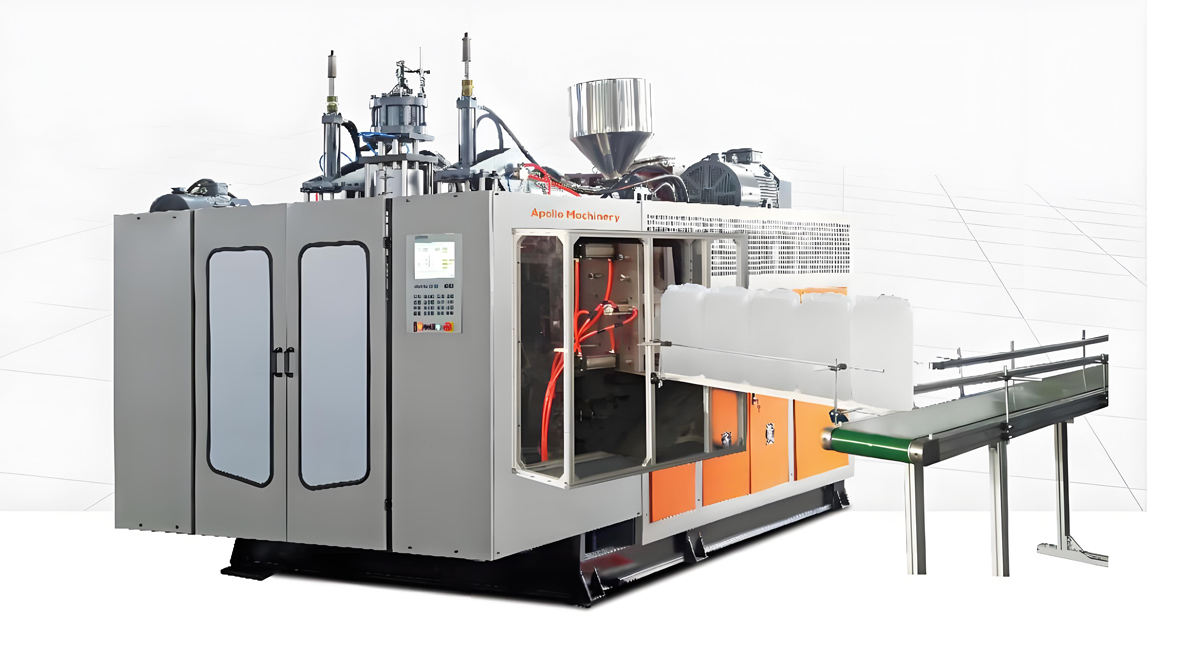
تعد شركة Apollo، التابعة لمصنع Wanplas، قد spendت أكثر من عشرين عاما في بناء آلات البلاط المصنوعة بالسلخ حقليها بمهلة ذاتية في مدينة تشانغجيانغ، قرب مدينة شانغهاي، وهي تشغلي الآن أكثر من 4000 مجموعة في قطاع الخدمة في أكثر من 90 دولة. وباعتبارها مصنع تابع لـ Wanplas، تستند شركة Apollo على معايير الجودة المشتركة للمجموعة، والسياسة الخاصة بالمجموعة في تقديم قطع الغيار المجانية بقيمة 500 دولار أمريكي سنويًا، وثقافة الهندسة المركزية التي تلخصها مهمة Wanplas المتمثلة في إغاثة العملاء العالميين بالمعدات البلاستيكية الصينية. ويهدف هذا المقال إلى عرض كيفية توجيه تلك القدرات الهندسية إلى منتجات معزولة خاصة بـ الصناعات: خاصية الكانتين التي لا يمكن لأي آلات هيدرولية تقليدية ولا أي وحدات مستوردة متوسطة المستوى أن تصنعها بصورة جيدة.
سنخوض التطبيقات الخاصة التي تتطلب معدات مخصصة، وأشكال الآلات الثلاث التي طورتها شركة Apollo لها – سلسلة ABLB الهيدروليكية، وسلسلة رئيس التجصيص ABLD، والسلسلة الكهربائية بالكامل – هياكل المواد والطبقة التي تلبي اشتراطات الجودة، بالإضافة إلى طريقة اختيار ملموسة تربط استهداف المنتج بنموذج حقيقي. بحلول النهاية، سيصبح المشتري قادرًا على تحديد الماكينة الأساسية المناسبة وفهم التفاصيل الدقيقة التي تحول هذه الماكينة من آلة إلى نظام إنتاج.
التطبيقات المستحيلة وأطلبها من الحاويات
تتميز الحاويات المخصصة بالتشكيل بالضغط بأن الحاوية عبارة عن مكون وظيفي للمنتج، وليس مجرد عبوة. يجب أن تقوم الجدران بالعمل – مثل منع دخول الأكسجين أو مقاومة المذيبات أو تحمل التعقيم أو تحمل الإضافات المستعملة في المحروقات. والحقائب التالية هي ستة فئات نموذجية وما تتطلبه من سلسلة التشكيل بالضغط وتطويل القوالب.
عبوات محلول IV الطبية.
زجاجات محلول الأدوية الحق內ية تتطلب توزيع معتدل لسمك الجدران ومعدل قابلية للاستخراج منخفضة وشكل مؤتمت مع التعبئة المعقمة. يكون المادن عادة من مادة الـ PVC أو البولي إيثيلين من الدرجة الطبية، وتتم المعالجة في ظل ظروف محددة وموثقة. يتم قياس المخرج في مئات الزجاجات في الساعة لكل فتحة، ويجب أن يحمل الجهاز وزن المسودات داخل نطاق ضيق بحيث يظل حجم التعبئة موحدًا. مراجع الامتثال ذات الصلة هي FDA 21 CFR المتعلقة بالاتصال بعلاجات الأغذية، و EU 10/2011 المتعلقة بالوصول إلى سوق أوروبا، و ISO 9001 بوصفها بمثابة الأساس للنظام الجودة.
طبالات الزيوت الأكل عالية الجودة.
يجب أن تتحمل حاويات الزيوت القابلة للأكل من بضعة ليترات وحتى برميل التسليم البريحي، تحمل انتقال الزيت، وتمنعáculo التعفن الناجم عن الضوء في الأصناف الشفافة، وتتمكن من الصمود أمام تكدس المنتجات ونقلها على منصات النقل. تُعد البولي ايثيليين عالي الكثافة المادةdominant المستخدمة، وغالبًا ما تتواجد بها طبقة حافزة أو حامية ضد الضوء. ويركز التحكم في التصنيع على دقة سماكة الجدران لتجنب المناطق الرقيقة حول المقابض والحواف. ويعد GB 4806 المعيار الصيني المتعلق بالاعتماد على الاستخدام في مجال الواردات الغذائية، ومعتمد على هذه الفئة.
براميل معالجة كيميائية معتمدة حسب مواصفات المنظمة العالمية للأNOT.
المواد الكيميائية التي تنقل كسلع خطرة تتطلب براميل مصدقة من قبل الأمم المتحدة تتحمل اختبارات الحطام واليتيمة والحفاظ على انعدام التسرب. وعادة ما تكون هذه الحاويات بسعة تتراوح من 20 لترا إلى 1500 لتر مصنوعة من البولي إيثيلين عالي الكثافة، وأنتجت على آلات تستخدم رأس الإحفظ الذي يُبني باريونًا ثقيلًا ويملأ قالبًا كبيرًا سميك الجدران بسرعة. يجب أن تتمتع الحاوية بمقاومة الصدمات ومقاومة المواد الكيميائية، ويجب أن يكون عملية الإنتاج قابلة للتكرار بما يكفي لدعم شهادة الدورات.
جرات مكياج واسعة الفم.
تعتبر عبوات الكريمات الملائمة لأصالتها الجودة وعملتها صغيرة إلى متوسطة، كما أن الجماليات ذات أهمية حاسمة، وكثير من الصيغ تتطلب حاجزًا ضد فقدان الروائح أو التعرض للتآكل. تصبح الآلات الكهربائية بالكامل جذابة هنا، لأن غياب الزيت الهيدروليكي يُزال من مسارات التلوث، في حين أن السيطرة اليدوية الضيقة تعطي هندسة رقبة متسقة.
خزانات السوائل المصممة للسيارات.
تتطلب حاويات غسيل السيارات، ووقود السيارات، وخزانات السوائل الصغيرة أشكال معقدة، وفواصل متكاملة أو تدريبات، ومقاومة للوقود، والأرواس، واستجابة لتقلبات درجات الحرارة. هذه الأجزاء غالبا ما تكون متعددة الطبقات للجمع بين هيكل خارجي مع كومة مقاومة للوقود أو حائط حاجز للعاب. يجب أن تتعامل برمجة القالب والمرشح مع هندسة غير متماثلة ومتطلبات سمك الجدران المحلية.
حاويات متخصصة من ثلاث طبقات
تستند الحاويات الخاصة ذات الطبقات الثلاثة والطبقة المتعددة إلى قلب معدني إعادة تدوير أو يركز على التحكم في التكلفة مع أغلفة خارجية وداخلية وظيفية. تكمن القيمة في استبدال المواد وباءت الأداء دون تغيير السطح المرئي أو الساتعي. وتعد رؤوس الطلى المتجميع ومفتاح التحكم في التكون أكثر التقنيات التي ترتكز على الحدود بين الآلات القياسية وبنيات التخصيص الحقيقية.
| التطبيق المتطور. | حجم الاعتيادي | مجموعة التوصية. | نمط الأنشودا | 20:1 – 24:1. | المعيار الرئيسي |
|---|---|---|---|---|---|
| عبوات الحلول IV. | 200 مل - 1 لتر. | كهربائي بالكامل/ABLD. | كهربائي بالكامل Series | 1 – 2 | إدارة وزارة الصحة والخدمات الإنسانية، 21 CFR، 10 مس 2011 من الاتحاد الأوروبي. |
| براميل الزيت القابلة للأكل. | 1 لتر – 25 لتر | 1- ABLB. 2- يجب على حاويات الزيوت الطهي من أجزاء قليلة من اللترات إلى براميل الجملة أن تتحمل تحرّكات الزيت، وتمنع التشكل الملون الخطير الناتج عن الأشعة فوق البنفسجية في الدرجات الشفافة، وأن تظل صالحة بالنسبة للمحابس والنقل بالبلاط. يُستخدم البولي إيثيلين عالي الكثافة كرازٍ رئيسي، وغالبًا ما ينشأ على سطحه بالاثني عشر بطبقة غ командир باهر أو مانعة للأشعة. يتم التركيز في عملية التحكم على سمك الجدار المتساوي لتجنّب المناطق الرفيعة عند الفك الأساس. ويشمل المعيار الصيني GB 4806 هذا المجال من الجودة. | منظمة الطيران المدني العربية (البيئات البحرية) 55 | 1 – 3 طبقات. | GB 4806، EU 10/2011 |
| طبليات المواد الكيميائية التابعة للأمم المتحدة. | 20 لترًا - 1500 لتر. | رأس الاحتياطي (ABLD). | ABLD 80 | 1 – 3 طبقات. | اعتماد الأمم المتحدة على البضائع الخطرة |
| جارب مستحضرات التجميل العريضة الفم. | 200 مل - 2 لتر. | كهربائي بالكامل | كهربائي بالكامل Series | 1 – 2 | إدارة وزارة الصحة والخدمات الإنسانية، 21 CFR، 10 مس 2011 من الاتحاد الأوروبي. |
| خزانات سوائل السيارات | 0.5 لتر- 20 لتر. | ABLB / ABLD | 7. طاولات الاستراتيجية عبر العائلات الثلاث. | 2 - 3 + | معيار OEM. |
| حاويات خاصة من ثلاث طبقات. | 200 مل – 20 لتر. | ABLB (co-extrusion) | منظمة الطيران المدني العربية (البيئات البحرية) 55 | 3 | ISO 9001 |
عائلات الآلات لدى Apollo للإنتاج المستقل.
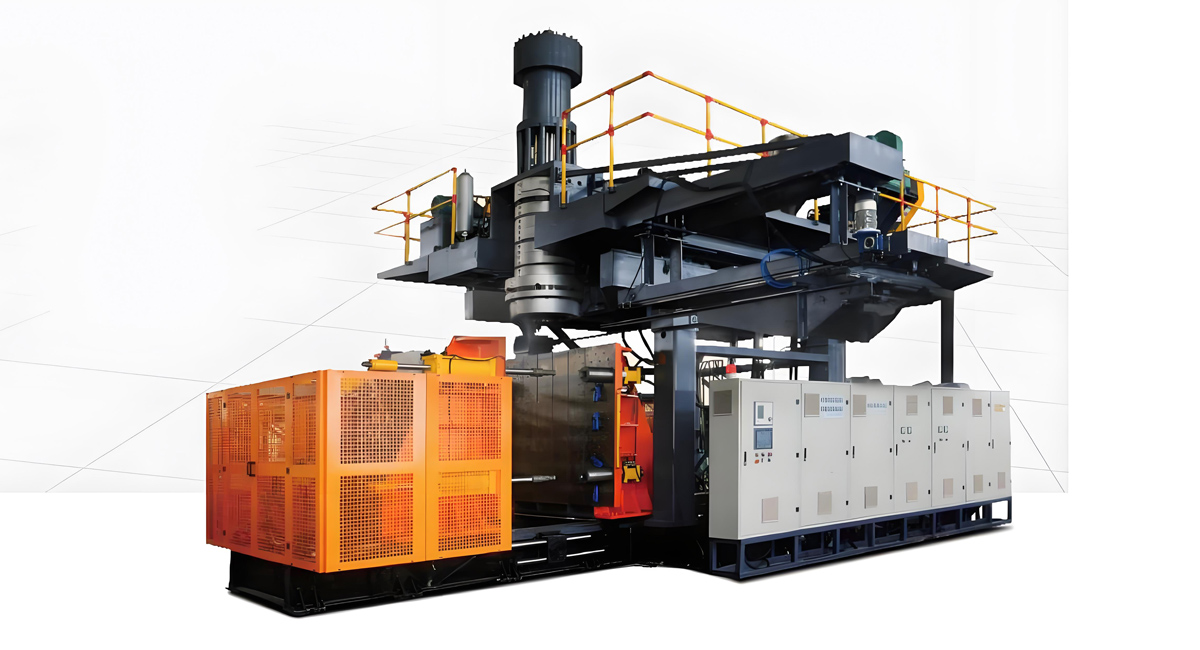
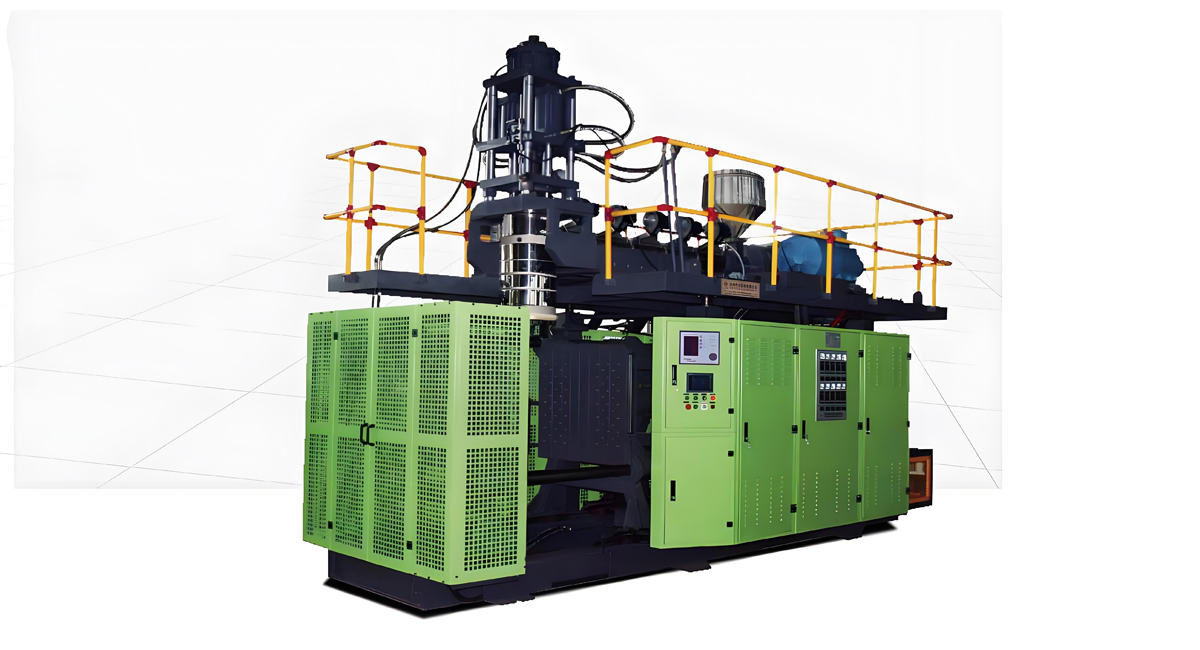
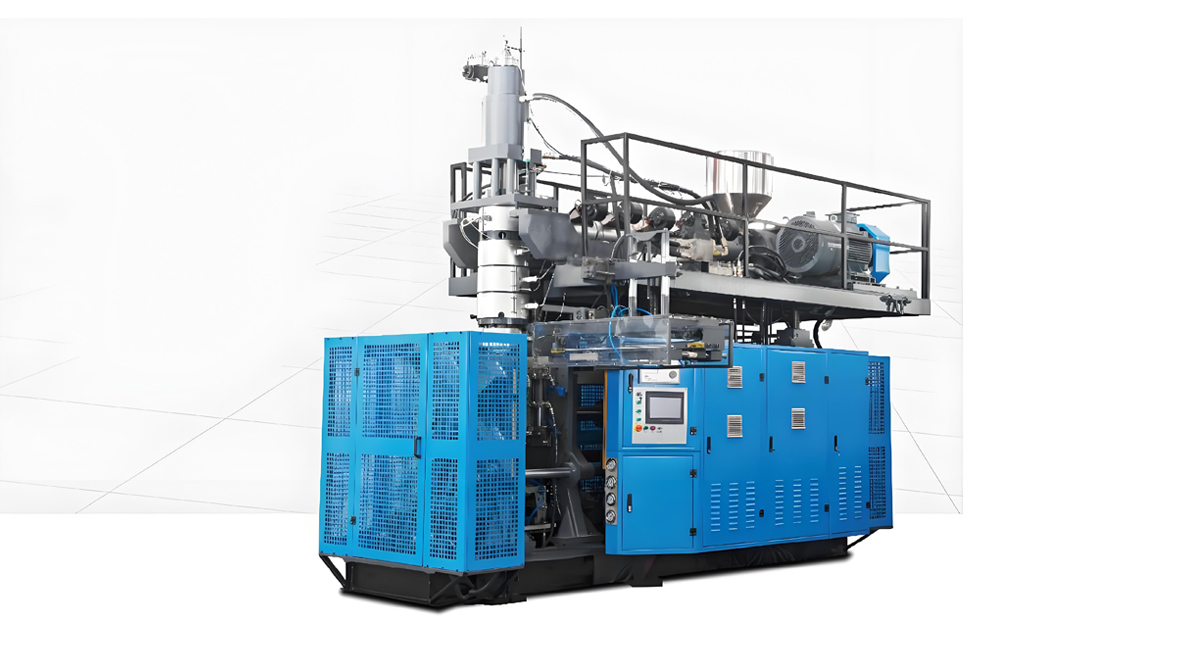
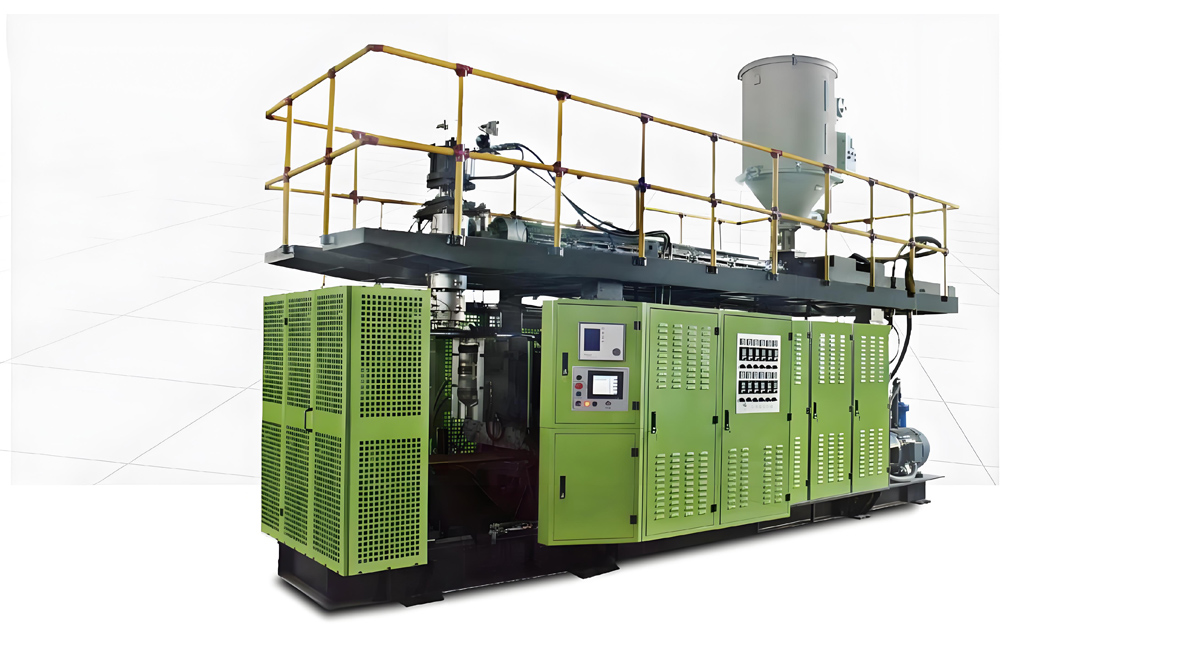
تجمع"أبولو"برنامج الضغط والتشكيل بالدفق حول ثلاث عائلات آلات، يتم من كل منها اختيار الجزء المناسب للأبعاد والأداء. يغطي برنامج ABLB مزيج الأخشاب قدره 200 مل- 20 لترا في إطار صلب أرضي ورأس إنتاج متواصل. ويغطي برنامج ABLD مزيج القوارير بين 20- 1500 لتر، ويستخدم رأس امتصاصي يقوم بتخزين المادة السائلة وإخراج شحنة كبيرة في عيار واحد، وهو أمر أساسي للأجزاء ذات الجدران السميكة. ويغطي البرنامج الكهربائي الكامل؛ مزيج القوارير تتراوح من 200 مل إلى 20 لتر، حيث يتم التحكم في هذه المسارات بواسطة أجهزة التحكم الآلي ولا توجد أي نظام هيدروليكي، وهو محرك نظيف ودقيق لإنتاج القوارير الصغيرة.
والقاعدة العامة هي أن كل خط إنتاج يتم بناؤه على أساس منصة يمكن التكويد عليها. ويمكن للجهاز الأساسي نفسه أن يتلقى رأس صب مختلف أو عدد محطات القالب مختلف أو تكوين طبقة مختلف أو دمج لإخراج المادة واختبار التسرب مختلف، وذلك اعتمادًا على مجال التطبيق. وهذا هو تفكير المنصة الذي يتيح أن يصبح النموذج القياسي حلًا مخصصًا دون إعادة هندسة الخط بأكمله من البداية.
ماذا يعني مصطلح "ملاءم" على منصة قياسية؟
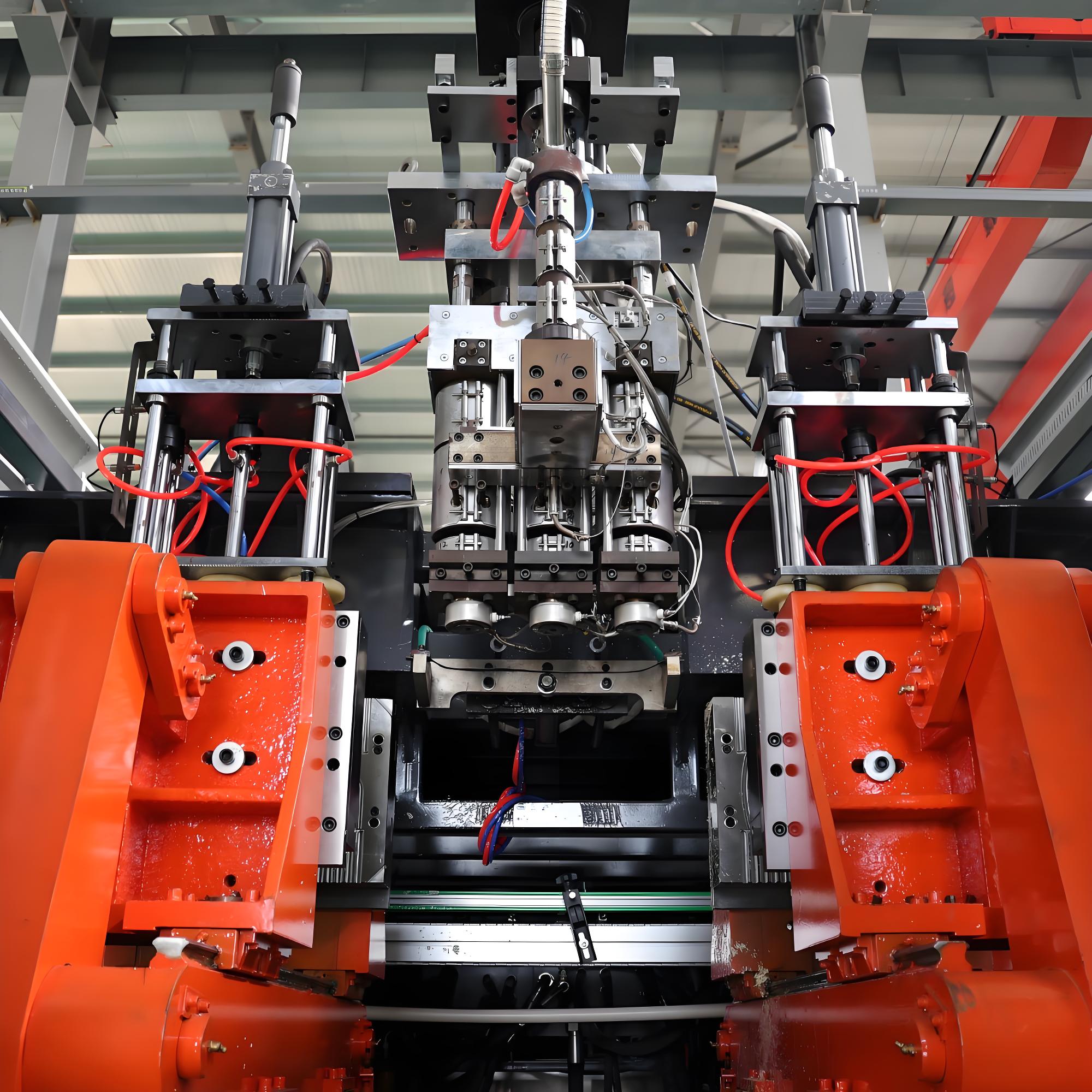
يتم تخصيص النظام في شركة Apollo على عدّة محاور. يمكن أن يكون رأس قالب واحد أو متعدد المركبات، مستوائياً أو بعجل، ويمكن أن يكون العفن إما احادي الحفرة أو متعدد الحفارات، مع تسمية داخل العفن أو بدونها، أو بدهان بالأنابيب أو مشغَّل. يمكن ضبط آلة تفريغ المحركٍ من حيث قطر المعصم ونسبة L/D وتصميم المسمار الحواجز لمادة oligostyrene معينة. يمكن لنظام التحكم تخزين وصفة الإنتاج لكل منتج، ويمكن للوحدات downstream إضافة تخفيف الشارة، واختبار التسرب، ومعالجة السطح، وتحميل المنتجات على الحاويات. وبالتالي، فإن الحل المخصص عبارة عن تكوين مجمَّع، تمت تصنيفه بأنه نظام كامل، بدلاً من النموذج الأصلي.
استراتيجية المنصة على مستوى العائلات الثلاثة.
طريقة مفيدة لعرض القائمة هي بأنها ثلاثة منصات متداخلة بدلاً من ثلاثة أجهزة منفصلة. يشترك موديل ABLB والموديل volledig elektrische في نطاق الحمولة من 200 ملilter إلى 20 لتر، لذلك يمكن للمنتج وضع خط ABLB الهيدروليكي لحجم الإنتاج ذي الكلفة المنخفضة وخط volledig elektrische للأشكال المتكررة الدقيقّة الخالية من العوالق، دون إعادة تعلم المنصّة. يشكّل موديل ABLD سلسلة تضم نفس منطق القياسة بالهيدروليك في نطاق الحمولة من 20 لتر إلى 1500 لتر باستخدام رأس إلكتروميكانيكي، ليتمكن صانع المواد من نقل المعرفة حول طريقة سلوك النموذج والتصميم الطبنجي إلى حجم الأجزاء الأكبر. هذا التجانس يقلل من عبء التكوين ومستوى أمامية قطع الغيار، لأن لغة التصميم – رأس القالب ونموذج كيماوي محطة التصنيع ومزلقات القفل – تسير باستمرار، إلى أن تزداد أحجام المنتجات بمقدارbilanario magnitudinis.
ABLB 55 – دقّة الهيدروليك في الحاويات ذات الحمولة المتوسطة
سلسلة ABLB تمنح Apollo مقاول الحصري لها المنصّة الهيدروليكية للحاويات التي تتراوح مقاسها من 200 مل إلى 20 جالون، ومن بينها، يُعتبر موديل ABLB 55 عقد النموذج متوسط في تلك السلسلة التي يتمّ تركيبها حول أسطوانة مقاس 55 ملم. يتكوّن من زجاجات زيوت عذبّة وحاويات التنظيف وحشوات مواد كيميائية صغيرة حيث يقوم التصميم المستمر من حيث التقطيع والتسقيط بلحام متسم بالثبات عند مستوى استثمار معقول. كما أنّ موديل ABLB 55 هو النموذج الأكثر شيوعاً في هذا النطاق من 1 جالون إلى 5 جالون في تركيبات شرائح التقطيع المتداخلة التي تقوم من خلالها هذا الموديل بدور المقاول الأساسي للحاويات الفريدة من نوعها ثلاثية الشرائح.
في هيكل التصميم النموذجي، يُشغل موديل ABLB 55 رأس التقطيع المستمر مع منقي نوع أساسي واحد أو منقيين, ويعمل مع مادة عالية الكثافة من البولي إيثلين أو البولي بروبيلين، ويحافظ على منقي توازن النوع حتى خلال التحكم في درجة الحرارة من الرئة والباب. بسبب مشاركة الأسرة في نطاق من 200 مل إلى 20 جالون، يمكن للعميل اعتماد على واحدة من المنصات ضمن نطاق من عدة صنوف المنتجات، مع تغيير تصميمات الحاويات فقط ومكونات سعة الإنتاج بين الجولات.
| المعلمة | ABLB 55 (representative) | مجموعة سلسلة ABLB |
|---|---|---|
| حجم الحاوية. | 2 ل- 3 ل نموذجي. | 200 مل – 20 لتر. |
| قطر البريمة | 55 ملم | 50-80 مم. |
| نسبة L / D | 22:1 | 18:1 – 22:1. |
| نوع الرأس | تقطيع مستمر | مستمر/منفوش |
| عدد الطبقات. | 1 – 3 طبقات. | 1 – 3+ |
| قوة الإغلاق | 90 kN | 60 – 200 kN |
| الإخراج (إحـدى البولي ايثيلين ذات الكثافة العالية) | ما يصل إلى 320 BPH لكل مجموعة لآليات الجلب | يختلف باختلاف العفن. |
| المواد القابلة للتجهيز | أبلب 55/أبلد | البوليثين، البولي بروبلين، البولي كلوريد الفينيل، البوليامين، البولي كربونات، ABS، البوليستين، EVA، TPU، PETG |
بالنسبة لمنتجي الماركات الصغيرة، يوفر صنبور ABLB 55 مدخلًا متوازنًا إلى عملية صب البلاستيك بالنفخ حسب الطلب: قدرة كافية على التثبيت والسحب (التصنيع) لمعظم عبوات المواد الكيميائية اليومية والعبوات الغذائية، مع إمكانية ترقية واضحة إلى رؤوس التغذية والتراكبات متعددة الطبقات عندما تتطور خط الانتاج. تقدم شركة Apollo خيارات تخصيص القالب وتخصيص التيار الكهربائي في هذه السلسلة، لذا تتوافر الآلة مهيّأة ومتوافقة مع مصدر الطاقة المحلي وجملة قياسات العبوات المحددة.
آلات ABLD 80 – آلات الرأس التسليحي الحاوية للعمل على الحاويات الكبيرة
عائلة ABLD تلتقي النقطتين المتعدّدتين في نطاق المقاسات، الحاويات التي تتراوح مقاسها من 20 جالون إلى 1500 جالون، بما في ذلك برمودات المواد الكيميائية المعترف بها من قبل مرجعية الأمم المتحدة، والحاويات الصناعية المتلهفة. يُعدّ موديل ABLD 80، المصنوع حول أسطوانة مقاس 80 ملم و رأس صياء acumulateur، نموذج نموذجي في هذه الأسرة الثقيلة. يخزن جهاز التخزين في الذاكرة بيانات كمية متقشرة من البوليمر المسخن إلى أن تقوم بوضعها على شكل منقي ثقيل واحد، كما يجنب انين وشبكات غير منتظمة في الأجزاء الكثيفة الكثيفة التي لا يمكن قاطع انتشار متواصل أن يقوم بتشكيلها باستعجال.
تكون الحاويات الكبيرة غير مقصودة. إن طبلة ذات سعة 200 لتر لديها مسار تدفق طويل ووزن عروة ثقيل، لذا يجب تسليم حوض الألواح بسرعة وبشكل موحد قبل عrefه. يتيح موقع مقدّم الحصائر المخصص بقلم حشوة محوري قوي وزعامة فائقة القوة إلى ABLD 80 إمكانية ملء قالب كبير مرة واحدة وحفاظ على الدقة الإحتمالية خلال عملية الإنتاج. كما أن هذه هي عائلة تتصل بأحدث إلى حاويات البضائع الخطرة حيث تُساعد الثبات على إجراء اختبارات شهادة أحاديوية وتتبع الحصونات.
| المعلمة | ABLD 80 (مثالي) | ABLD Series Range |
|---|---|---|
| حجم الحاوية. | بين 20 لتر و 220 لتر نموذجي. | 20 لترًا - 1500 لتر. |
| قطر البريمة | 80 ملم | 80-120 مم. |
| نسبة L / D | 20:1 | 1 – 2 طبقات. |
| نوع الرأس | مستودع الطاقة (خزان الإحاطة) | Accumulator |
| عدد الطبقات. | 1 – 3 طبقات. | 1 – 3+ |
| قوة الإغلاق | 600 كنيت (كجم) | 400 – 1500 كنيتر/مليون قدم رأسى (kN/mm 2) |
| الناتج (كب الأنابيب بسعة 200 لتر). | من 40 وحدة ضغط بصقلية إلى 40 وحدة ضغط بصقلية في مجموعة التجويف | يختلف باختلاف العفن. |
| المواد القابلة للتجهيز | HDPE و PP و HMWPE | البوليثين، البولي بروبلين، البولي كلوريد الفينيل، البوليامين، البولي كربونات، ABS، البوليستين، EVA، TPU، PETG |
يُركز التخصيص على برمجة حصيرة الألواح، وإعداد كميات الجدار العرضي، وتكامل القالب للأطراف والصوبات وقاعده المعززة. بالنسبة إلى من ينتجه إطارات UN، يمكن لشركة Apollo القيام بتكوين الآلة باستخدام مراقب حصيات متعدد النقاط وتكامل تسرف ورصد تسريب في مواقع الانطلاق وذلك للحفاظ على وثائق الشهادات عن طريق بيانات العمل لا عن طريق الفحص في نهاية العملية.
سلسلة الكهرباء بالكامل-إنتاج القوارير الصغيرة بدقة عالية.
تغطي سلسلة العمل ميكانيكية بالكامل الحاويات من 200 مل إلى 20 لتر، وهي مصممة للمنتجين الذين لديهم متطلبات بيئية واعدة وحيطة، مثل التعبئة والتغليف الطبي ومستحضرات التجميل والأدوية. من خلال استبدال وحدة الطاقة الهيدروليكية بحركات تعمل بالسيورف، تقلل الماكينة من الزيت الهيدروليكي المستخدم في بيئة الإنتاج، وتقلل استهلاك الطاقة، وتحسن قابلية التكرار في هندسة الرقبة والعداد. بالنسبة للمنتجات المتخصصة التي تهم مراقبة التلوث، فإن هذه التخلص جزء من المواصفات لا مجرد تيسير.
تتم التحكم بمحرك الإكسير الكهربائي حتى يكون من الممكن الحفاظ على قاعدة متانة عالية بالنسبة إلى الزجاجات الصغيرة: انتظام سطح الرقبة، تشكل الخيط دون زيادة، وانخفاض معدل التقلبات في وزن العلبة. هذه كلها الخصائص المطلوبة في زجاجات الحلول المستخدم في التصوير المقطعي الكارائي وجرارات مستحضرات التجميل، حيث يجب أن يتم تثبيت الغلق بشكل موثوق، ويجب أن يظل حجم الملء ضمن نطاق ضيق. تتميز آجابولو هذه السلسلة بعمليات الإنتاج عالية الدقة، ومنخفضة إلى متوسطة الإنتاج، حيث تتفوق استمرارية الجودة على أدنى تكلفة رأس المال الممكنة.
| المعلمة | السلسلة الكهربائية بالكامل (مثيرة للإعجاب) | ملاحظات |
|---|---|---|
| حجم الحاوية. | 200 مل – 20 لتر. | زجاجات وكؤوس صغيرة ومتوسطة. |
| قطر البريمة | 50 ملم | آلة عصر باستخدام أسطوانة واحدة |
| نسبة L / D | 22:1 | بلاستك مصفر مستقر |
| نوع الرأس | تقطيع مستمر | التحكم في البراز بدقة. |
| عدد الطبقات. | 1 – 2 | خيار الحجاب متاح |
| قوة الإغلاق | 60 – 150 kN | مقعرة تعمل بصوابع الحركة |
| الإخراج. | الرصاص البوتاسيوم المتوسط. | تشغيل اقتصادي في استهلاك الطاقة. |
| المواد القابلة للتجهيز | البولي إيثيلين، والبولي بروبلين، والبوليفورمين، والبوليستر، والبوليميد | أنواع طبية ومستحبة. |
نظراً لأن سلسلة volledig elektrische تشارك في قدرتها التحويلية لدى Apollo، فإنه يمكن تخصيصها لمساحات تصنيع مؤمنة للعوائق من النوعية العالية لإدارة الوصفات، وقطع كهربائية وما ينزلق منها لاختبار التسرب والتعبئة الآلية. بالنسبة إلى الصنفّ الصحيّ أو التلبينات الطبية، هذا يشكّل آلة الزجاجة كأقلية إنتاجية معتمدة ومفصّلة.
المواد، بنية الطبقة، ومعايير الامتثال
تحدد اختيار المواد ما يمكن لحاوية ما أن تتouched قانونًا ومدى بقائها في الخدمة. تقوم آلات Apollo بمعالجة مجموعة متنوعة من الراتنجات – PE و PP و PVC و PA و PC و ABS و PS و EVA و TPU و PETG – ويحدد الاختيار تصميم المولدات ودرجات حرارة القوام وتوقيت التبريد. بالنسبة للمنتجات النادرة، يكون السؤال الأكثر إثارة هو بناء الطبقات: الطبقة الواحدة هي الأسهل وأرخص، ولكنbei توظيف التبادل المتعدد الطبقات، يتم استكشاف استراتيجيات الطلاء وإعادة تدوير المحتويات وضبط التكلفة دون تغيير السطح الخارجي أو السطح المستهدف للمنتج.
| المادة | هيكل طبقة نموذجية. | Best-Fit Application | الفائدة |
|---|---|---|---|
| HDPE (البلاستيك العالي الكثافة). | 1 طبقة | طواحين الزيت الأكل، وطواحين المواد الكيميائية. | تكلفة منخفضة ومقاومة للمواد الكيميائية. |
| بولي بروبلين (PP) | بولي إيثيلين، بولي بروبيلين، بولي كلوريد الفينيل، بوليستر. | المواد الغذائية التي تُقَدّم ما بعد التعبئة وحاويات سيارات السباق | مقاومة الحرارة، وصلابة |
| HDPE/HDPE المعاد تدويره/HDPE. | 3 طبقات. | حاويات خاصة | التكلفة الأساسية أو المحتوى المعاد تدويره |
| تركيبة الحجاب من EVOH | 2-3+ طبقات. | المنتجات الحساسة للأكسجين. | عمر افتراضي أطول. |
| الهياكل المعتمدة على PA | 2-3+ طبقات. | اتصال الوقود والحبار | مقاومة المذيبات والوقود. |
| PETG / PVC | بولي إيثيلين، بولي بروبيلين، بولي كلوريد الفينيل، بوليستر. | جرات مستحضرات التجميل، وعقاقير طبية. | الوضوح ونتيجة السطح. |
تتبع الالتزام بقواعد السوق والمنتجات. وينظم المعيار رقم 21 في سياسات FDA مصدر الاستعمال في الغذاء والأدوية في الولايات المتحدة. وينظم المعيار رقم 10/2011 مواد الاستعمال في الغذاء البلاستك في الاتحاد الأوروبي. ويعامل المعيار GB 4806 معايير السلامة الغذائية للمواد البلاستكية في الغذاء في الصين. ويعمل المعيار ISO 9001 على استحداث إطار ولاسيح للرقابة الجيدة العملية الذي يدعم كافة المعايير العليا من خلال التوثيق والمحاسبت على العمل المضني والكراء. بالنسبة إلى البضائع الخطرة، تحدد توصيات UN حقوق الإتجار بغرض البضائع والصين وأجهزتها التي يتعين على الإطارات أن تختبرها، وبحل ذلك فإن الجهاز الذي تم تشكيلة إطاره بتكرار الإنتاج هو الذي يجعل الشهادة مستدامة وليس من حين لآخر.
لا تصدر Apollo شهادات لـ هذه الآلات، وإنما الحاويات نفسها. في هذه الحالة، تشكل الآلات المقدمة فقط توازن الإنتاج، الذي يؤدي إلى أن تختار المواد المعتمدة في اختبارها نفسها على أسهم الإنتاج. constitutes رابط حقيقي بين المعدة الشخصية والحاوية من الصنف الفريد المعتمدة.
كيف يمكن للتخصيص تحويل آلة قياسية
تصبح الماكينة القياسية حلاً مخصصاً من خلال سلسلة من التعديلات وجودة عالية، حيث تساهم كل منها في دعم الجودة العالية للمنتج.الشريط الأول: رأس القالب. يتلاءم الرأس المتواصل مع معظم الزجاجات الصغيرة والمتوسطة، بينما يتطلب رأس التراكم عند الأجزاء الضخمة ذات الجدران السميكة. الشريط الثاني: عدد الطبقات: يضيف محول القحول التراتبي ومولد ضغط ثاني أو ثالث إلى القالب المكون من طبقة واحدة ليصبح قالب متعدد الطبقات. الشريط الثالث: العلبة: حيث يتم تحديد عدد الإعدادات، وتصميم العنق، والمنفذ، والخصائص داخل العلبة وفقاً لكل منتج.
1- الع nineteenth مساعد هو التحكم في العمليات. تحتوي خطوط أبولو الحديث على وصفات المنتجات في نظام التحكم، لذلك، يتم تشغيل المشغل من زجاجة زيت إلى حلقة مستحضرات التجميل، وذلك عن طريق تحميل وصفة بدلاً من إعادة ضبط الخط يدوياً. الع nineteenth مساعد الأخير هو التكامل المنزلي: التزييت، واختبار التسرب، والمعالجة السطحية مثل النار أو الإعصار، والتفتيش البصري، والهندسة المتطابقة يغير آلة التشكيل إلى خزنة للمنتجات النهائية. بالنسبة إلى المصنعين الشائعين، يكون التكامل المنزلي الفارق بين آلة تصنيع القطع ومنطقة خط إنتاج المنتجات القابلة للشحن. 2- حاويات الزيت الألبان من عدة لتر إلى البراميل الكبيرة يجب أن تتحمل تحركات الزيت وتحول دون إثراء rancidity بسبب الضوء في الأنواع الصافية، كما يجب أن تتحمل وقت التكديس والنقل على المنصات. يعتبر الإيثريلين عالي الكثافة الراسخة، وكثيراً ما يحتوي على طبقة حائل أو حجب للإضاءة. يتم التركيز في التحكم في العملية على سماكة جدران متجانسة لتجنب البقع الرفيعة في المقبض وقاعدة الحاوية. يتم تطبيق المنوثة الصينية لملامسة الطعام GB 4806 على هذه الفئة.
تمتد إمكانية التخصيص إلى بيئة المصنع. حيث تقوم شركة Apollo بتخصيص القوالب وطاقة الطاقة لطلب المشتري، لذلك آلة معدة للتشغيل بمصدر طاقة يبلغ 415 فولت و 50 هرتز، تكون جاهزة للإنطلاق من غير الحاجة إلى إعادة توصيلها في الميدان. ويشمل تخصيص القوالب هندسة الزجاجة وشكل الرقبة وإبراز أي معلومات تعريفية تنطوي عليها المنتجات. وتعد هذه الخيارات قياسية على المنصة، ليس بعض المشاريع الخاصة، ما يجعل وقت الاستلام والتكلفة متوقعين.
دليل الاختيار – مواءمة المتطلبات مع النموذج
اختيار الجهاز الصحيح يبدأ من ثلاثة متغيرات هي: حجم الحاوية، ومتطلبات المادة وطبقات المادة، والإنتاج المستهدف. يشير الحجم إلى العائلة؛ فيما تشير متطلبات المادة وطبقات المادة إلى رأس القوالب وتكوينا الطارد؛ أما الإخراج فيشير إلى عددSlots الحويصلة وحجم الجهاز. يبين الجدول التالي المتطلبات الشائعة في المحطات المصنفة إليتها إلى نموذج Apollo مرفق، باستخدام نفس الآلات الراسريحة الوصفية أعلاه.
| إذا كانت متطلبتك … | حجم الحاوية. | 20:1 – 24:1. | النموذج الموصى به | لماذا؟ |
|---|---|---|---|---|
| زجاجات حل IV، بيئة نظيفة. | 200 مل - 1 لتر. | 1 – 2 | كهربائي بالكامل Series | دقة عالية عالية من عدم وجود زيوت |
| زجاجات النفط الصالحة للأكل، ذات الحجم المتوسط | 1 L – 5 L | 1 – 3 طبقات. | منظمة الطيران المدني العربية (البيئات البحرية) 55 | منصة هيدروليكية متوازنة. |
| طبلات المواد الكيميائية التابعة للأمم المتحدة، الكبيرة. | تتراوح سعتها بين 20 لترًا و 220 لترًا. | 1 – 3 طبقات. | ABLD 80 | رأس استقراء مستقر لعلبة كبيرة. |
| جارب مستحضرات التجميل العريضة الفم. | 200 مل - 2 لتر. | 1 – 2 | كهربائي بالكامل Series | Độن سطح السطح ومتانته |
| خزانات سوائل السيارات | 0.5 لتر- 20 لتر. | 2 - 3 + | 7. طاولات الاستراتيجية عبر العائلات الثلاث. | متعدد الطبقات، شكل معقد. |
| حاويات خاصة من ثلاث طبقات. | 200 مل – 20 لتر. | 3 | منظمة الطيران المدني العربية (البيئات البحرية) 55 | التقطيع المتداخل على المنصّة المتوسطة |
| خزانات صناعية نمط IBC بالجملة. | 500 لتر – 1500 لتر. | 1 – 3 طبقات. | سلسلة ABLD (كبيرة) | الحد الأقصى لقدرة الخزن |
هذا الدليل هو نقطة انطلاق، وليس بديلاً لمراجعة التصنيع. يجري فريق الهندسة الخاص بشركة Apollo مراجعة للرسومات الخاصة بالمكبس والتقدير النهائي للإنتاج وتقرير بيانات المواد ومدى توافقها مع المتطلبات السوقية قبل التأكد من نموذج الحالي وتكوين المجس. وتعد هذه المراجعة جزءا من عملية التخصيص، وهي التي يتم فيها الانتهاء من تحديد ميزانية الآلة الحقيقية.
الاستخدام القياسي بالمقارنة مع الاستخدام المخصص - مقارنة.
من المنطقي طرح السؤال حول ما إذا كانت منتجًا محددًا يحتاج إلى خط مخصص أم يمكن صيانته باستخدام آلة هيدروليكية تقليدية. الإجابة الصادقة تعتمد على مدى تأثير وظيفة الحاوية على المواصفات. الجدول التالي مقارنة بين آلة تقليدية مخصصة بشكل محدود مع تكوين "أبولو" المصمم خصيصًا لمنتج محدد.
| المقياس. | الماكينة الهيدروليكية التقليدية | تكوينا آبلو المخصص |
|---|---|---|
| رأس التطبيق. | رأس مستمر واحد، طبقة واحدة | مستديرة أو خزان تراكم، حتى 3+ طبقات. |
| التحكم في المراجعة. | ثابتة أو الأساسية | تحديد أيقونة تعقيبة أبعاد نحت الجدار القابلة للبرمجة |
| خطر التلوث | وجود زيت هيدروليكي. | خيار خالي من الزيت في السلسلة الكهربائية الكاملة. |
| دعم المواف生 المتوافق. | الفحص اليدوي | التحكم في وصفة الإنتاج بالإضافة إلى اختبار تسرب الحاوية. |
| التبديل. | إعادة ضبط يدوي | كمية الوصفات المخزنة لكل وحدة تصنيف سلعية (SKU). |
| استخدام الطاقة. | المؤشر الأساسي 100 | أقل بالنسبة لسلسة المحركات الكهربائية الكاملة |
| مستوى الاستثمار | منخفض | متوسط إلى高 |
| συνεργασία عالية الجودة. | الحاويات السلعية. | قطع تتسم بالتخصص والتي تخضع لأنظمة عقابية، أو مليئة لفه، أو أجزاء معقدة. |
المقارنة تثبت أن التخصيص غير مطلوب لغرض زيادة التكلفة. فهو يحول المخاطر المحددة-التلوث، والتغيير الإضافي في سماكة الجدران، والفشل في الحواجز، والفجوات المتعلقة بالاعتماد الرسمي-من عملية الإنتاج إلى مواصفات الجهاز. بالنسبة للمصادر الاستهلاكية، تكون الآلة التقليدية هي الخيار الصحيح. بالنسبة للعلب الدوائية، أو اسطوانة الأمم المتحدة، أو خزانات السيارات المقاوم للوقود، فهو الخيار الأقل خطرًا حتى على مستوى الاستثمار الأكبر.
برمجة العقار، التحكم بحجم الجدار، والتشطيب
لقد كان التعريف الرئيسي والمهم nhất للتحكم في صب النفخ عن طريق القذف هو الجلبة – التي هي أنبوب مملوء بالتبلور السائل، الذي يتم إغلاقه بواسطة القوالب وأنفه. في الآلة الهيدروليكية التقليدية، يتم استخدام شكل الجلبة على نطاق واسع، وهو ما يعني توزيع المواد بالصدفة بدلًا من التصميم. في تكوينات Apollo المخصصة، يتم تغيير فجوة التفريز بشكل مستمر أثناء القذف، حتى تتمكن المادة من نقلها إلى الأماكن التي تحتاجها القطعة النهائية، وبالتالي تصل إلى مكانها دون زيادة الوزن. هذا التحكم القابل للبرمجة في الجلبة هو قلب تخصيص الفئات، وهو ما يسمح لقنينة الزيت للأطعمة ذات السعة 5 لتر أن تفقد اختبار تسربها فيما تستخدم جزءًا أقل من الراتنج لكل وحدة.
تصميم معدلات سماكة الجدران وتوفير المواد.
يعمل برمجة سمك الجدران عن طريق تطبيق هندسة الجزء على برنامج مماثلة. وتتطلب كل من المقبض والقاعدة المقواة والرقبة الخيطية سمك جدار محليًا، ووفقًا لذلك يوضع البرنامج التسخين. بالنسبة للحاوية القياسية المزودة بمقبض، يمكن أن يقلل تحول الجزء من الشكل المحدد إلى الشكل المفلطح من وزن الحفر بمعدل يزيد بشكل ملحوظ عن العشرة في المائة، مع تحسين القسم الأضعف في الجزء. وتقدم هذه الميزة ميزة مزدوجة: خفض تكلفت المواد لكل حاوية، والحصول على أجزاء تتدحرج وتقع بشكل أقل لأن الجزء يبرد بشكل أكثر توازنًا. وفي عمليات الإنتاج ذات الحجم الكبير، يمكن أن يحقق توفير المواد لوحده تبريرًا لاستثمار تخصيص المنتجات ضمن إطار زمني محدد، يقاس وفقًا لمؤشر أساسي يبلغ 100 نقطة تكلفة.
التبريد، زمن الدورة، ودرجة حرارة القالب.
تساهم فترة التدوير بشكل كبير في عملية التبريد بمجرد تشكيل حصيرة الانتاج، وتستمر فترة التبريد مع توسيع سماكات الجدار. أما اللترات الصغيرة فيالسلسلة الكهربائية، فهي كهربائية وتبرد سريعا وتصل إلى معدلات عالية من عدد الحاويات في الساعة، في حين يخصص إجراء ملء الإطارات ذات سعة 200 لتر أكثر من فعالية التحميض في القالب تحت نظام تهويد مقيّم. يساعد تشكيلة الميزة في التحكم في تبريد القالب، بما في ذلك جداول تبريد متوازنة وقوانين تكوّن مثالية، والتبريد الداخلي لحاويات الطوب عندما يكون من الضرورث، كما يتعلق خفض مدة التشغيل بشكل مباشرة بانتاج الطاقة وسعي للمقابلة مع كمية الإنتاج من خلال التصميم وإلاambah آلة.
إزالة الفرش والتحسين من نظافة الأجزاء
الإيذاء عند خط التفرغ هو التكلفة المرئية لانعدام كفاءة التسقيف والتحكم في القالب. التقطيع داخل القالب وتصميم القالب بدون إيذاء يزال معظم الإيذاء داخل الماكينة، وهو أكثر أهمية للأجزاء الطبية والعالمية حيث لا يمكن استخدام الشظايا البلاستيكية الرطبة. عندما يكون من الضروري إزالة الإيذاء، تقوم الخطوط المخصصة بدمج محطة إزالة الإيذاء التي تتناسب مع الجزء بدلاً من مزلاج يوناني عام يضرب الرقاب. للأزواج الزجاجية الصيدلائية، يعزز ميزة نظافة سلسلة كاملة من الكهرباء من أدوات بدون إيذاء، مما يجعل من الممكن إزالة مصدر التلوث قبل وصول الزجاجة إلى خط التعبئة.
المعالجة السطحية والعلامات داخل العلبة.
يجب أن تقبل العديد من الحاويات المتخصصة عملية الطباعة أو الأختام أو التصفيح. وتقوم المعالجة بالنار ومعالجة الكرونة بتعديل طاقة السطح zodat يصعب التصاق الحبر والأختام بشكل موثوق، ويمكن تركيب هذه المحطات في خط الإنتاج كجزء من الخلية المخصصة. وتوضع العلامات داخل التغليف عند تصنيعها، بما يتيح إنتاج الزجاجات المجهزة بالمقاسات المطبوعة مسبقًا، وهو ما له قيمة كبيرة في الجرار ومستحضرات التجميل ومنتجات الأطعمة ذات الجودة الرفيعة حيث يتسم ضبط المقاسات وفي permanece المتبني في الخصوص أهمية استدامة علامة المنتج. تتم إدارية هذه الخيارات في Apollo على أساس المنتج الواحد بحيث تتميز الحاوية المتوفرة بالخط بإبرازها وصحتها وقابلية اختبار التسرب بدلا من العجينة الخالية من أي طباعة أو برودكه.
اختبار التسرب بشكل متسلسل وفحص البصر.
بالنسبة للحاويات التي تحمل منتجات سائلة أو كيميائية أو معقمة، يمثل التسرب غير الملاحظ خطراً potential؛ لذلك، تضيف الحلول المخصصة اختبار تسرب عند حدوثه أثناء عملية الإنتاج، عادةً في شكل اختبار تناقص الضغط أو الفراغ على كل حاوية، بالإضافة إلى الفحص البصري لعولة القالب وخطوط الطرف والحلقة الانفصالية. يتغذى بيانات الاختبار بسistema التحكم الموحد، ويدعم تتبع جمل المنتج ما يُسهم بدوره في ضمان أهداف منظمة الأمم المتحدة والشهادات التصنيعية الخاصة بالأدوية. بدلاً من اختبارات عينة لعدد صغير من المنتجات في نهاية turno العمل، تقوم العمليات المخصصة بتجربة الإنتاج الذي تتم من خلاله وحقّ بلورة الفرق العملي بين الآلات ومثل تلك العمليات الإنتاجية المتطورة بدرجة عالية.
استخدام الطاقة وإعداد التكلفة الكاملة
من المعتاد أن يكون المستوى الاستثماري لخط إنتاجية مخصصة متوسطاً إلى مرتفعاً، ولكن الجانب العملياتي يخبر قصة مختلفة. تعفي السلسلة الكهربائية بالكامل وحدة الطاقة الهيدوليكية وحمولة الاستعداد المتواصل، مما يقلل من استهلاك الطاقة مقارنة بالقاعدة الهيدروليكية النموذجية التي يتم مؤشرها بـ 100 نقطة تكلفة. في حالة المنتِج الذي يعمل عبر عدة طواقم، يتضاعف الانخفاض في الطاقة خلال العام ويعزز التكاليف الإجمالية للملكية حتى عندما يكون الاستثمار المسبق أعلى. لذا يجب تقييم التكلفة كمنظومة – سعر الماكينة واستهلاك الطاقة لكل ألف زجاجة والمواد لكل زجاجة ومعدل الخردة وتوقيت التشغيل، وليس كرقم شراء واحد. وعليها أن تشمل نظام التحكم في العجين والمراقبة عن بعد، الذي يحمي السلع المستهلكة من خلال تقليل التوقف غير المخطط له، وهو ما يمثل في كثير من الأحيان أعلى تكلفة مخفية في الإنتاج المنزلي الفردي.
الهندسة والتحقق من الانجاز ودعم ما بعد البيع.
لا تكون الآلة المخصصة جيدة إلا بقدر الدعم المتاح لها، وهذا هو المعيار الذي تُخذ فيه بعين الاعتبار بنية مجموعة Wanplas. وباعتبارك مصنعًا تابعًا لمجموعة Wanplas، تقدم آبيولو مجموعة من وعود الخدمات المشتركة التي تتمحور حول ضمان أجزاء مجانية بقيمة 500 دولار أمريكي سنويًا، والتبديل المجاني لأجزاء المتضررين أثناء الفترة الضمانية، وضمان النقل، وضمان سعة الإنتاج، وضمان معايير الجودة التي تغطي أيضًا تعويض الدفع عند عدم استيفاء الجودة للمعايير المتفق عليها. وتعد هذه العودات ليس لغة تسويقية، بل هي الإطار التشغيلي الذي يعتمد عليه المشتري بعد نقل الآلة.
قبل الشحن، تقوم «أبوللو» بإجراء تفتيش للمكائن في المصنع، وفي حال الحاجة، يتم إجراء اختبار تجريبي على زجاجة المشتري أو عينة ممثلة. ويوفر المهندسون خدمات التثبيت والتشغيل في الموقع، ويتابع الفريق حالة الاستخدام بعد بدء التشغيل من خلال زيارات غير منتظمة للعملاء للتعرف على المشكلات في وقت مبكر. ونظراً لأن الأجهزة هي منصات قابلة للتكييف، يركز التدريب على إدارة الوصفات وتغيير القوالب حتى يتمكن موظفي المشتري من تشغيل العديد من السلع تحت عنوان واحد بشكل محترف.
الدعم عن بُعد هو جزء من النموذج. يمكن لآبولو مراقبة حالة الخط ومساعدة في التعديل من حيث المعلمات دون زيارة الموقع الفوري، الأمر الذي يقصر فترة التوقف عند سقوط العملية. سياسة المصنع المفتوح تشجع المشترين على زيارة زانججيانغ، وتفحص المنشأة، ومراجعة عملية الإنتاج قبل التعاقد - وهي خطوة عملية تقلل من عدم اليقين على شراء خط مخصص من الخارج.
بالنسبة للمنتجين المختلفين، تقوم مجموعة من الاختبارات المصنع، والتشغيل على الموقع، وسياسة قطع الغيار، والمراقبة عن بعد بتحويل شراء رأس المال إلى قدرة إنتاجية مدعومة. وتضطلع سياسة قطع الغيار المجانية البالغ سعرها 500 دولار أمريكي سنويا بشكل خاص بأن تحافظ على صيانة الروتين بأسعار معقولة طوال عمر خدمة جهاز التصنيع وتحمى من أعطال المكونات في المرحلة الأولى من حياة الجهاز.
الأسئلة المتكررة
ما هي أحجام الحاويات التي يمكن أن تغطيها آلات Blas molding الخاصة بشركة Apollo؟
تغطي سلسلة ABLB وسلسلة القيادة الكهربائية بالكامل الحاويات ذات السعة الخاصة بالسوائل من 200 مل إلى 20 لتر، في حين تمتد سلسلة ABLD من 20 لتر وحتى 1500 لتر. وتشمل هذه الثلاث سلالات الحاويات الصغيرة المخصصة للعيادات إلى صهاريج المواد العرضية الصناعية، بحيث تتناسب معظم الحاويات الخاصة في إطار إحدى هذه المنصات.
ما هي الماكينة الأكثر ملاءمة لسُيخير الأغشية الكيميائية المعتمدة لدى الرابطة الدولية لسلامة الأشياء (UN)?
إن طوابق UN المصنوعة في نطاق السعة بين 20 لترًا و 1500 لترًا، تتم تصنيعها بشكل أفضل على سلسلة رأس المخزن المؤقت من طراز ABLD، مع طراز ABLD 80 كمنزلة نموذجية صغيرة للطوابق ذات السعة بين 20 لترًا و 220 لترًا. ويوفر رأس المخزن المؤقت أحمال ثقيلة في once-سهم، وتعزيز تعريفات الجدران القابلة للبرمجة يدعم القدرة على التكرار المطلوبة من أجل تمرير شهادة البضائع الخطرة.
هل يمكن للآلة الكهربائية بالكامل أن تتعامل مع زجاجات مستلزمات طبية ومكياجية؟
نعم. تم تصميم السلسلة الكهربائية بالكامل لتلبية متطلبات البيئة والنظافة العالية، مما يجعلها مناسبة للزجاجات التي تحتوي على محاليل IV والكرات التجميلية حيث تكون دقة الرقبة وغياب الزيت الهيدروليكي أمراً هاماً. وتشمل نطاق 200 مل إلى 20 ل، وتتيح خيارات الطبقة الحافظة.
كم عدد الطبقات التي يمكن لهذه الآلات إنتاجها؟
تدعم المنصات من 1 إلى 3 طبقات أو أكثر حسب تكوين رأس صب وآلة تبريد. وتعد الهياكل ذات الثلاث طبقات شائعة لتقاسم النواة المعتمدة أو المعالجة من حيث التكلفة مع طبقات الرباط الوظيفي، ويمكن إضافة طبقات مثل EVOH أو PA لتوفير مقاومة الأكسجين أو المواد العضوية.
ما المعايير التي تطبق على الحاويات المستخدمة في الغذاء والصناعات الطبية؟
تتضمن المراجع ذات الصلة قانون اتحادي الإدارةleterapeutica (FDA) 21 CFR وقانون الإتحاد الأوروبي(2011/10) بالنسبة لمجال الموصلية بين المواد الدوائية والأغذية،وقانون GB 4806 بشأن الامتثال لمواصفات سلامة الأغذية في الصين،والمعايير ISO 9001 كمعيار أساسي لنظام الجودة. تساهم الآلة في الاستمرار البيني للعمليات،وتحمل الحاوية والمواد الشهادات الفعلية.
هل تقوم Apollo بتخصيص قوالب وتوريد كهربائي؟
نعم. تقوم شركة Apollo بتخصيص القالب حسب شكل العلبة و acabo الرقبة، كما يتعين على آلة المشتري ضبط الجهد المحلي. وهي خياران قياسيان في المنصة، مما يجعل الآلة جاهزة للاستخدام والتشغيل عند الوصول.
ما الذي يليه من دعم ما بعد البيع مقابل خط مخصص؟
تتضمن الخدمات الدعم ما يلي: التفتيش المصنع والتجربة، التثبيت والتشغيل في الموقع، المراقبة عن بُعد وتقديم المساعدة في تحديد المعلمات، الزيارات غير المنتظمة للعملاء، سياسة قطع الغيار المجانية سنويا بقيمة 500 دولار، واستبدال الضمان. كما يُرحب المطورون بزيارات المصانع في تشانغجيانغ بموجب سياسات المصانع المفتوحة.
كيف أختار بين خيار بي إل بي إل (ABLB) وخيار بي إل دي إل (ABLD)، وقطرات الإسكان الكهربائية بالكامل؟
البدء من متطلبات الحجم والمواد وطبقات الطلاء، والاستهداف الناتج. تعمل الأحجام الصغيرة والمتوسطة من الزجاجات النظيفة على ميزة السلسلة الكهربائية الكاملة؛ وتفضل الحاويات التجارية وزيتية من 200 مل إلى 20 لتر من سلسلة ABLB؛ وتفضل البراميل الكبيرة التي تتراوح بين 20 لتر و 1500 لتر من سلسلة ABLD. ويضع مراجعة الكيان مع فريق الهندسة في شركة Apollo اللمسات الأخيرة على النموذج.
الآثار واستدعاء الزبون
صب التشكيل باستخدامobu العادم هو الجسر العملي بين مواصفات المنتج المختلف وخط الإنتاج القابل للاست reproducion. تقدم شركة Apollo، التابعة لمصنع Wanplas، أكثر من عشرين عامًا من الهندسة لصب العادم، وأكثر من 4000 جهاز قيد الاستخدام في أكثر من 90 دولة، وثلاث أسر قائمة من الآلات التكاملية – سلسلة ABLB الهيدروليكي، وسلسلة ABLD المصادق tête، وسلسلة الكهربائية بالكامل – والتي يمكن تكوينها لتحويلات خاصّة بأغراض طبية، وخشبية، وكيميائية، ومستحضرات التجميل، والسيارات. ولا تمثل الآلة الأساسية الصحيحة أكثر من البداية؛ القيمة الحقيقية موجودة في رأس القالب، وهيكل الطبقات، والسباكة، وصيغ التحكم، والتكامل غير المباشر الذي يتحوّل من ذلك منصةٍ قياسية إلى حلٍّ لخدمة منتجٍ واحد على وجه التحديد.
ينبغي البدء دائما في تحديد وسيلة للتخصيص من خلال التعاون مع الماكينة بدلاً من البحث في كتالوج الأجهزة. عندما يتوجب على الجزء اجتياز اختبارًا تنظيميًا، أو الوصول إلى حاجز، أو الاستمرار في سلسلة التوريد، تكمن الخيارات الهندسية التي تحمي تلك المتطلبات في مواصفات الماكينة منذ اليوم الأول. هذا هو العقيدة وراء كل خط من خطوط شركة أبولو المصممة خصيصًا، وهذا هو السبب في أن المنتجين المتخصصين يختارون بين منصة قابلة للتكوين على آلة قياسية جامدة عندما لا يمكن للمنتج تحمل الفشل.
إذا كنت تتطور حاوية متخصصة يجب أن تلبي معيارًا تنظيميًا، أو تمكَّن من اختبار الأداء، أو ببساطة تحتفظ بلونها وشكلها خلال سلسلة التوريد الطويلة، فإن الخطوة التالية هي مراجعة التهيئة. شارك رمز الزجاجة ومعدل النتاج المستهدف ووسائط البيانات ومتطلبات الامتثال في السوق، وسيقوم فريق هندسى لدى شركة Apollo بترجمتها إلى تكوينات آلات ومقاسات خاصة. كما نرحب بزيارتك لمصنع تشانغجياجانج للاطلاع على ملحنة المنتج، ومشاهدة تجربة تشغيله على عينة تمثيلية، ومراجعة عملية الإنتاج في شخص قبل اتخاذ القرار. تبدأ المعدات المخصصة للمنتجات الخاصة بمحادثة عن الحاوية التي تطلبها.